
The NoGym Revolution: The Best Bodyweight Workouts for Building Muscle

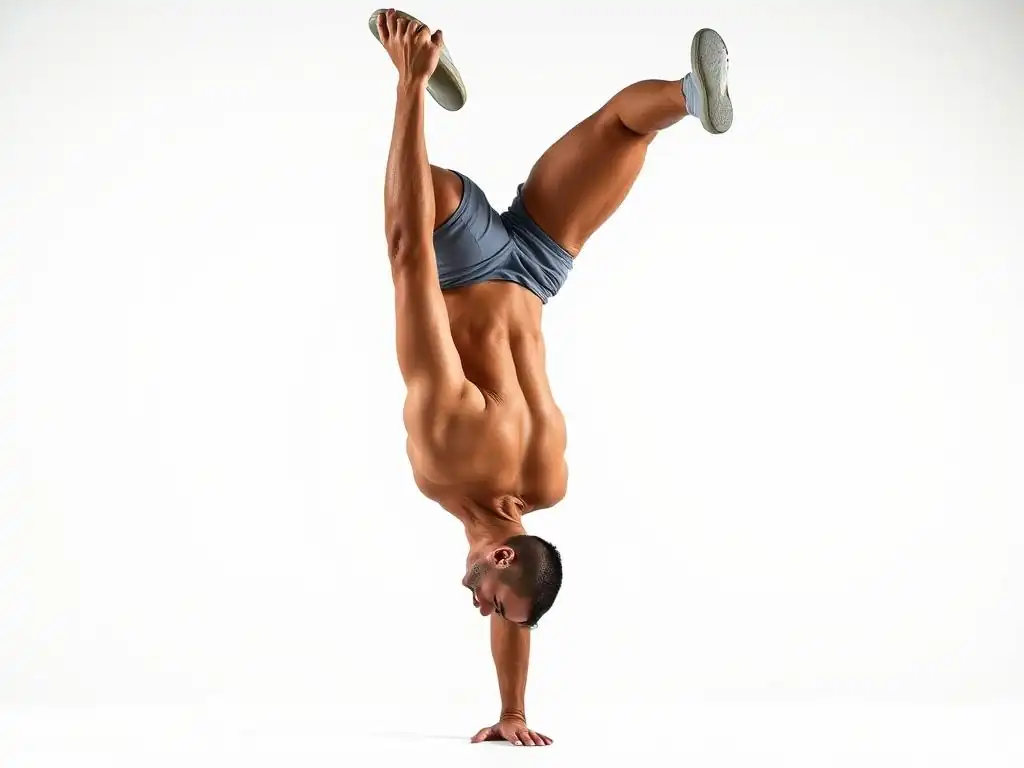
Ready to unlock your physical potential without ever stepping foot in a gym? At UltimateLifeHacks, we're dedicated to helping you streamline your life and achieve peak performance. Discover the secrets to building serious muscle with our comprehensive guide on bodyweight muscle building workouts. Forget expensive equipment and crowded gyms; this revolutionary approach will transform your fitness routine and save you valuable time. Dive in and unleash your inner strength!
- Introduction: Ditch the Gym, Build Muscle at Home
- Essential Bodyweight Exercises for Muscle Growth
- Crafting Your Bodyweight Muscle Building Workout Routine
- Optimizing Your Bodyweight Training for Maximum Results
- Frequently Asked Questions
- Final Reflection: The Enduring Power of Bodyweight Training
- Unleash Your Inner Athlete: Start Your Bodyweight Journey Today!
Introduction: Ditch the Gym, Build Muscle at Home
Forget expensive gym memberships and crowded workout spaces. Building a strong, muscular physique is entirely possible without ever stepping foot inside a commercial gym. This guide delves into the world of bodyweight muscle building, providing you with effective workout routines designed to maximize your results, regardless of your experience level or available space.
We'll explore the numerous benefits of bodyweight training, debunk common myths surrounding its effectiveness, and equip you with the knowledge and tools to transform your body using only your own weight. This is the no-gym revolution, a practical and efficient approach to fitness that fits seamlessly into your busy life, saving you time and money while delivering impressive results. Get ready to unlock your body's full potential with the power of bodyweight exercises and discover the ultimate convenience of a home workout regimen tailored for muscle growth.
Why Bodyweight Training is the Ultimate Time Saver
Bodyweight training offers unparalleled convenience, making it the ultimate time-saver for busy individuals. Unlike gym workouts that require travel time, equipment setup, and potential waiting for machines, bodyweight exercises can be performed virtually anywhere, anytime. A quick 20-30 minute bodyweight workout can be just as effective, if not more so, than a longer, more complex gym session. This efficiency translates to more free time in your day, allowing you to focus on other priorities without sacrificing your fitness goals.
Consider this: a typical gym workout, including travel and warm-up, might take 60-90 minutes. A bodyweight routine, on the other hand, can be completed in a fraction of that time, leaving you with extra hours for work, family, or personal pursuits. Furthermore, the lack of equipment needed eliminates the time spent setting up and putting away weights, further maximizing your efficiency. Bodyweight exercises are ideal for those with limited time, proving that achieving fitness goals doesn't require extensive time commitments. This efficiency is a key component to achieving a sustainable fitness routine.
Bodyweight Muscle Building: Debunking Common Myths
Many believe that bodyweight training is insufficient for building significant muscle mass. This is a common misconception. While weights offer a degree of progressive overload, bodyweight exercises are equally capable of promoting muscle growth, provided the right techniques and progressive overload strategies are employed. The key lies in mastering proper form, increasing repetitions, sets, and incorporating advanced variations of exercises.
The myth that bodyweight exercises only lead to endurance gains and not muscle growth stems from a misunderstanding of how the body adapts to resistance. By progressively challenging your muscles, forcing them to work harder, and engaging in muscle-building exercises like push-ups, pull-ups, squats, lunges, and planks, you can stimulate muscle hypertrophy (growth) just as effectively as with weights. In fact, many advanced bodyweight exercises are incredibly challenging, even for experienced weightlifters.
The key is to focus on proper form, slow and controlled movements, and progressive overload by increasing the difficulty of exercises over time (e.g., progressing from standard push-ups to incline push-ups to decline push-ups). The misconception regarding bodyweight training’s efficacy for muscle building is easily refuted with consistent effort and a well-structured program.
Essential Bodyweight Exercises for Muscle Growth
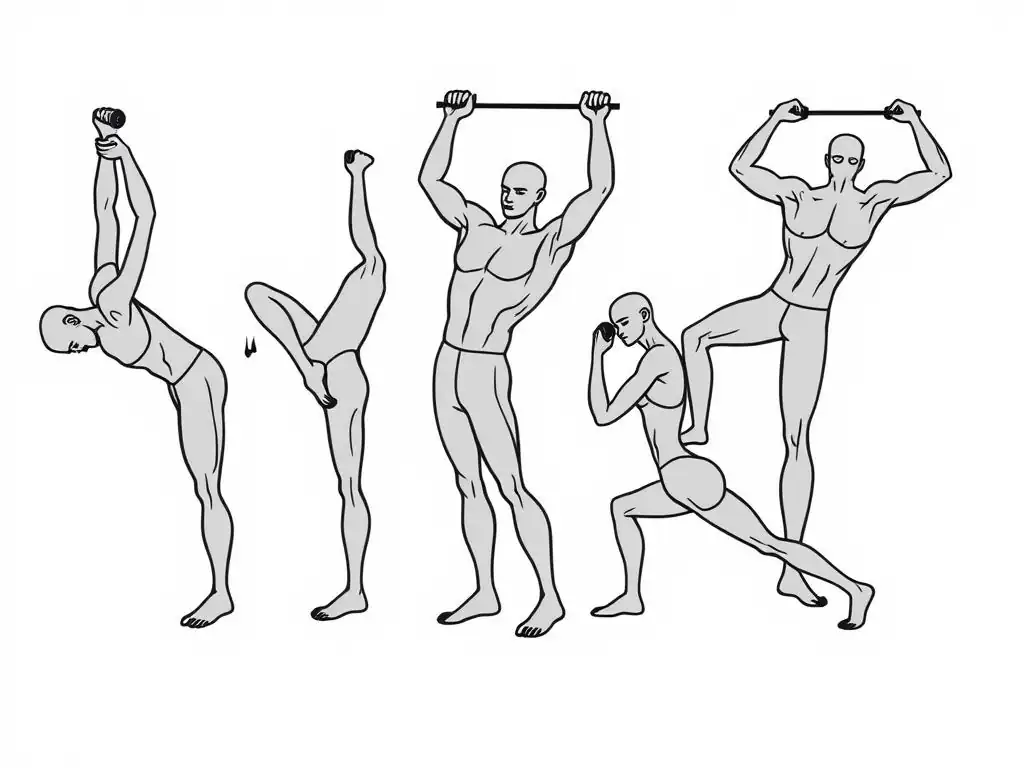
This section details fundamental bodyweight exercises crucial for building muscle mass without gym equipment. Focusing on proper form and progressive overload is key to maximizing results with a bodyweight "bodyweight muscle building workout" routine. Remember to listen to your body and rest adequately to prevent injury and promote muscle recovery. Consistent effort and smart programming are the cornerstones of success in this approach.
Chest and Triceps: Mastering the Push-Up Variations
Push-ups are a cornerstone of any effective bodyweight chest and triceps workout. Their versatility allows for targeting different muscle fibers through variations in hand placement and body angle. Proper form is paramount to avoid injury and maximize muscle activation.
Standard Push-Ups: Technique and Progression
The standard push-up is a foundational exercise. Begin with your hands slightly wider than shoulder-width apart, fingers pointing forward. Maintain a straight line from head to heels, engaging your core. Lower your chest towards the floor, bending your elbows at approximately a 45-degree angle. Push back up to the starting position, focusing on controlled movements. Progress by increasing repetitions or sets. Aim for 3 sets of as many repetitions as possible (AMRAP) initially, gradually increasing the number of reps per set.
Incline Push-Ups: Targeting Upper Chest
Incline push-ups shift the emphasis to the upper chest muscles. Perform standard push-ups with your hands elevated on a stable surface like a bench or chair. The higher the surface, the easier the exercise. This variation reduces the overall weight your body needs to lift, making it suitable for beginners or when you need a modification. Aim for 3 sets of 8-12 repetitions.
Decline Push-Ups: Emphasizing Lower Chest
To target the lower chest, perform decline push-ups. Place your feet elevated on a bench or chair, while your hands remain on the ground. This variation increases the load on the lower pectorals. Start with 3 sets of 6-8 repetitions, gradually increasing as you get stronger.
Diamond Push-Ups: Isolating Triceps
Diamond push-ups are a fantastic isolation exercise for the triceps. Place your hands close together, forming a diamond shape with your thumbs and index fingers. Maintain a straight body line and lower your chest towards your hands. This variation requires significant triceps engagement. Perform 3 sets of as many repetitions as possible.
Back and Biceps: Dominating Pull-Ups and Rows
Building a strong back and biceps with bodyweight requires dedicated effort and progressive overload. Pull-ups and Australian pull-ups (inverted rows) are the key exercises for this area, providing a full-body workout that improves posture and strength.
Pull-Up Progressions: From Assisted to Full Reps
Pull-ups are a challenging exercise. If you cannot perform a full pull-up, start with assisted pull-ups using resistance bands or a pull-up assist machine (if available). Focus on controlled movements, pulling your chest towards the bar. Gradually reduce the assistance as you gain strength. Aim for 3 sets of as many repetitions as possible, even if that’s only a few assisted reps initially.
Australian Pull-Ups (Inverted Rows): Building Strength
Australian pull-ups, also known as inverted rows, are an excellent progression towards full pull-ups. Find a sturdy bar or table and lie underneath it, holding the bar with an overhand grip, slightly wider than shoulder-width apart. Keep your body straight and pull your chest towards the bar. Lower yourself slowly and repeat. This exercise builds the necessary strength for full pull-ups. Aim for 3 sets of 8-12 repetitions.
Bicep Curls with Resistance Bands: Adding Intensity
Resistance bands provide a simple yet effective way to work your biceps. Anchor the band securely and perform bicep curls, focusing on controlled movements and full range of motion. Vary the resistance by adjusting the band tension or the distance from the anchor point. Perform 3 sets of 10-15 repetitions for each arm. Remember to maintain good posture and avoid swinging your body to assist the movement. This will maximize bicep activation and prevent injury. This completes a well-rounded bodyweight muscle building workout focusing on major muscle groups. 🏋️♂️
Legs and Shoulders: Sculpting Powerful Lower and Upper Body
Building a strong and sculpted physique doesn't require expensive gym memberships or complicated equipment. Bodyweight exercises, when performed correctly and consistently, can deliver impressive results, particularly when focusing on compound movements that engage multiple muscle groups simultaneously. This section will delve into some of the most effective bodyweight exercises for targeting both your legs and shoulders, crucial areas for overall strength and aesthetics. We'll explore variations to maximize muscle activation and progressive overload, ensuring continuous progress on your bodyweight muscle building journey.
Remember to prioritize proper form over the number of repetitions to avoid injuries and maximize effectiveness. Focus on controlled movements and a full range of motion for optimal results. Listen to your body and rest when needed; consistent effort over time is key to achieving your fitness goals.
Squats: Variations for Maximum Leg Engagement
Squats are the undisputed king of leg exercises, and for good reason. They work multiple muscle groups simultaneously, including quadriceps, hamstrings, glutes, and calves. However, simply performing standard squats may not fully challenge your muscles over time. To maximize leg engagement and promote continuous growth, consider these variations:
- Standard Squats: The foundation. Ensure your back is straight, chest up, and you descend until your thighs are parallel to the ground.
- Jump Squats: Add an explosive element to increase power and cardiovascular benefits. Focus on a controlled descent and a powerful upward jump.
- Goblet Squats: Hold a weight (even a filled water jug will suffice) close to your chest for increased resistance and core engagement.
- Pistol Squats: An advanced variation requiring excellent balance and leg strength. Start by practicing assisted pistol squats before attempting unassisted repetitions. This exercise is a true testament to leg strength and overall body control.
Lunges: Targeting Specific Leg Muscles
Lunges are another fantastic bodyweight exercise for sculpting powerful legs. Unlike squats, lunges allow for unilateral (one leg at a time) training, highlighting muscle imbalances and allowing for more targeted muscle activation. Variations include:
- Forward Lunges: A classic variation that targets the quads, hamstrings, and glutes. Focus on a controlled step forward, maintaining a straight back and knee aligned with your ankle.
- Reverse Lunges: Places more emphasis on the glutes and hamstrings. Step backward, keeping your front knee behind your toes.
- Lateral Lunges: Works the inner and outer thighs, improving overall leg stability. Step sideways and lower your body, keeping your legs straight. This variation is particularly effective for addressing muscular imbalances.
- Walking Lunges: A dynamic variation that increases cardiovascular intensity. Step forward with one leg, lower your body, and then step forward with the other leg, maintaining a continuous movement.
Pike Push-Ups: Building Shoulder Strength
Pike push-ups are a fantastic bodyweight exercise for building shoulder strength and size. By elevating your hips, you shift the focus from your chest to your anterior deltoids (front shoulders), resulting in a more targeted and effective shoulder workout. To perform a pike push-up effectively:
- Starting Position: Assume a push-up position, but with your hips elevated, forming an inverted V-shape with your body. Your hands should be shoulder-width apart, and your body should form a straight line from head to heels.
- Execution: Lower your head towards the floor by bending your elbows, keeping your body in a straight line. Push back up to the starting position, focusing on controlled movements.
- Progression: As you get stronger, you can increase the difficulty by widening your hand placement or adding repetitions. Proper form is crucial to avoid injury and maximize the benefits of this challenging exercise.
Handstand Progressions: Advanced Shoulder Workout
Handstands are the ultimate bodyweight shoulder exercise, requiring significant strength, balance, and core stability. However, mastering a handstand takes time and dedication. A gradual progression is crucial to avoid injury and build the necessary strength and control. Start with these progressions:
- Wall Walks: Practice walking your feet up a wall until your body is inverted, holding the position for a few seconds before slowly walking back down. This builds shoulder and core strength and improves balance.
- Handstand Holds Against a Wall: Once comfortable with wall walks, practice holding a handstand against a wall, focusing on maintaining a straight line from your head to your heels. Start with short holds and gradually increase the duration.
- Freestanding Handstand Drills: Once you can hold a handstand against a wall for an extended period, start practicing freestanding handstand drills, such as kick-ups and short holds without wall support. Focus on proper form and balance, and gradually increase the duration of your holds. This requires significant dedication and practice. Consider working with a qualified fitness professional for guidance.
Crafting Your Bodyweight Muscle Building Workout Routine
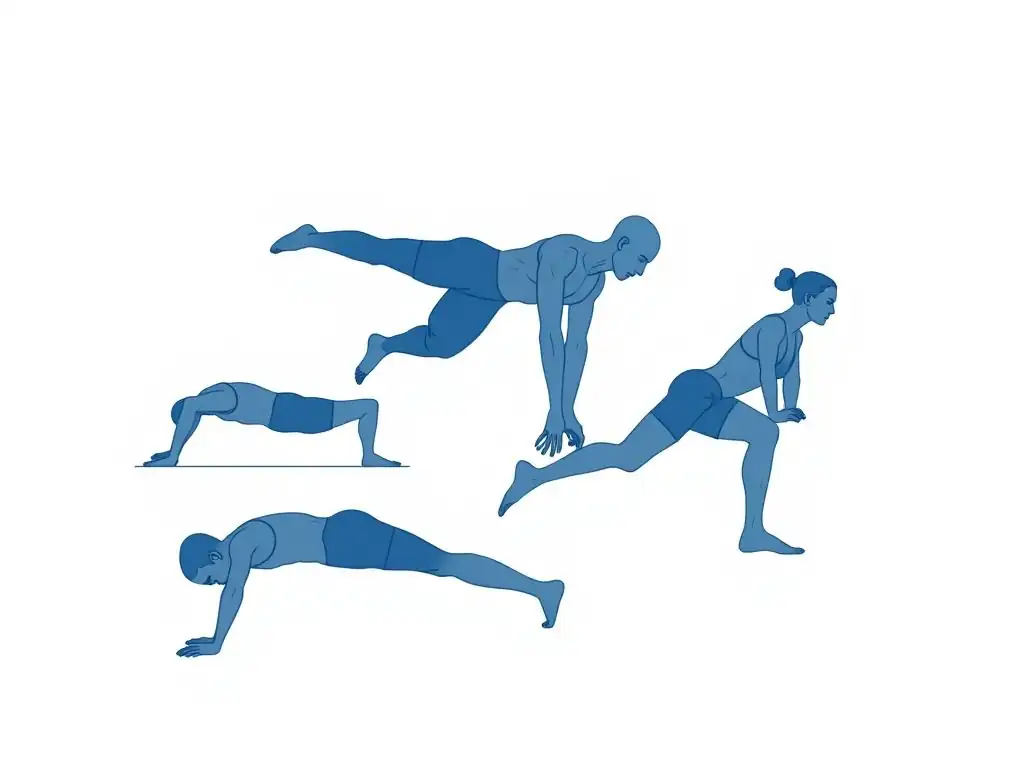
Building muscle without a gym membership is entirely achievable with a well-structured bodyweight muscle building workout routine. The key lies in progressive overload – consistently challenging your muscles by increasing the difficulty of your exercises over time. This can be done by increasing repetitions, sets, holding isometric poses longer, or progressing to more challenging variations of exercises. Remember, proper form is paramount to prevent injuries and maximize results. Focus on controlled movements and avoid using momentum to complete reps.
Beginner Bodyweight Workout Routine (3 Days/Week)
This routine focuses on foundational movements and building a base level of strength and endurance. It's designed for individuals new to bodyweight training or those returning after a significant break. Rest at least one day between workouts.
Day 1:
- Squats: 3 sets of 10-12 repetitions. Focus on proper form: chest up, back straight, and lowering until thighs are parallel to the ground.
- Push-ups (on knees if needed): 3 sets of as many repetitions as possible (AMRAP). Maintain a straight line from head to knees.
- Glute bridges: 3 sets of 15-20 repetitions. Squeeze your glutes at the top of each repetition.
- Plank: 3 sets, holding for 30-60 seconds. Maintain a straight line from head to heels, engaging your core.
Day 2: Rest
Day 3:
- Lunges (alternating legs): 3 sets of 10-12 repetitions per leg. Maintain a 90-degree angle in both knees.
- Incline push-ups (hands on a raised surface): 3 sets of AMRAP. Gradually decrease the incline as you get stronger.
- Calf raises: 3 sets of 15-20 repetitions. Focus on a full range of motion.
- Superman: 3 sets of 15-20 repetitions. Lie on your stomach and lift your arms and legs simultaneously.
Day 4: Rest
Day 5: Repeat Day 1
Day 6 & 7: Rest
Remember to listen to your body and adjust the routine as needed. As you get stronger, gradually increase the number of sets, repetitions, or the difficulty of the exercises. Proper nutrition and sufficient sleep are also crucial for muscle growth.
Intermediate Bodyweight Workout Routine (4 Days/Week)
This routine incorporates more challenging variations of exercises and adds more volume to stimulate further muscle growth. It's suitable for individuals who have been consistently following a beginner routine for several weeks and can comfortably perform the exercises with good form.
Day 1:
- Squat Jumps: 3 sets of 10-12 repetitions. Explosively jump upwards from a squat position.
- Standard Push-ups: 3 sets of AMRAP.
- Single-leg Glute Bridges: 3 sets of 10-12 repetitions per leg.
- Side Plank (each side): 3 sets, holding for 45-75 seconds per side.
Day 2: Rest
Day 3:
- Walking Lunges: 3 sets of 10-12 repetitions per leg.
- Decline Push-ups (feet elevated): 3 sets of AMRAP.
- Jump Squats: 3 sets of 10-12 repetitions.
- Hollow Body Hold: 3 sets, holding for 30-60 seconds.
Day 4: Rest
Day 5: Repeat Day 1
Day 6 & 7: Rest
This routine requires more strength and endurance than the beginner routine. Focus on maintaining proper form to avoid injuries. Remember to progress gradually to avoid overtraining.
Advanced Bodyweight Workout Routine (5 Days/Week)
This routine is designed for experienced individuals who have built a strong foundation of strength and endurance. It incorporates advanced variations of exercises and requires a high level of fitness. Rest is crucial to prevent overtraining and allow for muscle recovery.
Day 1:
- Pistol Squats (assisted if needed): 3 sets of 8-10 repetitions per leg.
- Plyometric Push-ups (clapping push-ups): 3 sets of AMRAP.
- Bulgarian Split Squats: 3 sets of 10-12 repetitions per leg.
- Planche Lean: 3 sets, holding for as long as possible.
Day 2: Rest
Day 3:
- Handstand Push-ups (against a wall if needed): 3 sets of AMRAP.
- L-sit (assisted if needed): 3 sets, holding for as long as possible.
- One-legged Glute Bridges: 3 sets of 10-12 repetitions per leg.
- Tuck Front Lever: 3 sets, holding for as long as possible.
Day 4: Rest
Day 5:
- Muscle-ups (assisted if needed): 3 sets of AMRAP.
- Diamond Push-ups: 3 sets of AMRAP.
- Jump Lunges: 3 sets of 10-12 repetitions per leg.
- Dragon Flags: 3 sets of AMRAP.
Day 6 & 7: Rest
This advanced routine demands significant strength and body awareness. If you're unsure about performing any of these exercises correctly, seek guidance from a qualified fitness professional. Prioritize proper form over the number of repetitions to avoid injuries. Remember to listen to your body and adjust the routine accordingly. Consistent effort and dedication are key to achieving your fitness goals.
Optimizing Your Bodyweight Training for Maximum Results
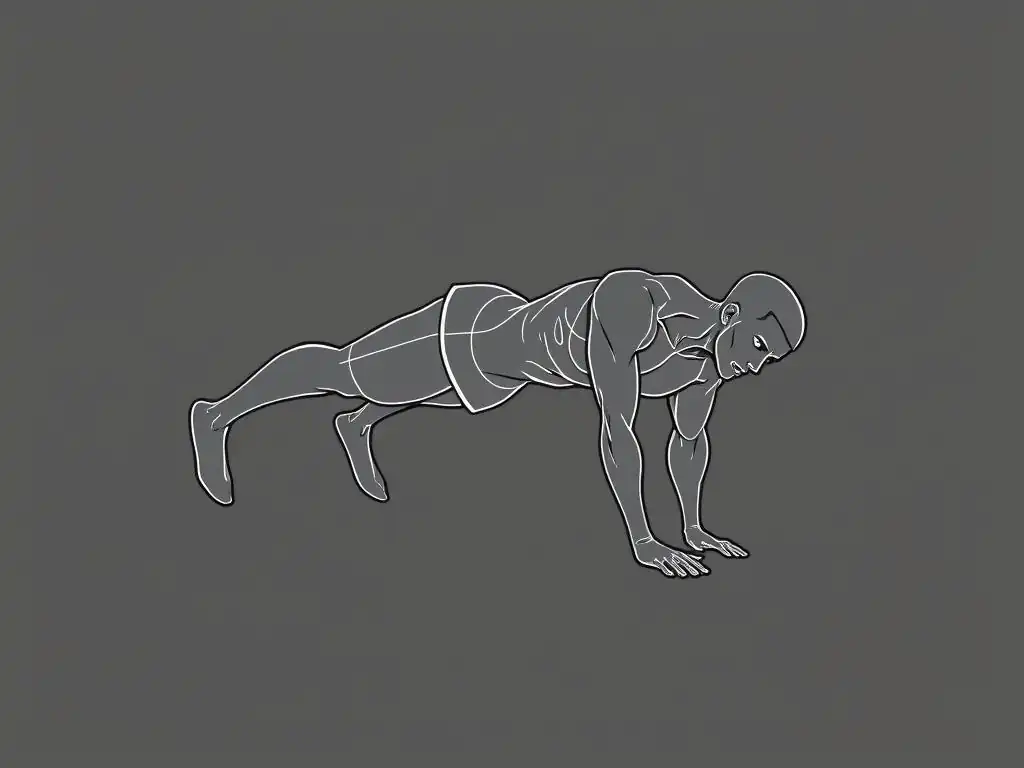
Building muscle with just your bodyweight is entirely achievable, but optimizing your approach is crucial for maximizing results. It's not just about the exercises themselves; it's about a holistic strategy encompassing nutrition, recovery, and consistent progress tracking. Let's delve into the key elements that will transform your bodyweight muscle building workout into a truly effective muscle-building machine. Remember, consistency is key – even small, regular improvements in your technique and approach will yield significant long-term gains. This is the core principle behind effective bodyweight muscle building workout routines.
Nutrition for Muscle Growth on a Bodyweight Program
Fueling your body correctly is paramount when undertaking a bodyweight muscle building workout plan. Your diet should be rich in protein to support muscle repair and growth. Aim for at least 1.6 grams of protein per kilogram of body weight (approximately 0.73 grams per pound). Excellent sources include lean meats, poultry, fish, eggs, dairy, legumes, and tofu.
Don't neglect carbohydrates, which provide the energy for your workouts. Choose complex carbohydrates like whole grains, fruits, and vegetables over refined sugars. Healthy fats, such as those found in avocados, nuts, and olive oil, are also essential for hormone production and overall health. Consider tracking your calorie intake to ensure you're consuming enough to support muscle growth while maintaining a healthy weight.
A slight caloric surplus (consuming slightly more calories than you burn) is generally recommended for muscle building. Remember, hydration is also critical; drink plenty of water throughout the day. A well-planned diet is just as important as the bodyweight muscle building workout itself.
Rest and Recovery: The Key to Muscle Hypertrophy
Muscle growth, or hypertrophy, doesn't happen during your workout; it happens during rest. Your muscles repair and rebuild themselves during recovery periods. Adequate sleep is crucial; aim for 7-9 hours of quality sleep per night. This allows your body to release growth hormone, which plays a vital role in muscle protein synthesis. Overtraining is a common mistake that hinders progress.
Listen to your body; if you're constantly fatigued, incorporate rest days into your routine. Active recovery, such as light walks or stretching, can also be beneficial. Consider incorporating techniques like foam rolling to improve muscle recovery and reduce soreness. Remember, rest and recovery are not optional; they are integral parts of a successful bodyweight muscle building workout plan. Prioritize sleep and recovery just as much as you prioritize your workouts.
Tracking Progress and Adjusting Your Routine
Consistent progress tracking is essential to ensure your bodyweight muscle building workout is effective. Take measurements (chest, arms, legs, waist) and photographs regularly to monitor changes in your physique. Keep a workout journal to record the exercises you perform, the sets, reps, and your perceived exertion level. This allows you to identify areas for improvement and track your progress over time.
If you find yourself plateauing (no longer seeing progress), it's time to adjust your routine. This could involve increasing the difficulty of your exercises (e.g., progressing from push-ups to incline push-ups to decline push-ups), increasing the number of sets or reps, decreasing rest periods, or incorporating new exercises. Consider incorporating progressive overload – gradually increasing the challenge of your workouts over time – to continuously stimulate muscle growth.
Remember, consistency and adaptation are key to long-term success in your bodyweight muscle building workout journey. Regularly review your progress and adjust your plan accordingly. This ensures you continue challenging your muscles and maximizing your results.
Frequently Asked Questions
Can I really build muscle without weights?
Yes! Bodyweight training is incredibly effective for building muscle. Your own body provides sufficient resistance for significant gains, especially with progressive overload.
What are the best bodyweight exercises for muscle building?
Focus on compound movements like push-ups, pull-ups, squats, lunges, and planks. These exercises work multiple muscle groups simultaneously for maximum efficiency.
How often should I do bodyweight workouts?
Aim for 3-4 workouts per week, allowing for adequate rest between sessions. Listen to your body and adjust as needed; recovery is crucial.
How can I make bodyweight exercises harder?
Increase the difficulty through variations (e.g., decline push-ups, pistol squats) or by increasing repetitions and sets. You can also incorporate isometric holds to boost intensity.
What are the benefits of bodyweight training besides muscle building?
Bodyweight workouts improve strength, endurance, flexibility, and balance. They're also convenient, cost-effective, and require no special equipment.
Final Reflection: The Enduring Power of Bodyweight Training
The accessibility and effectiveness of bodyweight training are reshaping the fitness landscape, proving that you don't need a gym membership to build a strong and capable physique. This revolution, fueled by a growing awareness of personal well-being and a desire for convenient fitness solutions, is transforming how we approach strength training and muscle building. The rise of online resources and the democratization of fitness knowledge have made powerful bodyweight routines available to everyone, regardless of their background or financial situation.
The shift towards bodyweight training reflects a deeper cultural yearning for self-reliance and a rejection of the often-intimidating and expensive world of commercial gyms. This movement speaks to a desire for authenticity and a focus on functional fitness, prioritizing strength and mobility that translates directly into everyday life. The body is a temple. Keep it pure and strong.
This sentiment, though simple, encapsulates the core philosophy driving the NoGym revolution. It's about more than just aesthetics; it's about empowering individuals to take control of their health and well-being through accessible and sustainable methods.
Now, consider your own fitness journey. What limitations have you placed on yourself? What if you embraced the simplicity and power of bodyweight exercises? I invite you to challenge your preconceived notions about muscle building and explore the transformative potential of your own body. Start small, find a routine that fits your lifestyle, and experience the satisfaction of building strength and achieving your fitness goals without the need for expensive equipment or crowded gyms. The power to transform is within you, waiting to be unleashed.
Unleash Your Inner Athlete: Start Your Bodyweight Journey Today!
Ready to build muscle and achieve incredible fitness without a gym membership? You've come to the right place! This guide unlocks the secrets to transforming your body using only your own weight.
Here's how to get started:
- Begin your bodyweight training today! Even a short 15-minute workout will make a difference. Try one of the routines in this article – your body will thank you.
- Share your success! Post a picture of your favorite exercise on social media using #NoGymRevolution. Let's inspire each other!
- Continue learning! Explore the vast world of bodyweight exercises and variations; the possibilities are endless.
What's your biggest obstacle to starting your fitness journey, and how will you overcome it?