
The Future of Finance: Expense Tracking Hacks for a Secure Tomorrow


Ready to unlock a world of effortless financial management? At UltimateLifeHacks, we're dedicated to simplifying your life, one hack at a time. This means more time for what matters, and less time stressing over your budget. Our latest dive into the Personal Finance Hacks category explores the crucial topic of expense tracking app reviews, helping you navigate the tech landscape and choose the perfect tool to secure your financial future. Discover how the right app can revolutionize your spending habits – and start building a brighter tomorrow, today. Let's get started!
- Mastering Expense Tracking: A Foundation for Financial Security
-
Best Expense Tracking Apps: A Detailed Review
- Expense Tracking App Reviews: Top Picks for 2024
- Mint: Features, Pros, and Cons – A Comprehensive Review
- Personal Capital: User-Friendly Interface and Budgeting Tools – An In-Depth Look
- YNAB (You Need A Budget): Advanced Features and Integrations – Expense Management Redefined
- Choosing the Right Expense Tracking App: Factors to Consider
- Beyond the Apps: Advanced Expense Tracking Strategies
- Automating Your Finances: The Future of Expense Tracking
- Securing Your Financial Future: Data Privacy and Security in Expense Tracking
- Frequently Asked Questions
- Final Reflection: Mastering Your Finances, Securing Your Future
- Unlock Your Financial Freedom Today!
Mastering Expense Tracking: A Foundation for Financial Security
Navigating the complexities of personal finance can feel overwhelming, but establishing a solid foundation of expense tracking is the cornerstone of long-term financial security. This article delves into the future of finance, exploring practical and effective expense tracking hacks that empower you to take control of your finances and build a secure tomorrow. We'll move beyond simply recording transactions and explore how strategic expense tracking can unlock financial freedom, allowing you to achieve your long-term goals, whether that's buying a home, retiring comfortably, or simply enjoying more financial peace of mind.
This guide is especially relevant for those searching for "Expense tracking app reviews," as we'll explore the core principles regardless of the specific tool you choose. By understanding these principles, you can select and utilize the best expense tracking methods to suit your individual needs and lifestyle. Let's embark on this journey towards financial mastery!
The Importance of Accurate Expense Tracking for Long-Term Financial Goals
Accurate expense tracking is more than just knowing where your money goes; it's a strategic tool for achieving long-term financial goals. Without a clear picture of your spending habits, achieving financial freedom remains elusive. Consider this: how can you effectively budget for retirement if you don't know how much you're currently spending on non-essential items? Or how can you save for a down payment on a house if you're unaware of recurring expenses draining your savings?
Accurate expense tracking provides a crucial baseline for informed financial decision-making. It allows you to identify areas where you can cut back, optimize your budget, and ultimately accelerate your progress towards your financial objectives. This detailed understanding of your spending habits forms the bedrock of a successful financial plan, empowering you to make conscious choices that align with your long-term aspirations. This isn't just about saving money; it's about strategically investing in your future. Think of it as building a strong financial foundation, brick by brick, with each accurately tracked expense contributing to the overall structure. 📈
Budgeting and Expense Tracking: A Powerful Duo for Financial Freedom
Budgeting and expense tracking are inextricably linked; they are two sides of the same coin in the pursuit of financial freedom. While budgeting outlines how you plan to spend your money, expense tracking provides the crucial feedback mechanism to ensure your plan stays on track. It's like having a GPS for your finances: the budget sets the destination, and expense tracking provides real-time updates on your progress, highlighting any deviations from the planned route.
Imagine trying to navigate a city without a map – you might eventually reach your destination, but it will likely be inefficient and potentially costly. Similarly, budgeting without expense tracking can lead to financial missteps and unexpected expenses that derail your progress. By combining these two powerful tools, you gain a holistic view of your financial landscape, empowering you to make informed adjustments and stay consistently on the path to achieving your financial goals. This synergistic relationship between budgeting and expense tracking is the key to unlocking financial freedom and building a secure future. 🔑
Identifying Your Spending Habits: The First Step to Effective Expense Tracking
Before you even consider downloading an expense tracking app or utilizing a spreadsheet, the crucial first step is understanding your spending habits. This involves a period of mindful observation and honest self-assessment. What are your recurring expenses? Where does the majority of your income go? Are there any hidden expenses you weren't previously aware of?
Begin by gathering your financial statements for the past few months. Review each transaction, categorizing it as either essential (rent, groceries, utilities) or non-essential (entertainment, dining out, subscriptions). This process may initially seem tedious, but the insights gained are invaluable. You might be surprised by the areas where you're overspending.
This self-awareness is the foundation of effective expense tracking. Once you have a clear understanding of your spending patterns, you can then strategically implement an expense tracking system – be it an app, a spreadsheet, or even a simple notebook – to monitor your progress and make informed adjustments to your spending habits. This initial step of identifying your spending habits is the critical first step towards gaining control of your finances and building a financially secure future. 🧐
Best Expense Tracking Apps: A Detailed Review
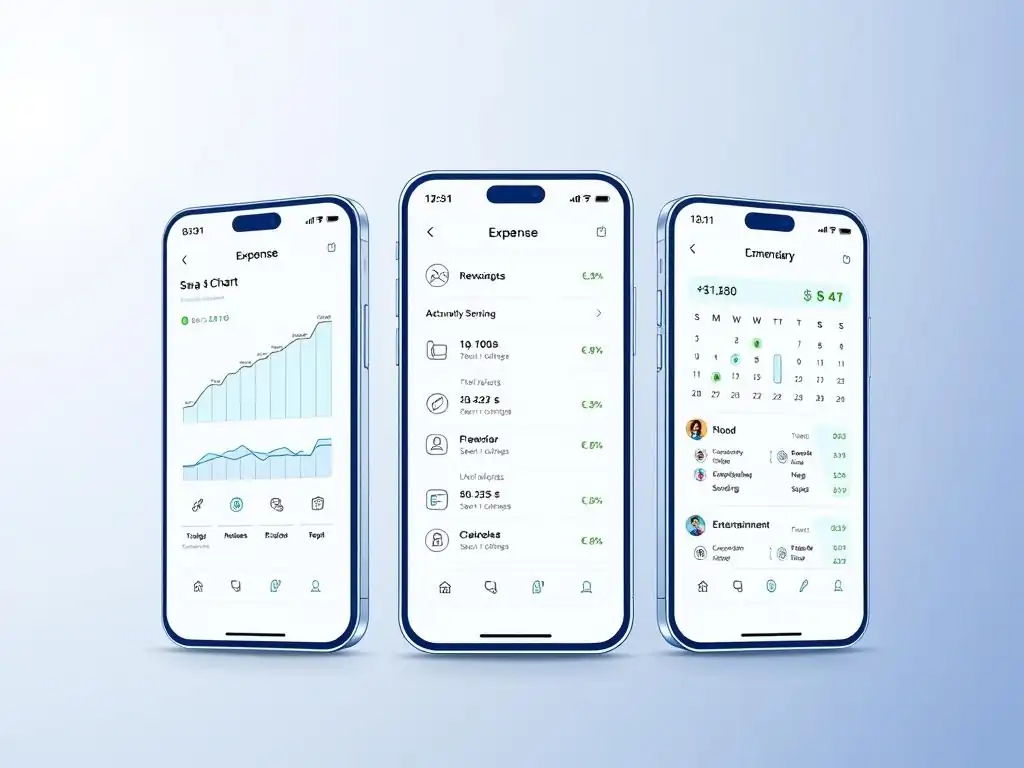
This section dives deep into the world of expense tracking apps, providing in-depth reviews to help you choose the best tool for your financial needs. The market is flooded with options, each promising seamless budgeting and insightful financial analysis. However, not all expense tracking apps are created equal. We'll examine several top contenders, focusing on their features, user-friendliness, and overall effectiveness in helping you achieve your financial goals.
Choosing the right app can significantly improve your ability to manage your finances effectively and build a secure financial future. This review focuses on apps that provide robust expense tracking capabilities, aiding in the process of creating a detailed budget and gaining a clear overview of your spending habits. We'll consider factors such as ease of use, data security, and the availability of advanced features like budgeting tools and financial reporting.
Expense Tracking App Reviews: Top Picks for 2024
Choosing the right expense tracking app can feel overwhelming. To simplify your decision, we've compiled a list of top picks for 2024, categorized for different needs and preferences. This isn't an exhaustive list, but it represents a strong selection of popular and effective options, based on user reviews and expert analysis. Remember that the "best" app depends entirely on your individual requirements.
| App Name | Key Features | Pros | Cons | Ideal User |
|---|---|---|---|---|
| Mint | Automated transaction categorization, budgeting tools | Easy to use, free version available, comprehensive features | Data privacy concerns (owned by Intuit), limited customization options | Beginners, those seeking a simple, free option |
| Personal Capital | Investment tracking, retirement planning tools | Excellent for investors, user-friendly interface, robust features | Free version has limitations, requires linking multiple accounts | Investors, those with diverse financial holdings |
| [App Name Pending] | [Features Pending] | [Pros Pending] | [Cons Pending] | [Ideal User Pending] |
| [App Name Pending] | [Features Pending] | [Pros Pending] | [Cons Pending] | [Ideal User Pending] |
Remember to carefully consider your privacy concerns and data security when selecting an app. Read the privacy policies thoroughly before providing access to your financial accounts. Efficient expense tracking is crucial for building a strong financial foundation.
Mint: Features, Pros, and Cons – A Comprehensive Review
Mint, a popular choice among expense tracking apps, offers a user-friendly interface and a wealth of features. Its automated transaction categorization is a significant time-saver, automatically assigning transactions to pre-defined categories. This feature alone can drastically reduce the time spent manually inputting and organizing financial data. The free version provides access to core functionalities, making it an attractive option for budget-conscious users.
However, Mint's ownership by Intuit raises concerns about data privacy for some users. While the app offers robust security measures, the potential for data sharing with other Intuit products remains a point of contention. Furthermore, customization options are somewhat limited compared to other apps on the market. Despite these drawbacks, Mint's ease of use and comprehensive features make it a strong contender for those seeking a simple yet effective expense tracking solution.
The app's budgeting tools allow users to set financial goals and track progress towards achieving them. This feature is particularly helpful for users aiming to improve their saving habits and manage their finances more effectively. Regular updates also ensure that the app remains relevant and adapts to evolving user needs.
Personal Capital: User-Friendly Interface and Budgeting Tools – An In-Depth Look
Personal Capital distinguishes itself through its focus on investment tracking and retirement planning. While it offers robust expense tracking capabilities, its strength lies in its comprehensive approach to personal finance management. Its user-friendly interface makes navigating the app's various features a breeze, even for users unfamiliar with financial planning tools. The app's ability to connect to multiple accounts provides a holistic view of your financial situation, facilitating better decision-making. The detailed reports generated by Personal Capital offer valuable insights into your spending habits and investment performance.
However, the free version of Personal Capital has limitations. Access to advanced features, such as comprehensive investment analysis and retirement planning tools, often requires a paid subscription. This makes it less accessible to users with limited budgets.
Furthermore, linking multiple accounts can be a time-consuming process, requiring careful attention to ensure accurate data synchronization. Despite these limitations, Personal Capital remains a powerful tool for users seeking a comprehensive solution for managing their finances, especially those with significant investment portfolios. The app's focus on long-term financial planning makes it a valuable asset for individuals aiming to build wealth and secure their financial future.
YNAB (You Need A Budget): Advanced Features and Integrations – Expense Management Redefined
YNAB, or You Need A Budget, stands out from the crowd of expense tracking apps not just for its budgeting features, but for its powerful approach to mindful spending. It's more than just tracking; it's about actively managing your money. Instead of simply recording expenses, YNAB encourages users to assign every dollar a job, ensuring that every expenditure serves a purpose within a carefully crafted budget. This proactive approach prevents overspending and fosters financial responsibility.
One of YNAB's key strengths lies in its advanced features. The app offers sophisticated reporting tools that go beyond simple expense categorization. You can analyze spending trends over time, identify areas for improvement, and track your progress towards financial goals with impressive granularity. This detailed analysis empowers users to make informed financial decisions, optimizing their budgeting strategies and achieving their financial objectives more efficiently.
Furthermore, the app's integration capabilities are noteworthy. YNAB seamlessly connects with various bank accounts, credit cards, and other financial institutions, automating data import and reducing manual data entry. This automated synchronization saves considerable time and effort, allowing users to focus on managing their finances rather than inputting data.
The integration with other financial tools enhances the overall user experience and streamlines the financial management process, making it more efficient and user-friendly. Finally, YNAB offers excellent customer support, providing helpful resources and responsive assistance to users who encounter difficulties or need guidance navigating the app's features. This contributes to a positive user experience and fosters confidence in using the app effectively.
Choosing the Right Expense Tracking App: Factors to Consider
Selecting the best expense tracking app is a personal decision, heavily influenced by individual needs and preferences. Several crucial factors should guide your choice. Firstly, consider the app's user interface (UI) and user experience (UX). A cluttered or confusing interface can quickly derail your motivation. Look for an app with an intuitive design, easy navigation, and a pleasant user experience. The app should be user-friendly and easily adaptable to your personal financial habits.
Secondly, evaluate the features offered. Do you need simple expense tracking, or do you require advanced budgeting tools, financial goal setting, and reporting capabilities? Some apps focus solely on tracking, while others offer comprehensive financial management solutions. Matching the app's features to your needs is vital for maximizing its effectiveness. Consider whether you need features like recurring transaction tracking, bill reminders, or account aggregation.
Thirdly, assess the app's security and privacy measures. Your financial data is sensitive, so choose an app with robust security protocols, including data encryption and secure authentication methods. Research the app's privacy policy to ensure your information is handled responsibly and securely. Check for reviews and testimonials regarding the app's security practices and data protection measures.
Finally, consider the app's platform compatibility and cost. Ensure the app is available on the devices you use regularly (smartphone, tablet, computer). Some apps offer free versions with limited features, while others charge subscription fees for premium access to advanced functionalities. Weigh the cost against the features and benefits to determine the best value for your money. A thorough assessment of these factors will help you choose an expense tracking app that perfectly aligns with your financial management style and goals, ultimately aiding in achieving your financial objectives.
Beyond the Apps: Advanced Expense Tracking Strategies

This section delves into expense tracking methods that go beyond relying solely on apps. While apps offer convenience, understanding alternative strategies empowers you to build a robust and adaptable financial management system. We'll explore manual methods and leverage existing tools in novel ways, ultimately enhancing your "Expense tracking app reviews" understanding by showcasing a broader perspective.
Manual Expense Tracking Methods: Spreadsheets and Notebooks
For those seeking a hands-on approach, or who prefer a system independent of technology, manual expense tracking offers a surprising level of control and insight. Let's explore two popular methods:
Spreadsheets: Using a spreadsheet program like Microsoft Excel or Google Sheets provides a highly customizable and powerful way to track expenses. You can create columns for date, description, category, amount, payment method, and even add notes for context. The ability to use formulas for automatic calculations (like monthly totals or category breakdowns) is a significant advantage. For example, you could use a SUMIF function to automatically calculate total spending within a specific category.
| Date       | Description          | Category       | Amount | Payment Method | Notes                               |
|------------|-----------------------|-----------------|--------|-----------------|------------------------------------|
| 2024-10-26 | Groceries             | Food            | $75    | Credit Card     | Stocked up for the week             |
| 2024-10-26 | Coffee                | Entertainment   | $5     | Debit Card      | Morning coffee run                   |
| 2024-10-27 | Rent                  | Housing         | $1200  | Bank Transfer    | October rent payment                 |
| 2024-10-28 | Movie Tickets          | Entertainment   | $30    | Cash             | Saw "The Martian"                    |
| 2024-10-29 | Utilities             | Housing         | $150   | Online Payment   | Electricity and water bill          |
Notebooks: A simple notebook and pen can be surprisingly effective. The tactile nature can make the process more mindful, encouraging better awareness of spending habits. A well-organized notebook with clearly defined sections for each month or category can be just as effective as a spreadsheet, especially for those who prefer a less tech-heavy approach. Consider using different colored pens to highlight different expense categories for easier visual analysis. Remember to regularly review and summarize your entries to maintain accuracy.
The key to success with manual methods lies in consistency. Regularly updating your records, whether in a spreadsheet or notebook, is crucial for accurate financial analysis.
Utilizing Banking Apps for Expense Tracking: A Convenient Approach
Most modern banking apps offer built-in expense tracking features. While not as customizable as dedicated expense tracking apps, they offer a convenient way to get a quick overview of your spending. Many apps automatically categorize transactions based on merchant information, saving you considerable time and effort. However, manual categorization and adjustments are often necessary for greater accuracy. For example, a transaction labeled "Restaurant" might need to be further categorized into "Dining Out" or "Fast Food" for more detailed analysis.
This approach offers a streamlined workflow, especially for those already comfortable using their banking app for other financial tasks. The integration with your bank accounts ensures real-time data, providing an up-to-the-minute view of your finances. However, remember to regularly review the automatically assigned categories, as errors can occur, leading to inaccurate financial insights. This method provides a good starting point, but supplementing it with other methods might be necessary for a comprehensive view of your spending.
Categorizing Expenses for Effective Analysis: Building a Financial Roadmap
Effective expense tracking isn't just about recording numbers; it's about understanding why you're spending money. Categorizing your expenses is the key to unlocking valuable insights into your financial behavior. A well-defined categorization system allows you to identify areas where you can save money and make informed financial decisions.
Consider a system with broad categories like:
- Housing: Rent/Mortgage, Utilities, Home Maintenance
- Food: Groceries, Dining Out, Coffee
- Transportation: Gas, Public Transport, Car Payments
- Entertainment: Movies, Concerts, Subscriptions
- Healthcare: Medical Bills, Insurance
- Personal Care: Haircuts, Clothing
- Debt Payments: Loans, Credit Cards
- Savings & Investments: Retirement Contributions, Emergency Fund
Further sub-categorization can provide even greater detail. For example, the "Food" category could be broken down into "Groceries," "Dining Out," "Coffee," and "Snacks." This granular level of detail is particularly useful for identifying areas where spending might be excessive. The level of detail you choose will depend on your individual needs and the level of insight you wish to gain.
Regularly review your categorized expenses to identify trends and make adjustments to your budget as needed. This process is essential for building a solid financial roadmap and achieving your financial goals. This detailed approach will enhance your overall understanding when researching "Expense tracking app reviews".
Setting Financial Goals and Tracking Progress: Visualizing Success
Setting clear financial goals is paramount to effective expense tracking. It's not enough to simply monitor where your money goes; you need a destination in mind. Think of expense tracking as a map guiding you toward your financial aspirations. Without a destination, the map is useless.
Start by defining short-term and long-term financial goals. Short-term goals might include paying off a credit card debt within six months, saving for a down payment on a car, or accumulating a three-month emergency fund. Long-term goals could encompass buying a house, funding your children's education, or securing a comfortable retirement. Be specific! Instead of "save more," aim for "save $500 per month for a down payment."
Once your goals are defined, integrate them into your expense tracking system. Many budgeting apps allow you to link savings goals directly to your budget, visually showing your progress toward each target. This visual representation of progress is incredibly motivating. Seeing the bar graph inch closer to your goal each month provides positive reinforcement and keeps you engaged in the process.
Consider using a visual budgeting method, such as a pie chart or a simple spreadsheet with color-coded categories, to represent your spending against your income. This allows you to easily see where your money is going and identify areas where you can make adjustments to better align with your financial goals. For example, if your "entertainment" slice of the pie is disproportionately large compared to your savings goal, it’s a clear signal that adjustments are needed.
Regularly review your progress. Schedule time each month – perhaps the first Sunday – to analyze your spending patterns and assess your progress toward your goals. Celebrate milestones! Reaching smaller goals along the way provides a sense of accomplishment and fuels your motivation to continue on the path to financial success. This consistent tracking and evaluation are crucial for maintaining momentum and adapting your strategies as needed. Remember, setting realistic and achievable goals is key to long-term success in expense tracking and overall financial well-being. 🎉
Automating Your Finances: The Future of Expense Tracking
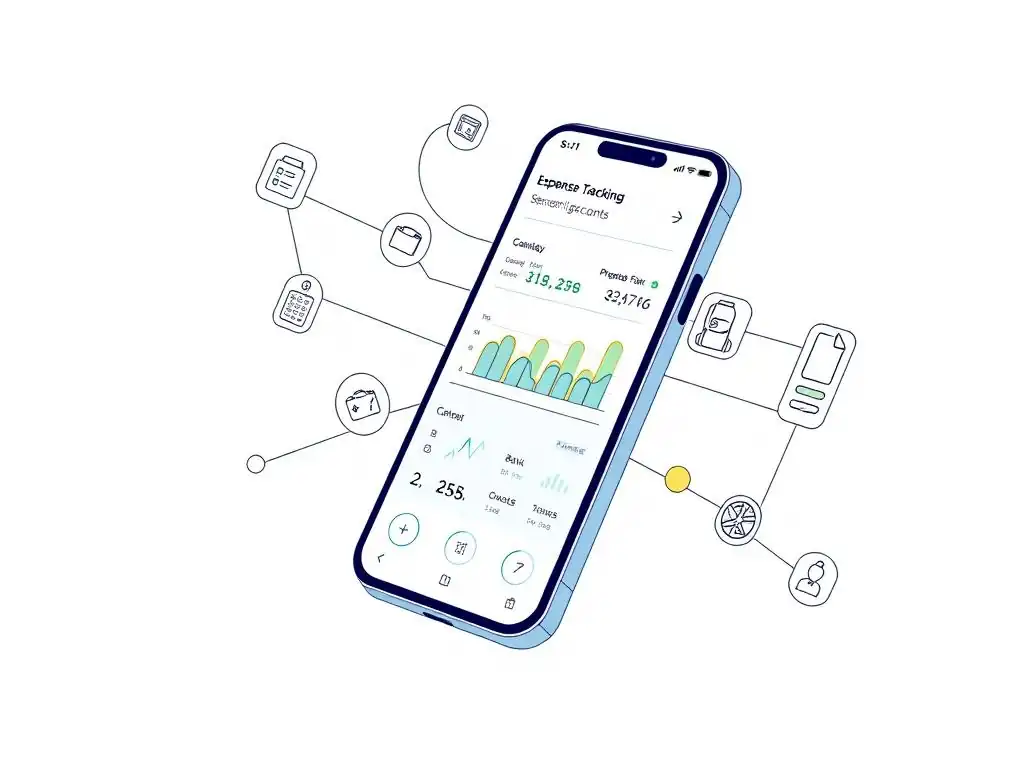
Automating your finances is no longer a luxury; it's a necessity in today's fast-paced world. Efficient expense tracking is crucial for building a secure financial future, and automation significantly streamlines this process. This section explores how automation transforms expense tracking from a tedious chore into a powerful tool for financial empowerment. We'll delve into specific strategies and the benefits they offer, focusing on how these advancements impact your overall financial well-being. The shift towards automated systems is a key element in positive "Expense tracking app reviews," as users increasingly seek solutions that reduce manual effort and improve accuracy.
Automating Bill Payments for Seamless Financial Management
Automating bill payments is the cornerstone of effortless financial management. Imagine a world without manually writing checks or logging into multiple websites to make payments. With automated bill pay, you can schedule recurring payments for utilities, subscriptions, loans, and more, ensuring timely payments and avoiding late fees. Many banking apps and financial institutions offer this feature, allowing you to link your accounts and set up automated payments with just a few clicks.
This eliminates the risk of missed payments, freeing up valuable time and mental energy. Furthermore, the detailed transaction history provided by these automated systems contributes to more accurate expense tracking, providing a clearer picture of your monthly outflow. This level of automation is a major factor driving positive sentiment in "Expense tracking app reviews."
The benefits extend beyond convenience. Automating bill payments also improves your credit score by consistently demonstrating responsible financial behavior. This is particularly important for securing loans or obtaining favorable interest rates in the future. Consider the time saved: the hours spent each month managing individual bills can be redirected towards more productive activities or simply enjoying leisure time. The impact on stress levels alone is significant. The transition to automated bill pay is a small step with a substantial positive impact on your financial health.
Integrating Expense Tracking with Investment Apps: A Holistic Approach
A truly effective financial strategy requires a holistic approach, seamlessly integrating expense tracking with investment planning. The best expense tracking apps now offer integration with various investment platforms, providing a unified view of your financial landscape. This integration allows you to see the direct correlation between your spending habits and your investment growth. For example, tracking excessive spending on non-essential items can highlight areas where budget adjustments could accelerate your savings and investment goals.
Consider the power of visualizing this connection: a simple dashboard displaying both your spending patterns and investment performance can be incredibly motivating. It allows for immediate adjustments to spending habits based on investment targets. This holistic approach is far more effective than managing expenses and investments in isolation. The synergy between these aspects creates a powerful feedback loop, continuously refining your financial strategy. Many users cite this integrated approach as a key factor in their positive "Expense tracking app reviews." The convenience and insightful data provided by these integrated systems are invaluable assets in managing personal finances effectively.
Leveraging AI for Personalized Financial Insights: The Next Level of Expense Tracking
The future of expense tracking is intelligent and personalized. AI-powered expense tracking apps are emerging, offering sophisticated features like predictive budgeting, personalized financial advice, and automated categorization of transactions. These apps go beyond simple record-keeping; they analyze your spending patterns, identify potential areas for improvement, and provide tailored recommendations to optimize your financial health.
Imagine an app that automatically categorizes every transaction, flags unusual spending, and even suggests ways to reduce expenses based on your individual financial goals. This level of personalized insight is a game-changer. AI algorithms can identify spending trends you might not notice yourself, offering proactive insights rather than simply reactive reporting.
This proactive approach is a significant advancement over traditional methods, enhancing the overall user experience and leading to more positive "Expense tracking app reviews". The use of AI in expense tracking is not just a technological advancement; it's a fundamental shift towards a more proactive and personalized approach to financial management. The potential for improved financial literacy and better financial outcomes is immense.
Predicting Future Expenses: Proactive Financial Planning
Predicting future expenses is crucial for effective financial planning and achieving long-term financial security. While perfectly predicting the future is impossible, leveraging data from your expense tracking app and incorporating smart strategies can significantly improve your accuracy. This proactive approach allows you to anticipate potential financial shortfalls and adjust your spending habits accordingly, preventing unexpected financial stress.
One powerful method involves analyzing historical spending data. Most robust expense tracking apps provide detailed reports and visualizations, allowing you to identify spending patterns and trends. For instance, you might notice consistently higher spending during specific months (e.g., holiday seasons) or recurring expenses like annual insurance premiums. By studying these trends, you can create a more realistic budget that accounts for these predictable fluctuations. This avoids the common pitfall of budgeting based solely on current spending, which often overlooks future predictable expenses.
Beyond historical data, incorporate known future events into your financial projections. Planning a vacation? Factor in travel costs, accommodation, and activities. Expecting a significant life event like a wedding or a home renovation? Allocate funds accordingly, ensuring you're not caught off guard by substantial one-time expenses. Many expense tracking apps allow you to schedule future transactions, providing a visual representation of your projected cash flow and helping you manage these anticipated costs effectively.
Furthermore, consider utilizing budgeting tools and features within your expense tracking app. Many apps offer functionalities like setting budget alerts or creating savings goals. These features can help you proactively monitor your spending against your projected expenses, sending notifications when you approach your spending limits or fall short of your savings targets. This real-time feedback loop is invaluable for maintaining financial discipline and ensuring you stay on track towards your financial goals.
Regularly reviewing these projections and adjusting your budget as needed is vital; life throws curveballs, and your financial plan should be flexible enough to adapt. The key is to be proactive, not reactive, in managing your finances. This proactive approach, coupled with the insights gained from your expense tracking app, empowers you to navigate financial uncertainties with greater confidence and control.
Securing Your Financial Future: Data Privacy and Security in Expense Tracking
Expense tracking apps offer incredible convenience, helping you budget effectively and achieve your financial goals. However, entrusting your sensitive financial data to these apps necessitates a deep understanding of data privacy and security. Failing to prioritize security can lead to identity theft, financial fraud, and significant emotional distress. This section explores crucial aspects of securing your financial future within the context of expense tracking.
We'll examine best practices, app selection criteria, and the technical underpinnings of data protection. Choosing the right app and understanding its security features are paramount in safeguarding your financial well-being. Let's delve into the specifics to empower you to make informed decisions.
Protecting Your Financial Data: Best Practices for Online Security
Beyond simply choosing a secure expense tracking app, proactive measures on your part are crucial. These best practices extend beyond the app itself and encompass your overall online security hygiene. Consider these vital steps:
- Strong Passwords: Employ unique, complex passwords for each of your online accounts, including your expense tracking app. A password manager can assist in generating and securely storing these passwords. Avoid easily guessable information like birthdays or pet names. Think of using a passphrase – a longer, more memorable sentence – as an alternative.
- Two-Factor Authentication (2FA): Always enable 2FA whenever available. This adds an extra layer of security, requiring a second verification method (like a code sent to your phone) in addition to your password. This significantly reduces the risk of unauthorized access, even if your password is compromised.
- Regular Software Updates: Keep your operating system, apps, and antivirus software updated. Updates often include crucial security patches that address vulnerabilities exploited by cybercriminals.
- Beware of Phishing: Be vigilant against phishing attempts. These scams often involve fraudulent emails or messages designed to trick you into revealing your login credentials or other sensitive information. Never click on suspicious links or provide personal information unless you are absolutely certain of the sender's legitimacy.
- Secure Wi-Fi Networks: Avoid using public Wi-Fi networks to access your expense tracking app, as these networks are often less secure and vulnerable to eavesdropping. Use a VPN (Virtual Private Network) for added security when using public Wi-Fi.
- Regular Security Audits: Periodically review your app's security settings and your own online habits to identify any potential weaknesses. Staying informed about emerging threats is crucial for maintaining robust online security.
Choosing Secure Expense Tracking Apps: Privacy Features to Look For
When selecting an expense tracking app, don't solely focus on features; prioritize security. Look for these key privacy features:
- Data Encryption: The app should utilize robust encryption (like AES-256) both in transit (while data travels between your device and the app's servers) and at rest (while data is stored on the app's servers). This protects your data from unauthorized access even if a security breach occurs.
- Privacy Policy Transparency: A clear and easily understandable privacy policy is essential. Review the policy carefully to understand how your data is collected, used, shared, and protected. Look for statements explicitly addressing data encryption, data retention policies, and third-party data sharing practices.
- Security Certifications: Check if the app has any relevant security certifications or audits. This demonstrates a commitment to security and data protection.
- Customer Support: A responsive and helpful customer support team can be vital if you encounter security concerns or have questions about the app's privacy practices.
Understanding Data Encryption and its Role in Financial Security
Data encryption is a cornerstone of online security. It transforms your sensitive financial data into an unreadable format, rendering it useless to unauthorized individuals. Think of it as a secret code that only the authorized recipient (you and the app, with proper authentication) can decipher.
- AES-256 Encryption: Advanced Encryption Standard (AES) with a 256-bit key is widely considered a highly secure encryption algorithm. The larger the key size (in bits), the more computationally difficult it is to crack the encryption. AES-256 is currently considered virtually unbreakable with current technology.
- Encryption in Transit vs. at Rest: Encryption in transit protects your data as it travels between your device and the app's servers. Encryption at rest protects your data while it's stored on the app's servers. Both are crucial for comprehensive security.
- The Importance of Key Management: Secure key management is paramount. The encryption keys must be protected with the same level of care as your password. A compromise of the encryption keys would negate the security provided by encryption.
Understanding these aspects of data encryption empowers you to make informed choices about which expense tracking apps best safeguard your financial information. Choosing an app with strong encryption is a critical step towards securing your financial future. Remember, proactive steps on your part combined with a secure app form a robust defense against potential threats.
The Importance of Regular App Updates for Security Patches
Regular updates aren't just about adding new features; they're crucial for maintaining the security of your financial data. Expense tracking apps, like any software, are vulnerable to security exploits. Cybercriminals are constantly searching for weaknesses to gain unauthorized access to sensitive information. These updates often include vital security patches that address these vulnerabilities, plugging holes that could otherwise leave your personal financial information exposed. Ignoring these updates is akin to leaving your front door unlocked – you're inviting trouble.
Think of it this way: developers are constantly monitoring the app's performance and security. They identify potential threats and release updates to fix them. These fixes might involve patching vulnerabilities in the app's code, improving encryption protocols, or strengthening authentication methods. A seemingly minor update might actually be addressing a critical security flaw that could lead to identity theft or financial fraud. Failing to install these updates leaves your data vulnerable to various threats, including malware, phishing attacks, and data breaches.
The consequences of neglecting updates can be severe. A compromised expense tracking app could result in unauthorized access to your bank accounts, credit card details, and other sensitive financial information. This could lead to significant financial losses, identity theft, and the need for extensive remediation efforts. The time and effort spent recovering from such a breach far outweighs the few minutes it takes to install an update.
Therefore, enabling automatic updates is a simple yet highly effective way to protect your financial data and secure your future. This proactive approach significantly reduces the risk of a security breach and enhances your overall financial security. Prioritizing app updates demonstrates responsible financial management and contributes to long-term financial well-being. Remember, staying updated is a key element in responsible use of expense tracking apps and minimizing your risk.
Frequently Asked Questions
What is the best expense tracking app?
There's no single "best" app, as the ideal choice depends on your individual needs and preferences. Consider features like budgeting tools, reporting options, and platform compatibility before selecting one. Explore reviews to find a good fit.
How can expense tracking apps improve my financial security?
By monitoring spending habits, you gain better control over your finances. This allows for informed budgeting, early detection of overspending, and ultimately, better financial planning for a secure future.
Are expense tracking apps secure?
Reputable apps employ strong security measures to protect your data. However, always choose apps with positive reviews and strong security reputations. Read the privacy policy carefully before providing any personal information.
How much time does it take to use an expense tracking app daily?
The time commitment is minimal; most apps allow for quick manual entry or automatic syncing with bank accounts. A few minutes daily is usually sufficient to maintain accurate records.
What are the key features to look for when reviewing expense tracking apps?
Essential features include easy data entry, clear and customizable reports, secure data storage, budgeting tools, and integration with bank accounts or credit cards. Consider your specific needs when comparing features.
Final Reflection: Mastering Your Finances, Securing Your Future
The ability to effectively track expenses is no longer a luxury; it's a fundamental necessity for navigating the complexities of modern finance. In a world increasingly defined by economic uncertainty and technological advancement, understanding where your money goes is the first step toward building a secure and prosperous future. This isn't just about budgeting; it's about empowerment, control, and achieving long-term financial goals.
The impact of readily available expense tracking technology is profound, reshaping how individuals approach their financial well-being. We've moved beyond the days of cumbersome spreadsheets and manual calculations. The ease of access to powerful apps, coupled with the increasing awareness of the importance of financial literacy, is fostering a new generation of financially savvy individuals. Financial freedom is not about how much money you make, but how you manage it.
This quote perfectly encapsulates the core message of this article: it's not about earning more, but about making the most of what you have.
Now, consider your own financial journey. What steps will you take to integrate these expense tracking hacks into your daily life? Will you explore the various apps reviewed, finding the perfect fit for your needs and lifestyle? Remember, taking control of your finances is an ongoing process, a journey of continuous learning and adaptation. Embrace this challenge, and watch as your financial security blossoms, paving the way for a brighter and more financially stable tomorrow.
Unlock Your Financial Freedom Today!
Thank you for exploring the future of finance with us! We hope you gained valuable insights into smart expense tracking and building a secure financial future. Now, it's time to put that knowledge into action.
- Start tracking your expenses today! Download a budgeting app, use a spreadsheet, or even a simple notebook—the key is to begin. This is your first step toward financial clarity.
- Share this article with a friend or family member who could benefit from these tips. Let's build a community of financially empowered individuals together!
- Consider trying a new budgeting method, such as the zero-based budget or the 50/30/20 rule. Experiment to find what works best for you!
What's one small step you'll take this week to improve your financial well-being? Let's discuss in the comments!