
The Smart Way to Track Expenses: Hacks for a More Profitable Life

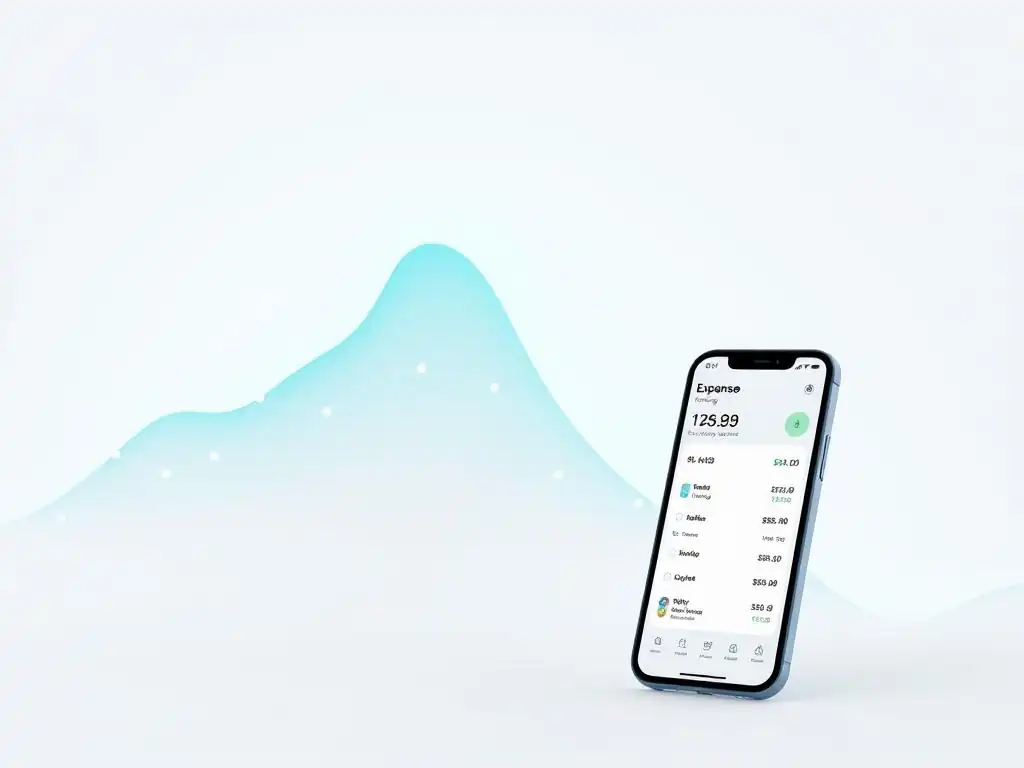
Ready to unlock the secrets to a more profitable and stress-free life? At UltimateLifeHacks, we're dedicated to sharing practical strategies that boost your efficiency and save you time. This week, we dive into the crucial skill of tracking expenses efficiently and profitably. Discover how mastering this seemingly simple task can dramatically impact your financial well-being – and unlock a level of financial freedom you never thought possible. Let's get started!
- Understanding the Importance of Efficient Expense Tracking
- Effective Methods to Track Expenses Efficiently and Profitably
- Advanced Hacks for Optimized Expense Tracking
- Analyzing Your Expenses for Profitable Decisions
- Maintaining Consistent Expense Tracking Habits
- Frequently Asked Questions
- Final Reflection: Unlocking Financial Freedom Through Conscious Spending
- Unlock Your Financial Freedom: Take Control of Your Spending Now!
Understanding the Importance of Efficient Expense Tracking
Tracking your expenses might seem like a tedious chore, but it's a cornerstone of building a financially secure and profitable life. In today's fast-paced world, where subscriptions and micro-transactions are commonplace, it's easy to lose track of where your money is going. Efficient expense tracking isn't just about knowing how much you're spending; it's about gaining a clear understanding of your financial health, identifying areas for improvement, and ultimately, paving the way for increased profitability.
This article will delve into practical strategies and life hacks to help you track expenses efficiently and profitably, transforming the process from a daunting task into a powerful tool for financial empowerment. We'll explore how meticulous expense tracking contributes directly to your bottom line, allowing you to make informed decisions and achieve your financial goals faster. Let's unlock the secrets to a more profitable future, one expense at a time.
Why Tracking Expenses is Crucial for Financial Success
Financial success isn't solely about earning more; it's equally about managing what you earn effectively. Tracking expenses is crucial because it provides a clear picture of your spending habits, revealing areas where you might be overspending unknowingly. This awareness is the first step towards making informed financial decisions. Imagine trying to navigate without a map – you might reach your destination eventually, but the journey will be far longer and more difficult. Similarly, navigating your finances without tracking expenses is like driving blindfolded.
Consider these key benefits:
- Budgeting and Goal Setting: Accurate expense tracking forms the basis of a realistic budget. Understanding your spending patterns allows you to set achievable financial goals, whether it's saving for a down payment, paying off debt, or investing for retirement.
- Debt Management: By identifying areas of overspending, you can pinpoint which debts to prioritize and create a plan to eliminate them more quickly.
- Identifying Leaks: Expense tracking often unveils hidden subscription fees, recurring costs, or impulsive purchases that drain your resources without you realizing it. These are the "financial leaks" that efficient tracking helps you plug.
- Improved Financial Discipline: The act of consistently tracking expenses fosters financial discipline and mindfulness, leading to more responsible spending habits over time.
- Increased Savings: By understanding where your money goes, you can make conscious choices to reduce unnecessary expenses and significantly increase your savings.
The Link Between Expense Tracking and Profitability
The connection between expense tracking and profitability might not be immediately obvious, but it's undeniable. By meticulously tracking your expenses, you gain valuable insights into your financial performance, allowing you to optimize your spending and increase your overall profitability. This isn't just about personal finances; the principles apply to businesses as well.
Think of it this way: a business that doesn't track its expenses is like a ship sailing without a compass. It might reach its destination eventually, but it's highly likely to encounter unnecessary delays, increased costs, and potentially even sink. Similarly, neglecting to track personal expenses can lead to financial instability and hinder your progress towards financial freedom. Efficient expense tracking allows you to:
- Negotiate Better Deals: Understanding your spending habits empowers you to negotiate better deals with service providers and suppliers, potentially saving you significant amounts of money.
- Make Informed Investment Decisions: Knowing your exact spending allows you to invest more wisely, ensuring that your investments align with your financial goals and risk tolerance.
- Maximize Returns: By optimizing your spending and minimizing unnecessary expenses, you free up more resources to be invested in profitable ventures, generating higher returns.
- Avoid Financial Stress: Gaining control over your finances through diligent expense tracking reduces stress and provides a sense of security.
Identifying Your Spending Habits: The First Step to Savings
Before you can optimize your spending, you need to understand your current spending habits. This requires a honest assessment of where your money is going. There are several methods to achieve this. Some prefer detailed spreadsheets, others utilize budgeting apps, and some find success with a simple notebook and pen. The key is consistency and accuracy.
Here's a breakdown of how to effectively identify your spending habits:
- Categorize Your Expenses: Group your expenses into categories (e.g., housing, transportation, food, entertainment). This provides a clearer picture of your spending patterns.
- Track Every Expense: This is crucial for accuracy. Even small purchases add up over time. Use receipts, bank statements, and credit card transactions to record every expense.
- Analyze Your Data: Once you have a few weeks or months of data, analyze the results. Identify areas where you are overspending and determine whether those expenses are necessary.
- Set Realistic Goals: Based on your analysis, set realistic goals to reduce spending in certain categories. Start with small, achievable goals and gradually work towards larger ones.
- Review Regularly: Regularly review your expense tracking to ensure you are staying on track and making progress towards your goals. This process should be an ongoing one, not a one-time task. Consider a weekly or monthly review to maintain momentum.
By diligently following these steps, you will gain a comprehensive understanding of your spending habits, paving the way for significant savings and increased profitability in your financial life. Remember, the journey to financial success starts with one small, yet powerful step: tracking your expenses. 🎉
Effective Methods to Track Expenses Efficiently and Profitably
This section delves into practical, actionable strategies for effectively tracking your expenses, ultimately leading to a more profitable life. We'll explore various methods, highlighting their strengths and weaknesses to help you choose the approach best suited to your needs and tech-savviness. Mastering expense tracking is crucial for understanding your spending habits, identifying areas for improvement, and making informed financial decisions. The ability to accurately track expenses efficiently and profitably is a cornerstone of sound personal finance.
Utilizing Budgeting Apps for Expense Management
Budgeting apps offer a streamlined approach to expense tracking, often automating many tedious tasks. These apps typically connect directly to your bank accounts, automatically categorizing transactions and providing real-time insights into your spending. Many offer features like budgeting tools, savings goals, and expense reports, all designed to simplify financial management and improve your understanding of your financial situation.
Several popular apps boast user-friendly interfaces and robust features. For example, some apps utilize AI-powered algorithms to predict future spending based on past behavior, helping you proactively manage your finances. Others offer collaborative features, allowing couples or roommates to track shared expenses more easily. The convenience and automation offered by these apps can significantly enhance your ability to track expenses efficiently and profitably.
However, it's crucial to consider potential drawbacks. Data security and privacy are paramount concerns. Ensure the app you choose has a strong security record and adheres to strict data protection regulations. Some apps also require a subscription fee for accessing premium features, so carefully weigh the cost against the benefits before committing. Furthermore, the accuracy of automatic categorization depends on the app's algorithm and may require manual adjustments for optimal results.
Manual Expense Tracking: Spreadsheets and Journals
While technology offers convenience, manual tracking methods like spreadsheets and journals offer a level of control and customization that some users prefer. Spreadsheets, using programs like Microsoft Excel or Google Sheets, allow for highly personalized expense tracking systems. You can create custom categories, formulas for calculating totals and averages, and even charts to visualize your spending patterns. This level of control allows for a deep dive into your finances, potentially uncovering nuanced spending habits that automated systems might miss. This detailed approach facilitates tracking expenses efficiently and profitably.
Using a physical journal allows for a more tactile and mindful approach to expense tracking. The act of physically writing down each expense can foster greater awareness of your spending. This method can be particularly beneficial for those who prefer a less digital approach to personal finance. However, manual methods require more effort and time commitment compared to automated apps. Regular data entry and maintaining an organized system are crucial to prevent errors and ensure accurate insights. Furthermore, generating reports and identifying trends requires manual analysis, which can be time-consuming.
Categorizing Expenses for Clearer Financial Insights
Regardless of the method you choose, effectively categorizing your expenses is crucial for gaining meaningful insights into your spending habits. Consistent categorization allows you to identify areas where you're overspending and opportunities to save. Common categories include housing, transportation, food, entertainment, and debt payments. However, you can create more specific subcategories tailored to your individual needs. For instance, under "Food," you might have subcategories like "Groceries," "Restaurants," and "Coffee." This granular approach to categorization is key to tracking expenses efficiently and profitably.
The level of detail in your categorization will depend on your personal goals and the complexity of your financial situation. A simple categorization scheme might suffice for those with straightforward spending habits. However, those seeking to optimize their finances may benefit from a more detailed system. Regularly reviewing your categorized expenses and adjusting your categories as needed will ensure the accuracy and relevance of your financial analysis.
Analyzing these categories over time allows you to identify trends and make informed decisions about your spending. For example, you might discover that dining out contributes significantly to your monthly expenses, prompting you to explore cost-saving alternatives. This data-driven approach is vital for improving your financial health and achieving long-term financial success.
Tracking Recurring Expenses and Subscriptions
Recurring expenses and subscriptions often slip through the cracks of casual expense tracking. These seemingly small monthly payments—streaming services, gym memberships, software subscriptions—can quietly drain your budget over time. Failing to track them accurately leads to a skewed perception of your overall financial health. Effectively tracking these expenses is crucial for identifying areas where you can cut back and free up funds for more important goals.
One effective method is to create a dedicated spreadsheet or use a budgeting app designed to categorize recurring payments. List each subscription, its cost, and the payment date. Many budgeting apps automatically sync with your bank accounts, making this process easier. However, manually inputting this information ensures accuracy and allows for a deeper understanding of your spending patterns. This proactive approach helps prevent unexpected overdrafts and promotes mindful spending habits.
Consider reviewing your recurring expenses at least once a quarter. This allows you to identify subscriptions you no longer need or use, or those that may have increased in price without your knowledge. For example, you might find that you haven't used a specific streaming service in months, or that a gym membership is no longer cost-effective given your current fitness routine.
Cancelling these unnecessary subscriptions can immediately free up significant portions of your monthly budget. This systematic review is a powerful tool for improving your financial well-being and aligning your spending with your priorities. The savings accumulated from eliminating redundant subscriptions can be surprisingly substantial over time, significantly contributing to a more profitable life.
Remember, even small savings add up, and consistent monitoring of recurring expenses is key to optimizing your finances. This proactive approach to expense tracking ensures you're always in control of your budget, and that your money is working for you, not against you.
Advanced Hacks for Optimized Expense Tracking
This section delves into more sophisticated techniques to elevate your expense tracking beyond the basics, ultimately helping you track expenses efficiently and profitably. We'll explore automation, budgeting strategies, and insightful analysis to empower you to take control of your finances.
Automating Expense Tracking with Bank Integrations
Manually inputting every transaction is tedious and prone to errors. Thankfully, many budgeting apps and software now offer direct bank integrations. This automation drastically reduces the time spent on expense tracking, freeing up valuable time for other priorities. The process usually involves securely connecting your bank accounts to the app, allowing it to automatically download transaction data.
Several key benefits arise from automating your expense tracking:
- Reduced Time Commitment: Imagine the hours saved each month! Automated tracking eliminates the need for manual data entry, allowing you to focus on analyzing your finances rather than simply recording them.
- Increased Accuracy: Human error is minimized. Automated systems directly import data, reducing the likelihood of missed transactions or incorrect amounts. This contributes to a more accurate reflection of your actual spending.
- Improved Consistency: Automated systems ensure consistent data collection, regardless of how busy your schedule gets. This regularity is crucial for meaningful financial analysis.
- Enhanced Data Visualization: Many integrated systems offer sophisticated visualizations and reporting tools, making it easier to identify trends and patterns in your spending.
Consider these factors when choosing an automated expense tracking system:
| Feature | Importance Level | Example |
|---|---|---|
| Bank Integrations | High | Supports major banks and credit unions |
| Security | Critical | Robust encryption and data protection |
| Reporting Features | High | Customizable reports and visualizations |
| User-Friendliness | Medium | Intuitive interface and easy navigation |
| Cost | Medium | Free or paid options available |
Remember to carefully review the security measures of any app before linking your financial accounts. Choose a reputable provider with a strong track record of data protection. This ensures your financial information remains secure and confidential. The convenience of automation is only worthwhile if your data is protected.
Setting Realistic Budget Goals and Monitoring Progress
Tracking expenses is only half the battle; effective budgeting is crucial for profitable financial management. Setting realistic budget goals and regularly monitoring progress is key to achieving your financial objectives.
Start by honestly assessing your income and expenses. Use your expense tracking data to identify areas where you can cut back. Create a budget that allocates funds to essential expenses (housing, food, transportation), savings goals (emergency fund, investments), and discretionary spending (entertainment, dining out).
The 50/30/20 budgeting rule is a popular framework:
- 50% Needs: Essential expenses.
- 30% Wants: Discretionary spending.
- 20% Savings & Debt Repayment: Prioritize building an emergency fund and paying down debt.
Regularly review your budget and track your progress. Use your expense tracking app to compare your actual spending against your budgeted amounts. If you consistently overspend in a particular category, adjust your budget accordingly. Flexibility is key; your budget should adapt to changing circumstances. Don't be afraid to make adjustments as needed. Remember, the goal is to create a sustainable budget that aligns with your financial goals and helps you track expenses efficiently and profitably.
Analyzing Spending Patterns to Identify Areas for Improvement
Analyzing your spending patterns reveals valuable insights into your financial habits. This analysis, powered by your meticulously tracked expenses, helps pinpoint areas where you can save money and improve your financial health.
Your expense tracking software likely provides tools for generating reports and visualizing your spending data. Look for trends and patterns:
- Recurring Expenses: Identify recurring subscriptions or memberships you might no longer need. Are you paying for services you rarely use?
- High-Spending Categories: Pinpoint categories where you consistently overspend. Is there room for reducing spending in these areas? Perhaps you could cook more meals at home instead of eating out frequently.
- Seasonal Spending: Notice any spikes in spending during particular times of the year? This can help you budget more effectively during those periods.
By understanding your spending patterns, you can make informed decisions about your finances. This data-driven approach allows for more effective budget adjustments and helps you make conscious choices that align with your financial goals. This detailed analysis is the cornerstone of tracking expenses efficiently and profitably. Remember, the key is consistent tracking and thoughtful review of the data.
Leveraging Technology for Smart Expense Tracking: AI and Machine Learning
The digital age offers powerful tools to dramatically improve how we track expenses. Moving beyond simple spreadsheet entries, AI and machine learning are transforming expense tracking into a proactive, insightful process. Instead of manually categorizing every transaction, AI-powered apps can automatically classify expenses based on merchant names, transaction descriptions, and even the amount spent.
This automated categorization saves significant time and reduces the likelihood of human error, a common pitfall of manual tracking. Imagine uploading a bank statement and having your coffee purchases automatically sorted into a "Dining Out" category, your grocery bills into "Groceries," and your rent payments neatly filed under "Housing." This level of automation allows for a more accurate and comprehensive picture of your spending habits.
Furthermore, advanced algorithms can identify spending patterns and potential areas for improvement. For example, an AI-powered expense tracker might flag unusually high spending in a particular category, prompting you to investigate the cause. This proactive approach to expense management allows for timely intervention and prevents unexpected financial surprises.
This is particularly useful for identifying recurring subscriptions that might be unnecessary or for spotting inconsistencies in spending that could signal potential fraud. The predictive capabilities of these systems can even forecast future expenses based on past spending patterns, empowering you to better budget and plan for upcoming costs. This level of financial foresight is invaluable for achieving long-term financial goals and improving your overall financial health.
The integration of machine learning allows these apps to continuously improve their accuracy over time. The more data the app processes, the better it becomes at predicting spending patterns and accurately categorizing transactions. This continuous learning makes the expense tracking experience progressively smoother and more efficient.
Ultimately, leveraging AI and machine learning for expense tracking is not just about convenience; it's about gaining a deeper understanding of your finances and making informed decisions to enhance your profitability and achieve your financial aspirations. The ability to proactively manage expenses, identify potential savings, and forecast future spending empowers you to take control of your financial future.
Analyzing Your Expenses for Profitable Decisions

Tracking expenses isn't just about knowing where your money goes; it's about making informed decisions to boost your profitability. This section delves into actionable strategies to analyze your spending habits and transform them into a powerful tool for financial growth. Understanding your spending patterns is the cornerstone of efficient expense tracking and achieving a more profitable life. We'll move beyond simply recording transactions and explore how to interpret that data for maximum impact.
Identifying Unnecessary Spending and Cutting Costs
Many of us unknowingly spend money on things we don't truly need. Identifying these "leakages" is crucial for freeing up funds and increasing profitability. One effective technique is to categorize your expenses meticulously. Use a spreadsheet or budgeting app to group transactions into categories like "Dining Out," "Entertainment," "Subscriptions," and "Impulse Purchases." This granular level of detail reveals spending patterns you might not have noticed otherwise.
For instance, analyzing your "Dining Out" category might reveal you spend an average of $150 per month on lunches. By packing your lunch just three times a week, you could save approximately $180 per month ($6/lunch * 3 lunches/week * 4 weeks/month) – a significant amount over the course of a year. Similarly, reviewing subscription services can uncover unused or underutilized subscriptions, leading to immediate cost savings.
Consider using a subscription management tool to keep track of all recurring payments and easily cancel those no longer providing value. This proactive approach to expense tracking directly contributes to a more profitable financial future.
Prioritizing Essential Expenses and Optimizing Non-Essential Spending
Once you've identified unnecessary expenses, it's time to focus on optimizing your spending across all categories. This involves prioritizing essential expenses – needs like housing, transportation, and groceries – while strategically managing non-essential expenses – wants like entertainment, dining out, and hobbies.
Consider creating a tiered system: Essential expenses are non-negotiable and require careful budgeting. Non-essential expenses can be optimized; for example, finding cheaper alternatives or reducing their frequency. Think about using coupons, comparing prices, and exploring budget-friendly alternatives for entertainment. Perhaps instead of going to a pricey restaurant, you could host a game night with friends at home. Small shifts in spending habits can accumulate into significant savings. Remember that optimizing non-essential spending doesn't mean eliminating them entirely, but rather making conscious choices to maximize value and minimize unnecessary costs.
Creating a Realistic Budget Based on Your Expense Analysis
After carefully analyzing your expenses and identifying areas for improvement, creating a realistic budget is the next crucial step. This budget shouldn't be a restrictive measure but a roadmap to financial success. It should reflect your actual spending habits, taking into account both essential and non-essential expenses, after implementing the optimizations discussed above.
A well-structured budget allows you to allocate funds for savings and investments, further enhancing your profitability. Consider using the 50/30/20 rule as a starting point: allocate 50% of your income to essential expenses, 30% to non-essential expenses, and 20% to savings and debt repayment. However, tailor this rule to your specific circumstances and financial goals. Regularly review and adjust your budget as your income and expenses change.
This dynamic approach to budgeting ensures that your expense tracking efforts translate into long-term financial success and a more profitable life. Tracking expenses efficiently and profitably becomes a cyclical process of analysis, optimization, and adaptation. 💰
Investing Your Savings Wisely: Making Your Money Work for You
Analyzing your expenses is only half the battle; the other half involves strategically investing your savings to maximize your financial growth. Understanding where your money goes allows you to identify areas for savings, freeing up capital for investment. This isn't about get-rich-quick schemes; it's about building long-term wealth through informed decisions. The key is to align your investment strategy with your risk tolerance and financial goals.
Many beginners feel overwhelmed by the sheer number of investment options available. However, starting small and focusing on easily accessible options can be surprisingly effective. Consider index funds, which offer diversified exposure to a broad market segment, minimizing risk compared to individual stock picking. These funds track a specific market index, such as the S&P 500, providing a relatively low-cost and passively managed approach to investing. Their diversification helps mitigate the impact of individual stock performance fluctuations.
Another popular and relatively low-risk option is bonds. Bonds represent loans you make to governments or corporations, earning you interest over a set period. While offering lower returns than stocks, bonds contribute to portfolio stability and act as a counterbalance to the volatility often associated with stock investments. The crucial aspect is understanding the difference between high-yield bonds (which carry higher risk) and lower-yield, more stable options. Diversification across different bond types is crucial for a well-rounded investment portfolio.
Beyond index funds and bonds, consider exploring other avenues based on your risk tolerance and financial expertise. Real estate investment trusts (REITs) offer exposure to the real estate market without the direct responsibilities of property ownership. However, always remember to research thoroughly and, if necessary, seek professional financial advice before making any significant investment decisions. A financial advisor can help you create a personalized investment plan tailored to your unique circumstances and goals, ensuring you're on the right path towards financial prosperity.
Remember, consistent, informed investment is key to making your money work for you and achieving long-term financial success. Tracking your expenses effectively provides the foundation for this successful journey. 💰
Maintaining Consistent Expense Tracking Habits
Tracking expenses effectively isn't a one-time task; it's a continuous process crucial for achieving long-term financial success. Consistency is key to accurately monitoring your spending and making informed financial decisions. Without consistent tracking, your data becomes fragmented and unreliable, hindering your ability to identify spending patterns and make necessary adjustments. This section explores strategies to help you cultivate the habit of regular expense tracking, transforming it from a chore into a seamless part of your routine. This will allow you to track expenses efficiently profitably.
Setting Reminders and Notifications for Regular Tracking
Forgetting to record expenses is a common pitfall. Combat this by implementing a system of reminders and notifications. Leverage your smartphone's calendar app, setting recurring daily or weekly reminders to check your spending and input transactions. Many budgeting apps also offer customizable notification features. You can set alerts for exceeding budget limits or for specific transaction types.
Consider the following strategies for creating effective reminders:
- Time-based reminders: Schedule reminders at specific times of the day, such as after lunch or before bedtime, to integrate tracking into your daily routine.
- Location-based reminders: If you frequently make purchases at particular locations, set up location-based reminders to prompt you to record your expenses immediately after leaving those places.
- Transaction-based reminders: Some banking apps send notifications for each transaction. Use these as triggers to immediately log the expense in your tracking system.
Remember, the key is to find a reminder system that seamlessly integrates into your lifestyle. Experiment with different methods until you find what works best for you. Don't underestimate the power of consistent, timely reminders in helping you track expenses efficiently profitably.
Utilizing Visual Aids for Tracking Progress
Visualizing your spending patterns can significantly boost your motivation and make expense tracking more engaging. Instead of solely relying on spreadsheets or text-based logs, incorporate visual aids to represent your financial data.
Here are some effective visual aids:
- Pie charts: Illustrate the proportion of your spending allocated to different categories (e.g., housing, food, entertainment). This provides a clear overview of your spending distribution.
- Bar graphs: Compare your spending across different time periods (e.g., monthly, quarterly). This helps you identify trends and potential areas for improvement.
- Line graphs: Track your spending over time, showing the overall trend. This is particularly useful for identifying seasonal spending patterns or the effects of lifestyle changes on your expenses.
These visual representations make your financial data more digestible and understandable. They can help you quickly identify areas where you're overspending and make informed decisions to improve your financial health. Visualizing your progress can be a powerful tool for staying motivated and continuing to track expenses efficiently profitably.
Staying Motivated and Maintaining Discipline in Expense Tracking
Maintaining consistent expense tracking requires discipline. Motivation can wane over time, especially if you don't see immediate results. To counteract this, establish a robust motivation strategy.
- Set clear, achievable goals: Instead of aiming for drastic changes, start with small, manageable goals. For example, aim for accurate tracking for one week, then gradually increase the duration.
- Reward yourself: Celebrate your progress with small rewards. Reaching a milestone in accurate tracking deserves a pat on the back!
- Find an accountability partner: Share your progress with a friend or family member who can provide support and encouragement. This external accountability can be a powerful motivator.
- Focus on the long-term benefits: Remember that consistent expense tracking provides valuable insights into your financial situation, empowering you to make better financial decisions in the long run. This improved financial control is a powerful motivator in itself. The ability to track expenses efficiently profitably provides a clear path to financial freedom.
By consistently applying these strategies, you'll transform expense tracking from a tedious chore into a powerful tool for managing your finances and achieving your financial goals. The ability to track expenses efficiently profitably will become second nature. 💰
Reviewing Your Expenses Regularly for Continuous Improvement
Regular review of your expenses is crucial for effective expense tracking and achieving a profitable life. It's not enough to simply record your spending; you need to analyze it to identify areas for improvement. Think of it as a continuous feedback loop: you track, you analyze, you adjust. This iterative process allows for constant refinement of your spending habits, leading to greater financial control.
Consider scheduling a dedicated time each week or month to review your expense tracking data. This could be as simple as glancing at a summary report or as detailed as analyzing individual transactions to identify patterns. The frequency depends on your personal preference and the complexity of your finances. However, the more frequently you review, the quicker you can identify and rectify any overspending.
During your review, look for recurring expenses that might be reduced or eliminated. For example, you might discover you're spending significantly more on eating out than you anticipated. This insight allows you to set a budget for dining out and actively work towards sticking to it. Perhaps you could prepare more meals at home, explore cheaper dining options, or simply be more mindful of your choices when eating out. The key is to be proactive in identifying these areas and making informed decisions.
Furthermore, compare your expenses against your budget. Are you consistently exceeding your allocated amounts in specific categories? This discrepancy highlights areas needing attention. It's important to understand why you're overspending – is it due to unexpected expenses, impulsive purchases, or simply a poorly planned budget? Addressing the root cause is key to long-term improvement.
Finally, don't be afraid to adjust your budget based on your review findings. A budget isn't set in stone; it's a living document that should adapt to your changing circumstances and spending patterns. Regular review allows for necessary adjustments, ensuring your budget remains relevant and effective in helping you track expenses efficiently and profitably. This iterative process of review, analysis, and adjustment is the cornerstone of successful expense tracking and, ultimately, a more profitable life. 💰
Frequently Asked Questions
What is the best way to track expenses efficiently?
The best way depends on your needs, but using a budgeting app or a spreadsheet with categorized entries is highly recommended. Consider features like automatic import of transactions and visual representations of spending habits.
How can I track expenses profitably?
Tracking expenses profitably means understanding where your money goes to identify areas for saving and increasing profit. Analyze your data to see where you can cut costs and boost income.
Are there any free tools to help me track my expenses?
Yes, many free budgeting apps and spreadsheet templates are available online. Explore options to find one that suits your preferences and device. Consider features and limitations before committing.
How often should I review my expense tracking?
Ideally, review your expenses weekly or monthly. This allows for timely adjustments to your budget and helps you stay on top of your finances. Regular review helps prevent overspending and identify trends.
What if I forget to track an expense?
Don't worry! Aim for consistency, but occasional lapses are normal. Try using reminders or setting aside specific times each day for expense recording. Regularly review your data to spot potential gaps.
Final Reflection: Unlocking Financial Freedom Through Conscious Spending
Mastering the art of tracking expenses isn't just about balancing your budget; it's about unlocking a more profitable and fulfilling life. The strategies outlined in this article – from leveraging budgeting apps to implementing mindful spending habits – are more crucial than ever in today's volatile economic climate. Ignoring your financial health is akin to navigating a journey blindfolded; understanding where your money goes is the first step towards charting a course to financial security.
The impact of conscious spending extends far beyond mere numbers on a spreadsheet. It's about reclaiming control over your financial narrative, fostering a sense of empowerment, and aligning your spending with your values. A budget is telling your money where to go, instead of wondering where it went.
This quote perfectly encapsulates the transformative power of actively tracking your expenses. It's not just about restriction; it's about intentional living, allowing you to prioritize experiences and investments that truly enrich your life.
Now, it's your turn. Take a moment to reflect on your own spending habits. Which areas could benefit from greater scrutiny? What small changes could yield significant long-term results? Don't let financial anxieties hold you back. Embrace the power of conscious spending, and watch as you build a more profitable and meaningful future, one informed financial decision at a time.
Unlock Your Financial Freedom: Take Control of Your Spending Now!
Thank you for learning about smarter expense tracking! We hope you found valuable insights to improve your financial well-being. Now it's time to put that knowledge into action.
Here are a few steps to get started:
- Start tracking your expenses immediately. Don't wait—begin logging your spending today. This is the most crucial step!
- Share this article with a friend who might also benefit from these money-saving tips. Helping others achieve financial clarity is rewarding.
- Visualize your spending habits using a pie chart or graph to identify areas for improvement. This often reveals surprising patterns.
Ready to take control of your finances and build a brighter future? What's the first step you'll take today to better manage your expenses?