
Travel the Globe Without Emptying Your Bank Account: Eating Cheap Edition

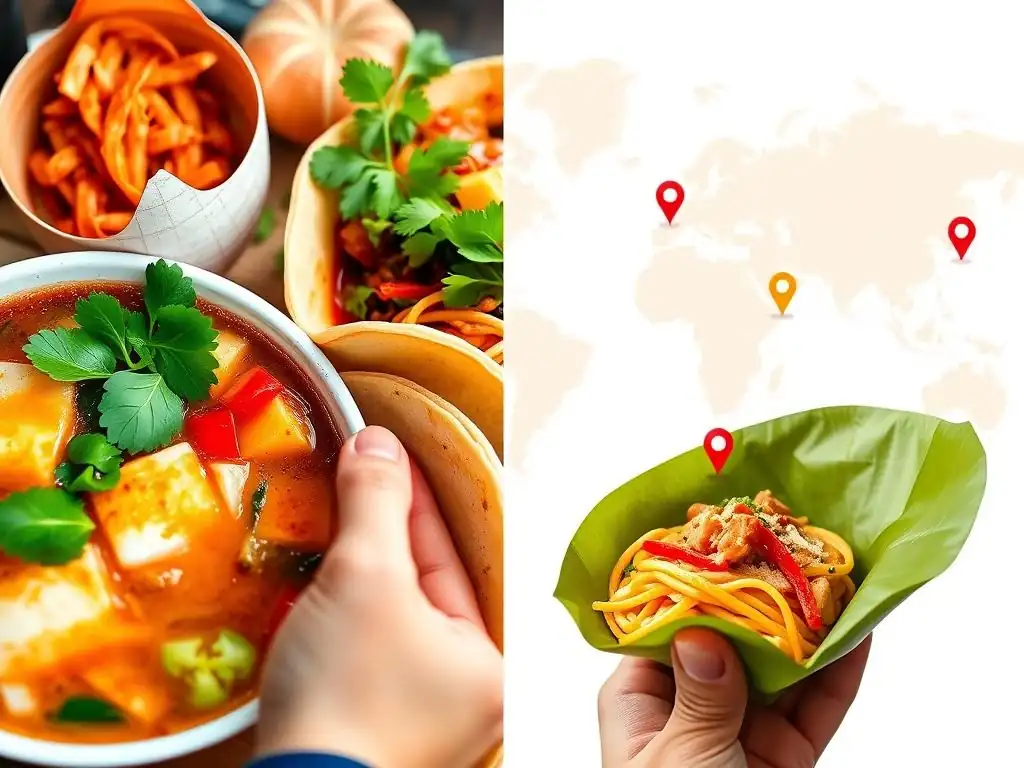
Ready to explore the world without breaking the bank? At UltimateLifeHacks, we're dedicated to helping you live smarter, not harder. This means maximizing your time and resources—and that includes your travel budget! Discover our insightful guide on cheap travel eating tips, packed with practical strategies to fuel your adventures without sacrificing your savings. Let's unlock the secrets to delicious and affordable meals on the road—your next unforgettable trip awaits!
- Mastering the Art of Cheap Eats While Traveling: Budget-Friendly Food Strategies
- Cheap Travel Eating Tips: Exploring Local Cuisine on a Dime
- Cheap Travel Eating Tips: Minimizing Food Waste and Maximizing Value
- Cheap Travel Eating Tips: Hydration and Healthy Eating on a Budget
- Cheap Travel Eating Tips: Cultural Immersion Through Affordable Food
-
Frequently Asked Questions
- How can I find cheap and delicious food while traveling?
- What are some good strategies for saving money on groceries while traveling?
- Are there any apps or websites that can help me find cheap eats?
- How can I avoid overspending on drinks while traveling?
- What are some quick and easy cheap meals I can prepare while traveling?
- Final Reflection: The World on a Plate: Savoring Adventure Without the Price Tag
- Unlock Your Global Appetite: Budget Travel Awaits!
Mastering the Art of Cheap Eats While Traveling: Budget-Friendly Food Strategies
Traveling the world shouldn't break the bank. One of the biggest expenses for any adventurer is food. This article delves into practical, budget-friendly strategies to nourish yourself on your global adventures without sacrificing the quality of your experience. We'll explore various techniques to significantly reduce your food costs, allowing you to allocate more of your budget to exploring new cultures and creating unforgettable memories.
From navigating local markets to mastering the art of supermarket shopping and even cooking your own meals, we'll equip you with the knowledge and tools to conquer the challenge of "cheap travel eating tips" and enjoy delicious, affordable meals wherever your journey takes you. This guide is designed to help you maximize your travel budget and minimize food expenses, ensuring that your culinary experiences enrich, rather than deplete, your adventure. Let's embark on this journey together and discover how to eat well while traveling cheaply!
Affordable Food Choices for Budget Travelers: Local Markets and Street Food
One of the most effective ways to experience authentic local cuisine and save money is by embracing local markets and street food. These vibrant hubs offer a glimpse into the everyday life of the destination and often provide the most affordable food options. Think bustling markets overflowing with fresh produce, fragrant spices, and exotic fruits – a feast for the senses and the wallet! Street food, often prepared and served right before your eyes, offers a diverse range of culinary delights at incredibly low prices.
From savory curries and flavorful noodles to juicy kebabs and crispy dumplings, the possibilities are endless. Remember to prioritize vendors with high turnover – this is a good indicator of freshness and popularity. Don't be afraid to venture beyond your comfort zone and try something new; you might discover your new favorite dish!
Remember to practice good hygiene and choose vendors with visibly clean preparation areas. By embracing these options, you'll not only save money but also enrich your travel experience by connecting with the local culture on a deeper level. Consider the following:
- Research: Look up popular local markets and street food spots before your trip.
- Observation: Watch how busy different vendors are to gauge popularity and freshness.
- Hygiene: Choose vendors with clean preparation areas and handle food safely.
- Variety: Explore different options to experience the diverse culinary landscape.
Savvy Supermarket Shopping: Tips for Saving Money on Groceries While Traveling
Supermarkets can be a traveler's best friend when it comes to saving money on food. While eating out can be tempting, stocking up on groceries allows you to prepare simple meals in your accommodation, significantly reducing your daily food costs. To maximize savings, consider these strategies:
- Plan ahead: Create a simple meal plan based on readily available ingredients.
- Check local prices: Compare prices across different supermarkets to find the best deals.
- Buy in bulk (when appropriate): Larger quantities often translate to lower per-unit costs, especially for non-perishable items.
- Look for sales and discounts: Many supermarkets offer discounts on specific items, especially towards the end of the day.
- Choose affordable staples: Focus on budget-friendly ingredients like rice, pasta, lentils, and seasonal vegetables.
- Pack smart: Bring reusable bags to avoid paying for plastic bags and a small cutting board and knife for easy meal prep.
By strategically utilizing supermarkets, you can significantly reduce your food expenses and maintain a healthy and delicious diet throughout your travels. This strategy is particularly helpful for longer trips where eating out every meal can quickly become expensive.
Cooking Your Own Meals: Essential Kitchen Equipment for Budget Travelers
Cooking your own meals offers the ultimate control over your food budget and dietary choices. While some accommodations provide basic kitchen facilities, investing in a few essential items can enhance your cooking experience. Consider carrying these lightweight and compact items:
- A portable cutting board
- A small, foldable knife
- A reusable water bottle
- Utensils (spoon, fork, knife)
- A small pot or pan (depending on your cooking style)
These items will enable you to prepare simple yet satisfying meals, saving you money and allowing you to enjoy more of your travel budget on other adventures. Remember to check your accommodation's kitchen facilities before packing your own equipment, and prioritize lightweight, durable items to avoid unnecessary weight in your luggage. Preparing simple meals, like pasta with vegetables or a quick rice and bean dish, will provide you with satisfying, nutritious, and cost-effective options throughout your journey. This strategy becomes especially valuable for longer trips or when staying in accommodations with limited or no dining options.
Cheap Travel Eating Tips: Exploring Local Cuisine on a Dime
This section dives deep into practical strategies for enjoying delicious and authentic food while traveling without breaking the bank. We'll explore how to identify budget-friendly options, navigate local dining customs, and make your food budget stretch further. Mastering these cheap travel eating tips will transform your culinary experiences abroad and allow you to savor diverse flavors without the hefty price tag. Let's get started on maximizing your enjoyment and minimizing your expenses!
Tourist traps often inflate prices significantly. To truly experience local cuisine and save money, venture away from heavily trafficked areas. Look for smaller, family-run restaurants tucked away on side streets or in residential neighborhoods. These establishments usually offer authentic dishes at significantly lower prices than their more prominent counterparts.
Consider these strategies:
- Observe the Locals: Where do the locals eat? Follow their lead! Notice where people are lining up for lunch or dinner – chances are, it's a great value for the quality.
- Utilize Mapping Apps: Many map applications allow you to filter restaurants by price range and user reviews. Look for highly-rated places with lower price points and fewer tourist reviews.
- Explore Beyond the Main Square: The heart of a city is often the most expensive. Explore quieter streets and neighborhoods to uncover culinary hidden gems. You might even stumble upon a local market with delicious, inexpensive street food.
For example, during a recent trip to Bangkok, straying from the bustling Khao San Road revealed numerous tiny noodle shops offering incredibly flavorful and affordable meals for under $3. This allowed me to sample a wider variety of dishes compared to the pricier tourist-oriented restaurants. The experience was far more authentic and budget-friendly.
Taking Advantage of Happy Hour and Daily Specials: Smart Dining Strategies
Many restaurants, even in tourist areas, offer happy hour deals or daily specials. These promotions can significantly reduce the cost of your meals. Don't shy away from taking advantage of these opportunities!
Here are some valuable strategies:
- Check Restaurant Websites and Social Media: Many establishments advertise their daily specials online. A quick search can save you a considerable amount of money.
- Ask Your Hotel or Hostel Staff: Concierge services or hostel staff often have insider knowledge of local deals and happy hour locations.
- Embrace Lunch Menus: Lunch menus are often significantly cheaper than dinner menus, even for the same dishes. Consider shifting your dining schedule to take advantage of this cost savings.
For instance, during my travels in Lisbon, Portugal, I discovered several restaurants with fantastic "prato do dia" (dish of the day) deals, which significantly reduced my daily food expenses. This allowed me to sample regional specialties while staying within my budget. Remember, even a small saving per meal adds up over the course of your trip!
Negotiating Prices and Ordering Strategically: Maximizing Your Food Budget
While not as common in all cultures, negotiating prices, particularly at street food stalls or smaller eateries, can sometimes be successful, especially in certain parts of the world. However, always be polite and respectful.
Furthermore, consider these strategic ordering tips:
- Share Dishes: Ordering several smaller dishes to share amongst your travel companions is often more cost-effective than ordering individual main courses. This also allows you to sample a greater variety of local delicacies.
- Opt for Set Menus: Set menus often offer better value than ordering a la carte. They usually include a starter, main course, and sometimes dessert at a fixed price.
- Avoid Bottled Water: Tap water is usually safe in developed countries. Carry a reusable water bottle and refill it to avoid the extra cost of bottled water.
Remember, mindful planning and a willingness to explore beyond the obvious can significantly reduce your food expenses while still allowing you to enjoy delicious and authentic culinary experiences during your travels. By employing these cheap travel eating tips, you can truly savor the flavors of the world without emptying your bank account. ✈️😋
Cheap Travel Eating Tips: Minimizing Food Waste and Maximizing Value

This section focuses on practical strategies for budget travelers to minimize food waste and maximize the value of their food purchases. Eating cheaply while traveling isn't just about finding the cheapest options; it's about making smart choices that prevent unnecessary spending. This involves careful planning, mindful consumption, and creative repurposing of resources. Let's explore some effective techniques.
Packing Smart Snacks: Essential Items for Keeping Hunger at Bay
Packing your own snacks is a cornerstone of cheap travel eating. It prevents impulsive, expensive purchases at tourist hotspots. The key is to choose non-perishable, lightweight, and nutritious options. Think strategically about what will keep well in your bag and satisfy your hunger pangs.
Here's a sample packing list for a few days of travel:
- Energy bars: Choose high-protein, low-sugar options for sustained energy.
- Trail mix: A customizable blend of nuts, seeds, and dried fruit provides a good balance of nutrients.
- Dried fruit: Lightweight and readily available, dried fruit offers a quick energy boost.
- Nuts: Almonds, cashews, or walnuts are excellent sources of healthy fats and protein.
- Crackers: Whole-grain crackers provide carbohydrates for sustained energy.
- Protein powder: If you have access to water, protein powder can be a quick and easy meal replacement.
Remember to check any baggage restrictions regarding liquids and powders before packing. Proper planning ensures you're prepared for unexpected delays or long travel days without resorting to expensive airport or train station food. This simple strategy significantly contributes to your overall cheap travel eating success.
Utilizing Leftovers Creatively: Transforming Yesterday's Meal into Today's Snack
Many travelers underestimate the potential of leftovers. Instead of discarding uneaten portions, creatively transform them into new meals or snacks. This approach dramatically reduces food waste and saves you money. For example:
- Leftover rice: Turn leftover rice into a quick fried rice dish for lunch the next day. Add some vegetables and soy sauce for extra flavor and nutrients.
- Extra vegetables: Chop leftover roasted vegetables and add them to a salad or omelet.
- Bread: Stale bread can be transformed into breadcrumbs or croutons.
- Fruit: Slightly overripe fruit can be blended into a smoothie or used to make a quick compote.
By repurposing leftovers, you're effectively stretching your food budget further. This simple act of creativity can mean the difference between a comfortable travel experience and one constantly worrying about food costs. Consider the environmental benefits too – reducing food waste is a sustainable travel practice that aligns perfectly with cheap travel eating strategies.
Avoiding Tourist Traps: Identifying Overpriced Food Establishments
Tourist areas are notorious for inflated prices. Learning to identify overpriced food establishments is crucial for cheap travel eating. Here are some tips to help you navigate these situations:
| Indicator | Description | Example |
|---|---|---|
| Location near major attractions | Restaurants located directly next to popular tourist sites often charge more. | A restaurant directly outside a famous museum charging exorbitant prices. |
| English-only menus | Establishments catering solely to tourists may have higher prices. | A restaurant with an English menu only, lacking local pricing. |
| Picturesque settings | Restaurants with stunning views or charming décor often reflect this in their prices. | A restaurant with a beautiful ocean view charging significantly more. |
| Pre-packaged meals | Pre-packaged meals are usually more expensive than locally sourced options. | Pre-made sandwiches at a tourist shop compared to a local bakery. |
Look for local eateries frequented by residents. These places often offer authentic cuisine at significantly lower prices. Observe the clientele – if the restaurant is predominantly filled with locals, it's a good sign of reasonable pricing and authentic food. Don't be afraid to venture slightly off the beaten path to discover hidden gems offering delicious and affordable meals. This proactive approach is essential to truly master cheap travel eating tips. Remember, your wallet and your taste buds will thank you!
Cheap Travel Eating Tips: Hydration and Healthy Eating on a Budget
This section focuses on practical strategies to stay hydrated and maintain a healthy diet while traveling without overspending. We'll explore free water sources, smart hydration techniques, and affordable yet nutritious food options to help you conquer your "cheap travel eating tips" goals. Remember, prioritizing your well-being doesn't have to mean emptying your wallet!
Staying Hydrated Without Breaking the Bank: Free Water Sources and Smart Hydration Strategies
Staying hydrated is crucial, especially when exploring new places and combating travel fatigue. Thankfully, maintaining adequate hydration doesn't require constant purchases of bottled water. Here are some smart strategies:
- Tap Water: In many developed countries, tap water is perfectly safe to drink. However, always check local advisories before consuming tap water directly. If you're unsure, you can always boil it for a few minutes to ensure safety. This is a fantastic way to save money on bottled water, a significant expense for budget travelers.
- Reusable Water Bottle: Invest in a high-quality reusable water bottle. Not only is this eco-friendly, but it also allows you to refill it at various free water sources throughout your travels.
- Free Water Refills: Many cafes and restaurants will happily refill your water bottle for free, even if you aren't purchasing anything else. Don't hesitate to politely ask!
- Carry a Water Filter: For travelers venturing to regions with questionable water quality, a portable water filter or purification tablets are invaluable investments. These are a one-time cost that can save you money and potential health issues in the long run. This is especially important when considering "cheap travel eating tips" because health problems can quickly derail a budget trip.
- Hydration Schedule: Set reminders on your phone to drink water regularly throughout the day. This proactive approach helps you stay ahead of dehydration, preventing headaches and fatigue that could otherwise lead to impulsive, expensive food and drink purchases.
Maintaining a Healthy Diet on a Budget: Nutrient-Rich, Affordable Food Choices
Eating healthy while traveling cheaply requires planning and resourcefulness. Here are some budget-friendly strategies for nutritious meals:
- Local Markets and Supermarkets: Explore local markets and supermarkets for fresh produce, grains, and other staples. These are generally much cheaper than restaurant meals and offer a wider variety of options. You'll find significantly better value for your money in comparison to tourist-oriented establishments. This is a cornerstone of effective "cheap travel eating tips".
- Street Food (with Caution): Street food can be a delicious and affordable option, but exercise caution. Choose vendors with high turnover (indicating freshness) and avoid anything that looks questionable. Stick to cooked options whenever possible to minimize the risk of foodborne illness.
- Cook Your Own Meals: If your accommodation has kitchen facilities, prepare some of your own meals. This is one of the most effective ways to cut down on food costs, especially for longer trips. Planning simple meals using readily available ingredients can significantly reduce your spending.
- Pack Smart Snacks: Bring along non-perishable snacks like nuts, dried fruit, and energy bars to avoid expensive impulse buys when hunger strikes. This is particularly useful during long travel days or when exploring areas with limited food options.
Planning Your Meals Ahead: Budget-Friendly Meal Prep Tips for Travelers
Proactive meal planning is essential for sticking to a budget while traveling. Here’s how to do it effectively:
| Meal Planning Strategy | Description | Cost Savings | Health Benefits |
|---|---|---|---|
| Grocery Shopping List: | Create a detailed list before you go, factoring in local availability. | Significant reduction in impulse purchases. | Ensures access to fresh, healthy ingredients. |
| Pack Non-Perishables: | Include items like oatmeal, protein bars, and nuts for easy breakfasts and snacks. | Avoids expensive cafe stops. | Provides sustained energy throughout the day. |
| Simple Recipes: | Choose recipes with few ingredients and minimal cooking time, ideal for limited kitchen access. | Reduces food waste and simplifies meal preparation. | Allows for greater control over portion sizes and ingredients. |
| Leftovers: | Plan for leftovers to minimize food waste and save time and money on subsequent meals. | Reduces food costs and cooking time. | Allows for balanced nutrition across multiple meals. |
By implementing these strategies, you can enjoy delicious and healthy meals while keeping your travel budget on track. Remember, smart planning and a little creativity are key to successful and affordable eating while exploring the world. These are essential components of mastering "cheap travel eating tips". ✈️
Cheap Travel Eating Tips: Cultural Immersion Through Affordable Food
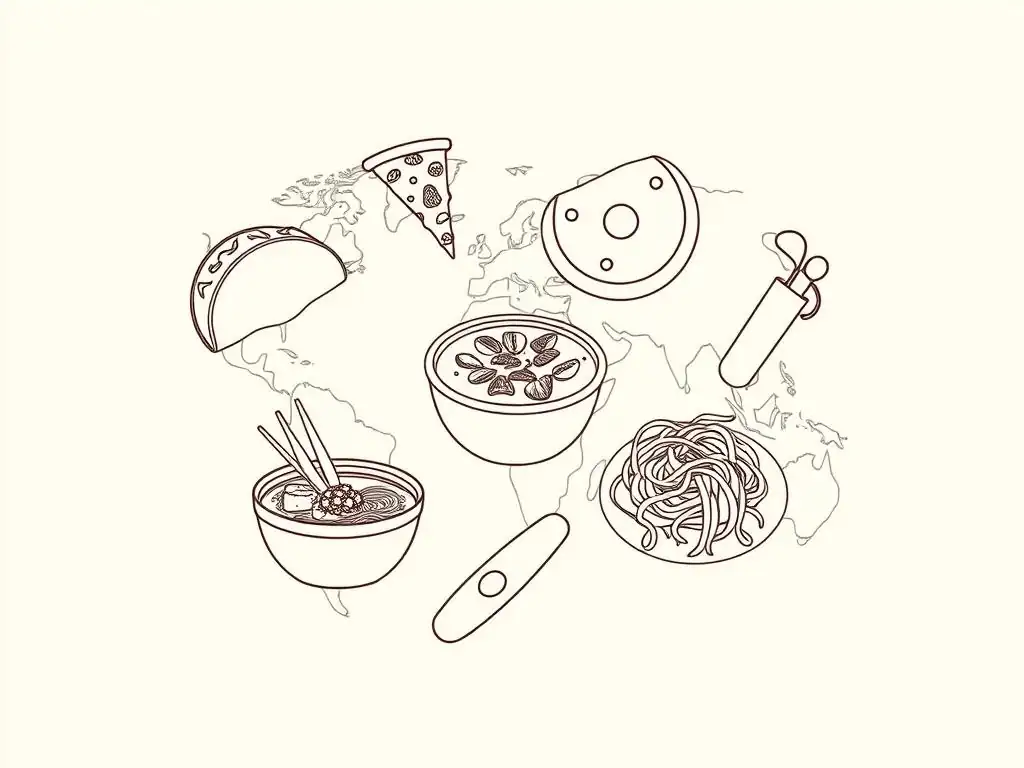
This section delves into the delicious world of budget-friendly eating while traveling, focusing on how to experience authentic local cuisine without breaking the bank. Savvy travelers know that food is a significant part of any travel experience, and embracing local food markets and eateries is key to truly understanding a new culture – and saving money! This is about more than just filling your stomach; it's about enriching your journey with authentic flavors and cultural insights. Mastering cheap travel eating tips is a crucial skill for budget-conscious adventurers.
Tourist traps often inflate prices significantly. To avoid these, venture beyond the main tourist areas. Local markets, smaller family-run restaurants tucked away on side streets, and street food stalls offer significantly cheaper and often tastier alternatives. Consider these strategies:
- Embrace street food: Street food is often the most authentic and affordable option. Look for busy stalls with long queues – a good indication of quality and popularity. Remember to prioritize stalls that look clean and hygienic. In many Asian countries, for instance, street food represents the heart of the culinary scene, offering diverse and delicious options at incredibly low prices. A delicious Pad Thai in a bustling Bangkok market will cost a fraction of what you'd pay in a tourist restaurant.
- Shop at local markets: Local markets are treasure troves of fresh produce, meats, and other ingredients. Purchasing ingredients and preparing your own meals can dramatically reduce your food costs. This also gives you a chance to interact with locals and learn about their culinary traditions. Imagine preparing a simple pasta dish with fresh tomatoes and basil bought directly from a vibrant Italian market – an authentic and budget-friendly experience.
- Look for "menu del dia": In many Spanish-speaking countries, restaurants offer a "menu del dia," a set lunch menu at a fixed, very affordable price. This is a great way to sample local cuisine without overspending. These menus typically include a starter, main course, dessert, and sometimes a drink. It's a fantastic value for money and a great way to discover local specialties.
Understanding Local Food Customs and Etiquette: Respecting Local Traditions
Respecting local customs is crucial when experiencing a new culture, and this extends to dining etiquette. A little research before your trip can go a long way in avoiding unintentional faux pas. For example:
- Learn basic phrases: Knowing how to say "please" and "thank you" in the local language is always appreciated. Even a simple "hello" can go a long way in showing respect and building rapport with local vendors and restaurant staff.
- Understand queuing systems: Queuing systems vary widely across cultures. Observe how locals behave and follow their lead to avoid any awkward situations.
- Be mindful of tipping customs: Tipping practices differ significantly around the world. Research the local customs beforehand to avoid either under-tipping or over-tipping. In some cultures, tipping isn't expected at all, while in others it's a significant part of the service industry.
- Understand religious dietary restrictions: Be aware of any religious dietary restrictions in the region you are visiting, such as halal or kosher options. Respecting these restrictions is essential for cultural sensitivity and can even help you discover new and delicious foods.
Embracing the Unexpected: Discovering Culinary Surprises While Traveling
One of the most rewarding aspects of budget travel is the unexpected culinary discoveries. Be open to trying new things, even if they seem unfamiliar. This adventurous approach will lead to unforgettable experiences:
- Venture beyond your comfort zone: Don't be afraid to try foods you've never heard of before. This is a chance to expand your palate and learn about different culinary traditions. Often, the most memorable food experiences are the ones that are unexpected and surprising.
- Ask locals for recommendations: Locals are always the best source of information when it comes to finding hidden culinary gems. Ask your hotel staff, taxi drivers, or shopkeepers for their recommendations on affordable and authentic eateries.
- Document your culinary journey: Keep a food journal or take photos of your meals. This will help you remember your culinary adventures and share your experiences with others. It also helps you track your spending and identify your favorite budget-friendly finds. This is a great way to remember the flavors and experiences of your trip, long after you've returned home.
By embracing these cheap travel eating tips and adopting a curious and respectful attitude, you can transform your food experiences into enriching and affordable parts of your journey. Remember, the best travel memories are often made over a delicious and unexpectedly cheap meal!
Frequently Asked Questions
How can I find cheap and delicious food while traveling?
Look for local markets and street food stalls. These often offer authentic and affordable meals. Avoid tourist traps, which tend to inflate prices.
What are some good strategies for saving money on groceries while traveling?
Consider buying groceries at local supermarkets instead of eating out for every meal. Pack some non-perishable items like snacks and oatmeal to supplement your meals.
Are there any apps or websites that can help me find cheap eats?
Yes! Apps like HappyCow (for vegetarians/vegans), TheFork, and Yelp can help you locate budget-friendly restaurants and compare prices.
How can I avoid overspending on drinks while traveling?
Carry a reusable water bottle and refill it throughout the day. Tap water is often safe to drink in many places, saving you money on bottled beverages.
What are some quick and easy cheap meals I can prepare while traveling?
Pack easy-to-prepare ingredients like pasta, rice, and canned goods. These can be combined with local produce for nutritious and inexpensive meals.
Final Reflection: The World on a Plate: Savoring Adventure Without the Price Tag
The pursuit of affordable travel is not a luxury; it's a gateway to experiencing the richness of our planet. This article has explored practical strategies for eating cheaply while traveling, proving that delicious, authentic food doesn't have to break the bank. By embracing local markets, street food, and mindful meal planning, we can unlock a world of culinary adventures without compromising our budget.
The impact of accessible travel extends far beyond the individual experience. It fosters cultural understanding, breaks down stereotypes, and allows us to connect with diverse communities on a human level. The memories forged over a shared meal in a bustling marketplace, or a simple street-side snack, are often the most vibrant and enduring. Not all those who wander are lost.
- J.R.R. Tolkien. This quote resonates deeply because affordable travel, fueled by smart eating habits, allows more people to wander, to explore, and to discover themselves and the world around them.
Now, I invite you to consider your own travel aspirations. What culinary adventures await you? What local delicacies are you eager to sample? Don't let the fear of expense hold you back. Embrace the spirit of resourceful eating, plan your meals strategically, and open your heart (and your stomach!) to the incredible flavors the world has to offer. Your next adventure, filled with delicious and affordable discoveries, is just a well-planned meal away.
Unlock Your Global Appetite: Budget Travel Awaits!
Thank you for joining us on this delicious journey into budget-friendly travel! We hope you've discovered exciting ways to explore the world without breaking the bank. Now it's time to put your newfound knowledge into action.
- Craft your dream itinerary: Use the tips we've shared to plan your next affordable adventure, focusing on one destination initially. Consider exploring local markets, trying street food, and opting for budget-friendly accommodation.
- Share your culinary discoveries: Tell us about your favorite affordable finds on our social media! Use #BudgetTravelEats to inspire other travelers.
- Embrace new culinary experiences: Commit to trying at least three new local dishes during your next trip, no matter how unfamiliar they may seem!
Ready to transform your travel dreams into budget-friendly reality? What's the first affordable destination you're adding to your list?