
From Chaos to Calm: The UltimateLifeHacks for a Focused Workspace Transformation

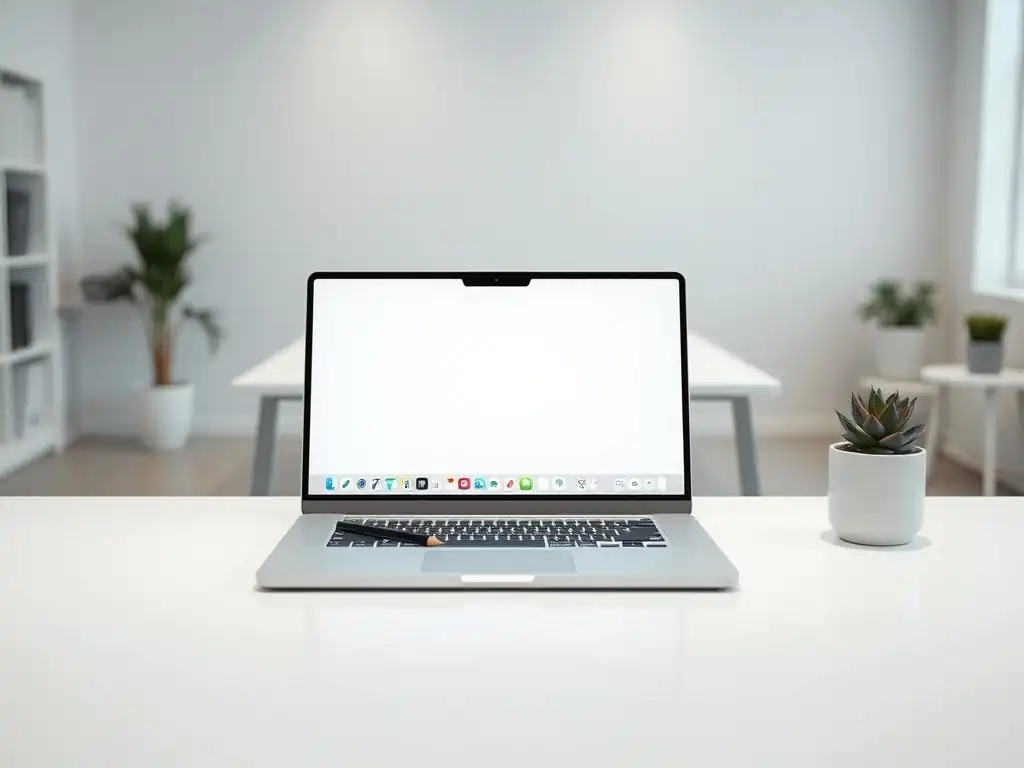
Welcome to UltimateLifeHacks, your destination for practical strategies to conquer daily chaos and unlock peak productivity! Are you ready to transform your workspace from a source of frustration into a well-oiled machine? Discover how mastering the art of “Organize workspace boost productivity” can dramatically impact your efficiency and well-being. Dive in and unlock the secrets to a more focused, fulfilling, and productive you!
- Declutter Your Workspace to Boost Productivity
- Optimize Your Workspace Layout for Maximum Focus
- Minimize Distractions to Enhance Concentration
- Incorporate Productivity Tools and Techniques
- Maintaining a Productive and Organized Workspace
- Frequently Asked Questions
- Final Reflection: Cultivating Calm, Harvesting Productivity
- Unleash Your Productivity: Take Control of Your Workspace Now!
Declutter Your Workspace to Boost Productivity
Transforming your workspace from a chaotic mess into a haven of productivity isn't about aesthetics; it's a strategic move to significantly enhance your focus and efficiency. A cluttered workspace directly impacts your mental clarity, leading to decreased concentration, increased stress, and ultimately, lower productivity. This article explores practical, actionable steps to organize your workspace, directly addressing the keyword "Organize workspace boost productivity," and providing you with the tools to reclaim your focus and boost your output.
We'll delve into the detrimental effects of clutter, guide you through decluttering techniques, and offer strategies to optimize your desk setup for peak performance. By the end, you'll understand how a simple workspace transformation can unlock your full potential and contribute to a more balanced and productive life.
The Impact of a Cluttered Workspace on Focus and Efficiency
A cluttered workspace isn't just visually unappealing; it's a significant obstacle to productivity. Studies show a strong correlation between a disorganized environment and reduced cognitive function. The constant visual stimulation of clutter competes for your brain's attention, hindering your ability to focus on the task at hand. This leads to:
- Increased Stress Levels: A messy desk can subconsciously trigger feelings of overwhelm and anxiety, making it harder to concentrate and increasing the likelihood of procrastination. Think of it as a constant, low-level stressor.
- Reduced Cognitive Function: Research suggests that clutter can impair cognitive performance, impacting memory, decision-making, and creative thinking. Your brain struggles to process information effectively when surrounded by visual distractions.
- Lost Time and Inefficiency: Searching for misplaced items, navigating a chaotic desk, and generally dealing with clutter consumes valuable time that could be spent on productive work. This hidden time cost significantly reduces overall efficiency.
- Decreased Creativity: A cluttered environment can stifle creativity. A clean and organized space promotes a sense of calm and order, fostering a more conducive environment for innovative thinking.
Imagine trying to write a report while surrounded by piles of papers, half-empty coffee cups, and random objects. The mental energy spent simply managing the visual chaos detracts from the mental energy required for the task itself. This is the tangible impact of a cluttered workspace on your productivity.
Identifying and Eliminating Unnecessary Items: A Step-by-Step Guide
Decluttering your workspace is a crucial first step in creating a focused environment. This isn't about ruthless discarding; it's about intentional curation. Here's a step-by-step guide to help you effectively declutter:
- The 20-Minute Rule: Set a timer for 20 minutes and focus solely on clearing your desk of unnecessary items. This prevents the task from feeling overwhelming.
- The Four-Box Method: Gather four boxes labeled "Keep," "Donate," "Trash," and "Relocate." Sort each item accordingly.
- The "One-In, One-Out" Rule: For every new item you bring into your workspace, remove an existing item. This prevents future clutter accumulation.
- Digital Declutter: Don't forget your digital workspace! Organize your computer files, delete unnecessary emails, and unsubscribe from unwanted newsletters. A clean digital environment mirrors a clean physical one.
- Regular Purges: Schedule regular decluttering sessions (e.g., weekly or monthly) to maintain a clutter-free workspace. Prevention is always better than cure!
Organizing Your Desk for Optimal Workflow: Practical Strategies
Once you've decluttered, it's time to organize your remaining items for optimal workflow. Consider these strategies:
- Strategic Placement: Place frequently used items within easy reach. Less frequently used items can be stored further away.
- Vertical Storage: Utilize vertical space with drawers, shelves, and organizers to maximize storage and minimize clutter.
- Designated Zones: Create specific zones for different tasks (e.g., a writing zone, a research zone). This helps maintain focus and reduces mental clutter.
- Cable Management: Tidy up cables using cable ties or organizers to prevent tangles and maintain a clean aesthetic.
- Personal Touches (Moderately): Incorporate a few personal items that inspire you, but avoid overdoing it to prevent distractions. A small plant or a favorite photo can boost morale without creating clutter.
By implementing these strategies, you'll create a workspace that supports your productivity, fostering a sense of calm and control, ultimately leading to a more focused and efficient you.
Efficient Storage Solutions for a Tidy Workspace
Efficient storage is the cornerstone of a productive workspace. A cluttered desk often translates to a cluttered mind, hindering focus and creativity. Investing in smart storage solutions can dramatically improve your ability to "organize workspace boost productivity." This isn't just about shoving things into drawers; it's about creating a system that allows for easy access to frequently used items while keeping less-used items neatly stored away.
One effective strategy is to utilize vertical space. Instead of spreading items across your desk, consider using vertical file organizers, drawer dividers, or stackable containers. These maximize space and prevent items from becoming jumbled together. For example, a vertical file organizer can keep important documents readily accessible, preventing the paper pile-up that so often plagues desks. This simple change can significantly improve your workflow and reduce the time spent searching for misplaced documents. Think of the time saved – that's productivity gained!
Another crucial aspect is choosing the right containers. Clear, labeled containers are invaluable for quick identification of contents. This eliminates the need to rummage through drawers or boxes, saving valuable time and minimizing frustration. Consider using different sized containers to accommodate various items, from stationery to larger equipment. Proper labeling also ensures that everyone in a shared workspace knows where things are, further boosting collective productivity. For instance, a clearly labeled container for "Project X Documents" instantly tells everyone where to find relevant files, streamlining collaboration and reducing delays.
Furthermore, don't underestimate the power of drawer organizers. These inexpensive tools transform chaotic drawers into organized havens. They create distinct compartments for pens, pencils, paperclips, and other small items, preventing them from becoming a tangled mess. The visual clarity provided by drawer organizers alone can significantly reduce stress and improve focus.
The improvement in mental clarity directly contributes to the ability to "organize workspace boost productivity." Consider investing in high-quality drawer organizers that are durable and aesthetically pleasing; a well-organized workspace can also improve your mood and overall work satisfaction. The small investment in these tools pays off handsomely in increased efficiency and mental well-being.
Optimize Your Workspace Layout for Maximum Focus

This section delves into the crucial role of workspace layout in boosting productivity. A well-organized workspace isn't just aesthetically pleasing; it's a fundamental element in achieving a focused and efficient work environment. By strategically arranging your workspace, you can significantly reduce distractions and enhance your cognitive performance. The principles of Organize workspace boost productivity are deeply intertwined with the physical arrangement of your work area.
Ergonomics and Workspace Design for Productivity
Ergonomics, the science of designing workplaces to fit the people who use them, is paramount for sustained productivity. A poorly designed workspace can lead to discomfort, fatigue, and even injury, drastically impacting your ability to concentrate. Consider these key ergonomic principles:
- Monitor Placement: Your monitor should be an arm's length away, with the top of the screen at or slightly below eye level. This prevents neck strain and promotes better posture. Tilting the monitor slightly upwards can also reduce glare.
- Keyboard and Mouse Positioning: Keep your keyboard and mouse close to your body, allowing your elbows to rest comfortably at a 90-degree angle. Avoid reaching or hunching. Consider using an ergonomic keyboard and mouse to further alleviate strain.
- Chair Selection: Choose a chair that provides adequate lumbar support and allows you to sit with your feet flat on the floor. Adjustable height is crucial for optimal posture. Investing in a high-quality ergonomic chair is an investment in your long-term health and productivity.
- Desk Organization: Keep frequently used items within easy reach, minimizing unnecessary movements. Utilize drawers, organizers, and other storage solutions to keep your desk clutter-free. A clean desk directly contributes to a clear mind, enhancing focus and reducing mental clutter.
Poor ergonomic design can lead to a cascade of negative effects. Studies show that employees experiencing musculoskeletal discomfort due to poor workspace design report significantly lower levels of productivity and higher rates of absenteeism. Prioritizing ergonomics is a proactive step towards maximizing your output and well-being.
The Importance of Natural Light and Air Circulation
Natural light and good air circulation are often overlooked but incredibly important aspects of workspace optimization. These elements have a profound impact on mood, energy levels, and cognitive function, directly affecting your ability to organize workspace boost productivity.
- Natural Light: Studies consistently demonstrate the positive effects of natural light on mood and productivity. Natural light helps regulate your circadian rhythm, improving sleep quality and alertness. Maximize natural light in your workspace by positioning your desk near a window, if possible.
- Air Circulation: Poor air quality can lead to headaches, fatigue, and reduced cognitive function. Ensure adequate ventilation in your workspace. Open windows when possible, or invest in an air purifier to remove pollutants and improve air quality. Consider adding indoor plants, which can also improve air quality and reduce stress.
The synergistic effect of natural light and fresh air significantly enhances the work environment. A well-ventilated space with ample natural light fosters a more alert and productive atmosphere. This simple change can result in a noticeable improvement in focus and overall work performance.
Choosing the Right Chair and Desk Setup for Comfort and Focus
The right chair and desk setup are the cornerstones of a comfortable and productive workspace. Investing in quality furniture that supports good posture and minimizes discomfort is crucial for long-term well-being and sustained focus.
- Chair Considerations: Look for a chair with adjustable height, lumbar support, and armrests. Consider the material – breathable fabrics are preferable to avoid overheating. The chair should allow you to sit upright with your feet flat on the floor, maintaining a natural spinal curvature.
- Desk Considerations: The height of your desk is equally important. It should be at a height that allows you to type comfortably with your elbows at a 90-degree angle. Consider a standing desk, which allows you to alternate between sitting and standing throughout the day, promoting better posture and circulation. A spacious desk prevents feelings of confinement and allows for efficient organization of materials.
The interplay between chair and desk height is critical. An improperly sized desk and chair can lead to discomfort, poor posture, and reduced productivity. Prioritize ergonomics when selecting your furniture to create a workspace that supports your physical and mental well-being, directly impacting your ability to organize workspace boost productivity. Remember that a comfortable and well-designed workspace is an investment in your overall health and productivity.
Creating a Visually Appealing and Calming Workspace
A visually appealing workspace significantly impacts focus and productivity. A cluttered, chaotic environment can lead to mental clutter, hindering your ability to concentrate. Conversely, a calm and organized space promotes mental clarity and reduces stress, allowing for deeper focus. Think of your workspace as a sanctuary—a place dedicated to work and concentration.
Consider the color palette. Studies show that certain colors affect mood and concentration. Blues and greens are generally associated with calmness and tranquility, making them excellent choices for a productive workspace. Avoid overly bright or jarring colors that can be stimulating and distracting. Instead, opt for muted tones and incorporate natural elements like plants to create a soothing atmosphere. A simple, well-organized desk with a consistent color scheme can significantly reduce visual noise and promote a sense of calm. Even small touches, like a tasteful desk organizer or a calming piece of artwork, can make a big difference.
Lighting plays a crucial role in creating a productive environment. Natural light is ideal, but if natural light is limited, invest in a high-quality task lamp that provides bright, even illumination without harsh glare. Avoid fluorescent lighting, which can cause eye strain and headaches, hindering your ability to focus. The right lighting can significantly improve your mood and energy levels, enhancing your overall productivity. Experiment with different lighting options to find what works best for you and your workspace. Remember, the goal is to create an environment that feels comfortable and conducive to concentration.
The strategic placement of objects also contributes to visual appeal and focus. Keep frequently used items within easy reach to minimize unnecessary movements and distractions. Store less frequently used items out of sight to reduce visual clutter. Consider using drawers, cabinets, and other storage solutions to keep your workspace tidy and organized. A clean, uncluttered desk allows you to focus on the task at hand without the visual distractions of unnecessary items. Think minimalist; a clean desk is a clear mind. This principle of "visual minimalism" is key to organizing your workspace to boost productivity.
Minimize Distractions to Enhance Concentration
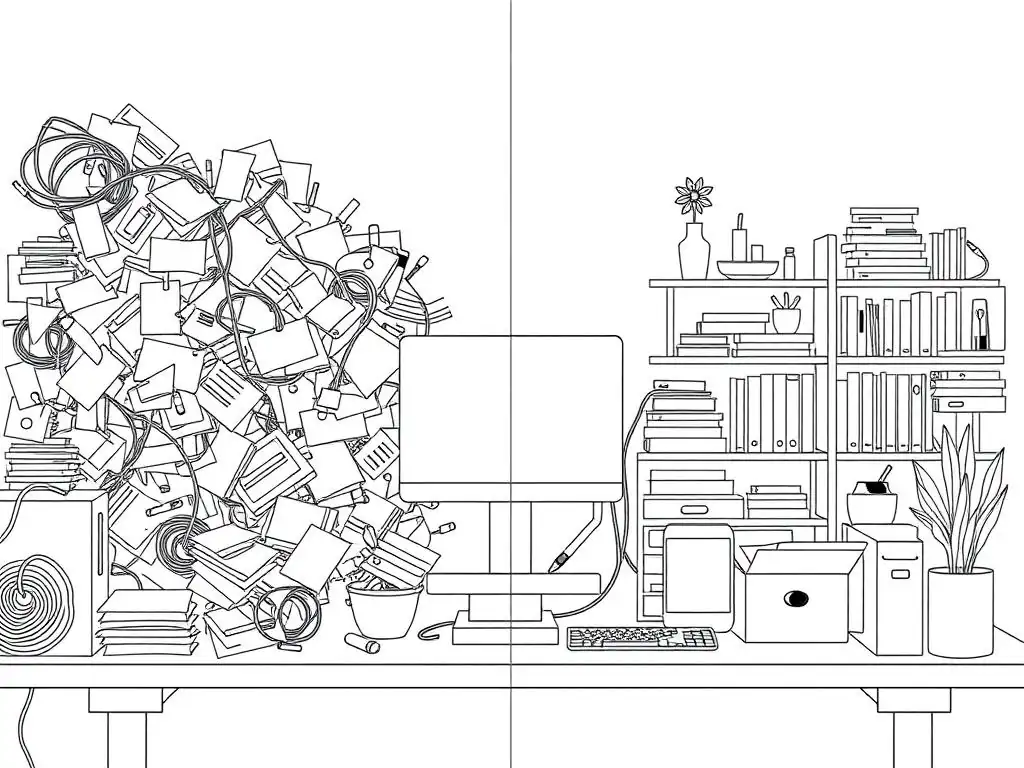
This section focuses on practical strategies to minimize distractions and cultivate a focused workspace, directly impacting your productivity. Organizing your workspace isn't just about tidiness; it's a crucial step in boosting your overall efficiency and achieving a state of flow. We'll explore several key areas to optimize your environment for peak performance. The goal is to create a sanctuary of productivity, free from the insidious pull of interruptions. This will allow you to fully engage with your tasks and experience a significant increase in output. Let's dive into the specifics.
Digital Detox: Managing Technology for Improved Focus
The constant ping of notifications, the alluring glow of social media, and the ever-present email inbox are significant productivity killers. A digital detox, even a partial one, can dramatically improve your focus. Consider these strategies for managing technology in your workspace:
- Turn off non-essential notifications: Silence your phone, disable social media alerts, and close unnecessary browser tabs. Focus on the task at hand without the constant interruption of digital pings. This simple act can significantly reduce mental clutter and improve concentration.
- Utilize website blockers: Many applications and browser extensions are designed to block distracting websites during specific work periods. Schedule your "focus time" and let the blocker do its job. This removes the temptation to stray from your work.
- Batch process emails and messages: Instead of constantly checking your inbox, dedicate specific times during the day to address emails and messages. This prevents reactive task switching, a major productivity drain. Consider a twice-daily approach, perhaps once mid-morning and once late afternoon.
- Use the "Do Not Disturb" feature: On your phone and computer, fully embrace the "Do Not Disturb" mode. This silences calls, messages, and alerts, creating an uninterrupted work environment. You can schedule this function to coincide with your most focused work periods.
Implementing these strategies can lead to a noticeable improvement in concentration and productivity. Studies show that even short periods of uninterrupted focus can significantly increase output and reduce stress levels. Experiment to find the digital detox strategy that best suits your work style and preferences.
Noise Reduction Techniques for a Peaceful Workspace
Noise pollution significantly impacts concentration and can lead to frustration and decreased productivity. A quiet workspace is essential for deep work and optimal performance. Here are several noise reduction techniques to transform your workspace into a haven of tranquility:
- Use noise-canceling headphones: Invest in a quality pair of noise-canceling headphones to block out distracting sounds from your surroundings. These headphones are particularly effective in busy offices or noisy homes. This allows you to focus on your work without external auditory distractions.
- Create a white noise ambiance: White noise machines or apps can mask distracting noises and create a calming auditory environment. The consistent sound helps to drown out disruptive sounds, preventing them from interrupting your concentration.
- Optimize your physical workspace: Consider the acoustics of your workspace. Adding soft furnishings like rugs and curtains can absorb sound and reduce echoes. Strategic placement of furniture can also minimize noise reverberation.
- Communicate your need for quiet: If you share your workspace, politely communicate your need for quiet time during focused work periods. This proactive approach can foster mutual respect and a more productive environment for everyone.
By implementing these noise reduction techniques, you can create a significantly more peaceful and productive workspace. The reduction in auditory distractions will allow for deeper concentration and improved overall efficiency.
Creating a Dedicated Workspace: Separating Work and Personal Life
Blurring the lines between work and personal life is a recipe for decreased productivity and increased stress. Creating a dedicated workspace, even if it's a small corner, is crucial for maintaining a healthy work-life balance and maximizing focus.
- Establish clear boundaries: Designate a specific area as your workspace. This area should be exclusively for work-related activities. This physical separation helps to mentally switch into "work mode" when you enter the space and out of it when you leave.
- Keep your workspace organized: A cluttered workspace leads to a cluttered mind. Regularly declutter and organize your workspace to maintain a sense of calm and focus. This contributes to an efficient and enjoyable work experience. The organization of your physical workspace directly impacts your mental organization.
- Minimize visual distractions: Keep your workspace free of personal items unrelated to work. Avoid placing family photos, personal knick-knacks, or other items that might draw your attention away from your tasks. The goal is to create a visually calming and focused environment.
- Ensure adequate lighting and ventilation: A well-lit and well-ventilated workspace promotes alertness and concentration. Make sure your workspace has adequate natural light or suitable artificial lighting, and that the air is fresh and clean. These environmental factors significantly contribute to improved focus and productivity.
Creating a dedicated workspace is an investment in your productivity and well-being. By establishing clear boundaries and maintaining a well-organized and comfortable environment, you can significantly enhance your focus and achieve a better work-life balance. This separation is crucial for long-term success and sustained productivity.
Utilizing Ambient Sounds and Music to Enhance Concentration
The right auditory environment can significantly impact focus and productivity. While complete silence might work for some, many find that a carefully curated soundscape can actually boost concentration by masking distracting noises and providing a consistent background hum. The key is to choose sounds that are calming and non-distracting, avoiding anything with lyrics or strong rhythmic patterns that might pull your attention away from your work.
Consider these options for creating a productive auditory environment:
- Ambient soundscapes: Apps and websites offer a wealth of ambient sounds, from gentle rain and crackling fireplaces to ocean waves and forest sounds. These create a soothing backdrop that can help block out disruptive office chatter or street noise. Experiment to find what works best for you; some individuals respond better to nature sounds, while others prefer more abstract soundscapes. The goal is to find a sound that is consistently present but doesn't draw attention to itself.
- Focus music: Specifically designed to enhance concentration, focus music often features instrumental pieces with minimal variation in tempo and melody. Unlike upbeat music, focus music avoids jarring changes that could disrupt your train of thought. Many streaming services offer curated playlists specifically for this purpose. Look for music described as "ambient," "minimal," or "lo-fi hip hop," styles known for their calming and non-intrusive qualities.
- White noise: A constant, uniform sound, white noise effectively masks distracting noises, creating a more consistent auditory environment. Many white noise generators are available online or as apps, allowing you to adjust the intensity and type of white noise to your preference. This can be particularly helpful in noisy offices or homes.
Finding the perfect auditory environment is a personal journey. Experiment with different sounds and music to determine what best supports your concentration. Keep a log of your experiences to track which soundscapes are most effective for different tasks. Remember, the goal is not just to reduce distractions but to create a consistently pleasant and supportive auditory environment that fosters sustained focus and improves your overall workflow.
This is a crucial aspect of organizing your workspace to boost productivity. The subtle shift in auditory focus can lead to a significant improvement in your ability to concentrate on the task at hand. Don't underestimate the power of the right sounds to transform your workspace from a source of distraction into a haven of productivity.
Incorporate Productivity Tools and Techniques
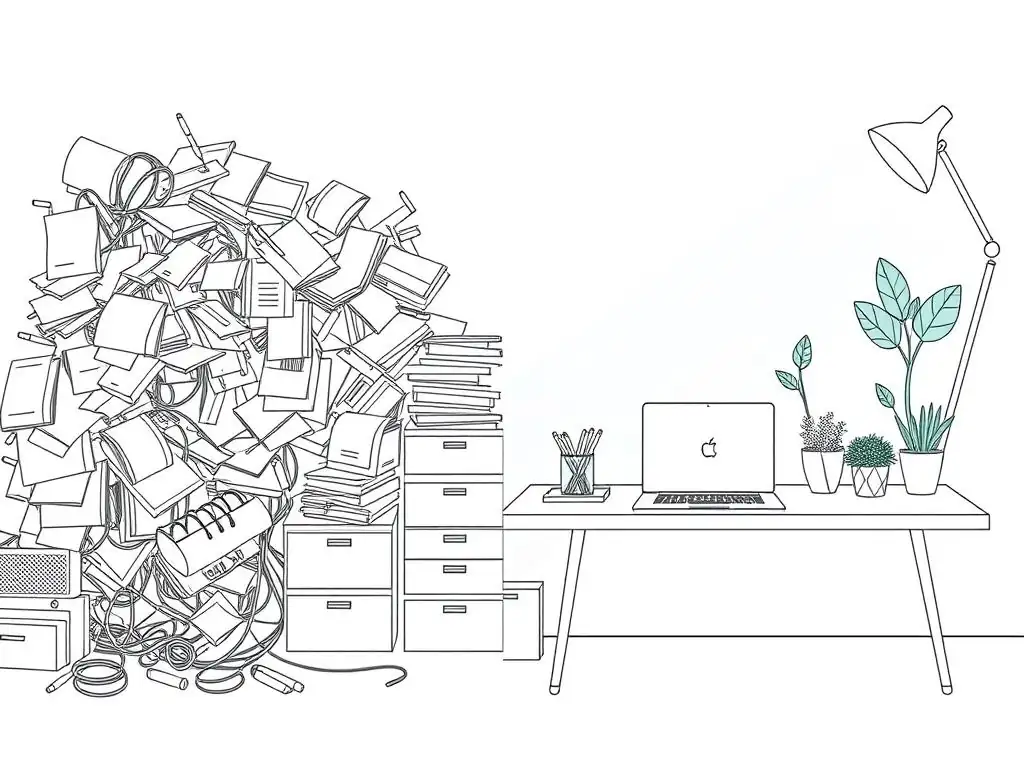
This section delves into the practical application of tools and techniques to optimize your workspace and dramatically boost your productivity. We'll explore essential software, time management strategies, and prioritization methods to help you transition from a chaotic workspace to a calm and efficient haven. Remember, organizing your workspace isn't just about tidiness; it's about strategically designing an environment that fuels your focus and enhances your output. This directly impacts your ability to organize workspace boost productivity.
Essential Apps and Software for Workspace Organization
Effective workspace organization often hinges on leveraging the right digital tools. Many excellent apps and software solutions can streamline your workflow and minimize distractions. Consider these options, categorized for clarity:
- Project Management: Tools like [Specific Project Management Software Name 1] and [Specific Project Management Software Name 2] allow for task assignment, deadline setting, progress tracking, and team collaboration (if applicable). These features are crucial for managing complex projects and maintaining a clear overview of your workload. The ability to visually organize projects using Kanban boards or Gantt charts can significantly improve efficiency.
- Note-Taking and Knowledge Management: A robust note-taking system is vital for capturing ideas, meeting notes, and research materials. Popular options include [Specific Note-Taking App Name 1], renowned for its versatility, and [Specific Note-Taking App Name 2], known for its collaborative features. Efficient knowledge management ensures that information is easily accessible when needed, reducing time wasted searching for critical data.
- Calendar and Scheduling: A well-managed calendar is the backbone of any productive workflow. [Specific Calendar App Name 1] and [Specific Calendar App Name 2], with their robust features like reminders, time blocking, and integrations with other apps, are excellent choices. Effective scheduling helps you allocate time for specific tasks, preventing overcommitment and promoting a balanced workflow.
- File Management and Cloud Storage: Maintaining a structured file system is paramount. Cloud storage services like [Specific Cloud Storage Provider Name 1] and [Specific Cloud Storage Provider Name 2] offer convenient access to your files from anywhere, while also providing robust backup and collaboration features. Adopt a clear naming convention and folder structure to prevent digital clutter and easily locate files.
The choice of apps and software will depend on your individual needs and preferences. Experiment with different tools to find the perfect combination that enhances your workflow and helps you organize workspace boost productivity. Remember to regularly review and optimize your digital tools to ensure they remain effective and efficient.
Time Management Techniques for Improved Efficiency
Implementing effective time management techniques is crucial for maximizing productivity. Moving beyond simple to-do lists, consider these advanced strategies:
- Time Blocking: Allocate specific time slots for particular tasks in your calendar. This approach creates structure and helps you stay focused on the task at hand, preventing multitasking and context switching, which often reduces overall efficiency. For instance, you might block out two hours for focused writing, followed by an hour for responding to emails.
- Pomodoro Technique: Work in focused bursts (e.g., 25 minutes) followed by short breaks (e.g., 5 minutes). This technique leverages the power of short, intense periods of concentration, interspersed with rest to prevent burnout and maintain focus. Experiment with different work-break intervals to find what suits your rhythm best.
- Eat the Frog: Tackle your most challenging or unpleasant task first thing in the morning. This strategy builds momentum and frees up mental energy for less demanding tasks later in the day. Getting the most difficult task out of the way early can significantly improve your sense of accomplishment and overall productivity.
- Pareto Principle (80/20 Rule): Identify the 20% of your tasks that yield 80% of your results and prioritize them. This principle helps you focus your energy on high-impact activities, maximizing your output and minimizing wasted effort. Regularly assess which tasks contribute most to your goals and allocate your time accordingly.
By strategically implementing these time management techniques, you can significantly improve your efficiency and achieve more in less time, directly contributing to your ability to organize workspace boost productivity.
Prioritization Strategies to Tackle Tasks Effectively
Effective prioritization is the key to managing a large workload without feeling overwhelmed. Here are some proven strategies:
- Eisenhower Matrix (Urgent/Important): Categorize tasks based on urgency and importance. Focus on important tasks, even if they aren't urgent, to prevent crises and achieve long-term goals. Delegate or eliminate less important tasks to free up your time for high-impact activities.
- MoSCoW Method: Categorize tasks as Must have, Should have, Could have, and Won't have. This method helps you clearly define priorities and manage expectations, ensuring that essential tasks are completed first. It's particularly useful for project management and complex workflows.
- Value vs. Effort Matrix: Plot tasks based on their value and the effort required to complete them. Prioritize tasks with high value and low effort, followed by high value/high effort. Delegate or eliminate low-value tasks to maximize your return on time investment.
- ABC Analysis: Rank tasks based on their importance (A being the most important, C the least). Focus your energy on A tasks, ensuring their completion before moving on to B and C tasks. This systematic approach ensures that your most critical tasks receive the attention they deserve.
By implementing these prioritization strategies, you can effectively manage your workload, reduce stress, and achieve a greater sense of control, leading to a significant boost in your productivity and ability to organize workspace boost productivity. Remember that consistent application and adaptation of these methods are key to long-term success.
Goal Setting and Task Management for a Focused Approach
Transforming your workspace into a productivity powerhouse begins with clarity. Vague aspirations lead to scattered efforts; concrete goals fuel focused action. Effective goal setting isn't just about writing down a list; it's about crafting SMART goals – Specific, Measurable, Achievable, Relevant, and Time-bound. For instance, instead of aiming vaguely for "better organization," set a goal like, "Organize my desk drawers and file cabinet by Friday, using the KonMari method." This specificity provides direction and a clear endpoint.
Task management is the engine that drives goal achievement. Numerous methods exist, each catering to different preferences. Some popular options include the Eisenhower Matrix (prioritizing tasks based on urgency and importance), the Pomodoro Technique (working in focused bursts with short breaks), and Kanban boards (visualizing workflow stages).
Experiment to find the system that best suits your work style and the nature of your tasks. For example, a software developer might benefit from a Kanban board to track project phases, while a writer might find the Pomodoro Technique ideal for maintaining concentration during writing sprints. The key is consistency; choose a system and stick with it to build a habit of effective task management.
Consider using digital tools to enhance your task management. Many applications offer features like task prioritization, deadline reminders, and progress tracking. These tools can significantly improve efficiency and reduce the likelihood of overlooking important tasks. Even a simple to-do list app can make a considerable difference in managing your workload and maintaining focus.
Remember, the goal is not to overwhelm yourself with technology, but to leverage it to streamline your workflow and enhance your productivity. Choosing the right tools and effectively integrating them into your routine is crucial for maximizing their benefits in your organized workspace. This strategic approach to goal setting and task management directly contributes to a more focused and productive work environment. Regular review and adjustment of your goals and tasks are also essential to ensure they remain relevant and aligned with your overall objectives.
Maintaining a Productive and Organized Workspace
This section dives deep into the practical strategies for sustaining a productive workspace, focusing on proactive maintenance rather than reactive cleaning. A consistently organized workspace directly correlates with increased focus and, ultimately, a significant boost in productivity. The key is establishing routines and systems that prevent clutter from accumulating in the first place. Ignoring this aspect can undo even the most meticulously organized initial setup. Let's explore the crucial steps.
Establishing a Daily Cleaning Routine for Workspace Maintenance
Maintaining a clean and organized workspace isn't about monumental cleaning sprees; it's about consistent, small efforts. Think of it as preventative maintenance for your productivity engine. A daily routine, even if only 5-10 minutes long, can drastically reduce the time spent on deep cleaning later. Here's a sample routine you can adapt to your specific needs:
- Morning: Start your day with a quick tidy. Clear your desk of any unnecessary items from the previous day. This sets a positive, focused tone for the day. Think of it as clearing your mental space along with your physical workspace.
- Midday: Take a short break to straighten papers, organize your pens and pencils, and empty any overflowing trash cans. This prevents small messes from snowballing into larger problems. A quick tidy mid-day can refresh your focus.
- Evening: Before leaving for the day, spend a few minutes organizing your workspace for the next day. File away important documents, charge your devices, and ensure everything is in its designated place. This prepares you for a smoother, more productive start the following morning.
Consider using a timer to track your cleaning time. Even a short 5-minute cleaning session can make a noticeable difference in your workspace's overall organization and your mental clarity. Remember, the goal is consistency, not perfection.
Implementing a System for File Organization and Management
Effective file management is paramount for maintaining a productive workspace and boosting your overall efficiency. A chaotic filing system leads to wasted time searching for documents, increasing frustration and hindering productivity. Here are some strategies to implement a more efficient system:
- Digital Files: Utilize a folder structure based on projects, clients, or topics. Employ descriptive file names and consider color-coding folders for quick visual identification. Regularly archive old files to prevent your digital workspace from becoming cluttered. Consider cloud storage for easy access and backup.
- Physical Files: Invest in appropriate filing cabinets and folders. Use a consistent labeling system, and regularly purge outdated or unnecessary documents. A well-organized physical filing system is crucial for maintaining a clutter-free workspace.
Remember to regularly review and refine your filing system. What works well initially might need adjustments as your needs evolve. The ultimate goal is a system that's both intuitive and effective, helping you quickly locate the information you need.
Regular Workspace Audits to Prevent Clutter Buildup
Regular audits are crucial for proactively addressing potential clutter issues before they escalate. These audits should be more thorough than your daily cleaning routine, focusing on identifying areas for improvement and streamlining your workspace.
- Frequency: Aim for a comprehensive workspace audit at least once a month. More frequent audits (e.g., bi-weekly) might be necessary depending on the nature of your work and your tendency to accumulate clutter.
- Process: During your audit, critically evaluate every item in your workspace. Ask yourself: "Is this item essential? Have I used this in the last three months? Does this add value to my work?" Ruthlessly discard or relocate anything that doesn't meet these criteria.
- Documentation: Consider keeping a log of your workspace audits. Note any recurring clutter issues and the steps you've taken to address them. This helps track progress and identify areas needing further attention. This documentation can also be useful when planning future workspace reorganizations.
By implementing these strategies, you'll not only organize your workspace but also significantly boost your productivity. Remember, a clean and organized workspace is a reflection of a clear and focused mind. The benefits extend beyond just a tidy desk; they translate into increased efficiency, reduced stress, and a more enjoyable work experience.
Cultivating a Mindset of Organization and Productivity
Cultivating a mindset of organization and productivity is paramount to maintaining a focused workspace. It's not just about tidying your desk; it's about fostering a mental approach that prioritizes efficiency and minimizes distractions. This involves a conscious shift in how you perceive your workspace and your work itself. Think of your workspace not as a source of stress and clutter, but as a tool to enhance your focus and achieve your goals. This mental reframe is the cornerstone of long-term success in organizing your workspace to boost productivity.
One effective technique is to practice mindful decluttering. This isn't about a frantic, stressful purge; it's about a deliberate and conscious process of removing items that don't serve a purpose or bring you joy. Take your time, consider each item individually, and ask yourself: "Does this contribute to my productivity? Does this bring me positive energy?" If the answer is no, consider donating, recycling, or discarding the item. This mindful approach helps you connect with your workspace on a deeper level, fostering a sense of calm and control.
Furthermore, incorporating regular time blocks for organization can significantly improve your productivity. Schedule specific times each day or week to tidy your workspace, file documents, and generally maintain order. Treat these time blocks with the same importance as any other meeting or appointment. Consistency is key; regular maintenance prevents small organizational issues from snowballing into overwhelming clutter. This proactive approach minimizes the time spent on larger cleanup efforts later on, ensuring you spend more time on tasks that directly contribute to your goals. Even 15 minutes a day can make a remarkable difference.
Finally, remember that self-compassion is crucial. Maintaining a perfectly organized workspace isn't a race; it's an ongoing process. There will be days when things get messy, and that's perfectly okay. Don't beat yourself up over occasional setbacks. Instead, acknowledge them, learn from them, and gently guide yourself back towards your organizational goals. Celebrate small victories, and remember that progress, not perfection, is the ultimate goal in organizing your workspace to boost productivity. This positive and forgiving approach will help you sustain your organizational efforts over the long term.
Frequently Asked Questions
How can I organize my workspace to boost productivity?
Start by decluttering your desk, removing anything unnecessary. Then, categorize your items and store them logically. Finally, implement a system for keeping your workspace tidy.
What are the most important elements of a productive workspace?
A productive workspace needs adequate lighting, a comfortable chair, and sufficient space to work efficiently. Organization is key, as is minimizing distractions.
How can I minimize distractions in my workspace?
Turn off notifications on your devices, use noise-canceling headphones, and communicate your need for focus to colleagues. Consider a dedicated workspace away from high-traffic areas.
What are some quick and easy ways to organize my workspace?
Use vertical storage solutions, such as drawers and shelves. Employ desk organizers to corral pens, papers, and other small items. Regularly declutter to prevent build-up.
How can I maintain a well-organized workspace long-term?
Establish a daily cleaning routine, even if it's just for 5 minutes. Develop consistent habits for putting things away. Regularly review your organizational system and adapt as needed.
Final Reflection: Cultivating Calm, Harvesting Productivity
The pursuit of a focused workspace isn't merely a trend; it's a fundamental shift in how we approach productivity and well-being in the modern age. Our increasingly digital lives demand a counterbalance—a sanctuary of calm amidst the constant barrage of information and demands. This article has explored practical strategies to transform chaotic workspaces into havens of efficiency, demonstrating that a well-organized environment directly translates to increased focus and output.
The impact of a thoughtfully designed workspace extends far beyond mere task completion; it shapes our mindset and influences our overall sense of control. It's about creating an environment that supports our cognitive function and fosters a sense of accomplishment. As the renowned architect Frank Lloyd Wright once said, Form follows function—that has been misunderstood. Form and function should be one, joined in a spiritual union.
This principle applies perfectly to the workspace; the form (organization) directly impacts the function (productivity) and, ultimately, our mental and emotional well-being.
Now, consider your own workspace. What small changes can you implement today to cultivate a more focused and calming environment? Perhaps it's decluttering a drawer, investing in a comfortable chair, or simply taking five minutes each day to tidy your desk. Embrace the power of intentionality in shaping your workspace; you'll be surprised by the positive ripple effect it has on your productivity, creativity, and overall sense of well-being. Start small, build momentum, and watch your productivity blossom.
Unleash Your Productivity: Take Control of Your Workspace Now!
Thank you for exploring practical strategies to transform your workspace from chaotic to calm. We hope you discovered actionable insights to boost your focus and productivity. Now, let's put those ideas into practice.
Here's how you can continue your journey toward a more focused and productive work environment:
- Implement a key organizational strategy from this article today. Start small—even tackling a single drawer or shelf can make a significant difference!
- Share this article with a friend or colleague who might also benefit from a workspace refresh. Let's spread the word about effective organization!
- Explore a new productivity technique mentioned in the article and see if it integrates well with your workflow.
What's one small step you'll take today to create a more efficient and inspiring workspace? Let us know in the comments below!