
Beat the Winter Blues: Genius Household Hacks for a Warmer, More Efficient Home

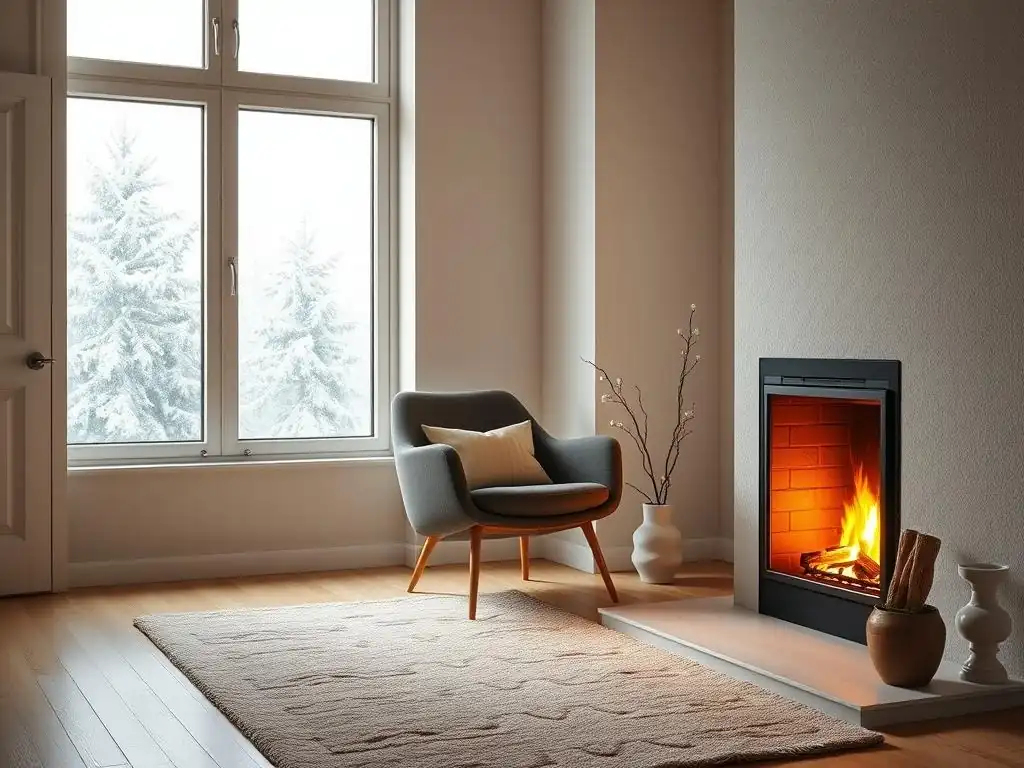
Ready to conquer winter's chill and boost your home's efficiency? UltimateLifeHacks is your guide to a warmer, more comfortable, and significantly more cost-effective home this season. Discover genius winter home efficiency hacks that will not only save you money but also transform your daily routine. Prepare to be amazed by simple yet impactful strategies – let's dive in!
-
Maximize Winter Home Efficiency Hacks: Saving Energy and Money
- Reduce Drafts and Improve Insulation: Simple Solutions for a Warmer Home
- Optimize Your Heating System for Peak Efficiency: Winter Home Maintenance Tips
- Smart Thermostat Strategies for Energy Savings: Programming for Maximum Impact
- Seal Windows and Doors to Prevent Heat Loss: Affordable DIY Winterization Techniques
-
Winter Home Efficiency Hacks: Boosting Comfort and Coziness
- Create a Warm and Inviting Atmosphere: Cozy Home Decor Ideas for Winter
- DIY Insulation Projects to Reduce Energy Waste: Affordable Winter Home Upgrades
- Improve Indoor Air Quality for a Healthier Winter: Ventilation and Humidity Control
- Utilize Natural Light to Maximize Brightness: Simple Adjustments for a Cheerier Home
-
Enhance Winter Home Efficiency Hacks: Practical Tips for a More Comfortable Home
- Smart Lighting Solutions to Reduce Energy Consumption: LED Bulbs and Smart Switches
- Layer Your Bedding for Maximum Warmth: Cozy Sleep Hacks for Winter Nights
- Optimize Your Water Heating System for Efficiency: Reducing Energy Waste in the Bathroom
- Winterize Your Pipes to Prevent Freezing and Leaks: Essential Home Maintenance
-
Winter Home Efficiency Hacks: Beyond the Basics
- Energy-Efficient Appliances: Choosing Wisely for Long-Term Savings
- Understanding Your Energy Bill: Identifying Areas for Improvement
- Government Rebates and Incentives for Energy Efficiency Upgrades: Finding Financial Assistance
- Long-Term Planning for Winter Home Efficiency: Investing in Sustainable Solutions
- Frequently Asked Questions
- Final Reflection: Embracing Cozy Efficiency This Winter and Beyond
- Unleash Your Inner Homebody: Cozy Up and Save This Winter!
Maximize Winter Home Efficiency Hacks: Saving Energy and Money
Winter's chill can significantly impact your energy bills and overall comfort. This guide provides practical, actionable "winter home efficiency hacks" to help you beat the winter blues and create a warmer, more efficient home. We'll explore simple yet effective strategies to reduce drafts, optimize your heating system, and leverage smart technology for maximum energy savings.
By implementing these tips, you'll not only enjoy a cozier home but also significantly reduce your energy consumption and save money throughout the colder months. This is crucial, especially considering the rising costs associated with heating during the winter season. Let's dive into the specific strategies that will transform your home into a haven of warmth and efficiency.
This guide focuses on practical solutions, avoiding costly renovations and focusing on readily available and affordable options. We'll examine everything from simple DIY projects to smart technology integration, ensuring there's something for everyone to improve their winter home efficiency.
Reduce Drafts and Improve Insulation: Simple Solutions for a Warmer Home
Minimizing drafts is a cornerstone of winter home efficiency. Even small gaps and cracks can let precious heat escape, leading to higher energy bills and a less comfortable living environment. Fortunately, many solutions are simple, inexpensive, and easily implemented.
Here's a checklist of effective draft-busting techniques:
- Caulk and Weatherstripping: Inspect windows and doors for gaps. Apply caulk to seal cracks and crevices, and use weatherstripping around doors and windows to create a tight seal. This is one of the most impactful and cost-effective "winter home efficiency hacks" you can implement.
- Window Insulation Film: This affordable plastic film creates an extra layer of insulation, reducing heat loss through windows. It's easy to install and removes easily in the spring.
- Door Sweeps: Install door sweeps at the bottom of exterior doors to prevent cold air from seeping underneath. This is particularly effective for older homes with drafty doors.
- Rugs and Carpets: These not only add warmth and comfort but also help insulate floors, preventing heat loss to the ground. Consider adding thicker rugs in high-traffic areas.
- Curtains and Drapes: Heavy curtains or drapes can act as an extra layer of insulation, trapping heat inside and keeping cold air out. Close them at night and during colder periods of the day.
This seemingly simple approach can lead to a surprising reduction in energy usage. Remember, even small improvements add up to significant savings over the winter months. Consider prioritizing the areas where you feel the most drafts, and tackle those first for the greatest impact.
Optimize Your Heating System for Peak Efficiency: Winter Home Maintenance Tips
A well-maintained heating system is crucial for both efficiency and safety. Regular maintenance can prevent costly repairs and ensure your system operates at its peak performance throughout the winter.
Here are some key maintenance steps:
- Filter Changes: Regularly changing your furnace filter is essential. A clogged filter restricts airflow, reducing efficiency and potentially damaging your system. Aim to change it every 1-3 months, or more frequently if you have pets.
- Professional Inspection: Schedule an annual inspection by a qualified HVAC technician. This professional check-up can identify potential problems before they escalate, ensuring your system runs smoothly and efficiently.
- Thermostat Calibration: Ensure your thermostat is accurately calibrated to prevent over-heating or under-heating. A slight miscalibration can lead to significant energy waste over time.
- Bleeding Radiators (if applicable): If you have a radiator heating system, bleeding the radiators to remove trapped air can improve their efficiency and heat distribution.
- Regular Cleaning: Keep vents and registers clear of dust and debris to ensure proper airflow.
Proactive maintenance is key to avoiding expensive emergency repairs and maximizing the lifespan of your heating system. A small investment in maintenance can translate into substantial long-term savings.
Smart Thermostat Strategies for Energy Savings: Programming for Maximum Impact
Smart thermostats offer advanced features that can significantly optimize your heating system's efficiency and reduce energy consumption.
Here's how to leverage these features for maximum impact:
- Programming: Utilize the programmable features to automatically adjust the temperature based on your daily schedule. Lower the temperature when you're away or asleep, and raise it before you return home.
- Geo-fencing: Many smart thermostats offer geo-fencing, automatically adjusting the temperature based on your location. This ensures your home is heated only when you're present.
- Learning Modes: Some smart thermostats incorporate learning modes that automatically adjust the temperature based on your usage patterns, further optimizing energy efficiency.
- Remote Control: The ability to control your thermostat remotely is a valuable feature, allowing you to adjust the temperature from anywhere, ensuring your home is comfortable upon your arrival.
Smart thermostats are a valuable investment, offering significant long-term savings and convenience. Exploring the features and customizing the settings to fit your lifestyle can significantly reduce energy consumption and improve your overall comfort. Consider the initial investment as a long-term solution for maximizing your winter home efficiency.
Seal Windows and Doors to Prevent Heat Loss: Affordable DIY Winterization Techniques
Winter's chill can significantly impact your home's energy efficiency, leading to higher heating bills and a less comfortable living environment. A major culprit of heat loss is poorly sealed windows and doors. Fortunately, addressing this issue doesn't require a major renovation or a hefty investment. Several affordable DIY techniques can drastically improve your home's insulation and prevent precious warmth from escaping.
One of the simplest and most effective methods is using weatherstripping. This inexpensive material comes in various forms, including foam tape, rubber seals, and felt strips. Choosing the right type depends on the gap size and the material of your windows and doors. Foam tape is ideal for small gaps, while rubber seals are better suited for larger openings. Felt strips are a great option for older doors with significant gaps.
The application process is generally straightforward: clean the surfaces thoroughly, measure and cut the weatherstripping to the appropriate size, and firmly adhere it along the edges of your windows and doors. Remember to follow the manufacturer's instructions for optimal results. This simple step can reduce drafts considerably, leading to noticeable energy savings. For example, a study by the Department of Energy showed that proper weatherstripping can reduce energy loss by up to 10-15%.
Another effective technique is using window insulation film. This clear plastic film shrinks tightly over your window frames, creating an extra layer of insulation. It's particularly useful for older windows with single-pane glass. The application process involves carefully measuring and cutting the film to fit your window, then using a hairdryer to shrink it and create a tight seal.
While it might seem slightly more involved than weatherstripping, the energy savings can be substantial, reducing heat loss by up to 50% according to some estimates. The added benefit is that it also helps reduce noise pollution from outside. Consider this option for windows that experience significant drafts or noise intrusion.
Beyond weatherstripping and window film, consider addressing larger gaps. Caulk is a versatile sealant perfect for filling cracks and crevices around windows and doors. Before applying caulk, clean the area thoroughly to ensure proper adhesion. Apply a thin, even bead of caulk, smoothing it with a wet finger or a caulk tool. Allow the caulk to dry completely before painting over it, if necessary.
This step is crucial in preventing air infiltration, which is a major contributor to heat loss during winter. You'll notice a significant improvement in your home's comfort and energy efficiency with meticulous caulking. Investing a little time in this process can save you money on your energy bills for years to come. Remember to choose a high-quality caulk appropriate for exterior use for long-lasting results.
Regular inspection and reapplication as needed will maintain the effectiveness of your sealant. A well-maintained seal will keep your home warmer and more energy-efficient for years to come. This simple yet powerful technique is a cornerstone of effective "winter home efficiency hacks."
Winter Home Efficiency Hacks: Boosting Comfort and Coziness
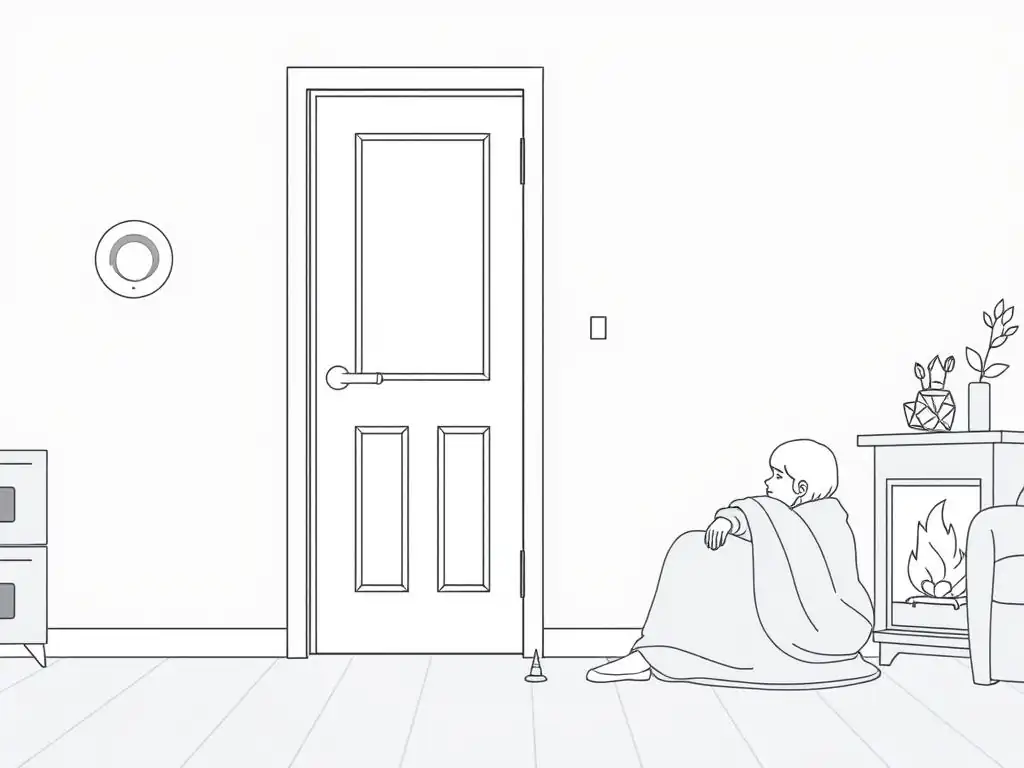
This section dives deep into practical strategies to enhance your home's efficiency during the winter months, focusing on cost-effective solutions and readily available materials. We'll explore how small changes can significantly impact your energy bills and overall comfort levels. Remember, even minor adjustments in your approach to winter home maintenance can lead to substantial savings and a warmer, more inviting atmosphere. The key is to proactively address potential energy leaks and optimize your home's heating system for maximum efficiency. This translates directly into lower energy consumption and a more pleasant living environment throughout the cold season.
Create a Warm and Inviting Atmosphere: Cozy Home Decor Ideas for Winter
Transforming your home into a winter wonderland doesn't require a major overhaul. Simple, cost-effective decorating choices can make a big difference in creating a warm and inviting atmosphere. Think about incorporating rich textures like wool throws, plush cushions, and faux fur blankets. These additions not only enhance the aesthetic appeal but also provide an extra layer of warmth, reducing the need to crank up the thermostat.
Consider strategic lighting. Warm-toned lighting, like incandescent bulbs or LED bulbs with a warm white color temperature (around 2700K), can significantly impact the perceived temperature of a room. Dimmable lights offer even more control, allowing you to adjust the ambiance and energy use based on your needs. Candles, strategically placed, add to the cozy feel and can even provide supplemental warmth in small spaces—but always ensure safety precautions are followed.
Finally, don't underestimate the power of color psychology. Warm colors like deep reds, oranges, and yellows can create a sense of warmth and comfort. Incorporating these shades through throws, cushions, or even a fresh coat of paint in accent walls can contribute significantly to the overall cozy atmosphere. This is a simple, yet effective, "Winter home efficiency hack" that boosts comfort without impacting energy consumption directly.
DIY Insulation Projects to Reduce Energy Waste: Affordable Winter Home Upgrades
Addressing drafts and improving insulation are crucial steps in boosting winter home efficiency. Many DIY projects can significantly reduce energy waste without breaking the bank. Start by identifying areas where drafts are most noticeable – windows, doors, and poorly insulated walls. A simple and effective method is using weatherstripping around doors and windows. This inexpensive material creates a seal, preventing cold air from seeping in.
For windows, consider applying window insulation film. This clear plastic film adheres to the window frames and creates an insulating layer, reducing heat loss. While it might seem visually intrusive, it's remarkably effective and easily removable in spring.
Another cost-effective approach is adding insulation to attics and crawl spaces. Loose-fill insulation, such as cellulose or fiberglass, is relatively easy to install and offers excellent thermal resistance. However, if you're uncomfortable working in these areas, it's best to consult a professional. Remember to always prioritize safety when undertaking DIY projects. Improper insulation can lead to moisture buildup and potential mold growth, defeating the purpose of your energy-saving efforts.
Improve Indoor Air Quality for a Healthier Winter: Ventilation and Humidity Control
Dry air is a common problem during winter, often exacerbated by central heating systems. Low humidity can lead to dry skin, irritated sinuses, and respiratory problems. Maintaining optimal humidity levels is crucial for a healthy and comfortable winter. A simple and affordable solution is using a humidifier. Humidifiers add moisture to the air, alleviating dryness and improving overall well-being. However, it's important to clean your humidifier regularly to prevent mold and bacteria growth.
Adequate ventilation is equally important. While it might seem counterintuitive to open windows during winter, occasional ventilation helps to remove stale air and prevent the buildup of pollutants. Consider short bursts of ventilation on milder days, or use exhaust fans in kitchens and bathrooms to remove moisture and prevent condensation. Proper ventilation also helps to maintain a balanced indoor climate, reducing the reliance on heating and improving air quality. This holistic approach to indoor environmental control is another essential element in maximizing "Winter home efficiency hacks" for a healthier and more comfortable home.
Utilize Natural Light to Maximize Brightness: Simple Adjustments for a Cheerier Home
Sunlight is a powerful mood booster, especially during the gloomy winter months. Maximizing natural light in your home can significantly improve your well-being and reduce the need for artificial lighting, saving you money on your energy bill. This is a crucial aspect of improving your home's efficiency during winter. Let's explore some simple adjustments you can make to harness the power of the sun:
First, consider decluttering your windows. Curtains, blinds, and even dust can significantly impede the amount of light entering your home. Regular cleaning of your windows, both inside and out, is crucial. A sparkling clean window will allow maximum light penetration. Consider using a microfiber cloth and a specialized window cleaner for streak-free results. You'll be surprised at the difference a clean window makes!
Next, strategically position mirrors to reflect light into darker corners. Placing a mirror opposite a window can effectively double the amount of light reaching a room. Experiment with different sizes and placements to find the optimal configuration for your space. This is a particularly effective technique for hallways or rooms with limited natural light sources. Remember that larger mirrors generally reflect more light, but even small mirrors can make a noticeable difference.
Finally, consider your window treatments. Heavy, dark curtains might feel cozy, but they also block a significant amount of natural light. Opt for lighter-colored curtains or blinds, or consider using sheer curtains that allow light to filter through while still providing privacy. During the day, keep curtains and blinds open as much as possible to maximize the light influx.
This simple change can dramatically brighten your home and improve your mood, all while contributing to energy efficiency by reducing your reliance on electric lights. This small adjustment can significantly improve your home's "winter home efficiency hacks" strategy. Remember, every little bit helps when it comes to boosting comfort and reducing energy consumption during the winter months. The impact on your mood and energy bills will be well worth the effort.
Enhance Winter Home Efficiency Hacks: Practical Tips for a More Comfortable Home
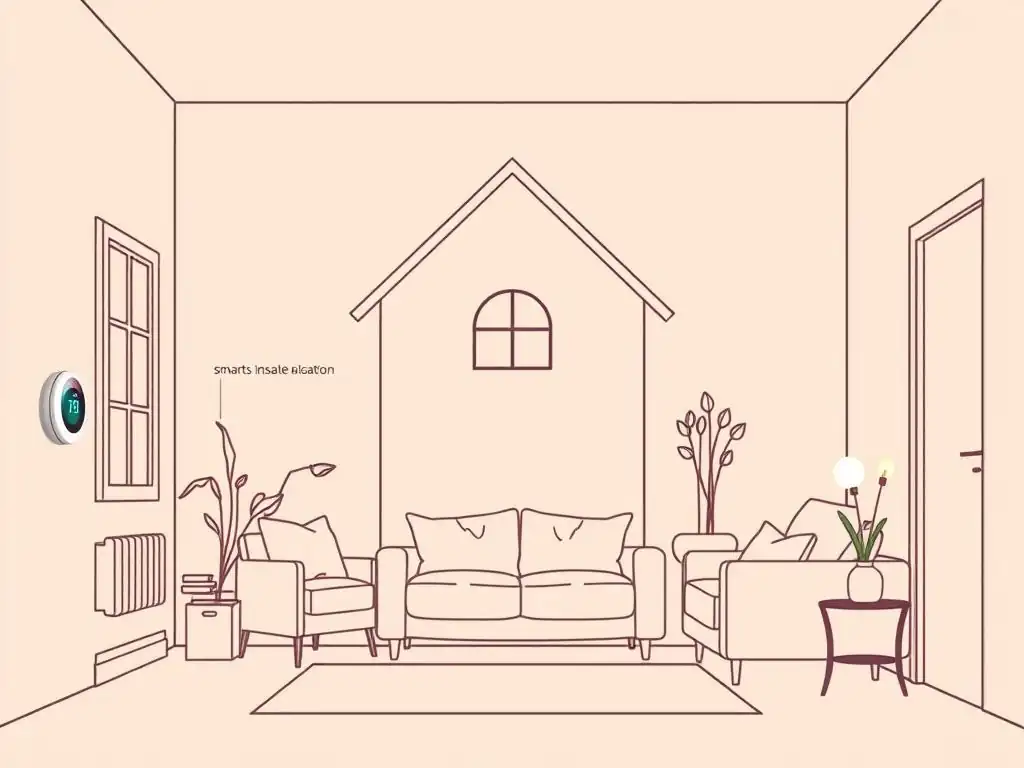
This section delves into specific, actionable strategies to improve your home's efficiency during the winter months, focusing on reducing energy consumption and maximizing comfort. We'll explore smart lighting choices, bedding optimization, and water heating adjustments—all crucial components of effective winter home efficiency hacks. By implementing these strategies, you can significantly reduce your energy bills and create a warmer, more inviting atmosphere throughout the colder season. These are practical, easily implemented solutions to boost your home's winter performance and reduce your environmental footprint.
Smart Lighting Solutions to Reduce Energy Consumption: LED Bulbs and Smart Switches
Switching to energy-efficient lighting is a simple yet impactful way to improve your winter home efficiency. LED bulbs consume significantly less energy than traditional incandescent bulbs, translating directly into lower electricity bills. Consider this comparison: a 60-watt incandescent bulb uses approximately 60 watts per hour, whereas a comparable LED bulb might only use 8-10 watts. This difference adds up considerably over time, especially during the longer, darker winter days when lights are used more frequently.
Furthermore, smart switches offer additional control and automation. These switches allow you to schedule lighting, dim lights remotely, and even integrate them with other smart home devices. This level of control allows you to optimize lighting usage, ensuring lights are only on when needed, further contributing to energy savings. For instance, you can program your lights to turn off automatically when you leave the house or go to bed, preventing unnecessary energy waste.
Investing in smart lighting solutions is a worthwhile winter home efficiency hack that delivers both cost savings and increased convenience. The initial investment in LED bulbs and smart switches is quickly recouped through reduced energy consumption, making it a financially sound and environmentally responsible choice. Consider phasing out your older bulbs gradually, replacing them as they burn out with energy-efficient alternatives.
Layer Your Bedding for Maximum Warmth: Cozy Sleep Hacks for Winter Nights
Maintaining a comfortable sleeping temperature during winter is crucial for a good night's rest. Simply cranking up the thermostat isn't the most energy-efficient solution. Instead, layering your bedding is a fantastic winter home efficiency hack that allows you to regulate your body temperature effectively without significantly increasing your heating costs.
The layering technique involves using several lighter layers of bedding rather than one heavy blanket. This approach allows for greater flexibility in adjusting your warmth throughout the night. For example, you might start with a lightweight sheet, followed by a fleece blanket, and finally a down comforter. If you get too warm, you can easily remove a layer; if you get too cold, you can add one.
This method not only improves your sleep quality but also contributes to energy savings. By maintaining a comfortable temperature using layers, you can lower the overall thermostat setting, reducing your heating costs without compromising your comfort. Experiment with different combinations of materials and weights to find what works best for you, creating a customized layering system that perfectly suits your needs and preferences. This simple change contributes significantly to improved winter home efficiency.
Optimize Your Water Heating System for Efficiency: Reducing Energy Waste in the Bathroom
Hot water accounts for a substantial portion of household energy consumption, particularly during winter when you might take longer showers or use more hot water for washing dishes and laundry. Optimizing your water heating system is a key element of effective winter home efficiency hacks.
One crucial step is to lower your water heater’s temperature. Most water heaters are set at a default temperature of 140°F (60°C), which is often higher than necessary for household use. Lowering the temperature to 120°F (49°C) is usually sufficient and can significantly reduce energy consumption without compromising comfort. Check your water heater’s manual for instructions on adjusting the temperature setting.
Additionally, consider installing low-flow showerheads and faucet aerators. These simple devices reduce water flow without sacrificing water pressure, leading to significant water and energy savings. Every drop of hot water saved translates into less energy used to heat it, making a noticeable difference on your energy bills over time. Regular maintenance, such as flushing your water heater periodically to remove sediment buildup, can also improve its efficiency and longevity. These small adjustments contribute substantially to your overall winter home efficiency.
Winterize Your Pipes to Prevent Freezing and Leaks: Essential Home Maintenance
Winter's frigid temperatures pose a significant threat to your home's plumbing system. Frozen pipes can lead to costly repairs, inconvenient disruptions, and even extensive water damage. Preventing frozen pipes is a crucial aspect of winter home efficiency, ensuring both comfort and financial security. Proactive measures are far more economical than reactive repairs. This involves a multi-pronged approach focusing on insulation, water flow, and preventative maintenance.
One of the most effective strategies is proper insulation. Pipes located in exterior walls, attics, crawl spaces, or unheated areas are particularly vulnerable. Insulating these pipes with pipe sleeves, foam insulation, or even heat tape significantly reduces the risk of freezing. Remember to pay close attention to pipes near outside walls, especially those carrying water to outdoor faucets. These are often the first to freeze. For exposed pipes, consider wrapping them with readily available insulation materials found at most hardware stores. The thicker the insulation, the better the protection against freezing temperatures.
Maintaining a consistent flow of water through your pipes is another key preventative measure. Even a slow trickle of water can help prevent freezing. During extremely cold snaps, leaving a faucet slightly open, especially those on exterior walls, can make a significant difference. This constant flow prevents the water from becoming stagnant and freezing. While this method uses a small amount of water, the cost is far outweighed by the potential damage of a burst pipe. Consider installing a small, inexpensive timer-controlled faucet drip system for added convenience and consistency.
Regular inspection and preventative maintenance are equally important. Before winter sets in, check all exposed pipes for any signs of damage or leaks. Address any issues promptly to avoid more significant problems down the line. Knowing the location of your main water shut-off valve is critical in case of a burst pipe.
This allows you to quickly shut off the water supply, minimizing water damage. Regularly checking your water meter for unusual increases in usage can also alert you to potential leaks. Remember, an ounce of prevention is worth a pound of cure when it comes to winterizing your pipes. By taking these simple steps, you can significantly reduce the risk of frozen pipes and protect your home from costly water damage, contributing significantly to your overall winter home efficiency.
Winter Home Efficiency Hacks: Beyond the Basics
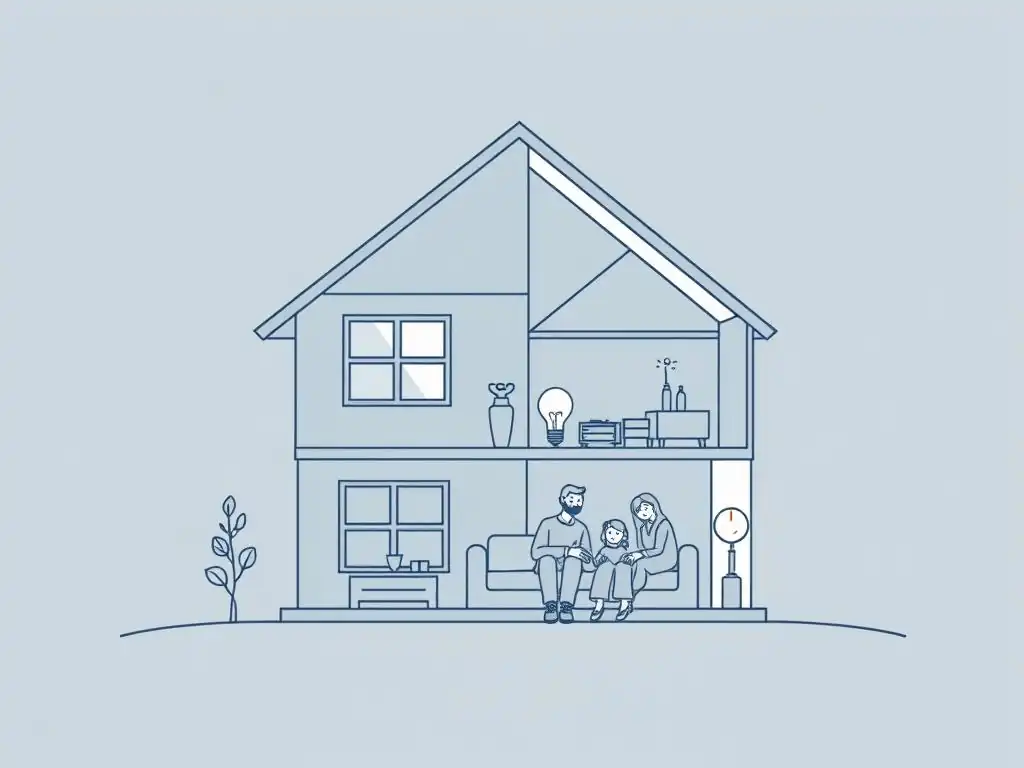
This section dives deep into practical strategies to boost your home's energy efficiency this winter, going beyond the typical advice. We'll explore smart appliance choices, decipher your energy bill to pinpoint wasteful areas, and uncover available financial assistance to make upgrades more affordable. Optimizing your home's energy consumption isn't just about comfort; it's about saving money and reducing your environmental impact. Let's explore how to make your home a cozy and efficient haven this winter, maximizing your comfort while minimizing your energy bills.
Energy-Efficient Appliances: Choosing Wisely for Long-Term Savings
Selecting energy-efficient appliances is a cornerstone of effective winter home efficiency hacks. The initial investment might seem higher, but the long-term savings on your energy bills are significant. Look for appliances with the Energy Star label, indicating they meet stringent energy-efficiency guidelines. Beyond the label, consider these factors:
- Refrigerators and Freezers: Choose models with efficient insulation and advanced cooling technology. Regular defrosting of frost buildup is crucial for optimal performance. Consider the size carefully; a larger refrigerator than needed will consume more energy.
- Washing Machines and Dryers: High-efficiency (HE) models use significantly less water and energy. Opt for front-loading washers, which generally outperform top-loading models in energy efficiency. For dryers, consider a heat pump dryer which uses significantly less energy than conventional models.
- Dishwashers: Similar to washing machines, energy-efficient dishwashers utilize less water and energy per cycle. Look for features like sensor wash cycles that adjust water usage based on the level of soiling.
Think of these appliances as long-term investments. The initial cost is offset by substantial energy savings over their lifespan. For example, a high-efficiency refrigerator might cost more upfront, but could save you hundreds of dollars on electricity bills over ten years. This translates to tangible savings, contributing significantly to your overall winter home efficiency goals. Accurate cost comparisons require specific model research and energy pricing in your region.
Understanding Your Energy Bill: Identifying Areas for Improvement
Your energy bill is a powerful tool for identifying areas needing improvement in your home's energy efficiency. Don't just glance at the total; scrutinize the details. Many utility companies provide a breakdown of energy usage by appliance or area of your home. This data is invaluable for pinpointing energy-guzzlers.
| Energy Source | Typical Winter Usage Increase (%) | Potential Savings Strategies |
|---|---|---|
| Heating | 30-50% | Improve insulation, seal air leaks, use programmable thermostat |
| Water Heating | 15-25% | Lower thermostat setting, insulate hot water pipes |
| Lighting | 10-15% | Switch to LED bulbs, use timers and motion sensors |
| Appliances (overall) | 20-30% | Upgrade to energy-efficient models, reduce usage |
Analyzing your bill month-over-month can reveal seasonal trends and highlight specific areas where consumption spikes during winter. For instance, a significant increase in heating costs might indicate a need for better insulation or window sealing. Consistent monitoring empowers you to make targeted adjustments, maximizing your winter home efficiency hacks. Consider using online tools or apps provided by your utility company to further analyze your energy consumption patterns.
Government Rebates and Incentives for Energy Efficiency Upgrades: Finding Financial Assistance
Many governments offer rebates and incentives to encourage energy efficiency upgrades. These programs can significantly reduce the upfront cost of improvements like insulation, window replacements, and high-efficiency appliances. These "winter home efficiency hacks" are made even more attractive with financial support.
To find available programs:
- Contact your local utility company: Many utilities offer rebates and financing options for energy-efficient upgrades.
- Check your state or provincial government website: Most government energy agencies have online resources listing available programs.
- Explore federal energy efficiency programs: Many countries have national programs offering financial assistance.
These programs often have specific eligibility criteria and application processes. Thoroughly researching available options is crucial to maximizing your savings. Don't overlook these potential financial aids; they can make the difference between considering and implementing essential energy efficiency improvements for a warmer and more cost-effective winter. Remember to check for deadlines and application requirements well in advance.
Long-Term Planning for Winter Home Efficiency: Investing in Sustainable Solutions
Investing in sustainable solutions for your home is a crucial aspect of long-term winter home efficiency. It's not just about immediate cost savings; it's about building a home that's resilient, comfortable, and environmentally friendly throughout the colder months and beyond. This involves a shift from reactive fixes to proactive planning, focusing on improvements that offer enduring value.
One key area is insulation. Proper insulation significantly reduces heat loss, leading to lower energy bills and a more consistently warm interior. While adding insulation to attics and walls might seem like a significant upfront cost, the long-term energy savings often make it a worthwhile investment. Consider professional assessments to determine the best insulation type and placement for your specific home and climate.
For example, spray foam insulation offers excellent air sealing capabilities, minimizing drafts and reducing energy waste. Fiberglass batts are a more economical option, readily available and easy to install for DIY enthusiasts. Investing in better window insulation, such as double- or triple-paned windows or installing interior storm windows, is another impactful strategy.
The difference in heat retention is substantial, reducing the strain on your heating system and lowering your utility bills noticeably. Consider the ROI (Return on Investment) when comparing different solutions. A higher upfront cost for superior insulation might save you considerably more over the life of the product.
Beyond insulation, consider upgrading your heating system. A high-efficiency furnace or heat pump can dramatically cut down on energy consumption. Regular maintenance, including annual inspections and filter changes, is crucial to maximize its performance and lifespan. Look for Energy Star-rated appliances to ensure they meet high energy-efficiency standards.
Moreover, exploring renewable energy options such as solar panels can significantly reduce your reliance on traditional energy sources, further enhancing your home's sustainability and lowering your carbon footprint. While the initial investment can be substantial, government incentives and long-term energy savings often offset the costs over time. Finally, remember that proper ventilation is crucial for indoor air quality and energy efficiency.
A well-maintained ventilation system prevents moisture buildup, which can lead to mold growth and structural damage, ultimately impacting your home's efficiency and increasing repair costs. Investing in proper ventilation systems is a long-term investment in the health and well-being of your home and its occupants. The overall impact on your long-term energy efficiency and comfort levels will be considerable.
Frequently Asked Questions
How can I reduce energy costs during winter?
Simple changes make a big difference! Seal air leaks around windows and doors with weatherstripping. Also, consider investing in energy-efficient appliances and lowering your thermostat a few degrees.
What are some easy ways to improve home insulation?
Add curtains or blinds to prevent heat loss through windows. Insulate your attic and walls if possible – this is a more significant investment but yields substantial long-term savings. Consider using draft stoppers under doors.
Are there any quick fixes to keep my home warmer?
Absolutely! Use rugs to insulate floors, bleeding radiators to remove trapped air, and reverse your ceiling fan's direction to push warm air downwards. These are quick and easy wins.
How can I prevent frozen pipes during winter?
Keep your thermostat set to at least 68°F even when you're away. Let cold water drip from faucets served by exposed pipes. Insulate exposed pipes with pipe insulation sleeves or heat tape.
What are some smart home devices that can help with winter home efficiency?
Smart thermostats learn your habits and adjust accordingly, saving energy. Smart power strips cut off power to devices not in use. Consider energy monitoring devices to track your usage and identify areas for improvement.
Final Reflection: Embracing Cozy Efficiency This Winter and Beyond
The pursuit of a warm, efficient home isn't just about saving money on energy bills; it's about creating a sanctuary of comfort and well-being, especially crucial during the harsh winter months. This year, more than ever, finding practical solutions to combat rising energy costs and create a truly inviting home environment is paramount. The simple hacks explored in this article—from strategic window treatments to clever appliance usage—offer tangible steps toward achieving this goal.
The impact of energy efficiency extends far beyond the individual home. It's a collective responsibility to reduce our carbon footprint and contribute to a more sustainable future. The greatest threat to our planet is the belief that someone else will save it.
– Robert Swan. This quote underscores the importance of each individual taking proactive steps, however small they may seem, to improve their home's energy efficiency. The cumulative effect of these small changes, adopted by many, can create a significant positive impact on the environment and our collective well-being.
Consider the ways you can implement these simple yet effective hacks in your own home. Start small, perhaps by tackling one or two suggestions this week. Observe the difference it makes in your comfort levels and energy consumption. Remember, creating a warm, efficient home is an ongoing process, a journey of continuous improvement. Embrace the challenge, and let the warmth and savings inspire you to continue exploring new ways to optimize your home's energy performance.
Unleash Your Inner Homebody: Cozy Up and Save This Winter!
Thank you for exploring ways to combat the winter blues and create a warmer, more energy-efficient home! We hope you discovered inspiring ideas to enhance your comfort and reduce energy costs. Now, let's put those ideas into practice!
- Prioritize one energy-saving improvement: Choose the most impactful suggestion from this article—perhaps upgrading your window insulation or optimizing your thermostat—and implement it this week. You'll immediately feel the difference!
- Share your favorite tip: Spread the warmth (and savings!) by sharing your favorite energy-saving tip with friends and family on social media. Use #UltimateLifeHacks to join the conversation!
- Expand your comfort strategies: Try a new approach you haven't considered before—perhaps experimenting with natural room warmers or decluttering to improve airflow. You might be surprised by the positive results!
What's your biggest home-related challenge this winter, and which energy-saving tip are you most eager to try? Let's discuss in the comments below!