Travel on a Budget: Eating Cheap While Traveling
Eating well without breaking the bank is one of the biggest challenges for any budget traveler. This subcategory is your go-to resource for mastering affordable meals on the road, from street food secrets to grocery-store hacks. Whether you’re backpacking through Europe or city-hopping in Southeast Asia, you’ll learn how to slash food costs while still enjoying local flavors. These tips are designed to save you money, time, and stress, making every meal a smart part of your travel itinerary. Get ready to eat smarter, not pricier.
🍜 Street Food & Local Markets: Eat Like a Local for Less
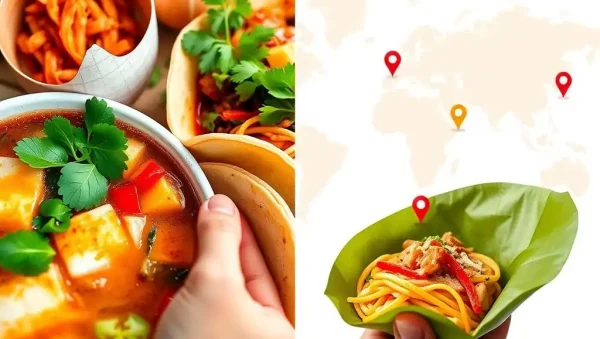
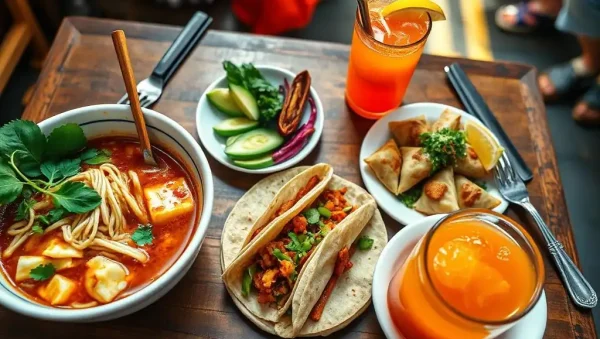
Street food and local markets are your best allies when you need cheap, authentic meals while traveling. Vendors often serve fresh, culturally-rich dishes at a fraction of restaurant prices. Look for busy stalls with high turnover—this signals freshness and safety. Markets also let you taste multiple dishes in one visit, turning lunch into an adventure without a hefty bill. Prioritize areas frequented by residents, not tourists, to find the best deals. Always carry small bills to make transactions quicker and avoid overpaying.
Beyond saving money, street food gives you a genuine cultural experience that restaurants often miss. You can watch your meal being cooked, chat with vendors, and learn about regional ingredients. Pair this with a quick online search for “best street food [city name]” to find hidden gems. To stay within budget, set a daily food allowance and track your spending using a simple app. Remember, eating where locals eat is both budget-friendly and delicious—your taste buds and wallet will thank you.
🏪 Grocery Store Hacks: Stock Up and Save Big
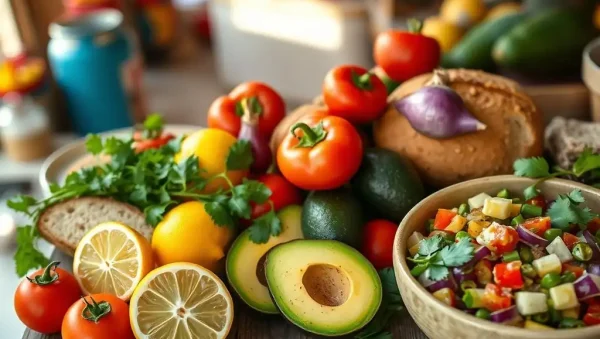
Grocery stores are a budget traveler’s secret weapon. Instead of eating out for every meal, buy staples like bread, peanut butter, fruit, yogurt, and instant noodles to create quick, low-cost meals. Many hostels and budget hotels offer kitchen access—use it to prep simple dinners like pasta or stir-fries. This approach can cut your food spending by up to 50%. Also, look for local discount chains or day-old bakeries for fresh bread at reduced prices. Always check the unit price to ensure you’re getting the best value.
Plan your grocery trips around your itinerary to avoid impulse buys. Carry a reusable bag and buy in bulk for non-perishables like rice and oats. For perishables, shop daily in small amounts to minimize waste. Another pro tip: use store loyalty apps or download coupons from local websites before you arrive. If you’re near a university, grocery stores there often have student discounts or markdowns. By making grocery shopping a habit, you’ll free up cash for experiences like tours or museum entries, making your trip richer in memories, not meals.
🍽️ Cooking in Hostels & Shared Kitchens: DIY Meals on the Go
Hostels, guesthouses, and Airbnb rentals frequently include shared kitchens, which are perfect for crafting affordable meals. Cooking together not only saves money but also connects you with fellow travelers. Plan a simple menu for 2-3 days—think one-pot dishes like curry, chili, or roasted vegetables. Buy ingredients that are versatile, like eggs, canned beans, and rice, which can be used in multiple recipes. Many hostels also have a “free food” shelf where departing travelers leave unused items—grab spices and condiments for free.
To make kitchen cooking efficient, arrive with a small set of essentials: a pocket knife, a reusable container, and a light spice mix. Use the local market for fresh produce and meat, but don’t overlook frozen vegetables—they’re cheaper and last longer. Cook in batches and store leftovers for next-day lunches. This strategy also helps you avoid the “hangry” impulse to splurge on restaurant meals. When you do eat out, choose lunch specials or early-bird menus, which are often half the price of dinner. Mastering hostel cooking turns food into a bonding activity and a major budget win.
🕒 Timing Your Meals: Early Bird Specials & Happy Hours
Smart timing can dramatically reduce your dining costs while traveling. Many restaurants offer set-price lunch menus, happy-hour discounts, or early-bird specials that are 30-50% cheaper than dinner. Plan your main meal around 2-4 PM when you can enjoy full dishes at reduced rates. For dinner, opt for a lighter snack from a bakery or a street stall. Additionally, use apps like Groupon or local deal platforms to find restaurant vouchers for popular neighborhoods. Check daily deals on your map app to spot nearby promotions.
Beyond discounts, timing also affects food freshness—morning markets have the best produce, and evening stalls often reduce prices to clear stock. If you’re traveling in a city with a lively tapas or aperitivo culture, order before 6 PM to get free snacks with your drink. For breakfast, skip hotel buffets and instead buy a croissant and coffee from a local café for a fraction of the cost. Keep a flexible eating schedule to take advantage of unexpected deals. This approach not only feeds you well but also gives you a fun reason to explore different neighborhoods during off-peak hours.
💧 Hydration & Snack Strategies: Avoid Tourist Trap Expenses
Staying hydrated and snack-ready is essential to avoid overpriced tourist-trap purchases. Carry a reusable water bottle and refill it at public fountains, hostel taps, or filtered stations—this saves you $2-5 per day. For snacks, pack a mix of nuts, dried fruit, and granola bars from a local supermarket. These are lightweight, non-perishable, and perfect for long sightseeing days. Avoid buying food near major attractions, as prices can be 200% higher. Instead, walk a few blocks away and you’ll find normal-priced options.
Another strategy is to research free water refill points via apps like “Refill” or “Tap.” If you’re in a hot climate, freeze a small bottle overnight to create a cooling snack that melts into ice-cold water. For sweet cravings, buy local seasonal fruit—it’s cheap, healthy, and gives you energy. When eating at a restaurant, skip the overpriced drinks and order water; if you want flavor, use lemon or lime. By managing hydration and snacks, you not only save money but also maintain your energy, making your travels more enjoyable and less stressful. Small choices add up to significant savings over a week-long trip.
Frequently Asked Questions
What is the cheapest way to eat while traveling?
The cheapest way is to combine grocery shopping with street food. Buy staples like bread, fruit, and instant noodles for quick meals, and eat one main meal at a local street stall or market. This typically cuts food costs by 40-60% compared to eating every meal at restaurants. Always carry a reusable bottle and snack pack to avoid impulse buys.
How can I find affordable restaurants in a new city?
Use local food apps like TripAdvisor or Google Maps and filter by “price range.” Look for places with high ratings from locals, not tourists. Walk a few blocks away from main attractions, check for lunch specials, and ask your hostel staff for recommendations. Street food areas often have the best value.
Is it safe to eat street food on a budget?
Yes, if you choose wisely. Look for stalls with long queues of locals, high turnover, and visible cooking. Avoid raw foods that may have been sitting out, and always watch your food being prepared. Carry hand sanitizer and stick to bottled water. With these precautions, street food is both safe and delicious.
What are the best grocery items to pack for travel meals?
Pack a small spice mix, a pocket knife, and a reusable container. At the store, buy peanut butter, instant oats, tortillas, canned beans, rice, eggs, and seasonal fruit. These items are versatile, non-perishable (except eggs), and easy to cook in a hostel kitchen. They cover breakfast, lunch, and dinner for under $10 a day.
How can I avoid overspending on snacks and drinks?
Set a daily snack budget (e.g., $3) and track it with a notepad. Carry a water bottle and refill it for free, and pack a small bag of nuts or dried fruit from a supermarket. Avoid buying snacks at tourist spots, and instead buy from local grocery stores or markets where prices are normal. This habit alone saves you $10-15 weekly.