Smart Money-Saving Strategies for Your Next Adventure
Traveling on a budget doesn't mean sacrificing experiences—it means making intelligent choices that stretch every dollar further. At UltimateLifeHacks, we combine practical life hacks with travel expertise to help you explore the world without financial stress. From flight deals to accommodation hacks, these tips are designed to optimize your travel planning and daily routines, ensuring you get the most value from every trip while keeping your finances healthy.
✈️ Mastering the Art of Finding Cheap Flights
Finding affordable airfare is the cornerstone of budget travel. The secret lies in flexibility and timing—searching on incognito mode, using fare comparison tools like Google Flights or Skyscanner, and booking on off-peak days (typically Tuesdays or Wednesdays) can save you up to 40%. Setting price alerts for your desired routes ensures you never miss a sudden drop, while considering nearby airports or connecting flights often unlocks hidden savings.
Beyond basic searches, leverage mistake fares and credit card reward points strategically. Many travelers overlook the power of airline miles from everyday purchases—using a travel rewards card for groceries and bills can accumulate enough points for a free round-trip ticket annually. Additionally, booking in advance (6-8 weeks for domestic, 3-4 months for international) generally yields the best prices. Remember to clear your browser cookies or use a VPN when searching, as algorithms sometimes raise prices based on repeated searches.
🏨 Budget Accommodation Hacks That Feel Luxurious
Accommodation eats a massive chunk of travel budgets, but smart hacks can slash those costs dramatically. Consider house-sitting, Couchsurfing, or hostels with private rooms—they offer authentic experiences at a fraction of hotel prices. Booking directly with hotels after comparing on aggregator sites often unlocks 10-20% discounts, while weekday stays in business districts are typically cheaper than weekend rates in tourist zones.
For longer trips, subletting or apartment swaps can eliminate accommodation costs entirely. Websites like HomeExchange connect travelers with like-minded hosts, turning your empty home into a travel currency. Another hack: use last-minute booking apps like HotelTonight for same-day deals, which can reduce rates by up to 50% when hotels have unsold rooms. Always negotiate—especially for extended stays—as hotel managers prefer guaranteed occupancy over empty rooms. Packing a reusable water bottle and cooking simple meals in hostel kitchens further trims your daily expenses.
🍜 Eating Well Without Breaking the Bank
Food is where travelers often overspend, but local dining can be both delicious and economical. The golden rule: eat where locals eat, avoiding tourist-trap restaurants near major attractions. Street food markets, lunch specials, and daily happy hours offer authentic flavors at 30-50% less than dinner prices. Visit supermarkets for breakfast supplies and snacks, reducing the temptation to eat out for every meal.
Embrace the cultural practice of picnicking—buy fresh produce, cheese, and bread from local markets and enjoy scenic parks or viewpoints for free. Many cities offer free walking food tours that introduce you to hidden gems while providing tasting portions. Additionally, use apps like Too Good To Go, which connects you with unsold restaurant food at deep discounts. Drink tap water when safe (always check local guidelines) and order local beverages instead of imported ones—this slashes costs while supporting local businesses. Finally, split larger dishes with travel companions; most portions are enough for two in many regions.
🚶 Free and Low-Cost Activities to Maximize Experience
Experiences make travel unforgettable, but they don't have to be expensive. Start with free walking tours—many cities offer tip-based tours that provide historical context and local insights. Museums often have free entry days (e.g., first Sunday of the month), while public parks, beaches, and hiking trails cost nothing. Download offline maps and create your own self-guided sightseeing routes to avoid overpriced tour packages.
Research city passes carefully—they save money only if you visit multiple included attractions. For example, the Paris Museum Pass pays off if you see four or more sites. Use public transportation passes instead of taxis; they're not only cheaper but also offer a more authentic local view. Attend free festivals, concerts, and cultural events by checking local event calendars before your trip. Volunteer for a few hours at community gardens or language exchanges—some programs offer free meals in exchange. Finally, look for student discount cards or senior rates even if you're not one—some venues apply them broadly to attract visitors.
🎒 Packing Smart to Avoid Hidden Fees
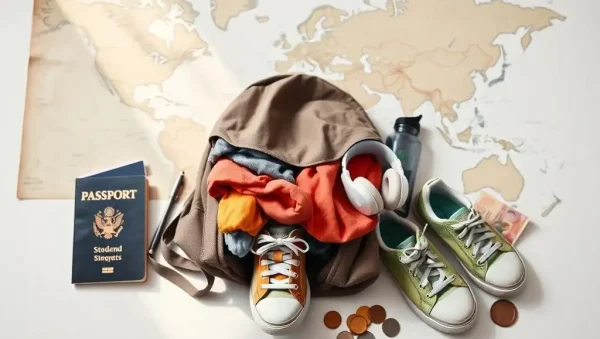
Packing efficiently prevents the fate of excess baggage fees and last-minute purchases. A carry-on bag alone suffices for most trips if you pack multi-purpose clothing—versatile pieces like neutral-colored tops and quick-dry fabrics work for both day and evening wear. Roll clothes instead of folding to maximize space and reduce wrinkles. Invest in a digital luggage scale (around $10) to avoid overweight charges at the airport.
Bring essential toiletries in travel-size bottles—buying them at your destination is often more expensive. Pack a reusable shopping bag for groceries and laundry detergent sheets for sinks, which eliminate expensive hotel laundry services. A portable power bank saves you from paying for airport charging stations. Also, carry a collapsible water bottle and refill at free hydration stations; the average tourist spends $5+ daily on bottled water. Download offline maps, translation apps, and entertainment before departure to avoid roaming charges. Lastly, leave room in your bag for souvenirs—but allocate a specific budget to prevent impulse purchases.
Frequently Asked Questions
What is the single most effective budget travel tip?
Flexibility is your biggest money-saver. Being flexible with travel dates, destinations, and even accommodation types can reduce costs by 30-50%. Signing up for fare alerts and being willing to fly on less popular days or to secondary airports often unlocks the deepest discounts.
How can I save money on accommodation without feeling unsafe?
Stick to reputable budget options like Verified Hostels, guesthouses, or Airbnb super-hosts with excellent reviews. Always read recent feedback, check for secure locks, and use your own lock. For safety, meet hosts in public areas and share your itinerary with someone back home.
Are all-inclusive packages ever cheaper than DIY travel?
Sometimes yes, especially for Caribbean or cruise destinations where includes cover meals, drinks, and activities. However, for city trips, DIY usually wins. Compare the total cost of flights, hotels, food, and key activities against package prices—factor in the package's restrictions on meal times and location flexibility.
What should I do if I overspend during my trip?
Immediately switch to cash-only for discretionary spending, as it psychologically limits you. Cancel any non-essential paid reservations, move to a cheaper accommodation, and prioritize free activities for the remainder of your trip. Return any unused items with refunds, and consider negotiating a discounted rate for extra nights if staying longer.
How can I find free Wi-Fi and avoid roaming costs abroad?
Most cafes, museums, and public libraries in tourist areas offer free Wi-Fi. Download an offline map and translation app before departure. Purchase a local eSIM or SIM card for data—they cost significantly less than international roaming plans. Also, use apps like WhatsApp for calls over Wi-Fi to avoid voice charges.