Is Your Home Protected? Preventative Maintenance Checklist for All Seasons
😊 Save time and prevent costly repairs with our preventative home maintenance checklist! This all-seasons guide ensures your home stays safe and…
Read article

Discover the ultimate guide to preventative home maintenance tips that save you time, money, and stress—simple DIY life hacks designed to keep your living space in peak condition year-round. From seasonal checklists to quick fixes that prevent major repairs, these home maintenance hacks help you stay ahead of wear and tear, boost energy efficiency, and protect your property’s value. 🏠✨ Learn how small, consistent actions—like sealing gaps, servicing your HVAC, or inspecting plumbing—can avoid costly emergencies and extend the lifespan of your appliances. Whether you’re a first-time homeowner or a seasoned renovator, these actionable tips turn routine upkeep into a streamlined, foolproof system. ✅🔧
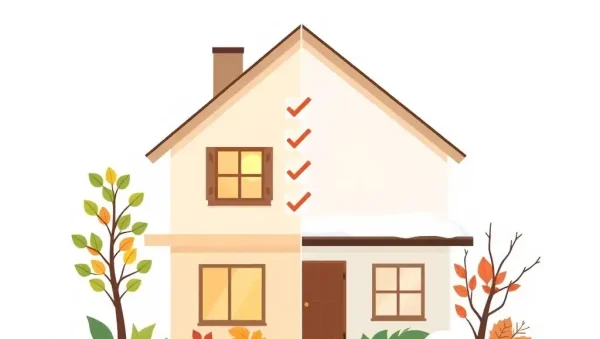
😊 Save time and prevent costly repairs with our preventative home maintenance checklist! This all-seasons guide ensures your home stays safe and…
Read article
😊 Prevent costly home repairs and maximize your home's lifespan with proactive maintenance. This checklist provides simple, time-saving tasks to optimize your…
Read article
😊 Preventative home maintenance tips are key to a smooth-running home and a stress-free life. Regular checks and small fixes prevent costly…
Read articleWelcome to the Home Maintenance Hacks hub at UltimateLifeHacks. Here, we turn boring upkeep chores into fast, efficient, and budget-friendly routines. Preventative maintenance is the ultimate life hack—it stops costly repairs, extends the life of your appliances, and keeps your home safe and comfortable. Instead of reacting to breakdowns, you’ll learn proactive strategies that save hours and hundreds of dollars each year. From seasonal checklists to 10-minute weekly fixes, this subcategory is packed with actionable, realistic tips for busy homeowners and renters alike.
Seasonal care is the backbone of preventative home maintenance. This section delivers a clear, month-by-month plan to inspect your roof, gutters, HVAC, and plumbing before problems escalate. You’ll learn why fall and spring are prime times for deep checks, and how a simple 30-minute walkaround can reveal loose shingles, clogged downspouts, or early leaks. Expect printable checklists and smartphone reminders to keep you on track without overwhelming your schedule.
By following these seasonal guides, you’ll avoid emergency calls during extreme weather—the most expensive and stressful scenarios. For example, cleaning gutters before winter prevents ice dams, while servicing your AC in spring avoids midsummer failures. Each tip emphasizes low-effort, high-impact actions that protect your investment. These hacks are designed for non-experts, using common tools you already own, so you can confidently maintain your home year-round.
Consistency beats intensity. This section focuses on micro-habits that take under ten minutes but dramatically reduce long-term wear. You’ll discover how to lubricate door hinges, tighten loose cabinet handles, test smoke alarms, and clean range hood filters—all while your coffee brews. These quick wins prevent squeaks, drafts, and fire hazards from developing into major issues. We also cover how to inspect weatherstripping and caulking around windows and doors, which saves up to 15% on energy bills.
Integrating these hacks into your routine is the key to effortless maintenance. Use the “two-minute rule”—if a task takes less than two minutes, do it immediately. For larger weekly items, pair them with existing habits like laundry day or Sunday meal prep. This section provides visual cues, such as placing a reminder note on your water heater to flush it monthly. Over time, these small actions become automatic, ensuring your home operates at peak efficiency with zero extra mental load.
Water is your home’s silent enemy. This section teaches you how to detect hidden leaks, prevent pipe bursts, and safeguard against mold and rot. You’ll learn the signs of slab leaks, how to test toilet flappers, and why insulating exposed pipes in winter is non-negotiable. We also share the hack of using food coloring to spot silent toilet leaks—saving thousands of gallons annually. Expect step-by-step instructions for cleaning aerators and inspecting washing machine hoses, which are common failure points.
Preventative plumbing doesn’t require a plumber’s license. Simple tools like a pressure gauge and pipe insulation are cheap investments. This section emphasizes early detection—checking your water meter for unexplained usage and feeling walls for dampness. By understanding your home’s water flow, you can catch issues weeks before they cause structural damage. We also cover how to shut off your main valve quickly, a lifesaver during emergencies. These hacks give you peace of mind and protect your largest asset from the most common disaster.
Preventative electrical maintenance is about safety, not just savings. This section covers how to test GFCI outlets, check for overloaded circuits, and replace worn outlet covers. You’ll learn the correct way to reset a tripped breaker and why you should never ignore flickering lights—they often indicate loose wiring or faulty connections. We also share energy-saving hacks like installing smart plugs and LED bulbs, which reduce heat buildup and lower your utility bills. Always prioritize turning off power at the panel before any inspection.
Beyond fixes, this section teaches you to read your electrical panel for signs of age or corrosion. We explain how to clean dust from vents and ensure proper airflow around appliances to prevent overheating. The “smell check” is crucial—if any outlet smells like burning plastic, act immediately. By adopting these simple checks quarterly, you’ll minimize fire risks and extend the lifespan of your electronics. These tips are designed for novices, with clear warnings about when to call a licensed electrician.
Your home’s exterior bears the brunt of weather, so preventative care here is vital. This section focuses on gutter guards, downspout extensions, and sealing driveways and decks. You’ll learn how to spot early signs of rot on fascia boards and how to treat moss buildup on roofs safely. Regular trimming of tree branches near your roofline prevents damage from falling limbs and keeps pests from accessing your attic. We also cover how to inspect siding for cracks, which let in moisture and insects.
Exterior maintenance is best scheduled after heavy storms. This section provides a simple checklist: check shingles, inspect seals around chimneys, and clean out debris from around AC units. Using silicone caulk for small cracks and applying a water-repellent sealant to wooden decks every two years are proven hacks. Not only does this improve curb appeal, but it also prevents costly foundation and siding repairs. With these preventative steps, your home will look sharp and withstand harsh seasons with minimal intervention.
Let technology do the remembering. This section covers smart sensors that alert you to water leaks, smoke, and temperature extremes—even when you’re away. We explain how to install smart thermostats that self-monitor your HVAC’s performance, and how to use smart plugs to schedule appliance checks. Connected water shutoff valves can automatically stop a leak, saving you from catastrophic flooding. You’ll also learn how to set up maintenance reminders on your phone for tasks like changing air filters or descaling your coffee maker.
Automation removes the “I forgot” excuse. With a smart hub, you can monitor your home’s vital signs from anywhere, receiving push notifications for unusual humidity or power surges. This section includes budget-friendly options, like using a smart plug to cycle your water heater weekly. It also covers integration with voice assistants—just say “check home status” to get a summary. By embracing these tech hacks, you transform reactive housekeeping into a streamlined, proactive system that saves you time, money, and worry.
You should do a quick visual check monthly—looking for leaks, loose fixtures, and odd sounds. Deep seasonal inspections are recommended three times a year, ideally in spring, fall, and before winter. Monthly tasks take under 10 minutes, while seasonal checks may require an hour. Consistency is more important than frequency; tying tasks to existing routines, like bill-paying days, ensures you never miss them.
Cleaning your HVAC filters and flushing your water heater are top money savers. Replacing air filters every 1–3 months can cut energy use by 15%, while annually draining your water heater removes sediment, extending its life by up to several years. These tasks cost under $20 and prevent costly breakdowns. Insulating exposed pipes is another low-cost, high-benefit hack, especially for cold climates.
Yes, for visual checks and task-specific actions like testing GFCI outlets or swapping bulbs. Always turn off power at the breaker before touching anything. You can also tighten outlet covers, inspect for discoloration, and clean vents. However, any wiring changes, breaker panel work, or handling of live circuits must be done by a licensed electrician. When in doubt, call a professional—safety first.
Look for unexplained spikes in your water bill, damp spots on walls or ceilings, musty odors, or the sound of running water when all fixtures are off. Check your water meter before and after a two-hour period without using water—if it moves, you have a leak. Another sign is warping in hardwood floors or peeling paint. Early detection prevents mold growth and structural damage.
Smart devices provide real-time alerts for leaks, smoke, carbon monoxide, and extreme temperature changes. Leak sensors placed near water heaters or under sinks can save you from flooding. Smart shutoff valves automatically stop water flow when a leak is detected. Smart thermostats monitor your HVAC’s runtime, alerting you to inefficiencies. Automation also lets you schedule reminders for tasks like changing filters, ensuring nothing slips through the cracks.