Maximize Your Home's Lifespan: The Ultimate Seasonal Maintenance Checklist
😊 Extend your home's life and save money with our ultimate seasonal home maintenance checklist! This practical guide provides simple, time-saving tasks…
Read article

Master your home’s rhythm with seasonal maintenance hacks that save you time, money, and stress all year long. From gutter clearing in autumn to HVAC filter swaps before summer heat, these practical DIY life skills turn overwhelming chores into quick, manageable wins. Discover clever reminders, simple checklists, and budget-friendly tricks to protect your biggest investment while boosting energy efficiency and curb appeal. Whether you’re a first-time homeowner or a seasoned pro, these home maintenance hacks help you stay ahead of costly repairs, extend appliance life, and keep your living space safe and comfortable—no matter the forecast.

😊 Extend your home's life and save money with our ultimate seasonal home maintenance checklist! This practical guide provides simple, time-saving tasks…
Read article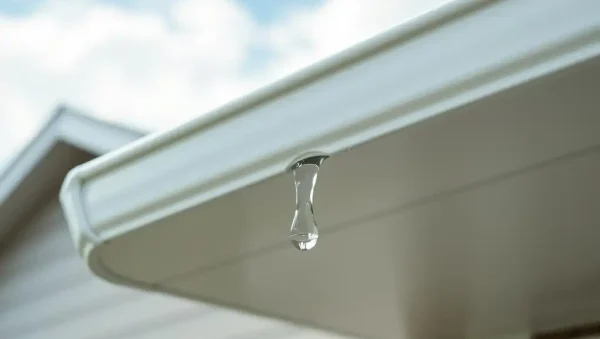
😊 Prevent costly water damage and save time on repairs! Clean gutters prevent water damage, ensuring your home's structural integrity and saving…
Read article
😊 Spring cleaning organization tips for a streamlined home? Seasonal decluttering maximizes space and boosts efficiency. Our guide provides practical steps to…
Read articleOwning a home is rewarding, but it comes with constant upkeep. Instead of feeling overwhelmed, embrace these seasonal home maintenance tasks as a structured, money-saving habit. By tackling specific chores each season, you prevent costly repairs, boost energy efficiency, and protect your biggest investment. This guide breaks down the ultimate life hacks for proactive home care, turning tedious chores into quick, manageable wins. From gutter cleaning in fall to AC checks in spring, you’ll discover the perfect rhythm for every month.
After winter’s harsh freeze, spring is the golden window for seasonal home maintenance tasks that focus on damage inspection and deep cleaning. Start by checking your roof for missing shingles and inspecting the attic for leaks or mold. Clean gutters of winter debris and ensure downspouts direct water at least three feet away from the foundation. This is also the prime time to service your air conditioner, replace HVAC filters, and test your sump pump before heavy rains arrive.
Inside, perform a deep clean of windows, screens, and tracks to let in natural light. Flush your water heater to remove sediment buildup, which extends its lifespan. Walk the perimeter of your home, sealing any cracks in the exterior caulking or concrete. These home maintenance hacks not only prevent water damage but also reduce your summer cooling bills. By investing a few weekend hours now, you avoid emergency repair costs later and enjoy a fresher, safer living space.
Summer brings heat, humidity, and pests, so your focus shifts to outdoor durability and energy efficiency. Start by inspecting and cleaning your deck or patio, sealing wood surfaces to protect against sun damage. Check all exterior doors and windows for drafts; add weatherstripping to keep cool air in and hot air out. This is also the season to trim trees and bushes away from your siding, which prevents pest pathways and reduces fire risk. Test your smoke and carbon monoxide detectors, replacing batteries if needed.
Inside, run ceiling fans counterclockwise to push air down, and clean their blades for optimal airflow. Inspect your refrigerator’s condenser coils—dust them to improve cooling efficiency. Also, drain a few gallons from your water heater to remove sediment, improving its performance during heavy usage. For home maintenance hacks, consider installing a programmable thermostat to adjust temps when you’re away. These simple steps lower utility bills, keep your home pest-free, and ensure your appliances survive the sweltering months without breakdowns.
Fall is the busiest season for seasonal home maintenance tasks because it’s your last chance to prepare for freezing temperatures. First, clean gutters thoroughly and install gutter guards to prevent ice dams. Drain and store outdoor hoses, shut off exterior water valves, and insulate exposed pipes in basements or crawl spaces. Check your heating system—schedule a professional tune-up, replace filters, and test the thermostat. Also, inspect the chimney and fireplace if you have one; remove creosote buildup and ensure the damper works.
Caule your windows and doors, and add plastic film or heavy curtains for extra insulation. Trim overhanging branches that could snap under snow weight. Also, winterize your lawnmower and store outdoor furniture under cover. These home maintenance hacks are all about prevention: a little effort now stops frozen pipes, roof leaks, and drafty rooms later. By making your home airtight before winter, you’ll enjoy lower heating bills and fewer emergency calls.
Winter maintenance focuses on indoor comfort and protecting your home from cold damage. Inside, check for drafts around windows and doors and use draft stoppers. Keep your thermostat at a consistent temperature, even when away, to prevent pipes from freezing. Also, run ceiling fans clockwise to push warm air down from the ceiling. Clean and inspect your furnace monthly, and ensure vents are unobstructed by furniture. Test every GFCI outlet, especially in kitchens and bathrooms, to prevent electrical hazards when using space heaters.
Outside, remove heavy snow from your roof using a roof rake to prevent ice dams and structural stress. Clear snow away from your HVAC unit and exhaust vents, but never pile it against the siding. Monitor indoor humidity—use a dehumidifier in basements to prevent mold. If you have a sump pump, pour water into the pit to ensure it activates. These home maintenance hacks keep your home safe and efficient during the coldest months, reducing the risk of burst pipes or fire hazards.
Beyond seasonal tasks, adopt these quick daily and monthly life hacks to keep your home primed. Monthly, tighten loose doorknobs, cabinet handles, and toilet seats—simple screws prevent permanent damage. Clean the dishwasher filter and disposal to avoid clogs and odors. Test smoke detectors on the first of every month. Check your home’s water pressure with a gauge; high pressure (>80 psi) strains appliances and pipes. Also, inspect for signs of termites or rodents, especially around entry points.
Build a simple maintenance calendar on your phone with two-day reminders for each task. Dedicate one Saturday per season to tackle the outdoor chores, and one evening per month for indoor checks. Use the “one-item rule” when walking through rooms: fix or replace one broken thing each time. These DIY life skills transform maintenance from a burden into a habit. Over a year, you’ll save thousands in unplanned repairs and increase your home’s resale value by keeping every system in peak condition.
Start spring maintenance in early March, summer in late May, fall in September, and winter in late November. The exact timing depends on your climate. The key is to begin before extreme weather arrives—clean gutters before heavy leaves fall, and prep your HVAC before heat waves or cold snaps.
Cleaning your gutters twice a year—especially in late fall—is the most critical because blocked gutters cause water damage to roofs, foundations, and basements. Clogged gutters are the leading cause of ice dams and costly interior leaks, so prioritize this task over other cosmetic chores.
Create a seasonal checklist and store it on your phone or fridge. Use apps like Google Calendar to set recurring reminders, or print a monthly chart. Group tasks by area (outside, inside, systems) to avoid overwhelm. The habit becomes automatic after one year.
Many tasks like gutter cleaning, filter replacement, and caulking are DIY-friendly. Complex jobs—roof work, HVAC servicing, or chimney cleaning—require professional expertise and safety gear. When in doubt, hire a licensed contractor to prevent injury and voiding warranties.
Yes. Simple actions like sealing drafts, cleaning filters, and insulating pipes reduce heating and cooling loads by 10-20% annually. Preventative repairs also avoid emergency fees and premature equipment replacement. A well-maintained home typically consumes much less energy.