The Smart Way to Track Expenses: Hacks for a More Profitable Life
🤔 Mastering expense tracking isn't just about budgeting; it's about unlocking profitability. Learn smart hacks to track expenses efficiently and profitably, boosting…
Read article

Master your money effortlessly with these expense tracking hacks that turn chaotic spending into crystal-clear insights. From automated alerts and 50/30/20 budget templates to cash-only challenges and receipt-scanning apps, these practical strategies help you spot hidden leaks, curb impulse buys, and boost savings—all in minutes a day. Perfect for busy professionals and frugal families alike, these personal finance shortcuts streamline your daily routine, eliminate guesswork, and put you back in control of every dollar. Start tracking smarter, not harder, and watch your net worth grow. 💸📊

🤔 Mastering expense tracking isn't just about budgeting; it's about unlocking profitability. Learn smart hacks to track expenses efficiently and profitably, boosting…
Read article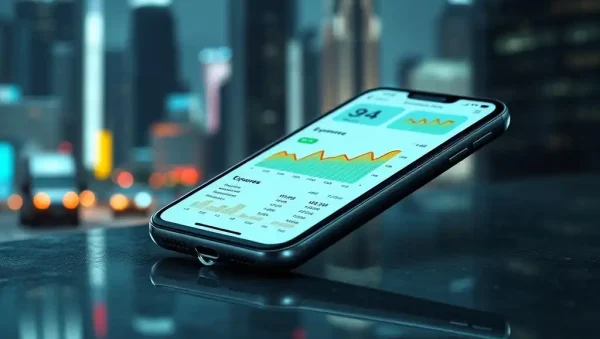
😊 Secure your financial future with smart expense tracking! This article dives into the best expense tracking app reviews, helping you choose…
Read article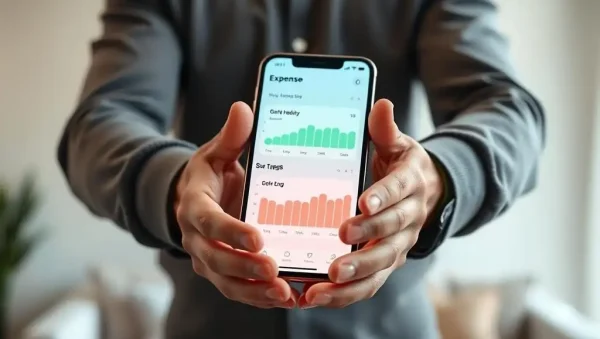
😊 Stop fighting over finances! This article reveals simple, yet effective strategies to track couple expenses efficiently, fostering financial harmony and boosting…
Read articleWelcome to Expense Tracking Hacks, the ultimate resource inside our Personal Finance Hacks category at UltimateLifeHacks. Here, we turn tedious budgeting into a streamlined, automated part of your daily routine. These aren’t just basic tips—they are advanced, productivity-driven strategies to capture every dollar, identify spending leaks, and boost your savings without extra effort. Whether you’re a freelancer, a busy parent, or a spreadsheet lover, these hacks will help you optimize financial clarity in minutes a day.
The biggest barrier to expense tracking is manual entry. Our first hack focuses on automating data capture using apps like Mint, YNAB, or PocketGuard, which sync with your bank accounts and credit cards in real-time. This means every coffee, subscription, and grocery run is logged instantly, eliminating forgotten transactions. Key strategy: set up daily push notifications for spending thresholds, turning passive data into active awareness.
Moreover, leverage auto-categorization rules within these platforms. For recurring bills, assign fixed categories so your monthly report reflects true spending patterns without manual sorting. This reduces decision fatigue and gives you a real-time dashboard of cash flow. Pair this with a weekly 10-minute review using the app’s trends feature—your future self will appreciate the effortless clarity for tax season or savings goals.
This classic budget hack gets a modern twist: use your tracking data to dynamically adjust the 50% needs, 30% wants, and 20% savings split. Instead of setting static percentages at month start, analyze your tracked spending mid-month. If you’ve overspent on dining out, the hack is to automatically transfer 5% from “wants” to savings as a penalty—making tracking both educational and motivating.
Set up a threshold alert system in your banking app: when you hit 80% of a category’s budget, you get a sms or email. This proactive prompt lets you course-correct before the month ends, avoiding credit card shock. By integrating real-time data with flexible ratios, you transform expense tracking from a passive log into an active financial control panel that trains better habits daily.
Sometimes the best hack is going analog. For two weeks, withdraw a weekly cash allowance for discretionary spending (coffee, snacks, entertainment) and use only that. This forces physical awareness of every transaction because handing over bills feels more painful than tapping a card. Track that cash in a simple notebook app or envelope system—you’ll instantly spot impulse buys you’d normally ignore digitally.
The data you collect from this experiment is gold: compare it to your previous card spending. Most users find they save 15-20% on variable expenses because cash has a finite, tangible limit. After the experiment, convert the biggest leak category (e.g., takeout) into a prepaid debit card with a daily cap. This hybrid approach keeps convenience while preserving the psychological sting of spending, making your expense tracker more honest and effective.
Turn expense tracking into a built-in habit by stacking it onto existing routines. For example, after brushing your teeth each night, spend 60 seconds logging today’s expenses into a simplified spreadsheet or voice memo app. This eliminates the "I’ll do it later" procrastination. Use a pre-filled template with categories like Transport, Food, Bills, and Fun—this reduces typing effort to a few taps.
For extra efficiency, use photo-based tracking: snap a picture of every receipt, then batch-delete them weekly. Apps like Smart Receipts can OCR scan and auto-fill amounts. Habit stacking works because it leverages your existing neural pathways—once the cue (brushing teeth) triggers the action (logging), it becomes automatic. This micro-track method is perfect for freelancers who need precise deductions without oversized time investment, giving you audit-ready records effortlessly.
The final hack is scheduling a 45-minute “money date” at the end of each month, ideally on a Sunday. This is not just a review—it’s a strategic planning session. Start by pulling your expense tracker’s summary, then highlight three things: highest category, fastest-growing expense, and any missed subscriptions. Next, delete or downgrade unused subscriptions using a cancellation service like Rocket Money, which alone can save $200/year.
During this date, create a “next month splurge fund”—transfer any underspent category surplus into a separate savings bucket. This gamifies tracking, turning restraint into a reward. Finally, set one new rule for the upcoming month (e.g., no online shopping after 10 PM). This monthly ritual turns raw data into actionable decisions, reinforcing your financial goals while keeping the process fun and sustainable.
Start small with a one-week pilot using only an app like Mint, and track just two categories (e.g., groceries and dining). This reduces overwhelm. After success, add more categories. Also, set a daily reminder on your phone for 8 PM—minimal effort, big impact. Remember, consistency beats perfection; even 50% tracking is better than zero.
I recommend Mint for its free, automated bank syncing and intuitive categories. It’s perfect for passive tracking. If you prefer manual control, Goodbudget uses a digital envelope system—great for cash-based users. Both have mobile apps and desktop versions, and neither requires a subscription to start. Choose one and commit for 30 days.
Yes, studies show that people who track expenses consistently save 10-15% more than non-trackers. The act of recording creates awareness, which reduces impulse spending. For example, seeing that you spend $150/month on coffee might motivate you to cut it to $50, saving $1,200 annually. Tracking also helps you spot recurring charges to cancel.
Ideally, do a quick 2-minute daily check to catch errors, and a deeper 20-minute weekly review to see trends. The monthly money date is for strategic adjustments. Over-reviewing can cause fatigue—so stick to these three checkpoints. If you use automation, daily self-checking is mostly unnecessary, but weekly is crucial for catching anomalies.
Absolutely. For irregular income, track expenses first, then set a baseline for fixed costs. Use a rolling average of your last 3 months’ income to set category caps. Prioritize essential expenses, then allocate surplus to savings after each paycheck. Expense tracking here becomes your anchor, preventing overspending in high-income months and keeping you safe in lean ones.