Sustainable Laundry: GameChanging Hacks for a Cleaner Planet
😊 Slash your laundry time and environmental impact with these game-changing ecofriendly laundry hacks! Discover simple, sustainable swaps that boost efficiency and…
Read article
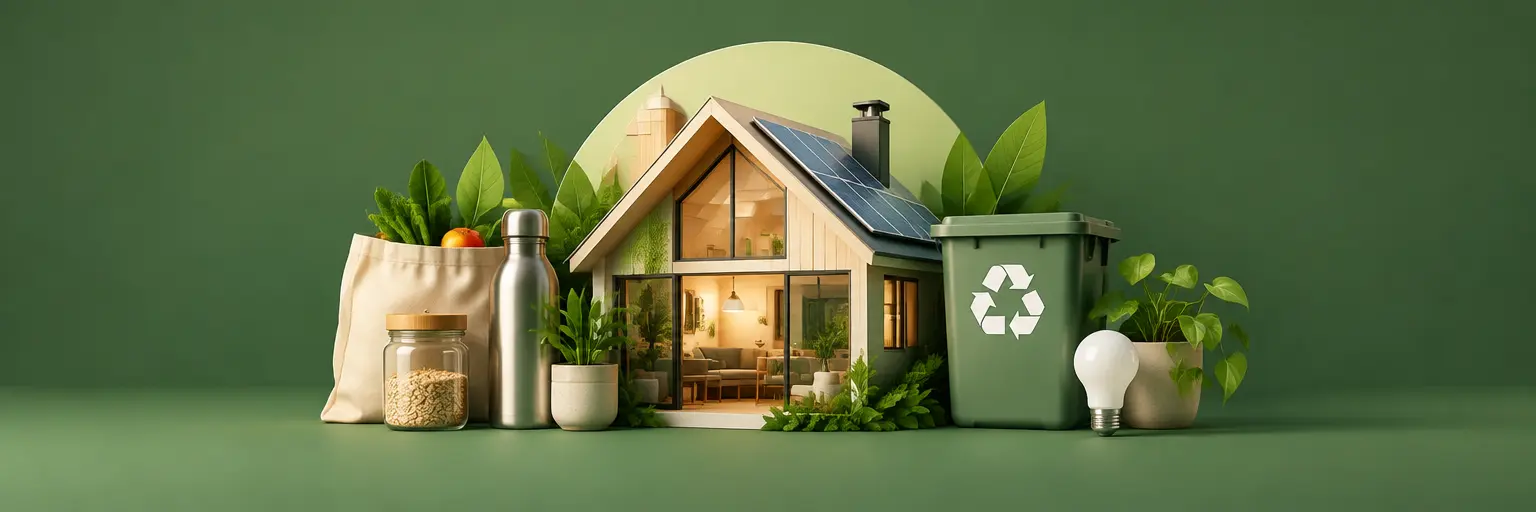
Discover simple, budget-friendly eco-friendly home hacks that cut waste, lower energy bills, and reduce your carbon footprint—without sacrificing convenience. From upcycling everyday items to smart water-saving tricks, these practical sustainable living tips help you transform your space into a greener, healthier sanctuary. Learn how to repurpose glass jars, DIY natural cleaners, and optimize your appliances for maximum efficiency. Whether you’re a beginner or a seasoned green enthusiast, these actionable ideas make sustainability effortless and rewarding. Start saving money, conserving resources, and protecting the planet with small changes that deliver big impact daily.
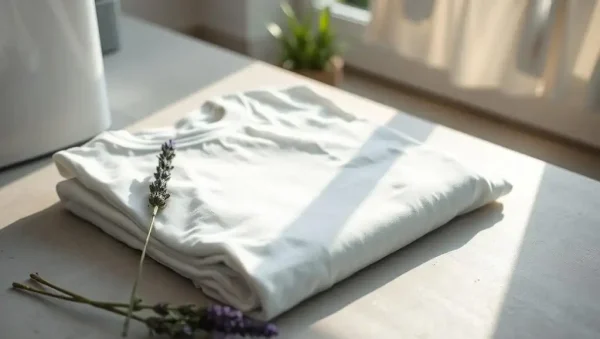
😊 Slash your laundry time and environmental impact with these game-changing ecofriendly laundry hacks! Discover simple, sustainable swaps that boost efficiency and…
Read article
😊 Banish synthetic scents and boost your home's wellbeing with our easy DIY natural air freshener recipes. These simple, time-saving hacks create…
Read article
💡 Slash your energy bills and brighten your home with these clever save energy lighting home hacks! Discover simple, practical DIY solutions…
Read articleWelcome to Eco-Friendly Home Hacks, a dedicated subcategory under Sustainable Living Hacks at UltimateLifeHacks. Here, we blend practicality with planet-consciousness to help you reduce waste, lower energy bills, and create a healthier home—without sacrificing convenience. From kitchen swaps to energy-saving routines, these hacks are designed for busy individuals seeking green living tips that are both actionable and impactful. Below, explore the most useful facets of sustainable home optimization, each packed with easy-to-implement strategies you can start today.
Cutting your home’s energy consumption is one of the fastest ways to save money and shrink your carbon footprint. Start by swapping incandescent bulbs for LED alternatives—they use up to 75% less energy and last 25 times longer. Next, unplug “vampire” electronics like chargers and coffee makers when not in use; they draw power even on standby. Install a programmable thermostat to automatically adjust heating and cooling based on your daily schedule, and seal gaps around windows and doors with weatherstripping to prevent drafty energy loss.
For a deeper impact, use smart power strips that cut electricity to devices in standby mode, and run large appliances like dishwashers and washing machines during off-peak hours. Simple habits like air-drying clothes and using lids on pots while cooking also slash energy use. These hacks not only reduce your utility bills but also align with zero-waste living principles, making your home efficient and eco-conscious simultaneously.
The kitchen is the epicenter of household waste, but you can transform it with minimal effort. Replace single-use plastic wraps with reusable beeswax wraps or silicone lids, and swap paper towels for washable cloth napkins or Swedish dishcloths. Buying in bulk with your own jars or cloth bags eliminates packaging waste, while composting food scraps turns trash into nutrient-rich soil for your garden. These swaps reduce landfill contributions and often cost less over time.
Another hack: create a “use-it-up” shelf where you place older ingredients front and center, reducing food waste by 20-30%. Invest in a glass or stainless steel water bottle and coffee cup to avoid disposable cups. Even small changes like using a French press instead of single-use pods cut waste significantly. These kitchen hacks streamline your cooking routine, save money on groceries, and make sustainability a natural part of your daily meal prep.
Water scarcity is a rising concern, and your home can contribute to conservation with minimal effort. Start by fixing leaky faucets and toilets—a single drip can waste over 3,000 gallons annually. Install low-flow showerheads and aerators on faucets to reduce water usage by up to 50% without sacrificing pressure. Collect rainwater in barrels for outdoor plants, and use a bucket in the shower to capture excess water for flushing toilets or watering gardens.
Adopt simple habits like turning off the tap while brushing teeth, running full loads in dishwashers and washing machines, and using a broom instead of a hose to clean driveways. For irrigation, water plants early morning or late evening to minimize evaporation. These water-saving hacks lower your utility bills, preserve a vital resource, and enhance your home’s sustainability profile—all while fitting into your existing routine seamlessly.
Conventional cleaners often contain harsh chemicals that harm both health and the environment. Instead, create effective DIY green cleaners using pantry staples like white vinegar, baking soda, castile soap, and lemon juice. A simple all-purpose spray of equal parts water and vinegar cleans countertops, glass, and floors, while baking soda acts as a gentle abrasive for sinks and tubs. Add a few drops of tea tree oil for antibacterial properties and a fresh scent.
These homemade solutions are non-toxic, safe for pets and children, and cost pennies per batch. Use reusable spray bottles and old rags or cotton t-shirts for cleaning instead of paper towels. Not only do you reduce plastic waste and chemical exposure, but you also enjoy a streak-free shine. By switching to natural cleaning, you create a healthier indoor environment, align with eco-friendly home maintenance, and save money in the long run.
Decluttering isn’t just about tidiness—it reduces overconsumption and waste. Start by adopting the “one in, one out” rule: for every new item you bring home, donate or recycle an old one. Use glass jars, bamboo containers, and cloth bins for storage instead of plastic totes, which can leach chemicals and degrade over time. Repurpose old furniture or boxes into stylish organizers, and always donate usable items to charity instead of trashing them.
Implement a 30-day declutter challenge to systematically tackle each room, grouping similar items and deciding what truly adds value. Digital decluttering counts too—unsubscribe from emails, delete unused files, and back up photos to cloud storage to reduce energy-consuming servers. These hacks not only simplify your space but also promote mindful consumption, reducing your environmental footprint and making your home a serene, sustainable haven.
Heating and cooling account for nearly half of home energy use, but you can optimize without costly renovations. Add thermal curtains or insulated blinds to windows—they can reduce heat loss by 25% in winter and block solar gain in summer. Place draft stoppers under doors and use foam sealant on gaps around pipes and outlets. Reflect heat back into the room by placing aluminum foil behind radiators or using reflective panels on windows.
In warmer months, use ceiling fans to create a wind-chill effect, allowing you to raise the thermostat by 4°F. During winter, open south-facing curtains to capture passive solar heat, then close them at dusk. For humidity control, use a programmable dehumidifier in damp areas to prevent mold and reduce cooling load. These home insulation hacks are budget-friendly, DIY-friendly, and dramatically improve your home’s envelope efficiency, keeping you comfortable while cutting energy waste.
Begin by swapping your light bulbs to LED—it takes minutes, costs little, and saves up to 75% energy. Follow with unplugging unused electronics to cut phantom power. These two actions are instant, low-cost, and yield visible savings on your next utility bill, giving you quick motivation to adopt more sustainable habits.
Yes, for most household tasks. Vinegar and baking soda handle grease, grime, and odors effectively, while lemon juice is a natural degreaser and deodorizer. For disinfection, use hydrogen peroxide or isopropyl alcohol in proper dilutions. Always test on surfaces first. They’re safe, cost-effective, and reduce chemical exposure.
Install low-flow aerators on faucets and a low-flow showerhead—these are inexpensive, screw-on upgrades. Fix any leaks promptly, and use a bucket to capture cold shower water for plants. Also, run full loads in washing machines and dishwashers only, and shorten showers by 2-3 minutes. These steps cut water usage by 30% or more.
Absolutely. Sealing air leaks and adding thermal curtains can reduce heating and cooling costs by 10-25% annually. Reflective panels and draft stoppers are low-cost investments that pay back within a season. Combined with a programmable thermostat, you can save hundreds per year while improving comfort and reducing carbon emissions.
Start with one swap at a time: replace paper towels with cloths, then switch to reusable bags and wraps. Buy bulk staples like oats and rice with your own jars once you finish current packages. Compost only food scraps, not packaging. Celebrate small wins—each change builds momentum without pressure, making the transition manageable and rewarding.