Secret Energy Saving Hacks That Utility Companies Don't Want You to Know
🤔 Unlock hidden energy savings at home! Discover surprisingly simple, yet effective, techniques to secretly slash your energy bills without sacrificing comfort…
Read article

Cut your bills and carbon footprint with these energy saving hacks—smart, low-effort tweaks that slash wasted power, boost home efficiency, and make sustainable living effortless. From phantom load fixes to smart thermostat tricks, these actionable tips help you save money while doing your part for the planet. Perfect for busy households, renters, and anyone who wants faster wins, not big renovations.
🤔 Unlock hidden energy savings at home! Discover surprisingly simple, yet effective, techniques to secretly slash your energy bills without sacrificing comfort…
Read article
😊 Slash energy bills without breaking the bank! This toolkit unveils simple, budget-friendly energy saving hacks to dramatically reduce consumption and boost…
Read article
😊 Unlock sustainable living energy hacks! Discover creative, practical ways to slash energy bills and your carbon footprint, optimizing your daily routine…
Read articleWelcome to UltimateLifeHacks’ dedicated guide on Energy Saving Hacks, part of our Sustainable Living Hacks category. Here, we blend practical productivity with eco-conscious living to help you slash utility bills, reduce your carbon footprint, and streamline your daily energy use. From smart thermostat programming to DIY insulation tricks, these hacks are designed for busy individuals who want immediate, measurable results. Each tip is tested, actionable, and tailored to fit seamlessly into your routine—because saving energy shouldn’t cost you time.
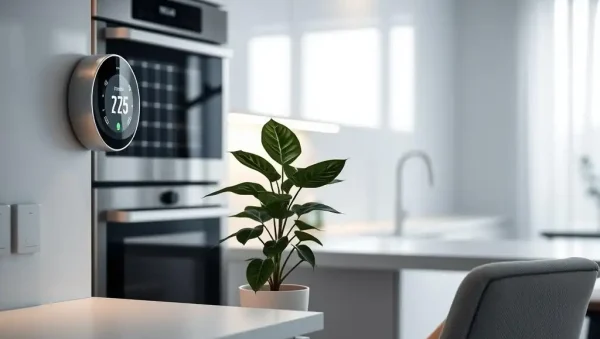
Your thermostat is the brain of your home’s energy use, yet most people set it and forget it. The key is leveraging programmable schedules that align with your daily rhythm. Set the temperature 7-10°F lower while you sleep or are at work, and use a smart thermostat’s geofencing feature to auto-adjust when you leave or return. This single change can cut heating and cooling costs by up to 10% annually. Pair it with ceiling fans to circulate air, making rooms feel 4°F cooler without extra AC strain.
For ultimate efficiency, enable “eco mode” during peak hours and use occupancy sensors in rarely used rooms. Many smart thermostats provide monthly energy reports, so you can track patterns and tweak settings. Remember: consistency beats extremes. Avoid constant manual adjustments, as your HVAC system works harder to recover. With these hacks, you’ll notice an immediate drop in energy consumption—and your wallet will thank you within the first month.
Did you know that electronics in standby mode can account for 5-10% of your household energy use? This “phantom load” comes from chargers, TVs, gaming consoles, and coffee makers that stay plugged in 24/7. The hack is simple: plug multiple devices into smart power strips with master-slave outlets. When you turn off the primary device (like your TV), the strip cuts power to all peripherals (like speakers and streaming boxes). For home offices, use timer strips that shut down after work hours.
Another pro tip is to unplug rarely used items, such as printers or phone chargers, when not in use. For an audit, use a plug-in energy monitor to measure which devices draw the most standby power. Then, create a “power-down” ritual before bed—one switch to kill all non-essential outlets. This habit takes less than a minute but saves you hundreds of kilowatt-hours yearly. Plus, it reduces fire risks and extends device lifespan by preventing voltage surges.
Water heating typically consumes about 18% of your home’s energy—the second largest expense after HVAC. Start by lowering your water heater thermostat to 120°F; this still delivers comfortable showers but reduces standing heat loss. Wrap your tank with an insulation blanket (costs under $30) and insulate the first 3 feet of hot water pipes to keep heat from escaping. These simple steps can save 4-9% on water heating costs, especially if your heater is in an unheated garage or basement.
Next, adopt water-flow hacks: install low-flow showerheads (2.0 GPM or less) and faucet aerators. You’ll use 25-60% less hot water without noticing a pressure change. Also, wash laundry in cold water—modern detergents are formulated for it, and you’ll save about $0.60 per load. For dishwashers, skip the heat-dry cycle and use the air-dry option. These micro-adjustments compound into serious savings, and you’ll reduce your carbon footprint by gallons of water and kilowatt-hours every week.
Air leaks are silent energy thieves. A half-inch gap under a door can waste as much energy as leaving a window open. Start with a DIY seal check: close doors and windows, then run your hand along edges; feel for drafts. Use weatherstripping (self-adhesive foam tape) for movable joints and caulk for stationary cracks. Add door sweeps and attach foam gaskets behind outlet covers—these are 10-minute fixes with immediate payback. Attic hatches are notorious leaks, so seal and insulate them too.
Beyond sealing, upgrade your insulation in key areas: attic, crawl spaces, and exterior walls. You don’t need a contractor—use spray foam kits for small gaps and ridge foam board for basement rim joists. For windows, apply low-E window film (costs ~$5 per window) to reflect heat in summer and retain warmth in winter. Heavy-duty thermal curtains also act as a barrier. Together, these hacks can reduce heating and cooling loss by up to 30%, making your home feel more comfortable while your HVAC runs less frequently.
Your kitchen and laundry room are energy hotspots. In the kitchen, use appliances wisely: skip preheating for most dishes, use a toaster oven or microwave for small meals (uses 50% less energy than a full oven), and match pot sizes to burners to avoid heat loss. Keep your refrigerator’s coils clean every six months—dirty coils make the compressor work harder. Also, set fridge temp to 37-40°F and freezer to 0°F; any colder wastes energy without preserving food better.
For laundry, run full loads with the cold water setting and use the high-spin cycle to reduce drying time. Clean the dryer’s lint filter before every load; a clogged filter increases energy use by 30%. Also, consider air-drying delicate items on a rack. In the kitchen, use lids on pots to trap steam, and boil water in an electric kettle instead of the stove—it’s 80% more efficient. Implement a “one-appliance rule” to avoid using oven and dryer simultaneously during peak hours, which lowers energy strain and saves you money.
Yes, most hacks produce measurable savings within one billing cycle. On average, homeowners see a 10-25% reduction by combining thermostat programming, sealing drafts, and eliminating phantom power. The key is consistency—apply several hacks together for compounding benefits.
Absolutely. A smart thermostat costs $100-250, but most models pay for themselves in under two years through energy savings. Many utility companies also offer rebates, sometimes covering up to 50% of the price. Features like geofencing and energy reports increase long-term efficiency.
Perform a seasonal draft check every six months, especially before summer and winter. Use a candle or incense stick near edges—if the flame flickers, you have a leak. Re-apply weatherstripping annually, as foam tape loses adhesion over time.
Yes, modern low-flow models are designed with pressure-compensating technology that maintains a strong spray while using less water. Look for the WaterSense label, which guarantees performance and efficiency. You’ll save up to 2,900 gallons of water per year per showerhead.
Heating and cooling accounts for roughly 48% of residential energy use, followed by water heating at 18%. That’s why thermostat and insulation hacks offer the highest returns. Focus your efforts there first, then tackle standby power and appliance efficiency.