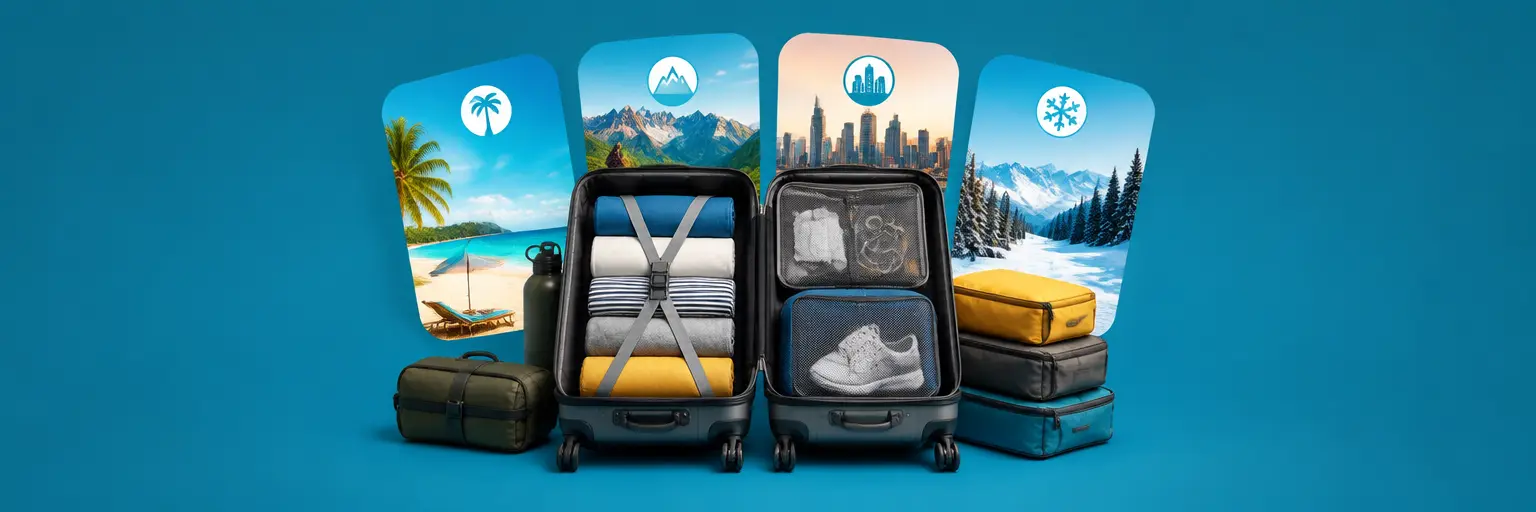
Packing Efficiently: Packing for Different Trip Types
Mastering the art of packing is a game-changer for any traveler. At UltimateLifeHacks, we focus on practical strategies that save you time, reduce stress, and optimize your luggage space—no matter where you’re headed. This subcategory dives deep into tailored packing methods for every adventure, from business trips to backpacking treks. Expect actionable checklists, smart folding techniques, and gear recommendations that turn chaotic packing into a streamlined, five-minute ritual. Whether you travel weekly or once a year, these insights will help you pack lighter, smarter, and with zero forgotten essentials.
🧳 Business Travel: Suit-Up and Go
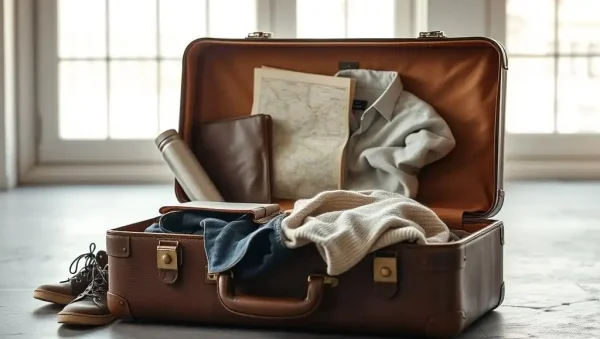
Business trips demand precision—wrinkle-free suits, tech gear, and a professional appearance on arrival. The key is capsule packing: choose versatile, neutral-colored clothing that mixes and matches into multiple outfits. Invest in a garment bag or use the “fold-and-roll” method for dress shirts, placing them inside dry-cleaning bags to reduce creases. Always pack a compact steamer, a portable charger, and a dedicated tech pouch for cables, adapters, and backup batteries.
For efficiency, create a pre-worked checklist tailored to overnight vs. week-long trips. Use packing cubes to separate suits, shoes, and accessories, and place heavier items at the wheel-side of your suitcase for balance. Remember to roll socks and ties inside shoes to maximize space. By organizing your bag in zones—work attire, evening wear, and toiletries—you’ll unpack in under two minutes and never scramble for a tie clip in a hotel room.
🏝️ Beach Vacations: Light, Bright, and Sand-Proof
Beach packing is about minimalism and sun protection. Start with quick-dry fabrics—swimwear, rash guards, and lightweight cover-ups—that take up little space. Use a soft, foldable duffel or a wheeled bag with a waterproof bottom. Always pack reef-safe sunscreen, a portable shade (like a compact beach tent), and a reusable water bottle with a filter. Roll towels inside your bag or use a packing cube to compress them, saving room for snorkel gear or a drone.
Don’t forget sand-resistant accessories: a waterproof phone pouch, a small first-aid kit with adhesive bandages, and a mesh bag for wet items. For shoes, choose one pair of sandals and one pair of water shoes—leave the heels at home. To avoid overpacking, limit outfits to one per day plus one evening option. Use ziplock bags for toiletries to prevent leaks, and always pack a lightweight, collapsible cooler for drinks on the beach. With these tricks, your bag stays under 20 pounds and ready for spontaneous waves.
🏔️ Adventure & Backpacking: Go Light, Go Far
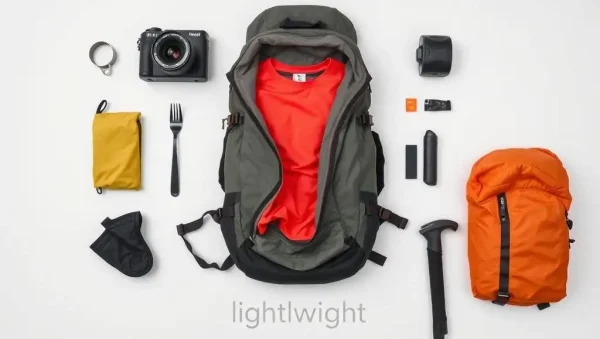
Adventure trips—hiking, camping, or mountaineering—require weight distribution and multi-function gear. Choose a 40-60 liter backpack with hip straps, and pack your heaviest items (tent, stove) near your spine. Use dry bags to keep clothes and sleeping gear dry, and opt for ultralight versions of everything: a titanium cookset, a synthetic sleeping bag, and a collapsible trekking pole. Every ounce counts, so ditch duplicate tools and rely on a multi-tool, duct tape, and a portable water purifier.
Layering is your best friend: a moisture-wicking base, insulating mid-layer, and waterproof shell. Pack only three changes of socks and underwear, washing them nightly if needed. For food, use vacuum-sealed bags or dehydrated meals to reduce weight and bulk. Always carry a physical map and a power bank, as remote areas may lack signal. The mantra is “two is one, one is none” for critical items like headlamps and fire starters, but avoid redundancy for luxuries. Your back will thank you, and you’ll cover more miles with less fatigue.
🌆 City Breaks: Urban Chic Without the Bulk
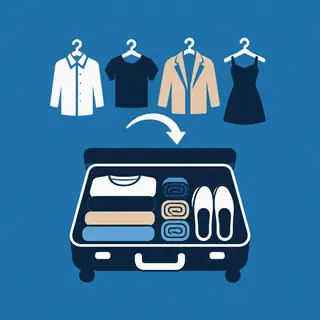
City trips involve walking, dining, and sightseeing—so pack comfortable yet stylish footwear and lightweight layers. Choose a crossbody bag with anti-theft features, and pack a daypack that folds flat inside your suitcase. Focus on pieces that transition from day to night: a black blazer, neutral tees, and a wrinkle-resistant dress or chinos. Use a compression packing cube for shirts and a dedicated shoe bag to keep dirt off clothes. Always bring a portable umbrella, a reusable tote for groceries, and a small lock for hostel lockers.
For efficiency, plan outfits by day based on your itinerary—museum, park, fine dining—and pack accordingly. Limit yourself to five tops and three bottoms, mixing them to create seven looks. Use a tech organizer for chargers and a universal adapter. To avoid checkout stress, pack your toiletries in a hanging kit and keep a spare set of earplugs. City breaks are about spontaneity, so leave room for a shopping bag or souvenir. With smart packing, you’ll navigate subway steps and cobblestone alleys with ease.
🎿 Winter Trips: Stay Warm Without the Weight
Winter travel demands thermal efficiency and moisture control. Invest in merino wool base layers—they’re odor-resistant and dry quickly—and pack only two sets, washing as needed. A down or synthetic puffy jacket compresses into a small bag, while a hard-shell outer layer protects from wind and snow. Use vacuum compression sacks for bulky sweaters and blankets, reducing volume by 50%. For footwear, carry one pair of insulated, waterproof boots and pack them separately to avoid melting snow in your bag.
Accessories are non-negotiable: a beanie, liner gloves + mittens (for warmth and dexterity), a neck gaiter, and rechargeable hand warmers. Keep electronics warm by storing them in inner pockets; cold drains batteries fast. Use a dedicated ski bag or a wheeled duffel with skis strapped on the side. Always pack an extra pair of wool socks in your carry-on in case checked luggage is delayed. To save space, skip heavy jeans and opt for softshell pants with insulation. With these tips, you’ll stay toasty while your luggage stays light and maneuverable.
Frequently Asked Questions
What is the single most effective packing hack for all trip types?
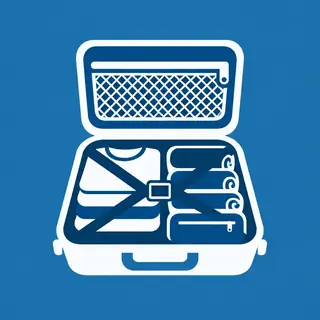
Rolling your clothes instead of folding them saves up to 30% space and reduces wrinkles. Combine rolling with packing cubes to compress further and keep items organized. For thicker garments like sweaters, use a bundle method around a central core—this minimizes creases and maximizes space. Always start with bulky items at the bottom and layer lighter items on top.
How do I pack shoes without ruining my clothes?
Use dedicated shoe bags or clean shower caps to isolate shoes. Stuff each shoe with socks or small items like chargers to maintain shape and save space. Place shoes at the bottom of your bag, along the wheel-side. To eliminate odor, insert dryer sheets or baking soda sachets inside overnight before packing.
What should I always carry in my personal item or carry-on?
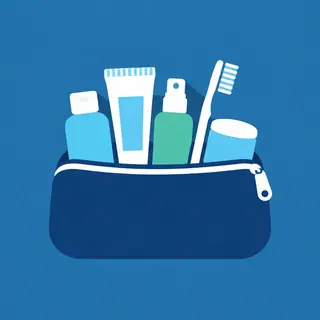
Always pack a change of clothes, medications, gate-checked valuables (jewelry, laptop), and a universal charger. Include travel-sized toiletries, a reusable water bottle, and a compact scarf as a blanket or pillow. For international trips, add your passport, visa documents, and a pen for customs forms. Never put critical items in checked luggage.
How can I pack less for a week-long trip?
Stick to a color palette (e.g., black, white, beige) so every top matches every bottom. Plan to do one sink laundry mid-trip—pack a small travel detergent bar. Wear your heaviest items on the plane, and leave “maybe” clothes behind. Aim for 4-5 tops, 3 bottoms, and 2 pairs of shoes max. Use the “one-in, one-out” rule for souvenirs.
Are packing cubes worth the cost?
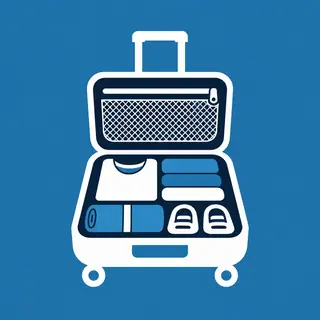
Yes, packing cubes are a game-changer for organization and compression. They divide your luggage into sections, making unpacking faster and preventing rummaging. Compression cubes reduce bulk by 20-30%, perfect for winter gear. Choose mesh-top cubes for visibility, and buy a set that fits your suitcase’s dimensions. They pay for themselves in time saved.