Find Hidden Gems: Unique Nature Photography Hacks for Stunning Travel Shots
🤔 Unlock breathtaking nature photography travel hacks! Discover insider tips and tricks to capture stunning travel shots, maximizing your time and creating…
Read article
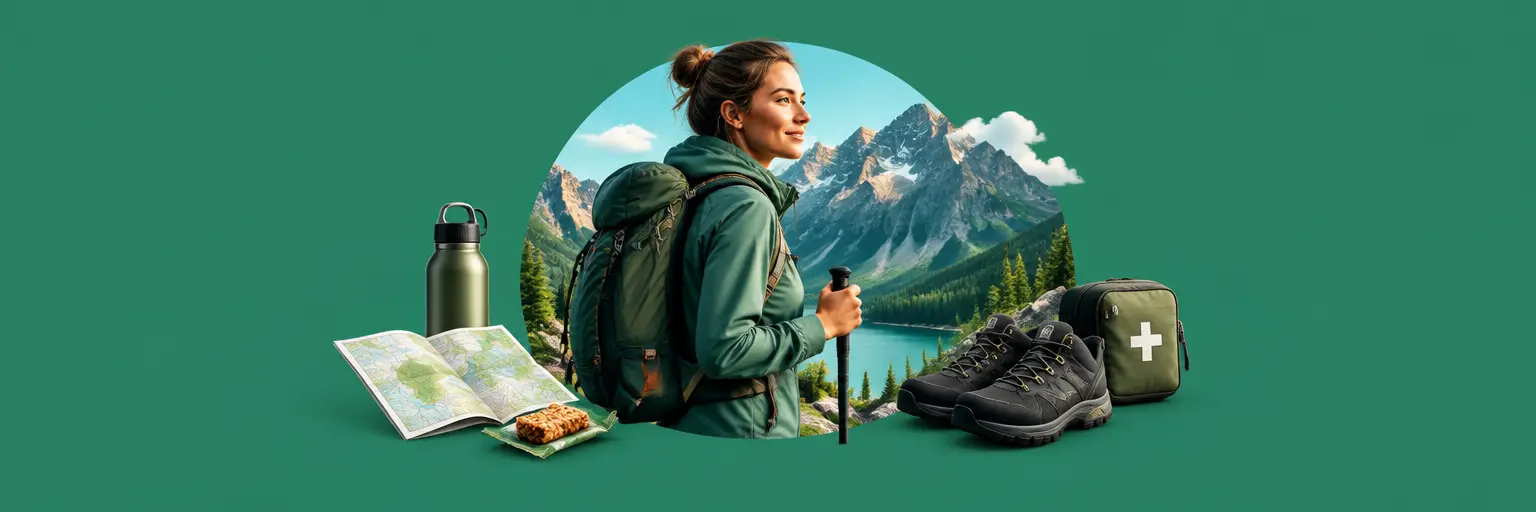
Unlock the wild with destination-specific travel hacks for nature and hiking enthusiasts! Whether you’re trekking through misty rainforests, scaling rocky peaks, or wandering serene national parks, smart preparation turns a good adventure into an unforgettable one. From packing multi-use gear and mastering trail navigation with offline maps to timing your hikes for golden light and avoiding crowds, these insider tips help you save time, stay safe, and reduce your environmental footprint. Discover how to hydrate smartly from natural sources, layer for unpredictable weather, and choose lesser-known trails that offer hidden gems without the tourist rush. Perfect for weekend wanderers and seasoned backpackers alike, these hacks optimize your energy, protect local ecosystems, and ensure every step counts—no wasted effort, no missed vistas. Dive in and transform your next outdoor escape into a seamless, awe-inspiring journey! 🌲🥾✨

🤔 Unlock breathtaking nature photography travel hacks! Discover insider tips and tricks to capture stunning travel shots, maximizing your time and creating…
Read article
😊 Conquer the wilderness with confidence! This guide provides essential wilderness first aid survival hacks for hikers, boosting your safety and efficiency…
Read articleUnlock the secrets to seamless outdoor adventures with our destination-specific travel hacks for nature lovers and hikers. Whether you’re tackling alpine trails, rainforest treks, or desert canyons, these hiking travel hacks are engineered to save time, reduce fatigue, and elevate your wilderness experience. From smart packing to trail navigation, we deliver actionable, niche tips that blend productivity with outdoor survival—so you spend less time troubleshooting and more time soaking in the scenery.
Packing smart is the cornerstone of any successful nature trip. Instead of hauling separate items for every scenario, invest in multi-functional gear like a trekking pole that doubles as a monopod or a buff that serves as a headband, neck warmer, and water filter pre-screen. Use ultralight compression sacks to shrink your clothing by 40% and organize your backpack using color-coded dry bags for quick access. This not only saves weight but also cuts down packing and unpacking time at each campsite.
Another pro hack is to weigh every item before departure and eliminate anything under 50 grams that doesn’t serve two purposes. For toiletries, switch to solid shampoo bars and toothpaste tablets—they’re lighter, leak-proof, and eco-friendly. Roll your clothes instead of folding to maximize space and reduce wrinkles. By adopting these nature travel hacks, you’ll carry a lighter pack, reduce fatigue, and have more energy for the trail ahead.
Getting lost is the fastest way to ruin a hike. Download offline topo maps (e.g., Gaia GPS or AllTrails) before you lose signal, and pre-mark waypoints at water sources, junctions, and campsites. Use your phone’s airplane mode to save battery while still letting GPS work—this alone can extend battery life by 50%. For physical backups, carry a map and compass and practice using them before your trip; this is a non-negotiable hack for remote destinations.
Additionally, learn to identify natural landmarks like rock formations, tree patterns, and ridge lines to orient yourself without technology. Create a checklist of “turn-by-turn” notes on your phone’s notepad and snap photos of trailhead signs for reference. For multi-day hikes, use a GPS track log to record your path, ensuring you can retrace steps if you wander off-route. These destination-specific travel hacks minimize anxiety and keep your focus on the environment, not your fear of being lost.
Nature trails are busiest between 10 AM and 2 PM, especially at popular viewpoints. Beat the crowds—and the heat—by starting your hike at first light (around 5:30–6:00 AM). This not only secures parking but also gives you cooler temperatures and better wildlife sightings. Use a pre-made, high-energy breakfast like overnight oats in a reusable jar, so you can eat on the trail and save 20 minutes of morning prep. Plan your rest stops at predetermined intervals (e.g., every 45 minutes) rather than whenever you’re tired to maintain momentum.
Adopt trail runner pacing: hike uphill at a steady, brisk walk with short strides, and jog flat sections if your fitness allows. This reduces total trail time by 20–30%, leaving extra daylight for exploring. Pack your gear the night before, and use a digital packing list to avoid double-checking. These productivity hacks turn hiking into a streamlined, efficient activity, letting you cover more ground and return to base camp earlier for relaxation.
Mountain weather changes in minutes, so rely on a three-layer system—a moisture-wicking base, insulating mid-layer, and waterproof outer shell. For destination-specific advice, check microclimate forecasts for the exact elevation you’ll be hiking, as valley and summit temperatures can differ by 10–15°F (5–8°C). Use a lightweight, packable emergency bivy as both a shelter and a reflective blanket, which saves weight versus carrying both. Always carry a mini weather radio or use a solar-powered charger to keep your phone’s forecast app alive.
Another hack is to dry clothes using body heat—place damp socks or gloves inside your jacket near your core for 30 minutes. For rain, use a poncho with a hood that also covers your backpack, eliminating the need for a separate pack cover. Store your layers in a top-loading waterproof stuff sack, not at the bottom of your pack, so you can access them quickly. These weather-proof hacks reduce discomfort, prevent hypothermia, and keep your gear operational in any environment.
Your feet are your engine; protect them with pre-taping using moleskin or leukotape on high-friction areas before you start. Carry a small blister kit with alcohol wipes, a safety pin, and hydrocolloid bandages—these heal blisters faster than standard plasters. Choose trail-specific footwear with a stiff sole for rocky terrain and a deep tread for mud, and break them in at least two weeks prior with short walks. For wet conditions, apply nikwax or a waterproofing spray to seams and zippers.
Use terrain-specific gaits: on slippery descents, step heel-first and shorten your stride; on loose gravel, walk on the less vertical edge of the trail. A trekking pole (or two) can reduce knee strain by up to 25% and improve grip on ice or scree. At the end of each day, massage your feet with a tennis ball and elevate them for 10 minutes to reduce swelling. These foot care hacks are essential for multi-day hikes, ensuring you finish strong without disabling pain.
Responsible travel is a hack in itself—it preserves trails so future visits are just as magical. Carry a collapsible trowel for digging 6–8 inch catholes at least 200 feet from water sources, and pack out all waste, including toilet paper and food scraps. Use biodegradable soap in minimal amounts, and strain dishwater through a fine mesh to catch food particles. For cooking, use a stove with a windscreen to reduce fuel waste and avoid scorching foliage.
To clean your gear, use sand or snow instead of soap for pots, and wipe down your tent interior with a microfibre cloth before packing to reduce mold. When hiking, stay on established paths to prevent erosion, and pick up any litter you see—even if it’s not yours, it earns you goodwill. These leave no trace hacks not only keep nature pristine but also speed up your setup and teardown routines, saving precious trail time.
Start at first light, typically 5:30–7:00 AM depending on season. This ensures cooler temperatures, fewer crowds, and ample daylight to handle unexpected delays. Early starts also give you better parking and wildlife viewing opportunities, reducing stress and enhancing your overall experience.
Pre-tape high-friction areas (heels, toes) with leukotape or moleskin before hiking. Wear thin, moisture-wicking liners under your socks, and ensure your boots are properly broken in. Replace socks mid-day if wet—dry socks reduce friction by up to 80%.
It’s risky. Always download offline maps and carry a physical map and compass as backup. Phones lose battery in cold conditions and may lack signal. Pre-mark waypoints and bring a power bank—this combination gives you a reliable contingency plan.
A 10-liter daypack with a 2-liter water bladder, navigation tools (map, compass, phone), weather layers, a headlamp, a first-aid kit, high-energy snacks, and a lightweight emergency bivy. Add sun protection, a multi-tool, and a whistle for safety—these cover 95% of common issues.
Follow Leave No Trace: stay on trails, pack out all trash, use designated toilets or dig catholes, and avoid washing with soap in natural waters. Use a portable stove instead of campfires, and respect wildlife by keeping distance—this preserves the ecosystem for everyone.