
The Power of Adaptability: Adjust Your Learning Strategies for Optimal Results


Welcome to UltimateLifeHacks, your portal to unlocking a more productive and fulfilling life! Are you ready to dramatically improve your efficiency and achieve peak performance? We explore proven strategies to optimize your daily routines, and in this section, we delve into the crucial skill of adapting learning strategies efficiently. Discover how mastering this skill can unlock your true potential and transform the way you learn. Ready to discover the secrets to effortless learning and lasting success? Let's dive in!
- Understanding Your Learning Style: The First Step to Efficient Adaptation
-
Adapting Learning Strategies for Efficient Knowledge Acquisition
- Tailoring Your Approach to Different Subjects: Mathematics, History, and Programming
- Utilizing Diverse Learning Resources: Books, Videos, Podcasts, and Interactive Tools
- Incorporating Active Recall Techniques: Spaced Repetition and Flashcards
- The Importance of Regular Review and Consolidation: Building a Strong Knowledge Base
- Optimizing Your Learning Environment for Maximum Effectiveness
- Measuring Your Progress and Refining Your Approach: Continuous Improvement
- The Long-Term Benefits of Adaptable Learning Strategies
-
Frequently Asked Questions
- How can I identify which learning strategies aren't working for me?
- What are some examples of adaptable learning strategies?
- How can I adapt my learning strategies efficiently to different subjects?
- Is it important to track my progress when adapting learning strategies?
- How do I maintain motivation while adapting my learning strategies?
- Final Reflection: Embracing the Ever-Evolving Landscape of Learning
- Unlock Your Learning Potential: Adapt and Thrive!
Understanding Your Learning Style: The First Step to Efficient Adaptation
Adapting your learning strategies efficiently is crucial for maximizing knowledge retention and achieving optimal results. In today's rapidly evolving world, clinging to a single, inflexible learning method is akin to navigating a complex landscape with a rusty compass. This article delves into the power of adaptability in learning, outlining practical strategies to assess your current approach, identify its limitations, and ultimately, craft a personalized learning plan that works for you. We'll explore how understanding your learning style and proactively adjusting your methods can significantly improve your learning efficiency, leading to a more fulfilling and successful learning journey. Mastering the art of adapting your learning strategies is not merely about improving grades; it's about cultivating a lifelong love of learning and unlocking your full cognitive potential. This journey towards efficient learning adaptation begins with self-awareness and a willingness to experiment with different techniques. Let's embark on this transformative process together! 🚀
Identifying Your Predominant Learning Style: Visual, Auditory, Kinesthetic, or a Blend?
Understanding your predominant learning style is foundational to adapting your learning strategies efficiently. Are you a visual learner, thriving on diagrams, charts, and mind maps? Or perhaps you're an auditory learner, absorbing information best through lectures, discussions, and audio recordings? Kinesthetic learners, on the other hand, often learn best through hands-on activities, experiments, and real-world applications. Many individuals are a blend of these styles, exhibiting strengths across multiple categories.
To effectively identify your learning style, consider your preferences and what learning methods resonate most deeply with you. Do you find yourself doodling while listening to a lecture? This might suggest a visual-kinesthetic blend. Do you prefer reading textbooks over attending lectures? This points towards a strong visual preference.
Do you excel in group projects where discussions are central? An auditory learning style might be your strength. Self-reflection and honest assessment are key to uncovering your unique learning profile. This self-awareness empowers you to select learning materials and methods that align with your strengths, thereby maximizing efficiency and minimizing frustration. Remember, there's no "right" learning style – recognizing your own is the first step towards optimizing your learning process.
Assessing Your Current Learning Strategies: Strengths and Weaknesses
Once you've identified your predominant learning style, it's time to critically evaluate your current learning strategies. What methods do you currently employ? Are they effective? Where do you excel, and where do you struggle? A thorough self-assessment will reveal both strengths and weaknesses in your approach.
For example, you might excel at summarizing complex texts (a strength), but struggle with retaining information from lectures (a weakness). Or perhaps you're adept at memorizing facts (a strength), but lack the ability to apply that knowledge in practical situations (a weakness). Identifying these areas is crucial for targeted improvement. Consider creating a simple table to organize your findings:
| Strategy | Strength/Weakness | Specific Example | Improvement Plan |
|---|---|---|---|
| Note-taking | Strength | Concise, organized notes facilitate easy review. | Maintain current method, perhaps explore different styles |
| Flashcards | Weakness | Difficulty retaining information using flashcards. | Experiment with spaced repetition and active recall. |
| Practice Problems | Strength | Mastery of concepts through problem-solving. | Continue practicing, increase difficulty level. |
| Group Study | Weakness | Difficulty focusing in group settings. | Try individual study with occasional collaborative sessions |
This honest self-evaluation forms the basis for a personalized plan to enhance your learning efficiency.
Recognizing the Limitations of a Fixed Learning Approach
The biggest obstacle to efficient learning is often the refusal to adapt. Sticking rigidly to a single learning strategy, regardless of its effectiveness in a given situation, severely limits your potential. A fixed approach might work well for some subjects or tasks, but it's highly unlikely to be universally effective. The world is diverse, and so too should your learning methods be.
Consider the following scenario: you're struggling to grasp a complex mathematical concept through textbook reading alone (a primarily visual approach). However, by incorporating hands-on activities (a kinesthetic approach) and peer discussions (an auditory approach), you might achieve a breakthrough. The key is to be flexible and willing to experiment. Don't be afraid to try new strategies, even if they seem unconventional. Embrace the power of diverse learning methods – it's the key to unlocking your full learning potential and adapting your learning strategies efficiently. The more adaptable you are, the more effective your learning will become.
Adapting Learning Strategies for Efficient Knowledge Acquisition
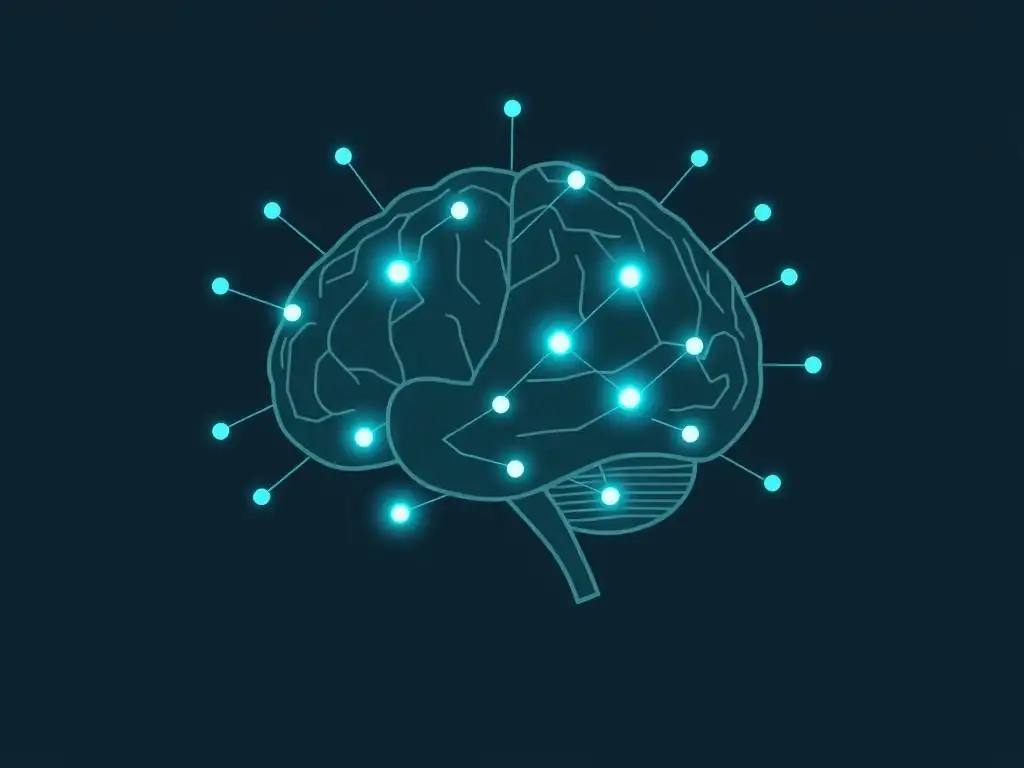
This section delves into the practical application of adapting your learning approach to maximize knowledge retention and comprehension. Efficient learning isn't a one-size-fits-all solution; it requires a flexible and adaptable mindset, constantly refining your strategies based on the subject matter and your individual learning style. Mastering this adaptability is key to unlocking your full learning potential and efficiently acquiring new skills and information. The ability to adapt learning strategies efficiently is crucial for success in any field.
Tailoring Your Approach to Different Subjects: Mathematics, History, and Programming
Different subjects demand different learning approaches. What works wonders for understanding historical narratives might prove utterly ineffective when tackling complex mathematical proofs. Let's examine this with concrete examples:
- Mathematics: Mathematics requires a strong foundation built upon understanding fundamental concepts. Rote memorization is insufficient; instead, focus on problem-solving. Work through numerous practice problems, starting with simpler examples and gradually increasing the complexity. Visual aids, such as diagrams and graphs, can significantly enhance comprehension. Active participation in class and seeking clarification on confusing concepts are vital. Consider using software like GeoGebra for interactive visualization.
- History: History relies heavily on narrative and context. Active reading, annotating key passages, and creating timelines are crucial for understanding historical events and their interconnections. Connecting historical events to broader themes and patterns strengthens comprehension. Supplement textbook readings with documentaries, podcasts, and primary source materials to gain diverse perspectives and deepen your understanding. Consider creating mind maps to visualize historical relationships.
- Programming: Programming necessitates hands-on practice. Reading code alone is not enough; you must actively write code, experiment, and debug. Start with simple programs and gradually build complexity. Utilize online resources like coding challenges and interactive tutorials to reinforce learning. Collaborating with other programmers and seeking feedback on your code is invaluable. Using a debugger effectively is a crucial skill to develop.
Utilizing Diverse Learning Resources: Books, Videos, Podcasts, and Interactive Tools
The modern learning landscape offers a plethora of resources beyond traditional textbooks. Effectively integrating these diverse resources enhances comprehension and caters to different learning styles.
| Resource Type | Advantages | Disadvantages | Example |
|---|---|---|---|
| Books | In-depth explanations, structured learning path | Can be less engaging, requires focused attention | Textbooks, specialized literature |
| Videos | Visual learning, engaging presentations, diverse teaching styles | Can be time-consuming, may lack interaction | Khan Academy, YouTube educational channels |
| Podcasts | Convenient, passive learning, diverse perspectives | Requires focused listening, less interactive than other methods | History podcasts, coding tutorials podcasts |
| Interactive Tools | Engaging, gamified learning, immediate feedback | Can be distracting, may require internet access | Duolingo, Codecademy |
Utilizing a combination of these resources allows for a more comprehensive and engaging learning experience. For instance, you might use a textbook to establish a foundational understanding, supplement with videos for visual clarification, and use interactive tools for reinforcement and practice. The key is to adapt learning strategies efficiently by selecting resources that best suit your learning style and the subject matter.
Incorporating Active Recall Techniques: Spaced Repetition and Flashcards
Passive rereading is often ineffective. Active recall techniques, such as spaced repetition and flashcards, significantly improve retention.
Spaced repetition systems (SRS) utilize algorithms to optimize the timing of review sessions, ensuring that information is reviewed just before it's likely to be forgotten. This technique is particularly effective for memorizing facts and figures. Many apps implement SRS, making it incredibly convenient.
Flashcards are a simple yet effective tool for active recall. They can be used for memorizing definitions, formulas, historical dates, or programming concepts. The act of actively retrieving information from memory strengthens the neural pathways associated with that information, leading to improved retention. The effectiveness of flashcards is significantly enhanced by using spaced repetition techniques – reviewing cards at increasing intervals.
By strategically combining various learning resources and actively engaging with the material through techniques like spaced repetition and flashcards, you can significantly enhance your learning efficiency and achieve optimal results. Remember, the ability to adapt learning strategies efficiently is a skill that develops over time with practice and self-reflection.
The Importance of Regular Review and Consolidation: Building a Strong Knowledge Base
Regular review and consolidation are not merely optional extras in the learning process; they are fundamental pillars for building a strong and lasting knowledge base. Think of your brain as a muscle – consistent exercise is crucial for growth and strength. Without regular reinforcement, newly acquired information fades rapidly, a phenomenon known as the forgetting curve. This curve demonstrates that we lose a significant portion of what we learn within hours, days, or even weeks if we don't actively review it.
To combat this, incorporating spaced repetition into your learning routine is paramount. Instead of cramming information all at once, distribute your review sessions over time, gradually increasing the intervals between each review. This technique leverages the power of memory consolidation, allowing your brain to solidify the information more effectively. For example, review new material the same day, then again after three days, then after a week, and so on. This strategic spacing strengthens neural connections, making the information readily accessible when needed.
Furthermore, active recall is a powerful tool for knowledge consolidation. Instead of passively rereading your notes, actively try to retrieve the information from memory. Techniques like the Feynman Technique, where you explain the concept as if teaching it to someone else, or self-testing with flashcards, are excellent ways to engage in active recall. This process forces your brain to work harder, strengthening memory traces and identifying areas where your understanding is weak. This active engagement significantly improves retention compared to passive rereading.
Effective consolidation also involves connecting new information to existing knowledge. Building mental frameworks and making meaningful associations helps to weave new concepts into your existing cognitive structure. This creates a richer, more interconnected understanding, making it easier to retrieve and apply the information in different contexts. For instance, if learning about a historical event, try to connect it to other historical periods or similar events to create a more holistic understanding.
The more connections you forge, the more robust your knowledge base becomes. This interconnectedness not only improves retention but also enhances your ability to apply your knowledge creatively and solve problems effectively. By embracing regular review and strategic consolidation techniques, you can transform fleeting knowledge into enduring expertise, maximizing the efficiency of your learning endeavors and achieving optimal results.
Optimizing Your Learning Environment for Maximum Effectiveness
Adapting your learning strategies efficiently begins with optimizing your learning environment. A well-structured and conducive space significantly impacts focus and retention. This section delves into practical strategies for maximizing your learning environment, focusing on minimizing distractions and leveraging technology.
Minimizing Distractions: Creating a Focused Learning Space
Distractions are the silent killers of productivity. To adapt your learning strategies efficiently, you must first conquer the distractions that plague your study sessions. This involves creating a dedicated learning space, free from interruptions. Consider these steps:
- Identify your biggest distractions: Is it your phone? Social media? Noisy roommates? Knowing your weaknesses is the first step to overcoming them. Keep a distraction journal for a week, noting down every instance where your focus wavered. This data will provide valuable insights into your personal productivity bottlenecks.
- Designate a specific study area: This could be a corner of your room, a desk in a quiet library, or even a cozy café with minimal noise. Consistency is key; always study in the same designated area to condition your brain to associate that location with learning.
- Minimize visual clutter: A clean and organized workspace promotes clarity of thought. Clear your desk of unnecessary items, and ensure your study materials are neatly arranged. A visually uncluttered environment helps reduce cognitive overload and improves focus.
- Control auditory distractions: Use noise-canceling headphones or earplugs to block out unwanted sounds. Alternatively, consider ambient noise—like white noise or nature sounds—which can help mask distracting noises and improve concentration. Studies show that a consistent, low-level background sound can improve focus for many individuals. Experiment to find what works best for you.
- Turn off notifications: Silence your phone, close unnecessary tabs on your computer, and log out of social media. Consider using website blockers or app timers to enforce these boundaries and prevent impulsive distractions. For example, using the "Forest" app can gamify the process of staying focused.
Utilizing Technology to Enhance Learning: Apps and Software for Efficient Study
Technology offers a wealth of tools to adapt learning strategies efficiently. Many apps and software programs can enhance your study process, from note-taking and organization to spaced repetition and flashcard creation.
- Note-taking apps: Apps like Evernote, OneNote, or Bear allow for organized note-taking, easy searching, and cross-referencing. These tools facilitate efficient information retrieval and review. Experiment with different apps to find one that suits your personal note-taking style.
- Spaced repetition software: Anki and Quizlet are excellent examples of spaced repetition software. These programs utilize algorithms to optimize the timing of review sessions, maximizing retention and minimizing wasted effort. This technique is particularly effective for memorizing facts and figures.
- Mind-mapping software: MindManager or XMind can help visualize complex ideas and concepts. Creating mind maps can improve understanding and facilitate efficient knowledge organization. This is especially useful for subjects requiring synthesis and critical thinking.
- Language learning apps: Duolingo, Babbel, and Memrise offer gamified language learning experiences. These apps use spaced repetition and other techniques to make learning a new language more engaging and effective. They are a great example of how technology can adapt learning strategies efficiently to suit individual needs.
Scheduling Your Study Time Strategically: Time Blocking and the Pomodoro Technique
Efficient time management is crucial for adapting learning strategies efficiently. Strategic scheduling allows you to allocate sufficient time for each subject while maintaining focus and preventing burnout.
- Time blocking: Allocate specific time slots for studying particular subjects. This structured approach prevents procrastination and ensures you dedicate adequate time to each topic. For instance, block out two hours on Mondays for history and one hour on Wednesdays for mathematics. Be realistic in your scheduling; avoid over-scheduling and build in buffer time.
- Pomodoro Technique: The Pomodoro Technique involves working in focused bursts (typically 25 minutes) followed by short breaks (usually 5 minutes). After four Pomodoros, take a longer break (15-20 minutes). This technique helps maintain concentration and prevents mental fatigue. It's a highly effective method for adapting learning strategies efficiently, as it encourages shorter, more focused study sessions.
- Prioritize tasks: Identify your most challenging or important subjects and schedule them for when you are most alert and focused. This ensures you dedicate your peak cognitive performance to the most demanding tasks. Use a priority matrix (Eisenhower Matrix) to categorize tasks based on urgency and importance.
- Regular review sessions: Schedule regular review sessions to reinforce learned material and identify knowledge gaps. These sessions can be shorter than initial study sessions, focusing on revisiting key concepts and practicing problem-solving. Consistent review is vital for long-term retention. Consider using flashcards or mind maps to aid in your review process. Remember, consistent review is crucial for long-term knowledge retention.
Measuring Your Progress and Refining Your Approach: Continuous Improvement
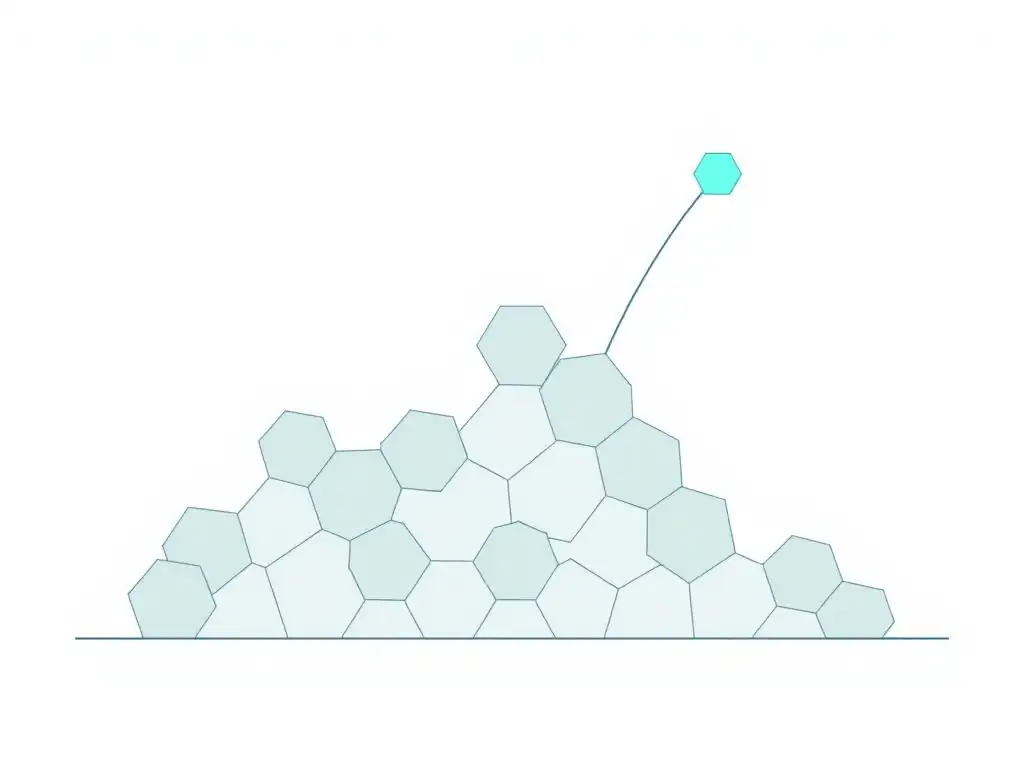

Adapting learning strategies efficiently isn't a one-time event; it's an ongoing process of refinement. To truly master this skill, you need a system for tracking your progress and identifying areas needing adjustment. This iterative approach ensures you're constantly optimizing your learning journey and achieving peak efficiency. Ignoring this crucial feedback loop can lead to wasted time and suboptimal results. The key is to consistently evaluate and adapt.
Tracking Your Learning Outcomes: Identifying Areas for Improvement
Effective tracking goes beyond simply noting the number of hours spent studying. You need quantifiable metrics to understand your learning effectiveness. Consider these methods:
- Regular self-testing: Implement quizzes, practice problems, or flashcards after each learning session. Analyze your performance to identify weak areas. For example, if you consistently struggle with a particular type of math problem, it’s a clear signal to dedicate more time and resources to that specific skill.
- Knowledge mapping: Create visual representations of your understanding. Mind maps can help you identify gaps in your knowledge and pinpoint connections between concepts. This visual approach facilitates a deeper understanding and reveals areas requiring further attention.
- Progress journals: Maintain a detailed journal documenting your learning process. Note your study methods, the time spent on each topic, challenges encountered, and insights gained. Reviewing this journal regularly allows you to identify patterns and trends in your learning effectiveness.
For instance, let's say you're learning a new programming language. Instead of just coding for hours, track the number of lines of code you write daily, the number of bugs you encounter and resolve, and the complexity of the projects you complete. This data provides a much clearer picture of your progress than simply stating, "I coded for three hours today." This detailed approach allows for more efficient adaptation of your study plan.
Adapting Your Strategies Based on Feedback and Results: A Cyclical Process
Once you've identified areas for improvement through tracking, the next step is adapting your learning strategies. This isn't about drastically overhauling your entire approach every time you encounter a challenge; it's about making small, incremental adjustments based on your data. Think of it as a continuous feedback loop:
| Stage | Action | Example |
|---|---|---|
| Identify | Analyze your tracking data to pinpoint weak areas. | Consistently failing quizzes on specific grammar rules in a language course. |
| Analyze | Determine the why behind your struggles. Is it the teaching method? Your study habits? Lack of practice? | Poor understanding of the underlying grammatical concepts. |
| Adapt | Modify your approach based on your analysis. | Dedicate extra time to reviewing grammatical rules, use different learning resources, practice more frequently. |
| Re-evaluate | Track your progress using the same methods to see if your adjustments are effective. | Monitor quiz scores and observe if understanding improves. |
This cyclical process ensures continuous improvement. Remember, adapting learning strategies efficiently is about iterative refinement, not drastic changes.
Embracing Failure as a Learning Opportunity: Iterative Learning and Growth
The path to mastering efficient learning is rarely linear. You will encounter setbacks and challenges. However, instead of viewing these as failures, reframe them as valuable learning opportunities. Analyze what went wrong, identify the root causes, and adjust your approach accordingly. This iterative process, incorporating mistakes as data points, is crucial for long-term success.
The only true mistake is the one from which we learn nothing.
– Henry Ford
This quote perfectly encapsulates the importance of viewing setbacks as opportunities for growth. Don't be discouraged by challenges; use them to refine your approach and improve your learning efficiency. Each "failure" brings you closer to mastering the art of adapting your learning strategies efficiently. The more you practice this iterative process, the more adept you become at identifying weaknesses and implementing effective solutions, ultimately leading to greater success and a more fulfilling learning experience. 🎉
The Long-Term Benefits of Adaptable Learning Strategies
Adapting your learning strategies efficiently is not merely a short-term tactic; it's a cornerstone of lifelong learning and personal growth. The ability to adjust your approach based on the material, your learning style, and the context significantly impacts your long-term success in acquiring and applying knowledge. This section explores the profound and lasting advantages of cultivating this crucial skill.
We'll delve into how adaptable learners consistently outperform their less flexible counterparts, achieving superior knowledge retention, accelerated skill acquisition, and enhanced problem-solving capabilities. This ultimately translates into a more fulfilling and successful life, both personally and professionally. The key is to understand that learning isn't a one-size-fits-all process; it's a dynamic and evolving journey requiring constant adaptation and refinement.
Enhanced Knowledge Retention and Recall: Long-lasting Learning
Adaptable learners don't just passively absorb information; they actively engage with it, using a variety of techniques to solidify their understanding. This proactive approach significantly boosts long-term retention. For example, someone learning a new language might initially focus on rote memorization of vocabulary. However, upon realizing this method isn't sufficient for conversational fluency, they might adapt by incorporating immersion techniques like watching movies or listening to podcasts in the target language. This shift allows for deeper comprehension and more meaningful retention.
Another powerful technique involves spaced repetition, a method proven to enhance recall. Instead of cramming information all at once, adaptable learners space out their review sessions, revisiting the material at increasing intervals. This strategic approach combats the forgetting curve, ensuring knowledge remains accessible long after initial learning. The effectiveness of spaced repetition is supported by numerous studies demonstrating its significant impact on long-term memory consolidation.
Furthermore, actively applying learned knowledge through practice and real-world application dramatically improves retention. This could involve teaching the material to someone else, working on related projects, or solving problems that require the application of the newly acquired skills. This active recall strengthens neural pathways, making the information more readily available when needed. The more adaptable you are in finding ways to actively apply your learning, the more effectively you'll retain it.
Increased Learning Speed and Efficiency: Mastering New Skills Quickly
The ability to efficiently adapt learning strategies directly correlates with increased learning speed. By identifying what works best for a specific subject or skill and adjusting accordingly, learners can significantly reduce the time required to master new concepts. Imagine trying to learn a complex software program. Initially, reading the manual might seem like the logical approach. However, if this method proves ineffective, an adaptable learner might switch to hands-on practice, experimenting with the software's features and functions. This practical approach, coupled with targeted online tutorials or video guides, often yields much faster results.
Moreover, adaptable learners are adept at identifying their own learning preferences and weaknesses. They might discover they learn better through visual aids, audio recordings, or hands-on activities. By tailoring their learning methods to their individual learning styles, they maximize their efficiency and minimize wasted effort. This self-awareness and willingness to experiment are key components of accelerated learning. They avoid sticking rigidly to one method, even if it’s not yielding optimal results. Instead, they embrace experimentation and continuous improvement.
Improved Problem-Solving Abilities: Adapting to Challenges Effectively
Adaptability in learning isn't just about acquiring knowledge; it's about developing the resilience and resourcefulness needed to overcome challenges. When faced with a complex problem, an adaptable learner doesn't get stuck in a rut. They explore multiple approaches, readily shifting their strategies if one method fails to yield a solution. This ability to think creatively and flexibly is invaluable in any field.
For instance, consider a student struggling with a difficult math problem. Instead of giving up, an adaptable learner might try different problem-solving techniques, such as drawing diagrams, working backwards from the answer, or seeking help from a tutor or classmate. They might even consult additional resources, such as online forums or textbooks, to gain a fresh perspective.
This flexible approach significantly increases their chances of finding a solution. This iterative process of trial, error, and adjustment is a hallmark of effective problem-solving, a skill significantly enhanced by adaptable learning strategies. The ability to adjust your approach based on the challenge at hand is crucial for success in any endeavor.
Boosting Confidence and Motivation: A Positive Learning Experience
Adapting your learning strategies isn't just about achieving better results; it's about fostering a positive and empowering learning journey. When you find methods that truly resonate with your learning style and preferences, you experience a significant boost in confidence. This confidence isn't just a fleeting feeling; it's a powerful catalyst for continued learning and growth. The ability to successfully navigate different learning materials and overcome challenges using your personalized approach builds resilience and self-efficacy – the belief in your own capabilities.
This, in turn, fuels your motivation, creating a virtuous cycle where success breeds further success. Instead of viewing learning as a daunting task, you begin to see it as an exciting opportunity for self-improvement and discovery. This shift in perspective is crucial for long-term learning success.
Imagine a student struggling with traditional lecture-based learning. They might feel frustrated and discouraged, leading to avoidance and a decline in academic performance. However, by adapting their learning strategies – perhaps incorporating visual aids, active recall techniques, or collaborative study sessions – they can transform their learning experience. They begin to understand the material more effectively, achieve better grades, and, most importantly, develop a positive association with learning itself.
This positive feedback loop is essential for maintaining long-term engagement and motivation. The feeling of accomplishment, fueled by successfully adapting and mastering new learning techniques, becomes a powerful incentive to continue the process. This is a key element in efficiently adapting learning strategies.
Furthermore, the ability to adapt your learning approaches fosters a growth mindset. This is the belief that abilities and intelligence are not fixed but can be developed through dedication and hard work. When faced with a challenging concept, instead of feeling defeated, you see it as an opportunity to explore different learning methods and refine your approach. This proactive attitude not only improves your learning outcomes but also cultivates a more resilient and adaptable personality, beneficial far beyond the academic realm.
The feeling of empowerment that comes from mastering new skills and techniques through adaptable learning strategies is invaluable for personal and professional growth. This translates to improved confidence in all aspects of life, making you better equipped to handle challenges and pursue your goals with increased determination and self-belief. The positive learning experience becomes a cornerstone of your overall well-being and success.
Frequently Asked Questions
How can I identify which learning strategies aren't working for me?
Pay close attention to your learning process. Are you struggling to retain information? Do you feel bored or frustrated? These are signs you may need to adapt your approach.
What are some examples of adaptable learning strategies?
Consider active recall, spaced repetition, interleaving different subjects, and teaching the material to someone else. Experiment to find what best suits your learning style.
How can I adapt my learning strategies efficiently to different subjects?
Recognize that different subjects require different approaches. For example, visual learning might work well for art, while kinesthetic learning might be better for sports. Experiment and adjust accordingly.
Is it important to track my progress when adapting learning strategies?
Absolutely! Tracking your progress helps you identify what's working and what's not. Use a journal, a planner, or a productivity app to monitor your learning and make necessary adjustments.
How do I maintain motivation while adapting my learning strategies?
Celebrate small wins and focus on your progress, not perfection. Remember that adapting your learning is a process, and finding the optimal strategy takes time and experimentation. Stay positive and patient with yourself.
Final Reflection: Embracing the Ever-Evolving Landscape of Learning
The ability to adapt learning strategies is no longer a desirable skill; it's a necessity for thriving in our rapidly changing world. In an era defined by constant technological advancements and evolving information landscapes, those who can fluidly adjust their approach to learning will undoubtedly outpace those who cling to outdated methods. This adaptability isn't merely about achieving academic success; it's about cultivating a lifelong love of learning and equipping oneself with the tools to navigate the complexities of life.
The impact of adaptable learning extends far beyond the classroom, shaping our professional lives and personal growth. It's about recognizing our individual learning styles and preferences, and then actively seeking out methods that resonate with us. This continuous process of self-discovery and refinement is crucial for sustained motivation and effective knowledge acquisition. As the great philosopher, Seneca, wisely observed: Every new beginning comes from some other beginning's end.
This quote perfectly encapsulates the cyclical nature of learning – the need to let go of what no longer serves us and embrace new approaches as we progress.
You now hold the key to unlocking your full learning potential. Don't be afraid to experiment with different techniques, to embrace failure as a learning opportunity, and to continuously refine your approach. Reflect on your current learning habits. What works well? What could be improved? By actively engaging in this process of self-assessment and adaptation, you'll not only achieve optimal results in your studies but also cultivate a mindset of lifelong learning that will empower you to navigate any challenge life throws your way. Embrace the power of adaptability – it's the key to unlocking your future.
Unlock Your Learning Potential: Adapt and Thrive!
Thank you for exploring adaptable learning strategies. We hope you gained valuable insights into maximizing your learning potential. Now, let's put that knowledge into action.
- **Identify one area where you can immediately improve your current learning approach. ** This could be as simple as trying a new note-taking method or scheduling specific times for focused study. This is your primary focus.
- Share your key takeaway – which learning tip resonated most with you and why? Let's build a supportive community of learners.
- **Challenge yourself:** Try a completely different learning style for a week, even if it feels unconventional, and see what you discover. You might be surprised at the results!
Ready to transform your learning journey? What specific change will you make today to unlock your full potential?