
The Psychology of Boredom: How to Turn It Into an Advantage


Feeling stuck in a rut? UltimateLifeHacks is your antidote to the mundane. Discover practical strategies and surprising insights to conquer everyday challenges and unlock your true potential. Learn how to Beat Boredom Boost Productivity – transforming unproductive downtime into a powerful engine for growth. Dive in and uncover the secrets to a more efficient and fulfilling life, starting with the psychology of boredom itself.
- Understanding Boredom: Its Roots and Manifestations
- Turning Boredom into a Catalyst for Productivity
- Practical Strategies to Combat Boredom and Enhance Focus
- Boosting Productivity Through Boredom-Busting Activities
- Overcoming Chronic Boredom: Seeking Professional Help
- Sustaining Productivity: Long-Term Strategies to Beat Boredom
- Frequently Asked Questions
- Final Reflection: Harnessing the Power of Boredom for a More Productive Life
- Unlock Your Boredom Potential: Turn Idle Time into Innovation!
Understanding Boredom: Its Roots and Manifestations
Boredom, often dismissed as a trivial inconvenience, is a surprisingly potent force impacting our productivity and overall well-being. Far from being a simple lack of stimulation, boredom is a complex psychological state rooted in the interplay between our brains' reward systems, cognitive processes, and environmental context.
This article delves into the psychology of boredom, exploring its neurological underpinnings and outward manifestations, ultimately revealing how to transform this often-negative experience into a catalyst for enhanced productivity and personal growth. Understanding the nuances of boredom—its causes, symptoms, and differentiation from related states like apathy—is the crucial first step towards effectively "beating boredom" and boosting your productivity.
This is particularly relevant for those seeking to optimize their daily routines and enhance their cognitive efficiency, aligning perfectly with the principles of practical life hacks and productivity improvement. Learning to recognize and manage boredom is not just about escaping unpleasant feelings; it's about harnessing a powerful internal signal to unlock greater potential.
The Neuroscience of Boredom: Dopamine, Default Mode Network, and Prefrontal Cortex
The experience of boredom is intricately linked to brain activity within specific regions and neurotransmitter systems. A key player is dopamine, a neurotransmitter associated with reward and motivation. When we engage in stimulating activities, dopamine is released, creating feelings of pleasure and encouraging us to repeat those behaviors. Boredom, conversely, can be understood as a state of dopamine deficiency, a lack of the neurochemical reward that keeps us engaged and motivated.
Further complicating the picture is the Default Mode Network (DMN), a brain network active during mind-wandering and introspection. While the DMN has important functions in self-reflection and creativity, excessive DMN activity can contribute to feelings of boredom, as the mind drifts aimlessly without purposeful engagement. Finally, the prefrontal cortex, responsible for executive functions like planning and decision-making, plays a critical role in regulating our response to boredom.
When faced with an unstimulating situation, the prefrontal cortex may struggle to maintain focus, leading to restlessness and a desire for change. Understanding these neurological mechanisms provides a framework for developing strategies to counteract boredom and redirect brain activity towards more productive pursuits. Research continues to uncover the intricate relationships between these brain regions and the subjective experience of boredom, promising further insights into effective interventions.
Recognizing the Symptoms: From Restlessness to Procrastination
The symptoms of boredom manifest in diverse ways, depending on individual personality and the specific context. While some might experience simple restlessness and a desire for something to do, others might exhibit more pronounced symptoms such as:
- Increased irritability and impatience
- Difficulty concentrating and focusing
- Procrastination and avoidance of tasks
- Daydreaming and mind-wandering
- Restlessness and fidgeting
- Seeking out distractions (e.g., excessive social media use)
- Feelings of emptiness and meaninglessness
Recognizing these symptoms is crucial for effectively addressing boredom. The intensity and specific manifestation of these symptoms can vary greatly, highlighting the personalized nature of boredom and the need for tailored strategies to combat it. For example, someone prone to procrastination might need different coping mechanisms than someone who primarily experiences restlessness. By carefully observing your own responses to boredom, you can gain valuable insights into your individual triggers and develop effective strategies to manage your experience. This self-awareness is a critical component of transforming boredom from a negative experience into an opportunity for growth.
Boredom vs. Apathy: Identifying the Difference
It's important to distinguish boredom from apathy, a more serious condition characterized by a lack of interest, motivation, and emotional response. While boredom is often a temporary state that can be alleviated through changes in activity or environment, apathy represents a more persistent and pervasive lack of engagement with life. Apathy is often associated with underlying mental health conditions and requires professional intervention. Key differences include:
| Feature | Boredom | Apathy |
|---|---|---|
| Motivation | Desire for stimulation and engagement | Lack of motivation and interest |
| Emotion | Restlessness, frustration, impatience | Emotional flatness, indifference |
| Activity | May seek out new activities | Passivity, lack of initiative |
| Duration | Typically temporary and situation-specific | Persistent and pervasive |
| Treatment | Lifestyle changes, self-management strategies | Often requires professional mental health care |
Understanding these distinctions is essential for appropriate self-care and seeking help when necessary. While this article focuses on strategies for managing boredom, recognizing the potential for more serious underlying conditions is crucial. If feelings of apathy persist, seeking professional help is highly recommended. The ability to differentiate between these states is a vital skill in promoting both mental and physical well-being.
Turning Boredom into a Catalyst for Productivity
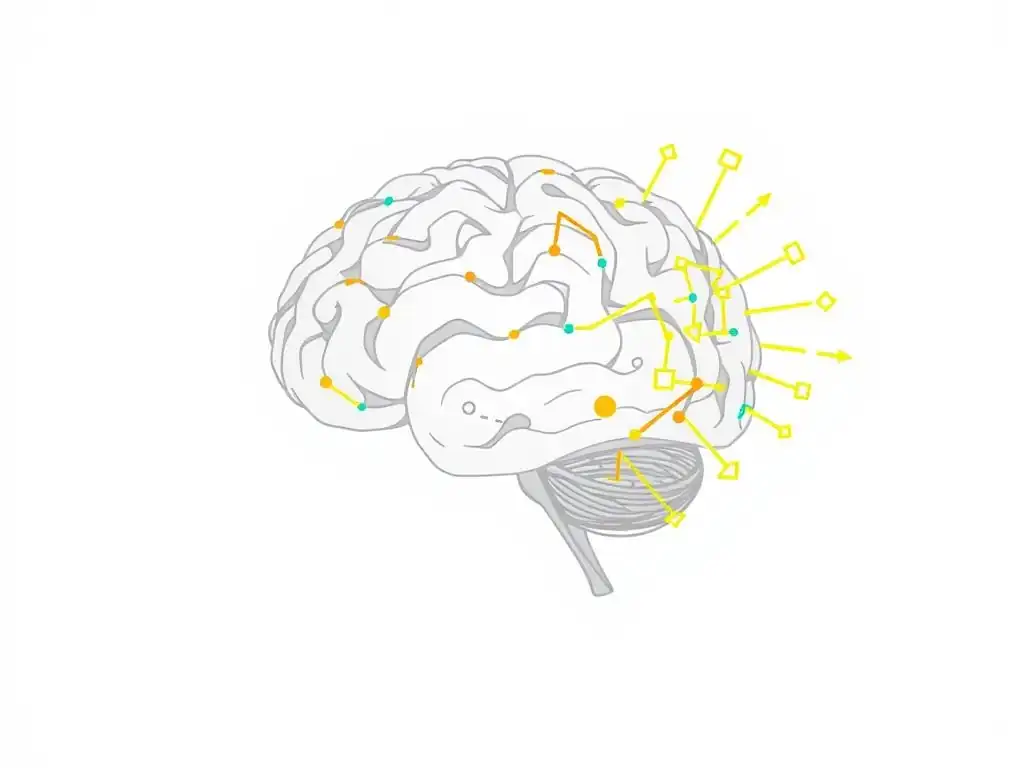
Boredom, often perceived as a negative emotion, can actually be a powerful catalyst for increased productivity. Instead of fighting it, learning to recognize and redirect the energy associated with boredom can unlock unexpected levels of efficiency and creativity. This section explores practical strategies to transform this often-underestimated feeling into a positive force in your daily life, helping you to truly beat boredom and boost productivity.
Reframing Boredom: From Enemy to Opportunity
The first step in turning boredom into an advantage is reframing your perception of it. Instead of viewing boredom as a frustrating state to be avoided at all costs, consider it a signal. A signal that your current activity isn't engaging you fully, that your brain is seeking stimulation, and that a change of pace might be beneficial.
This shift in perspective allows you to approach boredom not as an enemy, but as an opportunity for self-improvement and enhanced productivity. Think of it as your brain's way of saying, "Time for something new!". This subtle change in mindset can significantly alter your response to feelings of ennui.
For example, instead of scrolling endlessly through social media, you might choose to tackle a pending task, leading to a significant boost in productivity. This proactive approach allows you to utilize the energy associated with boredom, transforming it from a negative into a positive catalyst.
Harnessing Boredom for Creative Problem-Solving
Boredom can surprisingly fuel creative problem-solving. When we're bored, our minds wander, allowing for unexpected connections and insights. This "mind wandering" is crucial for generating novel ideas and solutions. Studies have shown that periods of unstructured time, often associated with boredom, can lead to breakthroughs in various fields.
Consider the famous "Eureka!" moments of Archimedes or Newton – often these insights came during periods of apparent idleness or boredom. To harness this potential, consciously incorporate periods of "productive boredom" into your routine. This could involve short breaks where you allow your mind to wander without focusing on a specific task, but perhaps with a notepad handy to capture any ideas that arise.
This deliberate strategy can lead to innovative solutions to problems you might have been struggling with. For instance, if you're stuck on a complex project, a short period of intentional boredom might unlock the key to solving the problem. This mindful approach helps you to beat boredom and boost productivity in a truly effective way.
Boredom as a Sign of Stagnation: Identifying Areas for Improvement
Persistent boredom can also signal a deeper issue: stagnation. Prolonged feelings of boredom might indicate that you're stuck in a rut, either professionally or personally. This is a valuable opportunity for self-reflection and identifying areas needing improvement. Consider these questions: Are you in a job that no longer challenges you? Are your daily routines monotonous and repetitive?
Are your personal goals aligned with your current activities? By honestly assessing these areas, you can pinpoint the root cause of your boredom and take steps to address it. Perhaps you need to seek new challenges at work, develop new hobbies, or reassess your long-term goals. This process of self-assessment, triggered by boredom, can lead to significant personal and professional growth, allowing you to beat boredom and boost productivity through meaningful change. Addressing the underlying causes of boredom leads to more sustainable and fulfilling productivity improvements.
Example: Turning a Boring Commute into Productive Time
Instead of passively enduring a boring commute, use that time to listen to educational podcasts, audiobooks, or even practice a new language. This transforms a typically unproductive period into a valuable opportunity for learning and personal development. This active approach directly combats boredom and contributes to overall productivity.
Practical Strategies to Combat Boredom and Enhance Focus
Boredom, often perceived as a passive state, is actually a dynamic interplay between our internal state and external stimuli. Successfully navigating boredom requires a proactive approach, shifting from a reactive mindset to one of intentional engagement. This section outlines practical, actionable strategies to not only beat boredom but to actively boost productivity by transforming idle time into valuable opportunities.
We'll explore techniques that leverage the power of mindfulness, strategic scheduling, and cultivated curiosity to create a more fulfilling and productive life. The key is to view boredom not as an enemy, but as a signal – a prompt to re-evaluate your current activities and seek more stimulating alternatives.
Mindfulness Techniques for Boredom Management
Mindfulness isn't about eliminating boredom entirely; it's about changing your relationship with it. Instead of resisting the feeling, acknowledge its presence without judgment. This simple shift in perspective can significantly reduce its negative impact. Try these techniques:
- Body Scan Meditation: Pay close attention to physical sensations – the feeling of your breath, the weight of your body in the chair, the texture of your clothing. This anchors you in the present moment, diverting attention from the wandering thoughts that often fuel boredom. Even five minutes of this practice can make a noticeable difference.
- Mindful Breathing: When boredom strikes, focus intently on your breath. Notice the rise and fall of your chest or abdomen. Count your breaths or observe the sensations of the air entering and leaving your body. This simple exercise can calm the mind and increase focus, preventing boredom from spiraling into frustration.
- Observational Awareness: Instead of fighting boredom, observe it. Notice the thoughts and feelings associated with it. Are you restless? Anxious? Frustrated? Simply acknowledging these feelings without judgment can lessen their intensity. This approach fosters self-awareness, a crucial component of effective boredom management. Regular practice of these techniques can significantly improve your ability to beat boredom and develop a more positive relationship with your inner experience.
The Power of Scheduling: Structuring Your Day to Avoid Lulls
Proactive scheduling is a powerful tool for preventing boredom. A well-structured day leaves less room for unproductive downtime, minimizing opportunities for boredom to take root. This doesn't mean rigidly adhering to a minute-by-minute plan; rather, it involves strategically allocating time for various activities, ensuring a balance between work, leisure, and self-care.
Consider these scheduling strategies:
- Time Blocking: Allocate specific time blocks for different tasks or activities. This creates structure and prevents the feeling of aimlessness that often leads to boredom. For instance, dedicate a specific hour to focused work, followed by a shorter break for exercise or a creative pursuit.
- Prioritization Matrix: Use a prioritization matrix (like the Eisenhower Matrix) to identify and schedule high-impact tasks. This ensures that your time is spent on activities that align with your goals, preventing the boredom that can stem from engaging in low-value activities.
- Incorporate Variety: Avoid scheduling similar activities back-to-back. Alternate between mentally stimulating tasks and more physical or creative pursuits. This variety prevents mental fatigue and reduces the likelihood of boredom setting in. Strategic scheduling is a key element in the strategy to beat boredom boost productivity.
Cultivating Curiosity: Igniting Your Passion for Learning
Boredom often arises from a lack of intellectual stimulation. Actively cultivating your curiosity can help prevent this by providing a constant source of engagement and excitement. This involves actively seeking out new knowledge and experiences, fostering a lifelong love of learning.
Here are some ways to ignite your passion for learning:
- Embrace Lifelong Learning: Commit to continuous learning. Explore new subjects, take online courses, read books outside your usual interests, or attend workshops. This keeps your mind engaged and prevents the stagnation that can lead to boredom.
- Explore New Hobbies: Develop new hobbies or revisit old ones. Learning a new skill, whether it's playing a musical instrument, painting, or coding, provides a sense of accomplishment and keeps you mentally engaged.
- Engage in Creative Pursuits: Engage in creative activities that allow for self-expression. This can be anything from writing and drawing to playing music or crafting. Creative pursuits stimulate the mind and provide a sense of satisfaction that can combat boredom effectively. By actively cultivating curiosity, you transform boredom into an opportunity for growth and self-discovery, effectively beating boredom and boosting productivity.
Boosting Productivity Through Boredom-Busting Activities

Boredom, often perceived as a negative state, can surprisingly be a catalyst for enhanced productivity. By understanding the psychology behind boredom and proactively addressing it, we can transform this seemingly unproductive feeling into a springboard for achieving our goals. Instead of succumbing to passive entertainment, actively combating boredom through strategic activities can significantly improve focus and efficiency, leading to a noticeable boost in productivity.
This section explores practical methods to leverage boredom for personal and professional gains, effectively turning a perceived weakness into a powerful tool. The key is to replace unproductive boredom with activities that stimulate the mind and body, ultimately leading to a more fulfilling and productive life.
Engaging in Stimulating Hobbies: Finding Your Niche
Finding a hobby that genuinely interests you is crucial in combating boredom and boosting productivity. A stimulating hobby provides a much-needed mental break, allowing your mind to rest and recharge. This mental rejuvenation prevents burnout and improves your ability to focus on tasks when you return to work. Think of it as a strategic reset button.
For example, someone who spends their workday staring at a computer screen might find a physically active hobby like gardening or hiking incredibly beneficial. The change of scenery and physical exertion provides a refreshing contrast, reducing mental fatigue and preventing the onset of boredom. Conversely, someone whose job involves strenuous physical labor might find a mentally engaging hobby like painting, writing, or learning a new language more effective.
The key is to find a hobby that aligns with your personality and interests. Don't force yourself into something you dislike; the goal is to beat boredom, not to add another source of stress. Experiment with different activities until you find your niche—something that genuinely excites you and provides a welcome distraction from your daily routine. This proactive approach to leisure time will translate into increased energy and focus, ultimately boosting your overall productivity. Consider exploring options like:
- Creative pursuits: Painting, drawing, sculpting, writing, playing a musical instrument
- Physical activities: Yoga, running, swimming, hiking, team sports
- Intellectual stimulation: Reading, learning a new language, coding, puzzles
- Social engagement: Joining a club, volunteering, spending time with loved ones
The Importance of Breaks: Strategic Rest for Enhanced Focus
Strategic breaks are not simply time-wasters; they are essential components of a productive workflow. When boredom strikes, instead of reaching for your phone or engaging in mindless activities, take a deliberate break. This could involve a short walk, a quick meditation session, or simply stepping away from your workspace to clear your head. These short, intentional breaks can significantly improve focus and concentration, preventing mental fatigue and enhancing your ability to tackle challenging tasks.
Studies have shown that regular short breaks can dramatically improve productivity. The Pomodoro Technique, for instance, advocates for 25 minutes of focused work followed by a 5-minute break. This structured approach helps to maintain concentration and prevents burnout. The effectiveness of breaks hinges on their strategic implementation; passively scrolling through social media during a break is counterproductive. Instead, choose activities that promote relaxation and mental clarity, allowing your mind to rest and recharge. This will ultimately lead to a more focused and productive work session.
Utilizing Boredom to Prioritize Tasks: Time Management Strategies
Boredom can be a powerful signal indicating a need for a change in your approach to task management. Instead of letting boredom lead to procrastination, use it as an opportunity to reassess your priorities. When you feel that familiar sense of ennui, it might be a sign that you're tackling tasks in an inefficient order.
Consider using a time management technique like the Eisenhower Matrix (urgent/important) to prioritize your to-do list. This method helps you identify tasks that demand immediate attention and those that can be delegated or scheduled for later. By strategically prioritizing tasks, you can minimize feelings of overwhelm and boredom, focusing your energy on the most impactful activities.
This proactive approach not only improves productivity but also contributes to a greater sense of accomplishment and satisfaction, effectively turning boredom into a productive force. This strategy is key to beating boredom and boosting productivity simultaneously. Remember to regularly review your priorities to ensure you're focusing your energy on the most impactful tasks.
Overcoming Chronic Boredom: Seeking Professional Help

Chronic boredom, unlike the occasional feeling of being uninterested, can significantly impact your productivity and overall well-being. If simple life hacks aren't enough to combat persistent boredom, it's crucial to consider seeking professional help. This isn't a sign of weakness; it's a proactive step towards improving your mental health and, consequently, your ability to beat boredom boost productivity. Ignoring persistent boredom can lead to more serious issues, so understanding when to seek assistance is vital. Many individuals find that addressing underlying psychological factors is key to overcoming chronic boredom and reclaiming their daily lives.
Identifying Underlying Issues: Depression, Anxiety, and Burnout
Persistent boredom can be a symptom of underlying mental health conditions such as depression, anxiety, and burnout. Depression often manifests as a lack of motivation, interest, and pleasure in activities once enjoyed – a perfect breeding ground for boredom. Similarly, anxiety can lead to avoidance behaviors, limiting experiences and fueling feelings of stagnation and boredom. Burnout, characterized by emotional exhaustion, cynicism, and reduced professional efficacy, can manifest as a profound sense of boredom and apathy, particularly in work or hobbies.
It's important to distinguish between situational boredom (e.g., a tedious task) and chronic boredom stemming from deeper issues. Consider these questions:
- Does your boredom persist despite trying various activities?
- Do you experience persistent feelings of sadness, hopelessness, or anxiety?
- Have you lost interest in activities you once enjoyed?
- Are you experiencing significant fatigue or lack of energy?
- Do you feel overwhelmed or unable to cope with daily tasks?
If you answer yes to several of these questions, seeking professional help is strongly recommended. A mental health professional can provide a proper diagnosis and develop a personalized treatment plan to address the underlying issues contributing to your boredom. Early intervention is crucial for effective management and improved quality of life. Addressing these issues directly can be a powerful tool to beat boredom boost productivity.
Seeking Support: Therapists, Coaches, and Support Groups
Several avenues exist for seeking professional support to overcome chronic boredom. Therapists, particularly those specializing in cognitive behavioral therapy (CBT) or other evidence-based approaches, can help identify and address the underlying causes of your boredom. They can equip you with coping mechanisms and strategies to manage feelings of apathy and regain a sense of purpose.
Life coaches, while not mental health professionals, can offer valuable support in identifying and pursuing goals, fostering self-discovery, and developing strategies for improved productivity and well-being. They can help you create a roadmap to address the root causes of your boredom and develop a plan for a more fulfilling life. This can be especially helpful in tackling the feeling of stagnation that often accompanies chronic boredom and significantly helps beat boredom boost productivity.
Support groups, either online or in-person, can provide a sense of community and shared experience. Connecting with others facing similar challenges can be incredibly validating and empowering. Sharing experiences and learning from others' coping strategies can significantly improve your ability to manage boredom and improve your overall mental health.
Building a Support System: Friends, Family, and Community
While professional help is invaluable, building a strong support system within your personal life is equally crucial. Friends and family can provide emotional support, encouragement, and practical assistance. Openly communicating your struggles with boredom and seeking their understanding can reduce feelings of isolation and improve your overall well-being.
Engaging with your community through volunteering, joining clubs, or participating in group activities can introduce you to new experiences and social connections, combating feelings of isolation and monotony that often accompany chronic boredom. This expanded social network can provide a sense of belonging and purpose, significantly contributing to your ability to beat boredom boost productivity. Remember, actively cultivating meaningful relationships can be a powerful tool in improving your overall well-being and resilience against chronic boredom. Focusing on building these connections can be as effective as any other strategy in addressing the issue.
Sustaining Productivity: Long-Term Strategies to Beat Boredom
Boredom, that insidious feeling of ennui, can be a significant productivity killer. While short-term tactics can help you momentarily overcome a dull moment, lasting success hinges on implementing long-term strategies that foster engagement and prevent boredom from taking root. This section focuses on cultivating a sustainable approach to productivity, ensuring that you don't just beat boredom, but boost your productivity in the long run. This is crucial for maintaining momentum and achieving consistent results, transforming the feeling of boredom into a catalyst for growth.
Cultivating a Growth Mindset: Embracing Challenges and Learning
A fixed mindset, believing your abilities are static, fuels boredom. When faced with a challenge, you might quickly give up, labeling the task "boring" rather than seeing it as an opportunity for growth. Cultivating a growth mindset—the belief that abilities can be developed through dedication and hard work—is paramount. Instead of shying away from challenging tasks, embrace them as chances to learn and expand your skillset.
For example, instead of feeling bored during a complex project at work, view it as an opportunity to master a new software or hone a specific skill. This proactive approach transforms boredom into a driver of self-improvement. The feeling of accomplishment that follows successfully navigating a challenging task is far more rewarding than the fleeting escape offered by procrastination. Consider tracking your progress using a simple spreadsheet or app.
Seeing tangible evidence of your growth can significantly boost motivation and combat the onset of boredom. This proactive approach fundamentally shifts your relationship with challenging tasks, turning potential boredom into a springboard for personal and professional advancement. Data suggests that individuals with a growth mindset demonstrate significantly higher levels of resilience and sustained productivity.
Developing a Passion Project: Finding Meaning and Purpose
Finding meaning and purpose in your work is a powerful antidote to boredom. A passion project, something you genuinely enjoy and find intrinsically motivating, can provide a much-needed counterbalance to potentially mundane tasks. This could be anything from writing a novel to learning a new language, volunteering for a cause you care about, or even starting a small business aligned with your interests.
The key is to dedicate time to this project, even if it's just for a few minutes each day. This allows you to engage your creativity and passion, replenishing your energy and preventing burnout. The energy derived from pursuing your passion will naturally spill over into other areas of your life, making even routine tasks seem less tedious.
Studies have shown a strong correlation between engagement in meaningful activities and increased levels of overall well-being and productivity. For instance, dedicating just 30 minutes a day to a passion project can lead to a noticeable increase in focus and energy levels throughout the rest of the day, effectively countering the negative effects of boredom.
The Role of Self-Compassion: Accepting Imperfection and Moving Forward
Self-criticism is a breeding ground for boredom. When you're constantly judging yourself for not being productive enough or for finding tasks "boring," you create a negative feedback loop that exacerbates the problem. Self-compassion, on the other hand, allows you to acknowledge imperfections and setbacks without harsh judgment.
Instead of berating yourself for feeling bored, acknowledge the feeling and then gently redirect your focus. Remember that it's okay to feel bored sometimes; it's a normal human emotion. Practice self-kindness and treat yourself with the same understanding and empathy you would offer a friend struggling with similar feelings.
This approach fosters a more positive and resilient mindset, making it easier to bounce back from moments of boredom and maintain a steady level of productivity. By embracing self-compassion, you actively cultivate a more supportive and sustainable relationship with your work and yourself, leading to a significant improvement in your ability to beat boredom and boost productivity. This approach fosters a sense of calm and acceptance, paving the way for more consistent and fulfilling productivity.
Frequently Asked Questions
What is the connection between boredom and productivity?
Boredom often signals a lack of engagement and stimulation. By understanding its root cause, we can redirect this feeling towards productive activities, ultimately boosting efficiency and output. This involves identifying and addressing the underlying causes of your boredom.
How can I use boredom to my advantage?
Instead of resisting boredom, reframe it as an opportunity. Use it as a cue to try something new, tackle a challenging task, or learn a new skill. This proactive approach transforms a negative feeling into a catalyst for growth.
What are some practical ways to beat boredom and boost productivity?
Try switching tasks, taking short breaks, or engaging in activities that stimulate your mind creatively. Prioritize tasks, break down large projects into smaller, manageable steps, and reward yourself for progress to maintain motivation.
Is it normal to feel bored sometimes?
Yes, absolutely! Boredom is a normal human emotion. It's a signal that your current activities aren't mentally stimulating enough. The key is to learn how to recognize and constructively manage this feeling rather than letting it derail your productivity.
How can I prevent boredom from impacting my work performance?
Regular breaks and a varied work schedule can significantly help. Incorporate activities that you find genuinely engaging into your workday. Also, consider seeking out new challenges or opportunities for professional development to maintain interest and motivation.
Final Reflection: Harnessing the Power of Boredom for a More Productive Life
The pervasive feeling of boredom, often dismissed as a mere inconvenience, is actually a powerful indicator of unmet needs and a catalyst for growth. Understanding its psychology, as explored throughout this article, isn't just an academic exercise; it's a vital skill for navigating the complexities of modern life and maximizing our potential. In a world saturated with constant stimulation, learning to recognize and utilize the quiet moments of boredom can be the key to unlocking unprecedented levels of productivity and fulfillment.
The exploration of boredom's psychology has profoundly impacted my own approach to work and leisure. I've learned to view those moments of restlessness not as failures, but as opportunities for introspection and creative exploration. By actively engaging with the underlying causes of my boredom – whether it's a lack of challenge, a need for connection, or simply a desire for change – I've been able to redirect that energy into more meaningful pursuits. Boredom is a feeling that arises when we are not engaged in activities that are meaningful to us.
This simple statement has become a guiding principle in my life, helping me to prioritize activities that truly resonate with my values and aspirations.
Now, consider your own relationship with boredom. What does it tell you about your current life trajectory? What unmet needs or desires might be lurking beneath the surface? I encourage you to embrace those moments of quiet contemplation, to use them as a springboard for self-discovery and innovation. Don't just fight boredom; understand it, harness its power, and transform it into a catalyst for a more productive, fulfilling, and meaningful life.
Unlock Your Boredom Potential: Turn Idle Time into Innovation!
Thanks for exploring the psychology of boredom with us! You now have the tools to transform unproductive time into opportunities for growth and creativity. Ready to put your knowledge into practice?
- Embrace Mindful Downtime: Schedule dedicated time each day for deliberate relaxation—free from distractions. Observe your thoughts and feelings. This is key to unlocking hidden potential.
- Explore a New Hobby or Skill: Use this newfound understanding of boredom to try something completely new! Consider learning pottery, coding, or even trying a unique sport.
- Share Your Discoveries: Let us know in the comments what innovative ideas you've developed during your mindful downtime.
What surprising insights will you gain during your next period of intentional relaxation?