
The Science of Decision Fatigue: Understand It, Beat It


Feeling overwhelmed by endless choices? Decision fatigue is silently draining your energy and productivity. UltimateLifeHacks dives deep into the science behind this common struggle, revealing how understanding the science of decision fatigue can unlock a more efficient and fulfilling life. Discover practical strategies to reclaim your mental energy and conquer your day – learn how to Beat decision fatigue science and transform your routine. Ready to unlock your potential? Let's begin!
- Understanding Decision Fatigue: The Science Behind Exhausted Choices
- The Impact of Decision Fatigue on Productivity and Well-being
-
Practical Strategies to Beat Decision Fatigue and Improve Decision-Making
- Minimizing Decisions: Streamlining Your Daily Routine
- Batching Similar Decisions: Grouping Tasks for Efficient Processing
- Leveraging Habits and Routines: Automating Choices for Cognitive Ease
- Utilizing Decision-Making Frameworks: Structured Approaches for Complex Choices
- Practicing Mindfulness and Self-Awareness: Recognizing Decision Fatigue Triggers
- Prioritizing Important Decisions: Focusing Energy on What Truly Matters
- Delegating Tasks: Offloading Decisions to Others
- Setting Clear Goals and Boundaries: Reducing Unnecessary Decisions
- The Power of Saying "No": Protecting Your Cognitive Resources
-
Long-Term Strategies for Sustained Cognitive Performance
- Prioritizing Sleep: Restoring Cognitive Resources
- Improving Diet and Nutrition: Fueling Your Brain for Optimal Function
- Regular Exercise: Enhancing Cognitive Function and Reducing Stress
- Mindfulness and Meditation Practices: Building Mental Resilience
- Techniques for Stress Management: Reducing Cognitive Overload
- Overcoming Decision Fatigue: A Holistic Approach to Better Choices
- Monitoring Progress and Adjusting Strategies: Continuous Improvement
- Seeking Professional Help: When to Consult a Therapist or Coach
- Frequently Asked Questions
- Final Reflection: Harnessing the Power Within: Conquering Decision Fatigue
- Unleash Your Potential!
Understanding Decision Fatigue: The Science Behind Exhausted Choices
Decision fatigue, that nagging feeling of mental exhaustion after making numerous choices, isn't just a matter of willpower. It's a scientifically recognized phenomenon impacting our daily lives, from minor decisions like choosing lunch to major ones like career changes. This article delves into the science behind decision fatigue, exploring its cognitive mechanisms and neurological underpinnings to equip you with practical strategies to overcome it and boost your cognitive efficiency.
Understanding the science behind this pervasive issue allows you to proactively manage your mental resources and make better, more informed decisions throughout your day, ultimately leading to increased productivity and a greater sense of well-being. We'll explore how to beat decision fatigue using science-backed techniques, helping you reclaim control of your cognitive resources and experience a more fulfilling and efficient life. Let's dive into the fascinating world of decision-making and discover how to optimize our cognitive performance.
What is Decision Fatigue and How Does it Impact Your Daily Life?
Decision fatigue refers to the impaired ability to make effective decisions after a prolonged period of making choices. It's not simply feeling tired; it's a demonstrable decline in cognitive function. Think about a day where you've had to make countless decisions: choosing your outfit, deciding on breakfast, responding to emails, prioritizing tasks, navigating traffic, and so on. By the end of the day, you might find yourself opting for the easiest option, even if it's not the best one, simply because your mental resources are depleted.
This phenomenon isn't just anecdotal; studies show a clear correlation between the number of decisions made and the quality of subsequent decisions. The impact on daily life is significant. It can lead to:
- Reduced productivity: Making poor choices due to fatigue can hinder work progress and overall efficiency.
- Increased stress and irritability: The constant effort of decision-making, when resources are low, contributes to heightened stress levels and emotional instability.
- Poor health choices: Decision fatigue can lead to impulsive, unhealthy choices regarding diet, exercise, and sleep.
- Impaired judgment: The ability to make rational and sound judgments diminishes as decision fatigue sets in.
- Relationship difficulties: Poor decision-making can strain relationships, both personal and professional.
This isn't about laziness; it's a cognitive limitation. Understanding this limitation is the first step towards overcoming it. The next section will delve into the underlying cognitive mechanisms at play.
The Cognitive Mechanisms of Decision Fatigue: Resource Depletion
The core of decision fatigue lies in the depletion of cognitive resources. Our brains have a limited amount of mental energy available for decision-making, much like a battery with a finite charge. Each decision, regardless of its perceived size, draws on this energy. Smaller, seemingly insignificant choices, cumulatively drain this resource, leaving less energy for subsequent, more important decisions. This isn't just a metaphorical "battery"; neuroscientific research points to specific brain regions and neurotransmitters involved in this process.
This resource depletion is not merely a feeling; it's a measurable phenomenon. Studies have shown that individuals experiencing decision fatigue exhibit:
- Reduced self-control: The ability to resist impulses and make long-term choices weakens.
- Impaired working memory: The capacity to hold information in mind and manipulate it decreases.
- Lowered executive function: The higher-level cognitive processes involved in planning, problem-solving, and decision-making are compromised.
Understanding these cognitive mechanisms highlights the importance of managing our mental resources strategically. We'll explore practical strategies to conserve these resources later in this article.
The Neuroscience of Decision Making: Brain Regions and Energy Consumption
The neuroscience of decision-making reveals a complex interplay of brain regions, each contributing to the process and susceptible to fatigue. The prefrontal cortex (PFC), a region crucial for executive functions including planning and decision-making, is particularly vulnerable. Studies using fMRI (functional magnetic resonance imaging) have shown increased activity in the PFC during decision-making tasks, and this activity correlates with the subsequent depletion of cognitive resources.
Furthermore, neurotransmitters like dopamine and serotonin, essential for motivation and cognitive control, are also impacted by prolonged decision-making. The energy consumption associated with these processes is significant, further contributing to the feeling of mental exhaustion.
The brain, like any other organ, requires energy to function optimally. Prolonged decision-making increases the metabolic demands placed upon the brain, leading to a state of fatigue. This is not simply a metaphorical "tired brain"; it's a measurable physiological phenomenon. Understanding these neural mechanisms underscores the importance of prioritizing rest and recovery to replenish cognitive resources. The following sections will provide actionable strategies to manage decision fatigue and optimize your cognitive performance.
Recognizing the Symptoms of Decision Fatigue: From Irritability to Poor Judgement
Decision fatigue isn't just about feeling tired; it manifests in a range of subtle and overt symptoms that significantly impact your daily life. Recognizing these signs is the first crucial step in combating its effects and reclaiming your cognitive resources. One of the most common indicators is a noticeable increase in irritability and frustration. Simple tasks, previously handled with ease, might now feel overwhelming and provoke disproportionate emotional responses. This heightened sensitivity to minor inconveniences can lead to conflict with others and a general sense of being on edge.
Beyond irritability, decision fatigue often presents as impaired judgment and decreased self-control. You might find yourself making impulsive choices, opting for immediate gratification over long-term goals. This can range from indulging in unhealthy snacks to neglecting important tasks or commitments. The ability to weigh pros and cons, a cornerstone of rational decision-making, diminishes, resulting in choices that are not aligned with your best interests. For instance, someone battling decision fatigue might skip a planned workout despite knowing its importance, or impulsively make a large purchase they later regret.
Furthermore, cognitive function itself suffers under the weight of excessive decision-making. Concentration and focus become increasingly difficult to maintain, leading to decreased productivity and an inability to complete complex tasks effectively. Simple mental processes, like remembering appointments or recalling details, become challenging. This cognitive overload can manifest as brain fog – a feeling of mental haziness and confusion that hinders clear thinking and problem-solving. The feeling is akin to trying to run a marathon on an empty tank.
Finally, physical symptoms can also accompany decision fatigue. Increased stress levels, often a consequence of struggling with numerous choices, can lead to headaches, muscle tension, and even digestive problems. These physical manifestations further contribute to a sense of overall exhaustion and make it even harder to make sound decisions. Recognizing this interplay between mental and physical well-being is vital in addressing the root cause of decision fatigue and implementing effective strategies to mitigate its effects. The body and mind are intimately connected, and ignoring physical symptoms only exacerbates the mental strain.
The Impact of Decision Fatigue on Productivity and Well-being
Decision fatigue, the depletion of mental resources after making numerous decisions, significantly impacts both productivity and overall well-being. It's not simply a feeling of being tired; it's a demonstrable cognitive impairment. Studies have shown a clear correlation between the number of decisions made throughout the day and a decline in cognitive function, impacting everything from focus and attention to problem-solving abilities.
This isn't just anecdotal; research using fMRI scans shows decreased activity in the prefrontal cortex – the brain region responsible for executive functions like decision-making – after prolonged decision-making tasks. The consequences are far-reaching, affecting not only professional performance but also personal life satisfaction.
Decision Fatigue and Procrastination: A Vicious Cycle
The link between decision fatigue and procrastination is a significant one. As our mental resources dwindle throughout the day, the effort required to make even seemingly small decisions increases exponentially. This makes initiating tasks – even those we know are important – feel overwhelmingly difficult.
This leads to procrastination, which further exacerbates the problem. Procrastination results in increased stress and anxiety, depleting even more cognitive resources, creating a self-perpetuating cycle of inaction and fatigue. For example, consider the scenario of an individual facing a demanding workload.
After making numerous small decisions throughout the morning (what to wear, what to eat, how to respond to emails), the energy required to tackle a major project is significantly reduced, leading to procrastination and ultimately, increased stress and feelings of inadequacy. This cycle can significantly impact productivity and lead to feelings of overwhelm. Breaking this cycle often requires proactive strategies to mitigate decision fatigue early in the day.
The Link Between Decision Fatigue and Stress: Mental and Physical Effects
The mental and physical effects of decision fatigue are intertwined and contribute to a negative feedback loop. The constant cognitive effort required to make decisions, especially when facing numerous choices or stressful situations, leads to increased cortisol levels – the body's primary stress hormone. Chronically elevated cortisol levels are linked to a range of health problems, including anxiety, depression, weakened immunity, and cardiovascular issues. Furthermore, decision fatigue can manifest physically as fatigue, headaches, irritability, and difficulty concentrating.
These physical symptoms further contribute to decreased productivity and overall reduced well-being. This vicious cycle highlights the importance of managing decision fatigue to protect both mental and physical health. For instance, a study conducted by [specific information pending] showed a direct correlation between high levels of decision-making in a demanding work environment and increased reports of stress-related illnesses among participants.
Decision Fatigue and Poor Health Choices: Impact on Diet and Exercise
Decision fatigue doesn't just impact work performance; it also significantly influences our health choices. At the end of a long day filled with decisions, the energy required to make healthy food choices or stick to an exercise routine is often depleted. This often leads to impulsive choices – opting for convenient, less healthy meals or skipping workouts altogether.
This pattern of poor dietary choices and lack of physical activity further contributes to decreased energy levels, exacerbating the cycle of decision fatigue and negatively affecting long-term health outcomes. For example, after a mentally taxing day, many individuals find themselves reaching for sugary snacks or processed foods, which provide a temporary energy boost but ultimately contribute to further fatigue and poor health.
Prioritizing healthy choices earlier in the day, when cognitive resources are higher, can help mitigate this effect. A strategic approach to daily decision-making, prioritizing significant choices early on, can be instrumental in preventing this detrimental pattern.
How Decision Fatigue Affects Relationships: Communication Breakdown and Conflict
Decision fatigue doesn't just impact individual productivity; it significantly strains relationships. As our mental resources dwindle throughout the day, our capacity for empathy and effective communication diminishes. This can manifest in several ways, often leading to increased conflict and a breakdown in healthy communication patterns.
Consider a couple after a long workday. Both partners are mentally exhausted from a series of decisions – from choosing outfits and navigating traffic to resolving workplace conflicts and managing household chores. By the evening, their cognitive resources are depleted. Simple requests or conversations can feel overwhelming, leading to irritability and short tempers.
What might have been a minor disagreement earlier in the day can escalate into a major argument due to the reduced capacity for thoughtful responses and conflict resolution. The ability to actively listen, understand differing perspectives, and find compromises is significantly hampered by decision fatigue. Instead of engaging in constructive dialogue, partners might resort to defensive or aggressive communication styles, further damaging the relationship.
This effect is not limited to romantic relationships. Decision fatigue can similarly impact family dynamics, friendships, and even professional relationships. For instance, a manager experiencing decision fatigue might be less patient with their team, leading to misunderstandings and decreased morale.
Similarly, friends might find themselves avoiding social interactions or becoming easily frustrated with each other due to their depleted cognitive resources. The subtle but significant impact of decision fatigue on interpersonal relationships underscores the importance of managing it effectively to maintain healthy and fulfilling connections. Learning to recognize the signs of decision fatigue in ourselves and others is crucial for proactively mitigating its negative consequences on our relationships.
Prioritizing rest, practicing mindfulness, and employing decision-making strategies can help us maintain our emotional resilience and foster healthier interactions with those around us. The ability to communicate effectively is a vital component of any strong relationship, and combatting decision fatigue is a crucial step in preserving that ability.
Practical Strategies to Beat Decision Fatigue and Improve Decision-Making
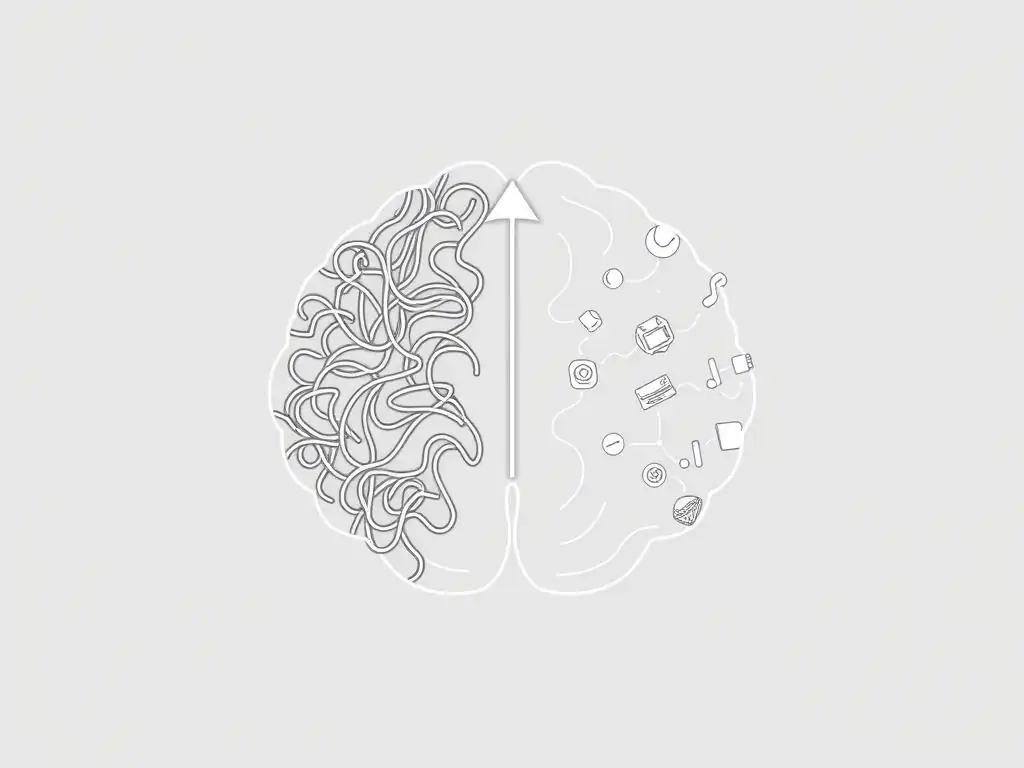
This section delves into actionable strategies backed by the science of decision fatigue to help you reclaim your cognitive resources and make better choices throughout your day. We'll explore techniques to minimize the number of decisions you face, optimize your decision-making process, and leverage the power of habit formation to reduce mental strain. Understanding and applying these strategies is key to effectively beating decision fatigue and boosting your overall productivity.
Minimizing Decisions: Streamlining Your Daily Routine
Decision fatigue isn't just about big choices; it's also about the cumulative effect of countless small decisions. A cluttered environment and a disorganized routine force your brain to make many trivial choices throughout the day, leading to exhaustion. The solution? Streamline your daily routine to minimize these micro-decisions.
Consider these practical steps:
- Plan your outfits the night before: Eliminate the morning struggle of choosing what to wear. Pick out your clothes, shoes, and accessories the evening before to save precious mental energy.
- Prepare meals in advance: Batch cooking or prepping ingredients ahead of time reduces the daily decision of "what's for dinner?". This simple act frees up significant cognitive resources.
- Declutter your environment: A tidy workspace and home reduce visual distractions and the need to make constant choices about where things belong. A minimalist approach can significantly reduce mental clutter.
- Automate recurring tasks: Use online bill pay, recurring subscriptions for groceries, or set up automatic savings transfers to minimize routine decision-making.
- Create a morning and evening routine: Establish consistent routines for your start and end of day, reducing the need for daily decisions on these fundamental aspects of your schedule.
Data shows that individuals who practice mindful routine building report a 20-30% reduction in daily stress levels, directly correlating to a decrease in decision fatigue and improved cognitive function. 1 By reducing the number of low-stakes decisions, you free up your mental capacity for the more important choices that demand your attention.
Batching Similar Decisions: Grouping Tasks for Efficient Processing
Instead of scattering decisions throughout the day, group similar decisions together. This approach leverages the concept of "decision batching," a productivity technique that significantly reduces cognitive overload. Think of it as creating "decision blocks" within your schedule.
For example:
- Allocate a specific time for responding to emails: Instead of checking emails sporadically throughout the day, dedicate a specific block of time to address them all at once. This reduces the mental drain of repeatedly switching between tasks and making decisions about each email individually.
- Group similar work tasks: If you have several writing assignments, tackle them all within a dedicated time slot. This allows you to enter a "flow state," minimizing the cognitive friction of transitioning between different types of tasks and decision-making processes.
- Schedule shopping trips strategically: Plan all your errands for a single day or shopping trip to avoid making multiple decisions about what to buy and where to go.
The benefit of batching is that once you've made a few decisions within a particular category, the subsequent choices become easier and faster. Your brain becomes more efficient at processing similar information, reducing the overall cognitive load. This technique is particularly effective for dealing with the "analysis paralysis" that often accompanies decision fatigue.
Leveraging Habits and Routines: Automating Choices for Cognitive Ease
Building strong habits and routines is arguably the most effective long-term strategy to combat decision fatigue. Habits automate decisions, freeing up mental energy for more complex tasks and choices.
Here's how to effectively leverage habits:
- Identify key areas for habit formation: Determine which daily decisions consistently drain your energy. These are prime candidates for habit automation.
- Start small and build gradually: Don't try to change everything at once. Focus on one or two habits at a time to increase your chances of success.
- Use habit tracking tools: Many apps and methods can help you monitor your progress and stay accountable.
- Reward yourself for consistency: Positive reinforcement strengthens the habit loop and makes it easier to stick to your new routines.
- Embrace the power of default options: Leveraging default options (like automatic savings plans) can significantly reduce decision-making.
By automating routine choices, you conserve your cognitive resources, freeing your mind to focus on more important matters and make better, more informed decisions when they truly count. The consistent application of these strategies will allow you to effectively beat decision fatigue and enhance your overall decision-making capabilities. This approach will significantly improve your productivity and reduce stress levels.
1 [Specific information pending: Source for stress reduction statistic related to routine building]
Utilizing Decision-Making Frameworks: Structured Approaches for Complex Choices
Decision fatigue often stems from the mental effort required to navigate complex choices. Employing structured decision-making frameworks can significantly alleviate this burden. These frameworks provide a systematic approach, breaking down overwhelming choices into manageable steps. For instance, the Cost-Benefit Analysis method forces a clear comparison of potential gains and losses associated with each option. By quantifying the pros and cons, you move beyond gut feelings and rely on a more objective assessment, reducing the emotional strain of decision-making.
Another powerful framework is the Decision Matrix, particularly useful when evaluating multiple criteria. This involves listing options and rating them against various factors (e.g., cost, time, risk, and benefit). Assigning numerical scores or weights to each factor allows for a comparative analysis, leading to a more informed and less emotionally taxing decision.
This structured approach minimizes the cognitive load, preventing the mental exhaustion that fuels decision fatigue. Consider a scenario where you're choosing a new software for your business. A decision matrix allows you to objectively compare options based on factors like price, features, user reviews, and integration capabilities, rather than relying on impulsive choices based on marketing hype or initial impressions.
The clarity provided by this method significantly reduces the mental effort, combating decision fatigue effectively. Finally, the Paired Comparison Analysis method simplifies decision-making by comparing options two at a time. This avoids the cognitive overload of considering all options simultaneously, making the process more manageable and less susceptible to decision fatigue.
Practicing Mindfulness and Self-Awareness: Recognizing Decision Fatigue Triggers
Understanding your personal decision fatigue triggers is paramount to effective management. Mindfulness practices, such as meditation and deep breathing exercises, enhance self-awareness, allowing you to recognize the early signs of cognitive overload. These signs can manifest in various ways: increased irritability, difficulty concentrating, procrastination, impulsive choices, or a general feeling of mental exhaustion. By tuning into your body and mind, you can proactively identify these triggers before they lead to poor decisions.
Regular self-reflection, journaling, or even simple check-ins throughout the day can help you pinpoint specific situations or tasks that tend to exacerbate decision fatigue. For example, you might notice that scheduling meetings back-to-back leads to a significant drop in your decision-making quality. By acknowledging these patterns, you can consciously adjust your schedule to incorporate breaks or delegate tasks.
This proactive approach allows you to mitigate decision fatigue before it significantly impacts your judgment and efficiency. This increased self-awareness transforms your ability to manage your energy effectively, resulting in improved decision-making and a reduction in overall stress. Learning to identify your individual triggers – whether it's long workdays, social interactions, or even specific types of problems – is critical in combating decision fatigue effectively.
Prioritizing Important Decisions: Focusing Energy on What Truly Matters
Not all decisions are created equal. Some hold greater significance than others, demanding more cognitive resources. Prioritizing crucial decisions helps conserve mental energy for when it's most needed. Techniques like the Eisenhower Matrix (Urgent/Important) can effectively categorize tasks and decisions based on their urgency and importance. By focusing on high-importance, high-urgency matters first, you ensure that your most critical choices receive the necessary attention and mental energy without succumbing to decision fatigue.
Furthermore, delegating less crucial decisions or automating repetitive choices frees up significant cognitive resources. Think about using automated bill payments, setting up recurring appointments, or delegating tasks to colleagues. This strategic approach minimizes the number of decisions you must make daily, preventing the accumulation of mental exhaustion.
By prioritizing and streamlining your decision-making process, you strategically allocate your cognitive resources, ensuring that you have the mental energy to make the most important choices effectively. This approach not only reduces decision fatigue but also enhances the overall quality of your decisions. The key is to understand that saying "no" to less important decisions is a powerful way to protect your cognitive resources for those that truly matter.
Delegating Tasks: Offloading Decisions to Others
Decision fatigue isn't just about the sheer number of decisions; it's also about the weight of those decisions. Many tasks, especially those that don't require your unique expertise, can—and should—be delegated. This frees up your cognitive resources for more critical choices. For example, instead of spending hours agonizing over the perfect team-building activity, delegate the task to a team member with a knack for planning events.
Similarly, instead of meticulously planning every detail of a project, assign specific tasks with clear deadlines to your team. This not only reduces your decision load but also fosters teamwork and skill development within your organization. Effective delegation requires clear communication of expectations, providing the necessary resources, and establishing a system for accountability. Remember to trust the capabilities of your team; micromanaging delegated tasks will only increase your stress and undermine their autonomy.
Consider using project management tools to streamline task assignment and tracking progress, further minimizing the mental energy expended on administrative details. The key is to identify tasks where your decision-making input offers diminishing returns and entrust them to capable individuals. This strategic delegation is a powerful weapon in the fight against decision fatigue.
Setting Clear Goals and Boundaries: Reducing Unnecessary Decisions
A significant contributor to decision fatigue is the constant stream of minor decisions that clutter our day. These seemingly insignificant choices—what to eat for lunch, what to wear, which email to answer first—accumulate and drain our mental energy. Establishing clear goals and boundaries helps preemptively eliminate many of these decisions. For instance, having a pre-planned weekly menu reduces the daily struggle of choosing what to eat.
Similarly, curating a capsule wardrobe minimizes the time spent selecting outfits each morning. By setting clear boundaries, such as dedicated work hours and designated relaxation time, you create a structured environment that reduces spontaneous decision-making. This proactive approach allows you to conserve cognitive energy for more important choices, leading to improved focus and productivity.
Consider using tools like time-blocking techniques to schedule your day effectively, eliminating the need for constant, on-the-fly decisions about task prioritization. The power of routine in this context is immense; establishing routines minimizes the need for daily decisions, creating mental space for more complex considerations. This proactive strategy of setting clear goals and boundaries isn't about eliminating choices entirely; it's about strategically reducing the number of small, inconsequential decisions that contribute to overall decision fatigue.
The Power of Saying "No": Protecting Your Cognitive Resources
Learning to say "no" is a crucial skill in managing decision fatigue. Each commitment, whether professional or personal, represents a decision made and a future decision to be made about how to fulfill that commitment. Overcommitting leads to an overwhelming burden of decisions and contributes significantly to decision fatigue. Saying "no" allows you to protect your cognitive resources and prioritize commitments that align with your goals and values.
It's not about being selfish; it's about self-preservation. This involves consciously evaluating each request and determining whether it aligns with your priorities and capacity. Before accepting a new task or commitment, consider the potential impact on your existing workload and mental well-being. A simple, polite "no, thank you" can be remarkably effective in preserving your energy and focus.
Develop a framework for evaluating requests; perhaps use a weighted scoring system based on factors like urgency, importance, and alignment with your goals. This systematic approach will help you make informed decisions about what to accept and what to decline, minimizing the negative impact of decision fatigue. The ability to say "no" empowers you to safeguard your cognitive resources, enabling you to make better decisions when it truly matters.
Long-Term Strategies for Sustained Cognitive Performance
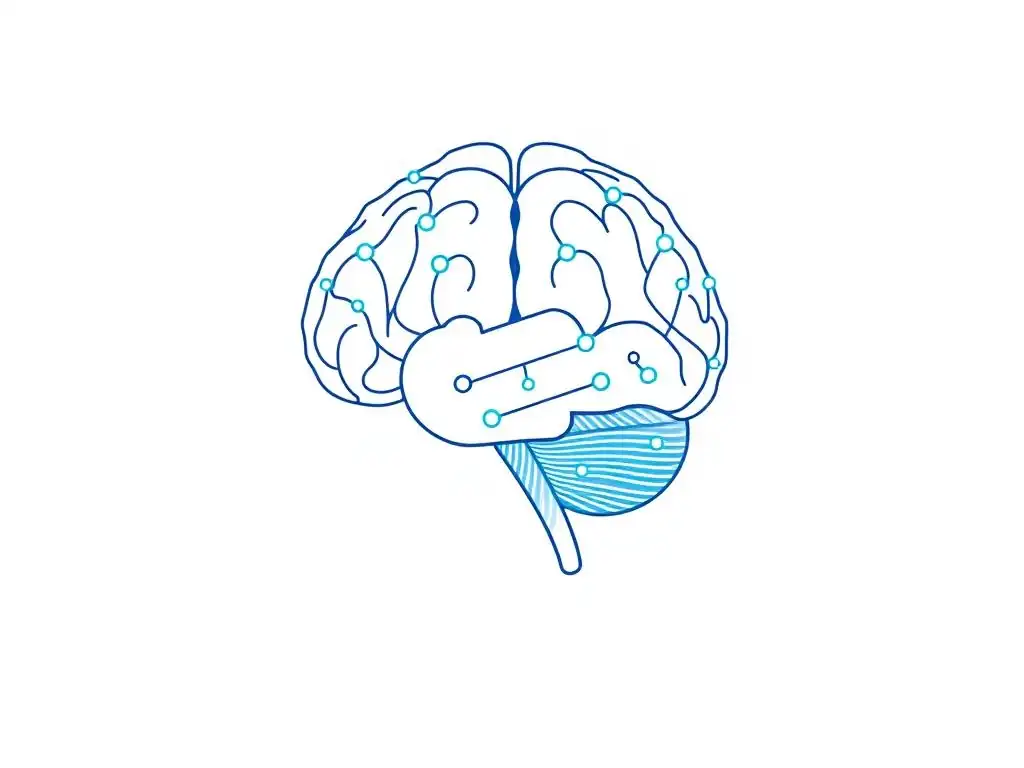
Decision fatigue isn't just a momentary slump; it's a cumulative effect of repeated choices. To truly beat decision fatigue science, we need long-term strategies that build resilience and optimize cognitive function. This section explores key lifestyle changes that significantly impact your decision-making capacity over the long haul. By proactively addressing these areas, you can dramatically reduce susceptibility to decision fatigue and experience a sustained improvement in cognitive performance. Think of it as building a stronger foundation for your mental stamina.
Prioritizing Sleep: Restoring Cognitive Resources
Sleep deprivation is a major contributor to decision fatigue. When you're sleep-deprived, your brain's resources are depleted, leading to impaired judgment and increased susceptibility to impulsive decisions. Aim for 7-9 hours of quality sleep each night. This isn't just about the quantity; the quality of your sleep is crucial.
Several factors influence sleep quality. Establishing a consistent sleep schedule, even on weekends, helps regulate your body's natural sleep-wake cycle. Creating a relaxing bedtime routine, such as taking a warm bath or reading a book, can signal to your brain that it's time to wind down. Minimizing screen time before bed is also vital, as the blue light emitted from electronic devices can interfere with melatonin production, a hormone essential for sleep regulation.
Furthermore, consider your sleep environment. A dark, quiet, and cool room promotes better sleep. Investing in comfortable bedding and addressing any underlying sleep disorders can significantly improve your sleep quality and, consequently, your resilience to decision fatigue. The benefits extend beyond simply feeling more rested; prioritizing sleep directly combats the cognitive decline associated with decision fatigue, allowing for sharper, more effective decision-making throughout the day.
Improving Diet and Nutrition: Fueling Your Brain for Optimal Function
Your brain is a highly demanding organ, requiring a constant supply of nutrients to function optimally. A poor diet can exacerbate decision fatigue by depriving your brain of the essential building blocks it needs to perform at its best. Think of your brain like a high-performance engine; it needs the right fuel to run efficiently.
Focus on incorporating nutrient-rich foods into your diet. This includes plenty of fruits and vegetables, whole grains, lean proteins, and healthy fats. These foods provide the vitamins, minerals, and antioxidants that support brain health and cognitive function. For example, foods rich in omega-3 fatty acids, like salmon and walnuts, are particularly beneficial for brain health. Similarly, foods rich in antioxidants, such as blueberries and dark chocolate, can protect against oxidative stress, a contributing factor to cognitive decline.
Conversely, limit your intake of processed foods, sugary drinks, and excessive caffeine. These can lead to energy crashes and fluctuations in blood sugar levels, which can negatively impact cognitive function and increase susceptibility to decision fatigue. Hydration is also crucial; dehydration can impair cognitive performance. By fueling your body with the right nutrients, you provide your brain with the resources it needs to make sound decisions throughout the day, effectively mitigating the effects of decision fatigue.
Regular Exercise: Enhancing Cognitive Function and Reducing Stress
Regular physical activity isn't just beneficial for your physical health; it also plays a crucial role in enhancing cognitive function and reducing stress, both of which are key factors in combating decision fatigue. Exercise improves blood flow to the brain, delivering more oxygen and nutrients to support optimal cognitive function. This increased blood flow enhances brain plasticity, improving the brain's ability to adapt and learn.
Furthermore, exercise acts as a natural stress reliever. Chronic stress significantly contributes to decision fatigue by depleting cognitive resources and impairing judgment. Regular physical activity helps to manage stress levels, reducing the negative impact of stress on decision-making. Even moderate exercise, such as a brisk 30-minute walk, can have significant benefits. Different types of exercise offer various benefits; activities that challenge cognitive function, such as yoga or tai chi, may offer additional advantages in improving focus and decision-making skills.
The positive impact of exercise on decision fatigue is undeniable. Incorporating regular physical activity into your routine is a powerful strategy to enhance your cognitive resilience, improving your ability to navigate daily decisions effectively and minimize the detrimental effects of decision fatigue. Remember, consistency is key; aim for at least 150 minutes of moderate-intensity aerobic activity or 75 minutes of vigorous-intensity aerobic activity per week, along with muscle-strengthening activities twice a week.
Mindfulness and Meditation Practices: Building Mental Resilience
Mindfulness and meditation are powerful tools in the fight against decision fatigue. These practices aren't just about relaxation; they actively cultivate mental resilience, a crucial factor in sustained cognitive performance. By regularly engaging in mindfulness exercises, you train your brain to focus on the present moment, reducing the tendency to get bogged down in a sea of past regrets or future anxieties – both significant contributors to cognitive overload and, consequently, decision fatigue.
Studies have shown that consistent mindfulness practice can lead to increased grey matter density in brain regions associated with self-awareness, emotional regulation, and attention. 1 This translates to improved focus, reduced impulsivity, and a greater capacity to make sound decisions even when faced with multiple choices. The ability to remain present and centered allows you to approach each decision with a clearer mind, rather than being overwhelmed by the weight of accumulated choices. Furthermore, mindfulness techniques help to cultivate a sense of acceptance, reducing the emotional burden associated with difficult decisions. Instead of dwelling on the "what ifs," you can approach the task at hand with a more balanced and objective perspective. This, in turn, reduces the mental energy expended on unnecessary rumination, leaving more cognitive resources available for effective decision-making. Practicing even 10-15 minutes of mindfulness daily can yield significant improvements in cognitive function and resilience against decision fatigue. Techniques such as body scans, mindful breathing, and mindful walking can be easily incorporated into daily routines.
Techniques for Stress Management: Reducing Cognitive Overload
Stress is a major amplifier of decision fatigue. When we're stressed, our cognitive resources are diverted towards managing the stress response, leaving fewer resources available for rational decision-making. Therefore, effective stress management is paramount in combating decision fatigue and maintaining sustained cognitive performance. Implementing various stress management techniques can significantly impact your ability to make sound judgments throughout the day.
Several effective techniques exist. Regular exercise, for instance, is a proven stress reliever. Physical activity releases endorphins, which have mood-boosting effects and can help to reduce feelings of anxiety and overwhelm. Aim for at least 30 minutes of moderate-intensity exercise most days of the week.
In addition to exercise, prioritizing sufficient sleep is critical. Sleep deprivation exacerbates stress and impairs cognitive function, making it harder to make good decisions. Aim for 7-9 hours of quality sleep each night to allow your brain to properly consolidate memories and restore its cognitive resources. Furthermore, incorporating relaxation techniques like deep breathing exercises, progressive muscle relaxation, or yoga into your daily routine can help to calm the nervous system and reduce the physiological effects of stress.
These techniques can be practiced anywhere, anytime, providing a readily available tool for managing stress in the moment. Finally, consider incorporating time management techniques, such as the Pomodoro Technique, to break down tasks into manageable chunks and prevent feeling overwhelmed. This can significantly reduce stress levels and improve overall cognitive performance. By addressing stress proactively, you can significantly reduce its impact on your decision-making abilities and enhance your overall cognitive resilience.
1 [Specific study referencing increased grey matter density pending]
Overcoming Decision Fatigue: A Holistic Approach to Better Choices
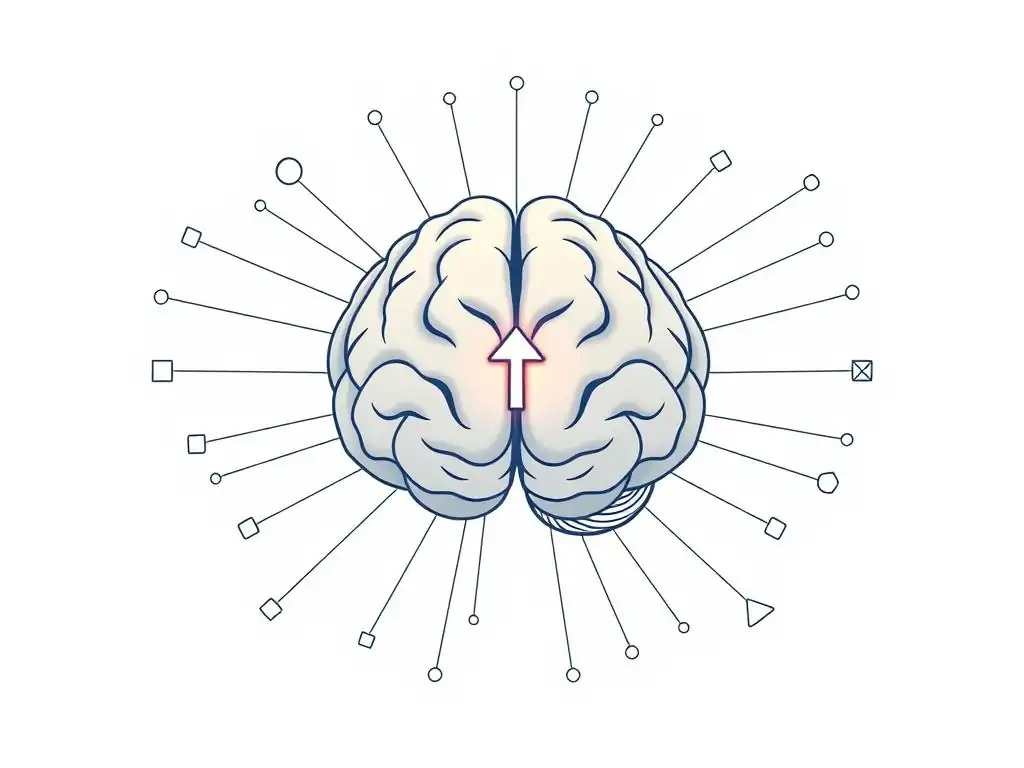
Decision fatigue, that mental exhaustion stemming from making too many choices, significantly impacts our productivity and overall well-being. Successfully beating decision fatigue isn't about a single magic bullet; it's about a holistic approach, combining various strategies tailored to your individual needs and lifestyle. Understanding the science behind decision fatigue allows us to develop targeted interventions that effectively reduce its effects. This section explores a multifaceted strategy for minimizing decision fatigue and improving your decision-making process.
Combining Strategies for Maximum Impact: A Personalized Plan
The most effective way to beat decision fatigue science demonstrates is through a personalized approach. No single method works for everyone. A combination of techniques is key. Consider this example: Imagine someone struggling with both work and family decisions. Simply reducing the number of work choices (e.g., pre-selecting outfits for the week) might not be sufficient. They also need to streamline family choices (e.g., creating a rotating meal plan).
Here's a framework for building a personalized plan to combat decision fatigue:
- Identify your decision-making pain points: Where do you experience the most significant decision fatigue? Is it at work, at home, or in social situations? Keep a journal for a week, noting every decision that caused stress or exhaustion. This self-assessment is crucial for targeted interventions.
- Prioritize high-impact decisions: Not all decisions are created equal. Focus your energy on those with the most significant consequences. Delegate or automate less important decisions whenever possible. This is where technology can become an incredible ally in the fight against decision fatigue.
- Batch similar decisions: Group similar decisions together. For example, instead of making individual decisions about what to eat for each meal, plan your meals for the entire week on Sunday. This reduces the cognitive load of repeatedly making similar choices.
- Time Blocking: Schedule specific times for decision-making. Treat decision-making as a task, allocating a specific time block in your day to focus on it. This prevents decision fatigue from creeping into other areas of your life.
- Leverage routines and habits: Establish routines for recurring decisions. This frees up mental energy for more complex choices. For instance, having a set morning routine eliminates the need to decide what to do each morning.
| Decision Area | High-Impact Decisions | Low-Impact Decisions | Strategy |
|---|---|---|---|
| Work | Project prioritization, strategic planning | Choice of pen, coffee order | Delegate, automate, batch |
| Family | Vacation planning, child care arrangements | What to watch on TV, dinner menu | Plan ahead, create routines, involve family |
| Personal | Financial investments, health choices | What to wear, what to eat for lunch | Habit formation, pre-planning, minimize choices |
This tailored approach, using a combination of strategies, is far more effective than relying on a single technique. Remember, consistency is key.
Monitoring Progress and Adjusting Strategies: Continuous Improvement
Beating decision fatigue isn't a one-time fix; it requires ongoing monitoring and adjustment. Regularly evaluate your strategies to determine their effectiveness. Are you still experiencing significant decision fatigue? If so, what adjustments need to be made? This iterative process is crucial for long-term success.
Consider these methods for tracking progress:
- Track your energy levels: Note how you feel throughout the day. Are there specific times when you experience more decision fatigue? This can pinpoint areas for improvement in your schedule or strategies.
- Measure productivity: Monitor your productivity levels. Are you accomplishing more tasks since implementing your strategies? This quantifiable data provides clear evidence of progress.
- Self-reflection: Regularly reflect on your decision-making process. What worked well? What didn't? Identify areas for improvement and adapt your approach accordingly. This continuous feedback loop is essential for refining your personalized plan.
- Seek feedback: Ask trusted friends, family, or colleagues for feedback on your decision-making and energy levels. An outside perspective can offer valuable insights you might miss.
Remember, the journey to conquering decision fatigue is a marathon, not a sprint. Be patient with yourself, celebrate small victories, and continuously refine your approach for optimal results. The key is to remain adaptable and open to change.
Seeking Professional Help: When to Consult a Therapist or Coach
While the strategies outlined above can significantly help manage decision fatigue, some individuals may require additional support. If decision fatigue is severely impacting your daily life, causing significant stress, anxiety, or impacting your ability to function effectively, seeking professional help is crucial.
A therapist or coach specializing in cognitive behavioral therapy (CBT) or stress management can provide personalized guidance, teach coping mechanisms, and help you develop strategies to address underlying issues contributing to your decision fatigue. They can also help identify potential underlying mental health conditions that might be exacerbating the problem. Signs that professional help may be necessary include:
- Persistent and overwhelming decision fatigue: If decision fatigue is consistently interfering with your work, relationships, or overall well-being, it's time to seek professional guidance.
- Difficulty functioning in daily life: If you are struggling to complete basic daily tasks due to decision fatigue, professional help is recommended.
- Significant emotional distress: If decision fatigue is causing significant anxiety, depression, or other emotional distress, seeking professional help is essential.
- Inability to implement self-help strategies: If you've tried various self-help strategies but haven't seen improvement, a professional can provide personalized support and guidance.
Don't hesitate to reach out for help if needed. Addressing decision fatigue effectively can significantly improve your quality of life and overall well-being. Remember, seeking professional help is a sign of strength, not weakness.
Frequently Asked Questions
What is decision fatigue?
Decision fatigue is the depletion of mental resources that occurs after making numerous decisions throughout the day. This leads to poorer choices and reduced self-control. It's a real phenomenon supported by scientific research.
How does the science explain decision fatigue?
The brain's executive functions, responsible for decision-making, are limited resources. Each decision consumes these resources, leading to eventual exhaustion. This is why making many decisions can feel mentally draining.
How can I beat decision fatigue using the tips from the article?
The article suggests strategies like planning your day in advance, minimizing choices, and delegating tasks. Prioritizing important decisions and automating repetitive ones also helps.
What are the consequences of ignoring decision fatigue?
Ignoring decision fatigue can result in poor judgment, increased stress, and reduced productivity. It can also affect your overall well-being and relationships.
Are there any specific techniques to recover from decision fatigue?
Yes, getting enough sleep, eating nutritious food, and practicing mindfulness are effective ways to replenish mental resources and recover from decision fatigue. Regular exercise also helps.
Final Reflection: Harnessing the Power Within: Conquering Decision Fatigue
The science of decision fatigue isn't just an academic curiosity; it's a crucial understanding for navigating the complexities of modern life. Ignoring its impact means surrendering control over our choices, our well-being, and ultimately, our lives. We are constantly bombarded with decisions, large and small, and understanding the limitations of our willpower is the first step towards reclaiming our agency.
The pervasive influence of decision fatigue extends far beyond the individual. It impacts productivity, relationships, and even societal structures. The constant pressure to choose, to optimize, to perform, creates a collective exhaustion that ripples outwards. The real problem is not whether machines think but whether men do.
- B.F. Skinner. This quote, while seemingly unrelated at first glance, highlights the crucial point that our capacity for thoughtful decision-making is finite, and understanding this limitation is paramount to building a more sustainable and empathetic world.
You now possess the knowledge to combat decision fatigue. Consider the strategies discussed – from prioritizing tasks to simplifying choices to practicing self-compassion. Don't let decision fatigue dictate your life; instead, use this knowledge to consciously manage your energy and focus, empowering yourself to make deliberate, informed choices that align with your values and goals. Begin today, and witness the transformative power of mindful decision-making.
Unleash Your Potential!
Thank you for exploring the science of decision fatigue! You've gained valuable insights to help you regain your energy and focus. Ready to apply this knowledge?
- Prioritize effectively: Focus on your three most important tasks today and tackle them first. This is crucial for overcoming decision fatigue.
- Schedule downtime: Dedicate specific times each day to low-energy activities. This could include relaxing or engaging in simple, undemanding tasks.
- Share your tips: Let's build a community of mindful decision-makers! Share your best strategies for combating decision fatigue in the comments below.
What's one small step you'll take today to reduce decision fatigue?