
Digital Efficiency and Software Updates: Keep Your Software Running Smoothly


Welcome to UltimateLifeHacks, your destination for practical strategies to conquer daily life! Are you tired of endless software updates disrupting your workflow? Discover how to dramatically optimize your software update process and reclaim valuable time. Learn the secrets to seamless digital efficiency and unlock a more productive you—read on to discover the surprisingly simple solutions waiting inside.
- Understanding the Importance of Timely Software Updates for Digital Efficiency
-
Optimizing Your Software Update Process: A Step-by-Step Guide
- Scheduling Regular Update Checks and Installation
- Prioritizing Critical Security Patches and Updates
- Managing Automatic Updates Effectively: Balancing Automation with Control
- Implementing a System for Testing Updates Before Full Deployment
- Utilizing Update Management Software for Streamlined Processes
- Troubleshooting Common Software Update Issues
- Best Practices for Efficient Software Update Management
- Advanced Techniques for Optimizing Software Update Processes
- Frequently Asked Questions
- Final Reflection: The Ever-Evolving Dance of Digital Efficiency
- Unleash Your Digital Potential: Take Control of Your Software!
Understanding the Importance of Timely Software Updates for Digital Efficiency
Maintaining optimal digital efficiency hinges on more than just possessing the right tools; it's about keeping those tools sharp and running smoothly. This means proactively managing software updates, a critical aspect often overlooked in the pursuit of productivity. Ignoring software updates can lead to a cascade of negative consequences, impacting everything from your system's security and performance to your overall productivity and peace of mind. This article will explore the crucial role of timely software updates in optimizing your digital workflow, helping you streamline your processes and maximize your efficiency.
We'll delve into the specific impacts of outdated software, the security vulnerabilities it creates, and how regular updates contribute to a more stable and performant system. By the end, you’ll understand how optimizing your software update process is a fundamental step towards achieving ultimate digital efficiency. Let's begin by examining the detrimental effects of neglecting these essential updates.
The Impact of Outdated Software on Productivity
Outdated software directly translates to lost productivity. Imagine this: you're in the middle of a crucial project, relying on a specific software application. Suddenly, it crashes, refuses to open, or starts exhibiting strange behaviors.
This isn't just an inconvenience; it's a significant disruption to your workflow. Outdated software often lacks the latest performance enhancements and bug fixes, leading to slower processing speeds, frequent crashes, and incompatibility issues with other programs. These problems accumulate, consuming valuable time and mental energy that could be spent on more productive tasks.
The cumulative effect of these minor disruptions can drastically reduce your overall efficiency, potentially impacting project deadlines and overall output. For example, an outdated graphic design software might lack features that would significantly speed up the editing process, resulting in extra hours spent on a single project. The cost of this lost time can be substantial, both in terms of personal productivity and potential financial losses.
Security Risks Associated with Neglecting Software Updates
Perhaps the most significant risk associated with neglecting software updates is the increased vulnerability to security threats. Software developers constantly release updates to patch security holes and vulnerabilities that hackers could exploit. Outdated software is like an open door for malware, viruses, and other malicious attacks. These threats can range from data breaches and identity theft to complete system compromise, potentially leading to significant financial and personal losses. Regular updates act as a crucial security layer, protecting your sensitive data and your system's integrity. Ignoring these updates leaves your digital environment exposed, increasing your risk profile exponentially. Consider the impact of a ransomware attack on a business using outdated accounting software: the potential financial and operational repercussions could be devastating. Prioritizing software updates is not just about convenience; it's a fundamental aspect of digital security hygiene. The peace of mind that comes from knowing your systems are protected is invaluable.
How Software Updates Enhance System Performance and Stability
Beyond security, software updates frequently include performance enhancements and stability improvements. These updates often optimize code, improve resource management, and fix bugs that may have been causing slowdowns or crashes. The result is a smoother, faster, and more reliable system. Updates can also introduce new features and functionalities, enhancing your overall user experience and potentially boosting your productivity.
For instance, a word processing software update might include a new feature that automates a repetitive task, saving you considerable time and effort over the long term. This cumulative effect of performance enhancements and improved stability contributes to a more efficient and enjoyable digital experience. Investing time in regular software updates is an investment in the long-term health and performance of your digital ecosystem, leading to significant gains in overall productivity and efficiency.
Optimizing Your Software Update Process: A Step-by-Step Guide
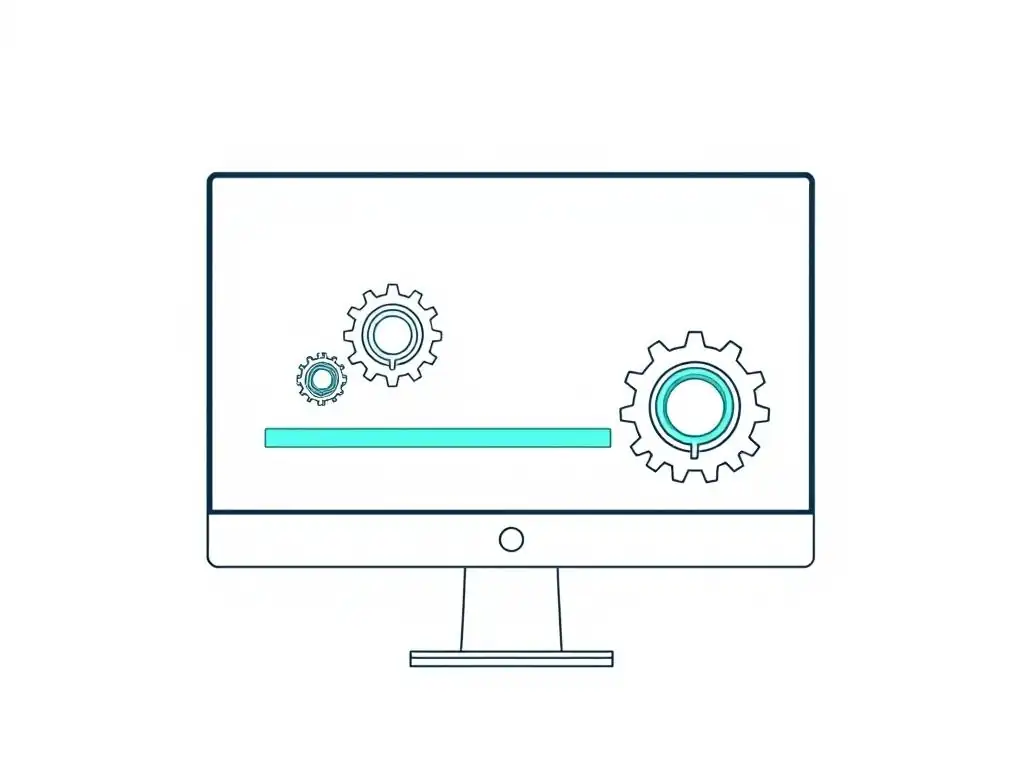
This section details practical strategies to streamline your software update process, minimizing disruptions while maximizing security and performance. Efficiently managing updates is crucial for maintaining a productive digital workflow and preventing costly downtime. Optimizing this process directly impacts your overall digital efficiency.
Scheduling Regular Update Checks and Installation
Proactive update management is key to preventing issues before they arise. Instead of reacting to problems, establish a routine for checking and installing updates. Don't wait for pop-up notifications; take control.
Many software programs allow you to configure update schedules. For example, you can set your operating system to check for updates weekly and install them overnight or during periods of low usage. This minimizes interruptions to your workflow. Similarly, you can schedule updates for individual applications, such as your antivirus software or productivity suites.
Consider using a dedicated update management tool (if available for your software). These tools often provide centralized control, allowing you to schedule updates across multiple applications simultaneously. This consolidated approach streamlines the entire process and saves considerable time.
Think of it like this: Regular maintenance prevents major repairs. Scheduling regular software update checks is akin to preventative maintenance for your digital tools. The small amount of time invested upfront far outweighs the potential time loss from dealing with software glitches or security vulnerabilities later.
Prioritizing Critical Security Patches and Updates
Not all updates are created equal. Security patches often take precedence. These updates address vulnerabilities that could expose your system to malware or hacking attempts. Prioritizing these updates is paramount for maintaining the security of your data and preventing potentially catastrophic consequences.
To effectively prioritize, categorize updates based on their severity level. Many software providers clearly indicate the criticality of an update (e.g., critical, high, medium, low). Focus on installing critical and high-priority updates immediately. Medium and low-priority updates can often be scheduled for later, depending on your workflow and available time.
Here's a simple table illustrating this prioritization:
| Update Category | Severity | Action |
|---|---|---|
| Security Patch (Critical) | Critical | Install immediately |
| Security Patch (High) | High | Install within 24-48 hours |
| Feature Update | Medium | Schedule for installation during off-peak hours |
| Minor Bug Fix | Low | Install at your convenience |
Remember, neglecting critical security updates leaves your system vulnerable to exploits, potentially leading to data breaches, system crashes, and significant productivity losses. Prioritizing these updates is a crucial aspect of optimizing your software update process.
Managing Automatic Updates Effectively: Balancing Automation with Control
Automatic updates offer convenience, but uncontrolled automation can lead to unexpected interruptions. The key is finding the right balance between automation and manual control.
While automatic updates ensure your software is always up-to-date, they can sometimes interfere with ongoing work. Ideally, configure automatic updates to download in the background but require your approval before installation. This allows you to schedule installations at a convenient time, minimizing disruptions to your workflow. For example, you might choose to have updates download overnight and install at the start of your next work session.
Some software allows you to customize automatic update settings extensively. This includes specifying times for automatic downloads and installations, setting bandwidth limits to avoid network congestion, and choosing whether to restart your system automatically after an update. Explore these settings to find the perfect balance between automation and control. This nuanced approach is vital for optimizing your software update process and ensuring a smooth, uninterrupted digital experience. Remember that even with automation, regular manual checks are recommended to ensure everything is running smoothly and to address any unexpected issues.
Implementing a System for Testing Updates Before Full Deployment
Before unleashing a software update on your entire system or network, a robust testing phase is crucial to mitigate potential disruptions and ensure a smooth transition. This involves more than just clicking "install" on a single machine. A well-structured testing system should mirror your production environment as closely as possible. This minimizes the chances of encountering unexpected issues after a full deployment.
One effective approach is to create a dedicated testing environment. This could be a virtual machine (VM) mirroring your primary system's configuration, a separate physical machine, or even a small subset of your user base designated for beta testing. In this controlled environment, you can install and thoroughly test the update, observing its impact on performance, functionality, and compatibility with other software.
Consider a phased rollout. This approach involves deploying the update to a small segment of your users first, monitoring for issues closely before expanding to larger groups. This allows for early detection and resolution of problems, preventing widespread disruption. Real-time monitoring tools can be invaluable here, providing immediate alerts of any unexpected behavior or errors.
For example, monitoring CPU usage, memory consumption, and network activity can help identify performance bottlenecks early in the testing process. Detailed logging of all activities during the test phase is also essential for post-mortem analysis and future improvements to your update process. This proactive approach significantly reduces the risk of widespread system failures following a software update. Careful planning and execution of your testing strategy are key elements of optimizing your software update process.
Utilizing Update Management Software for Streamlined Processes
Manually managing software updates across multiple devices or a large network is inefficient and error-prone. This is where update management software comes in, offering a centralized platform to streamline the entire process. These tools provide a single point of control for deploying, scheduling, and monitoring updates across your entire infrastructure. This significantly reduces the administrative overhead associated with maintaining up-to-date software.
Features to look for in update management software include automated patching, scheduled updates, and robust reporting capabilities. Automated patching ensures that systems are consistently updated with the latest security patches and bug fixes, minimizing vulnerabilities. Scheduled updates allow you to deploy updates during off-peak hours to minimize disruption to users. Comprehensive reporting provides valuable insights into the update process, allowing you to identify trends, troubleshoot issues, and optimize your deployment strategies. For instance, you might discover that certain updates consistently cause problems on specific hardware configurations, allowing you to proactively address these issues.
The choice of update management software depends heavily on your specific needs and the scale of your operation. Some solutions are designed for small businesses managing a handful of computers, while others cater to large enterprises with thousands of devices. Consider factors such as the number of devices to be managed, the complexity of your network infrastructure, and the level of automation required when selecting a suitable solution.
The investment in robust update management software is a significant step towards optimizing your software update process and ensuring the long-term stability and security of your systems. Proper utilization of these tools can drastically reduce downtime and improve overall IT efficiency.
Troubleshooting Common Software Update Issues
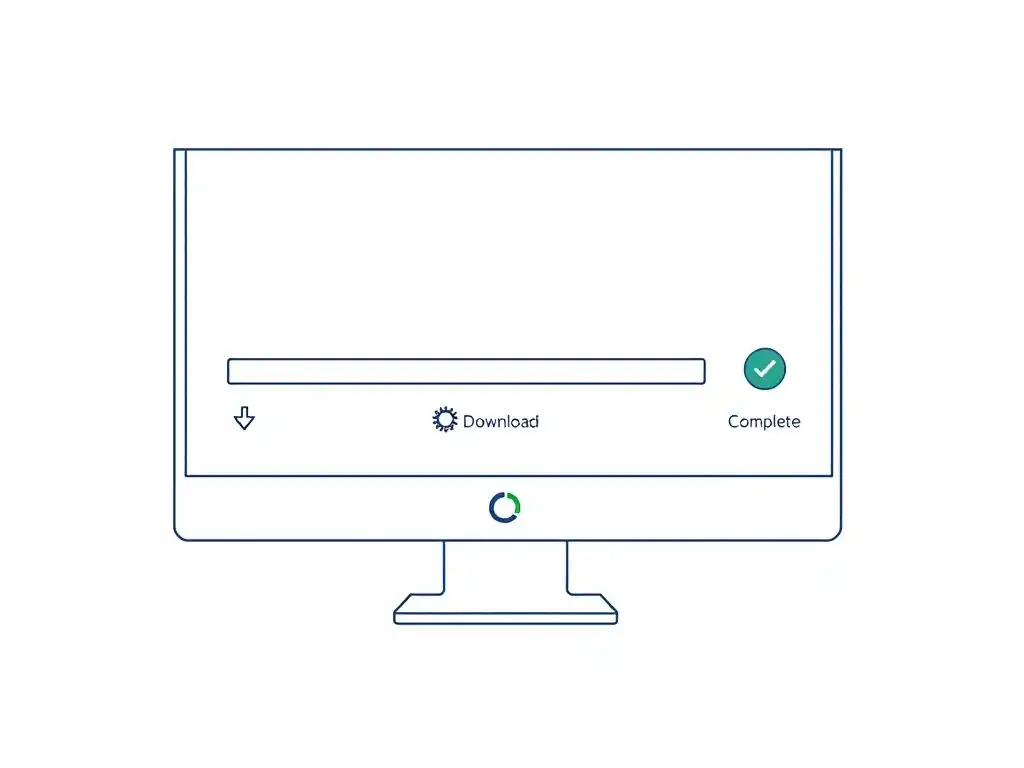
This section dives deep into practical solutions for common problems encountered during software updates, helping you optimize your software update process and minimize downtime. Efficiently managing updates is crucial for maintaining system stability and security. Let's tackle some frequent hurdles.
Resolving Download and Installation Errors
Software updates sometimes fail due to interrupted downloads, corrupted files, or insufficient permissions. Here's a breakdown of troubleshooting steps:
First, ensure a stable internet connection. A weak or fluctuating connection is a primary culprit in failed downloads. Try connecting via Ethernet instead of Wi-Fi for a more reliable connection. This simple step often resolves the issue immediately.
Next, check for sufficient disk space. Many updates require significant temporary storage. Free up space by deleting unnecessary files or uninstalling unused programs. Monitor disk space during the download to avoid unexpected interruptions. You can use system tools like Disk Cleanup (Windows) or Disk Utility (macOS) to help manage storage effectively.
If the error persists, try restarting your computer before attempting the update again. This clears any temporary files or processes that might be interfering. A clean reboot often solves seemingly intractable problems.
Finally, consider running a system file checker. Tools like sfc /scannow (Windows) or Disk Utility's First Aid (macOS) can identify and repair corrupted system files that might be causing the update failure. This ensures a clean slate for the update process. Remember to back up your important data before running these checks, as unforeseen consequences are possible, though rare.
Here's a table summarizing the troubleshooting steps for download and installation errors:
| Step | Description | OS Compatibility |
|---|---|---|
| Check Internet Connection | Ensure a stable and strong connection (Ethernet preferred). | Windows, macOS, Linux |
| Check Disk Space | Ensure sufficient free space on your hard drive. | Windows, macOS, Linux |
| Restart Computer | Restart your computer to clear temporary files and processes. | Windows, macOS, Linux |
| Run System File Checker | Use built-in tools to identify and repair corrupted system files. | Windows, macOS, Linux |
Dealing with System Conflicts After Updates
Software updates, while beneficial, can sometimes introduce conflicts with other programs or system components. These conflicts can manifest as application crashes, system instability, or unexpected behavior.
One common cause is driver incompatibility. Updates might introduce drivers that clash with existing hardware drivers. Check your device manager (Windows) or System Information (macOS) for any conflicts or exclamation marks indicating driver issues. If found, try updating or rolling back the conflicting drivers.
Another source of conflict is application incompatibility. Older applications might not be compatible with the updated system. Check for updates to your applications or consider using alternative, compatible software. Always check for application compatibility notes released alongside system updates.
Sometimes, a clean boot can help identify the source of the conflict. A clean boot starts Windows with a minimal set of drivers and startup programs, allowing you to isolate the problematic application or driver. This process is documented in detail in Microsoft's support documentation. This method allows for a systematic identification of the conflict source.
Data loss after a software update, though infrequent, is a serious concern. Immediate action is crucial to maximize the chances of recovery.
First, avoid further use of the system. Any further actions could overwrite corrupted data, making recovery more difficult or impossible.
Next, attempt data recovery using specialized software. Many data recovery tools are available, offering varying levels of sophistication and effectiveness. Choose a reputable tool and follow its instructions carefully. Remember that the success of data recovery depends on several factors, including the extent of the corruption and the speed of intervention.
If the recovery software fails, consider professional data recovery services. These services utilize advanced techniques and tools, increasing the likelihood of successful recovery. This is a more costly option, but it might be necessary for critical data.
Finally, learn from the experience. Regular backups are paramount. Implement a robust backup strategy to minimize the impact of future data loss incidents. Consider using cloud storage, external hard drives, or a combination of both for redundancy. The 3-2-1 backup rule (3 copies of your data, on 2 different media, with 1 offsite copy) is a widely recommended best practice. This proactive approach significantly mitigates the risk of data loss.
Addressing Compatibility Problems with Older Hardware or Software
Older hardware and software can sometimes present significant challenges when attempting to optimize the software update process. Many updates require specific minimum system requirements, and if your hardware or existing software doesn't meet these criteria, you might encounter compatibility issues. These issues can range from simple glitches and performance slowdowns to complete application failures.
For instance, attempting to install the latest version of a graphic design software on a computer with outdated graphics processing capabilities could lead to crashes, corrupted files, or an inability to even launch the program. This is because the new software might rely on features or functionalities not supported by older hardware components.
One of the most common compatibility problems arises from outdated drivers. Drivers are essential software components that allow your operating system to communicate with your hardware. If your drivers are out of date, new software updates might not function correctly, leading to instability or malfunctions. Regularly checking for and installing driver updates is therefore crucial for maintaining software compatibility. Many manufacturers provide automated driver update utilities on their websites, simplifying this process. However, it’s important to download drivers only from trusted sources to avoid installing malicious software.
Another frequent hurdle is software dependencies. Modern applications often rely on other software components or libraries to function. If an update requires a newer version of a dependent library that your system doesn't have, the update will likely fail. In such cases, you might need to update the dependent software first, and only then attempt the main software update.
Understanding these dependencies can be complex, but carefully reviewing the update's system requirements usually provides clues about potential conflicts. Sometimes, the solution is as simple as installing a missing runtime library, while other times it might involve a more extensive troubleshooting process. If you're unsure, consulting online forums or the software developer's support documentation can be invaluable.
Finally, remember that attempting to force an update on incompatible hardware or software can potentially lead to data loss or system instability. It is always advisable to carefully assess the system requirements before initiating an update. If compatibility issues persist despite your efforts, consider seeking assistance from technical support or exploring alternative software solutions that are better suited to your older system. Upgrading your hardware might be a long-term solution to alleviate these ongoing problems and ensure a smoother software update process in the future. This can significantly improve your overall digital efficiency.
Best Practices for Efficient Software Update Management
This section delves into practical strategies to streamline your software update process, ultimately optimizing your digital workflow and minimizing disruptions. Efficient software update management is crucial for both individual productivity and maintaining the security of your digital assets. Neglecting updates leaves your systems vulnerable to exploits and can lead to significant downtime. Let's explore proven methods to optimize this often-overlooked aspect of digital efficiency.
Creating a Dedicated Update Schedule
Implementing a structured update schedule is the cornerstone of efficient software update management. Instead of reacting to pop-up notifications or remembering updates sporadically, a proactive approach ensures timely patching and minimizes interruptions. Consider these points when creating your schedule:
- Prioritize Critical Updates: Categorize software based on criticality. Operating systems, antivirus software, and security-related applications should be at the top of your list, updated immediately upon release. Less critical applications can be scheduled for updates on a less frequent basis, perhaps weekly or monthly.
- Time of Day: Schedule updates for off-peak hours, such as overnight or during lunch breaks, to minimize disruption to your workflow. This is especially important for applications you use regularly.
- Frequency: A weekly review of available updates is a good starting point. This allows you to catch critical security patches promptly while still managing updates in a manageable way. For less critical software, a monthly review might suffice.
- Automation: Leverage the built-in update features of your operating system and applications. Many allow for automated updates, simplifying the process and ensuring timely patching. However, remember to always monitor for any unexpected issues.
- Testing: Before implementing a new update schedule across all your devices, test it on a single machine first. This allows you to identify and resolve any potential conflicts or issues before affecting your entire system.
Implementing a Robust Backup and Recovery System
Before initiating any software update, particularly major ones, a robust backup and recovery system is paramount. This precaution safeguards your data against unforeseen issues that might arise during the update process, such as corruption or data loss. A well-defined backup strategy should include:
- Regular Backups: Implement a regular backup schedule, ideally daily or at least weekly. Utilize cloud storage, external hard drives, or a combination of both for redundancy.
- Multiple Backup Locations: Avoid keeping all your backups in a single location. In case of hardware failure or disaster, having backups in multiple locations ensures data recovery.
- Version Control: Keep track of your backup versions, allowing you to revert to previous states if needed. This is particularly useful if an update introduces unexpected problems.
- Testing your Recovery: Regularly test your backup and recovery system to ensure its functionality. This will avoid unpleasant surprises during a critical moment. Knowing your recovery process works flawlessly provides peace of mind.
- Types of Backups: Consider utilizing both full and incremental backups. Full backups capture all your data, while incremental backups only save changes since the last backup. This is a more efficient approach in terms of storage space.
Regularly Reviewing and Updating Your Software Inventory
Maintaining a current and accurate inventory of your software is essential for effective update management. This involves:
- Centralized Inventory: Use a spreadsheet or dedicated software to track all installed applications, their versions, and their last update date.
- Regular Audits: Periodically audit your software inventory to identify outdated or unused applications. Removing unnecessary software streamlines your system and reduces the number of updates you need to manage.
- Automated Inventory Tools: Explore using automated software inventory tools that can scan your systems and automatically generate a comprehensive list of installed applications and their versions.
- Prioritization Matrix: Create a prioritization matrix based on the criticality and frequency of use of each application, allowing you to focus your update efforts on the most important software first. This ensures that critical security patches are applied promptly.
- Patch Management Software: For larger organizations or those managing many devices, consider investing in patch management software. This streamlines the update process and helps enforce consistent update policies across all systems. This can significantly optimize the entire software update process.
By diligently following these best practices, you can significantly optimize your software update process, minimizing downtime and maximizing your digital efficiency. Remember, proactive management is key to a smooth and secure digital experience.
Leveraging Automation Tools to Streamline Update Processes

Automating your software update process is a cornerstone of efficient digital management. Manually checking for and installing updates for numerous applications is time-consuming and prone to errors. Fortunately, many tools exist to streamline this process significantly. These tools range from simple built-in update features within operating systems like Windows Update or macOS Software Update to more sophisticated, third-party applications designed for managing updates across multiple devices and software suites.
For individual users, leveraging the built-in update mechanisms is often sufficient. These systems typically allow for scheduling automatic updates during off-peak hours, minimizing disruption to workflow. The settings often allow for customization, enabling users to choose between immediate updates, delayed updates, or even opting out of automatic updates altogether for specific applications – a crucial aspect of optimizing the software update process for individual needs. However, remember to regularly check for updates even when using automated systems, as important security patches might require immediate attention.
For businesses or individuals managing a large number of applications or devices, dedicated software update management solutions become indispensable. These enterprise-grade tools offer centralized control, allowing administrators to deploy updates across an entire network simultaneously, ensuring consistency and minimizing downtime. They often include features like automated patching, vulnerability scanning, and detailed reporting, providing comprehensive oversight of the update process and allowing for proactive management of potential issues.
The cost-benefit analysis of such tools should carefully consider the number of devices and applications managed, potential security risks, and the value of minimizing downtime. Properly optimizing the update process in a business context often requires investment in robust management tools.
Staying Informed about Software Update Announcements and Releases
Staying abreast of software updates is crucial for maintaining security and accessing new features. Ignoring updates can lead to vulnerabilities that expose your systems to malware and other threats. Furthermore, neglecting updates can mean missing out on performance enhancements, bug fixes, and new functionality that could significantly improve your productivity. Therefore, establishing a proactive approach to tracking software updates is vital for optimizing the entire process.
Several strategies can help you stay informed. Many software developers provide email notifications or RSS feeds that announce new releases and updates. Subscribing to these notifications allows for timely awareness of critical updates and planned maintenance periods. Alternatively, regularly checking the websites of the software vendors is another effective method. Many companies maintain dedicated pages for release notes and support documentation, providing detailed information about each update.
Beyond individual software checks, utilizing software update monitoring tools can offer a consolidated view of updates across all your applications. These tools often aggregate information from multiple sources, providing a single dashboard to manage update schedules and prioritize critical patches. This centralized approach is particularly beneficial for users managing numerous applications or those who prefer a streamlined overview of their software ecosystem. Ultimately, the key to successfully optimizing the software update process is consistent vigilance and the implementation of a system that suits your individual or organizational needs.
Advanced Techniques for Optimizing Software Update Processes
This section delves into more sophisticated methods for optimizing your software update process, moving beyond basic scheduling and notification settings. These techniques are particularly useful for larger organizations or individuals managing numerous applications and devices. Efficiently managing software updates is crucial for maintaining system stability, security, and optimal performance – effectively optimizing your software update process translates directly to increased productivity.
Utilizing Group Policy for Centralized Update Management
For organizations managing numerous Windows machines, Group Policy offers unparalleled control over software updates. Instead of manually updating each device, Group Policy allows administrators to centrally manage update deployments across the entire network. This streamlines the process significantly, ensuring consistency and minimizing downtime.
Group Policy provides granular control over update settings. You can specify which updates are deployed, when they are deployed (scheduled restarts, specific days of the week), and even create different update policies for different organizational units (OUs). For example, you could configure a more aggressive update schedule for critical servers while allowing less disruption for end-user workstations. This level of control is essential for balancing security needs with operational efficiency.
Consider this scenario: A company with 500 workstations needs to deploy a critical security patch. Manually updating each workstation would be incredibly time-consuming and prone to errors. With Group Policy, the administrator can deploy the update to all machines simultaneously, minimizing the risk of vulnerabilities and ensuring consistent security across the network. The efficiency gains are substantial, saving countless hours of administrative work and reducing the overall security risk.
Exploring Automated Deployment Tools for Large-Scale Updates
Beyond Group Policy, dedicated automated deployment tools provide advanced capabilities for managing software updates across diverse operating systems and applications. These tools often integrate with existing IT infrastructure, providing a centralized dashboard for monitoring update status, scheduling deployments, and managing rollbacks.
These tools offer features like:
- Automated Patching: Automatically download, install, and test updates across multiple platforms.
- Reporting and Analytics: Detailed reports on update success rates, failure analysis, and overall system health.
- Centralized Management: A single console to manage updates across all devices and applications.
- Rollback Capabilities: Quickly revert to previous software versions if updates cause issues.
Think about a large software development company with hundreds of developers using various IDEs, SDKs, and other tools. Managing updates manually would be a logistical nightmare. An automated deployment tool would allow them to schedule updates during off-peak hours, minimizing disruption to developers' workflow, while ensuring everyone is running the latest, most secure versions of their software. This results in improved team productivity and a reduction in security vulnerabilities.
Implementing a Rollback Strategy for Managing Failed Updates
Even with careful planning and robust update management tools, software updates can sometimes fail. A well-defined rollback strategy is crucial for mitigating the impact of failed updates and minimizing downtime. This involves having a clear process for reverting to a previously stable system state.
A comprehensive rollback strategy should include:
- Regular Backups: Maintaining frequent backups of your system is paramount. This allows you to quickly restore your system to a known working state in the event of a failed update.
- System Restore Points: Utilize system restore points to create snapshots of your system's configuration at various points in time.
- Testing in a Staging Environment: Before deploying updates to production systems, test them thoroughly in a staging environment that mirrors your production environment.
- Clear Communication: Establish clear communication channels to inform users about potential disruptions and the rollback process.
Imagine a critical business application update fails, causing system instability. A robust rollback strategy would allow for a swift recovery, minimizing the impact on business operations. Without a pre-planned strategy, the consequences could be far more severe, leading to significant downtime and potential data loss. Therefore, a proactive approach to rollback planning is essential for optimizing the software update process and ensuring business continuity.
Regularly Auditing Your Update Procedures for Continuous Improvement
Regularly auditing your software update procedures is crucial for maintaining peak digital efficiency. It's not enough to simply implement an update strategy; you need a system for continuous improvement. Think of it like this: your update process is a machine, and regular audits are the preventative maintenance that keeps it running smoothly and efficiently. Ignoring this aspect can lead to unforeseen problems down the line, costing you valuable time and potentially impacting productivity.
One effective method is to conduct a quarterly review. During this review, analyze the time spent on updates, the number of interruptions experienced, and the overall success rate of the updates. Did any updates cause unexpected issues? Were there any significant delays? Documenting this information allows you to identify trends and pinpoint areas needing improvement. For example, if you consistently experience problems with a specific type of software update, you can investigate the root cause and implement a solution, such as adjusting update schedules or implementing more rigorous testing before deployment.
Furthermore, consider incorporating feedback from your team or users. Are they experiencing any difficulties with the update process? Are there any recurring pain points that could be addressed? This feedback loop is invaluable for identifying blind spots in your procedures. You might discover a simple tweak that significantly improves the overall user experience and reduces the time spent resolving update-related issues. This collaborative approach transforms the audit process from a purely technical exercise into a proactive strategy for enhancing efficiency and user satisfaction.
Beyond quarterly reviews, consider implementing a system for tracking individual update events. This could involve a simple spreadsheet or a more sophisticated project management tool. By meticulously recording details about each update—including date, time, software affected, duration, and any encountered issues—you create a valuable historical record. This data can be used to identify patterns, predict future problems, and refine your update procedures over time.
This level of granular detail allows for a more precise understanding of your update process's strengths and weaknesses, facilitating more effective optimization. The key is to make the audit process itself efficient and unobtrusive, ensuring it doesn't become a burden in itself. The goal is to optimize the optimization process.
Frequently Asked Questions
How can I optimize my software update process?
To optimize your software update process, schedule updates during off-peak hours to minimize disruption. Enable automatic updates where possible, but monitor for any issues after installation. Consider using a dedicated update management tool for multiple applications.
What are the risks of ignoring software updates?
Ignoring software updates leaves your systems vulnerable to security breaches and malware. You'll also miss out on performance improvements and new features. Outdated software can lead to incompatibility issues.
How do I manage updates for multiple software applications?
Utilize a centralized update management system if you have many applications. Alternatively, create a schedule for checking and updating each application regularly. Prioritize updates based on criticality and impact.
What should I do if a software update causes problems?
Immediately back up your data before attempting any troubleshooting. Check the software developer's website for known issues or fixes. If problems persist, contact technical support.
How can I improve the efficiency of my update process for mobile devices?
Connect your mobile device to a stable Wi-Fi network before initiating updates. Optimize storage space to ensure sufficient room for the update. Enable automatic app updates (while monitoring data usage).
Final Reflection: The Ever-Evolving Dance of Digital Efficiency
The seamless integration of software updates is no longer a luxury; it's the bedrock of modern digital productivity and security. A poorly managed update process leads to vulnerabilities, lost productivity, and ultimately, a frustrating user experience. This reality underscores the critical importance of optimizing your software update strategy.
The impact of efficient software updates extends far beyond individual users; it shapes the entire technological landscape. From bolstering cybersecurity defenses against ever-evolving threats to unlocking the potential of innovative features, the ability to streamline updates is paramount. The pace of technological change is accelerating, and those who fail to adapt will be left behind.
This quote highlights the necessity of not just keeping up, but proactively managing the constant flow of updates to maintain a competitive edge, both personally and professionally.
Consider the implications of this for your own digital life. Are you proactively managing your software updates? Are you taking advantage of tools and techniques to streamline the process? I urge you to take control of your digital environment. By implementing the strategies discussed in this article, you can not only improve your daily workflow but also contribute to a more secure and efficient digital world. Embrace the challenge, optimize your processes, and experience the transformative power of a smoothly running digital life.
Unleash Your Digital Potential: Take Control of Your Software!
Thank you for exploring the world of digital efficiency! We hope you feel empowered to manage your software updates more effectively. Ready to put your new knowledge into practice?
- Prioritize critical software updates: Begin with essential programs, focusing on security patches and performance improvements. This is the most impactful step you can take.
- Schedule regular update checks: Dedicate just 15 minutes each week to review and apply updates. This prevents small problems from escalating into significant disruptions.
- Share your software update management tips: Help your friends and family improve their digital efficiency by sharing your best practices!
What software update will you tackle first, and what improvement are you most excited about?