
Is Your Phone Stealing Your Life? Discover How to Break Free


Feeling overwhelmed by notifications and constantly checking your phone? You're not alone. UltimateLifeHacks is dedicated to helping you reclaim your time and boost your productivity. This week, we dive deep into the pervasive issue of phone addiction and explore practical strategies to break free from its grip, unlocking more time and focus for what truly matters. Discover how to reclaim your time and experience a life less distracted – let's get started!
- Reclaim Your Time: Recognizing Phone Addiction Symptoms
-
Reclaim Your Time: Breaking Free from Phone Addiction
- Setting Realistic Goals for Reduced Phone Use
- The Power of Intention: Mindful Phone Usage Strategies
- Digital Detox Techniques: Short-Term Strategies for Long-Term Change
- Utilizing Technology to Curb Tech Use: Apps and Tools for Better Habits
- Creating a Phone-Free Environment: Designing Your Space for Focus
-
Reclaim Your Time: Building Healthy Tech Habits
- Scheduling Dedicated Phone Time: Creating Boundaries
- Prioritizing Real-Life Interactions: Reconnecting with the World Around You
- Mindfulness and Meditation Techniques: Cultivating Presence
- Developing Healthy Coping Mechanisms: Managing Stress and Anxiety Without Your Phone
- Redefining Your Relationship with Technology: A Long-Term Perspective
-
Reclaim Your Time: Maintaining a Balanced Digital Life
- Regularly Reviewing Your Phone Usage: Tracking Progress and Identifying Setbacks
- The Importance of Self-Compassion: Navigating Challenges and Relapses
- Seeking Support: Community and Professional Help for Digital Wellbeing
- Long-Term Strategies for Sustainable Digital Minimalism
- Celebrating Successes and Maintaining Momentum: Sustaining Healthy Tech Habits
- Frequently Asked Questions
- Final Reflection: Reclaiming Your Life, One Notification at a Time
- Reclaim Your Time: Take Control of Your Tech Habits Now!
Reclaim Your Time: Recognizing Phone Addiction Symptoms
Are you constantly reaching for your phone, even when you know you should be doing something else? Do notifications dictate your day, pulling you away from important tasks and relationships? If so, you might be experiencing phone addiction, a growing problem in our hyper-connected world.
This article explores the signs of phone addiction, its impact on your life, and practical strategies to reclaim your time and mental well-being. We'll delve into identifying excessive phone use, understanding the disruptive power of constant notifications, and uncovering the underlying reasons behind our over-reliance on smartphones. By understanding these factors, you can begin to break free from the grip of digital distraction and cultivate a healthier relationship with technology.
This journey towards digital minimalism will empower you to reclaim your time, improve focus, and ultimately, enhance your overall quality of life. Let's begin by exploring how to identify if your phone use has crossed the line from helpful tool to harmful habit. This is crucial for successfully reclaiming your time and prioritizing what truly matters.
Identifying Excessive Phone Use: Are You Hooked?
Excessive phone use isn't just about the sheer number of hours spent scrolling. It's about the impact that usage has on your life. Consider these questions:
- Do you feel anxious or restless when you can't access your phone? This is a key indicator of potential addiction.
- Do you neglect responsibilities or social interactions to use your phone? This could range from missed deadlines at work to ignoring family and friends during dinner.
- Do you use your phone as a coping mechanism for stress or boredom? This is a common pattern in addictive behavior.
- Do you feel a compulsion to constantly check for notifications, even if there's no immediate need? This constant checking is a characteristic of addictive behavior.
- Have you tried to reduce your phone use but failed? Repeated unsuccessful attempts to cut back signal a potential problem.
Let's look at some real-world examples. Imagine a student consistently prioritizing social media over studying, leading to poor academic performance. Or a professional constantly checking emails during family time, leading to strained relationships. These situations highlight the negative consequences of unchecked phone use. Tracking your screen time using built-in features on your smartphone can provide a clearer picture of your usage patterns. This data can be invaluable in identifying areas for improvement and setting realistic goals for reducing your phone use. Remember, recognizing the problem is the first step towards reclaiming your time.
The Impact of Constant Notifications: Distraction and Reduced Productivity
The relentless barrage of notifications – emails, texts, social media alerts – significantly impacts our productivity and focus. Each notification acts as a mini-interruption, shifting our attention away from the task at hand. This constant switching between tasks reduces our efficiency and increases the time it takes to complete projects. Studies show that even brief interruptions can significantly decrease cognitive performance and increase error rates. 1
Furthermore, the constant stream of information from notifications can lead to mental overload and increased stress levels. Our brains are not designed to handle the constant stimulation of the modern digital world. This constant influx of information can lead to feelings of overwhelm, anxiety, and even burnout.
The constant need to check for updates leads to a never-ending cycle of distraction, hindering our ability to focus on important tasks and enjoy meaningful moments in our lives. The cumulative effect of these distractions can be profound, impacting our overall well-being and potentially reducing our productivity by a significant margin. [Specific data on productivity loss due to notifications pending].
Recognizing the Underlying Reasons for Over-Reliance on Your Smartphone
Often, our over-reliance on smartphones stems from deeper, underlying issues. We might be using our phones to avoid uncomfortable emotions, fill a void in our lives, or seek validation from others. These behaviors can be related to:
- Fear of missing out (FOMO): The constant fear of missing something important on social media drives us to check our phones frequently.
- Loneliness or social isolation: The phone becomes a substitute for real-life interactions.
- Low self-esteem: We seek validation and approval through likes and comments on social media.
- Stress and anxiety: We use our phones as a form of escapism or distraction from stressful situations.
Understanding these underlying reasons is crucial for developing effective strategies to break free from phone addiction. Addressing these root causes, in conjunction with practical strategies to manage phone usage, will lead to more sustainable and effective results. This self-awareness is a key component of reclaiming your time and building a healthier relationship with technology. By addressing these underlying issues, you can build a more fulfilling and balanced life, free from the constant pull of your smartphone.
1 [Citation needed: Specific study on cognitive performance and interruptions]
Reclaim Your Time: Breaking Free from Phone Addiction
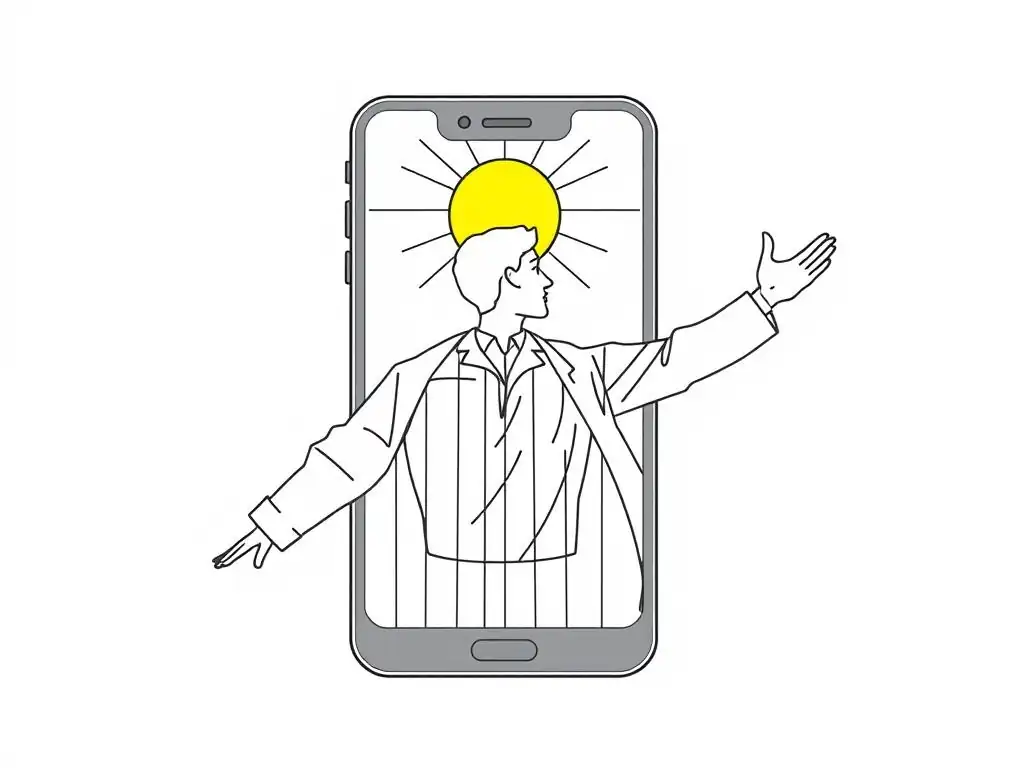
This section focuses on practical strategies to reclaim your time from excessive phone use. We'll explore how to set realistic goals, cultivate mindful phone usage, and implement effective digital detox techniques. Ultimately, the goal is to foster a healthier relationship with your smartphone and regain control over your precious time. The path to reclaiming your time from phone addiction involves a multifaceted approach, combining conscious effort with practical strategies. Let's delve into the specifics.
Setting Realistic Goals for Reduced Phone Use
Many people attempt radical changes overnight, leading to frustration and eventual relapse. Instead of aiming for immediate drastic cuts, focus on incremental, sustainable changes. Start by tracking your current phone usage. Most smartphones offer built-in screen time trackers; if not, utilize a third-party app. Analyze the data to identify peak usage times and the apps consuming the most time.
Once you understand your usage patterns, set small, achievable goals. Instead of aiming to reduce your daily screen time by 5 hours immediately, start with 30 minutes. Perhaps you could reduce your social media scrolling by 15 minutes a day and limit game playing by another 15. This gradual approach makes the process less daunting and increases the likelihood of long-term success.
Consider using a timer. Set a timer for your allowed phone usage during specific times. When the timer goes off, put your phone away. This simple technique provides a visual and auditory cue, making it easier to stick to your goals.
Remember, consistency is key. Small, consistent reductions in phone usage add up over time, leading to significant improvements in your overall well-being and time management. Celebrate your milestones! Acknowledge and reward yourself for achieving your goals to maintain motivation.
The Power of Intention: Mindful Phone Usage Strategies
Mindful phone use involves consciously choosing when and how you engage with your device. It's about shifting from passive, habitual scrolling to intentional, purposeful interaction. This involves cultivating awareness of your phone habits and making conscious choices about how you interact with technology.
One effective strategy is to schedule specific times for checking your phone. Instead of constantly reaching for your device, allocate specific time slots, perhaps twice a day, to check messages, emails, and social media. This prevents the constant interruptions and allows for focused work or leisure time.
Another powerful technique is to establish "phone-free zones" in your home. Designate areas, such as your bedroom or dining room, as phone-free spaces. This creates boundaries that help you disconnect and be more present in your daily life.
Furthermore, consider replacing mindless phone scrolling with more engaging and fulfilling activities. Read a book, spend time with loved ones, exercise, or pursue a hobby. By proactively filling your time with alternative activities, you'll naturally reduce your reliance on your phone for entertainment and distraction. This proactive approach fosters a healthier relationship with technology.
Digital Detox Techniques: Short-Term Strategies for Long-Term Change
Digital detox techniques involve temporarily disconnecting from technology to reset your relationship with your phone and reclaim your time. These short-term strategies can be incredibly beneficial in establishing long-term habits. They offer an opportunity to experience life without the constant distractions of your smartphone and appreciate the benefits of a more present existence.
A weekend digital detox is a great starting point. Choose a weekend to completely disconnect from your phone. This could involve turning it off, leaving it in another room, or even giving it to a friend for safekeeping. This allows you to fully immerse yourself in other activities and reconnect with yourself and your surroundings. You might be surprised by how much more you can accomplish and how much more peaceful you feel.
Consider incorporating regular "phone-free hours" into your daily routine. For example, you could dedicate the hour before bed to relaxation and mindfulness, free from screen time. This helps to improve sleep quality and reduces the potential for nighttime phone use to interfere with your rest.
Experiment with different detox approaches. Perhaps a complete digital detox isn't feasible for you, but you could try a social media detox, focusing on limiting your engagement with specific platforms. The key is to find a strategy that works for your lifestyle and helps you to reclaim your time and mental energy. The ultimate goal is to consciously cultivate a healthy relationship with technology, rather than being controlled by it.
Utilizing Technology to Curb Tech Use: Apps and Tools for Better Habits
Many people ironically use technology to help them reduce their technology use. A variety of apps and tools are available to help you reclaim your time by monitoring your phone usage, setting limits, and even blocking distracting apps. These tools offer different approaches, catering to various needs and preferences. Some focus on providing detailed usage statistics, highlighting the time spent on specific apps and websites. This data can be incredibly eye-opening, showing just how much time is unknowingly consumed by mindless scrolling or gaming. Seeing this concrete data can be a powerful motivator for change.
Other apps take a more proactive approach, allowing you to set daily or weekly limits for app usage. Once these limits are reached, the app will either block access or send you notifications, gently reminding you to step away from your phone. This feature is particularly helpful for those who struggle with self-control and find it difficult to put their phones down voluntarily.
The effectiveness of these apps depends on your commitment to using them consistently and adhering to the limits you set. Experimenting with different apps to find the one that best suits your personality and workflow is crucial. Some users find gamified approaches motivating, while others prefer simpler, more direct methods of tracking and limiting usage.
Remember, the goal isn't to eliminate technology entirely, but to cultivate a healthier, more balanced relationship with it. The right app can be a powerful ally in this journey. Consider exploring features like website blockers, which can prevent access to distracting websites during focused work periods, furthering your efforts to reclaim your time.
Creating a Phone-Free Environment: Designing Your Space for Focus
Designing your physical environment to minimize phone distractions is a crucial step in reclaiming your time. This involves creating designated phone-free zones and establishing routines that encourage mindful technology use. For example, consider designating your bedroom as a phone-free zone.
This means keeping your phone out of your bedroom, ideally charging it in another room. This simple act can significantly improve your sleep quality, as the blue light emitted from screens can interfere with melatonin production, impacting your sleep cycle. Furthermore, keeping your phone out of your bedroom prevents the temptation to check it first thing in the morning or right before bed, habits that can easily consume valuable time and negatively impact your mental well-being.
Beyond the bedroom, consider creating other phone-free zones in your home, such as your workspace or designated relaxation areas. These spaces should be designed to promote focus and relaxation, free from the constant notifications and interruptions that smartphones often bring. This might involve leaving your phone in another room while working, or placing it face down in a drawer during dedicated relaxation time.
You can also implement visual cues to reinforce these boundaries. For example, a designated charging station in the kitchen or living room, away from your work or relaxation areas, can serve as a visual reminder to leave your phone behind when entering these spaces. The goal is to create a physical separation between yourself and your phone, making it easier to resist the urge to constantly check it.
This intentional design of your environment can significantly contribute to breaking free from phone addiction and reclaiming your valuable time. Remember, consistency is key. The more diligently you maintain these phone-free zones, the more effective they will be in helping you break free from the constant pull of your smartphone.
Reclaim Your Time: Building Healthy Tech Habits
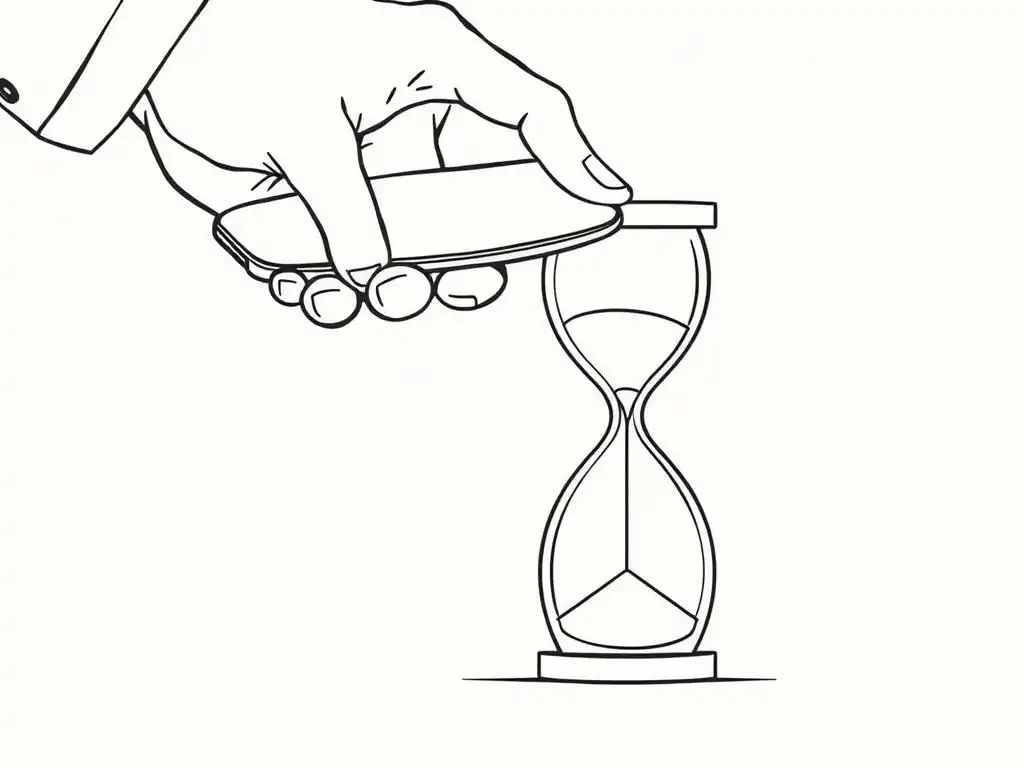
This section focuses on practical strategies to regain control over your time and minimize the negative impact of excessive phone use. We'll explore techniques to establish healthy boundaries, prioritize real-life interactions, and cultivate mindfulness, all contributing to reclaiming your time from phone addiction. The goal is to help you actively reclaim your time and foster a healthier relationship with your mobile device.
Scheduling Dedicated Phone Time: Creating Boundaries
One of the most effective ways to reclaim your time from your phone is to schedule specific times for phone use. Instead of passively scrolling throughout the day, allocate dedicated blocks of time for checking messages, social media, and other apps. This structured approach helps prevent your phone from becoming a constant distraction.
Consider these strategies for effective scheduling:
- Time Blocking: Allocate 30-minute blocks, twice a day (e.g., once in the morning and once in the evening) specifically for phone use. During these periods, engage fully with your phone, but outside of these times, consciously put it away.
- App Timers: Utilize built-in features or third-party apps to set time limits for specific applications. Many smartphones offer built-in screen time tracking and management tools that allow you to set daily limits for app usage. When the timer runs out, the app will be temporarily inaccessible, enforcing your boundaries.
- Designated Phone Zones: Only allow yourself to use your phone in specific areas of your home or workplace. Avoid using your phone in your bedroom or while eating, to create healthy associations and reduce impulsive checking.
Implementing these methods requires discipline, but the benefits are substantial. By setting clear boundaries, you'll find yourself with more time for activities that truly matter, significantly reducing the impact of phone addiction and helping you reclaim your time. This structured approach prevents reactive phone use, turning it into a conscious and controlled activity.
Prioritizing Real-Life Interactions: Reconnecting with the World Around You
Excessive phone use often comes at the expense of meaningful real-life interactions. To reclaim your time and enrich your life, make a conscious effort to prioritize face-to-face connections. This involves actively engaging with your surroundings and the people in your life.
Here's how to cultivate more meaningful real-life interactions:
- Schedule Social Time: Just as you schedule time for your phone, schedule time for social activities and interactions with loved ones. Plan regular dates, outings, or even just dedicated time for conversations without the distraction of phones.
- Mindful Presence: When you are with people, put your phone away completely. Give your full attention to the conversation and your surroundings. This improves the quality of your relationships and helps you appreciate the present moment.
- Engage in Hobbies: Dedicate time to hobbies and activities that interest you. This helps you detach from your phone and discover new passions. This could be anything from reading, painting, or playing sports to learning a new language or instrument.
By focusing on real-life interactions and engaging in activities you enjoy, you’ll naturally reduce your phone usage and reclaim your time for experiences that foster personal growth and well-being. This mindful approach to social connections helps you build stronger relationships and create a more fulfilling life.
Mindfulness and Meditation Techniques: Cultivating Presence
Mindfulness and meditation are powerful tools for managing phone addiction and reclaiming your time. These practices help you cultivate present moment awareness, reducing the urge to constantly check your phone.
Here's how to incorporate mindfulness and meditation into your daily routine:
- Mindful Breathing: Practice taking slow, deep breaths throughout the day, particularly when you feel the urge to reach for your phone. Focusing on your breath helps ground you in the present moment.
- Guided Meditations: Use guided meditation apps or videos to help you focus your attention and reduce stress. Many free resources are available online.
- Mindful Moments: Throughout the day, take short breaks to consciously observe your surroundings – the sights, sounds, and sensations around you. This helps shift your focus from your phone to the present moment.
Regular practice of mindfulness and meditation significantly reduces the power of impulsive phone checking, helping you reclaim your time and create space for more fulfilling activities. These techniques cultivate self-awareness and reduce stress, leading to a more balanced and present life, ultimately reducing the grip of phone addiction. The benefits extend beyond phone usage, improving overall well-being and mental clarity.
Developing Healthy Coping Mechanisms: Managing Stress and Anxiety Without Your Phone
Over-reliance on our phones often stems from an attempt to cope with stress and anxiety. The constant stream of notifications and readily available entertainment provides a temporary distraction, a quick escape from uncomfortable feelings. However, this temporary relief often exacerbates the underlying issues in the long run. Breaking free from this cycle requires developing healthy coping mechanisms that don't involve your phone.
One effective strategy is mindfulness meditation. Even five minutes of daily practice can significantly reduce stress levels and improve emotional regulation. Focusing on your breath and the present moment helps to quiet the mental chatter and cultivate a sense of calm, independent of your phone's influence. Numerous apps offer guided meditations, but the practice can be just as effective without technological assistance.
Regular exercise is another powerful tool. Physical activity releases endorphins, which have mood-boosting effects. A brisk walk, a yoga session, or even a short workout at home can help to alleviate stress and anxiety more effectively than passively scrolling through social media. The key is to find an activity you enjoy and can incorporate into your routine consistently.
Journaling can also be incredibly beneficial. Writing down your thoughts and feelings can help to process emotions and gain perspective. It provides a safe space to explore your anxieties without the distractions of your phone. This self-reflection can lead to a deeper understanding of your triggers and help you develop more effective coping strategies. Consider keeping a physical journal to avoid the temptation of digital distractions.
Finally, connecting with loved ones in person provides invaluable support. Meaningful interactions with friends and family can offer comfort and reassurance, helping to counteract the isolating effects of excessive phone use. Schedule regular time for face-to-face interactions, prioritizing quality time over fleeting digital connections. This fosters stronger relationships and provides a healthy alternative to seeking solace in your phone.
Redefining Your Relationship with Technology: A Long-Term Perspective
Reclaiming your time from phone addiction isn't a quick fix; it's a process of redefining your relationship with technology. It's about shifting from a reactive, habitual engagement with your phone to a more intentional and mindful approach. This requires a long-term perspective and a commitment to consistent change.
One crucial step is setting realistic goals. Don't attempt to drastically overhaul your phone usage overnight. Instead, start with small, manageable changes. Perhaps limit your social media scrolling to specific times of the day or dedicate certain hours as "phone-free zones." Gradually increase these restrictions as you build momentum and feel more comfortable with your new habits. Track your progress using a journal or a simple app to monitor your usage and celebrate your achievements.
Another essential aspect is identifying your triggers. What situations or emotions lead you to reach for your phone? Understanding these triggers allows you to anticipate them and develop proactive strategies to manage your impulses. This could involve replacing the habit of checking your phone with a healthier alternative, such as reading a book, going for a walk, or engaging in a hobby.
Furthermore, consider the underlying reasons for your phone addiction. Are you using your phone to avoid boredom, loneliness, or difficult emotions? Addressing these root causes is crucial for long-term success. This often requires self-reflection and might benefit from professional guidance, such as therapy or counseling. Remember, breaking free from phone addiction is a journey of self-discovery and personal growth.
Finally, remember that setbacks are a normal part of the process. Don't get discouraged if you slip up occasionally. Instead, view these setbacks as opportunities for learning and growth. Analyze what led to the relapse and adjust your strategies accordingly. Maintaining a compassionate and understanding approach towards yourself is key to sustaining your progress over the long term. The goal is not perfection, but progress towards a healthier and more balanced relationship with technology.
Reclaim Your Time: Maintaining a Balanced Digital Life

This section focuses on strategies to sustain positive changes after you've begun to curb your phone addiction and reclaim your time. It's crucial to remember that breaking free from excessive phone use isn't a one-time fix; it's an ongoing process requiring consistent effort and self-awareness. The techniques discussed here will help you maintain a healthy balance and prevent a relapse into old habits. Successfully reclaiming your time from phone addiction requires dedication and a long-term perspective.
Regularly Reviewing Your Phone Usage: Tracking Progress and Identifying Setbacks
Regularly monitoring your phone usage is paramount to maintaining a balanced digital life. Think of it as a fitness tracker for your digital wellbeing. Many smartphone operating systems offer built-in screen time tracking features, providing detailed insights into app usage, daily averages, and even notifications received. Leveraging these tools allows you to objectively assess your progress and identify potential areas of concern.
For instance, you might discover that even after implementing several strategies to reduce your phone usage, you still find yourself spending a significant amount of time on social media apps late at night. This data, while potentially disheartening at first, provides valuable information. It pinpoints specific areas where you can refine your approach. Instead of feeling discouraged, use this information to create a more targeted strategy. Perhaps you need to establish a stricter "no-phone" rule an hour before bedtime, or explore alternative relaxation techniques before sleep to avoid reaching for your phone out of habit.
Another helpful approach is to maintain a journal dedicated to your phone usage. This allows for qualitative analysis alongside the quantitative data provided by your phone's tracking features. Jot down not just the amount of time spent on certain apps, but also why you were using them. Were you bored? Stressed? Seeking connection? Understanding the underlying emotional triggers is crucial for long-term success in managing your phone usage. This self-reflection helps in developing more effective strategies to address these triggers, preventing future lapses.
The journey to reclaiming your time from phone addiction is rarely linear. There will be days when you slip up, exceeding your self-imposed limits or finding yourself lost in the endless scroll of social media. It's during these moments that self-compassion is crucial. Instead of beating yourself up over setbacks, acknowledge them as part of the learning process.
Remember, relapses are not failures; they are opportunities for growth and refinement. Analyze what led to the setback. Was it stress? Boredom? A lack of alternative activities? Use this information to adjust your strategies and prevent similar situations in the future. Treat yourself with the same kindness and understanding you would offer a friend facing a similar challenge. Self-criticism only undermines your efforts and can lead to discouragement, hindering your progress. Focus on celebrating your successes, no matter how small, and learning from your setbacks. This positive self-talk is essential for maintaining motivation and building resilience.
Consider incorporating mindfulness practices into your routine. Mindfulness helps you become more aware of your impulses and urges, allowing you to make more conscious choices about your phone usage. By cultivating self-awareness and self-compassion, you'll be better equipped to navigate the challenges of breaking free from phone addiction and maintaining a balanced digital life.
Seeking Support: Community and Professional Help for Digital Wellbeing
While self-discipline and self-awareness are key to managing phone usage, seeking support can significantly enhance your efforts. Connecting with others who share similar goals can create a sense of community and shared understanding. Support groups, both online and offline, provide a space to share experiences, strategies, and encouragement. Knowing you're not alone in this journey can be incredibly empowering and help you stay motivated during challenging times.
If you find yourself struggling despite your efforts, consider seeking professional help. Therapists specializing in digital wellbeing can provide personalized guidance and support, helping you address underlying issues contributing to excessive phone use. They can equip you with coping mechanisms and strategies tailored to your specific needs and challenges.
Remember that seeking professional help is a sign of strength, not weakness, and it can significantly improve your chances of successfully reclaiming your time and achieving a healthier relationship with technology. Professional guidance can be invaluable in addressing deeper-rooted issues that might be contributing to your phone addiction, providing a more holistic approach to digital wellbeing. Don't hesitate to reach out for support; it's a vital part of the process.
Long-Term Strategies for Sustainable Digital Minimalism
Reclaiming your time from phone addiction isn't a sprint; it's a marathon. Sustaining positive changes requires a long-term perspective and the implementation of strategies designed for lasting impact. One crucial element is mindful technology integration. Instead of viewing technology as an enemy, learn to harness its power intentionally.
This means actively choosing which apps and platforms truly enrich your life and eliminating those that drain your time and energy. Regularly reviewing your app usage and making adjustments is key. Consider using built-in screen time trackers to monitor your habits and identify areas for improvement. For example, if you consistently find yourself spending excessive time on social media, you might set daily limits or schedule specific times for checking updates.
Another vital aspect is cultivating alternative activities. When you're tempted to reach for your phone, having engaging alternatives readily available can significantly reduce your reliance on it. This could involve anything from reading a book or working on a hobby to spending time in nature or engaging in meaningful conversations with loved ones. The key is to identify activities that genuinely bring you joy and fulfillment, providing healthy distractions from your phone. Prioritize these activities, scheduling them into your day just as you would any important appointment. Think of it as a proactive approach to preventing phone-related time theft.
Finally, remember that self-compassion is crucial. There will be days when you slip up and spend more time on your phone than you intended. Don't beat yourself up about it. Acknowledge the setback, learn from it, and gently redirect your focus back to your goals. Sustainable digital minimalism isn't about perfection; it's about progress. Embrace the journey, celebrate your small victories, and remember that every step you take towards a healthier relationship with technology is a step towards reclaiming your precious time.
Celebrating Successes and Maintaining Momentum: Sustaining Healthy Tech Habits
Maintaining momentum in your journey to reclaim your time from phone addiction requires consistent effort and a positive mindset. Celebrating your successes, no matter how small, is essential for staying motivated. Did you successfully resist the urge to check your phone during a crucial work meeting? Did you spend an entire evening engaged in a hobby instead of scrolling through social media?
Acknowledge these achievements! Keep a journal to track your progress and celebrate milestones along the way. This positive reinforcement helps solidify new habits and builds confidence in your ability to make lasting changes. Consider rewarding yourself for reaching specific goals, not with more screen time, but with activities that align with your values – a relaxing bath, a walk in the park, or a delicious meal.
Furthermore, it's important to build a support system. Sharing your goals with friends, family, or a support group can provide accountability and encouragement. Discussing your challenges and triumphs with others who understand your struggles can offer valuable perspective and motivation. You might even find that connecting with others on a similar journey fosters a sense of community and shared purpose, strengthening your commitment to sustainable digital minimalism. Remember, you are not alone in this endeavor.
Maintaining a balanced digital life is an ongoing process, not a destination. By implementing long-term strategies, celebrating your successes, and building a supportive network, you can effectively reclaim your time and cultivate a healthier relationship with technology. Remember, the goal is not to eliminate technology altogether, but to use it mindfully and intentionally, ensuring it serves your life, rather than the other way around. This journey towards reclaiming your time is a personal one, so be patient with yourself and celebrate the progress you make along the way. 🎉
Frequently Asked Questions
How can I tell if I have a phone addiction?
Do you find yourself constantly checking your phone, even when you're bored or not expecting a notification? Do you neglect other important aspects of your life, like relationships or work, in favor of your phone? If so, you might have a phone addiction and need to reclaim your time.
What are some quick ways to reduce my phone usage?
Start by setting time limits on apps using your phone's built-in features. Delete distracting apps and replace mindless scrolling with more productive activities. Consider using a website blocker or app timer to limit your access.
How can I break the cycle of constantly checking my phone?
Be mindful of your phone usage throughout the day. Identify your triggers and develop strategies to resist the urge to check your phone. Replace the habit with healthier alternatives, such as reading a book or going for a walk.
What are some long-term strategies for managing my phone usage?
Establish designated phone-free zones and times, such as during meals or before bed. Prioritize real-life interactions and activities over virtual ones. Regularly evaluate your phone usage and adjust your strategies as needed.
What if I'm struggling to control my phone addiction on my own?
Consider seeking professional help. A therapist can provide support and guidance to help you develop healthy coping mechanisms and break free from your phone addiction. Don't hesitate to reach out for assistance.
Final Reflection: Reclaiming Your Life, One Notification at a Time
The relentless hum of notifications, the constant pull of social media – these are the hallmarks of a digital age that often leaves us feeling depleted and disconnected. Our phones, intended to connect us, have become insidious time thieves, subtly eroding our precious moments and hindering our ability to truly live. This isn't about demonizing technology; it's about reclaiming our agency and choosing mindful engagement.
The pervasive nature of phone addiction is deeply unsettling. It's not just about lost productivity; it's about the erosion of genuine human connection, the sacrifice of meaningful experiences for fleeting digital dopamine hits. The real problem is not that people are addicted to their phones, but that they are addicted to the escape their phones provide from the pain of their lives.
This quote highlights the deeper issue: our phones often serve as a distraction from confronting uncomfortable emotions or engaging in self-reflection. We must confront this underlying need for escape to truly break free.
You hold the power to rewrite your relationship with technology. Start small: set boundaries, delete time-wasting apps, cultivate mindful moments away from your screen. Embrace the silence, the stillness, the space to connect with yourself and the world around you. This isn't about perfection; it's about progress. Each conscious choice you make to reclaim your time is a step towards a more fulfilling, authentic life. Take that first step today.
Reclaim Your Time: Take Control of Your Tech Habits Now!
Taking control of technology's impact on our lives is crucial. You've already gained valuable insights into reclaiming your time and attention. Now let's put that knowledge into action!
- Prioritize a digital detox: Start by identifying one time-consuming app or activity and reduce your daily usage by 30 minutes this week. You'll be surprised by the difference!
- Set boundaries: Designate specific times for checking your phone and stick to them. Consider establishing a "phone-free" zone in your home to limit distractions.
- Share your progress: Enlist a friend or family member to support your healthier tech habits. Accountability is key to success.
Ready to experience a more fulfilling and present life? What small step will you take today to regain control of your time?