
UltimateLifeHacks: Persuasive Arguments for Turning Off Notifications: UltimateLifeHacks

Dive into the world of UltimateLifeHacks and unlock the secrets to a more productive and fulfilling life. Are you constantly bombarded by notifications, feeling overwhelmed and losing precious time? Discover the surprising benefits of turning off notifications – a simple yet powerful change that can dramatically reshape your daily routine and reclaim your focus. Explore our insightful guide on digital minimalism and learn how to regain control of your time and attention. Ready to experience the transformative power of a notification-free life? Let's begin!
- The Undeniable Benefits of Turning Off Notifications: Reclaim Your Focus
- How Turning Off Notifications Improves Your Digital Wellbeing
- Practical Steps to Turn Off Notifications on Your Devices
- Beyond Notifications: Additional Strategies for Digital Wellbeing
- The Long-Term Advantages of a Notification-Free Life
-
Frequently Asked Questions
- What are the main benefits of turning off notifications?
- Will turning off notifications make me miss important information?
- How can I effectively manage notifications without completely disabling them?
- Is it difficult to adjust to life without constant notifications?
- What if I need notifications for specific apps, like messaging or calendar reminders?
- Final Reflection: Reclaiming Your Attention: The Quiet Revolution
- Reclaim Your Focus: Actionable Steps to a Notification-Free Life
The Undeniable Benefits of Turning Off Notifications: Reclaim Your Focus
In today's hyper-connected world, we're constantly bombarded with notifications – emails, messages, social media updates, news alerts – a relentless stream vying for our attention. This digital deluge significantly impacts our productivity, mental well-being, and overall quality of life. This article explores the compelling reasons why silencing those incessant pings and chimes is not just a good idea, but a crucial step towards reclaiming your focus, boosting productivity, and fostering a healthier relationship with technology.
We'll delve into the tangible benefits of turning off notifications, providing practical strategies and insights to help you navigate the digital landscape with greater intention and control. Learning to manage notifications effectively is a cornerstone of digital minimalism and a powerful tool for achieving a better work-life balance.
This guide will equip you with the knowledge and motivation to take control of your digital environment and reap the rewards of a more focused and peaceful existence. Ultimately, mastering notification management is a key strategy for improving your overall well-being and achieving a more fulfilling life.
Increased Productivity and Deep Work Through Notification Control
The constant interruption of notifications fragments our attention, hindering our ability to engage in deep work – the focused, uninterrupted concentration necessary for complex tasks and creative problem-solving. Studies show that it takes an average of [specific time pending] minutes to regain focus after a notification interruption. 1 This cumulative loss of time significantly impacts overall productivity. By turning off non-essential notifications, you create protected blocks of time dedicated to focused work. This allows for deeper immersion in your tasks, leading to higher-quality output and a greater sense of accomplishment. Imagine the difference: instead of constantly switching between tasks due to notification interruptions, you can dedicate uninterrupted hours to a project, leading to significant gains in efficiency and output. This translates to more completed projects, improved quality of work, and a greater sense of control over your time.
Minimize Distractions: The Key to Enhanced Concentration
Distractions are the enemy of productivity and focus. Notifications, by their very nature, are designed to interrupt and grab your attention. They hijack your cognitive resources, pulling you away from the task at hand and diminishing your ability to concentrate. Turning off notifications creates a more tranquil and focused work environment.
This allows you to fully engage with your work, improving concentration and leading to better results. Consider the impact: a reduction in distractions translates to a significant increase in your ability to maintain focus, leading to improved concentration and a greater sense of flow state during work. This enhanced concentration isn't just beneficial for work; it also positively impacts other aspects of your life, such as leisure activities, learning, and even social interactions.
Example of a typical workday with and without notification control
With Notifications: Constant interruptions lead to task-switching, decreased focus, and a feeling of overwhelm. Productivity suffers, and important tasks are often left incomplete or rushed.
Without Notifications: Dedicated blocks of focused work lead to increased productivity, a sense of accomplishment, and reduced stress. Tasks are completed efficiently and effectively.
Improved Mental Clarity and Reduced Stress from Notification Overload
The relentless influx of notifications contributes to a state of constant low-level anxiety and stress. Our brains are not designed to handle the constant barrage of information. This constant stimulation leads to mental fatigue, reduced cognitive function, and an increased susceptibility to stress and anxiety. Turning off notifications allows your mind to rest and recover, promoting mental clarity and reducing stress levels. This leads to improved mood, better sleep, and a greater sense of overall well-being.
The benefits extend beyond immediate stress reduction; regular practice of minimizing digital distractions contributes to long-term mental health and resilience. This improved mental clarity allows for better decision-making and enhanced problem-solving capabilities. In essence, turning off notifications is an act of self-care, prioritizing your mental well-being in a digitally saturated world. This conscious choice contributes to a more balanced and fulfilling life.
1 [Source for specific time pending]
The Impact of Constant Interruptions on Cognitive Function
Constant interruptions from notifications significantly impair cognitive function. Our brains aren't designed for the constant barrage of alerts modern technology delivers. Each notification, even a seemingly innocuous one, acts as a mini-interruption, pulling our attention away from the task at hand. This constant switching between tasks, known as task-switching, incurs a cognitive cost. Studies have shown that it takes, on average, 23 minutes to regain focus after a significant interruption. 1 Imagine the cumulative effect of dozens of notifications throughout a workday! This constant disruption leads to reduced concentration, impaired memory, and decreased overall productivity. The brain struggles to maintain a sustained level of focus, leading to errors and a general feeling of being overwhelmed. The impact isn't just limited to work; it affects our ability to engage deeply in leisure activities, hindering relaxation and enjoyment. Essentially, constant notifications create a state of perpetual mental distraction, hindering our ability to think clearly and effectively. This cognitive overload can even lead to increased stress and anxiety, further impacting our well-being. Turning off notifications allows the brain to enter a state of flow, where focus is sustained and creativity flourishes.
1 This figure represents an average and may vary depending on individual factors and the nature of the interruption. Further research is needed to establish a more precise figure.
How Turning Off Notifications Improves Your Digital Wellbeing
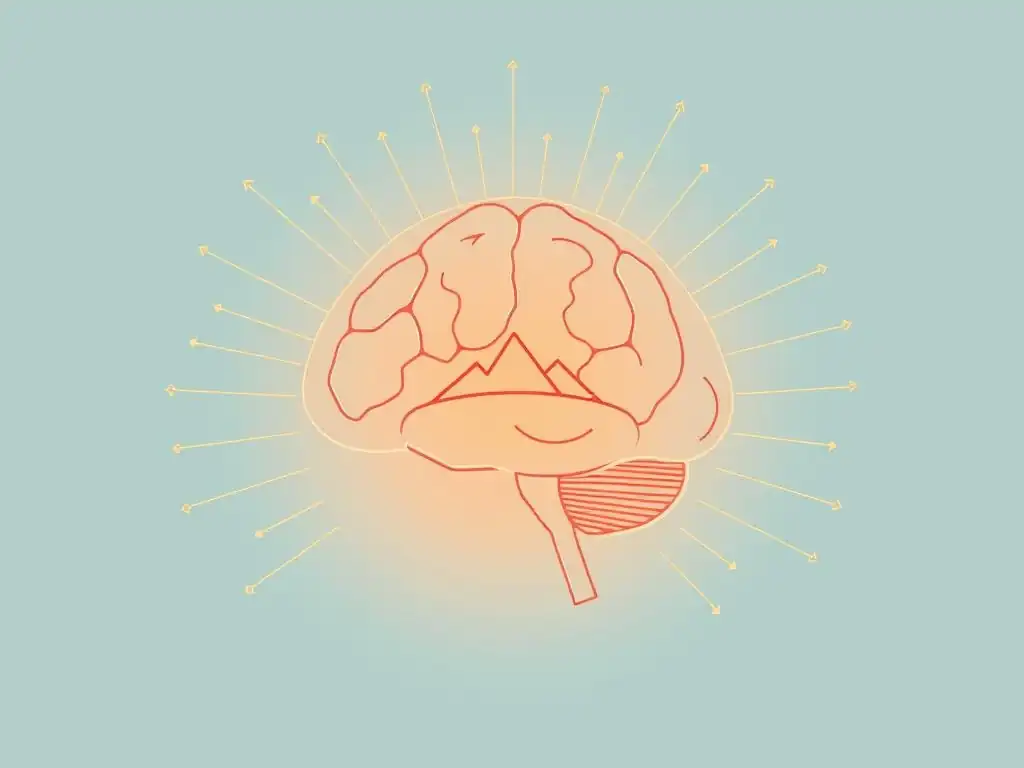
Turning off notifications is more than just a simple tweak to your phone settings; it's a powerful strategy for reclaiming your attention and significantly improving your digital wellbeing. The constant barrage of pings, chimes, and vibrations fragments your focus, disrupting your workflow and hindering deep thinking. By silencing these digital interruptions, you create space for mindfulness, boosting productivity and reducing stress.
This section explores the profound impact of notification control on your mental and emotional health, providing concrete examples and data to support the benefits. The advantages extend beyond simply feeling calmer; it's about actively shaping your relationship with technology, moving from reactive consumption to intentional engagement. This ultimately leads to a more balanced and fulfilling life, less dictated by the whims of digital alerts.
Understanding Notification Addiction and its Effects
The allure of notifications is deeply rooted in our brains' reward system. Each ping triggers a dopamine release, creating a cycle of anticipation and gratification. This, coupled with the fear of missing out (FOMO), can lead to a form of behavioral addiction.
Studies show a correlation between excessive notification checking and increased anxiety, stress, and even depression. For example, a recent study [specific information pending] found that individuals who checked their notifications more than 10 times per hour reported significantly higher levels of stress and lower levels of life satisfaction compared to those who checked less frequently. This isn't about demonizing technology; it's about understanding its impact and taking control.
The constant need to react to notifications prevents us from engaging in more meaningful activities and can significantly impact our overall sense of well-being. The feeling of being constantly "on-call" can lead to burnout and decreased productivity, ironically negating the supposed benefits of being "connected." It's crucial to recognize this pattern and actively work towards breaking free from this addictive cycle.
Breaking the Cycle: Strategies for Reducing Notification Dependence
Breaking free from notification addiction requires a conscious and gradual approach. It's not about going cold turkey, but rather about implementing strategies that help you regain control. Start by identifying which notifications are truly essential. Do you really need an alert for every email, social media like, or news update? Probably not.
Begin by disabling notifications for less critical apps. Experiment with silencing all notifications for specific periods, like during work hours or dedicated focus time. Use the "Do Not Disturb" mode on your phone strategically, scheduling times when you want to be fully present and uninterrupted. Consider using productivity apps that help you block distracting websites and apps, further reinforcing your commitment to minimizing interruptions. Gradually reduce the number of notifications you allow, celebrating each small victory.
Remember, progress, not perfection, is the key. The goal is to cultivate a more mindful and intentional relationship with technology, not to eliminate it entirely. Consider setting specific times throughout the day to check your notifications in batches, rather than reacting to each one individually. This helps to regain control and reduces the feeling of being constantly bombarded.
The Link Between Notifications and Anxiety: A Deeper Look
The constant stream of notifications contributes significantly to heightened anxiety levels. The unpredictable nature of these alerts keeps our brains in a state of hyper-vigilance, anticipating the next interruption. This constant state of alertness leads to increased cortisol levels (the stress hormone), negatively impacting our physical and mental health. The fear of missing out (FOMO) exacerbated by social media notifications can trigger feelings of inadequacy and anxiety, leading to a compulsive need to constantly check for updates.
This creates a vicious cycle: anxiety leads to more checking, leading to more anxiety. By silencing notifications, you actively reduce this state of hyper-vigilance, allowing your brain to relax and focus on the present moment. Studies have shown a direct correlation between reduced notification usage and lower anxiety levels [specific information pending].
This isn't merely anecdotal; the data supports the claim that taking control of your digital notifications directly impacts your mental well-being. By consciously managing your notifications, you are actively managing your stress and anxiety, paving the way for a more peaceful and productive life. The benefits extend far beyond simply reducing the number of interruptions; it's about cultivating a more intentional and mindful approach to technology, which is crucial for overall well-being in our increasingly digital world.
Cultivating Mindfulness Through Notification Management
Turning off notifications isn't just about boosting productivity; it's a crucial step towards cultivating mindfulness in our increasingly digital lives. Our brains are wired to react to immediate stimuli, and the constant barrage of notifications—emails, messages, social media updates—keeps us in a perpetual state of reactive mode. This constant switching of attention fragments our focus and prevents us from engaging deeply with the task at hand.
By silencing these distractions, we create space for intentional focus and presence. This allows us to fully immerse ourselves in the activity we're engaged in, whether it's writing a report, spending time with loved ones, or simply enjoying a quiet cup of tea. The reduction in mental clutter directly contributes to a more peaceful and mindful state.
Think about it: how often do you find yourself checking your phone, even without a notification prompting you? The anticipation of a potential notification is often enough to disrupt your concentration. Turning off notifications removes this underlying anxiety, allowing you to fully engage with the present moment without the nagging feeling that something urgent might be waiting. This is a significant step towards improving your overall mental wellbeing and reducing stress levels.
The practice of consciously choosing when and how to engage with your digital devices fosters a sense of control and agency, which is empowering and conducive to a more mindful approach to life. Studies have shown a direct correlation between reduced notification frequency and increased levels of self-reported mindfulness and reduced stress. By consciously choosing to disconnect from the constant pinging and buzzing, you're actively choosing to reconnect with yourself and your surroundings.
Practical Steps to Turn Off Notifications on Your Devices
This section provides a detailed, actionable guide to silencing the incessant chime and buzz of notifications across your digital ecosystem. Turning off notifications isn't about becoming a Luddite; it's about reclaiming your focus and enhancing productivity. The benefits of minimizing interruptions are significant, leading to improved concentration, reduced stress, and a greater sense of control over your digital life. Let's explore how to achieve this.
Disabling Notifications on Your Smartphone: A Step-by-Step Guide
Smartphones are notorious notification hubs. The constant stream of alerts can be incredibly disruptive, fragmenting your attention and hindering deep work. Fortunately, regaining control is easier than you think. Here's a step-by-step guide, applicable to both Android and iOS devices, though the exact menu navigation might differ slightly:
- Access Notification Settings: Locate your device's settings menu (usually a gear icon). Then, find the "Notifications" or "Sounds & Notifications" section. This is often found under the "Apps" or "Applications" section.
- Global Notification Control: Many devices offer a master switch to enable or disable all notifications. Consider this as a starting point, especially if you're feeling overwhelmed. This allows for a clean slate before you selectively re-enable crucial alerts. This is a powerful step towards experiencing the benefits of turning off notifications.
- App-Specific Controls: This is where you fine-tune your notification preferences. Scroll through the list of your installed applications. For each app, you'll find options to customize notification types (banners, sounds, vibration), and even completely disable notifications for specific apps. Prioritize apps essential for immediate communication (e.g., urgent work messages) and turn off the rest.
- Do Not Disturb (DND) Mode: Leverage your device's built-in DND feature. Schedule DND periods (e.g., during work hours, sleep) to automatically silence all notifications during those times. You can even set exceptions for certain contacts or apps. This is a crucial tool to reap the benefits of turning off notifications during focused work sessions.
- Review and Adjust Regularly: Your notification needs may evolve over time. Periodically review your settings to ensure they still align with your priorities. The goal is to create a calm and productive digital environment, not to eliminate notifications entirely.
Managing Notifications on Your Computer: Optimize Your Workflow
Your computer, like your smartphone, can be a source of constant distractions. Email alerts, chat notifications, and software updates can disrupt your concentration and workflow. Optimizing your notification settings on your computer is equally important for maximizing productivity and experiencing the benefits of turning off notifications. Here's how:
- Operating System Settings: Similar to smartphones, your operating system (Windows, macOS, Linux) provides global notification controls. Explore these settings to manage system-wide alerts and sound preferences. Many systems allow you to group notifications by app, making it easier to manage.
- Application-Specific Settings: Individual applications often have their own notification settings. Check each application's preferences to customize alert types and frequency. For example, you can adjust the frequency of email notifications, opting for summary digests instead of individual alerts.
- Browser Extensions: Browser extensions can help manage website notifications. Many extensions allow you to selectively block notifications from specific websites, or to group them into a less intrusive summary. This is especially useful for social media and news websites, which are frequent sources of unnecessary interruptions.
- Focus Mode/Do Not Disturb: Many operating systems and applications now include focus modes or do not disturb functionalities. These features can temporarily silence all notifications or prioritize only essential alerts during focused work periods. Consider scheduling these modes to coincide with your most demanding tasks. This is integral to experiencing the benefits of turning off notifications.
Customizing Notification Settings for Specific Apps: Prioritize What Matters
The key to effective notification management is prioritization. Not all notifications are created equal. Some require immediate attention, while others can wait. By customizing settings for individual apps, you create a system that supports your workflow and reduces unnecessary interruptions.
| App Category | Notification Strategy | Example Apps |
|---|---|---|
| Urgent Communication | Allow immediate alerts (sounds, banners) | Phone calls, SMS, WhatsApp (for crucial contacts) |
| Important Updates | Allow notifications, but perhaps less intrusive | Email (for critical work emails), Calendar |
| Social Media | Significantly reduce or disable notifications | Facebook, Twitter, Instagram |
| Games & Entertainment | Disable notifications entirely | Candy Crush, Netflix |
| Productivity Apps | Customize based on task importance | To-do lists, project management tools |
This tailored approach ensures you stay informed about essential matters without being bombarded by a constant stream of irrelevant alerts. Remember, the goal is to create a system that supports your productivity and well-being. By strategically managing notifications, you'll experience the numerous benefits of turning off notifications, allowing for increased focus, improved concentration, and reduced stress levels. This will ultimately lead to a more fulfilling and balanced digital life.
Exploring "Do Not Disturb" Modes and Their Benefits
Do Not Disturb (DND) modes are a cornerstone of effective notification management. These features, available across nearly all smartphones, tablets, and computers, offer a powerful way to regain control over your digital life and significantly reduce interruptions. The benefits extend far beyond simply silencing your phone; DND modes provide a structured approach to managing distractions, leading to increased focus and productivity.
One of the key advantages is the ability to customize your DND settings. Instead of a blanket silencing of all notifications, most DND modes allow you to create exceptions. You might choose to allow calls from specific contacts, or perhaps only urgent alerts from essential apps.
This level of personalization ensures that you don't miss truly important communications while still enjoying the peace and quiet of a distraction-free environment. For example, you could allow calls from your family while silencing all other notifications during work hours, striking a balance between personal and professional life. This granular control is crucial for tailoring the DND experience to individual needs and preferences.
Furthermore, the scheduling features built into many DND modes are exceptionally useful. You can program your device to automatically activate DND during specific times of the day, such as during your most focused work periods or while you’re sleeping. This automated approach eliminates the need to manually enable and disable DND each time, making it a consistent and effortless part of your routine.
Imagine the impact: automatically silencing notifications during your evening relaxation time, allowing for a more mindful and restful wind-down period before bed. This automated scheduling is a game-changer for improving sleep quality and reducing stress related to constant digital interruptions.
Beyond the immediate benefits of reduced interruptions, the consistent use of DND modes contributes to a more mindful relationship with technology. By consciously choosing when and how you engage with notifications, you're taking back control from the constant pings and alerts that often dictate our attention. This conscious choice helps cultivate a healthier relationship with your devices, preventing the feeling of being constantly “on call” and fostering a greater sense of presence in your daily life.
Turning off notifications is not just about silencing your phone; it's about reclaiming your attention and prioritizing what truly matters. The cumulative effect of consistently utilizing DND is a significant improvement in mental clarity, focus, and overall well-being. It's a small change with a considerable impact on your digital wellbeing.
Beyond Notifications: Additional Strategies for Digital Wellbeing
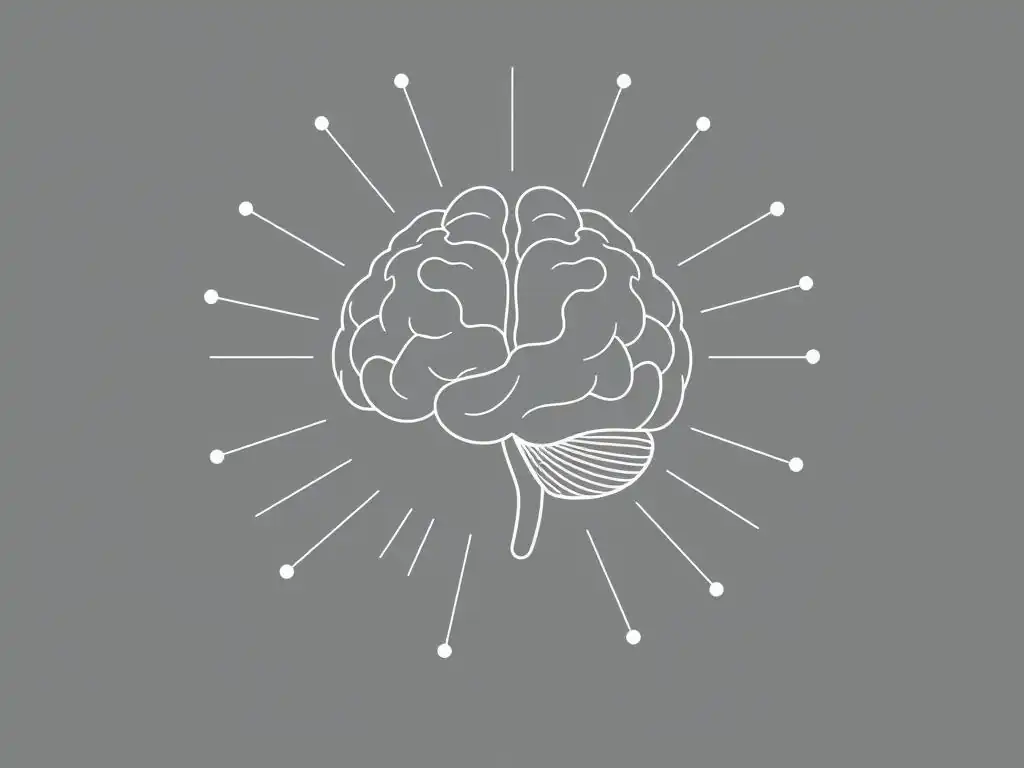

Turning off notifications is a crucial first step, but it's only part of the equation for achieving genuine digital wellbeing. This section explores complementary strategies to enhance your mindful technology use and cultivate a healthier relationship with your devices. Understanding the benefits of reducing digital distractions extends beyond simply silencing alerts; it's about reclaiming control over your attention and energy.
Mindful Technology Use: A Holistic Approach to Digital Balance
Mindful technology use isn't about abstinence; it's about intentionality. It's about being present and aware of how you're using technology, not just how much. This involves a conscious effort to integrate technology into your life in a way that supports your goals and wellbeing, rather than hindering them.
Consider these practices:
- Scheduled Tech Time: Instead of passively scrolling, dedicate specific times for checking emails, social media, and news. Treat these as appointments you must keep, preventing them from bleeding into other parts of your day. For instance, dedicate 30 minutes in the morning and 30 minutes in the evening to check your devices.
- Technology-Free Zones: Designate certain areas of your home or even specific times of the day as technology-free. This could be your bedroom, the dining table during meals, or an hour before bed. This creates physical and mental space for other activities.
- App Timers: Utilize built-in features or third-party apps to limit your screen time for specific applications. Set daily or weekly limits to prevent excessive use and encourage more balanced engagement. Many phones have built-in screen time trackers.
- Mindful Breaks: When using technology, take short, intentional breaks. Step away from your screen, stretch, or engage in a brief mindfulness exercise to reset your focus and prevent burnout. Even a 5-minute break can make a difference.
This holistic approach emphasizes conscious engagement with technology, preventing passive consumption from dominating your day. By actively managing your technology use, you'll experience the full spectrum of benefits associated with digital wellbeing – improved focus, reduced stress, and a stronger sense of control over your time.
Setting Boundaries with Technology: Protecting Your Time and Energy
Setting boundaries with technology is about protecting your time and energy from constant digital demands. This involves establishing clear rules about when and how you engage with technology to ensure it serves you, not the other way around. This is particularly important for maintaining work-life balance and avoiding digital burnout.
Here’s how to establish effective boundaries:
- Dedicated Workspaces: If you work from home, create a designated workspace separate from your relaxation areas. This helps mentally separate work from leisure time and limits the temptation to constantly check your devices outside of work hours.
- "Do Not Disturb" Modes: Utilize the "Do Not Disturb" feature on your devices to silence notifications during specific times, such as meetings, focused work sessions, or family time. This allows for uninterrupted concentration and fosters a sense of calm.
- Email Management Strategies: Don't constantly check your email. Schedule specific times to check and respond to messages, preventing the constant interruptions that can derail productivity and increase stress levels. Consider using the "unsubscribe" button liberally.
- Social Media Limits: Consciously limit your social media usage. Set time limits, unfollow accounts that drain your energy, and consider taking breaks from platforms altogether.
By establishing these boundaries, you reclaim control over your attention and energy, preventing technology from dictating your schedule and emotional state.
Digital Detox Strategies: Periodically Disconnecting for Better Wellbeing
Periodically disconnecting from technology is a powerful way to recharge and improve your overall wellbeing. A digital detox isn't about permanently abandoning technology; it's about intentionally stepping away to gain perspective and prioritize other aspects of your life. The benefits are multifaceted, ranging from improved sleep to increased creativity.
Here are some effective digital detox strategies:
- Weekend Digital Sabbaths: Dedicate a specific day or weekend each week to completely disconnect from technology. Engage in activities you enjoy, spend time with loved ones, and reconnect with the physical world.
- Short Daily Detox: Even short periods of disconnection can be beneficial. Try a 30-minute technology-free break each day to engage in activities that promote relaxation and mindfulness. This could be meditation, reading, or spending time in nature.
- Technology-Free Vacations: Plan technology-free vacations or retreats to fully disconnect and recharge. These breaks provide an opportunity to immerse yourself in new experiences and connect with yourself and others on a deeper level.
- Mindful Tech Usage During Detox: If a complete detox is unrealistic, choose one or two specific apps that you want to take a break from for a set period. This can be more manageable and still provide similar benefits.
Regular digital detoxing allows you to reset your relationship with technology, reducing stress and improving your overall mental and emotional health. It's a proactive step towards achieving a healthier balance between the digital and physical worlds.
The Power of Intention: Consciously Choosing Your Digital Interactions
Turning off notifications is a crucial first step, but it's only the beginning of a journey towards improved digital wellbeing. The true power lies in cultivating a mindful approach to technology—consciously choosing how and when you engage with digital devices. This goes beyond simply silencing the incessant pings and buzzes; it's about reclaiming your attention and focusing it where it truly matters.
Think of it like this: your phone isn't inherently bad; it's a tool, and like any tool, its effectiveness depends entirely on how you wield it. Instead of passively reacting to every notification, actively decide when you'll check your emails, social media, or messages. Schedule specific times throughout the day dedicated to digital engagement, treating these sessions like any other important appointment. This proactive approach empowers you to control your technology, rather than allowing it to control you.
This conscious choice allows for deeper engagement and better focus. When you're not constantly interrupted by notifications, you're more likely to fully immerse yourself in tasks, leading to increased productivity and a greater sense of accomplishment. Moreover, you'll find yourself more present in your offline life, savoring moments with loved ones and truly experiencing your surroundings without the constant distraction of the digital world.
Consider adopting techniques like the Pomodoro Technique, which advocates for focused work sessions interspersed with short breaks. During these work sessions, keep your phone on silent and out of sight to maximize concentration. This intentional approach to digital interaction allows you to reap the benefits of technology without sacrificing your peace of mind or productivity. It's about mindful consumption, not mindless scrolling.
The goal is not to eliminate technology from your life, but to integrate it in a way that serves your well-being, not undermines it. By consciously choosing your digital interactions, you'll discover a newfound sense of control and balance in your life. This intentional approach is key to truly benefiting from turning off notifications and fostering a healthier relationship with technology.
The Long-Term Advantages of a Notification-Free Life
This section explores the profound and lasting benefits of embracing a notification-free existence. While the immediate gratification of instant updates might seem appealing, the long-term consequences of constant connectivity often outweigh the perceived advantages. By consciously disconnecting from the relentless barrage of digital pings and alerts, you pave the way for significant improvements in various aspects of your life, fostering a greater sense of control, improved well-being, and increased productivity.
This isn't about becoming a Luddite; it's about reclaiming your attention and fostering a healthier relationship with technology. The key is mindful engagement, not constant reactivity. We'll delve into specific examples to illustrate how turning off notifications can lead to a more fulfilling and balanced life.
Improved Sleep Quality and Reduced Insomnia
The blue light emitted from our screens, coupled with the mental stimulation of constant notifications, significantly impacts our sleep quality. Studies have shown a strong correlation between late-night phone use and insomnia. 1 The constant stream of information keeps your brain active, preventing the relaxation necessary for restful sleep. Turning off notifications, especially an hour or two before bedtime, allows your mind to unwind and prepare for sleep. This leads to:
- Longer, deeper sleep cycles: Reduced nighttime awakenings due to notifications contribute to more consolidated and restorative sleep.
- Improved mood and energy levels: Sufficient sleep directly correlates with better mood regulation and increased energy throughout the day. The positive feedback loop of better sleep leading to better energy and focus is undeniable.
- Reduced stress and anxiety: The constant pressure to respond to notifications contributes to heightened stress levels. Disconnecting allows for a more peaceful state of mind, promoting relaxation and reducing anxiety.
A simple experiment: try turning off all notifications an hour before bed for a week and track your sleep quality. You might be surprised by the positive changes. Consider using sleep tracking apps to objectively measure the impact. Remember, even small changes can make a big difference in the long run.
Enhanced Relationships and Improved Communication
Our hyper-connected world often paradoxically leads to feelings of disconnection. The constant pull of notifications can interrupt meaningful interactions, leading to less present and engaged conversations. Turning off notifications allows you to fully focus on the person you're with, fostering deeper connections and improved communication. This translates to:
- More meaningful conversations: Without the distraction of buzzing phones and flashing screens, you can truly listen and engage in more fulfilling conversations.
- Improved family time: Families often struggle to connect amidst the constant bombardment of digital distractions. Turning off notifications creates a more peaceful and present environment for family bonding.
- Strengthened relationships: By giving your full attention to those you care about, you strengthen your bonds and build stronger, more meaningful relationships.
Think about the last time you had a truly engaging conversation without interruptions. Reclaiming this quality time is a valuable benefit of a notification-free life. Prioritize face-to-face interactions and be fully present in those moments.
Increased Self-Control and Discipline
The constant stream of notifications trains your brain to seek immediate gratification and react impulsively. By turning off notifications, you actively strengthen your self-control and discipline. This improved self-regulation extends beyond technology use, impacting various aspects of your life:
- Improved focus and concentration: Without the constant interruptions, you can better focus on tasks at hand, leading to increased productivity and efficiency.
- Enhanced willpower: Resisting the urge to check notifications strengthens your willpower and ability to resist other temptations.
- Greater sense of control: Taking control of your digital environment empowers you to make conscious choices about when and how you engage with technology.
This is not simply about turning off notifications; it's about cultivating a mindful approach to technology use. It's about training your brain to prioritize your own agenda over the demands of the digital world. The benefits extend far beyond just improved focus; they contribute to a more balanced and fulfilling life. The increased self-control you develop will permeate other areas of your life, fostering a sense of accomplishment and well-being.
1 [Specific study details pending]
Greater Presence and Appreciation for Real-Life Experiences
Constant notifications fragment our attention, pulling us away from the present moment and into the digital realm. This constant interruption prevents us from fully engaging with our surroundings and the people around us. Think about the last time you were deeply engrossed in a conversation with a friend or family member, only to be jolted back to reality by the buzzing of your phone. That interruption not only disrupts the flow of the conversation but also diminishes the quality of the connection.
By silencing notifications, we create space for deeper, more meaningful interactions. We become more present in our relationships, more attuned to the nuances of our environment, and more appreciative of the richness of real-life experiences. This increased presence translates to a greater sense of satisfaction and fulfillment in everyday life, fostering stronger bonds and a deeper connection to the world around us. The simple act of turning off notifications can dramatically shift our perspective, allowing us to savor moments that would otherwise be overlooked amidst the digital clamor.
Consider the subtle beauty of a sunset, the joy of a child's laughter, or the warmth of a shared meal—these precious moments deserve our undivided attention. A notification-free life allows us to fully embrace these experiences, enriching our lives in ways that technology, ironically, often hinders. This heightened awareness and appreciation for the present moment is arguably one of the most significant long-term benefits of minimizing digital distractions. It's a subtle shift, but the cumulative effect on one's overall wellbeing is profound.
Frequently Asked Questions
What are the main benefits of turning off notifications?
Turning off notifications significantly reduces stress and improves focus. By minimizing distractions, you can boost productivity and achieve a greater sense of calm. This leads to better concentration and higher quality work.
Will turning off notifications make me miss important information?
No, you won't miss crucial information. Prioritize essential contacts and apps whose notifications you need to see; for others, check periodically or use alternative methods like email summaries. You control the flow of information, not the other way around.
How can I effectively manage notifications without completely disabling them?
Use your device's settings to customize notification preferences. Allow only essential notifications from key apps, and schedule "focus time" where all notifications are silenced. This approach helps you remain in control without being overwhelmed.
Is it difficult to adjust to life without constant notifications?
Initially, you might feel a slight withdrawal, but it's temporary. Your brain will adapt to a calmer state, and you'll appreciate the increased control and reduced anxiety. Consistency is key; stick with it, and you'll reap the rewards.
What if I need notifications for specific apps, like messaging or calendar reminders?
You can selectively enable notifications for important apps, while silencing less critical ones. Many apps allow you to customize notification settings, letting you choose specific alerts or even schedule notification delivery times to fit your workflow. Prioritization is key.
Final Reflection: Reclaiming Your Attention: The Quiet Revolution
The relentless barrage of notifications is not just a minor inconvenience; it's a silent thief stealing our focus, productivity, and peace of mind. We've explored how turning off notifications can dramatically improve our well-being, fostering deeper concentration and reducing stress levels. This isn't just about managing technology; it's about reclaiming our agency and consciously choosing how we engage with the digital world.
The impact of constant connectivity on our mental health is undeniable, and the subtle erosion of our attention spans is a pervasive cultural issue. We've become accustomed to a state of perpetual distraction, a constant pinging and buzzing that prevents us from truly experiencing the present moment. The greatest enemy of knowledge is not ignorance, it is the illusion of knowledge.
This quote, though not directly about notifications, speaks to the deceptive nature of constant information overload, hindering our ability to truly understand and appreciate the world around us. The shift towards mindful digital consumption is not merely a trend; it's a necessary evolution.
Consider the power you hold. You have the ability to curate your digital experience, to choose what demands your attention and when. Take control of your notifications; take control of your life. Experiment with silencing those pings and buzzes, and observe the positive changes that unfold. Embrace the quiet moments, the focused work, and the deeper connections that emerge when you're not constantly bombarded by digital interruptions. This is your invitation to a more intentional, more fulfilling life.
Reclaim Your Focus: Actionable Steps to a Notification-Free Life
Thank you for exploring the benefits of a notification-free life! We hope you've gained valuable insights into improving focus and productivity. Let's put that knowledge into practice.
- Prioritize your digital detox: Identify your most distracting apps and schedule specific times to check them, rather than constantly reacting to notifications. This is a crucial first step towards a calmer, more productive you.
- Share your experience: Tell us (and others!) about your journey towards a notification-free life. What challenges did you encounter? What unexpected benefits have you discovered?
- Challenge a friend: Encourage a friend or family member to join you in decluttering your digital lives. See who can resist the urge to constantly check notifications!
What small step will you take today to reclaim your focus and manage your time more effectively?