
Automate Your Finances and Make Your Money Work for You


Welcome to UltimateLifeHacks, your destination for practical strategies to conquer daily challenges and unlock a more efficient you! Are you ready to reclaim your time and effortlessly manage your finances? Discover how to automate personal finance efficiently and watch your money work smarter, not harder. Dive in and uncover the secrets to a streamlined financial life—you'll be amazed at what you can achieve!
- Understanding the Power of Automated Personal Finance
-
Automating Your Income and Expenses: A Step-by-Step Guide
- Automating Income Streams: Direct Deposit and Payroll Systems
- Setting Up Automated Bill Payments: Using Online Banking Bill Pay
- Automating Savings: Utilizing High-Yield Savings Accounts and Robo-Advisors like Betterment
- Tracking Expenses Efficiently with Budgeting Apps: Mint, YNAB, Personal Capital Comparisons
- Leveraging Technology for Automated Financial Management
- Advanced Techniques for Automated Financial Success
- Securing Your Automated Financial Systems
- Conclusion: Embrace Automation for a Stress-Free Financial Future
- Frequently Asked Questions
- Final Reflection: The Empowering Future of Automated Finance
- Unleash Your Financial Freedom: Take Control Today!
Understanding the Power of Automated Personal Finance
Automating your personal finances might sound like a futuristic concept, but it's a readily accessible strategy that can dramatically improve your financial well-being. This isn't about replacing financial planning altogether; rather, it's about leveraging technology to streamline routine tasks, freeing up your time and mental energy to focus on higher-level financial decisions and achieving your long-term goals.
This guide explores how to effectively automate your personal finances to save time, reduce stress, and ultimately, make your money work harder for you. We'll delve into the practical steps involved, highlighting the numerous benefits of efficient automation and helping you set realistic goals for a more streamlined and successful financial future.
The ultimate aim is to equip you with the knowledge and tools to confidently navigate the world of automated personal finance, optimizing your financial health and achieving lasting financial freedom. This article will help you understand how to effectively automate personal finance efficiently, tackling the challenges and reaping the numerous rewards.
Why Automate Your Finances? Saving Time and Reducing Stress
Let's face it: managing personal finances can be incredibly time-consuming and stressful. From manually tracking expenses and paying bills to reconciling bank statements and reviewing investment portfolios, the sheer volume of tasks can quickly become overwhelming. Automating these processes significantly reduces the time commitment, freeing up valuable hours that can be spent on more fulfilling activities. Imagine the relief of not having to constantly worry about missed payments or late fees!
The reduction in stress is equally significant. Automating routine tasks eliminates the anxiety associated with forgetting deadlines or making errors. This frees up mental space, allowing you to focus on more strategic aspects of your finances, such as long-term financial planning and investment strategies. By removing the burden of constant monitoring, you create a more relaxed and positive relationship with your money. The peace of mind alone is a compelling reason to embrace automated personal finance. Think of the time saved – hours each month reclaimed from tedious tasks, ready to be spent on hobbies, family, or simply relaxation!
Think of it like this: you wouldn't manually write every email, would you? You use email automation tools. Your finances deserve the same level of efficiency.
The Benefits of Efficient Personal Finance Automation: Increased Savings and Investment Returns
Efficient automation of your personal finances isn't just about saving time and reducing stress; it also directly contributes to improved financial outcomes. By automating regular savings and investment contributions, you establish a consistent pattern of wealth building. This consistency is crucial for achieving long-term financial goals, such as retirement planning or buying a home. The power of compounding interest is significantly enhanced when investments are made regularly and automatically.
Furthermore, automation can lead to increased savings through better expense tracking and budgeting. Automated budgeting tools provide real-time insights into your spending habits, allowing you to identify areas where you can cut back and optimize your finances. These tools often offer alerts for unusual transactions, helping you detect potential fraudulent activity promptly.
This proactive approach to monitoring can save you significant amounts of money in the long run. The increased visibility and control provided by automated systems empower you to make informed financial decisions. For example, automated investment rebalancing ensures your portfolio remains aligned with your risk tolerance and investment goals.
Consider the impact of even small, consistent automated savings. Over time, these small contributions grow exponentially thanks to the magic of compound interest.
Setting Realistic Goals for Automated Financial Management
Successfully automating your personal finances requires a strategic approach. It's not a one-size-fits-all solution; you need to set realistic goals aligned with your individual circumstances and financial objectives. Start by identifying the specific financial tasks you want to automate. This might include paying bills, transferring money to savings accounts, investing in mutual funds, or scheduling automatic payments for recurring expenses.
Prioritize the tasks that will have the biggest impact on your financial well-being. Begin with one or two manageable tasks, and gradually incorporate more as you become more comfortable with the process. Don't try to automate everything at once; a phased approach is more sustainable and less overwhelming. Remember to regularly review your automated systems to ensure they continue to meet your needs and adjust them as your circumstances change. This ongoing monitoring is crucial for maintaining the effectiveness of your automated financial management strategy.
Remember, the goal is to create a system that works for you, not against you. Start small, stay consistent, and adapt as needed. This journey towards efficient automated personal finance is a marathon, not a sprint.
Automating Your Income and Expenses: A Step-by-Step Guide
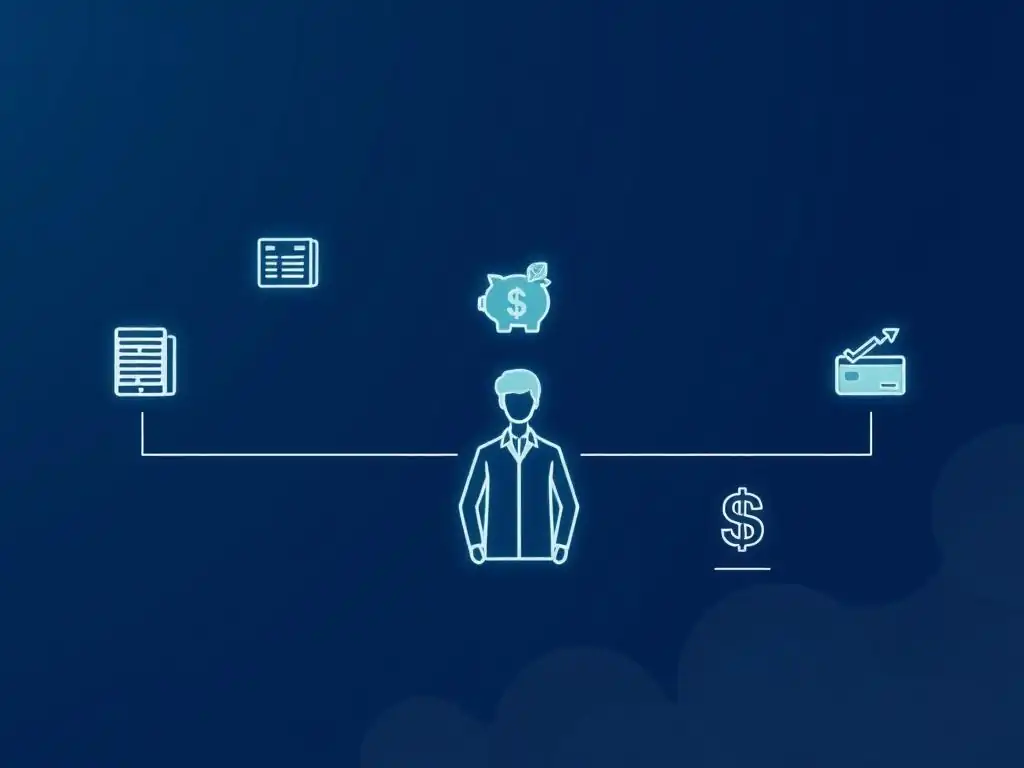
This section details how to automate the inflow and outflow of your finances, a crucial step in efficiently managing your money. Automating these processes minimizes manual effort, reduces the risk of missed payments, and allows you to focus on other aspects of your financial well-being. The key is to leverage technology to work for you, not against you. This empowers you to effectively automate personal finance.
Automating Income Streams: Direct Deposit and Payroll Systems
Efficiently automating your personal finance starts with your income. The most straightforward method is utilizing direct deposit for your salary or other regular income sources. Almost all employers offer this option, seamlessly transferring your paycheck directly into your designated bank account. This eliminates the need to manually deposit checks, saving you time and reducing the risk of lost or stolen checks. Think of the time saved – no more trips to the bank! 🎉
Beyond direct deposit, explore if your freelance clients or other income sources can also pay you via automated systems like PayPal, Stripe, or even ACH transfers. Setting up these automated payments ensures consistent and timely income, contributing significantly to the overall efficiency of your personal finance management. The less manual intervention needed, the smoother your financial automation process will be. Consider exploring platforms that offer invoice automation to streamline the billing process further. This is a key aspect of automating personal finance efficiently.
Setting Up Automated Bill Payments: Using Online Banking Bill Pay
Automating your expenses is equally important as automating your income. Most banks and financial institutions offer online bill pay services, allowing you to schedule recurring payments for bills such as rent, utilities, and credit card payments. This prevents late payments, associated fees, and the stress of remembering due dates. Many bill pay systems even send email reminders, offering an extra layer of security. This is a cornerstone of efficiently automating personal finance.
To set up automated bill payments, you'll typically need to provide your bank account information and the biller's account information. Many billers offer online portals that allow you to directly link your account for automated payments. Some even allow you to set up customized payment schedules, such as bi-weekly or monthly payments, depending on your needs. This level of customization ensures that your automated system fits perfectly into your unique financial rhythm. Remember to regularly review your automated payments to ensure accuracy and to catch any potential issues early.
Automating Savings: Utilizing High-Yield Savings Accounts and Robo-Advisors like Betterment
Automating your savings is a critical component of a robust financial strategy. Instead of manually transferring money to your savings account, set up automatic transfers from your checking account to a high-yield savings account or investment account. Even small, regular transfers can accumulate significantly over time, thanks to the power of compounding interest. This consistent, automated approach fosters a disciplined savings habit, making it much easier to achieve your financial goals. This significantly contributes to efficiently automating personal finance.
Consider using robo-advisors like Betterment, which automate investment strategies based on your risk tolerance and financial goals. These platforms typically offer automated portfolio rebalancing and tax-loss harvesting, optimizing your investment performance. Robo-advisors take the guesswork out of investing, making it accessible even to those with limited financial expertise.
This removes a significant burden from personal finance management, allowing you to focus on other important aspects of your life. Remember to choose a reputable and transparent robo-advisor to ensure the safety and security of your investments. By automating your savings and investments, you are actively making your money work for you.
Tracking Expenses Efficiently with Budgeting Apps: Mint, YNAB, Personal Capital Comparisons
Tracking your income and expenses is the bedrock of efficient personal finance automation. Several budgeting apps excel at this, each with its own strengths and weaknesses. Let's compare three popular choices: Mint, You Need A Budget (YNAB), and Personal Capital.
Mint offers a free, user-friendly interface ideal for beginners. Its automated transaction tracking, linked directly to your bank accounts and credit cards, provides a quick overview of your spending habits. Categorization is largely automated, but you can manually adjust categories for greater accuracy. While Mint excels in ease of use and its comprehensive overview, it lacks the sophisticated budgeting features found in other apps.
For instance, its forecasting capabilities are relatively basic, and it doesn't offer the same level of detailed goal-setting tools. Mint is a great starting point for those new to budgeting, providing a clear picture of spending patterns without the steep learning curve. However, users looking for more advanced budgeting functionalities might find it limiting in the long run.
YNAB, on the other hand, takes a more proactive approach to budgeting. It emphasizes mindful spending and encourages users to assign every dollar a purpose. Unlike Mint's automated categorization, YNAB requires manual input, which, while initially more time-consuming, fosters greater awareness of your financial choices. Its core strength lies in its robust budgeting tools and the ability to create detailed budgets across multiple categories.
YNAB's subscription model might be a deterrent for some, but the comprehensive features and strong community support often justify the cost for serious budgeters. The app provides powerful forecasting tools and helps users visualize their financial progress towards specific goals, making it ideal for those seeking more control over their finances. However, the manual input requirement can be a significant hurdle for those who prefer a more hands-off approach.
Personal Capital stands out as a more comprehensive wealth management tool. While it offers budgeting features similar to Mint, its focus extends to investment tracking and retirement planning. It provides a holistic view of your financial picture, including net worth, investment performance, and retirement projections.
This makes it a powerful tool for individuals with more complex financial situations, particularly those with significant investment portfolios. However, its advanced features might be overkill for those primarily focused on basic budgeting. The free version offers basic budgeting and investment tracking, but unlocking the full potential requires a premium subscription.
While Personal Capital excels at providing a comprehensive overview of your financial health, its complexity and subscription cost might be unnecessary for those with simpler financial needs. For those seeking to automate personal finance efficiently, Personal Capital provides a powerful suite of tools, but it's crucial to determine if the advanced features justify the cost and complexity. Choosing the right app depends heavily on individual needs and preferences; evaluating the features and comparing the interface is crucial before committing to a specific platform.
Leveraging Technology for Automated Financial Management
This section explores how technology empowers individuals to automate their personal finances efficiently, leading to improved financial health and reduced stress. We'll delve into specific tools and strategies, focusing on practical applications and real-world benefits. Effectively automating your personal finance requires a strategic approach, combining the right technology with disciplined habits. The goal is to minimize manual effort while maximizing financial gains. This isn't about replacing financial expertise, but rather augmenting your capabilities to make better, faster decisions.
Best Budgeting Apps for Efficient Personal Finance Automation: A Comparative Review
Choosing the right budgeting app is crucial for successfully automating your personal finances. Different apps cater to various needs and preferences. Let's compare three popular options: Mint, YNAB, and Personal Capital. The key is to identify the features that align best with your financial goals and comfort level with technology. Remember, consistent use is key to realizing the benefits of any budgeting app. The "Automate personal finance efficiently" goal hinges on selecting and sticking with a suitable tool.
Mint: Features, Pros, Cons, and Pricing
Mint offers a free, comprehensive platform for tracking spending, budgeting, and monitoring credit scores. Its strong feature set includes:
- Automated Transaction Categorization: Mint automatically categorizes transactions, saving you significant time. This is a major advantage for those who dislike manual data entry.
- Budgeting Tools: Mint provides simple budgeting tools, allowing you to set spending limits across various categories.
- Credit Score Monitoring: Access your credit score and report directly within the app.
- Financial Goal Setting: Set savings goals and track progress.
Pros: Free, user-friendly interface, comprehensive features.
Cons: Accuracy of automated categorization can sometimes be flawed requiring manual adjustments. Limited customization options for advanced users. Data privacy concerns exist as with any app that handles financial information.
Pricing: Free (with ads)
YNAB (You Need A Budget): Features, Pros, Cons, and Pricing
YNAB takes a more proactive approach to budgeting, emphasizing mindful spending and goal-oriented financial planning. Key features include:
- Zero-Based Budgeting: YNAB encourages assigning every dollar a purpose, ensuring you're always working within your means.
- Detailed Reporting: Provides in-depth reports to track your progress towards financial goals.
- Mobile App Integration: Allows for convenient budgeting on the go.
- Strong Community Support: YNAB boasts a supportive online community, valuable for troubleshooting and seeking advice.
Pros: Powerful budgeting methodology, excellent customer support, robust reporting features.
Cons: Steeper learning curve than Mint, subscription-based model.
Pricing: Paid subscription (monthly or annual).
Personal Capital: Features, Pros, Cons, and Pricing
Personal Capital caters to more sophisticated users, offering advanced investment tracking and financial planning tools alongside budgeting features.
- Investment Tracking: Connects to various investment accounts to provide a comprehensive overview of your portfolio.
- Retirement Planning Tools: Provides projections and guidance for retirement planning.
- Fee Analyzer: Helps identify and potentially reduce investment fees.
- Advanced Budgeting Features: Offers more granular control over budgeting compared to Mint.
Pros: Comprehensive investment tracking, advanced financial planning tools, strong security features.
Cons: Primarily focused on investment management; budgeting features may be secondary for some users. Free version has limitations; full functionality requires a paid subscription.
Pricing: Free (with limitations), paid subscription for full access.
Automating Investments with Robo-Advisors: Betterment vs. Wealthfront
Robo-advisors automate investment management, providing diversified portfolios tailored to your risk tolerance and financial goals. Let's compare two leading players: Betterment and Wealthfront. Both offer hands-off investing solutions, ideal for busy individuals or those lacking extensive investment knowledge. Automating investments this way can contribute significantly to long-term financial success.
Betterment and Wealthfront both offer automated portfolio construction, rebalancing, and tax-loss harvesting. However, they differ in their fee structures, investment strategies, and additional features. Choosing between them depends on individual needs and preferences. Consider factors such as your investment goals, risk tolerance, and desired level of customer service when making your decision. Remember to always research thoroughly before investing. Effective automation in this area requires careful consideration of your personal financial situation.
Utilizing Financial Planning Software: Personal Capital and its capabilities for automated financial planning
Personal Capital stands out as a robust platform for automating various aspects of personal finance. Its comprehensive suite of tools goes beyond simple budgeting and tracking, offering sophisticated features designed to streamline financial management. One key strength lies in its automated aggregation of accounts.
This means you can connect all your financial accounts – checking, savings, investment, retirement – into a single dashboard, providing a holistic view of your financial health. No more logging into multiple websites; Personal Capital pulls all the data for you, saving valuable time and effort. This automated data aggregation is crucial for efficient financial planning, as it provides a real-time, accurate picture of your financial situation.
Beyond simple aggregation, Personal Capital excels in automated investment tracking. The platform automatically calculates your portfolio's performance, asset allocation, and diversification. It provides insightful reports, highlighting areas where adjustments might be beneficial. This automated analysis allows you to monitor your investments efficiently and make informed decisions without manually crunching numbers. For instance, you can easily identify if your portfolio's risk level aligns with your goals and risk tolerance, and make necessary adjustments to your investment strategy accordingly. This feature is particularly useful for long-term investors seeking to optimize their portfolios over time.
Furthermore, Personal Capital's capabilities extend to retirement planning. By inputting your current savings, expected income, and retirement goals, the platform projects your future retirement income and identifies potential shortfalls. This automated projection allows you to proactively address any gaps in your retirement savings plan.
You can explore different scenarios, such as adjusting your savings rate or delaying retirement, to determine the most effective strategy for achieving your desired retirement lifestyle. This proactive approach, empowered by Personal Capital’s automated analysis, ensures that you're on track to achieve your financial goals. The software provides personalized recommendations to help you stay on track, making the process of retirement planning significantly less daunting.
Finally, Personal Capital offers tools for fee analysis, helping you identify and potentially reduce unnecessary fees associated with your investments. This automated analysis can uncover hidden costs that might otherwise go unnoticed, leading to significant savings over time. By identifying these fees, you can make more informed decisions about your investments, ensuring your money is working as efficiently as possible.
The platform's ability to automate this crucial aspect of financial management significantly enhances the overall effectiveness of your financial planning and contributes towards achieving your long-term financial objectives. The automated alerts and reports from Personal Capital ensure that you're always aware of your financial standing and potential areas for improvement, ultimately contributing to a more efficient and stress-free financial life.
Advanced Techniques for Automated Financial Success

This section delves into sophisticated strategies to further enhance your automated personal finance system, moving beyond the basics of bill pay and savings. We'll explore how automation can streamline complex financial tasks, leading to greater efficiency and potentially significant long-term gains. Mastering these techniques will help you truly automate personal finance efficiently.
Automating Tax Preparation: Using Software like TurboTax or TaxAct
Tax season doesn't have to be a dreaded, time-consuming ordeal. Leveraging tax preparation software like TurboTax or TaxAct can significantly automate the process, reducing stress and potentially saving you money. These programs guide you through the process step-by-step, automatically calculating your taxes and identifying potential deductions and credits you might otherwise miss.
The key to efficiently using this software lies in proper organization. Throughout the year, digitally scan and save all relevant financial documents – pay stubs, investment statements, charitable donation receipts, etc. Organize these documents into appropriately labeled folders on your computer. This preemptive organization drastically reduces the time spent searching for documents when tax season arrives.
Furthermore, consider using a service that automatically imports your financial data directly into the tax software. Many banks and investment platforms offer this capability, eliminating the need for manual data entry. This automated data import is a crucial step towards efficiently automating personal finance, specifically in the context of tax preparation. While these services may have a small fee, the time saved often justifies the cost.
By implementing these strategies, you can transform tax preparation from a laborious task into a relatively streamlined process, freeing up valuable time and mental energy.
Setting Up Automated Charitable Giving: Regular Donations and Their Tax Benefits
Automating charitable giving offers more than just convenience; it also fosters consistent philanthropy and provides significant tax advantages. Services like Donorbox or Kindful allow you to schedule recurring donations to your favorite charities, ensuring consistent support without requiring manual effort.
Setting up automated charitable giving contributes to efficient personal finance automation by eliminating the need to remember to make donations and by potentially optimizing your tax situation. Remember to keep detailed records of all donations, as these receipts are crucial for claiming deductions on your tax return. This underscores the importance of integrating automated charitable giving with your overall automated financial system.
The tax benefits of charitable giving vary depending on the type of donation and your income level. However, even small, regular donations can add up to substantial tax savings over time. For example, a consistent monthly donation of $50 to a registered charity could potentially reduce your taxable income by $600 annually, depending on your tax bracket and other deductions. This demonstrates the tangible financial benefits of integrating this aspect into your strategy to automate personal finance efficiently.
Long-Term Financial Planning with Automated Investment Strategies: Dollar-Cost Averaging and its impact on long-term growth
Long-term financial success often hinges on consistent investing. Automated investment strategies, such as dollar-cost averaging (DCA), can significantly simplify the process and potentially improve investment outcomes. DCA involves investing a fixed amount of money at regular intervals, regardless of market fluctuations. This strategy mitigates the risk of investing a large sum at a market peak and benefits from lower average purchase costs over time.
Many brokerage accounts offer automated investment features that allow you to schedule regular contributions to your investment accounts. This automated approach to investing is a cornerstone of efficiently automating personal finance. By automating your investments, you remove the emotional element of market timing, promoting disciplined investing behavior.
The impact of DCA on long-term growth can be substantial. While it may not always outperform lump-sum investing in the short term, over the long run, DCA often reduces the overall risk and can lead to better overall returns, especially for beginner investors. Studies have shown the effectiveness of DCA in mitigating market volatility and improving long-term portfolio performance. By implementing this strategy, you're not just automating personal finance efficiently, but you're also optimizing your chances for long-term financial success.
Securing Your Automated Financial Systems
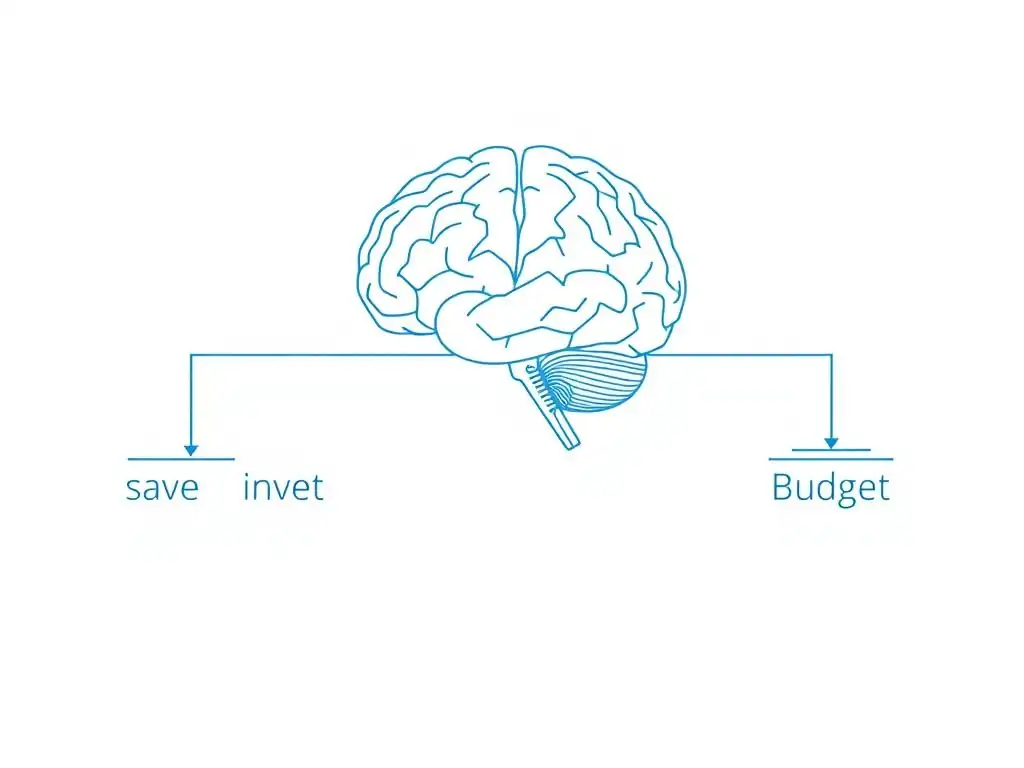
Automating your personal finances offers incredible convenience and efficiency, but it's crucial to prioritize security. The ease and speed of automated systems also make them attractive targets for cybercriminals. Therefore, robust security measures are paramount to protect your hard-earned money and sensitive personal information. Failing to adequately secure your automated financial systems can lead to significant financial losses and identity theft, negating the benefits of automation altogether. This section focuses on practical steps to mitigate these risks and ensure the long-term security of your automated financial setup. Think of this as building a digital fortress around your financial life.
Importance of Cybersecurity in Automated Personal Finance
Cybersecurity in the context of automated personal finance isn't just about strong passwords; it's a holistic approach encompassing various layers of protection. Think of it as a layered security system, where each layer adds an extra level of protection. Consider these vital aspects:
- Strong, Unique Passwords: Avoid easily guessable passwords. Use a password manager to generate and store complex, unique passwords for each financial account. This prevents a single breach from compromising your entire financial ecosystem. Consider using passphrase generators for even stronger security.
- Regular Password Changes: Change your passwords regularly, at least every three months, to minimize the window of vulnerability. Automated password changers can help streamline this process.
- Software Updates: Keep all your financial software, apps, and operating systems updated. These updates often include crucial security patches that address known vulnerabilities. Ignoring updates leaves your system exposed to potential attacks.
- Phishing Awareness: Be vigilant about phishing emails and text messages. Legitimate financial institutions will never ask for your password or personal financial details via email or text. Report suspicious communications immediately. Educate yourself about the common tactics used in phishing attacks.
- Secure Wi-Fi: Avoid accessing your financial accounts on public Wi-Fi networks, as these are often unsecured and susceptible to eavesdropping. Use a VPN for added protection when using public Wi-Fi.
The importance of strong cybersecurity practices cannot be overstated. A single lapse in security can have devastating consequences. Prioritize vigilance and proactive measures to safeguard your automated financial systems. Remember, proactive security is cheaper than reactive remediation.
Protecting Your Data and Preventing Fraud with Multi-Factor Authentication (MFA)
Multi-factor authentication (MFA) adds an extra layer of security to your accounts, significantly reducing the risk of unauthorized access. Instead of relying solely on a password, MFA requires you to verify your identity using a second or third factor, such as a one-time code sent to your phone, a biometric scan (fingerprint or facial recognition), or a security token.
Implementing MFA across all your financial accounts is a crucial step in automating personal finance efficiently and securely. Consider these benefits:
- Reduced Fraud Risk: MFA makes it exponentially harder for fraudsters to access your accounts, even if they obtain your password. This significantly minimizes the risk of unauthorized transactions and financial losses.
- Enhanced Account Security: MFA provides a robust defense against phishing attacks and other forms of unauthorized access, safeguarding your sensitive financial data.
- Peace of Mind: Knowing you have multiple layers of security in place provides peace of mind, allowing you to focus on managing your finances without constant worry about security breaches.
Many financial institutions now offer MFA as a standard security feature. Activating it should be a top priority. Don't underestimate the power of this simple yet highly effective security measure. It's a small step that significantly improves your overall security posture.
Regularly Reviewing Your Automated Financial Systems for Efficiency and Security
Regularly reviewing your automated financial systems is crucial for maintaining both efficiency and security. This isn't a one-time task; it's an ongoing process that requires consistent attention. Think of it as a regular health check for your financial automation.
Here's a structured approach:
- Monthly Review: Check your account balances, transaction history, and any automated payments or transfers. Look for any discrepancies or unusual activity.
- Quarterly Review: Analyze your spending patterns, identify areas for improvement, and adjust your automated systems as needed. This allows you to optimize your budget and ensure your automation is working as intended.
- Annual Review: Conduct a more comprehensive review, examining your overall financial strategy and making necessary adjustments to your automated systems to align with your evolving financial goals. This is a chance to reassess your automation strategy and identify areas for improvement.
This regular review process allows for early detection of potential problems and proactive adjustments, ensuring the smooth and secure operation of your automated financial systems. Remember, consistent monitoring is key to maintaining both efficiency and security in your automated personal finance. This proactive approach ensures you stay ahead of potential issues and optimize your financial well-being.
Conclusion: Embrace Automation for a Stress-Free Financial Future
Automating your personal finances isn't just a trend; it's a crucial step towards achieving long-term financial wellness. By leveraging technology and strategically automating key financial tasks, you reclaim valuable time and significantly reduce the stress associated with managing your money. This frees you up to focus on higher-level financial goals, such as investing, planning for retirement, or simply enjoying life's experiences. The transition might seem daunting initially, but the benefits far outweigh the initial effort.
Remember, the goal is to efficiently automate your personal finance, streamlining processes and maximizing your financial potential. The ultimate reward? A more secure, less stressful, and ultimately more fulfilling financial future.
The Long-Term Benefits of Automated Personal Finance Management
The long-term advantages of embracing automated personal finance management are substantial and far-reaching. Consider these key benefits:
- Reduced Financial Stress: Automated bill payments eliminate the worry of missed deadlines and late fees. Regular savings contributions build a financial safety net, providing peace of mind. This consistent, automated approach reduces the mental load associated with managing finances, leading to less stress and improved overall well-being.
- Improved Savings and Investment Growth: Automated savings plans ensure consistent contributions, even when faced with unexpected expenses or lifestyle changes. Similarly, automated investment strategies allow for consistent, disciplined investing, capitalizing on the power of compounding returns over time. This automated approach can significantly boost your long-term wealth accumulation.
- Enhanced Financial Organization: Automating your finances brings order to your financial life. You'll have a clearer picture of your income, expenses, and net worth, making it easier to track progress, identify areas for improvement, and make informed financial decisions. This improved organization facilitates better budgeting and financial planning.
- Increased Time Efficiency: Perhaps the most significant benefit is the time saved. Automating tasks like bill payments, savings transfers, and investment contributions frees up considerable time that can be used for more meaningful activities, personal pursuits, or additional income-generating opportunities. This time efficiency significantly improves your overall productivity and work-life balance.
- Minimized Errors and Increased Accuracy: Manual financial management is prone to human error. Automation eliminates this risk, ensuring accurate and timely transactions. This reduces the potential for costly mistakes and helps maintain a healthy financial standing.
Tips for Maintaining Your Automated Financial System for Optimal Efficiency
Maintaining an efficient automated financial system requires ongoing attention and periodic review. Here are some practical tips:
- Regular Monitoring: While automation handles the routine tasks, regular monitoring is crucial. Review your accounts periodically to ensure everything is functioning as expected, identify any discrepancies, and address any potential issues promptly. This proactive approach prevents problems from escalating.
- Security Updates and System Checks: Keep your financial software and apps updated with the latest security patches to protect your sensitive data from cyber threats. Regularly review your security settings and passwords to maintain a high level of security.
- Adapt and Adjust as Needed: Your financial situation evolves over time. Regularly review your automated system to ensure it aligns with your current financial goals and circumstances. Make necessary adjustments to optimize its efficiency and effectiveness. This adaptability is key to long-term success.
- Diversification of Automation Tools: Don't rely on a single platform or app for all your automated finance needs. Diversification helps mitigate risks and ensures redundancy in case of system failures or outages. Consider using different apps for different functions.
- Backups and Data Security: Implement a robust backup strategy for all your financial data. This safeguards your information against data loss due to technical glitches or other unforeseen circumstances. Consider cloud-based backups for added security.
Resources for Further Learning on Automated Personal Finance
While this article provides a strong foundation, further exploration can enhance your understanding and implementation of automated personal finance. Consider exploring various online resources, such as:
- Financial Literacy Websites: Many reputable websites offer comprehensive guides and tutorials on personal finance automation. These resources often provide practical advice, tools, and templates to help you get started.
- Financial Planning Books: Numerous books delve into the intricacies of personal finance management and offer strategies for successful automation. These books provide in-depth knowledge and insights into long-term financial planning.
- Financial Software and App Reviews: Independent reviews of financial software and apps can help you choose the right tools for your specific needs and preferences. These reviews highlight the features, benefits, and limitations of various platforms.
- Financial Advisors and Professionals: Seeking guidance from a qualified financial advisor can provide personalized advice and support in automating your personal finances. A professional can help you create a tailored strategy that aligns with your unique financial goals and circumstances. This personalized approach can be invaluable for long-term success.
Remember, successfully automating your personal finance is an ongoing process that requires dedication and continuous improvement. By embracing the power of automation and continuously refining your system, you can pave the way for a more secure, efficient, and stress-free financial future.
Frequently Asked Questions
What is the main benefit of automating personal finance?
Automating your finances saves you significant time and effort. You'll spend less time tracking transactions and more time focusing on your financial goals. It also reduces the risk of human error.
How can I automate my bill payments efficiently?
Set up automatic payments through your bank or directly with your bill providers. This ensures on-time payments and avoids late fees. Consider using budgeting apps to manage and schedule these payments.
What are some tools to automate my savings?
Many banks offer automatic transfers from your checking to savings accounts. Apps like YNAB (You Need A Budget) and Mint can help you automate savings goals and track your progress.
Does automating my finances increase my security?
Yes, automation can improve security by reducing manual data entry, which minimizes the risk of errors and potential fraud. Choose reputable platforms and enable strong security features.
Can I automate all aspects of my personal finance?
While many aspects can be automated, some require manual oversight. For example, reviewing your statements regularly and adjusting your budget as needed remains crucial for effective financial management.
Final Reflection: The Empowering Future of Automated Finance
The ability to automate personal finances is no longer a luxury; it's a necessity in today's fast-paced world. Efficiently managing your money shouldn't be a constant struggle, but a strategic partnership where technology works for you, freeing up your time and mental energy for what truly matters. This shift towards automated financial management represents a powerful step towards greater financial freedom and security for everyone.
The impact of automated financial tools on our lives is profound and far-reaching. It's not just about saving a few minutes each month; it's about cultivating a healthier relationship with money, fostering better financial habits, and ultimately, achieving long-term financial goals. This shift towards proactive financial management is reshaping our understanding of personal responsibility and empowerment. The best time to plant a tree was 20 years ago. The second best time is today.
This holds true for automating your finances; the sooner you start, the sooner you reap the rewards.
Now, consider your own financial journey. What steps can you take today to integrate automation into your financial life? Perhaps it's setting up automatic savings transfers, exploring budgeting apps, or automating bill payments. Don't let the complexity of personal finance overwhelm you; embrace the power of technology to simplify and streamline your financial well-being. Start small, build momentum, and watch as your money begins to work harder for you, paving the way for a more secure and fulfilling future.
Unleash Your Financial Freedom: Take Control Today!
Thank you for learning how to automate your finances and unlock your money's potential! We hope you feel empowered to take charge of your financial future. Ready to put this knowledge into action?
- Start with one simple automation this week: Begin with a manageable area, such as automating bill payments or setting up automatic savings transfers. This small step will save you significant time and effort.
- Share this information with a friend: Help them discover the benefits of automated finances. Sharing knowledge can be incredibly rewarding.
- Explore additional resources at UltimateLifeHacks.org: Discover more detailed information on automation tools and strategies.
What's the first small step you'll take to enhance your financial well-being?