
How to Automate Your Finances and Save Time and Effort


Welcome to UltimateLifeHacks, your destination for practical tips and tricks to master your daily life! Are you tired of spending precious hours managing your finances? Discover how to effortlessly automate personal finances easily and reclaim your time. We'll unveil simple yet powerful strategies in our latest article, transforming your financial management from a chore into a streamlined system. Ready to unlock a more efficient and stress-free life? Let's dive in!
- Understanding the Benefits of Automating Personal Finances
-
Step-by-Step Guide to Automating Your Personal Finances Easily
- Setting Up Automated Bill Payments: Using Online Banking and Bill Pay Services
- Automating Savings and Investments: Utilizing Robo-Advisors and Automated Investment Platforms
- Tracking Expenses with Automated Budgeting Apps: Leveraging Mint, Personal Capital, or YNAB
- Utilizing Automated Tax Preparation Services: Streamlining Tax Season with Tax Software
- Advanced Techniques for Automating Your Finances
- Choosing the Right Tools for Automated Financial Management
- Troubleshooting Common Issues with Automated Finance Systems
- Maximizing the Benefits of Automated Personal Finance Management
- Frequently Asked Questions
- Final Reflection: Unlocking Financial Freedom Through Automation
- Unlock Your Financial Freedom: Take Control Now!
Understanding the Benefits of Automating Personal Finances
Automating your personal finances might sound like a complex undertaking, reserved for tech-savvy individuals with overflowing bank accounts. However, the reality is quite different. Automating your finances is increasingly accessible and offers significant advantages for everyone, regardless of income level or technical expertise.
This article will guide you through the process of automating your personal finances, highlighting the ease and substantial benefits of implementing automated systems for bill payments, budgeting, investing, and more. By streamlining your financial management, you'll reclaim valuable time, reduce stress, and gain a clearer picture of your financial health, ultimately empowering you to make more informed decisions about your money and achieve your financial goals. This guide focuses on practical, easy-to-implement strategies to help you effortlessly automate your personal finances and achieve a more balanced and secure financial future.
We'll explore how even simple automation steps can significantly improve your financial wellness and reduce the mental load associated with managing your money. The key is to start small, focusing on the areas that cause you the most stress or consume the most time, and gradually expand your automation efforts as you become more comfortable. Let's dive in!
Time Savings: Reclaiming Your Valuable Time with Automated Systems
Manually managing your finances – tracking expenses, paying bills, reconciling accounts – is incredibly time-consuming. The average person spends [specific information pending] hours each month on these tasks. Imagine what you could accomplish with that extra time! Automating these processes frees up significant time that can be used for more enjoyable activities, personal growth, or simply relaxation. Automated systems handle repetitive tasks efficiently and accurately, eliminating the need for manual intervention. This includes:
- Automatic bill payments: Schedule recurring payments for utilities, subscriptions, and loans, ensuring on-time payments and avoiding late fees.
- Automated savings: Set up automatic transfers from your checking account to your savings or investment accounts, building wealth consistently without needing to remember to do it manually.
- Automated investment contributions: Regularly invest in your retirement or other investment accounts through automatic deductions from your paycheck or bank account.
This consistent, hands-off approach to saving and investing contributes to long-term financial security and significantly reduces the mental burden of managing these essential financial tasks. The time saved translates to increased productivity and a better work-life balance. Even small automated savings can compound over time, leading to substantial growth. For example, automatically saving just $50 per week equates to $2,600 annually!
Reduced Financial Stress: Automating Bills and Payments for Peace of Mind
Financial stress is a significant problem, impacting mental and physical health. Forgetting to pay a bill, even a small one, can lead to late fees, damaged credit scores, and increased anxiety. Automating your bill payments eliminates this worry. By setting up automatic payments, you guarantee that bills are paid on time, every time, preventing late fees and protecting your credit.
This consistent payment schedule provides peace of mind, reducing the constant nagging worry about potential financial missteps. Furthermore, automating your budgeting process allows you to track your spending and ensure you're staying within your means, further reducing financial anxiety. Knowing exactly where your money is going and having a clear financial plan contributes to a more positive and stress-free financial outlook. This is particularly helpful during unexpected expenses or financial emergencies, as you’ll have a clearer understanding of your financial situation and readily available resources.
Improved Budgeting and Financial Planning: Gaining Clarity Through Automated Tracking
Effective budgeting and financial planning are crucial for long-term financial success. However, manually tracking expenses and income can be tedious and prone to errors. Automated budgeting apps and software provide a clear picture of your financial situation, making it easier to identify areas where you can save money and make informed financial decisions. These tools often offer features such as:
- Automated expense categorization: Automatically categorize your transactions, simplifying the process of tracking spending across different categories.
- Real-time budget tracking: Monitor your progress toward your budget goals in real-time, receiving alerts if you're exceeding your spending limits.
- Financial reports and visualizations: Generate detailed financial reports and visualizations, providing insights into your spending habits and overall financial health. This data-driven approach allows for more effective financial planning and goal setting.
By leveraging these automated tools, you can gain a comprehensive understanding of your financial situation, enabling you to make informed decisions about your spending, saving, and investing. This enhanced financial literacy empowers you to take control of your financial future and achieve your long-term financial goals with greater ease and confidence. The combination of automated systems and data-driven insights provides a powerful foundation for achieving financial wellness.
Step-by-Step Guide to Automating Your Personal Finances Easily
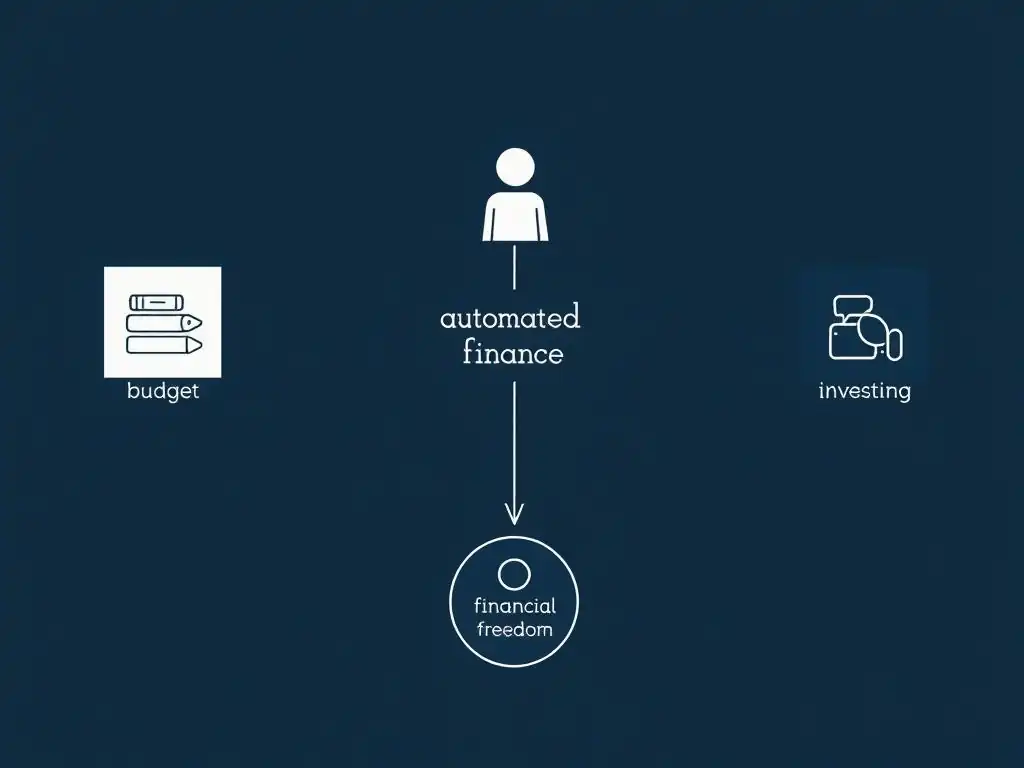
This section provides a practical, step-by-step guide on how to automate your personal finances easily, saving you valuable time and reducing the risk of missed payments. We'll cover automating bill payments, savings, and investments, empowering you to take control of your financial well-being with minimal effort. Automating your personal finances is easier than you think! Let's dive in.
Setting Up Automated Bill Payments: Using Online Banking and Bill Pay Services
Automating bill payments is the cornerstone of streamlined personal finance management. Online banking and bill pay services offer a simple and secure way to manage this crucial aspect of your finances. By automating this process, you eliminate the stress of remembering due dates and minimize the risk of late payment fees. This frees up significant mental energy and time, allowing you to focus on other important aspects of your life.
Connecting Your Bank Accounts for Seamless Transactions
The first step in automating bill payments is connecting your bank accounts to your online banking platform and preferred bill pay service. Most major banks offer this functionality directly through their online portals. Ensure your account information is accurate and up-to-date to avoid any processing errors. Double-check the account numbers and routing numbers before proceeding to prevent any delays or incorrect payments. Many banks also offer mobile apps, allowing you to manage your finances on the go, further enhancing the convenience of automated payments. This seamless integration helps to create a streamlined, efficient financial management system.
Scheduling Recurring Payments for Utilities, Subscriptions, and Loans
Once your accounts are linked, schedule recurring payments for all your regular bills. This includes utilities (electricity, gas, water), subscriptions (streaming services, gym memberships), and loan repayments. Specify the payment amount and due date for each bill. Most systems allow you to set up one-time payments as well, for those less frequent bills. Remember to review your scheduled payments periodically to ensure accuracy and make any necessary adjustments. This proactive approach minimizes the chance of missed payments and associated penalties. Careful scheduling is key to successfully automating your bill payments.
Setting Up Payment Reminders and Alerts to Avoid Late Fees
While automation minimizes the risk of missed payments, setting up reminders and alerts provides an extra layer of security. Configure email or text message alerts to notify you of upcoming payments or any potential issues. This proactive approach ensures that you're always informed about the status of your payments, even if there are unexpected changes or glitches in the automated system. The peace of mind provided by these alerts is invaluable in managing your finances effectively. Consider setting up alerts for both successful and unsuccessful payment attempts.
Automating Savings and Investments: Utilizing Robo-Advisors and Automated Investment Platforms
Automating your savings and investments is another critical step towards achieving long-term financial goals. Utilizing robo-advisors and automated investment platforms significantly simplifies the investment process, making it accessible even to beginners. These platforms leverage algorithms to manage your portfolio, adjusting your investments based on your risk tolerance and financial objectives. This automated approach ensures consistency and discipline in your savings and investment strategies.
Setting Up Automated Transfers to Savings and Investment Accounts
Start by setting up automated transfers from your checking account to your savings and investment accounts. Determine a fixed amount or percentage of your income to be automatically transferred on a regular basis (weekly, bi-weekly, or monthly). Consistency is key here; regular, automated contributions to your savings and investments will help you build wealth steadily over time. This disciplined approach helps you achieve your financial goals more effectively than manual saving, as it removes the temptation to spend the money. Think of it as "paying yourself first".
Diversifying Your Investments with Automated Portfolio Rebalancing
Automated investment platforms often offer automated portfolio rebalancing. This crucial feature ensures your investment portfolio remains aligned with your risk tolerance and financial goals over time. As market conditions change, the platform automatically adjusts your asset allocation, ensuring your investments remain diversified and appropriately positioned for your objectives. This feature significantly reduces the need for manual intervention and ensures your portfolio remains optimally balanced for long-term growth.
This automation offers a significant advantage in managing your investments effectively. Consider the fees associated with these platforms and compare services before making a choice. Remember, automate personal finances easily is the goal!
Tracking Expenses with Automated Budgeting Apps: Leveraging Mint, Personal Capital, or YNAB
Automating your expense tracking is the cornerstone of successfully automating your personal finances. Several excellent apps can significantly simplify this process. Mint, Personal Capital, and YNAB (You Need A Budget) are popular choices, each offering unique features to cater to different budgeting styles.
Mint, for example, excels at providing a comprehensive overview of your financial picture, aggregating data from various accounts and offering insightful visualizations of your spending habits. Its user-friendly interface makes it accessible even for those new to personal finance management. Personal Capital, on the other hand, targets a more sophisticated user base, offering advanced features like investment tracking and retirement planning alongside its robust budgeting tools.
Finally, YNAB employs a zero-based budgeting methodology, requiring users to allocate every dollar to a specific category, thereby promoting mindful spending and proactive financial planning. Choosing the right app depends on your individual needs and preferences; however, all three offer significant time savings compared to manual tracking.
Connecting Bank Accounts and Credit Cards for Automated Expense Tracking
The first step in using these apps is securely linking your bank accounts and credit cards. Most apps utilize secure encryption and follow strict data privacy protocols, ensuring the safety of your financial information. The connection process typically involves providing your account credentials or using a secure connection method provided by your financial institution. Once connected, the apps automatically download your transaction history, eliminating the tedious manual entry of each expense.
This automated data import significantly reduces the time spent on tracking your finances, freeing up valuable time for other activities. Regularly checking the accuracy of the imported data is crucial to ensure the integrity of your budget. Discrepancies should be reported to the app provider and corrected promptly. The ease of connecting accounts varies depending on the app and your bank, but generally, the process is straightforward and well-guided within the apps themselves.
Categorizing Transactions for Easy Budgeting and Analysis
While automated expense tracking simplifies data entry, manual categorization is often necessary for accurate budgeting and analysis. Most apps provide predefined categories, but you might need to customize these to reflect your unique spending patterns. For instance, you might need to create subcategories within "Dining Out" to differentiate between fast food and fine dining, allowing for more granular control over your budget. While some apps offer AI-powered automated categorization, manual review and adjustment are often necessary to ensure accuracy.
Consistent categorization is key to generating meaningful reports and gaining insightful understanding of your spending habits. This allows you to identify areas where you might be overspending and make informed adjustments to your budget. Many apps offer tools to simplify this process, such as batch editing and intelligent suggestions based on past transactions.
Setting Budget Limits and Receiving Alerts for Overspending
After categorizing your expenses, setting budget limits for each category is crucial. This allows the app to monitor your spending and alert you when you're approaching or exceeding your allocated amount. These alerts can be customized to suit your preferences, such as receiving notifications via email or push notifications on your smartphone. Prompt alerts help you stay on track with your budget and avoid unexpected overspending.
The ability to adjust budget limits on the fly provides flexibility for unplanned expenses or changing financial circumstances. This proactive approach to budgeting empowers you to maintain financial control and avoid accumulating unnecessary debt. Regularly reviewing and adjusting your budget limits is essential to adapt to changing spending patterns and financial goals.
Utilizing Automated Tax Preparation Services: Streamlining Tax Season with Tax Software
Tax season can be a stressful time, but utilizing automated tax preparation services can significantly alleviate the burden. Software like TurboTax or H&R Block offer guided workflows and automated calculations, making the process significantly smoother and faster. These services often integrate with other financial platforms, allowing for easier data import and minimizing the risk of errors. The software's intuitive interfaces guide users through each step of the process, providing clear instructions and helpful explanations along the way. This is especially beneficial for individuals who are not tax experts, as it simplifies complex tax regulations and ensures compliance.
Uploading Documents and Information for Automated Tax Filing
Most automated tax preparation services allow users to upload relevant documents directly into the software. This includes W-2s, 1099s, and other tax forms, which are then automatically processed and incorporated into the tax return. The ability to securely upload documents electronically eliminates the need for manual data entry and reduces the risk of errors.
The software often provides error checking and validation features to identify and flag potential issues before filing, ensuring accuracy and minimizing the risk of audits. This streamlined process significantly reduces the time and effort required for tax preparation. Furthermore, many services offer secure storage for tax documents, ensuring easy access in future years.
Minimizing Errors and Ensuring Accuracy in Tax Calculations
Automated tax preparation services utilize sophisticated algorithms and comprehensive tax databases to ensure accuracy in tax calculations. These services are regularly updated to reflect changes in tax laws and regulations, providing users with the most current and accurate information. While manual review is always recommended, the automated calculations significantly reduce the likelihood of errors compared to manual tax preparation.
The software often includes features that highlight potential deductions and credits, helping users optimize their tax returns and maximize their refunds. The ability to review the calculations and make adjustments before filing provides users with control and confidence in the accuracy of their tax returns. This reduces the stress and anxiety often associated with tax preparation, and significantly saves time.
Advanced Techniques for Automating Your Finances
This section delves into more sophisticated strategies for automating your personal finances, building upon the foundational steps of automated bill pay and budgeting. These techniques require a bit more setup initially, but the long-term time savings and financial benefits are significant. Mastering these will help you truly achieve the goal of automating personal finances easily.
Automating Investment Rebalancing with a Robo-Advisor
Maintaining a balanced investment portfolio is crucial for long-term financial health. However, manually rebalancing can be time-consuming and require significant financial knowledge. Robo-advisors offer a solution by automating this process. These platforms use algorithms to monitor your portfolio's asset allocation and automatically rebalance it to your target percentages.
For example, let's say your target allocation is 60% stocks and 40% bonds. If the market fluctuates, and your portfolio shifts to 65% stocks and 35% bonds, the robo-advisor will automatically sell a portion of your stocks and buy more bonds to restore the desired balance. This ensures you remain on track with your investment strategy without requiring constant monitoring and manual adjustments.
Many robo-advisors also offer tax-loss harvesting, another advanced feature that further optimizes your investment returns. This automated approach not only saves time but also minimizes emotional decision-making, often a pitfall of manual portfolio management. The ease of use makes it a fantastic tool for those aiming to automate personal finances easily.
Setting Up Automated Charitable Donations Through Online Donation Platforms
Integrating charitable giving into your automated financial system fosters generosity while streamlining your donation process. Numerous online platforms facilitate automated recurring donations to your chosen charities. You can schedule regular contributions – weekly, monthly, or annually – with ease.
This eliminates the need for manual checks or online transfers, ensuring consistent support for your preferred causes. Furthermore, many platforms offer tax receipts automatically, simplifying your year-end tax preparation. Some platforms even allow you to allocate a percentage of your income to charity, automatically adjusting your donation amount based on your earnings. This feature provides a flexible and scalable approach to charitable giving, aligning your donations with your financial growth. This level of automation truly simplifies the process of giving back, making it another crucial step in automating personal finances easily.
Integrating Different Financial Apps for a Unified Overview
Managing multiple financial accounts across different banks and investment platforms can be overwhelming. Fortunately, several personal finance apps offer aggregation features, allowing you to link all your accounts into a single dashboard. This consolidated view provides a comprehensive overview of your financial situation, including your checking and savings accounts, credit cards, investments, and loans.
This integration is vital for effective financial monitoring and planning. By connecting all your accounts, you gain a clearer picture of your overall financial health, making budgeting, tracking expenses, and identifying areas for improvement much easier. The convenience of having all your financial information in one place is invaluable, particularly for those striving to automate personal finances easily. The time saved in manually collecting this data can be significant, allowing you to focus on other aspects of your financial well-being. Remember to choose reputable apps with robust security measures to protect your sensitive financial information.
Choosing the Right Tools for Automated Financial Management
Automating your personal finances easily requires careful selection of the right tools. The market is flooded with apps and services promising seamless financial management, but finding the perfect fit for your specific needs is crucial. This section will guide you through the process of identifying and selecting the tools that best align with your financial goals and technological comfort level.
The key is to find a balance between functionality, ease of use, and security. Remember, you're entrusting your financial well-being to these platforms, so thorough research is paramount. Don't rush the process; take your time to explore different options before committing.
Comparing Different Automated Finance Apps Based on Features and Pricing
Choosing the right automated finance app involves careful consideration of several factors. Let's analyze some key features and pricing structures to help you make an informed decision. Many apps offer similar core functionalities, such as bill payment reminders, transaction categorization, and budget tracking. However, the nuances lie in the advanced features and pricing tiers.
| Feature | App A | App B | App C |
|---|---|---|---|
| Bill Payment | Automated, scheduled payments | Manual & automated | Automated, with multiple account linking |
| Transaction Categorization | Manual & AI-powered | Primarily AI-powered | Manual, with customizable categories |
| Budgeting Tools | Basic budgeting, goal setting | Detailed budgeting, forecasting | Advanced budgeting, personalized recommendations |
| Investment Tracking | Basic integration | Robust integration, portfolio analysis | Direct investment account linking |
| Pricing | Free (limited features), Premium ($9.99/month) | Free (basic features), Premium ($14.99/month), Enterprise ($29.99/month) | Free (limited features), Premium ($12.99/month) |
| Security Features | Two-factor authentication, encryption | Two-factor authentication, biometric login, fraud detection | Two-factor authentication, encryption, regular security audits |
For instance, App A might be suitable for someone who needs basic automation and doesn't mind manual intervention for some tasks. App B, with its robust AI and advanced budgeting tools, might be better suited for someone aiming for more comprehensive financial management. App C, while offering a middle ground, prioritizes security with its regular audits. Consider your financial complexity and technological proficiency when making your choice. Remember to read user reviews and compare features before committing to a paid subscription.
Selecting the Best Robo-Advisor for Your Investment Goals
Robo-advisors are automated investment platforms that manage your portfolio based on your risk tolerance and financial goals. Choosing the right one is crucial for long-term investment success. Factors to consider include:
- Investment Philosophy: Some robo-advisors focus on passive investing (index funds), while others use active management strategies. Align your choice with your investment philosophy and comfort level with risk.
- Fees: Robo-advisors typically charge an annual management fee, which can vary significantly. Compare fees across different platforms before making a decision.
- Minimum Investment Requirements: Some robo-advisors have minimum investment requirements, which might not be suitable for everyone.
- Tax Optimization Strategies: Consider whether the robo-advisor offers tax-loss harvesting or other strategies to minimize your tax liability.
- Account Types: Ensure the robo-advisor offers the account types that meet your needs, such as individual retirement accounts (IRAs) or taxable brokerage accounts.
Thoroughly research different robo-advisors, comparing their fees, investment strategies, and customer support before making a commitment. Understanding your risk tolerance and investment timeline is paramount in selecting the right platform for your long-term financial success. Don't hesitate to utilize their free resources and tools to help in making this important decision.
Finding the Right Budgeting App to Suit Your Financial Needs
Budgeting apps can significantly simplify financial tracking and help you stay on top of your spending. The key is to find an app that aligns with your budgeting style and financial complexity. Consider these aspects:
- Ease of Use: The app should be intuitive and easy to navigate, even for users with limited technical skills. A user-friendly interface is crucial for consistent use.
- Data Visualization: Effective data visualization tools, such as charts and graphs, can help you understand your spending patterns more effectively.
- Account Linking: The ability to link multiple accounts (checking, savings, credit cards) streamlines data aggregation and provides a holistic view of your finances.
- Goal Setting: Features allowing you to set financial goals (e.g., saving for a down payment, paying off debt) enhance motivation and provide a clear path towards financial objectives. Some even offer automated savings features.
- Reporting & Analytics: Comprehensive reports and analytics offer insights into your spending habits, helping you identify areas for improvement and make data-driven financial decisions.
There's a budgeting app for everyone, from minimalist trackers to sophisticated tools with advanced features. Experiment with a few free options before committing to a paid subscription to find the perfect fit for your financial management style. Remember, consistent use is key to reaping the benefits of budgeting, so choose an app that you'll enjoy using regularly. The right app can significantly improve your financial literacy and empower you to take control of your finances.
Troubleshooting Common Issues with Automated Finance Systems
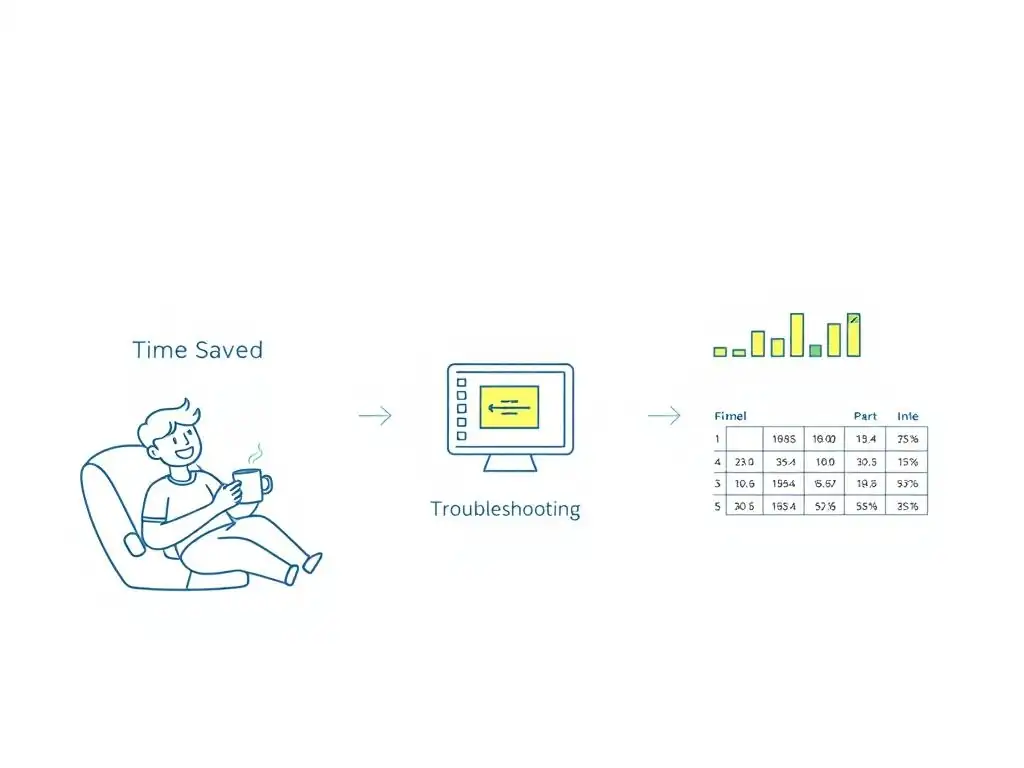
Automating your personal finances offers significant benefits, but like any system, it can encounter hiccups. This section addresses common problems and provides solutions to help you maintain a smooth and secure automated financial experience. Successfully automating your personal finances easily requires proactive troubleshooting. Let's dive into some frequent issues and how to resolve them.
Dealing with Connectivity Problems and Data Synchronization Errors
Connectivity issues and data synchronization errors are among the most frequent problems encountered when automating finances. These problems can range from minor inconveniences to significant disruptions, preventing you from accessing your financial information or making timely payments. The root cause often lies in network connectivity, software glitches, or server-side issues.
Several strategies can help you resolve these issues:
- Check your internet connection: This seems obvious, but a weak or unstable internet connection is a primary culprit. Ensure your device is connected to a reliable Wi-Fi network or has a strong cellular signal. Restarting your router or modem can often resolve temporary connectivity problems.
- Restart your apps and devices: A simple restart can often clear minor software glitches that interfere with data synchronization. Close and reopen your banking apps, budgeting software, and any other related applications. Restarting your phone or computer can also be helpful.
- Update your software: Outdated software can have compatibility issues and bugs that lead to synchronization problems. Regularly update your banking apps, financial management software, and operating system to ensure you're using the latest versions with improved stability and bug fixes.
- Check for server outages: Sometimes, the problem isn't on your end. Check the status page of your bank's website or the financial software provider to see if there are any reported server outages or maintenance activities that might be causing the synchronization issues.
- Contact customer support: If you've tried the above steps and are still experiencing problems, it's time to contact the customer support team of your bank or the financial software provider. They have access to diagnostic tools and can provide more specific troubleshooting assistance. Remember to have your account information readily available.
Security is paramount when automating your finances. While automation offers convenience, it's crucial to understand and mitigate potential security risks. Automating personal finances easily doesn't mean compromising security.
Here are some key security considerations:
- Strong passwords and multi-factor authentication (MFA): Use strong, unique passwords for all your financial accounts and enable MFA wherever possible. MFA adds an extra layer of security by requiring a second form of verification, such as a code sent to your phone, beyond just your password.
- Regularly review your account activity: Monitor your accounts regularly for any unauthorized transactions or suspicious activity. Many banks and financial apps provide alerts and notifications to help you detect unusual activity promptly.
- Be wary of phishing scams: Be cautious of emails, text messages, or phone calls that ask for your financial information. Legitimate institutions will never request your password, PIN, or other sensitive information through these channels.
- Keep your software updated: Regular software updates often include security patches that address vulnerabilities. Staying up-to-date helps protect your accounts from potential exploits.
- Use reputable financial institutions and software: Choose banks and financial management software from established and trustworthy providers with a strong reputation for security.
Solving Problems with Automated Bill Payments and Recurring Transactions
Automated bill payments and recurring transactions are a cornerstone of efficient financial management. However, occasional glitches can occur.
Common problems and solutions include:
| Problem | Solution |
|---|---|
| Incorrect payment amount | Double-check the payment amount in your automated system and update if needed. |
| Missed payments | Review your payment schedule and ensure the automation is correctly configured. |
| Incorrect payment recipient | Verify the recipient's details in your automated system. |
| Duplicate payments | Contact your bank or the service provider to resolve duplicate transactions. |
| Payment processing errors | Contact your bank or the service provider for assistance. |
Addressing these issues promptly ensures your bills are paid on time and avoids late payment fees. Regularly reviewing your automated payment setup is crucial for maintaining accuracy and preventing problems. Remember, proactive monitoring is key to successfully automating your personal finances easily and efficiently.
Maximizing the Benefits of Automated Personal Finance Management
Automating your personal finances offers significant advantages, but realizing the full potential requires proactive engagement. Simply setting up automated payments isn't enough; consistent monitoring and optimization are key to truly automate personal finances easily. This section details how to get the most out of your automated financial systems. Effective automation isn't a set-it-and-forget-it proposition; it's an ongoing process of refinement and adaptation.
Regularly Reviewing Your Automated Systems for Optimal Performance
Regular reviews are crucial for identifying and addressing potential issues before they escalate. Think of it as a preventative maintenance check-up for your financial health. Aim for at least a quarterly review, or even monthly if you're managing complex financial systems. This involves:
- Verifying Account Balances: Ensure your automated systems accurately reflect your current financial standing. Discrepancies can indicate errors in automated transfers or unexpected charges. Manually cross-checking balances against your bank and investment statements is essential.
- Checking Transaction History: Scrutinize your transaction history for any irregularities. Look for unusual debits or credits that might indicate fraud or system glitches. Pay close attention to recurring payments to ensure they're still accurate and necessary.
- Updating Account Information: Life changes – new addresses, changed bank accounts, or updated investment portfolios – require prompt updates to your automated systems. Failing to do so can lead to missed payments, delayed deposits, and other complications.
- Monitoring Fees: Automated systems often involve fees. Regularly check for excessive or unexpected fees and consider switching providers if necessary. Compare fees across different platforms to find the most cost-effective solution.
This meticulous approach ensures your automated system remains efficient and accurate, saving you time and potential financial headaches in the long run. Remember, proactive monitoring is far more efficient than reacting to problems after they arise. This is a key element to easily automate personal finances.
Adjusting Your Automated Processes Based on Changing Financial Circumstances
Your financial circumstances are rarely static. Major life events like marriage, job changes, or unexpected expenses necessitate adjustments to your automated financial systems. Failing to adapt can lead to financial instability and stress.
Consider these scenarios:
| Life Event | Necessary Adjustments |
|---|---|
| New Job with Higher Income | Increase savings contributions, adjust investment allocations, schedule larger payments. |
| Job Loss or Pay Cut | Reduce spending, adjust savings rates, potentially renegotiate loan terms. |
| Marriage | Update joint accounts, adjust budgeting allocations, consolidate finances. |
| Large Purchase (House) | Adjust mortgage payments, increase savings for down payment, potentially reduce other spending. |
Adapting your automated systems to reflect these changes proactively minimizes the risk of financial setbacks. The key is to anticipate potential shifts and plan accordingly. This agile approach ensures that your automated financial management remains a powerful tool for navigating life's transitions.
The Long-Term Benefits of Automated Financial Management for Financial Freedom
The long-term advantages of automated personal finance extend beyond mere convenience. Consistent, well-managed automation contributes significantly to achieving financial freedom. By streamlining financial tasks, you free up valuable time and mental energy to focus on higher-level financial planning and goal setting.
- Increased Savings: Automated savings plans ensure consistent contributions, leading to faster accumulation of wealth. This disciplined approach facilitates achieving significant financial milestones like retirement or buying a home.
- Reduced Stress: Knowing your finances are handled efficiently reduces financial anxiety and improves overall well-being. This peace of mind is invaluable.
- Improved Budgeting: Automated budgeting tools provide real-time insights into spending habits, allowing for more informed financial decisions. This data-driven approach fosters better financial control.
- Enhanced Investment Strategy: Automated investment platforms offer diversified portfolios and rebalancing capabilities, optimizing investment returns over the long term. This contributes significantly to wealth building.
In essence, automating personal finances easily isn't just about saving time; it's about building a foundation for long-term financial success and achieving your financial aspirations. It's a crucial step towards securing a more financially secure and fulfilling future. By implementing and consistently refining automated systems, you pave the way for a more relaxed and prosperous financial life.
Frequently Asked Questions
What is the biggest benefit of automating my personal finances?
The biggest benefit is saving significant time and effort. You'll spend less time tracking transactions and more time on things you enjoy. It also reduces the risk of human error.
Can I automate all aspects of my personal finances?
While many aspects are automatable (bill payments, savings transfers, investment contributions), some tasks like budgeting and long-term financial planning may require more manual input. Prioritize automating the most time-consuming tasks first.
What tools are available to help automate my finances?
Many budgeting apps, banking apps, and investment platforms offer automation features. Some popular options include Mint, Personal Capital, and YNAB (You Need A Budget). Research different options to find the best fit for your needs.
Is automating my finances secure?
Yes, reputable apps and platforms employ robust security measures to protect your financial data. However, it's crucial to choose well-established services and practice good password hygiene. Always review your accounts regularly.
How do I get started with automating my finances?
Begin by identifying your recurring expenses and income. Then, explore the automation features offered by your bank and other financial institutions. Start small, automating one or two tasks at a time, and gradually add more as you gain confidence.
Final Reflection: Unlocking Financial Freedom Through Automation
The pursuit of effortless financial management is no longer a luxury; it's a necessity in our increasingly complex world. The strategies outlined in this article – from automated bill pay to budgeting apps and investment platforms – offer a powerful pathway to reclaiming your time and reducing financial stress. This isn't just about saving minutes; it's about gaining control and building a secure financial future.
The impact of automated personal finance tools extends far beyond individual convenience. It's reshaping our relationship with money, fostering greater financial literacy and empowering individuals to take proactive control of their economic well-being. Financial freedom is not about having a lot of money; it's about having the freedom to live your life the way you want to.
This quote perfectly encapsulates the transformative power of automating your finances, allowing you to focus on what truly matters – your passions, your relationships, and your overall well-being.
You now possess the knowledge and tools to embark on this journey. Don't let inertia hold you back. Start small, choose one area to automate, and witness the positive ripple effect it creates. Embrace the simplicity, the efficiency, and the peace of mind that comes with effortlessly managing your finances. Your future self will thank you for it.
Unlock Your Financial Freedom: Take Control Now!
Thank you for exploring ways to automate your finances! We hope you discovered valuable strategies to simplify your money management. Ready to put this knowledge into action?
- Prioritize automating your bill payments and savings: This single step significantly simplifies money management. Setting up automatic transfers to your savings account, for example, ensures consistent progress towards your financial goals.
- Explore budgeting apps: Find an app that suits your needs and helps you track spending effectively. Many free and paid options are available, each with different features and interfaces.
- Share this article: Help a friend achieve financial simplicity too – shared knowledge empowers us all!
What's the first step you'll take to automate your finances, and why is it important to you?