
Avoid These Common Habit Tracking Mistakes: Get it Right the First Time


Ready to unlock your ultimate productivity potential? At UltimateLifeHacks, we're dedicated to helping you streamline your life and achieve your goals. But even the best intentions can falter – which is why understanding the common mistakes in habit tracking is crucial. Discover how to avoid these pitfalls and finally master the art of habit formation. Dive in and learn how to get it right the first time!
- Understanding the Importance of Effective Habit Tracking
-
Common Habit Tracking Mistakes to Avoid
- Inconsistent Tracking: The Biggest Habit Tracking Mistake
- Overly Ambitious Goals: Setting Yourself Up for Failure
- Lack of Accountability: Why You Need a System
- Neglecting the "Why": Losing Motivation Mid-Track
- Ignoring Progress and Celebrating Wins: The Power of Positive Reinforcement
- Focusing Solely on Quantity Over Quality: The Importance of Meaningful Actions
- Using the Wrong Tracking Method: Finding the Perfect Fit for You
- Failing to Analyze Your Data: Learning from Your Habits
- Not Adapting Your System: Habit Tracking is a Dynamic Process
- Perfectionism: Striving for Progress, Not Perfection
-
Strategies for Successful Habit Tracking
- Choosing the Right Habit Tracking Method: Apps, Journals, and More
- Setting SMART Goals: Specific, Measurable, Achievable, Relevant, Time-Bound
- Building a Supportive System: Accountability Partners and Rewards
- Maintaining Motivation: Tips and Tricks for Long-Term Success
- Regularly Reviewing and Adjusting Your Approach: Continuous Improvement
- Celebrating Milestones and Progress: Acknowledging Your Achievements
- Integrating Habit Tracking into Your Daily Routine: Making it Stick
-
Frequently Asked Questions
- What are some common mistakes people make when tracking habits?
- How can I avoid becoming overwhelmed when tracking multiple habits?
- What's the best way to stay motivated to track my habits consistently?
- Is there a specific time of day best for habit tracking?
- What should I do if I miss a day of habit tracking?
- Final Reflection: The Power of Intentional Habit Tracking
- Unlock Your Potential: Start Tracking Habits the Right Way Today!
Understanding the Importance of Effective Habit Tracking
Building positive habits is a cornerstone of personal growth and achieving long-term goals. Whether you're aiming for improved fitness, enhanced productivity, or better financial management, consistent effort is key. This is where effective habit tracking comes in. It's not just about ticking boxes; it's about gaining a deep understanding of your behavior patterns, identifying areas for improvement, and celebrating your successes along the way.
This article will delve into the common mistakes people make when tracking their habits, equipping you with the knowledge to avoid these pitfalls and optimize your habit-building journey. Mastering habit tracking means mastering self-improvement, leading to a more fulfilling and productive life. We'll explore practical strategies to ensure you're getting it right from the start, maximizing your chances of success and minimizing frustration. Let's embark on this journey to understand how to effectively track your habits and transform your life.
Why Habit Tracking is Crucial for Success
Many underestimate the power of consistent habit tracking. It’s more than just a to-do list; it's a powerful tool for self-awareness and behavioral modification. Regularly monitoring your progress provides valuable insights into your strengths and weaknesses. For example, you might discover you're most productive in the mornings, or that certain triggers lead to procrastination.
This self-awareness is crucial for adapting your strategies and maximizing your chances of success. Furthermore, the act of tracking itself fosters accountability. Knowing you'll be reviewing your progress encourages consistent effort and prevents you from falling off track. The visual representation of your progress, whether it's a simple checklist or a sophisticated app, provides a powerful motivational boost, reinforcing positive behavior and celebrating milestones.
Finally, habit tracking allows for continuous improvement. By analyzing your data, you can identify patterns and adjust your approach, leading to more efficient and sustainable habit formation. This iterative process is fundamental to long-term success in any area of self-improvement.
Common Pitfalls to Avoid in Your Habit Tracking Journey
Even with the best intentions, many fall into common traps when tracking their habits. These pitfalls can significantly hinder progress and lead to frustration. One frequent mistake is setting unrealistic goals. Trying to overhaul your entire life overnight is a recipe for failure. Start small, focusing on one or two key habits at a time.
Another common error is choosing overly complex tracking methods. A simple spreadsheet or even a notebook can be just as effective as a sophisticated app, especially when starting out. Inconsistent tracking is another major obstacle. Missing even a single day can break the momentum and lead to abandoning the entire process.
Consistency is paramount. Finally, neglecting to analyze your data is a lost opportunity for growth. Regularly reviewing your progress allows you to identify patterns, celebrate successes, and adjust your strategy as needed. Avoid these common mistakes, and your journey to positive habit formation will be smoother and more rewarding.
Setting Realistic Goals for Effective Habit Tracking
The foundation of successful habit tracking lies in setting realistic and achievable goals. Avoid the temptation to bite off more than you can chew. Instead, focus on small, manageable steps that build upon each other. For instance, instead of aiming for an hour of exercise daily, start with 15 minutes.
Once that becomes a habit, gradually increase the duration. Similarly, if you want to improve your reading habit, aim for just 10 pages a day, rather than a whole chapter. The key is to build momentum and create a sense of accomplishment. This positive reinforcement is crucial for maintaining motivation and preventing burnout.
Remember, consistency is more important than intensity. It's better to consistently track small achievements than to sporadically track ambitious goals. By setting realistic goals and celebrating small wins, you'll build a strong foundation for long-term success in your habit-building journey. This approach ensures sustainability and prevents the discouragement that often leads to abandoning the process altogether.
Common Habit Tracking Mistakes to Avoid
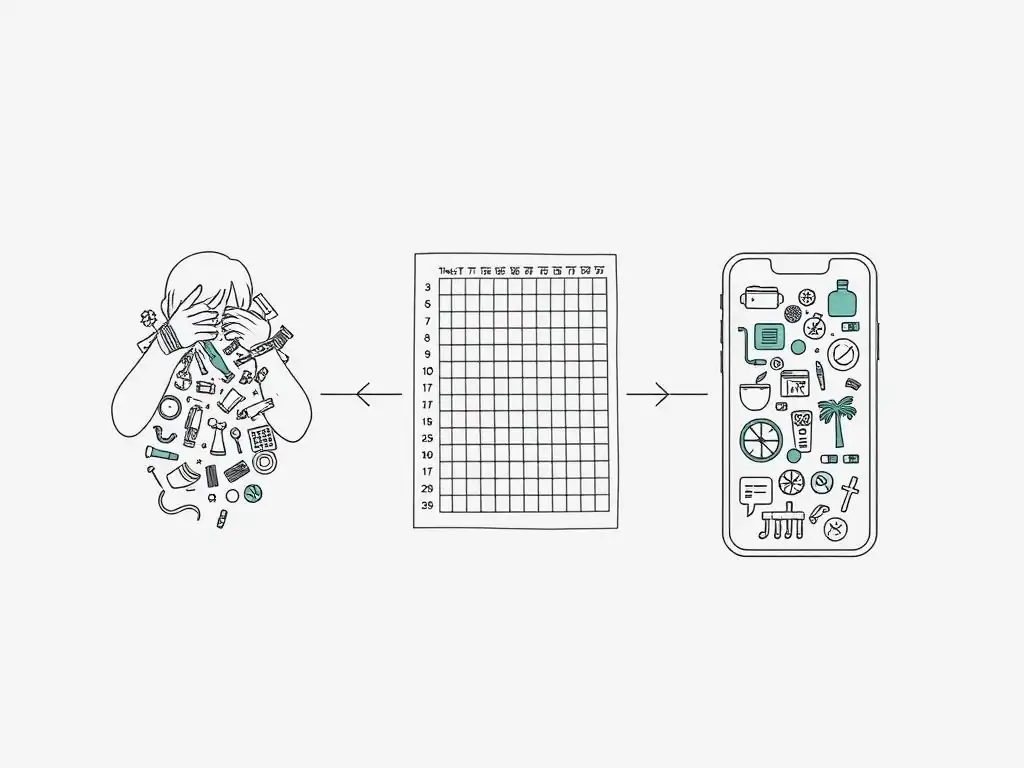
This section dives deep into the most frequent errors people make when trying to build positive habits through tracking. Avoiding these pitfalls is crucial for long-term success and sustainable habit formation. Understanding these common mistakes will equip you with the knowledge to design a habit tracking system that truly works for you. Let's explore the key areas where many fall short.
Inconsistent Tracking: The Biggest Habit Tracking Mistake
Inconsistent tracking is arguably the most significant obstacle to effective habit building. The power of habit tracking lies in its ability to provide continuous feedback and reinforce positive behavior. However, sporadic or incomplete logging undermines this process entirely. Think of it like this: if you only weigh yourself once a month, you'll miss crucial insights into your weight fluctuations and progress. Similarly, inconsistent habit tracking prevents you from identifying patterns, celebrating small wins, and adjusting your approach as needed.
Many struggle with consistency due to various factors. Busy schedules, forgetfulness, or a lack of motivation can all contribute to gaps in your tracking. This inconsistency leads to a distorted view of your progress, fostering self-doubt and potentially derailing your efforts.
To combat inconsistency, consider these strategies:
- Choose a method that suits your lifestyle: Experiment with different tracking methods—digital apps, physical journals, or even a simple calendar—to find what you find easiest to maintain.
- Set reminders: Use your phone's calendar or reminder apps to nudge yourself to log your progress at specific times each day.
- Make it easy: Keep your tracking method readily accessible and simple to use. The less friction involved, the more likely you are to stick with it.
- Track only a few key habits at first: Trying to track too many habits simultaneously can quickly lead to burnout and inconsistent logging. Focus on 1-3 key habits initially and gradually add more as you build momentum.
Overly Ambitious Goals: Setting Yourself Up for Failure
Another common mistake is setting overly ambitious goals. While ambition is admirable, aiming too high too quickly often leads to discouragement and ultimately, failure. Starting with small, achievable goals is far more effective for long-term habit formation. Instead of aiming to exercise for an hour every day, start with 15 minutes. Instead of writing 1000 words daily, begin with 100. These smaller, more manageable goals build momentum and foster a sense of accomplishment, motivating you to continue.
Consider the following example: someone aiming to read a book a week might feel overwhelmed and give up after a few attempts. However, by setting a more realistic goal of reading just one chapter a day, they're more likely to succeed and build the habit consistently. This small, consistent effort will eventually add up, leading to significant progress over time. Remember, consistency trumps intensity when it comes to building lasting habits.
| Goal Type | Example | Likelihood of Success |
|---|---|---|
| Overly Ambitious | Run a marathon in 3 months | Low |
| Realistic | Run for 20 minutes, 3 times a week | High |
Lack of Accountability: Why You Need a System
Many people fail to build effective habits because they lack a system of accountability. Simply tracking your progress isn't enough; you need a mechanism to keep yourself on track and motivated. This could involve sharing your goals with a friend, joining a support group, or using a habit-tracking app with features like progress visualization and community engagement.
Accountability provides external pressure and motivation to stick to your goals, particularly when faced with challenges or setbacks. Without it, it's easy to slip back into old patterns and abandon your efforts. The key is to find an accountability method that resonates with your personality and preferences. Some people thrive on public accountability, while others prefer a more private approach.
Consider these options for boosting accountability:
- Find a buddy: Partner with a friend or colleague who shares similar goals. Mutual support and encouragement can significantly improve adherence.
- Join a community: Online forums and communities dedicated to habit building offer a wealth of support and motivation.
- Use accountability apps: Numerous apps incorporate features to promote accountability, such as progress tracking, reminders, and social sharing.
- Reward yourself: Set up a reward system to celebrate milestones and maintain motivation. This positive reinforcement can be incredibly effective.
Remember, building lasting habits is a journey, not a race. By avoiding these common mistakes and implementing the strategies discussed, you'll significantly increase your chances of success. Consistency, realistic goals, and a strong accountability system are the cornerstones of effective habit tracking and lasting positive change. 🎉
Neglecting the "Why": Losing Motivation Mid-Track
Building a new habit is a marathon, not a sprint. Many people start habit tracking with gusto, meticulously logging their daily progress. However, the initial enthusiasm often wanes, leading to inconsistent tracking and ultimately, abandonment of the habit itself. This is often because the initial motivation, the why behind the habit, gets lost along the way. Simply tracking the what—the action itself—isn't enough.
You need to consistently reconnect with your why. Why is this habit important to you? What positive changes will it bring to your life? Regularly revisiting your reasons, perhaps writing them down in a journal alongside your habit tracker, can reignite your motivation and prevent you from losing steam.
Consider setting reminders or using visual cues to remind yourself of your long-term goals. For example, if you're tracking daily exercise to improve your health, keep a picture of yourself looking and feeling your best near your habit tracker. This visual reminder will help you stay connected to your "why" and overcome those mid-track slumps. Remember, the stronger your connection to your “why,” the more resilient you’ll be in the face of challenges.
Ignoring Progress and Celebrating Wins: The Power of Positive Reinforcement
Habit tracking isn't just about identifying areas for improvement; it's also about recognizing and celebrating successes. Many people fall into the trap of solely focusing on the days they missed their target, neglecting the positive progress they've made. This negative focus can be demotivating and lead to giving up. To counter this, incorporate positive reinforcement into your habit tracking system. Celebrate milestones, no matter how small.
Did you exercise for three consecutive days? Reward yourself! Did you finally stick to your water intake goal for a week? Treat yourself!
These small victories, when acknowledged and celebrated, build momentum and reinforce positive behavior. You could use a reward system such as a points-based system where you earn rewards for consistent progress. Alternatively, a simple visual representation of your success—such as using colored markers to highlight successful days on your tracker—can be incredibly motivating. Remember, positive reinforcement is key to long-term habit formation.
Focusing Solely on Quantity Over Quality: The Importance of Meaningful Actions
While consistent tracking is crucial, it's equally important to focus on the quality of your actions, not just the quantity. Simply ticking off boxes without genuinely engaging in the habit defeats the purpose. For instance, someone tracking their daily reading might aim for a certain number of pages, neglecting the quality of their engagement. Were they truly focused and absorbing the information, or were they skimming through the pages just to meet their daily quota? This approach undermines the value of habit formation.
Instead, focus on the intention and quality of each action. Ask yourself: "Did I truly engage with this habit today?" If the answer is no, don't just tick the box. Reflect on why you weren't fully engaged and adjust your approach accordingly.
Perhaps you need to shorten your sessions, find a more engaging way to approach the habit, or simply adjust your expectations. Prioritize quality over quantity—a few minutes of focused, intentional practice is far more effective than hours of half-hearted effort. This mindful approach will lead to sustainable habit formation and ultimately, better results. Remember, consistent, meaningful action leads to lasting change.
Using the Wrong Tracking Method: Finding the Perfect Fit for You
Choosing the right habit tracking method is crucial for long-term success. Many people jump into the first method they see, often a complex app with numerous features, without considering if it truly aligns with their needs and personality. This can lead to frustration and abandonment. For instance, someone who prefers a simple, analog approach might find a sophisticated app overwhelming and counterproductive. Conversely, a highly organized individual might find a simple checklist insufficient for their meticulous tracking needs.
The key is to experiment and find what works best for you. Consider your learning style and preferences. Are you a visual learner who thrives on charts and graphs? Then, a method that visually represents your progress, perhaps a calendar or a progress bar, might be ideal. Do you prefer a more tactile approach? A simple notebook and pen might be more effective than a digital solution. Some people find the act of physically writing down their accomplishments incredibly satisfying and motivating. Others prefer the immediate feedback and automated features of a dedicated app.
Don't be afraid to try different methods. Start with a simple approach, like a basic checklist, and gradually incorporate more advanced features as needed. The goal isn't to find the perfect method from the start, but to find a method that is sustainable and motivating for you over the long term. Remember, consistency is key when it comes to habit tracking, and the best method is the one you'll actually stick with.
Failing to Analyze Your Data: Learning from Your Habits

Many people meticulously track their habits but fail to analyze the data they collect. This is a critical mistake. Habit tracking isn't just about recording your actions; it's about understanding the why behind them. Simply checking off boxes without reflecting on the patterns and trends revealed in your data limits the learning process and ultimately, your ability to improve.
For example, imagine someone tracking their water intake. They diligently record their daily consumption for a month but never look back at the data. They might miss crucial insights – perhaps they consistently drink less water on stressful days or after a particularly busy work week. Analyzing this data allows them to understand the triggers affecting their hydration habits and develop strategies to overcome them.
Effective analysis involves looking for patterns, identifying correlations, and pinpointing potential obstacles. Ask yourself: Are there specific times of day or days of the week when you struggle to maintain your habit? Are there external factors influencing your success or failure? What strategies worked well, and which ones didn't? By actively engaging with your data, you transform habit tracking from a passive activity into a powerful tool for self-improvement. Use this information to refine your approach and maximize your chances of success.
Not Adapting Your System: Habit Tracking is a Dynamic Process
Life is dynamic, and your habit tracking system should be too. What worked perfectly a month ago might become cumbersome or ineffective as your circumstances change. Rigidly adhering to an outdated system can lead to frustration and ultimately, abandonment of your efforts. This is a common mistake that can easily be avoided with a little flexibility.
Consider the following scenario: Someone successfully tracks their exercise habits using a specific app for several months. Then, they start a new job with a demanding travel schedule. Their previous system, which relied on access to a specific gym, becomes unsustainable. Instead of adapting, they might give up tracking altogether. A more effective approach would be to adjust their system to accommodate their new schedule. Perhaps they shift to home workouts, tracking their progress in a simple journal, or find a gym closer to their hotel during travel.
The key is to remain flexible and adapt your system to your evolving needs. Regularly review your tracking method and ask yourself if it's still serving its purpose. Are there aspects that are overly complicated or time-consuming? Are there tools or techniques that could make the process more efficient?
Don’t be afraid to modify or even replace your system entirely if necessary. Remember, the goal is to create a sustainable system that supports your goals, not to rigidly adhere to a specific method that no longer fits your lifestyle. Embrace change and adapt your habit tracking strategy to ensure its continued effectiveness.
Perfectionism: Striving for Progress, Not Perfection
Perfectionism is a silent killer of habit tracking success. Many people, eager to establish impeccable routines, fall into the trap of believing they must track everything perfectly from day one. This unrealistic expectation often leads to discouragement and eventual abandonment of the entire process. The irony is that striving for flawless tracking overshadows the actual goal: forming the habit itself. A single missed day, a slightly inaccurate entry, or a perceived imperfection can derail the entire endeavor for some individuals. This is counterproductive.
Instead of focusing on achieving a perfect record, concentrate on consistent effort. Think of habit tracking as a marathon, not a sprint. Small, incremental improvements are far more valuable than an unattainable ideal of flawless execution. If you miss a day, don't beat yourself up. Simply acknowledge it, make a note (or don't, if your system allows for it), and get right back on track the next day.
The key is to maintain momentum and not let a single setback derail your entire progress. Remember that progress, not perfection, is the ultimate goal. Even if your tracking isn't 100% accurate, the act of monitoring your habits is still beneficial. It increases self-awareness and provides valuable data, even if that data is imperfect.
Consider implementing a system that embraces imperfection. For example, instead of meticulously recording every detail, focus on a simple yes/no system. Did you complete the habit today? Yes or no. This reduces the cognitive load and makes it less likely you'll get discouraged by the perceived need for precision.
Alternatively, you might use a simple check-mark system, allowing for some flexibility in the granularity of your recording. Don't forget that the purpose is habit formation, and the tracking system is merely a tool to assist you in that process. A less rigorous, more forgiving system can actually be more effective in the long run. Flexibility and adaptation are key to long-term success in habit tracking. Focus on building the habit, and let the tracking support that goal, not dictate it.
Strategies for Successful Habit Tracking
This section dives deep into practical strategies to ensure your habit tracking efforts yield positive results. Avoiding common pitfalls is crucial for long-term success; let's explore how to build a robust and effective habit tracking system. We'll focus on choosing the right method, setting effective goals, and creating a supportive environment. Mastering these strategies significantly improves your chances of forming lasting positive habits. Remember, consistent effort and smart planning are key to achieving your goals. This is about building sustainable habits, not just short-term wins.
Choosing the Right Habit Tracking Method: Apps, Journals, and More
The method you choose significantly impacts your habit tracking success. There's no one-size-fits-all solution; the best method depends on your personality, preferences, and tech savviness. Let's explore some popular options:
- Habit Tracking Apps: Many apps offer features like daily reminders, progress visualization, and streak tracking. Some popular examples are [App Name 1], [App Name 2], and [App Name 3]. These apps can be highly motivating, especially with their gamified elements and visual representations of progress. However, over-reliance on technology can sometimes be detrimental. Overwhelmed by notifications? A simpler approach might be better.
- Physical Journals and Planners: The tactile experience of writing down your progress can be incredibly satisfying for some. The act of physically marking your achievements provides a tangible sense of accomplishment. Journals also allow for more detailed reflections and notes, which can be valuable for understanding your habits better. However, this method requires more discipline and might be less convenient for those constantly on the go.
- Spreadsheets: For those who prefer a more data-driven approach, spreadsheets offer a highly customizable and flexible option. You can create personalized trackers, calculate statistics, and visualize your progress in various ways. However, this requires a certain level of technical proficiency.
- Simple Checklists: Sometimes, the simplest approach is the most effective. A straightforward checklist, whether on paper or a digital note, can be surprisingly powerful. Its simplicity can prevent overwhelm and maintain focus. This is especially useful for beginners or those tracking a small number of habits.
Choosing the right method is a personal journey. Experiment with different options to find what works best for you. Consider your strengths and weaknesses, technological comfort, and personal preferences when making your decision. Remember, the key is consistency, not the specific tool you use.
Setting SMART Goals: Specific, Measurable, Achievable, Relevant, Time-Bound
Setting SMART goals is paramount for effective habit tracking. Vague goals lead to vague results. Let's break down each component:
- Specific: Instead of "eat healthier," aim for "eat at least five servings of fruits and vegetables daily." Specificity eliminates ambiguity and provides clear direction.
- Measurable: How will you track your progress? For the example above, you could use a food journal or a simple counter. Measurable goals allow you to objectively assess your success.
- Achievable: Set realistic goals. Starting small and gradually increasing the difficulty is often more effective than setting overly ambitious targets that lead to discouragement.
- Relevant: Ensure your goals align with your overall values and aspirations. Tracking habits that are not personally meaningful is less likely to result in long-term success.
- Time-Bound: Set a timeframe for achieving your goals. For instance, "eat at least five servings of fruits and vegetables daily for the next month." Deadlines create a sense of urgency and help maintain focus.
Consider this example: Instead of the vague goal "exercise more," a SMART goal would be: "Exercise for 30 minutes, three times a week, for the next three months, using a combination of cardio and strength training, as tracked in my fitness app." This detailed and measurable goal significantly increases the likelihood of success.
Building a Supportive System: Accountability Partners and Rewards
Effective habit tracking isn't just about self-discipline; it's about building a supportive system. This includes:
- Accountability Partners: Sharing your goals with a friend, family member, or colleague can provide motivation and support. Regular check-ins can keep you accountable and on track. The social aspect can significantly enhance your commitment.
- Reward Systems: Rewarding yourself for achieving milestones is crucial for maintaining motivation. These rewards should be aligned with your values and preferences, and should not undermine your progress (e.g., rewarding exercise with unhealthy food). Small, frequent rewards are often more effective than large, infrequent ones.
- Self-Compassion: Don't beat yourself up over occasional setbacks. Everyone slips up sometimes. Focus on learning from your mistakes and getting back on track. Self-compassion is a critical component of long-term success in habit formation. Remember, consistency is key, not perfection. Celebrate small wins and acknowledge your progress, even on days when you don't meet all your goals. This positive reinforcement is crucial for maintaining momentum.
Maintaining Motivation: Tips and Tricks for Long-Term Success
Maintaining momentum in habit tracking is crucial for long-term success. Many people start strong, meticulously logging their progress, but enthusiasm wanes over time. This is where strategic motivation techniques come into play. One effective strategy is to focus on the intrinsic rewards of habit formation rather than solely relying on extrinsic motivators.
Instead of rewarding yourself with a treat after a week of perfect adherence (which can backfire if you miss a day), focus on the positive feelings associated with achieving your goals. Do you feel more confident, energetic, or accomplished when you stick to your habits? Tap into these feelings; they are powerful intrinsic motivators.
Another key element is to make the tracking process itself enjoyable. Experiment with different tracking methods to find one that suits your personality and preferences. Some people prefer digital apps with gamified elements, while others find satisfaction in the tactile experience of using a physical journal. Don't be afraid to switch things up if your current method feels tedious or ineffective.
Consider adding visual elements to your tracker, such as colorful stickers or drawings, to make it more engaging. Remember, consistency is key, but enjoyment helps maintain that consistency. If you dread the tracking process, you're less likely to stick with it.
Regularly Reviewing and Adjusting Your Approach: Continuous Improvement
Habit tracking isn't a static process; it's an iterative one. Regular review and adjustment are essential for continuous improvement. Schedule dedicated time, perhaps weekly or bi-weekly, to analyze your progress. Examine your data objectively. Are there patterns emerging? Are there days or times when you struggle more than others? Identifying these patterns allows you to proactively address potential obstacles. For instance, if you consistently miss your morning workout on Mondays, consider adjusting your routine or finding a workout buddy for accountability.
Furthermore, reviewing your data helps you refine your goals. Initially, your goals might be ambitious, and that's perfectly fine. However, as you gain experience, you may discover that some goals are more challenging than anticipated or that others are not as impactful as you initially thought. Don't be afraid to adjust your goals accordingly.
Maybe you need to break down a large goal into smaller, more manageable steps. Or perhaps you need to replace a less effective habit with one that yields better results. Flexibility and adaptability are critical components of long-term habit formation. Regular reviews allow for this necessary course correction.
Celebrating Milestones and Progress: Acknowledging Your Achievements
Celebrating milestones and acknowledging progress is vital for maintaining motivation and preventing burnout. Habit tracking can feel like a marathon, not a sprint, and it's important to celebrate the small wins along the way. Don't wait until you've reached your ultimate goal to reward yourself. Acknowledge and celebrate each milestone achieved. This could involve anything from a small treat to a relaxing activity, depending on your preferences. The key is to make the celebration meaningful and proportional to the achievement.
For example, if your goal is to exercise three times a week, celebrate completing a full month of consistent workouts. This could be a celebratory dinner, a new item you've been wanting, or simply taking some time for self-care. Publicly acknowledging achievements, such as sharing your progress on social media (if comfortable) or with a supportive friend, can also provide an extra boost of motivation.
Remember, positive reinforcement strengthens the habit loop, making it more likely that you'll stick with your new routines. Celebrating your progress is not about indulgence; it's about recognizing your effort and reinforcing positive behavior. It's a crucial component of sustainable habit formation.
Integrating Habit Tracking into Your Daily Routine: Making it Stick
Successfully integrating habit tracking into your daily routine requires more than just downloading an app; it demands a strategic approach that aligns with your lifestyle and personality. Many people fail because they choose methods that are too cumbersome or don't fit naturally into their existing schedules. The key is seamless integration, not forced compliance.
One effective strategy is to link your new habit to an existing one. For instance, if you're trying to establish a daily meditation practice, you could pair it with your morning coffee ritual. After you brew your coffee, you immediately sit down and meditate for ten minutes. This creates a strong association, making it less likely you'll skip your meditation. This method leverages the power of habit stacking, a technique that uses existing habits as anchors for new ones.
Another crucial aspect is choosing the right time of day. Are you a morning person or a night owl? Scheduling your habit tracking at a time when you're most alert and focused will significantly improve your adherence. If you're consistently tired in the evenings, trying to track your habits then will likely lead to inconsistency. Experiment to find the optimal time that works best for you – perhaps immediately after waking, during your lunch break, or before bed. Consistency is key, so choose a time that you can realistically commit to daily.
Furthermore, consider the format of your tracking. Some people prefer digital methods like apps, while others find handwritten journals more effective. The best method isn't universal; it depends entirely on personal preference. If you find yourself neglecting a digital tracker, switching to a physical journal might reignite your motivation. The tactile experience can be surprisingly powerful. Experiment with different methods – bullet journals, simple checklists, dedicated habit tracker apps – until you find one that resonates with you and encourages consistent use. Consider also incorporating visual elements, such as color-coding or stickers, to make the process more engaging.
Remember, consistency is far more important than perfection. Don't let a missed day derail your entire effort. Simply acknowledge it, note it in your tracker, and get back on track the next day. The goal is to build a sustainable habit, not to achieve flawless tracking from day one. The act of tracking itself, even with occasional lapses, reinforces the desired behavior and keeps you accountable. Celebrate small victories and focus on the long-term progress, not momentary setbacks. This positive reinforcement is crucial for maintaining motivation and building lasting positive habits.
Frequently Asked Questions
What are some common mistakes people make when tracking habits?
Many struggle with inconsistent tracking, leading to inaccurate data. Others make the mistake of tracking too many habits at once, resulting in burnout and giving up. Finally, lack of a clear system often leads to ineffective tracking.
How can I avoid becoming overwhelmed when tracking multiple habits?
Start small! Focus on one to three key habits initially. Gradually add more as you build consistency and confidence. Remember, progress, not perfection, is the goal.
What's the best way to stay motivated to track my habits consistently?
Find a tracking method you enjoy – whether it's a physical journal, a digital app, or a simple checklist. Reward yourself for milestones achieved, and remember your why – your ultimate goal.
Is there a specific time of day best for habit tracking?
The optimal time is whenever it best fits your routine and you're most likely to remember. Consistency is key, so choose a time you can realistically stick to – morning, evening, or even midday.
What should I do if I miss a day of habit tracking?
Don't beat yourself up! Simply note the missed day and resume tracking the next day without judgment. Consistency over perfection is paramount; one missed day won't derail your progress.
Final Reflection: The Power of Intentional Habit Tracking
Mastering the art of habit tracking isn't just about ticking boxes; it's about cultivating self-awareness and building a life aligned with your values. The seemingly simple act of monitoring your habits holds immense power, capable of transforming aspirations into realities. Yet, as we've explored, pitfalls abound, hindering progress and leading to discouragement. Overcoming these common mistakes is the key to unlocking the true potential of habit tracking.
The impact of mindful habit formation extends far beyond individual productivity; it ripples outwards, influencing our relationships, our communities, and even our collective future. We are, after all, the sum of our habits. Sow a thought, reap an action; sow an action, reap a habit; sow a habit, reap a character; sow a character, reap a destiny.
This ancient proverb underscores the profound and lasting consequences of our daily choices, highlighting the importance of intentional habit cultivation. The journey of self-improvement, as we've seen, is not a linear path, but a process of continuous learning and refinement.
Now, consider your own habits. What patterns are serving you well? What areas need attention? I encourage you to take a moment to reflect on the insights shared in this article. Identify the mistakes you might be making, and consciously choose to implement the strategies discussed. By embracing a more intentional approach to habit tracking, you're not just improving your efficiency; you're investing in your personal growth, building a stronger, more authentic version of yourself, one mindful step at a time.
Unlock Your Potential: Start Tracking Habits the Right Way Today!
Thank you for learning about common habit-tracking mistakes! You're now equipped to make lasting positive changes. Ready to put your knowledge into action?
- Start your personalized habit tracking journey now: Choose one key habit from the article and create a simple tracking system—even a pen and paper will suffice! For example, if you want to improve your sleep, you could track your bedtime and wake-up time.
- Share your chosen habit and tracking method in the comments below—let's inspire each other! Seeing what works for others can be incredibly motivating.
- Explore different tracking apps or methods mentioned in the article to find what truly motivates you. Experiment with a few different approaches before settling on one that fits your lifestyle.
What small step will you take today to transform your habits for the better?