
The Habit Loop: Understand How Habits Work and How to Hack Them


Ready to unlock your hidden potential and transform your daily life? At UltimateLifeHacks, we're dedicated to providing you with practical strategies to boost productivity and streamline your routines. This week, we dive deep into the fascinating world of habit formation, exploring the mechanics of the hack habit loop productivity and how you can leverage this knowledge to build positive habits and break free from unproductive ones. Discover the secrets to effortlessly integrating powerful changes into your life – let's get started!
- Understanding the Habit Loop: The Neuroscience of Habit Formation
- Hacking the Habit Loop for Increased Productivity
- Optimizing Your Habit Loops for Peak Productivity
- Advanced Habit Loop Hacking Techniques for Ultimate Productivity
- Frequently Asked Questions
- Final Reflection: Mastering the Habit Loop for a More Productive You
- Unlock Your Habit-Hacking Potential!
Understanding the Habit Loop: The Neuroscience of Habit Formation
Habits are the silent architects of our lives, shaping our behaviors, influencing our choices, and ultimately determining our success or failure in achieving our goals. Understanding how habits work is crucial for anyone seeking to improve productivity and build a fulfilling life. This article delves into the fascinating science behind habit formation, exploring the "habit loop" – a neurological process that explains how we develop and maintain habits.
By understanding the mechanics of this loop, we can learn to hack our habits, replacing unproductive routines with positive ones that propel us towards our desired outcomes. We'll unpack the three key stages of the habit loop, examine the underlying neurochemical processes, and provide a practical self-assessment guide to help you identify and reshape your existing habit patterns. This knowledge will empower you to take control of your behaviors and leverage the power of habit formation for increased productivity and a more fulfilling life.
Learning to hack your habit loop is a powerful tool for achieving your personal and professional goals, leading to a more optimized and efficient daily routine. Let's dive in!
The Three Stages of the Habit Loop: Cue, Routine, Reward
The habit loop, a cornerstone of behavioral psychology, consists of three crucial stages: Cue, Routine, and Reward. Think of it as a simple neurological circuit that your brain repeatedly activates.
- Cue: This is the trigger that initiates the habit loop. It could be anything from a specific time of day (e.g., 3 pm coffee break) to a location (e.g., arriving at the office), an emotional state (e.g., feeling stressed), or even a thought (e.g., remembering a task). These cues act as signals to your brain, prompting the subsequent routine.
- Routine: This is the actual behavior itself – the action you perform in response to the cue. It could be anything from checking social media to exercising, eating a snack, or procrastinating on a project. This is the part of the loop that we often aim to change when trying to build new habits or break old ones.
- Reward: This is the positive reinforcement that strengthens the habit loop. The reward could be a feeling of satisfaction, a sense of accomplishment, a physiological response (e.g., a sugar rush), or even a simple dopamine surge. This reward teaches your brain to associate the cue with the positive feeling, making it more likely to repeat the routine in the future.
Understanding these three stages is paramount to hacking your habit loop. By identifying the cues, routines, and rewards associated with your existing habits, you can strategically intervene and reshape your behavior. For example, recognizing that your afternoon slump (cue) leads you to reach for sugary snacks (routine) for a quick energy boost (reward) allows you to find healthier alternatives to satisfy the underlying need.
How Your Brain Creates and Reinforces Habits: Neurochemical Processes
The habit loop isn't just a behavioral pattern; it's a complex neurochemical process involving several brain regions and neurotransmitters. The key player is dopamine, a neurotransmitter associated with pleasure and reward. When you experience a reward, your brain releases dopamine, reinforcing the neural pathways associated with the cue and routine. Over time, these pathways become strengthened, making the habit more automatic and less reliant on conscious effort.
The basal ganglia, a group of structures deep within the brain, plays a crucial role in habit formation. This region is responsible for automating learned behaviors, allowing you to perform tasks without conscious thought. This is why habits feel so effortless – they've become hardwired into your brain's circuitry.
Repeated activation of the habit loop strengthens these neural pathways in the basal ganglia, making the habit more resistant to change. This highlights the importance of consistency in building new positive habits and the challenges in breaking ingrained negative ones. The more frequently you perform a behavior, the stronger the neural pathways become, making it increasingly difficult to break the habit.
Identifying Your Existing Habit Loops: A Self-Assessment Guide
To effectively hack your habit loop and improve your productivity, you first need to identify your existing habit loops. Use the following guide to assess your current behaviors:
| Habit Category | Cue | Routine | Reward | Desired Outcome (Hacking the Loop) |
|---|---|---|---|---|
| Morning Routine | Alarm Clock | Hit Snooze Button | Temporary Relief from Getting Up | Replace snooze with immediate rise and a positive activity |
| Afternoon Slump | 3 PM | Checking Social Media | Temporary Distraction | Replace with a short walk or mindful break |
| Evening Relaxation | Finishing Work | Watching TV | Relaxation/Distraction | Swap for a relaxing hobby or early bedtime |
This table provides a starting point. Consider expanding this self-assessment to include other aspects of your daily life. Be honest and specific in your observations. The more accurately you identify your cues, routines, and rewards, the more effectively you can intervene and create positive changes. By systematically analyzing your habit loops, you can pinpoint areas for improvement and design strategies to replace unproductive behaviors with more beneficial ones. Remember, understanding your habits is the first step towards mastering them. This process of self-reflection is crucial for effective habit hacking and achieving peak productivity.
Hacking the Habit Loop for Increased Productivity
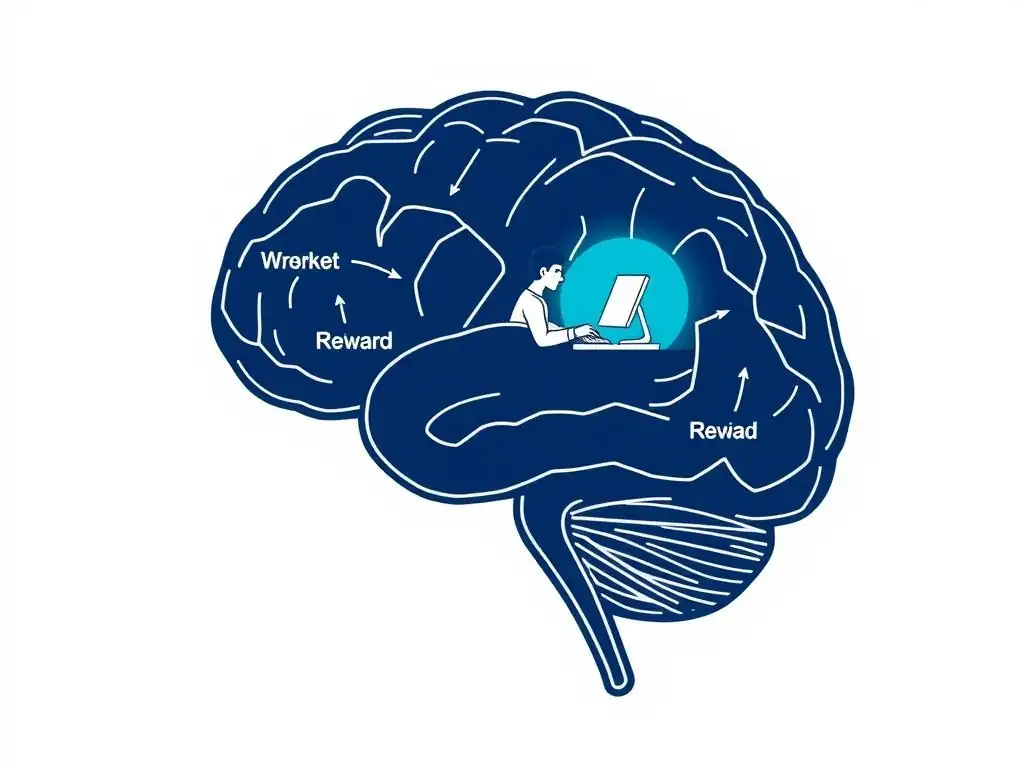
This section delves into practical strategies to manipulate the habit loop – that powerful neurological process governing our actions – to boost your productivity. We'll explore how to identify and break unproductive habits, and then build new, positive routines that propel you towards your goals. Remember, understanding the habit loop is the first step to hacking habit loop productivity.
Identifying Unproductive Habit Loops: Recognizing Time Wasters
Identifying unproductive habits is crucial for effective habit hacking. Many seemingly insignificant actions, when repeated frequently, can significantly impact your productivity. Consider these common time-wasters: mindlessly scrolling through social media, excessively checking emails, procrastinating on important tasks by engaging in less demanding activities. These behaviors often follow the classic habit loop: a cue (e.g., boredom, notification), a routine (e.g., checking social media), and a reward (e.g., temporary dopamine rush). To pinpoint your unproductive habits, try these methods:
- Time Tracking: Use a timer or app to track how you spend your time for a week. Be honest and detailed; even 5-minute increments matter. This detailed analysis will reveal surprising time sinks.
- Journaling: At the end of each day, jot down activities and reflect on your feelings during those activities. This introspection can highlight emotional triggers linked to unproductive habits.
- Self-Reflection: Ask yourself: What activities consistently drain my energy without yielding meaningful results? What am I doing when I feel stressed or overwhelmed? Honest self-assessment is key.
For example, let's say you consistently spend an hour each evening scrolling through social media. The cue might be feeling tired after work; the routine is mindless scrolling; and the reward is temporary distraction and a sense of relaxation, even if fleeting. Recognizing this loop is the first step towards breaking it.
Strategies to Break Unproductive Habits: Techniques for Habit Interruption
Once you've identified unproductive habits, you need effective strategies to interrupt the cycle. Simply trying to stop won't work; you need to actively reshape the loop. Here are some powerful techniques:
- Habit Stacking: Instead of trying to eliminate a bad habit, attach it to a positive one. For instance, if you habitually check social media while waiting for the kettle to boil, replace it with a quick mindfulness exercise or reading a page of a book.
- Habit Substitution: Replace the undesirable routine with a healthier alternative. If you snack while working, substitute it with drinking water or doing some stretches.
- Environmental Design: Modify your environment to remove cues that trigger the unwanted habit. For example, delete social media apps from your phone to reduce impulsive checking.
- Reward Replacement: Identify the underlying need the habit fulfills and find a healthier way to satisfy it. If you scroll through social media to escape stress, try meditation or a short walk instead.
The key is consistency. Breaking a habit takes time and effort. Don't get discouraged by occasional slips; view them as learning opportunities and readjust your strategy.
Building Productive Habit Loops: Creating Positive Routines
Building positive habits follows the same principles as breaking negative ones, but with a focus on creating reinforcing loops. The key is to design your new habits strategically, focusing on cues, routines, and rewards.
Choosing Effective Rewards for Desired Behaviors
Rewards are crucial for reinforcing positive habits. The reward should be something you genuinely enjoy and find motivating. It doesn't have to be extravagant; small, immediate rewards are often more effective than delayed gratification. Here are some examples:
- Immediate Gratification: Listening to a favorite song after completing a task, having a cup of tea, or taking a short break.
- Long-Term Rewards: Setting aside time for a hobby after a productive week, buying something you've been wanting after achieving a fitness goal.
- Intrinsic Rewards: The satisfaction of completing a challenging task, the sense of accomplishment from reaching a milestone, or the feeling of improved well-being.
The most effective rewards are those that are personalized and meaningful to you.
Designing Effective Cues for Positive Habit Triggers
Effective cues are crucial for triggering your desired behaviors. They need to be clear, consistent, and easily integrated into your daily routine. Consider these strategies:
- Location-Based Cues: Place your workout clothes next to your bed to remind you to exercise in the morning.
- Time-Based Cues: Set reminders on your phone or use a habit-tracking app.
- People-Based Cues: Find an accountability partner to encourage and support you.
- Action-Based Cues: Link a new habit to an existing one. For example, after brushing your teeth in the morning, meditate for five minutes.
The cue should be something you encounter regularly and reliably triggers the desired behavior.
Implementing a System for Habit Tracking and Measurement
Tracking your progress is vital for maintaining momentum and identifying areas for improvement. Use a simple system to monitor your habits, such as a habit tracker app, a spreadsheet, or even a physical journal. Regularly review your progress to stay motivated and make adjustments as needed. This data-driven approach is essential for hacking habit loop productivity. A simple table can be helpful:
| Day | Habit | Completed? | Notes |
|---|---|---|---|
| Monday | Meditate for 5 minutes | ✅ | Felt great! |
| Tuesday | Meditate for 5 minutes | ❌ | Forgot; need a better reminder |
| Wednesday | Meditate for 5 minutes | ✅ | Easier today! |
Consistent tracking helps you visualize your progress, celebrate successes, and address challenges effectively. Remember, consistency is key to building lasting positive habits.
Optimizing Your Habit Loops for Peak Productivity

This section delves into practical strategies to leverage the habit loop for enhanced productivity. Understanding the three components – cue, routine, and reward – is crucial, but equally important is how you manipulate these elements to build positive, productivity-boosting habits. We'll explore techniques to strengthen the loop and minimize friction, ultimately leading to sustainable habit formation and increased efficiency in your daily life. Successfully hacking your habit loop for productivity requires a nuanced approach, moving beyond simple understanding to active optimization.
Habit Stacking: Combining New Habits with Existing Ones
Habit stacking is a powerful technique that leverages existing habits to build new ones. Instead of tackling a new habit in isolation, you "stack" it onto an already established routine. This minimizes the cognitive load and increases the likelihood of success. For example, if you already have the habit of brushing your teeth before bed (cue), you could stack a new habit onto it, such as reading for 10 minutes (routine) before brushing your teeth. The reward remains the feeling of a clean mouth and preparing for sleep.
Consider this example: Let's say your goal is to incorporate daily meditation into your routine. Instead of trying to remember to meditate at a specific time, you can stack it onto an existing habit. If you already drink a cup of coffee every morning, you can stack the meditation habit before you make your coffee.
The cue is the feeling of waking up and wanting coffee; the routine is the meditation; and the reward is the enjoyment of your coffee, enhanced by the calmness from meditation. This creates a natural sequence, making the new habit feel less like an added chore and more like a seamless part of your day. This method significantly increases the probability of adhering to your new habit, making it much easier to hack your habit loop for productivity.
The Power of Habit Tracking Apps: Technology for Habit Formation
Technology plays a significant role in optimizing your habit loop. Numerous habit tracking apps are available, offering features designed to boost adherence and provide valuable insights into your progress. These apps often incorporate gamification elements, such as streaks and progress bars, to maintain motivation and provide visual representations of your achievements. The act of tracking itself serves as a form of reinforcement, making you more conscious of your habits and encouraging consistency.
These apps can also help identify patterns and potential roadblocks in your habit formation journey. For instance, you might discover that you consistently miss your morning workout on days when you have a late meeting. This data allows you to proactively adjust your routine and find ways to overcome these obstacles. The key is to choose an app that aligns with your preferences and provides the features you find most motivating.
Some apps offer detailed analytics, providing a deeper understanding of your habit formation process. Others focus on simplicity and ease of use. Experiment with a few different apps to find the one that best supports your personal style and goals. The strategic use of these tools significantly improves your chances of successfully hacking your habit loop for productivity.
Maintaining Momentum and Avoiding Relapse: Strategies for Long-Term Success
Building a new habit is only half the battle; maintaining it over the long term requires consistent effort and a strategic approach. Relapse is a common occurrence, and it's crucial to have strategies in place to prevent it or to bounce back quickly when it happens. Instead of viewing a lapse as a failure, consider it a temporary setback and an opportunity to learn and adjust your approach.
One effective strategy is to anticipate potential challenges and plan for them in advance. Identify your common triggers for relapse and develop coping mechanisms. For example, if you tend to skip your workouts when you're feeling stressed, build in stress-reduction techniques into your routine, such as meditation or deep breathing exercises. Another important aspect is to celebrate your successes, no matter how small. Acknowledge your progress and reward yourself appropriately to maintain motivation.
Remember, consistency is key. Even on days when you don't feel motivated, make a conscious effort to stick to your routine, even if it's just for a few minutes. This small act of commitment can make a significant difference in the long run. By consistently applying these strategies, you can effectively maintain momentum and achieve long-term success in hacking your habit loop for productivity.
Habit Loop Optimization: Personalizing Your Approach
Optimizing your habit loop isn't a one-size-fits-all endeavor. What works wonders for one person might be completely ineffective for another. The key to successfully hacking your habit loop for peak productivity lies in personalization. This means carefully considering your individual circumstances, preferences, and challenges. Understanding your unique triggers, rewards, and routines is paramount.
For instance, someone aiming to establish a morning exercise routine might find that a pre-workout coffee acts as a powerful cue, while the feeling of accomplishment and endorphin rush serves as a satisfying reward. However, another individual might find that a morning alarm and a pre-planned workout playlist are more effective cues, with listening to a favorite podcast during their workout providing a sufficient reward. There's no single "best" approach; experimentation is key.
Consider your personality type. Are you more driven by external rewards (like a celebratory dinner after a week of consistent exercise) or internal rewards (like the feeling of self-satisfaction from completing a task)? Tailoring your reward system to align with your motivational style significantly increases your chances of success. Perhaps tracking your progress visually with a habit tracker app provides the external validation you need, or maybe the quiet satisfaction of ticking off a completed task on your to-do list is enough internal reinforcement.
Moreover, environmental factors play a crucial role. If you're aiming to reduce screen time in the evenings, consider rearranging your living room to minimize the visual appeal of your television or phone. Replace those tempting devices with books, a puzzle, or a comfortable blanket to create a more relaxing and less technology-focused environment. The goal is to make the desired behavior (reading a book) easier and the undesired behavior (scrolling through social media) more difficult.
Finally, remember that optimization is an ongoing process, not a destination. Regularly evaluate your approach, noting what's working and what isn't. Be prepared to adjust your cues, cravings, and rewards as needed. Flexibility and adaptability are crucial for long-term success in hacking your habit loop for sustained productivity. Embrace the iterative nature of habit formation and refinement; continuous improvement is the ultimate goal. Don't be afraid to experiment and find what truly works best for you.
Advanced Habit Loop Hacking Techniques for Ultimate Productivity

This section delves into sophisticated strategies to leverage the habit loop for maximizing productivity. We'll move beyond the basics and explore advanced techniques to not only form new habits but to optimize existing ones for peak performance. Understanding the nuances of the habit loop allows for targeted interventions that significantly boost your efficiency and overall well-being. Mastering these techniques is key to achieving sustainable productivity improvements and truly hacking your habit loop.
The Importance of Mindfulness in Habit Formation
Mindfulness plays a crucial role in successfully hacking the habit loop. It's not just about mindlessly repeating actions; it's about consciously engaging with the process. By paying close attention to your thoughts, feelings, and sensations during the habit loop's three stages – cue, craving, and response – you gain valuable insights into your triggers and patterns.
This heightened awareness allows you to identify subtle cues that initiate unwanted habits and proactively replace them with more productive alternatives. For example, instead of automatically reaching for your phone when feeling stressed (cue), you can consciously choose to practice deep breathing or a short mindfulness meditation (response). This mindful intervention breaks the automatic response and cultivates a more deliberate approach to habit formation.
Furthermore, mindfulness enhances the reward phase. Instead of passively experiencing the reward, actively savor the positive feelings associated with the new, productive habit. This conscious appreciation strengthens the positive reinforcement loop, making the habit more likely to stick. Regular mindfulness practices, such as meditation or yoga, can significantly enhance your ability to observe and control your responses, leading to better habit loop management and increased productivity. Studies show a direct correlation between mindfulness and improved self-regulation, making it an essential tool in hacking your habit loop for productivity.
Integrating Habit Formation into Your Daily Routine
Seamlessly integrating new habits into your daily routine is paramount for long-term success. Simply adding a new habit without considering its placement within your existing schedule often leads to failure. Effective integration requires strategic planning and a deep understanding of your daily rhythm.
Consider using habit stacking, a technique where you link a new habit to an existing one. For instance, if you already consistently brush your teeth in the morning (existing habit), you can stack a new habit like drinking a glass of water immediately afterward. This leverages the existing cue and reward system to establish the new habit.
Another effective strategy is time blocking. Allocate specific time slots in your daily schedule for new habits. Treat these slots as important appointments, ensuring they're protected from interruptions. This approach provides structure and consistency, two key elements for successful habit formation. For example, dedicating 30 minutes each evening to reading a book helps build the reading habit consistently.
Remember to start small and gradually increase the difficulty or duration of the new habit. Avoid overwhelming yourself with too many changes at once. Focus on building one or two habits at a time, ensuring they are deeply ingrained before introducing others. This gradual approach fosters consistency and minimizes the risk of burnout, improving the chances of long-term habit loop optimization.
Long-Term Habit Loop Optimization and Sustainability
Sustaining productivity gains requires ongoing optimization of your habit loop. This isn't a one-time fix; it's a continuous process of refinement and adaptation. Regularly reviewing and adjusting your strategies is vital to maintain momentum and overcome potential obstacles.
Employ habit tracking to monitor your progress and identify areas for improvement. Use a journal, spreadsheet, or app to record your daily actions and note any patterns or challenges. This data-driven approach provides valuable insights into your habit loop dynamics, allowing for informed adjustments. For instance, if you notice that you consistently miss your morning workout on Mondays, you might need to adjust your schedule or find a more convenient time slot.
Regular self-reflection is equally important. Take time to assess your progress, identify any setbacks, and analyze the underlying reasons. This introspective process helps you understand your triggers and develop more effective strategies for overcoming obstacles. Perhaps a particular environment or emotional state is hindering your progress; identifying these factors allows you to proactively address them.
Finally, remember that flexibility and adaptation are key to long-term success. Life throws curveballs, and your habits need to be adaptable enough to weather these changes. Don't be discouraged by occasional setbacks; view them as learning opportunities and adjust your strategies accordingly. The goal is to create a sustainable system that supports your productivity goals over the long term, not a rigid and inflexible structure destined to fail. This continuous optimization process is crucial for truly hacking your habit loop for lasting productivity.
Frequently Asked Questions
What is a habit loop?
A habit loop is a three-stage process involving a cue, a routine, and a reward. Understanding this loop is key to changing your habits. This is the core of habit formation and breaking bad habits.
How can I use the habit loop to build good habits?
By identifying your cues and rewards, you can strategically design new routines. For example, if you want to exercise, set a visual cue (e.g., workout clothes laid out) and a reward (e.g., a healthy smoothie). Consistency is key.
How can I break a bad habit using the habit loop?
Identify the cue and reward of your bad habit. Then, interrupt the routine by substituting a new, more positive behavior. You can also try to remove the cue or alter the reward to make the habit less appealing.
What are some examples of "hacking" the habit loop for productivity?
Replacing mindless scrolling on your phone with a 15-minute work session, using a timer as a cue to take breaks, and rewarding yourself with a short walk after completing a task are all examples of hacking the habit loop for better productivity.
How long does it take to form a new habit using this method?
While it's often stated as 21 days, the time to form a new habit varies greatly depending on the individual and the habit's complexity. Consistency and patience are more important than a specific timeframe. Focus on building the routine, not the time frame.
Final Reflection: Mastering the Habit Loop for a More Productive You
Understanding the habit loop isn't just about theoretical knowledge; it's the key to unlocking unparalleled productivity and personal growth in our fast-paced, demanding world. The principles discussed—cue, craving, response, reward—aren't abstract concepts; they are the very building blocks of our daily actions, shaping our successes and failures alike. Mastering this loop empowers us to design a life aligned with our goals, rather than being passively steered by ingrained behaviors.
The impact of consciously shaping our habits extends far beyond individual productivity; it ripples outwards, influencing our relationships, our communities, and even the broader cultural landscape. We are constantly bombarded with cues designed to trigger cravings—from targeted advertising to social media notifications—making conscious habit formation more crucial than ever. As Charles Duhigg eloquently stated, Habits are powerful, but they are not destiny.
This underscores the agency we possess to reshape our lives by understanding and strategically manipulating the habit loop.
You now possess the tools to become the architect of your own habits. Don't just passively accept the patterns that have formed; actively analyze your daily routines. Identify the cues that trigger unproductive behaviors and consciously replace them with cues that lead to positive actions. Experiment with different reward systems, and remember that consistency is key. The journey to a more productive and fulfilling life begins with a single, conscious step—a step you are now empowered to take.
Unlock Your Habit-Hacking Potential!
Thank you for exploring the power of habit loops! We hope you now understand how habits form and how to use this knowledge to your advantage. Ready to take control of your habits?
Here's how to get started:
- Prioritize one habit: Focus on one area of your life where you want to build a positive habit or break a negative one. Use the principles discussed to create a personalized plan. For example, if you want to improve your sleep, focus on establishing a consistent bedtime routine.
- Track your progress: Keep a simple journal to monitor your success. Note what strategies worked, what didn't, and how you can refine your approach. This is crucial for creating lasting change.
- Share your journey: Inspire others by sharing your successes and challenges with friends, family, or online. Accountability is a powerful tool for maintaining momentum.
What small step will you take today to begin reshaping your habits and unlocking your full potential?