
The Science of Change: How to Finally Break Free From Bad Habits


Ready to reclaim your time and energy? At UltimateLifeHacks, we empower you to live more efficiently and purposefully. This isn't about fleeting trends; it's about lasting change. Discover the science behind breaking bad habits scientifically, and unlock a more productive, fulfilling you. Dive in and learn how to transform your daily routines – the journey to a better life starts now.
- Understanding the Neuroscience of Habit Formation: Why Breaking Bad Habits is Hard
-
Scientifically Proven Strategies to Break Bad Habits: A Step-by-Step Guide
- Step 1: Identify and Track Your Bad Habits: Detailed Habit Journaling
- Step 2: Understanding the Underlying Causes of Your Habits: Root Cause Analysis
- Step 3: Crafting Effective Replacement Habits: Building Positive Alternatives
- Step 4: Implementing Gradual Changes and Managing Setbacks: The Power of Small Wins
- Step 5: Leveraging Environmental Cues to Your Advantage: Habit Stacking and Restructuring
- Advanced Techniques for Breaking Bad Habits: Boosting Your Success Rate
- Maintaining Momentum and Preventing Relapse: Long-Term Habit Change
- Scientifically Backed Methods to Break Bad Habits Permanently
- Frequently Asked Questions
- Final Reflection: Embracing the Science of Transformation
- Unlock Your Transformation: Start Breaking Free Today!
Understanding the Neuroscience of Habit Formation: Why Breaking Bad Habits is Hard
Breaking bad habits—whether it's mindless snacking, procrastination, or excessive social media scrolling—feels like an uphill battle. We often attempt willpower-based solutions, only to find ourselves back in the same cycle. This isn't a matter of lacking discipline; it's a matter of understanding the deeply ingrained neurological processes that govern our habits.
This article delves into the science behind habit formation, providing you with a scientifically-backed framework to effectively break free from unwanted behaviors and cultivate positive, productive routines. We'll explore the neurological mechanisms driving habit loops, the role of neurotransmitters like dopamine, and practical strategies to identify and reprogram your habitual responses.
By understanding the science behind habit formation, you can equip yourself with the knowledge and tools to finally break free from those persistent bad habits and achieve lasting positive change. This approach is crucial for building a more productive and fulfilling life, aligning perfectly with the principles of efficient life management and self-improvement.
The Habit Loop: Cue, Craving, Response, Reward
The foundation of habit formation lies in the "habit loop," a four-step neurological process: cue, craving, response, and reward. Think of it as a neurological pathway in your brain, strengthened with each repetition.
- Cue: This is the trigger that initiates the habit loop. It could be a specific time of day (e.g., 3 PM), a location (e.g., your couch), an emotional state (e.g., stress), or even the presence of a certain object (e.g., your phone).
- Craving: The cue triggers a craving, a desire for the reward associated with the habit. This craving is driven by anticipation of pleasure or relief from discomfort.
- Response: This is the actual behavior—the bad habit itself. It's the automatic response triggered by the craving.
- Reward: This is the positive reinforcement that strengthens the habit loop. It could be a feeling of satisfaction, a sense of relief, or a physiological response (e.g., the sugar rush from a sugary snack).
The more frequently this loop is repeated, the stronger the neurological pathway becomes, making the behavior increasingly automatic and difficult to break. Understanding this loop is the first step towards breaking the cycle. For example, consider the habit of checking social media excessively. The cue might be boredom, the craving the desire for connection or validation, the response is scrolling through feeds, and the reward is a temporary dopamine rush.
The Role of Dopamine and Reward Pathways in Habit Reinforcement
Dopamine, a neurotransmitter associated with pleasure and reward, plays a crucial role in habit reinforcement. When we experience a reward, our brain releases dopamine, strengthening the neural pathways associated with the behavior that led to the reward. This is why rewarding experiences reinforce habits, even if those habits are ultimately detrimental to our well-being.
The brain prioritizes activities that trigger dopamine release, making it challenging to resist ingrained patterns. This explains why breaking a bad habit often requires more than just willpower; it necessitates interrupting the dopamine reward cycle and creating new, more rewarding pathways. Understanding the brain's reward system and dopamine's role is essential for developing effective strategies to break free from negative habits.
Identifying Your Habit Triggers and Reward Systems
To effectively break a bad habit, you must first identify the specific cues, cravings, responses, and rewards involved. This requires self-reflection and careful observation of your behavior. Ask yourself:
| Question | Example (Habit: Excessive Social Media Use) |
|---|---|
| What triggers the behavior? | Boredom, stress, feeling lonely |
| What are you craving? | Connection, validation, escape |
| What's the actual behavior? | Scrolling through social media feeds |
| What's the reward? | Temporary dopamine rush, feeling connected |
By meticulously documenting your habits, pinpointing these elements, you can begin to strategically interrupt the habit loop and replace it with a healthier alternative. This detailed self-assessment is a critical step in the process of scientifically breaking bad habits and building positive ones. Remember, understanding the science behind your habits empowers you to take control and make lasting changes.
Scientifically Proven Strategies to Break Bad Habits: A Step-by-Step Guide
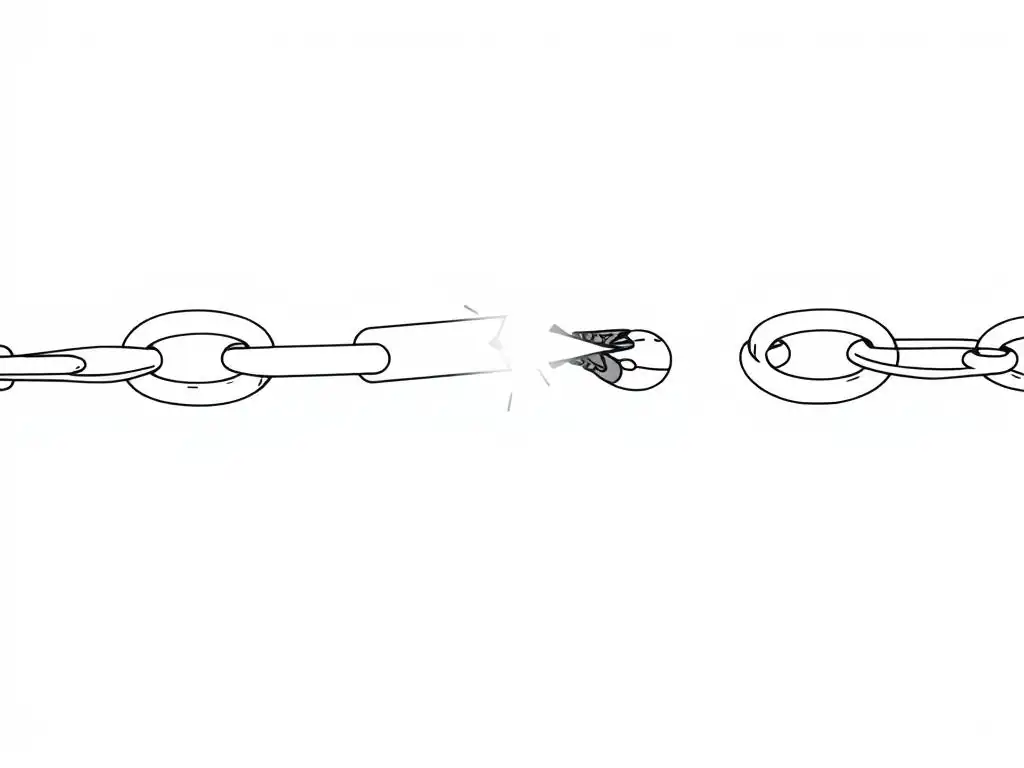
This section details scientifically-backed methods to effectively break free from detrimental habits. We'll explore a structured approach, emphasizing understanding the root causes and replacing negative behaviors with positive alternatives. This process is crucial for achieving lasting change and improving overall well-being. Successfully breaking bad habits scientifically requires commitment and a strategic approach.
Step 1: Identify and Track Your Bad Habits: Detailed Habit Journaling
The first crucial step in breaking bad habits scientifically involves meticulous self-monitoring. This isn't about casual observation; it's about detailed habit journaling. By actively tracking your habits, you gain invaluable insights into their frequency, triggers, and consequences. This data forms the foundation for effective intervention.
Consider these points for effective habit journaling:
- Specificity: Don't just write "eating junk food." Specify what junk food, when, where, how much, and why. For example, "Ate a large bag of chips at 3 PM in front of the TV because I felt stressed after work."
- Triggers: Identify the situations or emotions that precede the habit. Stress, boredom, loneliness, or even specific locations can all act as triggers. Pinpointing these is vital for developing strategies to avoid them or respond differently.
- Consequences: Note the immediate and long-term consequences of the habit. Are you feeling guilty, physically unwell, or experiencing financial strain? Understanding the negative repercussions reinforces your motivation to change.
- Consistency: Maintain your journal consistently, ideally daily. The more data you collect, the clearer the patterns become. Even tracking for a week can reveal surprising insights.
Here's an example of a well-structured habit journal entry:
| Date | Habit | Time | Location | Trigger(s) | Consequences | Notes |
|---|---|---|---|---|---|---|
| 2024-10-27 | Smoking a cigarette | 10:00 AM | Office | Feeling stressed | Mild headache, guilt | Needed a break from project deadline |
| 2024-10-27 | Binge-watching TV | 7:00 PM | Living Room | Feeling bored | Eye strain, sleepiness | Couldn't stop myself once I started |
Using a dedicated app or a simple notebook, diligent habit journaling provides the raw data needed to understand and subsequently modify your behavior. The more precise your tracking, the more effective your subsequent strategies will be.
Step 2: Understanding the Underlying Causes of Your Habits: Root Cause Analysis
Simply identifying a bad habit isn't enough; you must delve deeper to uncover its underlying causes. This requires a thoughtful process of root cause analysis. Why do you engage in this behavior? What need does it fulfill? What are the emotional or psychological drivers?
Often, habits serve as coping mechanisms for underlying issues. For instance, overeating might mask feelings of loneliness or stress, while excessive social media use could be a way to avoid uncomfortable feelings or seek validation. Identifying the root cause allows you to address the problem at its source, rather than just treating the symptom.
Consider these questions when conducting a root cause analysis:
- Emotional triggers: What emotions or feelings precede the habit? Are you stressed, anxious, bored, lonely, or sad?
- Environmental cues: Are there specific places, people, or situations that trigger the habit?
- Cognitive distortions: Are there any negative or unrealistic thoughts that contribute to the habit?
- Reward system: What immediate reward do you receive from the habit, even if the long-term consequences are negative?
- Underlying beliefs: What beliefs or values underpin your habit?
Understanding the "why" behind your habits is critical for developing sustainable solutions. It's about moving beyond surface-level changes to tackle the underlying emotional or psychological needs driving the behavior. This deeper understanding empowers more effective and lasting habit modification.
Step 3: Crafting Effective Replacement Habits: Building Positive Alternatives
Once you've identified your bad habits and their root causes, the next step is to develop effective replacement habits. This doesn't mean simply stopping the undesirable behavior; it involves actively replacing it with a healthier alternative that satisfies the same underlying need.
For example, if you habitually overeat due to stress, you might replace it with a healthier coping mechanism like exercise, meditation, or spending time in nature. If procrastination is fueled by fear of failure, replacing it with smaller, manageable tasks and celebrating small wins can be more effective.
Effective replacement habits should be:
- Specific and measurable: Define the new habit clearly and track your progress.
- Achievable and realistic: Start small and gradually increase the difficulty.
- Relevant to your goals: Ensure the new habit aligns with your overall objectives.
- Time-bound: Set a specific timeframe for achieving the new habit.
Remember, building new habits takes time and effort. Be patient with yourself, celebrate your successes, and don't be discouraged by setbacks. Consistent effort, combined with a clear understanding of the underlying causes and the implementation of effective replacement habits, significantly increases your chances of successfully breaking bad habits scientifically and establishing lasting positive change. 🎉
Step 4: Implementing Gradual Changes and Managing Setbacks: The Power of Small Wins
Breaking free from deeply ingrained bad habits isn't a sprint; it's a marathon. Attempting drastic overnight changes often leads to frustration and relapse. The key lies in implementing gradual changes, celebrating small wins, and developing resilience in the face of setbacks. Think of it like climbing a mountain – you don't reach the summit in one leap. Instead, you take incremental steps, pausing to appreciate the view from each vantage point.
For instance, if you're aiming to reduce your screen time, don't abruptly cut it out entirely. Start by reducing your daily usage by just 15 minutes. Once that becomes comfortable, reduce it by another 15 minutes the following week. This gradual approach makes the process less daunting and increases your chances of long-term success. This principle applies to any habit you wish to change – whether it’s reducing sugar intake, increasing exercise, or improving sleep hygiene.
Managing setbacks is crucial. Everyone experiences slips; it's a natural part of the process. The critical element is how you respond to these setbacks. Instead of viewing them as failures, acknowledge them as learning opportunities. Analyze what triggered the slip, adjust your strategy accordingly, and get back on track.
Don't let a single setback derail your entire progress. Remember, progress, not perfection, is the goal. Celebrate your small wins along the way – each milestone achieved, no matter how small, reinforces your commitment and motivates you to continue. Keep a journal to track your progress and acknowledge your achievements; this positive reinforcement is vital for maintaining momentum. The power of small wins lies in their cumulative effect; they build confidence and create a positive feedback loop that propels you forward.
Step 5: Leveraging Environmental Cues to Your Advantage: Habit Stacking and Restructuring
Our environment significantly influences our habits. By strategically restructuring our surroundings and leveraging environmental cues, we can make positive habits easier to adopt and negative habits harder to maintain. This involves techniques like habit stacking and environmental restructuring.
Habit stacking involves linking a new habit to an existing one. For example, if you want to start meditating daily, you might stack it onto your morning routine: "After I brush my teeth, I will meditate for five minutes." This creates a simple, readily available cue, making the new habit easier to remember and execute.
The existing habit acts as an anchor for the new one, increasing the likelihood of consistent performance. This approach works exceptionally well because it leverages the power of existing routines and minimizes the cognitive load required to initiate the new habit. The more established the anchor habit, the stronger the link and the more effective the stacking process becomes.
Environmental restructuring focuses on modifying your surroundings to support your desired behaviors. If you're trying to reduce junk food consumption, remove tempting snacks from your home. Instead, stock your kitchen with healthy alternatives. If you struggle with procrastination, create a dedicated workspace free from distractions.
These changes make positive choices easier and negative choices more difficult, subtly guiding your behavior towards your goals. By proactively designing your environment, you reduce the reliance on willpower, a finite resource that can be easily depleted. This proactive approach significantly increases the likelihood of successfully breaking bad habits and building positive ones. The effectiveness of environmental restructuring lies in its ability to minimize friction and maximize positive reinforcement, leading to a more sustainable and effortless change.
Advanced Techniques for Breaking Bad Habits: Boosting Your Success Rate

This section delves into more sophisticated strategies to enhance your success in breaking bad habits. Building on the foundational principles already discussed, these techniques offer a powerful combination of internal awareness and external support to significantly increase your chances of lasting change. Remember, breaking bad habits scientifically involves understanding the underlying mechanisms and employing targeted interventions.
Using Mindfulness and Self-Awareness to Interrupt Habit Loops
Mindfulness practices are crucial for interrupting the automatic nature of habit loops. By increasing your self-awareness, you can identify the triggers, cravings, and rewards associated with your unwanted behavior before they fully manifest. This crucial window of opportunity allows for conscious choice and intervention.
Consider this example: Let's say you have a habit of mindlessly scrolling through social media before bed, disrupting your sleep. A mindful approach would involve paying close attention to the feelings and thoughts leading up to this behavior. Do you feel stressed? Bored? Lonely? Recognizing these triggers allows you to choose a more constructive response, such as reading a book, meditating, or engaging in a relaxing hobby.
Practicing mindfulness regularly, even for short periods (5-10 minutes daily), enhances your ability to observe your thoughts and feelings without judgment. This improved self-awareness becomes a powerful tool in breaking the cycle of automatic behavior. Apps offering guided meditations can significantly assist in developing this crucial skill. The key is consistent practice, allowing you to cultivate a stronger sense of self-control and make conscious choices. This increased self-awareness is a cornerstone of scientifically backed habit change.
Breaking bad habits is rarely a solitary endeavor. Surrounding yourself with a supportive network significantly increases your chances of success. This social support acts as an external check, offering encouragement, motivation, and a sense of shared responsibility.
Several strategies can harness the power of accountability:
- Find a buddy: Partner with a friend or family member who shares a similar goal. Regular check-ins and mutual support can foster a sense of commitment and shared responsibility.
- Join a support group: Connecting with others facing similar challenges creates a safe space for sharing experiences, receiving encouragement, and learning from others' successes and setbacks. These groups provide a powerful sense of community and shared purpose.
- Use accountability apps: Numerous apps allow you to track your progress and share it with others. The public nature of your commitment can be a strong motivator.
Remember, your "tribe" doesn't need to consist of people struggling with the same bad habit. Support can come from various sources – a friend who encourages healthy lifestyle choices, a family member who holds you accountable, or a therapist who provides guidance and support. The key is to strategically build a network that promotes your success. This social reinforcement is a vital component in the science of behavior change.
The Importance of Self-Compassion and Forgiveness in the Change Process
The journey of breaking bad habits is rarely linear. Setbacks are inevitable. Crucially, how you respond to these setbacks significantly impacts your overall success. Self-compassion—treating yourself with kindness and understanding during moments of struggle—is vital for maintaining motivation and preventing self-sabotage.
Instead of berating yourself after a slip-up, acknowledge that setbacks are a normal part of the process. Practice self-forgiveness, reframing the experience as a learning opportunity rather than a failure. This compassionate approach prevents negative self-talk from derailing your progress.
Consider these points:
- Reframe setbacks: Instead of viewing a slip-up as a complete failure, see it as a temporary deviation from your overall goal.
- Practice self-kindness: Treat yourself with the same understanding and compassion you would offer a friend facing a similar challenge.
- Focus on progress, not perfection: Celebrate small victories and acknowledge your overall progress, even if it's not perfect.
Self-compassion isn't about self-indulgence; it's about cultivating a supportive inner dialogue that fosters resilience and promotes long-term success in breaking bad habits. This approach is scientifically supported, emphasizing the importance of emotional regulation in behavior modification. Remember, lasting change requires both willpower and self-compassion.
Maintaining Momentum and Preventing Relapse: Long-Term Habit Change

Breaking a bad habit is a significant achievement, but maintaining that change over the long term requires sustained effort and strategic planning. The initial burst of motivation often fades, making relapse a real possibility. This section focuses on strategies to maintain momentum and prevent backsliding, ensuring your hard-won progress endures. Successfully breaking bad habits scientifically requires a commitment to long-term strategies, not just short-term fixes.
Strategies for Long-Term Habit Maintenance: Consistency is Key
Consistency is paramount in solidifying new habits and preventing a return to old patterns. Think of habit formation like building a strong muscle – it requires regular exercise (in this case, consistent practice of your new behavior). Instead of aiming for perfection, focus on consistent effort. Small, daily actions are more effective than sporadic bursts of intense activity.
For example, if you're breaking the habit of checking your phone excessively, start with a small, achievable goal, like limiting phone use to specific times of the day. Gradually decrease those times over several weeks. Track your progress using a habit tracker app or a simple journal. Seeing your consistent effort visually reinforces your commitment and provides a sense of accomplishment. This consistent, measurable approach is crucial for scientifically sound habit breaking. Don't get discouraged by occasional slip-ups; view them as learning opportunities and adjust your strategy accordingly.
Recognizing and Overcoming Relapse Triggers: Building Resilience
Relapse isn't a failure; it's a predictable part of the change process. Understanding your relapse triggers is crucial for building resilience and preventing future setbacks. Common triggers include stress, boredom, social situations, and specific environments. Identifying these triggers allows you to proactively develop coping mechanisms.
Consider keeping a journal to document instances where you almost relapsed or did relapse. Note the circumstances, your emotional state, and any external factors that contributed. Analyzing this data can reveal patterns and help you anticipate and manage future high-risk situations. For instance, if you find that stress triggers your bad habit, develop a stress-management plan that incorporates techniques like deep breathing, meditation, or exercise. Building resilience involves anticipating challenges and developing proactive strategies to overcome them. This scientific approach to relapse prevention is key to long-term success.
Celebrating Successes and Maintaining Motivation: Positive Reinforcement
Maintaining motivation throughout the process is essential. Celebrate your successes, no matter how small. Acknowledge your progress and reward yourself appropriately. Positive reinforcement strengthens your commitment and keeps you motivated. Avoid self-criticism; instead, focus on self-compassion and positive self-talk.
Consider creating a reward system that aligns with your values and goals. For instance, after a week of consistently sticking to your new habit, treat yourself to a relaxing activity, a small purchase, or a special meal. Positive reinforcement, strategically implemented, can significantly boost your adherence to your new, healthier habits. This scientifically-backed approach focuses on rewarding positive behavior, making the process of breaking bad habits more enjoyable and sustainable. Remember, celebrating milestones helps maintain momentum and reinforces the positive changes you're making.
Scientifically Backed Methods to Break Bad Habits Permanently
This section delves into scientifically proven strategies to effectively break free from undesirable habits. Understanding the underlying mechanisms of habit formation and employing targeted interventions significantly increases your chances of success. We'll explore methods rooted in behavioral science, offering practical steps to replace negative patterns with positive ones. Remember, breaking bad habits scientifically isn't about willpower alone; it's about understanding and retraining your brain.
Cognitive Behavioral Therapy (CBT) and Habit Change
Cognitive Behavioral Therapy (CBT) is a powerful tool for habit modification. It operates on the principle that our thoughts, feelings, and behaviors are interconnected. By identifying and challenging negative thought patterns associated with a bad habit, CBT helps to break the cycle. For instance, if you're trying to break a smoking habit, CBT would address the underlying anxieties or cravings that trigger the behavior.
Instead of simply suppressing the urge to smoke, CBT encourages you to examine the thoughts leading to it. Are you stressed? Bored? Identifying these triggers allows you to develop alternative coping mechanisms. This might involve practicing mindfulness techniques to manage stress, finding engaging alternatives to boredom, or even utilizing relaxation exercises to quell cravings. The core of CBT is to replace automatic negative responses with more adaptive and positive ones. This conscious re-evaluation and restructuring of thought processes is crucial for long-term habit change.
The effectiveness of CBT in breaking bad habits has been extensively documented in various studies. Research consistently shows that CBT interventions are significantly more successful in producing lasting behavior changes compared to simply relying on willpower alone. The focus on cognitive restructuring empowers individuals to take control of their behavior, making lasting change a realistic goal. Consider journaling your thoughts and feelings before engaging in your bad habit to better understand the triggers and develop personalized strategies within a CBT framework.
Implementation Intentions and Goal Setting
Setting clear, specific goals is paramount in breaking bad habits. However, simply stating a goal ("I will stop biting my nails") isn't sufficient. Implementation intentions take goal setting a step further by specifying when and where you will perform the desired behavior (or avoid the undesirable one).
For example, instead of "I will exercise more," a strong implementation intention would be: "I will go for a 30-minute walk every Tuesday and Thursday at 7:00 AM in the park near my house." This precise plan removes ambiguity and makes it easier to follow through. The specificity of implementation intentions provides a roadmap for your brain, making it more likely to execute the intended action. This method leverages the power of planning to overcome procrastination and increase the likelihood of achieving your goals.
Furthermore, breaking down large goals into smaller, manageable steps can greatly improve success rates. Instead of aiming for a complete overhaul overnight, focus on incremental progress. For example, if you're trying to reduce your sugar intake, start by eliminating sugary drinks for a week, then gradually reduce added sugar in other foods. This approach prevents feelings of overwhelm and fosters a sense of accomplishment as you achieve each milestone. This strategy is especially crucial for long-term habit change, as it makes the process less daunting and easier to maintain.
Contingency Management and Reward Systems
Contingency management uses reinforcement principles to shape behavior. It involves establishing a system of rewards and consequences to motivate adherence to desired behaviors and discourage undesirable ones. This can involve self-monitoring, tracking progress, and rewarding yourself for achieving goals.
For instance, if you're trying to improve your sleep hygiene, you could reward yourself with a relaxing bath or a favorite book after a week of consistently going to bed and waking up at the same time. Conversely, you could establish a consequence for not sticking to your sleep schedule, such as missing out on a planned activity. The key is to choose rewards and consequences that are meaningful to you and consistently apply the system.
The effectiveness of contingency management hinges on creating a strong association between the desired behavior and positive reinforcement. This positive reinforcement loop strengthens the neural pathways associated with the new behavior, making it more likely to be repeated. Conversely, negative consequences for undesirable behaviors help to weaken those pathways.
This method is particularly beneficial for habits that require sustained effort and commitment, as it provides a structured approach to maintaining momentum and staying motivated throughout the process. Regular monitoring and adjustments to the reward system are crucial for long-term success. Consider using a habit tracker app to help monitor your progress and stay motivated.
Frequently Asked Questions
How can I use science to break a bad habit?
Understanding the science behind habit formation is key. Identify your triggers and reward pathways, then use strategies like habit stacking, replacement, and reward systems to change your behavior. Consistency is crucial.
What are some effective strategies for breaking bad habits?
Several strategies are scientifically proven. Habit stacking involves linking a new habit to an existing one. Reward systems provide positive reinforcement. Cognitive behavioral therapy (CBT) helps identify and change negative thought patterns.
Why do I keep relapsing into my bad habits?
Relapses are common because habits are deeply ingrained. Strong cues and cravings can trigger a return to old behaviors. Don't get discouraged; view relapses as learning opportunities and adjust your strategies.
How long does it take to break a bad habit?
The timeframe varies greatly depending on the habit's strength and the individual. It often takes consistent effort over weeks or even months to establish new, healthier patterns. Be patient and persistent.
What role does willpower play in breaking bad habits?
While willpower is important, relying solely on it is unsustainable. Instead, focus on creating an environment that supports your goals. This includes removing temptations and building a strong support system. Automate good habits to minimize reliance on willpower.
Final Reflection: Embracing the Science of Transformation
The power to reshape our lives lies not in willpower alone, but in understanding the scientific mechanisms driving our habits. Breaking free from ingrained patterns isn't about sheer determination; it's a journey of self-discovery guided by the principles of behavioral science. This understanding empowers us to design effective strategies for lasting change, moving beyond fleeting resolutions to a sustainable transformation.
The exploration of habit formation and reformation has profoundly impacted my own life, highlighting the importance of mindful self-awareness and strategic planning. We are what we repeatedly do. Excellence, then, is not an act, but a habit.
– Aristotle. This quote underscores the article's central message: consistent, informed action, not sporadic bursts of effort, is the key to breaking free from negative habits and cultivating positive ones. The journey is ongoing, a continuous process of learning and adaptation, demanding patience and self-compassion.
You now possess the tools to embark on your own journey of transformation. Don't just passively read about these techniques; actively apply them to your life. Identify a habit you wish to change, analyze its underlying triggers, and strategically implement the strategies discussed. Embrace the process, celebrate small victories, and remember that setbacks are inevitable but not insurmountable. The science of change is on your side; now it's time to harness its power and create the life you truly desire.
Unlock Your Transformation: Start Breaking Free Today!
Thank you for exploring the science of breaking free from bad habits. You've gained valuable knowledge to create lasting positive change. Now, let's put that knowledge into action.
- Focus on one habit: Identify the habit you're most ready to change and create a personalized plan using the strategies discussed. This is the first step on your transformative journey.
- Share your key takeaway: What was the most insightful piece of information you learned today? Share your thoughts in the comments below and inspire others!
- Track your progress: Use a simple habit tracker (even a notepad will do!) and celebrate your successes. You'll find it easier to build momentum as you progress.
What small step will you take today to build the life you envision?