
Unlocking Your Potential: Break Free From the Chains of Bad Habits


Ready to reclaim your time and unlock your true potential? At UltimateLifeHacks, we're dedicated to helping you streamline your life and boost your productivity. This week, we dive deep into breaking bad habits, offering practical, actionable productivity tips that will transform your daily routine. Discover the secrets to finally ditch those unproductive patterns and embrace a more efficient, fulfilling life. Let's explore how to break free from the chains of bad habits and build a future you truly deserve – read on to find out how!
- Understanding the Impact of Bad Habits on Productivity
- Effective Strategies to Break Bad Habits and Boost Productivity
- Maintaining Momentum and Preventing Relapse
- Case Studies: Real-Life Examples of Breaking Bad Habits for Increased Productivity
- Break Bad Habits Productivity Tips: Your Personalized Action Plan
- Frequently Asked Questions
- Final Reflection: The Liberating Power of Habit Change
- Unleash Your New Habits Now!
Understanding the Impact of Bad Habits on Productivity
Breaking free from the chains of bad habits is a crucial step towards unlocking your full potential and significantly boosting your productivity. We all have them – those ingrained behaviors that subtly (or not so subtly!) sabotage our efforts to achieve our goals.
This article delves into the insidious ways bad habits hinder productivity, providing practical strategies and actionable tips to help you identify, understand, and ultimately break free from their grip. We'll explore the hidden costs associated with these habits, the negative feedback loops they create, and most importantly, how to replace them with positive, productivity-enhancing routines. By understanding the mechanics of habit formation and the detrimental effects of unproductive behaviors, you can pave the way for a more efficient, fulfilling, and ultimately, more successful life.
This is about more than just ticking off tasks; it's about mastering your mindset and building a sustainable foundation for long-term productivity. Let's begin by identifying those productivity-sapping habits that might be holding you back.
Identifying Your Productivity-Killing Habits
The first step to breaking bad habits is identifying them. This isn't always easy, as many unproductive behaviors become so ingrained they feel almost automatic. Take some time for honest self-reflection. Consider your daily routine: What activities consistently derail your focus? What tasks do you repeatedly procrastinate on? Do you find yourself frequently checking social media, endlessly scrolling through news feeds, or getting lost in unproductive online activities?
To help you pinpoint your productivity-killers, try these techniques:
- Keep a journal: Track your activities for a week, noting how much time you spend on each task and how you feel afterward. This provides valuable data to highlight time-wasting habits.
- Use a time-tracking app: Many apps are available to monitor your screen time and app usage, giving you a clearer picture of where your time goes.
- Identify triggers: What situations or emotions lead to these habits? Understanding the triggers is key to interrupting the cycle.
- Ask for feedback: Sometimes, others can see our unproductive patterns more easily than we can. Ask trusted friends, family, or colleagues for their observations.
For example, constantly checking emails throughout the day can significantly disrupt concentration. Similarly, spending excessive time on social media can lead to procrastination and a feeling of being overwhelmed. By honestly assessing your daily habits, you can begin to create a more focused and productive routine.
Bad habits don't just steal your time; they also drain your energy and negatively impact your mental wellbeing. The seemingly small indulgences can accumulate, leading to significant consequences. Consider these hidden costs:
| Cost Category | Specific Examples | Impact on Productivity |
|---|---|---|
| Time | Excessive social media use, unproductive meetings, procrastination | Reduced output, missed deadlines, increased stress levels |
| Energy | Poor sleep habits, unhealthy eating, lack of exercise | Fatigue, decreased focus, difficulty concentrating |
| Mental Wellbeing | Negative self-talk, perfectionism, avoidance behaviors | Anxiety, stress, decreased motivation, burnout |
The cumulative effect of these costs can be substantial. For instance, consistently neglecting sleep can lead to decreased cognitive function, impacting your ability to focus and make decisions effectively. Similarly, poor dietary habits can lead to energy crashes, hindering your ability to complete tasks efficiently. Recognizing these hidden costs is crucial in motivating yourself to break free from unproductive patterns. The investment in breaking bad habits yields significant returns in increased energy, improved mental clarity, and enhanced overall productivity.
How Bad Habits Create a Negative Feedback Loop
Bad habits often create a vicious cycle – a negative feedback loop. Let's illustrate this with an example: Imagine someone struggling with procrastination. They put off a task, leading to feelings of guilt and anxiety. To cope with these negative emotions, they engage in a distracting activity (e.g., watching TV), providing temporary relief but ultimately exacerbating the problem. This avoidance reinforces the procrastination habit, creating a self-perpetuating cycle.
This cycle is characterized by:
- Trigger: A task or situation that elicits the bad habit.
- Behavior: Engaging in the unproductive behavior.
- Reward: Short-term relief or gratification.
- Consequence: Long-term negative effects on productivity and wellbeing.
Breaking this loop requires consciously interrupting the cycle at one or more points. This might involve identifying and addressing the underlying triggers, replacing the unproductive behavior with a healthier alternative, or focusing on the long-term benefits of changing the habit. By understanding how these negative feedback loops function, you can develop strategies to break free and establish positive, productivity-boosting habits instead.
Effective Strategies to Break Bad Habits and Boost Productivity

This section delves into practical, actionable strategies to overcome unproductive habits and cultivate a more efficient and fulfilling life. We'll explore proven techniques to help you break free from the chains of bad habits and unlock your true productivity potential. Remember, consistent effort is key – small, incremental changes accumulate to significant improvements over time. The journey to breaking bad habits is a marathon, not a sprint, so be patient and kind to yourself along the way.
The Power of Self-Awareness: Tracking Your Habits
Understanding your habits is the first crucial step towards breaking them. Many unproductive behaviors operate subconsciously. To gain clarity, start tracking your habits meticulously. This doesn't require complex technology; a simple notebook or a dedicated app can suffice. For a week, diligently note down:
- The habit: Be specific. Instead of "eating unhealthy snacks," write "eating a candy bar at 3 PM."
- The trigger: What precedes the habit? Stress? Boredom? A specific time of day? Identifying triggers is vital for breaking the cycle.
- The reward: What does the habit provide? Instant gratification? A sense of comfort? Understanding the reward helps you find healthier alternatives.
- The context: Where does the habit occur? At work? At home? Knowing the context allows you to modify your environment to support change.
For example, consider someone struggling with procrastination. Tracking might reveal they check social media (habit) whenever they feel overwhelmed by a task (trigger), seeking a temporary escape (reward) while sitting at their desk (context). This detailed analysis allows for targeted interventions.
After a week of tracking, analyze your data. Look for patterns and common triggers. This self-awareness forms the bedrock of effective habit change. You'll gain valuable insights into why you engage in these habits, paving the way for more effective strategies. Remember, the goal isn't self-criticism; it's self-understanding. This process is crucial for successfully implementing the subsequent strategies. 📈
Setting Realistic Goals for Habit Change: Small Steps, Big Results
Trying to overhaul your entire life overnight is a recipe for failure. Instead, focus on one or two bad habits at a time. Set SMART goals:
- Specific: Instead of "eat healthier," aim for "eat one serving of vegetables with lunch every day."
- Measurable: Track your progress daily or weekly to stay accountable.
- Achievable: Start with small, manageable changes. Don't overwhelm yourself.
- Relevant: Choose habits that genuinely impact your productivity and well-being.
- Time-bound: Set a realistic timeframe for achieving your goal (e.g., "for the next 30 days").
For instance, if you want to break the habit of constantly checking emails, start by setting aside specific times for email checks (e.g., 10 AM and 3 PM) and resisting the urge to check in between. Gradually increase the intervals between checks as you gain control. This approach fosters a sense of accomplishment, encouraging continued progress. Remember, consistency is more important than intensity. Small, consistent changes yield better long-term results than drastic, unsustainable efforts. 🐢
Replacing Bad Habits with Positive Alternatives: The Substitution Method
Simply stopping a bad habit often leaves a void. The substitution method involves replacing the undesirable habit with a healthier alternative. This addresses both the trigger and the reward.
Let's revisit the procrastination example. Instead of checking social media when feeling overwhelmed, the individual could implement a different response:
- Mindfulness exercise: Take a few deep breaths, focusing on the present moment.
- Short break: Step away from the desk for 5 minutes, stretching or taking a walk.
- Task breakdown: Break down the overwhelming task into smaller, more manageable steps.
The key is to find an alternative that satisfies the same underlying need – in this case, a release from stress or a break from intense focus. This method effectively redirects the behavior, preventing a relapse into the old habit. Experiment with different alternatives until you find what works best for you. This personalized approach is crucial for long-term success. The substitution method is a powerful tool for building positive habits while simultaneously breaking negative ones. It's a proactive approach to habit change, focusing on building rather than just removing. ✨
Utilizing Habit Stacking for Enhanced Productivity
Habit stacking is a powerful technique to integrate new, positive habits into your daily routine seamlessly. It leverages the power of existing habits to anchor new ones, making the process less demanding and more likely to succeed. Instead of trying to force a new habit into your schedule, you strategically link it to an existing habit you already perform consistently.
For example, if you already brush your teeth every morning (an existing habit), you could stack a new habit onto it, such as drinking a glass of water immediately afterward. The key is to choose an existing habit that you perform automatically, without much conscious thought. This minimizes the mental effort required to initiate the new habit, increasing your chances of success.
The effectiveness of habit stacking lies in its simplicity and its ability to bypass the common hurdle of willpower. Many people struggle to establish new habits because they rely solely on willpower, which is a finite resource. Habit stacking removes the need for significant willpower by associating the new habit with an already established behavior. Consider another example: after finishing your lunch (existing habit), you could immediately spend 15 minutes reading a book (new habit).
This approach gradually builds consistency, making the new habit feel natural and effortless over time. The more you practice habit stacking, the more proficient you become at identifying suitable pairings and maximizing its productivity-boosting effects. Experiment with different combinations until you find what works best for you. Remember to start small and gradually increase the complexity of your habit stacks as you build momentum.
Leveraging Technology for Habit Tracking and Motivation
Technology offers a wealth of tools to help you track your progress, stay motivated, and ultimately break bad habits. Numerous apps are designed to facilitate habit formation and provide valuable insights into your behavior. These apps typically allow you to input your habits, set reminders, track your daily progress, and visualize your overall success rate.
Visualizing your progress is incredibly motivating; seeing a consistent upward trend in your habit tracking can reinforce positive behavior and encourage you to continue. Many apps also offer features like streak tracking, where you receive positive reinforcement for maintaining a consistent pattern of habit completion. This gamified approach can significantly increase your engagement and motivation.
Beyond simple habit trackers, some apps incorporate social features, allowing you to connect with others who share similar goals. This social aspect can provide accountability and support, making it easier to stay on track. Sharing your progress with friends or joining a community can foster a sense of responsibility and encourage you to maintain your momentum.
However, it's crucial to select apps carefully, choosing those that align with your specific needs and preferences. Some apps offer personalized feedback and insights, while others focus on community building. Experiment with a few different apps to find the one that best suits your style and helps you stay motivated in your journey to break bad habits and boost your productivity.
Remember, the technology is a tool; your commitment and consistent effort remain the most crucial factors. Don't rely solely on the app; actively engage with the process and celebrate your milestones along the way.
Maintaining Momentum and Preventing Relapse
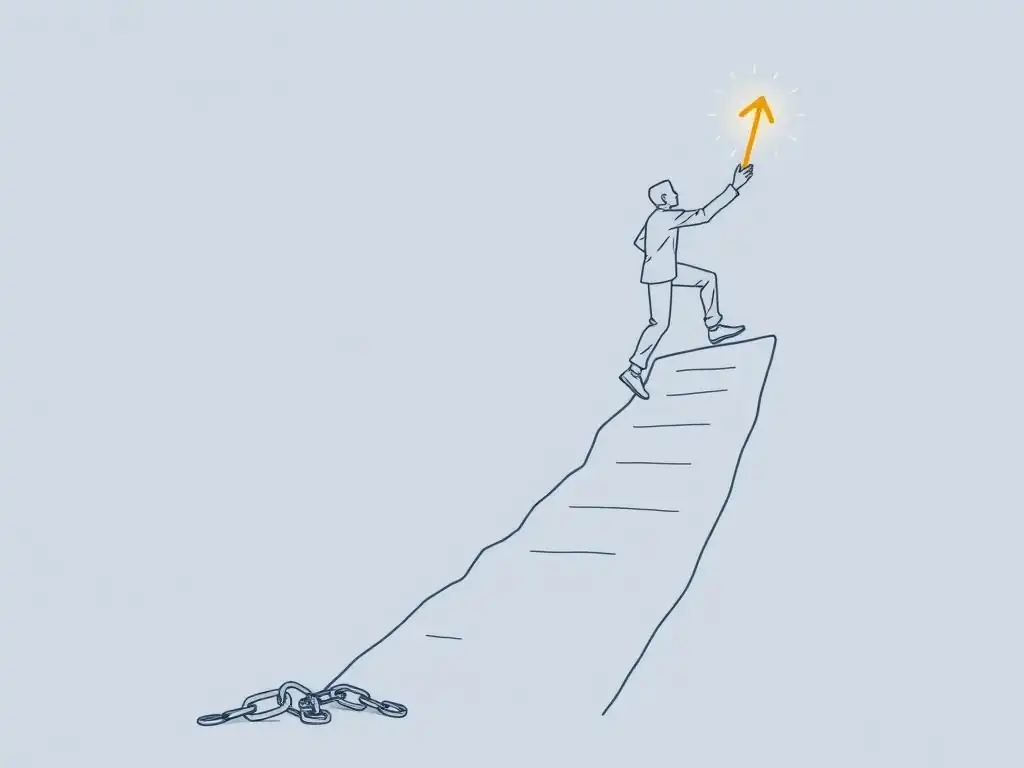
Breaking bad habits is a journey, not a sprint. Initial success is crucial, but maintaining that momentum and preventing relapse is where true mastery lies. This section focuses on strategies to ensure your positive habit changes stick, even when faced with challenges. The key is proactive planning and a resilient mindset.
Consistent effort in building new, positive habits directly impacts your overall productivity. This is crucial for long-term success in breaking bad habits and improving productivity. We'll explore practical techniques to help you stay on track and avoid slipping back into old patterns. This relates directly to "Break bad habits productivity tips", as sustained effort is key to boosting productivity.
Building a Support System for Habit Change
Enlisting support is one of the most effective "break bad habits productivity tips". A strong support system can significantly increase your chances of success. This doesn't just mean having friends and family who understand your goals; it means actively involving them in your journey. Consider these options:
- Accountability Partners: Find someone with similar goals or who can provide objective feedback. Regularly check in with them, sharing your progress and challenges. This mutual support can be incredibly motivating.
- Support Groups: Online or in-person groups dedicated to habit change can offer a sense of community and shared experience. Hearing others' stories and strategies can be inspiring and help you feel less alone.
- Mentors or Coaches: A professional coach can provide guidance, structure, and personalized strategies tailored to your specific needs and challenges. Their expertise can be invaluable in navigating setbacks.
Remember, sharing your goals isn't about seeking validation; it's about building a network of encouragement and accountability. The more people invested in your success, the less likely you are to relapse.
Rewarding Yourself for Success: Celebrating Milestones
Positive reinforcement is vital in the process of breaking bad habits and improving productivity. Don't underestimate the power of rewarding yourself for your achievements. This isn't about indulging in unhealthy ways; it's about acknowledging and celebrating your progress. Think of rewards as a way to reinforce positive behavior and build motivation. Here are some ideas:
- Small, Frequent Rewards: Reward yourself for completing daily or weekly goals, even small ones. This could be something as simple as enjoying a favorite cup of tea, listening to your favorite music, or taking a short walk.
- Larger Rewards for Bigger Milestones: Set larger goals with significant rewards for reaching them. This could be a weekend getaway, a new book, or a piece of technology you've been wanting.
- Non-Material Rewards: Sometimes the most rewarding experiences are non-material. This could involve spending quality time with loved ones, pursuing a hobby, or simply relaxing and unwinding.
The key is to choose rewards that are meaningful to you and that reinforce the positive behaviors you're trying to establish. Celebrating your wins, no matter how small, keeps you motivated and reinforces the positive changes you're making.
Dealing with Setbacks and Maintaining Motivation
Setbacks are inevitable. Don't let a single slip-up derail your entire progress. The ability to bounce back from setbacks is a crucial skill in habit formation and maintaining productivity. The key is to view setbacks as learning opportunities, not failures. Here's how to navigate them:
- Analyze the Setback: Instead of beating yourself up, take some time to understand why you slipped up. Was it stress, lack of planning, or a tempting situation? Identifying the root cause is the first step to preventing future setbacks.
- Forgive Yourself and Move On: Self-compassion is crucial. Dwelling on mistakes only hinders your progress. Acknowledge the setback, learn from it, and refocus on your goals.
- Adjust Your Strategy: If a particular strategy isn't working, don't be afraid to adjust it. Perhaps you need to break down your goals into smaller steps, find a different accountability partner, or explore new reward systems.
Remember, progress isn't linear. There will be ups and downs. The ability to learn from setbacks and maintain your motivation is what ultimately determines your success in breaking bad habits and achieving lasting productivity improvements. This is a key component of effective "break bad habits productivity tips".
Long-Term Strategies for Sustained Productivity and Habit Change
Breaking bad habits is rarely a quick fix; it's a marathon, not a sprint. Sustained productivity and lasting habit change require a long-term perspective and a commitment to consistent effort. This means moving beyond short-term fixes and adopting strategies designed for lasting impact. One crucial element is self-compassion. Understand that setbacks are inevitable. Don't beat yourself up over occasional slips; instead, view them as learning opportunities. Analyze what triggered the lapse and adjust your strategies accordingly. This iterative process of learning and adapting is key to long-term success in breaking bad habits and boosting productivity.
Another vital aspect is building a supportive environment. Surround yourself with people who encourage your positive changes and understand your goals. This could involve sharing your intentions with close friends or family, joining a support group, or finding an accountability partner. Having a network of support can significantly increase your chances of success, providing encouragement during challenging times and celebrating your milestones. Consider also seeking professional guidance if you feel you need additional support. A therapist or coach can provide personalized strategies and tools to overcome obstacles and maintain your momentum.
Furthermore, integrating new, positive habits into your daily routine is essential. This isn't just about stopping bad habits; it's about replacing them with beneficial alternatives. For example, if you're trying to break the habit of mindless scrolling on social media, replace it with a more productive activity like reading, exercising, or pursuing a hobby. This proactive approach ensures that you're filling the void left by the negative habit, preventing a relapse and fostering a sense of accomplishment.
Remember, building positive habits reinforces your commitment to long-term change, making it easier to maintain your momentum and stay on track. The key is consistency; even small, consistent steps contribute significantly to long-term success in breaking bad habits and improving productivity. Don't underestimate the power of small, daily wins in building a more productive and fulfilling life.
Case Studies: Real-Life Examples of Breaking Bad Habits for Increased Productivity
This section provides concrete examples of how individuals successfully broke detrimental habits, leading to significant productivity gains. These case studies illustrate the practical application of strategies discussed in this article and offer relatable scenarios for readers seeking to improve their own productivity by breaking bad habits. Remember, breaking bad habits is a journey, not a sprint, and setbacks are normal. The key is persistence and adapting strategies to your specific needs.
Overcoming Procrastination
One common productivity killer is procrastination. Consider Sarah, a freelance graphic designer who struggled with consistently delaying project deadlines. Her procrastination stemmed from a fear of failure and a tendency to perfectionism. To combat this, Sarah implemented the Pomodoro Technique, working in 25-minute focused bursts followed by 5-minute breaks.
She also broke down large projects into smaller, more manageable tasks. This made the overall goal less daunting and provided a sense of accomplishment with each completed task. Initially, she found it challenging to stick to the schedule, often getting distracted. However, by tracking her progress using a simple spreadsheet and rewarding herself for completing Pomodoro sessions, she gradually built momentum.
Within three months, Sarah reported a 40% increase in project completion rates and a significant reduction in stress levels. Her improved time management freed up valuable time, allowing her to take on more projects and increase her income. This demonstrates the power of structured work habits in overcoming procrastination and boosting productivity. The key takeaway for readers grappling with procrastination is to find a method—be it the Pomodoro Technique, time blocking, or another strategy—that helps them focus their energy and break down overwhelming tasks.
Social media, while offering connection, can be a major time drain and hinder productivity. Mark, a software engineer, found himself constantly checking his phone for updates, losing valuable work hours. His social media consumption interfered with his ability to concentrate and meet project deadlines. To tackle this, Mark started by tracking his social media usage using a phone app. This revealed the extent of his addiction, showing he was spending an average of three hours daily on various platforms.
He then implemented several strategies. First, he deleted social media apps from his phone, accessing them only through his laptop during designated times. Second, he used website blockers during work hours to prevent impulsive checks. Third, he replaced his social media scrolling with more productive activities during breaks, such as short walks or reading.
Within two months, Mark's social media usage decreased by 75%, leading to a significant improvement in his focus and productivity. He reported feeling less stressed and more in control of his time. This case highlights the effectiveness of mindful usage, setting boundaries, and substituting unproductive habits with healthier alternatives in managing social media addiction and improving productivity. This illustrates the importance of self-awareness and intentional behavior modification in breaking the cycle of unproductive social media consumption.
Breaking the Habit of Late-Night Snacking
Late-night snacking can disrupt sleep patterns, impacting energy levels and overall productivity the following day. Consider Lisa, a teacher who struggled with late-night cravings for sugary snacks. This habit led to poor sleep, resulting in fatigue and decreased concentration during the school day. To address this, Lisa started by identifying her triggers. She realized her cravings were often linked to stress and boredom after a long workday.
She then implemented several changes. First, she ensured she had a balanced dinner earlier in the evening. Second, she engaged in relaxing activities before bed, such as reading or taking a warm bath, to avoid resorting to snacking out of boredom. Third, she prepared healthy snacks in advance to satisfy cravings without resorting to unhealthy options.
By focusing on addressing the underlying causes of her late-night snacking and replacing the habit with healthier alternatives, Lisa experienced significant improvements in her sleep quality and daytime energy levels. Her improved sleep resulted in increased focus and productivity in her teaching. This shows that breaking the cycle of late-night snacking requires a holistic approach, addressing both the physical and emotional aspects of the habit. Identifying and managing triggers is crucial for lasting success in managing this and similar habits, which directly impact productivity.
Break Bad Habits Productivity Tips: Your Personalized Action Plan
This section provides a structured approach to breaking bad habits and boosting your productivity. We'll move beyond general advice and delve into creating a personalized action plan tailored to your specific needs and challenges. Remember, consistent effort is key to successfully breaking bad habits and unlocking your productivity potential. This isn't a quick fix; it's a journey of self-improvement.
Assessing Your Current Habits and Identifying Priorities
Before you can break bad habits, you need to understand them. This involves a thorough self-assessment to identify the habits hindering your productivity. Don't just list them; analyze why you engage in these habits. What triggers them? What rewards do they provide (even if they're seemingly negative rewards)? Consider using a habit tracker for a week or two to gather data. This could be a simple journal, a spreadsheet, or a dedicated habit-tracking app.
For example, let's say you identify procrastination as a major productivity killer. Instead of simply writing "procrastination," delve deeper:
- Trigger: Feeling overwhelmed by a large task.
- Habit: Checking social media, browsing the internet, or engaging in other distracting activities instead of working on the task.
- Reward: Short-term relief from anxiety, a temporary escape from the pressure.
- Negative Consequence: Increased stress, lower quality work, missed deadlines, and ultimately, lower productivity.
Once you've identified several key habits, prioritize them. Focus on the 1-3 habits that have the biggest negative impact on your productivity. Tackling too many at once can be overwhelming and lead to failure. Use a simple prioritization matrix, perhaps assigning a score based on impact and ease of change.
Developing Your Personalized Habit-Breaking Strategy
Now that you've identified your priority bad habits, it's time to develop a personalized strategy to break them. This isn't a one-size-fits-all approach; what works for one person might not work for another. Experiment with different techniques to find what suits you best. Consider these strategies:
- Habit Stacking: Link a new, positive habit to an existing habit. For example, if you already brush your teeth every morning, add flossing to your routine. This leverages existing habits to build new ones.
- Habit Replacement: Replace a bad habit with a healthier alternative. Instead of mindlessly scrolling through social media, try a short meditation session or a quick walk.
- Reward System: Reward yourself for successfully resisting the bad habit and sticking to your plan. Make sure the rewards are aligned with your goals and not counterproductive. Small, frequent rewards are often more effective than large, infrequent ones.
- Accountability Partner: Share your goals with a friend or family member who can provide support and encouragement. Their accountability can significantly increase your chances of success.
- Self-Compassion: Remember that setbacks are normal. Don't beat yourself up if you slip up; acknowledge it, learn from it, and get back on track. Self-criticism is counterproductive.
Here's a table summarizing some common bad habits and potential replacement strategies:
| Bad Habit | Replacement Strategy |
|---|---|
| Procrastination | Time blocking, Pomodoro Technique, breaking down tasks |
| Excessive Social Media | Mindful breaks, reading, hobbies, spending time in nature |
| Late-Night Snacking | Preparing healthy snacks, drinking water, early dinner |
| Lack of Exercise | Scheduling workouts, joining a fitness class, walking more |
Setting Realistic Timelines and Expectations
Breaking bad habits takes time and effort. Setting unrealistic timelines and expectations can lead to disappointment and demotivation. Instead, focus on making small, incremental changes. Celebrate your progress along the way, no matter how small.
For example, if you're trying to break the habit of checking your phone every five minutes, don't aim to stop completely overnight. Start by gradually increasing the intervals between checks. Perhaps aim for 10 minutes, then 15, and so on. Track your progress and adjust your goals as needed. Remember, consistency is more important than speed. Consistency in applying your productivity tips will lead to lasting change.
Remember, breaking bad habits is a process, not a destination. Be patient with yourself, celebrate your successes, and learn from your setbacks. By following a personalized action plan and focusing on consistent effort, you can break free from the chains of bad habits and unlock your full productivity potential. 🎉
Monitoring Progress and Making Adjustments
Tracking your progress is crucial for maintaining momentum and adapting your strategy as needed. Simply identifying a bad habit and deciding to quit isn't enough; consistent monitoring allows you to pinpoint what works and what doesn't. This isn't about self-criticism; it's about data-driven improvement. Think of it like optimizing a business process – you need to analyze the results to make necessary adjustments.
One effective method is to use a habit tracker. Many apps and even simple spreadsheets can help you log your daily progress. Note not only whether you successfully avoided the bad habit but also the context surrounding it. Did stress trigger the habit?
Were you tired? Identifying these triggers is key to developing effective coping mechanisms. For example, if you're trying to break the habit of mindless snacking, tracking might reveal that you tend to overeat when you're watching TV. This insight allows you to address the root cause – boredom – rather than simply focusing on the snacking itself.
Regular review of your tracker, perhaps weekly or bi-weekly, is vital. Analyze the data objectively. Are there patterns emerging? Are certain days or times more challenging? This analysis provides invaluable information for making necessary adjustments to your plan. Perhaps you need to incorporate additional strategies, like seeking support from a friend or family member, or adjusting your environment to minimize temptations.
Remember, setbacks are inevitable. Don't let a slip-up derail your entire process. Instead, view it as a learning opportunity. Analyze what happened, identify the contributing factors, and adjust your strategy accordingly. Perhaps you need to increase your self-reward system, or find a more effective way to manage stress. The key is to remain flexible and adaptable, using the data from your progress monitoring to refine your approach and ultimately achieve your goals. The process of breaking bad habits is iterative; it's about consistent refinement and adaptation, not perfection.
Frequently Asked Questions
How can I identify my bad habits hindering my productivity?
Track your daily activities for a week. Note recurring patterns and behaviors that lead to wasted time or incomplete tasks. Analyze these patterns to pinpoint the specific habits impacting your productivity.
What are some effective strategies to break bad habits?
Start by identifying your triggers. Then, replace the bad habit with a positive alternative. Use rewards and accountability to reinforce positive changes.
How can I stay motivated while breaking bad habits?
Celebrate small victories and focus on the long-term benefits. Find an accountability partner or join a support group. Remember your "why" – the reason you want to change.
What role does planning play in breaking bad habits and boosting productivity?
Effective planning and scheduling help you anticipate potential setbacks. By structuring your day, you create opportunities to implement your positive habit replacements and minimize distractions.
What if I slip up? How do I get back on track?
Don't beat yourself up! Forgive yourself, analyze what triggered the slip, and adjust your strategy. View setbacks as learning opportunities and recommit to your goals.
Final Reflection: The Liberating Power of Habit Change
The relentless pursuit of productivity often finds us shackled by ingrained bad habits, hindering our potential and leaving us feeling overwhelmed. Breaking free from these self-imposed limitations isn't just about ticking off to-do lists; it's about reclaiming control of our lives and unlocking a deeper sense of fulfillment. This journey, while challenging, is undeniably rewarding, leading to increased efficiency, reduced stress, and a profound sense of self-mastery.
The impact of our habits extends far beyond individual productivity; they shape our relationships, our health, and even our societal structures. The ripple effect of positive habit change is immense, influencing not only our personal lives but also the world around us. As William James wisely observed, The greatest discovery of my generation is that a human being can alter his life by altering his attitudes.
This quote underscores the transformative power of consciously choosing and cultivating beneficial habits, a power that extends far beyond personal improvement and into the collective good.
You now hold the key to unlocking your own potential. Don't let the inertia of bad habits define your future. Take a moment to reflect on the habits that are holding you back, identify the root causes, and commit to implementing the strategies discussed in this article. Start small, celebrate your successes, and remember that every step you take towards breaking free is a step towards a more productive, fulfilling, and empowered you. The journey to a better you begins with a single, conscious choice. Make it today.
Unleash Your New Habits Now!
Thank you for exploring ways to break free from those frustrating bad habits! We hope you've gained valuable insights and feel empowered to make positive changes. Ready to put your knowledge into action?
- Identify and Replace: Begin by choosing one small habit to change this week. Then, identify a positive alternative. This focused approach makes the process less daunting.
- Share Your Progress: Tell a friend or family member about your chosen habit and its replacement. Accountability is key!
- Visualize Success: Spend a few minutes each day vividly imagining yourself effortlessly practicing your new, positive behavior.
What's one small step you can take today to unlock your potential?