
The "TwoDay Rule" for Habit Consistency: Never Break the Chain Again


Ready to unlock the secrets to effortless productivity and unshakeable habit formation? At UltimateLifeHacks, we're dedicated to helping you optimize your daily life. Discover the power of the "Twoday Rule"—a revolutionary approach to habit consistency that guarantees you'll never break the chain again. Learn how to effortlessly integrate this game-changing technique into your routine and experience a dramatic shift in your productivity. Dive in and transform your life, one small, consistent step at a time.
- Understanding the Two-Day Rule for Habit Formation
- Implementing the Two-Day Rule for Maximum Habit Consistency
- Overcoming Challenges and Maintaining Momentum with the Two-Day Rule
- Combining the Two-Day Rule with Other Habit-Building Techniques
- Case Studies: Real-World Examples of the Two-Day Rule in Action
- Frequently Asked Questions
- Final Reflection: Unlocking Unwavering Consistency with the Two-Day Rule
- Unlock Your Potential: Master the Two-Day Rule Today!
Understanding the Two-Day Rule for Habit Formation
The pursuit of consistent habits is a journey many embark on, yet few truly conquer. We all know the feeling – starting strong, full of motivation, only to falter a few days later and abandon the entire endeavor. This frustrating cycle is often broken by understanding and applying simple, yet powerful techniques.
This article introduces the "Two-Day Rule," a surprisingly effective strategy to maintain habit consistency and finally break free from the cycle of starting and stopping. We'll explore the mechanics of this method, delve into the psychological principles that drive its success, and examine the importance of momentum in habit formation to illustrate how the Two-Day Rule helps you build lasting positive habits.
This isn't just about ticking boxes; it's about understanding the underlying reasons why this approach works so well for establishing long-term behavioral change and achieving sustainable personal growth. Prepare to learn a simple yet powerful technique that can revolutionize your approach to habit building and boost your overall productivity.
What is the Two-Day Rule and How Does it Work?
The Two-Day Rule is deceptively simple: never let yourself miss your target habit for two days in a row. If you miss a day, that's okay. The crucial element is getting back on track immediately the following day. This prevents the slippery slope of multiple missed days, which often leads to complete abandonment. Think of it as a safety net. One missed day is a minor setback; two consecutive missed days create a much more significant challenge to overcome.
Let's illustrate with an example: Suppose your goal is to meditate for 10 minutes each morning. If you miss a day due to unforeseen circumstances, the Two-Day Rule dictates that you must meditate the next day. This simple act of recommitment prevents the snowball effect of missed days from derailing your progress. The key is not perfection, but rather consistent re-engagement with your chosen habit. This approach is far more forgiving and sustainable than many other rigid habit-building methods.
The beauty of the Two-Day Rule lies in its flexibility and its focus on preventing a cascade of failures. It acknowledges that life happens and that occasional slip-ups are inevitable. However, it emphasizes the importance of immediate recovery, reinforcing the habit loop and preventing the mental barriers that often accompany multiple consecutive missed days.
The Psychology Behind the Two-Day Rule: Why it's Effective
The effectiveness of the Two-Day Rule stems from several key psychological principles. Firstly, it leverages the power of self-efficacy. By consistently getting back on track after a missed day, you reinforce your belief in your ability to successfully maintain your habit. This positive reinforcement strengthens your self-confidence and resilience, making it less likely to give up when faced with future challenges.
Secondly, the rule addresses the psychological concept of loss aversion. People are generally more motivated to avoid losses than to acquire gains. Missing one day might be disappointing, but missing two days in a row represents a significant loss of progress, triggering a stronger urge to get back on track. This inherent aversion to loss acts as a powerful motivator.
Finally, the Two-Day Rule implicitly encourages self-compassion. It acknowledges that setbacks happen and reframes them as temporary disruptions rather than catastrophic failures. This kinder, more forgiving approach reduces self-criticism and promotes a more sustainable habit-building journey. The focus shifts from perfection to consistent effort, leading to greater long-term success.
The Power of Momentum in Habit Building: Avoiding the Downward Spiral
The Two-Day Rule is particularly effective because it directly combats the downward spiral that often accompanies broken habits. Missing a day can lead to feelings of guilt, frustration, and a sense of failure, making it easier to justify missing the next day, and so on. This negative feedback loop quickly undermines motivation and leads to habit abandonment.
By ensuring that you never miss two days in a row, you actively prevent this downward spiral. Each successful day, even after a missed one, builds momentum, reinforcing positive feelings and increasing your confidence. This positive feedback loop, in turn, makes it easier to maintain the habit in the long run.
The small victories of consistently getting back on track, even after setbacks, contribute to a significant increase in overall habit consistency and ultimately, long-term success. The Two-Day Rule isn't a magic bullet, but a powerful tool to help you navigate the inevitable bumps in the road on your journey to building lasting positive habits. Remember, consistency is key, and the Two-Day Rule is your secret weapon to achieving it.
Implementing the Two-Day Rule for Maximum Habit Consistency
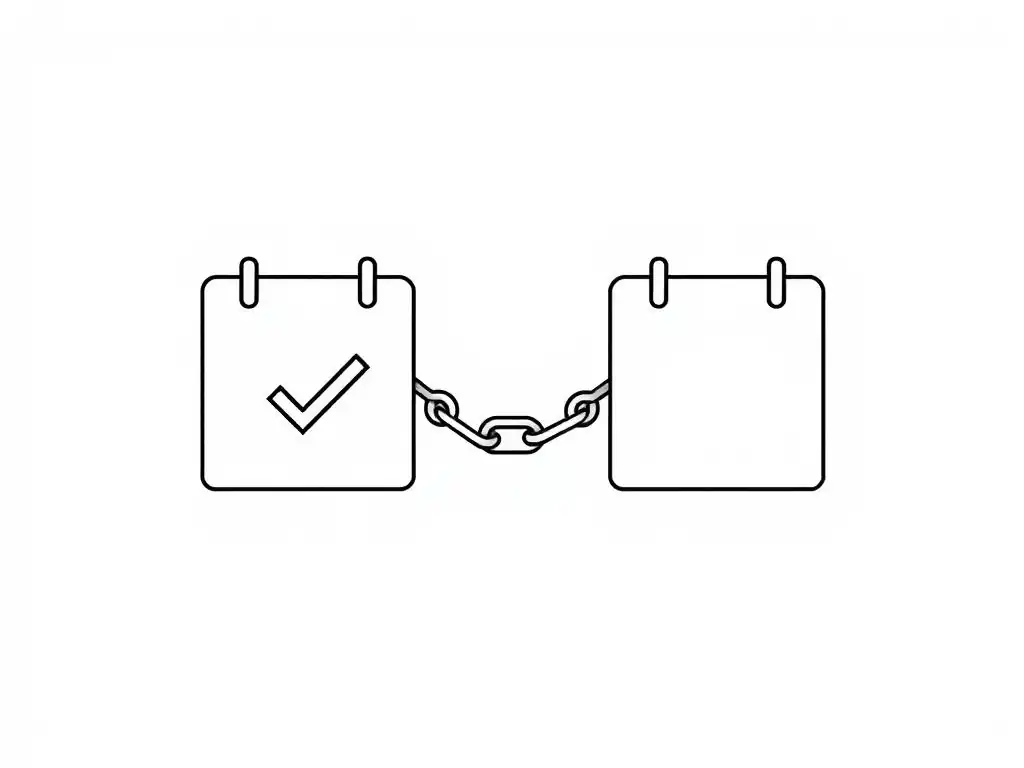
This section delves into the practical application of the Two-Day Rule, a powerful technique for building lasting habits. The core principle is simple: don't let yourself miss your target habit for more than two consecutive days. This seemingly small constraint creates a powerful psychological effect, preventing small lapses from snowballing into complete abandonment.
We'll explore how to effectively integrate this rule into your life, maximizing its effectiveness and minimizing the risk of failure. Remember, consistency is key when it comes to achieving your goals, and the Two-Day Rule is designed to help you stay on track. Let's dive into the specifics of implementation.
Choosing Your Target Habits: Starting Small and Smart
The Two-Day Rule is most effective when applied strategically. Begin by selecting a small number of habits—one or two to start—rather than trying to tackle everything at once. Overwhelm is the enemy of consistency. Focus on habits that truly matter to you and that align with your broader goals. For example, instead of aiming for a complete lifestyle overhaul, concentrate on establishing a consistent morning routine (e.g., drinking a glass of water and meditating for 5 minutes).
Or perhaps focus on a single work-related habit, such as responding to emails within one hour of receiving them. Prioritize quality over quantity in your initial selection. Small wins build momentum and confidence, making it easier to integrate additional habits later. Remember, the goal isn't to change everything overnight; it's to build lasting, sustainable positive changes. Consider using a habit tracker app to help you monitor your progress.
Setting Realistic Goals and Expectations: Avoid Overwhelm
Setting realistic goals is crucial for long-term success with the Two-Day Rule. Avoid setting overly ambitious targets. If your goal is to exercise daily, starting with 15 minutes of light exercise three times a week is far more sustainable than attempting a grueling hour-long workout every day. Gradually increase the intensity and duration as you build consistency and confidence. Similarly, if you aim to read for 30 minutes each evening, start with 10 minutes and gradually increase the time.
This approach minimizes the risk of burnout and keeps you motivated. Remember, the key is to create habits that integrate seamlessly into your daily life, not to disrupt it. A realistic approach, combined with the Two-Day Rule's forgiving nature, makes it more likely that you'll build lasting habits that truly benefit you. 📈
Creating a Tracking System: Monitoring Your Progress
Tracking your progress is vital for staying motivated and identifying areas for improvement. A simple habit tracker, either a physical journal or a digital app, can significantly enhance your success with the Two-Day Rule. Each day, mark whether you've successfully completed your target habit(s). Visually seeing your progress—a string of consecutive checkmarks—can be incredibly motivating. If you miss a day, don't get discouraged.
Simply acknowledge the missed day and get back on track as soon as possible. The beauty of the Two-Day Rule is its built-in forgiveness; you have a second chance. However, if you miss two days in a row, take a moment to reflect on why you missed the habit and adjust your approach accordingly. Perhaps your goal was too ambitious, or you need to find a more convenient time to incorporate the habit into your routine.
Regular review and adjustment are key to long-term habit consistency. Remember, the goal is to build sustainable habits, not to achieve perfect adherence every single day. The Two-Day Rule provides a framework for maintaining momentum and building positive changes in your life. 📅
Overcoming Challenges and Maintaining Momentum with the Two-Day Rule

The "Two-Day Rule" for habit consistency, while powerful, isn't a magic bullet. Successfully implementing it requires acknowledging and proactively addressing potential obstacles. This section dives into practical strategies for navigating challenges and maintaining momentum, ensuring you don't just start a new habit, but sustain it. The key is understanding that setbacks are inevitable; it's how you respond to them that determines your success. This is crucial for long-term habit consistency using the TwoDay Rule.
Dealing with Slip-Ups: The Importance of Immediate Recovery
The beauty of the Two-Day Rule lies in its built-in forgiveness. A single missed day isn't a catastrophic failure; it's a minor setback. The critical element is immediate recovery. Let's say you miss your workout on Monday.
The temptation might be to give up entirely, thinking, "Well, I already messed up, so I might as well start again next week." This is precisely where the Two-Day Rule shines. The key is to get back on track immediately – on Tuesday. Don't let a single missed day snowball into a week or more of inconsistency.
This immediate recovery is essential for maintaining momentum and preventing the negative self-talk that can derail your progress. Think of it as a "reset button" – one missed day doesn't invalidate your entire effort; it simply necessitates a quick course correction. Data from studies on habit formation show that individuals who quickly correct slip-ups are significantly more successful in long-term habit maintenance than those who allow missed days to accumulate.
Adjusting Your Strategy: Adapting the Two-Day Rule to Your Needs
The Two-Day Rule isn't a rigid formula; it's a flexible framework. It's vital to adapt it to your individual circumstances and the specific habit you're trying to cultivate. For instance, if you're building a complex habit like learning a new language, you might initially focus on smaller, more achievable daily goals. Instead of aiming for a full hour of study each day, start with 15 minutes. Gradually increase the duration as you build consistency and momentum.
Similarly, if you're dealing with a particularly demanding period in your life – such as exams or a major work project – temporarily adjusting your expectations might be necessary. You might decide that maintaining the habit even on a reduced scale is better than abandoning it entirely. Flexibility is key to long-term success with the TwoDay Rule habit consistency. The goal is not perfection, but consistent progress.
Long-Term Habit Maintenance: Sustaining Success with the Two-Day Rule
The true test of any habit-building strategy is its long-term efficacy. Successfully implementing the Two-Day Rule for an extended period requires a shift in mindset. It's not just about ticking off boxes; it's about integrating the habit into your lifestyle. This means building in reminders, finding accountability partners, and celebrating milestones along the way.
Consider using a habit tracker – a simple calendar or app – to visually represent your progress. This provides a powerful motivational tool and reinforces the importance of consistency. Remember, the Two-Day Rule is a tool to support your journey; it's not the destination itself. As you integrate the habit into your life, you'll find yourself less reliant on the rule itself, and the habit becomes a natural part of your routine.
This demonstrates the true power of the TwoDay Rule for habit consistency – not just short-term gains, but lasting behavioral change. The long-term success hinges on recognizing the habit as an integral part of your identity, not just a temporary commitment. 🥂
Combining the Two-Day Rule with Other Habit-Building Techniques
The "Two-Day Rule," while powerful on its own, becomes even more effective when integrated with other established habit-building techniques. By strategically combining methods, you can create a robust system that maximizes your chances of success and minimizes the risk of falling off track. This synergistic approach addresses various aspects of habit formation, from initial motivation to long-term maintenance. Think of it as building a multifaceted defense against procrastination and inconsistency. The key is to find the combination that best suits your personality and the specific habit you're trying to cultivate.
The Two-Day Rule and Habit Stacking: Maximizing Efficiency
Habit stacking involves linking a new habit to an existing one. This leverages the momentum of already established routines to propel your new habit forward. For example, if you're trying to establish a daily meditation habit (your new habit) and already have a consistent morning coffee routine (your existing habit), you can stack them: "After I finish my coffee, I will meditate for 10 minutes." Combining this with the Two-Day Rule adds an extra layer of accountability.
Missing a day is acceptable, but missing two consecutive days triggers immediate corrective action – reinforcing the importance of maintaining the chain even when life gets hectic. This approach makes habit formation more efficient by embedding it within your existing structure. The key is to choose an existing habit that's already deeply ingrained and performed at a consistent time each day. This reduces friction and increases the likelihood of success.
The Two-Day Rule and Reward Systems: Maintaining Motivation
Motivation can fluctuate, particularly in the early stages of habit formation. Reward systems provide a crucial boost, offering positive reinforcement for consistent effort. The Two-Day Rule complements this by providing a clear framework for when rewards are earned and, conversely, when corrective action is needed. Instead of rewarding yourself daily (which might diminish the impact over time), consider linking rewards to streaks of successful days.
For instance, after maintaining a seven-day streak (avoiding two consecutive missed days), you could reward yourself with a small treat, a relaxing activity, or even a well-deserved break. This approach creates a more powerful incentive, associating the reward directly with sustained effort and adherence to the Two-Day Rule. The reward should be something genuinely enjoyable and meaningful to you, further solidifying the positive association with the new habit.
The Two-Day Rule and Accountability Partners: Staying Committed
Accountability partners provide external pressure to maintain consistency. Sharing your habit goals and progress with a trusted friend, family member, or colleague can significantly increase your chances of success. The Two-Day Rule enhances this dynamic by providing a concrete metric for accountability. Regular check-ins with your partner can focus on whether the Two-Day Rule has been upheld. Did you break the chain?
If so, what corrective actions were taken? Discussing strategies for overcoming challenges and celebrating successes together fosters a supportive environment and helps you stay committed even when facing setbacks. This collaborative approach transforms the Two-Day Rule from a personal challenge into a shared journey, leveraging the power of social support to strengthen your resolve. Remember to choose an accountability partner who is supportive, understanding, and committed to helping you achieve your goals. The right partner can make all the difference in your success.
Case Studies: Real-World Examples of the Two-Day Rule in Action
This section showcases the practical application of the Two-Day Rule across various habit-building scenarios. We'll explore specific examples, highlighting the successes and challenges encountered, demonstrating the effectiveness of this powerful technique for achieving lasting habit consistency. Remember, the core principle of the Two-Day Rule revolves around preventing the dreaded "two-day break" – a critical point where many habits falter. By focusing on maintaining a streak of at least two consecutive days, you significantly increase your chances of long-term success in your habit formation journey. This is particularly crucial for establishing Twoday rule habit consistency.
Case Study 1: Building a Daily Exercise Habit
Many find establishing a daily exercise routine challenging. Let's consider Sarah, a 32-year-old marketing professional who struggled with inconsistency. She initially aimed for daily 30-minute workouts but often missed days due to work stress or fatigue. After learning about the Two-Day Rule, she adjusted her approach. Instead of focusing on perfection, she concentrated on maintaining a minimum of two consecutive days of exercise.
On days she felt less energetic, she opted for shorter, less intense workouts – even a brisk 15-minute walk counted! This flexibility proved crucial. By focusing on maintaining the streak, rather than achieving a specific workout intensity every day, Sarah successfully built a consistent exercise habit. She experienced fewer setbacks and significantly increased her overall fitness level.
She tracked her progress using a simple calendar, marking each day with an "X" to visualize her streak. This visual representation provided powerful motivation to continue, even on challenging days. The key to her success was the flexible application of the Two-Day Rule, prioritizing consistency over intensity.
Case Study 2: Cultivating a Consistent Reading Routine
John, a 45-year-old software engineer, wanted to incorporate more reading into his daily life. His initial goal was to read for an hour each evening, but he frequently fell short due to late nights at work or simply feeling tired. Applying the Two-Day Rule, John shifted his focus. He committed to reading for at least 15 minutes on two consecutive days. If he felt particularly busy, he would shorten his reading session, but he prioritized maintaining the two-day streak.
He found that even short reading sessions, consistently maintained, significantly improved his reading habit. Over time, he naturally increased his daily reading time as he developed a stronger reading habit. He also experimented with different reading materials – shorter articles, blog posts, or even just a chapter of a book. This flexibility allowed him to maintain the two-day streak even when facing time constraints. His success underscores the importance of adaptable goal setting within the Two-Day Rule framework. The Twoday rule habit consistency helped him build a sustainable reading habit without feeling overwhelmed.
Case Study 3: Establishing a Productive Morning Routine
Maria, a 28-year-old freelance writer, desired a more productive morning routine. Her initial plan involved waking up at 6:00 AM, meditating for 15 minutes, and working for an hour before starting her day. This proved too ambitious and led to frequent breaks in her routine. Applying the Two-Day Rule, she simplified her goal. She focused on performing just one element of her desired morning routine for two consecutive days.
Initially, this was simply waking up at 6:00 AM. Once she established that, she added meditation. Then, gradually, she incorporated the work session. This incremental approach, guided by the Two-Day Rule, allowed her to build a sustainable and productive morning routine. She avoided feeling overwhelmed by focusing on small, achievable steps, ensuring Twoday rule habit consistency. This highlights the adaptability of the Two-Day Rule for complex routines, enabling a gradual and sustainable build-up of desired habits. The key was breaking down her ambitious goal into smaller, manageable chunks, making success more attainable and less daunting.
Frequently Asked Questions
What is the "TwoDay Rule"?
The "TwoDay Rule" is a simple yet effective strategy for building habit consistency. It states that if you miss a habit one day, you must immediately get back on track the next day to avoid a longer break and maintain momentum. This prevents the slippery slope of missed days snowballing into abandoned habits.
How does the TwoDay Rule improve habit consistency?
By immediately resuming your habit after a missed day, the TwoDay Rule minimizes the negative impact of lapses. It prevents the psychological barrier of restarting after a longer break, making it easier to maintain a streak and build long-term adherence.
Is the TwoDay Rule suitable for all types of habits?
Yes, the TwoDay Rule can be applied to various habits, from exercise and healthy eating to studying and working on personal projects. However, adjust the "habit" definition to suit your needs; it could even be as small as making your bed each morning.
What if I miss two days in a row?
If you miss two days, don't get discouraged! Simply apply the TwoDay Rule from that point. Acknowledge the slip-up, but focus on getting back on track as soon as possible. The key is to minimize the length of the break.
How can I combine the TwoDay Rule with other habit-building techniques?
The TwoDay Rule complements other strategies like habit stacking, reward systems, and accountability partners. Use it in conjunction with these methods to create a powerful and sustainable system for building lasting habits and maximizing your productivity.
Final Reflection: Unlocking Unwavering Consistency with the Two-Day Rule
The Two-Day Rule isn't just a productivity hack; it's a powerful framework for reshaping our relationship with habits and achieving lasting change. Its simplicity belies its profound impact on personal growth, offering a practical pathway to overcome procrastination and build unwavering momentum. In a world obsessed with instant gratification, this method provides a sustainable antidote to fleeting motivation.
The enduring power of the Two-Day Rule lies in its ability to shift our mindset from one of all-or-nothing thinking to a focus on consistent progress, no matter how small. It's a gentle nudge, a reminder that even the smallest step forward contributes to the larger picture. This resonates deeply with me, as I've personally experienced the frustration of abandoning goals due to perceived setbacks. The journey of a thousand miles begins with a single step.
– Lao Tzu. This ancient wisdom perfectly encapsulates the core principle of the Two-Day Rule: consistent small actions accumulate into significant achievements.
Now, it's your turn. Consider the habits you've struggled to maintain. Identify one area where consistent effort would significantly improve your life, and apply the Two-Day Rule. Don't focus on perfection; focus on consistency. Embrace the power of small wins, celebrate your progress, and watch as the seemingly insurmountable becomes achievable, one day at a time. You have the power to build the life you desire; the Two-Day Rule is simply the key to unlocking that potential.
Unlock Your Potential: Master the Two-Day Rule Today!
Thank you for exploring the power of the Two-Day Rule! We hope you now understand how easily you can build consistent habits. Ready to put this knowledge into action?
- Start using the Two-Day Rule now: Choose one habit you'd like to improve and commit to it for the next seven days, strictly following the Two-Day Rule. Focus on this one habit.
- Share your progress and inspire others: Let us know on social media how the Two-Day Rule is working for you—we'd love to hear your success stories!
- Challenge a friend: Encourage someone close to you to join you on this journey. Mutual support can significantly improve your chances of success.
What small, consistent habit will you master with the Two-Day Rule, and how will it impact your life?