
The 8Minute Workout for a Healthy Heart


Ready to reclaim your time and boost your well-being? Welcome to UltimateLifeHacks, your destination for practical tips and tricks to optimize every aspect of your daily life. We're diving straight into the heart of the matter (pun intended!) with our latest Health & Fitness Hack: a groundbreaking Quick Heart Healthy Workout that delivers amazing results in just eight minutes. Intrigued? Discover how to prioritize your health and conquer your day, one efficient hack at a time.
- Introduction: Quick Heart Healthy Workout for Busy Schedules
- The 8-Minute Heart-Healthy Workout Routine: Step-by-Step Guide
- Modifying the Workout for Different Fitness Levels
- Essential Tips for a Successful Quick Heart Healthy Workout
- Integrating this Quick Heart Healthy Workout into Your Daily Routine
- Conclusion: Maintaining a Healthy Heart with Minimal Time Commitment
- Frequently Asked Questions
- Final Reflection: The Enduring Power of 8 Minutes
- Ignite Your Heart: Start Your 8-Minute Workout Today!
Introduction: Quick Heart Healthy Workout for Busy Schedules
Maintaining a healthy heart is crucial for overall well-being, but carving out time for extensive workouts can be challenging in today's fast-paced world. This article introduces an effective and time-efficient solution: an 8-minute workout designed to boost cardiovascular health and improve your heart's strength, perfectly tailored for those with busy schedules. We'll explore the reasons behind choosing a short, high-intensity routine, the significant benefits of HIIT (High-Intensity Interval Training) for cardiovascular fitness, and the overall importance of prioritizing cardiovascular health in your daily life.
This guide provides a practical, quick heart healthy workout that fits seamlessly into even the most demanding routines, helping you prioritize your health without sacrificing valuable time. We’ll equip you with the knowledge and a simple routine to get started immediately.
Why Choose an 8-Minute Heart-Healthy Routine?
Many people believe that significant results require extensive time commitments at the gym. However, research increasingly shows that shorter, high-intensity workouts can be incredibly effective. An 8-minute routine offers several key advantages:
- Time Efficiency: The most obvious benefit is the minimal time investment. This makes it ideal for busy professionals, parents, or anyone with a packed schedule. You can squeeze this workout into your lunch break, before work, or even before bed.
- Increased Motivation: The short duration can boost motivation. Knowing you only need 8 minutes to complete a workout makes it easier to overcome procrastination and stick to your fitness goals. The feeling of accomplishment after completing a challenging workout in such a short time is exceptionally rewarding.
- Improved Consistency: The feasibility of incorporating an 8-minute workout into your daily routine significantly increases the likelihood of consistent exercise, leading to long-term health improvements. This consistency is key to achieving sustained cardiovascular health benefits.
- High-Intensity Effectiveness: Despite its brevity, a well-structured 8-minute workout can be surprisingly intense, maximizing calorie burn and cardiovascular benefits in a short period. This is largely due to the principles of HIIT, which we'll explore in more detail below.
The key is to maintain a high intensity throughout the workout, focusing on quality over quantity.
Benefits of High-Intensity Interval Training (HIIT) for Cardiovascular Health
High-Intensity Interval Training (HIIT) is a workout approach characterized by short bursts of intense exercise followed by brief recovery periods. This method has proven exceptionally effective for improving cardiovascular health. Here's why:
- Improved Cardiovascular Fitness: HIIT workouts significantly improve your heart's ability to pump blood efficiently. The intense bursts challenge your cardiovascular system, leading to adaptations that enhance its overall performance and resilience.
- Increased Metabolic Rate: HIIT has been shown to boost your metabolism, leading to increased calorie burning even after your workout is complete. This "afterburn effect" contributes to weight management and overall health.
- Enhanced Fat Burning: Studies suggest that HIIT is particularly effective at burning fat compared to traditional steady-state cardio. This is beneficial for individuals aiming to lose weight or improve their body composition.
- Improved Insulin Sensitivity: Regular HIIT workouts can improve your body's response to insulin, reducing the risk of type 2 diabetes. This is a crucial benefit for long-term health and well-being.
- Time Efficiency: As mentioned earlier, the short duration of HIIT workouts makes them highly accessible for individuals with limited time.
Understanding the Importance of Cardiovascular Fitness
Cardiovascular fitness, often referred to as cardiorespiratory fitness, is a measure of how efficiently your heart and lungs work together to deliver oxygen to your body's muscles. Maintaining good cardiovascular health is essential for:
- Reduced Risk of Heart Disease: Regular cardiovascular exercise is a cornerstone of preventing heart disease, stroke, and other cardiovascular conditions. It helps lower blood pressure, cholesterol levels, and the risk of blood clots.
- Improved Mental Health: Exercise releases endorphins, which have mood-boosting effects. Cardiovascular workouts can help reduce stress, anxiety, and symptoms of depression.
- Increased Energy Levels: Regular physical activity, including cardiovascular exercise, can significantly increase your overall energy levels and reduce feelings of fatigue.
- Improved Sleep Quality: Moderate cardiovascular exercise can contribute to improved sleep quality and reduce insomnia.
- Stronger Immune System: Studies suggest that regular exercise can strengthen your immune system, making you less susceptible to illness.
Maintaining a healthy heart is a lifelong commitment, and this 8-minute workout is a fantastic starting point towards achieving that goal. In the following sections, we will delve into the specific exercises and the proper execution of this quick heart healthy workout routine.
The 8-Minute Heart-Healthy Workout Routine: Step-by-Step Guide
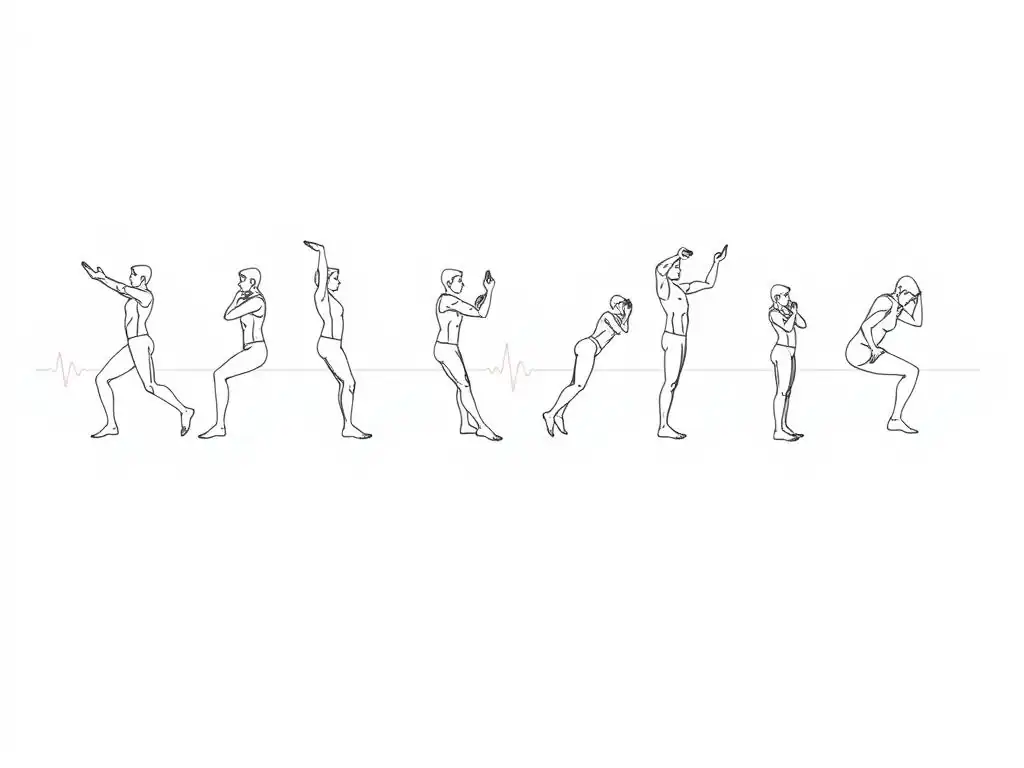
This section details a quick, effective workout designed to improve cardiovascular health. This routine prioritizes high-intensity interval training (HIIT) for maximum benefit in minimal time, perfect for busy schedules. Remember to consult your physician before starting any new workout routine. This "quick heart healthy workout" is designed to be easily integrated into even the busiest lifestyles.
Warm-up: Preparing Your Body for Exercise
Before diving into the intense intervals, a proper warm-up is crucial to prepare your muscles and increase blood flow. This prevents injuries and optimizes your workout performance. A dynamic warm-up, focusing on movement rather than static stretching, is ideal for this quick routine.
This 2-minute warm-up should include:
- Jumping Jacks (30 seconds): A classic for a reason! These get your heart rate up and engage multiple muscle groups.
- High Knees (30 seconds): Bring your knees high towards your chest, focusing on quick, controlled movements.
- Butt Kicks (30 seconds): Kick your heels up towards your glutes, maintaining a brisk pace.
- Arm Circles (forward and backward, 15 seconds each): Loosen up your shoulder joints with gentle, controlled circles.
- Dynamic Stretching (30 seconds): Incorporate arm stretches, leg swings, and torso twists. Focus on controlled movements and a full range of motion.
Remember to breathe deeply throughout the warm-up. This prepares your body for the more intense activity to come, making the most of your "quick heart healthy workout".
High-Intensity Intervals:
The core of this 8-minute workout consists of four 1-minute intervals of high-intensity exercise, interspersed with short recovery periods. Choose exercises that elevate your heart rate significantly. Here are some options:
| Exercise | Description | Intensity Level |
|---|---|---|
| Burpees | A full-body exercise combining a squat, push-up, and jump. | High |
| Mountain Climbers | Start in a plank position and bring your knees towards your chest alternately. | High |
| Jumping Jacks | A classic cardio exercise. | Moderate-High |
| High Knees | Bring your knees high towards your chest, focusing on quick, controlled movements. | Moderate-High |
| Butt Kicks | Kick your heels up towards your glutes, maintaining a brisk pace. | Moderate-High |
| Jumping Lunges | Alternate lunges with a jump between each repetition. | High |
Example Routine:
- Interval 1: Burpees (60 seconds)
- Interval 2: Mountain Climbers (60 seconds)
- Interval 3: Jumping Jacks (60 seconds)
- Interval 4: Jumping Lunges (60 seconds)
Remember to push yourself during these intervals. You should be breathing heavily and feeling your heart rate increase significantly. This high-intensity aspect is key to maximizing the cardiovascular benefits of your "quick heart healthy workout". Adjust the exercises based on your fitness level and preferences.
Rest and Recovery Periods: Importance of Active Recovery Between Intervals
Between each high-intensity interval, incorporate a 30-second active recovery period. This doesn't mean complete rest; instead, engage in light activity to maintain blood flow and gradually lower your heart rate. Examples of active recovery include:
- Marching in place
- Light jogging
- Gentle arm stretches
Active recovery helps prevent dizziness and promotes faster recovery between intervals. It also allows your body to gradually adjust to the intensity changes, making the workout more sustainable and less likely to cause injury. This crucial step enhances the overall effectiveness of this "quick heart healthy workout". Don't underestimate the importance of this phase; it's integral to maximizing the benefits and minimizing the risk of strain. Proper active recovery is a key component of any effective HIIT routine.
Cool-down: Gently Bringing Your Heart Rate Down
Cooling down after intense exercise is just as crucial as the workout itself for maintaining a healthy heart. A proper cool-down gradually lowers your heart rate and prevents blood from pooling in your extremities. This helps your body recover more efficiently and reduces the risk of dizziness or fainting. Neglecting this vital step can negate some of the positive effects of your workout and potentially lead to discomfort.
Instead of abruptly stopping, dedicate at least 2-3 minutes to gentle activities that allow your body to transition smoothly from exertion to rest. Think of it as slowly dialing down the intensity. Excellent cool-down options include slow walking, light stretching, or even simply sitting quietly and focusing on deep, controlled breaths. The key is to maintain a relaxed pace, allowing your breathing to return to normal and your heart rate to gradually decrease.
During this phase, focusing on your breathing can be immensely beneficial. Deep, slow breaths help regulate your heart rate and calm your nervous system. Try inhaling deeply through your nose, holding the breath for a few seconds, and then exhaling slowly through your mouth. Repeat this several times, paying attention to the sensation of your breath moving through your body.
Stretching is another integral component of an effective cool-down. Gentle stretches help improve flexibility, increase blood flow, and reduce muscle soreness. Focus on major muscle groups used during the workout, such as your legs, arms, and chest. Hold each stretch for 15-30 seconds, avoiding any bouncing or jerking movements.
Remember to listen to your body and stop if you feel any pain. A proper cool-down routine should leave you feeling relaxed and refreshed, not strained or sore. This contributes significantly to the overall effectiveness of your "quick heart healthy workout" and helps prevent future injuries. Prioritizing this step is key to maximizing the benefits of your 8-minute routine and ensuring a positive impact on your cardiovascular health.
Modifying the Workout for Different Fitness Levels
This 8-minute heart-healthy workout is designed to be adaptable to various fitness levels. Whether you're a beginner just starting your fitness journey or an advanced athlete looking for a quick, effective routine, you can modify the exercises to suit your needs. Remember to always listen to your body and stop if you feel any pain. Consistency is key, so start slowly and gradually increase the intensity as you get stronger. This approach ensures you build a sustainable habit for long-term cardiovascular health and a strong heart.
Beginner Modifications: Adapting Exercises for Beginners
For beginners, the focus should be on proper form and building endurance. Don't worry about completing all the repetitions or maintaining a high intensity initially. Prioritize mastering the movements before increasing the challenge. Consider these modifications:
- Reduce the number of repetitions: Instead of aiming for the suggested repetitions in each exercise, start with half or even a quarter of the recommended amount. For example, if the workout suggests 30 seconds of jumping jacks, begin with 15 seconds, gradually increasing the duration each session.
- Modify exercises: Some exercises might be too strenuous. For instance, instead of burpees, perform a modified version where you skip the jump and simply step your feet out and in. Similarly, replace high-intensity interval training (HIIT) elements with low-impact alternatives like marching in place or slow jogging.
- Increase rest periods: Between sets, take longer breaks to allow your body to recover. Instead of short 10-second rests, take 30-60 seconds. This will prevent exhaustion and allow you to focus on proper form.
- Focus on proper form: Good form is crucial to prevent injuries. Start with fewer repetitions and focus on maintaining correct posture and technique. You can find many videos online demonstrating proper form for various exercises. This is crucial for building a solid foundation for future progress. Remember, quality over quantity is key, especially when starting a new workout routine.
Intermediate Modifications: Increasing Intensity and Duration
Once you've mastered the beginner modifications and feel comfortable with the exercises, you can start increasing the intensity and duration. This phase focuses on enhancing your cardiovascular fitness and building strength.
- Increase the number of repetitions: Gradually increase the number of repetitions or the duration of each exercise. You can add 5-10 seconds to each exercise each week until you reach the full duration suggested in the original workout.
- Reduce rest periods: Shorten the rest periods between sets to challenge your cardiovascular system more effectively. Reduce rest times gradually, for example, from 30 seconds to 20 seconds, then to 10 seconds.
- Increase the speed: Perform the exercises at a faster pace to increase the intensity. For example, perform jumping jacks more quickly or increase the speed of your jogging.
- Add variations: Incorporate variations of the exercises to challenge different muscle groups and increase the overall intensity. For example, you could switch from regular push-ups to incline push-ups or decline push-ups.
- Introduce additional exercises: Consider adding a few more exercises to the routine to further increase the duration and challenge your cardiovascular system. Remember to maintain proper form even as you increase intensity. This ensures you continue to improve your cardiovascular fitness safely and effectively.
Advanced Modifications: Adding Challenges and Increasing Difficulty
For advanced individuals, the goal is to maximize calorie burn and push your cardiovascular limits. These modifications are designed to challenge even the most experienced fitness enthusiasts.
- Increase workout duration: Extend the workout beyond 8 minutes by adding more sets or repetitions of the exercises, or by incorporating additional exercises.
- Increase intensity significantly: Push your limits by performing exercises at maximum intensity. For example, increase the speed and power of your movements, or try advanced variations of the exercises.
- Introduce plyometrics: Integrate plyometric exercises, which involve explosive movements, to further increase the intensity and challenge your muscles. Examples include box jumps or jump squats. Remember to start slowly and gradually increase the intensity of these exercises.
- Implement HIIT principles: Structure the workout using high-intensity interval training (HIIT) principles, alternating between short bursts of intense activity and brief periods of rest. This will significantly improve your cardiovascular fitness and calorie burning capabilities. Remember to properly warm up before and cool down after.
- Add weighted exercises: Incorporate weights or resistance bands to increase the difficulty of the exercises. This will build strength and increase overall calorie burn. However, it's crucial to maintain proper form and avoid potential injuries. Start with lighter weights and gradually increase the weight as you get stronger. Prioritize proper form to avoid injuries and maximize the effectiveness of your workout. Remember to consult a healthcare professional before starting any new and intense workout routine.
Essential Tips for a Successful Quick Heart Healthy Workout

This section focuses on maximizing the effectiveness and safety of your 8-minute heart-healthy workout. Remember, even a short, intense workout can yield significant benefits, but proper execution is key to avoiding injury and achieving optimal results. Consistency and attention to detail are paramount for building a strong, healthy heart. This isn't just about speed; it's about smart training for a quick heart healthy workout.
Proper Form and Technique: Avoiding Injuries and Maximizing Results
Maintaining correct form is crucial during any workout, especially a high-intensity one like this. Improper technique can lead to muscle strains, joint pain, and other injuries that could sideline you. Focus on quality over quantity; it's better to perform fewer repetitions with perfect form than many with sloppy movements.
For example, during jumping jacks, ensure your arms extend fully overhead and your legs jump wide enough to feel the stretch in your hip flexors. Don't let your knees collapse inward. Similarly, when performing high knees, lift your knees as high as comfortably possible without overextending your hip flexors. Feel the burn in your quads and glutes – that's a sign you're engaging the right muscles.
Consider recording yourself performing the exercises. Reviewing the footage allows for honest self-assessment. Are you maintaining a straight back? Are your movements fluid and controlled? Identifying and correcting any flaws early on can prevent future problems. Remember, a quick heart healthy workout is only effective if it's done safely.
Staying Hydrated: The Importance of Water Intake Before, During, and After Exercise
Hydration is essential for optimal performance and recovery. Dehydration can lead to fatigue, muscle cramps, and decreased cardiovascular efficiency, undermining your efforts to achieve a quick heart healthy workout.
Aim to drink at least 16 ounces of water two hours before your workout. This will help your body prepare for the physical demands ahead. During the workout, sip water regularly to replace fluids lost through sweat. Even small sips can make a big difference. After the workout, replenish your fluids by drinking additional water, ideally with electrolytes to replace those lost through perspiration. The amount will vary based on your individual sweat rate and the intensity of your workout. Listen to your body – thirst is a clear indicator of dehydration. Don't wait until you're parched to drink!
Listening to Your Body: Recognizing and Responding to Pain or Discomfort
While pushing your limits is important for progress, it's equally crucial to listen to your body and avoid pushing through pain. Discomfort is different from pain. Discomfort is a sign of exertion; pain signals potential injury. If you experience sharp, stabbing pain, stop the exercise immediately. Ignoring pain can lead to serious injuries.
Pay attention to warning signs such as shortness of breath, dizziness, or chest pain. These could indicate underlying health issues and require immediate medical attention. Modifying the intensity or duration of your workout is acceptable, even desirable, if you feel overwhelmed. A modified quick heart healthy workout is better than no workout, or one that results in injury. Remember, consistency and long-term health are the ultimate goals. Prioritize safety above all else.
Consistency is Key: Making this 8-Minute Workout a Habit
Building a healthy heart isn't a sprint; it's a marathon. The effectiveness of this 8-minute quick heart healthy workout hinges on consistency. Think of it less as a single workout and more as a daily commitment to your cardiovascular health. Just like brushing your teeth, this routine should become an ingrained part of your daily schedule. Skipping a day here and there won't derail your progress completely, but aiming for at least five days a week will yield significantly better results.
One effective strategy is to schedule your workout. Treat it like an important appointment you can't miss. Block out 8 minutes in your calendar, perhaps first thing in the morning before the day's chaos begins, or during your lunch break. Consistency breeds results; your body will adapt and you'll notice improvements in your stamina and overall fitness.
Another helpful tactic is to find a workout buddy. Having someone to hold you accountable can make a huge difference in maintaining consistency. You can encourage each other, share tips, and even compete playfully to stay motivated. Even if you can't find a physical workout buddy, consider joining online fitness communities where you can share your progress and find support.
Remember, the goal isn't to become a fitness fanatic overnight. Start small, build gradually, and celebrate your milestones. Consistency is the cornerstone of success; once you've established a routine, you'll find that this quick heart healthy workout becomes second nature. The benefits—a stronger heart, increased energy, and improved overall well-being—are well worth the effort. Don't underestimate the power of small, consistent actions in achieving significant, long-term health improvements. Even an 8-minute workout, done consistently, can dramatically change your heart health over time.
Integrating this Quick Heart Healthy Workout into Your Daily Routine
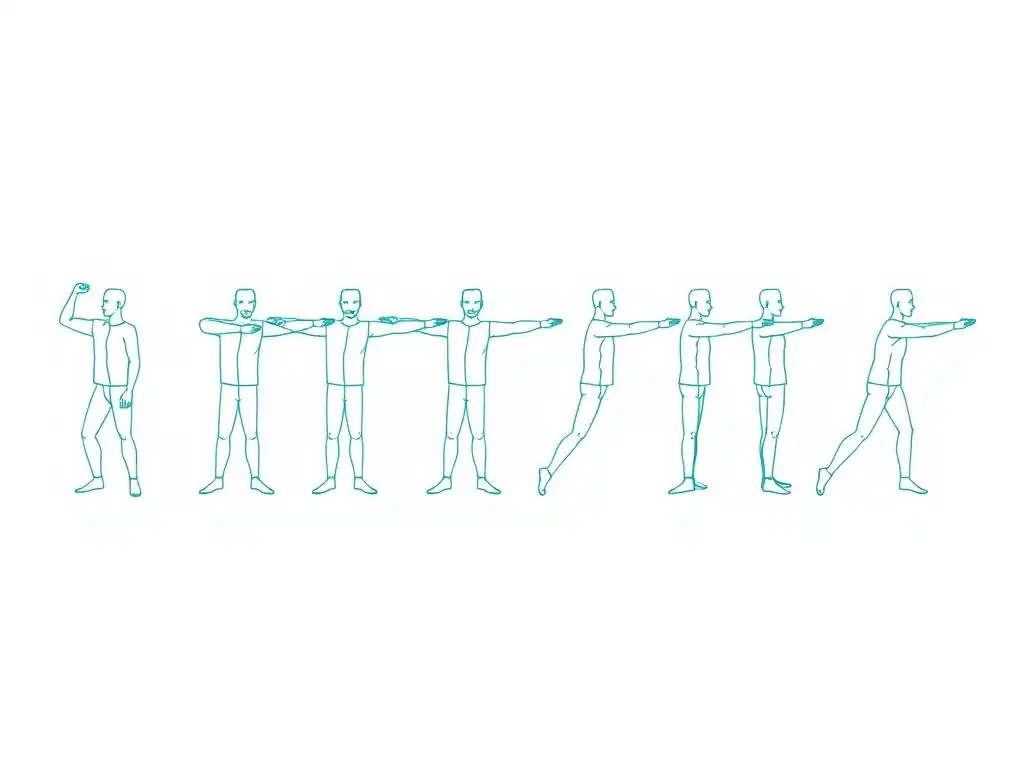
This 8-minute heart-healthy workout, designed for busy individuals seeking a quick and effective routine, requires careful integration into your daily schedule. Success hinges on consistent practice, not just sporadic attempts. Let's explore strategies to make this workout a non-negotiable part of your day.
Finding Time in Your Busy Schedule: Strategies for Incorporating Exercise
Finding 8 minutes feels impossible when life is hectic, but strategic planning is key. Consider these approaches to seamlessly incorporate this quick heart healthy workout:
- Early Bird Approach: Wake up 8 minutes earlier than usual. The quiet morning hours often offer the best opportunity for focused exercise before the day's demands kick in. This allows you to start your day feeling energized and accomplished. Many find that this small sacrifice significantly improves their overall productivity and mood.
- Lunch Break Blitz: Use your lunch break. Even a short, intense workout can significantly boost your energy levels and improve your afternoon focus. This "quick heart healthy workout" is perfect for this scenario.
- Evening Energizer: Dedicate 8 minutes before dinner or before unwinding for the night. This can serve as a stress reliever and help you sleep better. Remember consistency is key; try to perform this routine at the same time each day to build a habit.
- Commercial Breaks: Leverage television commercial breaks. Instead of passively watching advertisements, use those short intervals for bursts of activity like jumping jacks, high knees, or quick sets of push-ups. This strategy cleverly incorporates exercise into existing downtime.
- Break it Up: You don't have to do all 8 minutes consecutively. Split the exercises into two 4-minute blocks throughout your day. This approach is especially beneficial if you find it difficult to allocate a continuous 8-minute period.
Combining this Routine with Other Activities:
Multitasking is often discouraged, but strategically combining activities can enhance time efficiency. Consider these options:
- Workout While You Wait: Perform some exercises while waiting for appointments, for example, performing bodyweight squats while waiting for the kettle to boil. This approach maximizes your time and minimizes wasted moments.
- Active Commuting: If possible, incorporate active commuting methods such as walking or cycling, part or all the way to your destination. This contributes to your daily exercise quota and reduces reliance on cars.
- Household Chores: Turn household chores into mini-workouts. Instead of passively doing chores, incorporate more dynamic movements. For instance, while vacuuming, increase your pace and add some squats or lunges in between rooms.
Tracking Your Progress: Monitoring Your Heart Rate and Fitness Levels
Tracking your progress is essential for motivation and to ensure the "quick heart healthy workout" remains challenging and effective. Consider these methods:
- Heart Rate Monitoring: Use a fitness tracker or a heart rate monitor to track your heart rate during and after the workout. This provides valuable data on your cardiovascular fitness and helps you adjust the intensity appropriately. Aim for a target heart rate zone aligned with your fitness goals.
- Fitness Apps: Utilize fitness apps to record your workout sessions, track your progress over time, and provide personalized feedback. Many free and paid apps offer detailed tracking and analysis capabilities.
- Journaling: Maintain a simple workout journal to note your progress, including the date, duration, exercises performed, and how you felt. This method provides a clear visual representation of your consistency and improvements over time. This simple method can be incredibly motivating.
- Measuring Improvements: Note changes in your overall fitness levels. Do you notice an improvement in your stamina, endurance, or strength? Monitoring these subtle changes reinforces the positive impact of your consistent efforts. These improvements are powerful motivators to continue with your quick heart healthy workout routine.
Remember, consistency is key to reaping the benefits of this quick heart healthy workout. Even small, regular efforts contribute significantly to long-term health improvements. Don't be discouraged by occasional missed sessions; simply refocus and recommit to your routine.
Conclusion: Maintaining a Healthy Heart with Minimal Time Commitment
This 8-minute workout routine offers a powerful, time-efficient approach to improving cardiovascular health. Remember, consistency is key. Even short bursts of intense activity, performed regularly, can yield significant benefits. The goal isn't to replace longer workouts entirely, but to provide a readily accessible option for those with busy schedules or limited time.
This routine can serve as a supplement to longer workouts or as a standalone solution for maintaining a healthy heart. Think of it as a crucial component of your overall wellness strategy, not a replacement for a balanced lifestyle. By incorporating this quick heart healthy workout into your daily routine, you're actively investing in a healthier, longer life.
Long-Term Benefits of Regular Cardiovascular Exercise
Regular cardiovascular exercise, even in short, intense bursts like this 8-minute routine, provides a multitude of long-term benefits extending far beyond immediate physical improvements. These benefits accumulate over time, leading to a significantly enhanced quality of life.
Studies show a strong correlation between regular cardiovascular exercise and a reduced risk of heart disease, stroke, and type 2 diabetes. This reduction isn't just marginal; it's substantial. For example, research indicates that individuals who engage in moderate-intensity aerobic activity for at least 150 minutes per week have a significantly lower risk of developing these conditions compared to their sedentary counterparts. While our 8-minute routine doesn't fully meet this recommendation alone, it contributes meaningfully when combined with other activities.
Beyond the reduction in chronic disease risk, regular cardiovascular exercise also boosts mental well-being. It improves mood, reduces stress and anxiety, and even enhances cognitive function. The release of endorphins during exercise acts as a natural mood elevator, combating feelings of depression and promoting a sense of overall well-being. This positive feedback loop encourages continued participation, creating a virtuous cycle of physical and mental health improvement. The long-term impact on your mental resilience is just as important as the physical benefits. This quick heart healthy workout is a small investment with significant returns.
Encouraging Healthy Lifestyle Choices Beyond Exercise
While this quick heart healthy workout is a fantastic tool, it's crucial to remember that it's just one piece of the puzzle. A holistic approach to heart health requires integrating this exercise routine with other supportive lifestyle choices. A balanced diet rich in fruits, vegetables, and whole grains is paramount. Limiting processed foods, saturated fats, and excessive sodium intake are also essential steps. Consider tracking your daily caloric intake and macronutrient distribution to ensure you're fueling your body optimally.
Furthermore, prioritizing sufficient sleep is crucial for overall health and recovery. Aim for 7-9 hours of quality sleep each night to allow your body to repair and rebuild. Managing stress levels through techniques like meditation, yoga, or deep breathing exercises can also significantly impact cardiovascular health. Stress hormones can negatively affect the heart, so finding healthy coping mechanisms is invaluable.
Remember, a comprehensive approach encompassing exercise, nutrition, sleep, and stress management is the most effective strategy for long-term cardiovascular health. This 8-minute routine is a powerful addition to this comprehensive approach, making it easier to maintain a healthy heart. Think of it as a foundation upon which you build a healthier lifestyle.
Frequently Asked Questions
How long does this workout actually take?
The workout, as the title suggests, takes approximately eight minutes. It's designed to be short and effective, perfect for busy schedules.
What equipment do I need for this workout?
You need no special equipment! This workout relies on bodyweight exercises, making it accessible to everyone.
Is this workout suitable for beginners?
Yes! The workout incorporates modifications for different fitness levels, making it suitable for both beginners and experienced individuals. Start slowly and listen to your body.
Will this 8-minute workout really improve my heart health?
While eight minutes won't replace a comprehensive fitness plan, it's a great start to improving cardiovascular health. Consistency is key for seeing significant results. Combine this with a healthy diet for optimal benefits.
What are the key benefits of this quick heart-healthy workout?
This workout improves cardiovascular fitness, burns calories, and boosts energy levels. It’s a convenient way to incorporate essential physical activity into a busy day.
Final Reflection: The Enduring Power of 8 Minutes
The pursuit of a healthy heart is no longer a luxury; it's a necessity in our fast-paced world. This article highlighted the surprising effectiveness of short, high-intensity workouts in achieving significant cardiovascular benefits, challenging the misconception that only lengthy gym sessions deliver results. We've explored the science behind the 8-minute workout, debunking myths and providing a practical, accessible routine anyone can incorporate into their daily lives.
The impact of prioritizing heart health extends far beyond physical well-being; it ripples through our social connections and overall quality of life. A healthy heart empowers us to engage fully in the activities we cherish, from spending time with loved ones to pursuing our passions. As the saying goes, To enjoy the glow of good health, you must exercise.
This isn't just a platitude; it's a testament to the profound influence of physical activity on our holistic well-being, a truth that resonates deeply with me personally.
Now, consider your own life. What small changes can you implement today to prioritize your heart health? Perhaps it's setting aside those eight minutes each day for the workout outlined in this article, or perhaps it's a commitment to making healthier food choices. No matter how small, each step you take towards a healthier heart is a step towards a richer, more fulfilling life. Embrace the power of those eight minutes – they are an investment in your future, a testament to your self-care, and a powerful step towards a healthier, happier you.
Ignite Your Heart: Start Your 8-Minute Workout Today!
Thank you for learning about improving your heart health with our 8-minute workout! Now that you have the knowledge, it's time to put it into practice. Ready to feel the difference?
- Start your 8-minute heart-healthy workout now! Don't delay—your heart will thank you. Find a quiet space and follow the instructions in the article.
- Share this effective workout routine with a friend or family member. Working out together can be more enjoyable and motivating.
- Incorporate other healthy habits into your daily routine, such as increasing your fruit and vegetable intake or taking short walks. Every little bit helps!
What small step will you take today to improve your heart health?