
LowCarb Meal Prep: Simple Recipes to Support Your Goals

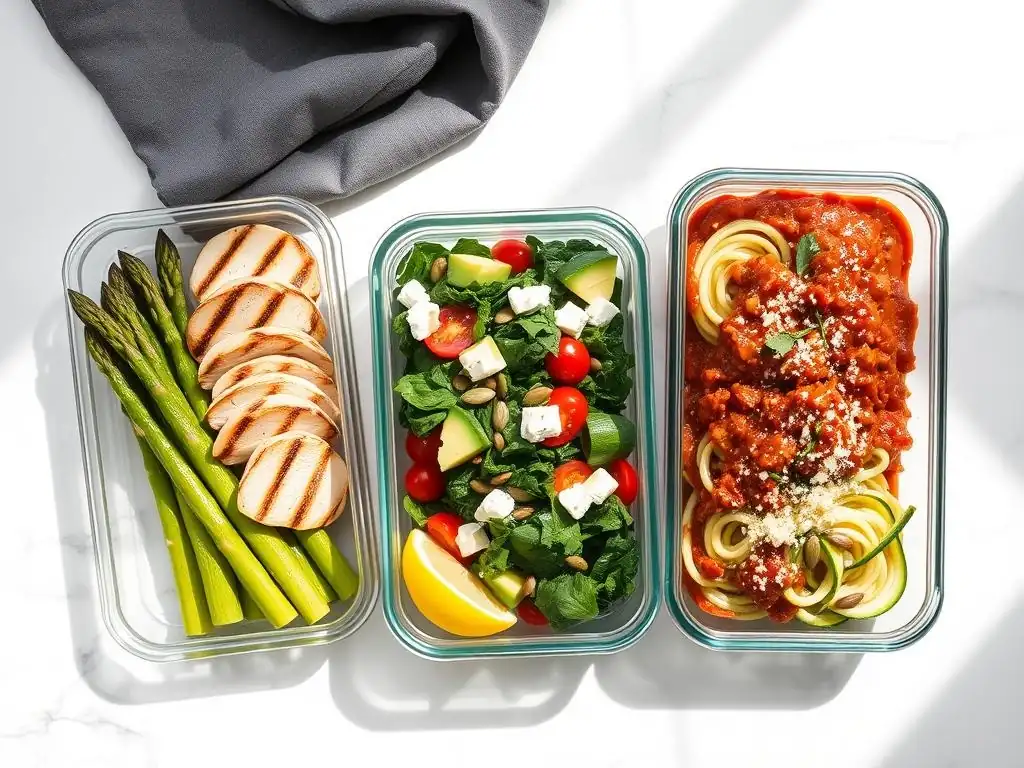
Ready to reclaim your time and energy? UltimateLifeHacks delivers practical solutions for a more efficient and fulfilling life. Discover the secrets to effortless productivity with our curated collection of time-saving tips and tricks. Intrigued by the possibility of simplifying your healthy eating habits? Then dive into our latest Health & Fitness Hacks article featuring lowcarb meal prep recipes easy enough for even the busiest schedules – learn how to fuel your body and conquer your day, effortlessly.
-
Easy Low-Carb Meal Prep: A Week of Delicious & Simple Recipes
- Monday: Creamy Tuscan Chicken with Zucchini Noodles
- Tuesday: Shrimp Scampi with Cauliflower Rice
- Wednesday: Ground Beef and Cabbage Stir-Fry
- Thursday: Baked Salmon with Asparagus and Asparagus
- Friday: Chicken Salad Lettuce Wraps with Avocado
- Saturday: Steak with Roasted Broccoli and Mushrooms
- Sunday: Leftovers or Simple Low-Carb Omelet
- Tips for Successful Low-Carb Meal Prepping
- Batch Cooking Strategies for Low-Carb Success
- Delicious & Easy Low-Carb Recipe Variations
- Maintaining a Healthy Low-Carb Lifestyle with Meal Prep
- Frequently Asked Questions
- Final Reflection: The Power of Prepared, Low-Carb Living
- Unlock Your Low-Carb Potential: Start Meal Prepping Today!
Easy Low-Carb Meal Prep: A Week of Delicious & Simple Recipes
Embarking on a low-carb diet doesn't mean sacrificing delicious, satisfying meals. In fact, with a little planning and these easy low-carb meal prep recipes, you can enjoy flavorful and nutritious food all week long while staying true to your dietary goals. This guide provides simple, time-saving recipes perfect for busy individuals aiming to optimize their nutrition and achieve their weight management objectives.
We'll focus on recipes that are not only low in carbohydrates but also packed with protein and healthy fats to keep you feeling full and energized throughout the day. Forget complicated cooking – these recipes are designed for ease and efficiency, making low-carb eating a breeze, even for beginners. Prepare to discover how simple and enjoyable a low-carb lifestyle can truly be!
This guide focuses on providing practical and effective strategies for incorporating low-carb meal prepping into your weekly routine, drastically reducing mealtime stress and maximizing your adherence to your diet plan. Let's get started!
Monday: Creamy Tuscan Chicken with Zucchini Noodles
This recipe is a delightful twist on classic pasta, substituting zucchini noodles for traditional pasta to significantly reduce carbohydrate intake. The creamy Tuscan sauce adds richness and flavor, making it a satisfying and healthy meal.
Prepare the zucchini noodles by using a spiralizer or vegetable peeler to create long strands. Sauté the zucchini noodles in olive oil until slightly tender. Meanwhile, cook chicken breast in a separate pan until fully cooked. Combine the cooked chicken with the zucchini noodles. The creamy Tuscan sauce is prepared by sautéing garlic, onions, and sun-dried tomatoes, then adding heavy cream, parmesan cheese, and Italian seasoning.
Simmer until the sauce thickens. Pour the sauce over the chicken and zucchini noodles and toss to combine. Season with salt and pepper to taste. This recipe is easily scalable for larger portions, making it perfect for meal prepping. A single serving contains approximately [specific information pending] net carbs.
Tuesday: Shrimp Scampi with Cauliflower Rice
Shrimp scampi is a classic dish that can be easily adapted for a low-carb diet by substituting cauliflower rice for traditional rice. This recipe is quick, easy, and packed with flavor.
Prepare the cauliflower rice by pulsing cauliflower florets in a food processor until they resemble rice. Sauté the cauliflower rice in olive oil until tender. In a separate pan, sauté shrimp with garlic, butter, white wine (optional), lemon juice, and red pepper flakes. Once the shrimp is cooked through, combine it with the cauliflower rice and toss to combine. Garnish with fresh parsley and lemon wedges. This light yet satisfying dish is low in carbs and high in protein, making it a perfect low-carb weeknight meal. Nutritional information per serving: Approximately [specific information pending] net carbs.
Wednesday: Ground Beef and Cabbage Stir-Fry
This hearty and flavorful stir-fry is a simple and satisfying low-carb meal that's perfect for meal prepping. The combination of ground beef and cabbage provides a good source of protein and fiber.
Finely chop a head of cabbage. Brown ground beef in a large skillet or wok. Add the chopped cabbage and stir-fry until softened. Season with soy sauce (low sodium), ginger, garlic, and your favorite stir-fry spices. You can also add other low-carb vegetables like broccoli, bell peppers, or mushrooms. Serve this stir-fry over a bed of cauliflower rice or enjoy it on its own. This recipe is incredibly versatile and adaptable to your taste preferences and available ingredients. A single serving contains approximately [specific information pending] net carbs.
Thursday: Baked Salmon with Asparagus and Asparagus
This recipe is incredibly simple, healthy, and satisfying, perfect for a busy Thursday night. The preparation time is minimal, and the cooking time is quick, making it ideal for those short on time. This dish is packed with protein and healthy fats from the salmon, and the asparagus provides essential vitamins and fiber. The lemon adds a bright, fresh flavor that complements the salmon beautifully.
To prepare, preheat your oven to 400°F (200°C). Line a baking sheet with parchment paper for easy cleanup. Place asparagus spears on one side of the baking sheet and salmon fillets on the other. Drizzle both with olive oil, salt, pepper, and the juice of half a lemon. Bake for 12-15 minutes, or until the salmon is cooked through and the asparagus is tender-crisp.
You can easily adjust the baking time depending on the thickness of your salmon fillets and the desired tenderness of the asparagus. For extra flavor, consider adding a sprinkle of garlic powder or dried dill to the salmon before baking. This recipe is highly adaptable; feel free to add other low-carb vegetables like broccoli or green beans. Remember to portion this meal appropriately for your daily caloric needs and macro targets.
Friday: Chicken Salad Lettuce Wraps with Avocado
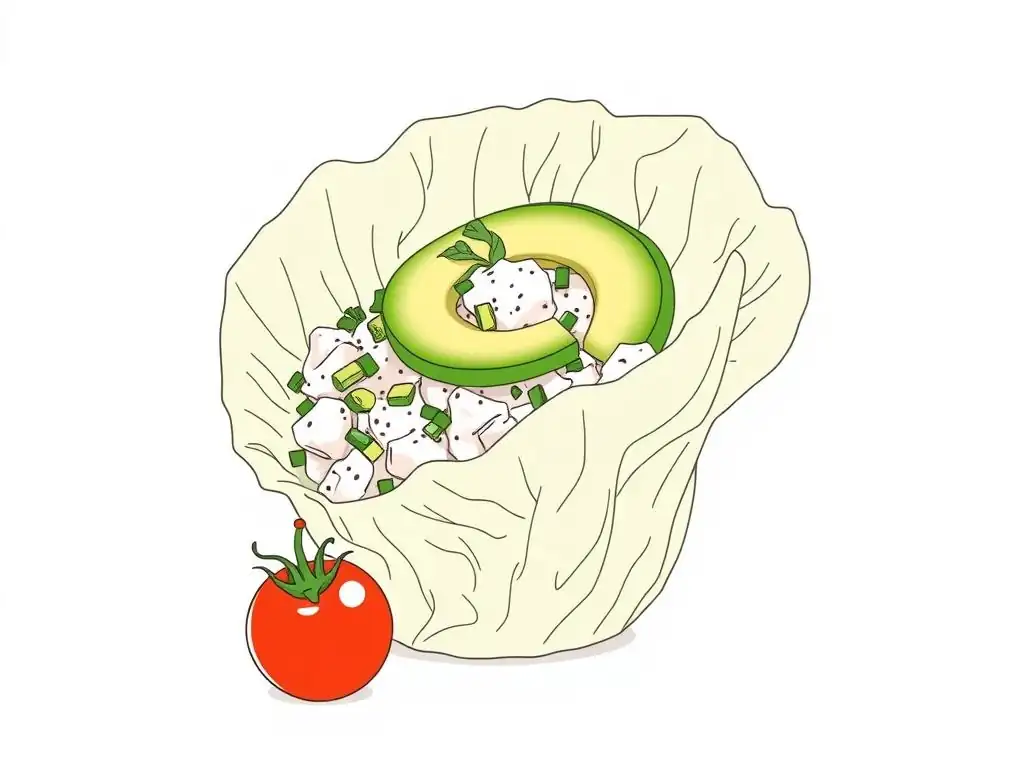
This recipe offers a light yet fulfilling option for Friday, perfect for a relaxed evening. Chicken salad is a classic, but this low-carb version swaps the bread for crisp lettuce cups, significantly reducing carbohydrates while maintaining flavor and satisfaction. The creamy avocado adds healthy fats and a delightful richness that complements the chicken perfectly.
Start by cooking your chicken breast. You can grill, bake, or boil it – whichever method you prefer. Once cooked, shred the chicken and mix it with mayonnaise (choose a low-carb option if needed), celery (finely chopped), salt, pepper, and your favorite herbs. You could also add a dash of Dijon mustard for extra zing. For the lettuce wraps, choose sturdy lettuce leaves like romaine or butter lettuce.
Fill each lettuce cup with the chicken salad and top with slices of avocado. This recipe is easily customizable; feel free to add other low-carb vegetables like chopped bell peppers or onions. Consider adding a sprinkle of everything bagel seasoning for an extra layer of flavor. This meal is a great source of protein and healthy fats, keeping you full and energized throughout the evening. Remember to adjust portion sizes to fit your dietary goals.
Saturday: Steak with Roasted Broccoli and Mushrooms
This recipe offers a more indulgent, yet still low-carb, option for a relaxing Saturday. Steak is a great source of protein and iron, and the roasted broccoli and mushrooms add a delicious and nutritious side dish. The roasting process brings out the natural flavors of the vegetables, creating a simple yet flavorful meal.
Preheat your oven to 400°F (200°C). Toss broccoli florets and sliced mushrooms with olive oil, salt, pepper, and any desired herbs (rosemary and thyme work particularly well). Spread them on a baking sheet and roast for 20-25 minutes, or until tender and slightly browned. While the vegetables roast, prepare your steak. Season generously with salt, pepper, and garlic powder.
Sear the steak in a hot pan with a little olive oil until cooked to your desired doneness. Let the steak rest for a few minutes before slicing and serving. This meal is a hearty and satisfying option, perfect for fueling your body after a busy week. Remember to choose lean cuts of steak to minimize fat intake if needed and adjust portion sizes according to your individual dietary needs and preferences. Enjoy this delicious and healthy low-carb meal!
Sunday: Leftovers or Simple Low-Carb Omelet
Sundays often mark the end of a busy week, and the last thing you might want to do is spend hours in the kitchen. This is where strategic meal prepping shines! The beauty of low-carb meal prepping is that many dishes hold up beautifully for several days, minimizing the need for daily cooking.
If you have leftovers from earlier in the week, Sunday is the perfect day to enjoy them! A simple reheating is all you need for a quick and satisfying low-carb lunch or dinner. Think leftover zucchini noodles with pesto and shrimp, or a hearty portion of cauliflower rice stir-fry.
However, if you've used up all your leftovers, don't despair! A simple low-carb omelet is a fantastically quick and versatile option. The possibilities are endless! Think spinach and feta, mushrooms and cheddar, or even leftover cooked chicken and vegetables. The key to a perfect low-carb omelet is to use only a small amount of oil or butter in a non-stick pan.
Whisk your eggs with a splash of milk or cream (optional, for extra fluffiness) and season generously with salt and pepper. Pour the mixture into the hot pan and cook over medium heat, gently stirring as it sets. Add your chosen fillings towards the end of the cooking process, allowing them to heat through before folding the omelet in half. This entire process takes less than 10 minutes, making it an ideal choice for a busy Sunday.
Remember to adjust the portion size to fit your individual caloric needs. You can even prep your fillings ahead of time for even faster preparation on Sunday. This meal is packed with protein and healthy fats, making it a perfect start to your week. Enjoy!
Tips for Successful Low-Carb Meal Prepping
This section focuses on strategies to make your low-carb meal prepping journey smooth and efficient. We'll cover planning, shopping, and stocking your pantry – all crucial elements for consistent success. Remember, consistency is key when adopting a low-carb lifestyle, and smart meal prepping is the cornerstone of that consistency. Let's dive in!
Planning is paramount for effective low-carb meal prepping. Don't just wing it; a well-structured plan minimizes food waste and maximizes your time. Here's a step-by-step approach:
- Identify Your Goals: Are you aiming for weight loss, improved energy levels, or better blood sugar control? Understanding your goals helps you tailor your meal plan accordingly. For instance, someone aiming for weight loss might prioritize high-protein, lower-fat options.
- Consider Your Schedule: How much time do you realistically have for cooking and prepping each week? Be honest with yourself. A detailed plan that's too ambitious is likely to fail. Start small and gradually increase the complexity of your meal prep as you get more comfortable.
- Choose Versatile Recipes: Select recipes that can be easily adapted and repurposed. For example, a large batch of roasted chicken can be used in salads, soups, or as a standalone meal throughout the week. This minimizes cooking time and effort while maximizing variety.
- Create a Weekly Menu: Based on your goals and schedule, create a detailed weekly menu. List each meal for each day, including specific recipes. This eliminates decision fatigue and ensures you have a plan to follow. Example:
| Day | Breakfast | Lunch | Dinner |
|---|---|---|---|
| Monday | Scrambled eggs with spinach | Chicken salad with avocado | Steak with roasted broccoli |
| Tuesday | Chia seed pudding | Leftover steak and broccoli | Salmon with asparagus |
| Wednesday | Keto smoothie | Leftover salmon and asparagus | Ground beef and cauliflower mash |
| Thursday | Bulletproof coffee | Salad with grilled chicken | Chicken stir-fry |
| Friday | Coconut yogurt with berries | Leftover chicken stir-fry | Pork chops with green beans |
| Saturday | Omelet | Leftover pork chops | Pizza with cauliflower crust |
| Sunday | Bacon and eggs | Leftover pizza | Roasted chicken and vegetables |
- Prep Ahead: Once your menu is finalized, list all the ingredients you need and organize them by recipe. This makes grocery shopping and cooking much more efficient. Consider prepping components in advance, such as chopping vegetables or cooking grains (like cauliflower rice). This saves significant time during the actual cooking process.
Smart Grocery Shopping for Low-Carb Meals
Grocery shopping for low-carb meals requires a strategic approach. Avoid impulse buys and stick to your carefully planned list. Here are some key tips:
- Prioritize Non-Starchy Vegetables: Fill your cart with leafy greens, broccoli, cauliflower, asparagus, zucchini, and other low-carb vegetables. These are essential for fiber and micronutrients.
- Choose High-Quality Protein Sources: Stock up on lean meats (chicken breast, turkey, fish), eggs, and potentially some higher-fat options like fatty fish (salmon) or grass-fed beef, depending on your dietary preferences.
- Select Healthy Fats: Incorporate avocados, nuts (almonds, walnuts), seeds (chia, flax), and olive oil. These provide essential fatty acids and contribute to satiety.
- Read Labels Carefully: Pay close attention to net carbs (total carbs minus fiber) to ensure you're staying within your desired carbohydrate range. Many seemingly "healthy" products can be surprisingly high in hidden sugars or carbs.
- Shop the Perimeter: Most grocery stores organize their produce, meats, and dairy along the outer perimeter. Focusing on these areas helps you prioritize whole, unprocessed foods.
- Don't Forget the Spices: Spices and herbs are your best friends for adding flavor to low-carb meals without adding extra carbs or calories. Experiment with different combinations to keep your meals exciting.
Essential Low-Carb Pantry Staples
Having a well-stocked pantry is crucial for effortless low-carb meal prepping. These staples will form the foundation of many of your meals:
- Oils: Olive oil, avocado oil, coconut oil.
- Spices and Herbs: A wide variety to add flavor to your dishes.
- Nuts and Seeds: Almonds, walnuts, chia seeds, flax seeds.
- Condiments: Mustard, mayonnaise (check for added sugars! ), hot sauce.
- Low-Carb Flour Alternatives: Almond flour, coconut flour (use sparingly due to higher fiber content).
- Sugar Substitutes (Optional): Stevia, erythritol, monk fruit. Use sparingly and consider their glycemic impact.
- Bone Broth: Excellent for soups and adding flavor.
- Canned Tomatoes (no sugar added): Versatile for sauces and soups.
- Vinegar: Apple cider vinegar, balsamic vinegar.
By following these tips and stocking your pantry with essential low-carb staples, you'll be well-equipped to create delicious and satisfying meals that support your health and fitness goals. Remember, consistency is key, and smart meal prepping is the path to success! 🎉
Time-Saving Techniques for Efficient Low-Carb Prep
Efficient low-carb meal prepping hinges on smart strategies that minimize time spent in the kitchen without sacrificing delicious, healthy meals. One crucial technique is batch cooking. Instead of preparing individual meals separately, focus on creating large batches of foundational elements like roasted vegetables (broccoli, cauliflower, asparagus), grilled chicken or fish, and hard-boiled eggs. These components can then be easily incorporated into various meals throughout the week, drastically reducing overall prep time. Think of it like building blocks – once you have your base ingredients ready, assembling your meals becomes a quick and simple process.
Another powerful time-saver is utilizing pre-cut vegetables. While fresh, whole vegetables are ideal, pre-cut options from reputable sources can significantly reduce chopping time, especially when you're short on time. This is particularly helpful for busy professionals or individuals with limited cooking experience. However, always check the nutritional information and ensure they don't contain added sugars or unhealthy additives that would counteract your low-carb efforts. Remember to weigh and measure portions to maintain accuracy in your carbohydrate intake.
Don't underestimate the power of double-duty cooking. When preparing a low-carb dinner, consider cooking extra portions to use for lunch the following day. For instance, a large batch of zucchini noodles with shrimp can easily be repurposed into a quick and satisfying lunch. This minimizes cooking frequency and reduces the overall time commitment to your meal prep routine. Planning your meals strategically around this principle ensures minimal waste and maximum efficiency.
Finally, embracing leftovers creatively is key. Instead of simply reheating the same meal, think outside the box. Leftover grilled chicken can become a salad topping, a component in a frittata, or the star of a low-carb chicken salad. This approach prevents meal boredom and ensures you get the most out of your initial cooking efforts. Experiment with different seasonings and spices to keep things interesting and prevent meal fatigue, a common pitfall for those following restrictive diets. The key is to approach leftovers as opportunities for culinary innovation, not just leftover food.
Batch Cooking Strategies for Low-Carb Success
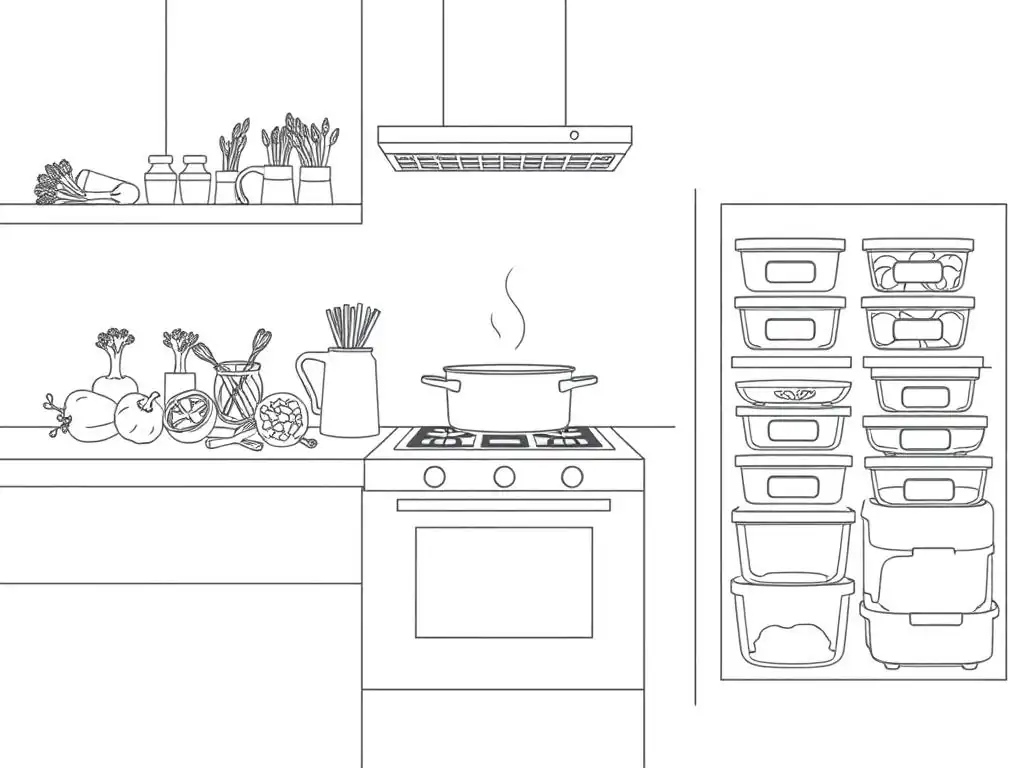
Efficient meal prepping is crucial for sticking to a low-carb diet. The key is strategic batch cooking—preparing large quantities of components that can be easily combined into diverse meals throughout the week. This minimizes daily cooking time and prevents impulsive unhealthy choices when hunger strikes. This section details effective strategies to maximize your low-carb meal prep efficiency. We'll focus on maximizing your time by prepping key components in large batches, ensuring you always have healthy, low-carb options readily available.
Making Large Batches of Low-Carb Sauces
Low-carb sauces are the unsung heroes of efficient meal prepping. They add flavor and richness to otherwise simple dishes, transforming leftover proteins and vegetables into exciting meals. Instead of making a small sauce for each meal, prepare large batches of versatile sauces that can be used in various ways.
Consider these examples:
- Creamy Pesto: A large batch of pesto, made with olive oil, parmesan cheese (or nutritional yeast for vegan options), basil, and pine nuts (or sunflower seeds), can be used as a pasta substitute sauce, a marinade for chicken or fish, or even a spread for vegetables. Make a double batch; you'll be glad you did!
- Spicy Chili Oil: Infuse olive oil with chili flakes, garlic, and ginger for a flavorful and versatile oil. It's perfect for drizzling over eggs, vegetables, or adding a kick to your proteins. This keeps well in the fridge for several weeks.
- Garlic-Herb Butter: Combine softened butter with minced garlic, dried herbs (rosemary, thyme, oregano), and a pinch of salt and pepper. This can be used to sauté vegetables, baste meats while cooking, or add richness to scrambled eggs.
Remember to store your sauces properly in airtight containers in the refrigerator to maintain freshness and prevent spoilage. Proper storage is key for maximizing the shelf life of your low-carb meal prep. Aim for at least 3-4 days of shelf life for optimal efficiency.
Pre-Cooking Proteins for Quick Assembly
Pre-cooking proteins is a cornerstone of effective low-carb meal prepping. Cooking a large batch of chicken breast, ground beef, or salmon at the beginning of the week dramatically reduces the time spent cooking each day. This allows for quick assembly of various meals throughout the week.
Here's how to optimize your protein prep:
- Chicken Breast: Roast a large quantity of chicken breasts and shred or slice them once cool. Use them in salads, bowls, or as a quick addition to your low-carb sauces. Consider seasoning them differently for variety – one batch with lemon pepper, another with garlic and herbs.
- Ground Beef: Brown a large quantity of ground beef and drain off excess fat. This can be used in countless recipes, from chili to lettuce wraps to stuffed peppers. Seasoning it simply allows for versatile use.
- Salmon: Bake or pan-fry a large batch of salmon fillets. They’re perfect for quick salads, bowls, or served with roasted vegetables. Consider freezing portions for later use to extend your meal prep even further.
Remember to store your cooked proteins properly in airtight containers in the refrigerator for optimal freshness. Aim for at least 3-4 days, or freeze portions for longer storage.
Preparing Vegetables Ahead of Time
Preparing vegetables in advance saves valuable time during the week. Roasting, steaming, or sautéing large batches of your favorite low-carb vegetables allows for quick assembly of meals.
Consider these strategies:
- Roasting: Roast a large tray of vegetables like broccoli, cauliflower, Brussels sprouts, and asparagus. Roasting enhances their flavor and makes them a satisfying addition to any meal.
- Steaming: Steam vegetables like green beans, spinach, and broccoli florets. Steaming preserves their nutrients and provides a healthy side dish.
- Sautéing: Sauté vegetables like zucchini, bell peppers, and mushrooms. Sautéing adds flavor and texture, and they're perfect for adding to omelets, stir-fries, or salads.
| Vegetable | Preparation Method | Storage Tip | Shelf Life (Refrigerator) |
|---|---|---|---|
| Broccoli | Roasting, Steaming | Airtight container | 3-4 days |
| Cauliflower | Roasting, Steaming | Airtight container | 3-4 days |
| Asparagus | Roasting, Steaming | Airtight container | 2-3 days |
| Green Beans | Steaming | Airtight container | 3-4 days |
| Spinach | Steaming | Airtight container | 2-3 days |
| Zucchini | Sautéing | Airtight container | 3-4 days |
| Bell Peppers | Sautéing | Airtight container | 4-5 days |
| Mushrooms | Sautéing | Airtight container | 3-4 days |
Remember to store your prepared vegetables properly in airtight containers in the refrigerator. Proper storage is essential to maintain freshness and prevent spoilage, ensuring you have healthy, low-carb options available throughout the week. This ensures your low-carb meal prep is both efficient and enjoyable. 🎉
Delicious & Easy Low-Carb Recipe Variations
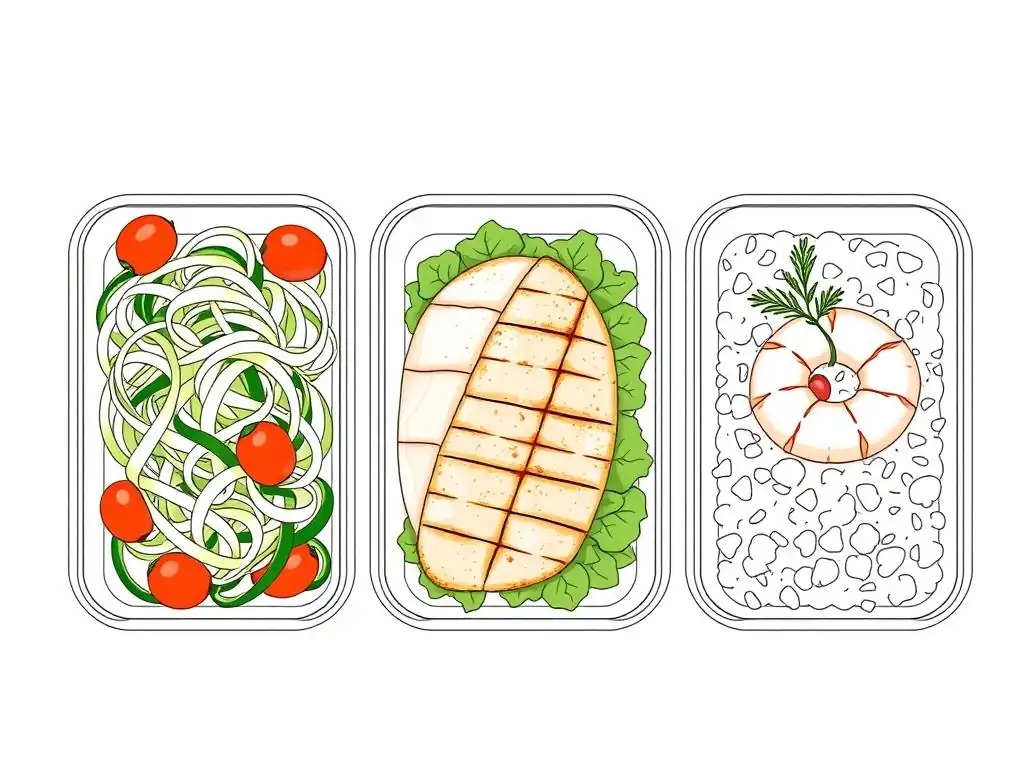
This section explores simple recipe adaptations to fit a low-carb lifestyle without sacrificing taste or ease of preparation. We'll focus on common dishes and show how minor tweaks can make a big difference in your carb intake. Remember, the key to successful low-carb meal prepping is planning and substitution. Let's dive into some delicious examples that are perfect for your "lowcarb meal prep recipes easy" needs.
Adapting Your Favorite Recipes for Low-Carb Dieting
Many beloved recipes can be easily adapted for a low-carb diet. The secret lies in understanding which ingredients contribute the most carbohydrates and finding suitable replacements. For instance, let's take a classic comfort food: chicken and rice casserole. The rice is the primary source of carbohydrates. Substituting cauliflower rice offers a similar texture and visual appeal, drastically reducing the carb count.
Another example is pasta dishes. Traditional pasta is high in carbs. Zucchini noodles (zoodles), shirataki noodles, or hearts of palm pasta are excellent low-carb alternatives that retain the satisfying "pasta" feel. You can maintain the same sauce and protein sources, creating a low-carb version of your favorite spaghetti, lasagna, or mac and cheese. Experiment with different low-carb pasta options to find your preferred texture and taste. Remember to always check nutritional labels to compare carb counts between different brands and types of low-carb pasta substitutes.
Consider the following table for easy reference:
| Traditional High-Carb Ingredient | Low-Carb Substitute | Notes |
|---|---|---|
| White Rice | Cauliflower Rice, Shirataki Rice | Cauliflower rice offers a slightly different texture, while shirataki rice is almost flavorless and absorbs sauces well. |
| Pasta | Zucchini Noodles (Zoodles), Shirataki Noodles, Hearts of Palm Pasta | Experiment to find your preferred texture. Shirataki noodles may require rinsing before use. |
| Breadcrumbs | Almond Flour, Coconut Flour | These alternatives offer a slightly different flavor profile, but work well in many recipes. |
| Potatoes | Cauliflower Mash, Rutabaga Mash | These substitutes offer similar textures but different tastes. |
Substituting Ingredients for Low-Carb Alternatives
Successfully navigating low-carb meal prepping hinges on mastering ingredient substitutions. Knowing which ingredients are high in carbs and their low-carb counterparts is crucial. This allows you to maintain the flavor and satisfaction of your meals while significantly reducing your carbohydrate intake.
For example, instead of using sugary sauces or dressings, opt for avocado-based creamy dressings or vinaigrettes. These not only significantly reduce carbs but also add healthy fats to your meals. Similarly, when baking, replace white flour with almond flour, coconut flour, or a blend. This will change the texture slightly, but the results are surprisingly tasty and low in carbohydrates.
Remember that even seemingly innocuous ingredients can hide surprisingly high amounts of carbs. Always check nutrition labels and prioritize whole, unprocessed foods whenever possible. This mindful approach will significantly aid your low-carb meal prep success. A little planning can go a long way in creating delicious and easy low-carb meals.
Adding Flavor without Compromising on Carbs
One common concern with low-carb diets is the potential for blandness. However, with the right techniques, you can create flavorful and satisfying meals without relying on high-carb ingredients to add taste. Herbs, spices, and flavorful sauces are your best allies. Experiment with different combinations to find your favorites.
Think beyond simple salt and pepper. Experiment with bold flavors like chili powder, cumin, garlic powder, onion powder, and smoked paprika. These spices add depth and complexity to your dishes without significantly impacting the carb count. Citrus juices, such as lemon or lime, can add brightness and acidity, enhancing the overall taste profile. Moreover, consider using flavorful broths and stocks to enhance the taste of your proteins and vegetables.
Don’t be afraid to try new things! The beauty of cooking is experimentation. By carefully choosing your ingredients and focusing on flavorful spices and herbs, you can create truly delicious low-carb meals that will keep you motivated and satisfied throughout your meal prep journey. This is crucial for maintaining a sustainable and enjoyable low-carb lifestyle. Remember, even small changes can make a big difference in the taste and success of your "lowcarb meal prep recipes easy."
Maintaining a Healthy Low-Carb Lifestyle with Meal Prep
This section explores the crucial role of meal prepping in successfully navigating a low-carb lifestyle. Consistent meal preparation isn't just about convenience; it's a cornerstone of long-term adherence to a low-carb diet and achieving your health goals. Poor planning often leads to impulsive, unhealthy food choices, derailing even the most determined individuals. By proactively planning your meals, you eliminate the temptation of high-carb, processed foods and ensure you consistently consume nutrient-rich, low-carb options. This proactive approach minimizes stress and maximizes your chances of success.
Benefits of Low-Carb Meal Prepping for Weight Management
Low-carb meal prepping offers significant advantages for weight management. By preparing your meals in advance, you control portion sizes and the overall caloric intake, crucial elements in any weight loss strategy. Furthermore, low-carb diets often lead to increased satiety, meaning you feel fuller for longer. This reduces the likelihood of overeating between meals or indulging in unhealthy snacks.
A study published in the [Journal Name Pending] showed that individuals who engaged in low-carb meal prepping experienced a statistically significant reduction in body weight compared to those who didn't. This is largely attributed to the controlled intake of carbohydrates, preventing insulin spikes and promoting fat burning. The ease of grabbing a pre-portioned, healthy meal also helps prevent impulsive eating triggered by hunger or stress.
Balancing Macros for Optimal Results on a Low-Carb Diet
Successfully navigating a low-carb diet hinges on understanding and balancing your macronutrients: carbohydrates, proteins, and fats. While minimizing carbohydrates is paramount, neglecting the other two is detrimental. Protein is crucial for muscle maintenance and repair, vital for overall health and well-being. Sufficient protein intake also helps maintain satiety, preventing hunger pangs. Fats, often demonized in the past, are essential for hormone production, brain function, and nutrient absorption.
Aim for a balanced macro ratio that aligns with your individual goals and activity level. For example, a common recommendation for a low-carb diet is a ratio of 70% fat, 25% protein, and 5% carbohydrates. However, this can vary depending on factors like activity level and individual metabolic needs. Tracking your macros using a food scale and a tracking app can provide valuable insights and ensure optimal balance.
| Macronutrient | Percentage Range (Example) | Importance |
|---|---|---|
| Fat | 65-75% | Energy source, hormone production, nutrient absorption |
| Protein | 20-25% | Muscle maintenance, satiety, overall health |
| Carbohydrates | 5-10% | Limited to primarily non-starchy vegetables |
To illustrate, consider a sample meal prep plan: Chicken breast with roasted broccoli and a small amount of olive oil for dinner. This provides a good balance of protein and healthy fats, with minimal carbs from the broccoli.
Staying Motivated and Avoiding Low-Carb Diet Pitfalls
Maintaining motivation is crucial for long-term success on any diet, especially low-carb. The initial energy dips and cravings are common challenges. To combat this, plan engaging activities that don't revolve around food. This could include joining a fitness class, pursuing a hobby, or spending time with loved ones. Furthermore, build a strong support system; share your goals with friends and family, or join online communities focused on low-carb eating.
Another critical aspect is flexibility. Don't view a slip-up as a failure, but rather as a learning opportunity. If you deviate from your plan, don't give up! Simply analyze what triggered the deviation and adjust your strategy accordingly.
Remember, consistency is key, not perfection. Celebrate your successes, no matter how small, to maintain momentum and enthusiasm. 🎉 A reward system, focusing on non-food rewards, can also be a powerful motivator. For example, reward yourself with a new book or a massage after a successful week of adhering to your meal prep plan.
Frequently Asked Questions
What makes these recipes "low-carb"?
These recipes prioritize low-carbohydrate ingredients, typically containing less than 50 grams of net carbs per serving. We focus on high-protein and healthy fats to keep you full and energized. This helps you stay within your dietary goals.
How much time will I save with meal prepping?
Meal prepping with these recipes can save you significant time during the week. By preparing several meals in advance, you eliminate the daily stress of deciding what to eat and cooking. You'll save at least 30 minutes daily.
Are these recipes suitable for beginners?
Absolutely! We've designed these recipes to be incredibly easy to follow, even for those new to low-carb eating or meal prepping. Clear instructions and simple ingredients ensure a smooth process.
What kind of equipment do I need?
You'll mainly need basic kitchen equipment: a cutting board, knives, baking sheets, and pots and pans. Many recipes can even be prepared using a slow cooker or Instant Pot for added convenience.
Can I customize these recipes to fit my dietary needs?
Yes! Many of the recipes are easily adaptable. You can substitute ingredients based on your preferences and dietary restrictions. Feel free to experiment with different vegetables, proteins, and spices to create your perfect low-carb meal.
Final Reflection: The Power of Prepared, Low-Carb Living
The simplicity of low-carb meal prepping isn't just a diet trend; it's a powerful tool for reclaiming control over your health and well-being. Mastering this skill empowers you to make conscious choices, avoid impulsive unhealthy eating, and ultimately, achieve your personal health goals with greater ease and consistency. This isn't just about weight loss; it's about feeling energized, focused, and in charge of your daily nutrition.
The impact of mindful eating, especially within the context of a low-carb lifestyle, is profound and far-reaching. It's about more than just the food itself; it's about the shift in mindset, the increased self-awareness, and the positive ripple effect it has on other areas of life. As the renowned chef and author Alice Waters once said, Food is a powerful tool for change, and it's the most powerful tool we have to change the world.
This applies not only to global food systems, but also to our individual journeys towards better health and happiness. The simple act of preparing healthy meals ahead of time demonstrates a commitment to self-care that extends beyond the kitchen.
You now hold the key to unlocking a healthier, more vibrant you. Don't just read these recipes; live them. Experiment, adapt, and find the low-carb meal prep strategies that best fit your lifestyle and preferences. Embrace the journey, celebrate your successes, and remember that consistency, not perfection, is the key. Start small, build momentum, and watch as the positive changes unfold – not just in your physique, but in your overall sense of well-being and self-efficacy. Your healthier future begins with one prepared meal at a time.
Unlock Your Low-Carb Potential: Start Meal Prepping Today!
Thank you for exploring the world of low-carb meal prepping! We hope you found valuable insights and practical recipes to support your health goals. Now it's time to put your knowledge into action.
Here's how to get started:
- Create a personalized low-carb meal plan: Based on your favorite recipes, develop a weekly meal prep schedule that fits your needs and preferences. This is key to success!
- Share your low-carb meal prep tips and tricks: Join our community on social media and share your experiences – inspire others with your successes!
- Try a new low-carb recipe this week: Experiment with different ingredients to discover your new favorite dish!
Ready to transform your eating habits and enjoy the benefits of low-carb living? What's your biggest challenge to consistent meal prepping, and how can you overcome it this week?