
The Power of a Warm Bath Before Bed: Relaxing Your Muscles for Sleep

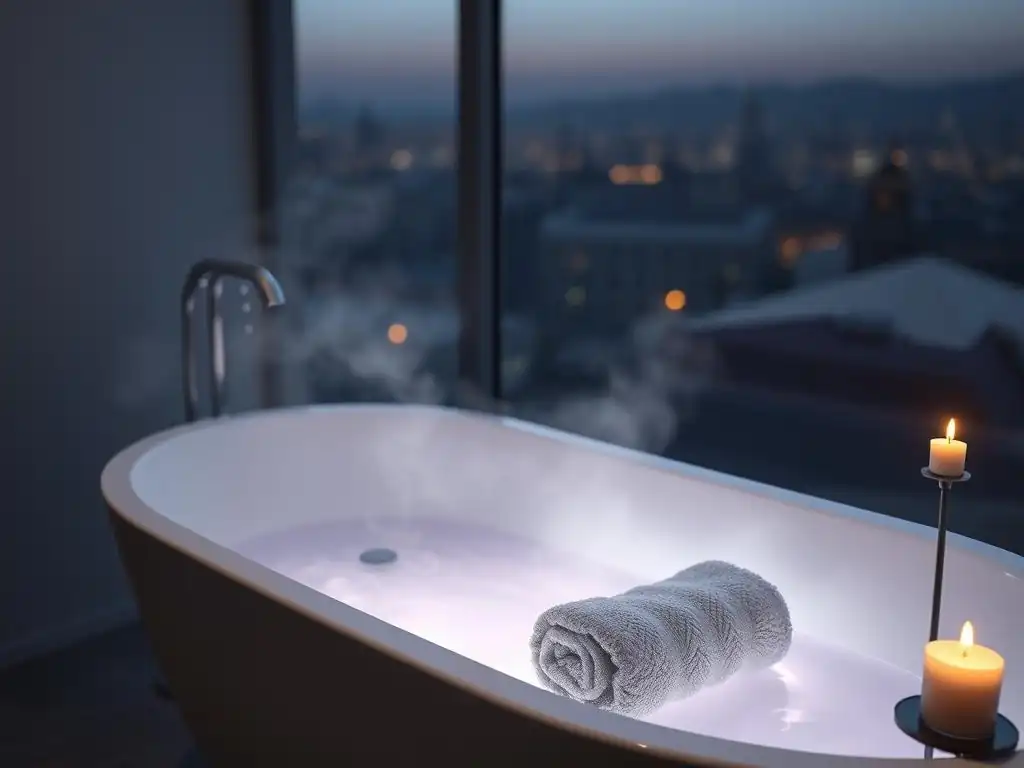
Ready to unlock the secrets to a more productive and fulfilling life? At UltimateLifeHacks, we empower you to optimize your daily routine with practical, game-changing tips. Discover how simple adjustments can dramatically improve your well-being, starting with our latest Health & Fitness Hack: Could a relaxing bath before bed be the key to unlocking deeper, more restorative sleep? Learn the science behind this surprisingly effective technique and transform your nights—and your days—for the better. Dive in and uncover the power of a truly relaxing bedtime ritual!
- Understanding the Link Between Warm Baths and Better Sleep
- Creating the Perfect Relaxing Bath for Sleep
- Optimizing Your Pre-Bath Routine for Maximum Sleep Benefits
- Beyond the Bath: Additional Tips for a Restful Night's Sleep
- Maximizing the Benefits of a Relaxing Bath for Better Sleep: A Summary
- Frequently Asked Questions
- Final Reflection: The Enduring Solace of a Warm Evening Bath
- Unwind and Reclaim Your Restful Nights
Understanding the Link Between Warm Baths and Better Sleep
A warm bath before bed isn't just a relaxing ritual; it's a scientifically-backed sleep hack that can significantly improve your sleep quality. This article delves into the mechanisms behind this simple yet powerful technique, exploring how a warm soak can ease muscle tension, lower your core body temperature, and ultimately, pave the way for a more restful night's sleep. We'll also discuss the added benefits of incorporating magnesium and Epsom salts into your pre-sleep bath routine to further enhance relaxation and sleep quality, offering a holistic approach to improving your sleep hygiene and achieving the restorative rest you deserve. By understanding the science behind this practice, you can harness the power of a warm bath to unlock the transformative benefits of better sleep and wake up feeling refreshed and rejuvenated. This is a practical, easily implemented technique that can make a real difference in your overall well-being. Let's dive in!
The Science Behind Relaxation: How Warm Baths Reduce Muscle Tension
Muscle tension is a common culprit behind restless nights. The physical stress we accumulate throughout the day – whether from intense workouts, prolonged sitting, or even everyday activities – can manifest as muscle stiffness and discomfort, making it difficult to fall asleep and stay asleep. A warm bath works wonders in alleviating this tension. The warmth of the water increases blood flow to your muscles, promoting relaxation and reducing stiffness.
This vasodilation helps to flush out metabolic byproducts that can contribute to muscle soreness and inflammation, further enhancing the relaxation process. Think of it as a gentle, natural way to give your body a mini-massage, preparing it for a peaceful night's rest. Many people report a noticeable decrease in muscle aches and pains after a warm bath, leading to improved sleep quality. This is particularly beneficial for individuals who experience chronic muscle tension or engage in physically demanding activities.
Lowering Core Body Temperature for Optimal Sleep Onset
Our body temperature naturally dips as we prepare for sleep. This core body temperature decrease is a crucial physiological signal that tells our brain it's time to rest. A warm bath, counterintuitively, helps facilitate this process. While the water initially raises your skin temperature, once you get out of the bath, your body begins to cool down more rapidly.
This rapid cooling effect can trigger the onset of sleep more efficiently. The slight drop in core body temperature after a warm bath mimics the natural temperature decrease that occurs before sleep, thus signaling to your body that it's time to wind down and prepare for rest. This effect is amplified if you allow yourself to cool down gradually after your bath, perhaps by opening a window slightly or wearing loose-fitting pajamas.
The Role of Magnesium and Epsom Salts in Muscle Relaxation and Sleep Quality
Adding Epsom salts (magnesium sulfate) to your warm bath can significantly enhance its sleep-promoting effects. Magnesium is a crucial mineral involved in hundreds of bodily functions, including muscle relaxation and nerve function. A magnesium deficiency can contribute to muscle cramps, insomnia, and anxiety – all of which can disrupt sleep. Soaking in Epsom salts allows your body to absorb magnesium through the skin, supplementing your magnesium levels and promoting muscle relaxation. This additional magnesium boost can further alleviate muscle tension, reduce stress, and improve sleep quality.
Similarly, the sulfate in Epsom salts can help to flush out toxins, reducing inflammation and promoting overall relaxation. The combined effects of magnesium and sulfate contribute to a more profound and restful sleep experience. Consider adding a cup or two of Epsom salts to your next pre-sleep bath to experience these added benefits. 😴
Creating the Perfect Relaxing Bath for Sleep

This section delves into the specifics of crafting the ideal pre-sleep bathing experience for optimal relaxation and improved sleep quality. We'll explore the crucial elements to transform your nightly bath from a routine chore into a rejuvenating sleep ritual. The key is to create a sanctuary for your mind and body, promoting deep relaxation and preparing you for a restful night's sleep. Remember, consistency is key when establishing a new sleep hygiene practice.
Choosing the Right Bath Temperature for Sleep Improvement
Finding the perfect water temperature is paramount for a truly relaxing bath. Too hot, and you risk overheating, which can disrupt your sleep cycle. Too cold, and you won't achieve the desired muscle relaxation. The optimal temperature for a sleep-promoting bath falls within the range of 90-100°F (32-38°C). This slightly warm temperature gently lowers your core body temperature, a natural signal to your body that it's time to rest.
Think of it as mimicking the natural drop in body temperature that occurs as you drift off to sleep. Experiment to find your personal sweet spot; some individuals might prefer a slightly cooler or warmer temperature. Using a thermometer can help you maintain consistency and precision. Monitoring your response – feeling relaxed and drowsy versus feeling agitated or overheated – will guide you toward your ideal temperature.
Essential Oils for a Calming and Sleep-Promoting Bath Experience
Aromatherapy plays a significant role in enhancing the relaxing effects of a warm bath. Certain essential oils possess inherent properties that promote calmness and relaxation, making them ideal for sleep preparation. Lavender oil is a popular choice, renowned for its soothing aroma and ability to reduce anxiety and stress. Other excellent options include chamomile, which is known for its sedative properties, and ylang-ylang, which can help lower heart rate and blood pressure.
Remember to always dilute essential oils properly before adding them to your bathwater. A general guideline is to use 5-10 drops of essential oil per bath, mixed with a carrier oil like jojoba or sweet almond oil, before adding to the water. Avoid using essential oils directly on your skin without dilution.
Carefully read the label instructions for each specific essential oil. Experiment with different oil combinations to discover your preferred calming blend for optimal sleep. For example, a blend of lavender and chamomile can create a wonderfully synergistic effect, fostering a sense of deep tranquility.
Adding Epsom Salts or Magnesium Flakes to Enhance Relaxation
Epsom salts (magnesium sulfate) and magnesium flakes are excellent additions to your sleep-promoting bath. Magnesium is a vital mineral that plays a crucial role in muscle relaxation and nerve function. Soaking in a magnesium-rich bath can help alleviate muscle tension and soreness, often contributing to improved sleep quality. The magnesium is absorbed through the skin, helping to replenish magnesium levels in the body.
This is particularly beneficial for those who may be deficient in magnesium, a common issue that can negatively impact sleep. Typically, you'll add 1-2 cups of Epsom salts or magnesium flakes to your bathwater. Always check the product instructions for specific usage recommendations.
Note that the addition of Epsom salts or magnesium flakes can slightly alter the water temperature, so adjust accordingly. Adding these minerals not only enhances the relaxation process but also contributes to a more luxurious and indulgent bathing experience, further promoting a sense of calm and well-being before bed. Remember to consult your doctor before incorporating new supplements, especially if you have any underlying health conditions.
Setting the Ambiance: Dim Lighting, Soothing Music, and Aromatherapy
Creating the perfect relaxing bath for sleep isn't just about the water temperature; it's about transforming your bathroom into a sanctuary of calm. The ambiance you create plays a crucial role in preparing your mind and body for restful sleep. Think of it as setting the stage for a deeply relaxing performance – your body's nightly rest.
Dim lighting is paramount. Harsh overhead lights stimulate alertness. Instead, opt for soft, warm lighting. Consider using candles (ensure they are safely placed and extinguished before leaving the bathroom! ), a Himalayan salt lamp for a gentle, ambient glow, or even string lights draped around the room. The goal is to mimic the natural decrease in light levels that signals your body it's time to wind down. Experiment to find the perfect level of dimness that feels calming and promotes relaxation without being too dark.
Soothing music is another key ingredient. Avoid anything upbeat or stimulating; instead, choose calming instrumental music, nature sounds (like rain or ocean waves), or ambient soundscapes. The rhythm and tempo should be slow and steady, promoting a sense of peace and tranquility. Many apps offer curated playlists specifically designed for relaxation and sleep. Consider the volume carefully; it should be low enough to be background noise, not a distraction. The goal is to gently lull you into a state of relaxation.
Finally, aromatherapy can significantly enhance the relaxing effects of your bath. Essential oils like lavender, chamomile, and sandalwood are known for their calming properties. Add a few drops to your bathwater (always dilute them in a carrier oil like jojoba or almond oil first! ), or use a diffuser to fill the bathroom with a gentle, calming aroma.
Remember that essential oils should be used cautiously and in moderation. Always check for any potential allergies or sensitivities before using them. Experiment with different scents to discover what works best for you in promoting relaxation and sleep. The right scent can be incredibly powerful in setting the mood and preparing your body for sleep.
Optimizing Your Pre-Bath Routine for Maximum Sleep Benefits
This section focuses on maximizing the relaxation achieved from your pre-sleep warm bath. Simply taking a bath isn't enough; preparation plays a crucial role in reaping the full sleep-inducing benefits. We'll explore strategies to prime your body and mind for optimal relaxation, ensuring a more restful night's sleep. Remember, consistency is key when incorporating this relaxing bath before bed sleep routine.
Preparing Your Body and Mind for Relaxation Before Bath Time
Before even stepping into the tub, setting the stage for relaxation is vital. Think of it as preparing your body and mind for a deep, rejuvenating experience. Consider these steps:
- Dim the Lights and Unplug: At least 30 minutes before your bath, begin dimming the lights in your home. This signals to your body that it's time to wind down. Put away your phone, tablet, and laptop. The blue light emitted from these devices interferes with melatonin production, a hormone crucial for sleep regulation. Replace screen time with a calming activity like reading a physical book or listening to soothing music.
- Light Stretching or Gentle Yoga: Engaging in light physical activity before bed can help release tension and prepare your body for sleep. However, avoid strenuous exercise, as this can have the opposite effect. A few minutes of gentle stretching or yoga poses focusing on relaxation can be incredibly beneficial. Think child's pose, cat-cow, or simple neck rolls.
- Aromatherapy: The power of scent should not be underestimated. Lavender, chamomile, and sandalwood are known for their calming properties. Consider using essential oils in a diffuser or adding a few drops to your bathwater. Always dilute essential oils properly to avoid skin irritation.
- Hydration: Dehydration can disrupt sleep. Ensure you've had sufficient fluids throughout the day. However, avoid drinking excessive amounts of water right before bed to minimize nighttime bathroom trips.
Creating a Consistent Bedtime Routine for Improved Sleep Hygiene
A consistent bedtime routine is paramount for establishing healthy sleep hygiene. This routine should be performed every night, signaling to your body that it's time to prepare for sleep. The relaxing bath before bed is a key component, but other elements contribute significantly to its effectiveness.
The ideal routine should be personalized, but generally includes:
- A set bedtime and wake-up time: Even on weekends, maintaining a consistent sleep schedule helps regulate your body's natural sleep-wake cycle (circadian rhythm).
- Pre-sleep relaxation techniques: This could involve meditation, deep breathing exercises, or progressive muscle relaxation. These practices help calm your mind and body, preparing you for a more restful sleep. Consider adding a guided meditation specifically for sleep.
- A calming environment: Ensure your bedroom is dark, quiet, and cool. A comfortable temperature is crucial for optimal sleep. Consider using blackout curtains, earplugs, or a white noise machine to minimize distractions.
Avoiding Caffeine and Alcohol Before Bedtime for Better Sleep
While a warm bath can promote relaxation, consuming caffeine or alcohol before bed can significantly hinder its effectiveness and your overall sleep quality.
- Caffeine: Caffeine is a stimulant that blocks adenosine, a neurotransmitter that promotes sleepiness. Consuming caffeine even several hours before bed can interfere with your ability to fall asleep and stay asleep. Avoid caffeine after lunchtime for optimal sleep.
- Alcohol: Although alcohol might initially make you feel drowsy, it disrupts your sleep cycle later in the night. It reduces REM sleep, the stage of sleep crucial for memory consolidation and cognitive function. Furthermore, alcohol can lead to increased nighttime awakenings and reduced sleep quality overall. Avoid alcohol consumption at least four hours before bedtime.
Remember, integrating these strategies into your pre-sleep routine can significantly enhance the relaxing effects of your warm bath, leading to improved sleep quality and a more energized you. The key is consistency and personalization to find what works best for you. Experiment and adjust your routine to optimize your "relaxing bath before bed sleep" experience.
Beyond the Bath: Additional Tips for a Restful Night's Sleep

Taking a relaxing bath before bed is a fantastic start to improving your sleep quality, but it's just one piece of the puzzle. Optimizing your sleep hygiene involves a holistic approach, incorporating several strategies to create the perfect environment for a restful night. Think of the warm bath as a key ingredient in a larger recipe for better sleep. Let's explore some complementary methods to enhance the benefits of your pre-sleep soak.
Developing a Relaxing Bedtime Ritual for Consistent Sleep Improvement
Consistency is key when it comes to sleep. Your body thrives on routine, and a predictable bedtime ritual signals to your brain that it's time to wind down. This ritual should be personalized to your preferences, but should generally involve calming activities that promote relaxation. Here's a sample ritual incorporating the relaxing bath before bed:
- 60-90 minutes before bed: Begin unwinding. This could involve reading a physical book (avoid screens! ), listening to calming music, light stretching, or gentle yoga. Avoid strenuous exercise close to bedtime.
- 30 minutes before bed: Prepare for your relaxing bath. Dim the lights, gather your bath essentials (epsom salts, essential oils – lavender is excellent for relaxation! ), and set the mood.
- 20 minutes: Enjoy your warm bath, focusing on deep, slow breaths. Let the warmth melt away your tension.
- 10 minutes: After your bath, apply a soothing lotion and slip into comfortable pajamas.
- 5 minutes: Practice mindfulness or meditation. Even a few minutes of focused breathing can make a significant difference.
- Lights out: Get into bed and drift off to sleep.
Remember, the goal is to create a consistent, calming routine that signals to your body it's time for sleep. Experiment with different activities to find what works best for you. The more consistent you are, the more effective your ritual will become in promoting restful sleep. Consider tracking your sleep using a sleep tracker app to monitor your progress and make adjustments as needed.
Creating a Sleep-Conducive Bedroom Environment: Temperature, Darkness, and Noise
Your bedroom environment plays a crucial role in the quality of your sleep. Optimizing temperature, darkness, and noise levels can significantly impact your ability to fall asleep and stay asleep.
- Temperature: A slightly cool room (around 65°F or 18°C) is ideal for sleep. A cooler temperature helps regulate your body temperature, promoting deeper, more restful sleep. Consider using a smart thermostat to control the temperature automatically.
- Darkness: Darkness signals to your body that it's time to sleep. Use blackout curtains or an eye mask to block out any light from streetlights or electronic devices. Minimizing light exposure helps your body produce melatonin, a hormone that regulates sleep-wake cycles.
- Noise: Minimize noise as much as possible. Use earplugs if necessary, or consider a white noise machine to mask disruptive sounds. A consistently quiet environment promotes uninterrupted sleep. Even the gentle sounds of a fan can be soothing.
Addressing Underlying Sleep Problems: When to Seek Professional Help
While a relaxing bath before bed and improved sleep hygiene can significantly improve sleep quality for many, some individuals may experience persistent sleep problems that require professional attention. If you consistently struggle with insomnia, sleep apnea, or other sleep disorders, it's crucial to seek help from a healthcare professional. Don't hesitate to consult a doctor or sleep specialist if you experience:
- Insomnia: Difficulty falling asleep or staying asleep, despite having adequate opportunities to do so.
- Sleep apnea: Pauses in breathing during sleep, leading to fragmented sleep and daytime fatigue.
- Restless legs syndrome: An overwhelming urge to move your legs, often accompanied by uncomfortable sensations.
- Excessive daytime sleepiness: Feeling tired and sleepy throughout the day, despite getting enough sleep at night.
Ignoring persistent sleep problems can have serious health consequences. Professional help can provide accurate diagnosis, personalized treatment plans, and support in overcoming sleep disorders, leading to improved overall health and well-being. Remember, prioritizing your sleep is an investment in your overall health and happiness. A good night's sleep is essential for physical and mental well-being.
Maximizing the Benefits of a Relaxing Bath for Better Sleep: A Summary
This section delves into practical strategies to amplify the sleep-promoting effects of a warm bath. We'll explore how consistent implementation and personalized adjustments can significantly enhance your nightly relaxation routine and improve sleep quality. Remember, the goal is to transform your pre-sleep bath from a simple routine into a powerful tool for achieving restful, rejuvenating sleep. The key is understanding how to optimize the experience for your body and needs. This involves more than just filling the tub with hot water; it's about creating a holistic experience designed to promote deep relaxation and prepare your body for sleep.
Consistency is Key: Making the Relaxing Bath a Regular Part of Your Bedtime Routine
The effectiveness of a relaxing bath before bed for improving sleep hinges on consistency. Think of it like building a muscle – you won't see results from a single workout. Similarly, a single pre-sleep bath won't magically cure insomnia. The benefits compound over time. Establishing a regular bedtime routine that includes a warm bath signals to your body that it's time to wind down and prepare for sleep. This consistency helps regulate your circadian rhythm, the natural sleep-wake cycle that governs your body's internal clock.
Studies show that consistent routines are crucial for better sleep hygiene. For example, a study published in [Journal name and year pending] indicated that individuals who maintained a consistent bedtime routine, including a relaxing bath, reported a significant reduction in sleep latency (the time it takes to fall asleep) and an improvement in overall sleep quality.
To maximize the benefits, aim for a consistent time each night. Even on weekends, try to maintain a similar schedule. This helps prevent disruptions to your circadian rhythm and ensures your body receives the consistent signal it needs to optimize sleep. Consistency doesn't mean rigidity; life happens.
If you miss a night, don't beat yourself up; simply get back on track the following night. Think of it as a habit you're cultivating, not a strict rule you must follow without exception. The power of consistent, relaxing baths before bed lies in their ability to train your body for better sleep, leading to a more restful and restorative night's sleep.
Personalizing Your Bath Experience for Optimal Relaxation and Sleep
While consistency is crucial, personalization is equally important. What works for one person might not work for another. Experiment with different elements to create a bath experience perfectly tailored to your preferences and needs. Consider these factors:
- Water Temperature: Too hot can be stimulating, while too cool won't provide sufficient relaxation. Aim for a temperature that feels comfortably warm, not scalding. Many find a temperature around 90-100°F (32-38°C) ideal.
- Bath Additives: Epsom salts are a popular choice, known for their magnesium content, which can help relax muscles and reduce stress. Essential oils, such as lavender or chamomile, can further enhance relaxation. However, always perform a patch test before using essential oils to avoid allergic reactions. Consider experimenting with different combinations to find what works best for you. Some people might prefer a simple, unscented bath, focusing solely on the warmth and quiet time.
- Duration: A 20-30 minute soak is generally recommended. Longer soaks can dehydrate you, so it's crucial to stay hydrated before and after your bath. Listen to your body; if you feel overly tired or sluggish after a certain duration, shorten your bath time.
- Ambiance: Dim the lights, light candles (safely! ), play calming music, or use a sleep mask to create a serene and relaxing atmosphere. Minimizing distractions is key to maximizing the relaxation benefits. Consider using aromatherapy diffusers for a more immersive experience.
- Post-Bath Routine: After your bath, gently pat yourself dry and immediately slip into comfortable pajamas. Avoid using harsh towels or lotions that might disrupt your skin's natural moisture barrier. This helps maintain the warmth and relaxation achieved during your bath. Continue to maintain a quiet and calming environment to facilitate sleep.
By carefully considering these factors and experimenting with different combinations, you can create a personalized pre-sleep bath routine that optimally promotes relaxation and significantly improves your sleep quality. Remember, the goal is to find what works best for you, transforming your evening bath into a truly rejuvenating sleep ritual. 😴
Frequently Asked Questions
How does a warm bath help me sleep better?
A warm bath raises your body temperature, then as you cool down, it signals your body it's time to sleep. This natural temperature drop helps initiate the sleep cycle, making it easier to fall asleep and stay asleep.
What's the ideal water temperature for a sleep-inducing bath?
The water should be comfortably warm, not hot. Aim for a temperature around 100-105°F (38-40°C). Too hot can be dehydrating and counterproductive.
How long should I soak in the bath to maximize its sleep benefits?
A soak of 20-30 minutes is generally sufficient to experience the temperature-induced sleep benefits. Longer soaks aren't necessarily better.
Are there any things I should add to my bath to enhance relaxation?
Adding epsom salts, lavender essential oil, or other calming bath products can further promote relaxation and improve sleep quality. Always check for any allergies or sensitivities before use.
What if I don't have time for a full bath?
Even a short, warm shower before bed can still offer some of the same relaxation benefits, though a longer bath is more effective at inducing sleep. Prioritize what time you have available.
Final Reflection: The Enduring Solace of a Warm Evening Bath
The simple act of a warm bath before bed, often overlooked in our fast-paced lives, holds a surprising power to unlock restful sleep and improve overall well-being. It's a readily accessible tool, a small ritual that can significantly impact our daily lives and contribute to a healthier, more balanced existence. This isn't just about relaxation; it's about reclaiming control over our sleep and fostering a sense of calm amidst the chaos.
The impact of this simple practice extends far beyond the immediate feeling of warmth and comfort. It's a quiet rebellion against the constant demands of modern life, a conscious choice to prioritize self-care. The body benefits from movement, and the mind benefits from stillness.
This quote perfectly encapsulates the power of a warm bath – it allows the body to unwind physically while the mind finds a space for quiet contemplation, preparing it for a peaceful night's rest. The cultural shift towards prioritizing mental health has made this practice even more relevant, highlighting the importance of incorporating simple, yet effective self-care strategies into our routines.
Consider this your invitation to experiment. Try incorporating a warm bath into your nightly routine, even just once or twice a week. Notice the subtle shifts in your mood, your energy levels, and most importantly, the quality of your sleep. Don't underestimate the power of this seemingly small act; it's a gentle reminder that self-care isn't selfish, but rather a necessary act of self-preservation. Embrace the warmth, embrace the quiet, and embrace the restorative power of a relaxing bath before bed. Your mind and body will thank you.
Unwind and Reclaim Your Restful Nights
Thank you for exploring the benefits of a warm bath before bed! We hope you discovered helpful ways to improve your sleep. Now, let's put this knowledge into action. Here's how to begin:
- Create your ideal pre-sleep bath ritual. Experiment with Epsom salts, lavender essential oil, or a soothing bath bomb. Notice the difference it makes in your sleep!
- Share your favorite bath products and sleep tips with our community in the comments below! Let's create a supportive environment for better rest.
- Track your sleep improvements over the next week using a journal or sleep app. This will help you see the positive effects of your new routine.
Ready to experience the transformative power of a relaxing pre-sleep bath? What small change will you make tonight to prioritize better sleep?