
Stop Overthinking: Effective Mental Hacks to Silence Your Inner Critic


Are you ready to conquer your inner critic and unlock a more productive, peaceful you? At UltimateLifeHacks, we equip you with the practical tools to optimize your daily life. This week, we delve into the powerful world of mental hacks designed to silence that nagging inner voice. Discover effective strategies to manage self-doubt and reclaim your mental energy with our in-depth guide on " Silence inner critic mental hacks"—a must-read for anyone seeking to boost their mental well-being and achieve peak performance. Dive in and start transforming your life today!
- Understanding Your Inner Critic: The Root of Overthinking
- Practical Mental Hacks to Silence Your Inner Critic
- Behavioral Strategies to Manage Overthinking
- Developing a Positive Mindset: Cultivating Self-Esteem
- Seeking Professional Help When Needed
- Maintaining Mental Wellness: Long-Term Strategies for Inner Peace
-
Frequently Asked Questions
- What is an "inner critic," and why should I care about silencing it?
- How can I identify my inner critic's voice?
- Are there quick mental hacks to silence my inner critic immediately?
- What long-term strategies can I use to manage my inner critic?
- Where can I find more information on silencing my inner critic and improving mental well-being?
- Final Reflection: Unmuting Your Authentic Self
- Unleash Your Inner Calm: Start Practicing Today!
Understanding Your Inner Critic: The Root of Overthinking
Overthinking, that relentless mental chatter that keeps you up at night and drains your energy during the day, is often fueled by a harsh inner critic. This article delves into effective mental hacks designed to help you silence that inner voice and reclaim your mental peace. We'll explore the origins of this self-criticism, identify common negative thought patterns, and understand the significant impact overthinking has on both your mental and physical health. Learning to manage your inner critic is a crucial step towards improving your overall well-being and achieving a more productive and fulfilling life.
This is not just about feeling better; it's about unlocking your potential and living a life less burdened by self-doubt and anxiety. Mastering these mental hacks can transform your daily experience, leading to increased focus, improved decision-making, and a greater sense of self-compassion. Let's embark on this journey towards a calmer, more confident you.
Identifying Negative Self-Talk Patterns
Negative self-talk is the language of your inner critic. It manifests in various forms, often subtle yet powerfully destructive. Recognizing these patterns is the first crucial step towards silencing them. Common examples include:
- Self-criticism: Constantly putting yourself down, focusing on flaws and shortcomings ("I'm so stupid," "I always mess things up").
- Pessimism: Expecting the worst-case scenario in every situation ("This will never work," "Everyone will hate it").
- Perfectionism: Setting impossibly high standards and feeling inadequate when you fall short ("It has to be perfect, or it's a failure").
- Catastrophizing: Exaggerating the potential consequences of minor setbacks ("This one mistake will ruin my life").
- Should statements: Placing excessive pressure on yourself with unrealistic expectations ("I should be doing better," "I should have done this differently").
Learning to identify these patterns involves mindful self-reflection. Pay attention to the thoughts that run through your mind, particularly those that trigger feelings of anxiety, guilt, or shame. Keeping a journal can be incredibly helpful in tracking these negative thought patterns and observing their frequency and intensity. The more aware you become of your inner critic's voice, the better equipped you'll be to challenge and ultimately silence it.
Recognizing Cognitive Distortions: All-or-Nothing Thinking, Catastrophizing, etc.
Our inner critic often employs cognitive distortions – systematic errors in thinking that magnify negative experiences and minimize positive ones. Understanding these distortions is essential for effectively managing your inner critic. Some common cognitive distortions include:
- All-or-Nothing Thinking (Black and White Thinking): Viewing situations in extreme terms, with no middle ground. For example, if you don't achieve perfect results, you consider yourself a complete failure.
- Catastrophizing: Predicting the worst possible outcome, even when the likelihood is low. A small mistake is blown out of proportion into a major disaster.
- Overgeneralization: Drawing sweeping conclusions based on a single incident. One negative experience is taken as evidence of a pattern of failure.
- Mental Filter: Focusing exclusively on negative aspects while ignoring positive ones. You might have a great day, but only remember one negative interaction.
- Jumping to Conclusions: Assuming the worst without sufficient evidence. You might interpret someone's silence as rejection.
By recognizing these cognitive distortions, you can begin to challenge their validity and replace them with more realistic and balanced thoughts. This process requires conscious effort and practice, but the rewards are significant in reducing the power of your inner critic. Techniques like cognitive restructuring can be incredibly effective in this process.
The Impact of Overthinking on Mental and Physical Well-being
The constant barrage of negative self-talk and cognitive distortions associated with overthinking takes a significant toll on both mental and physical well-being. The consequences can be far-reaching and debilitating.
| Impact Area | Specific Effects |
|---|---|
| Mental Health | Anxiety, depression, low self-esteem, insomnia, difficulty concentrating, stress |
| Physical Health | Headaches, muscle tension, digestive problems, weakened immune system, fatigue |
The cumulative effect of chronic overthinking can lead to serious health problems. It's crucial to address this issue proactively to prevent long-term damage. Learning to manage your inner critic is not merely a matter of personal improvement; it's a vital step towards safeguarding your overall health and happiness.
The benefits extend far beyond improved mood; they impact your relationships, productivity, and overall quality of life. By actively employing the mental hacks discussed in this article, you can begin to mitigate the negative effects of overthinking and cultivate a more positive and resilient mindset. Remember, silencing your inner critic is a journey, not a destination, and progress takes time and dedication.
Practical Mental Hacks to Silence Your Inner Critic
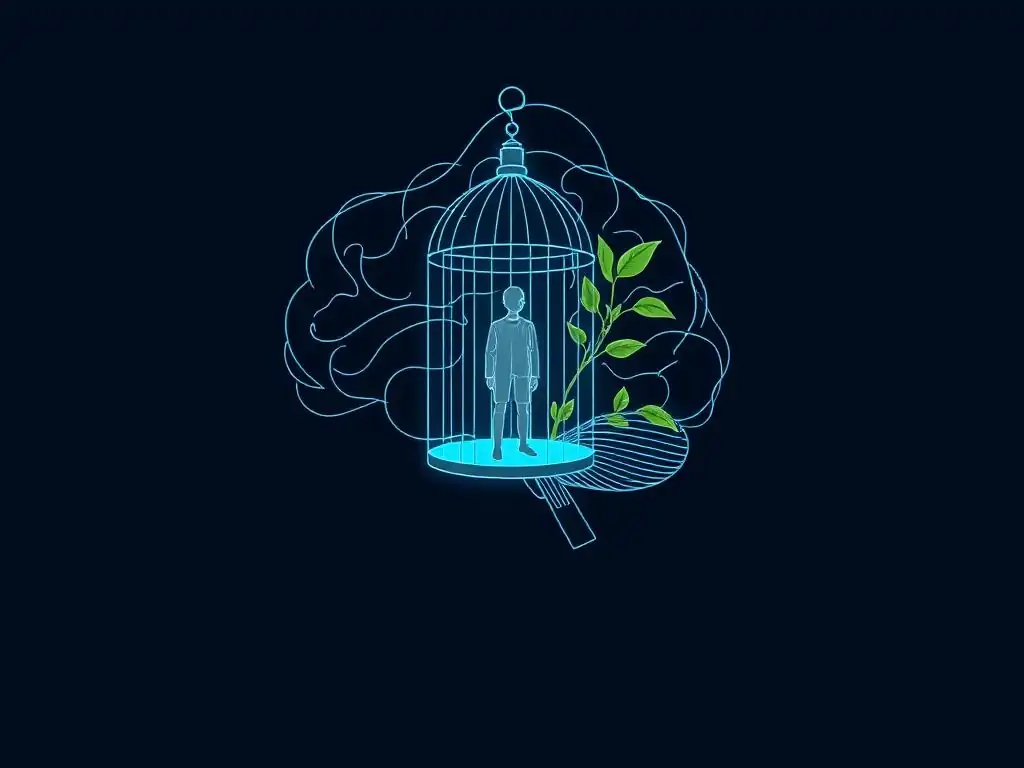
This section delves into actionable strategies to effectively manage and silence that persistent inner critic, improving mental wellness and boosting productivity. We'll explore techniques grounded in evidence-based practices, offering you practical tools to cultivate a more positive and self-compassionate inner dialogue. Mastering these mental hacks can significantly reduce stress and enhance your overall well-being, freeing you to focus on what truly matters. Learning to silence your inner critic is a journey, not a destination, and consistent practice is key to reaping the long-term benefits.
Mindfulness Meditation Techniques for Calming the Mind
Mindfulness meditation is a powerful tool for silencing the inner critic by shifting your focus from negative self-talk to the present moment. Regular practice cultivates awareness of your thoughts and feelings without judgment, allowing you to observe your inner critic's pronouncements without getting swept away by them.
Several techniques can be particularly effective:
- Body Scan Meditation: This involves systematically bringing awareness to different parts of your body, noticing sensations without judgment. This anchors you in the present, reducing the space for the inner critic to dominate. Studies show that consistent body scan meditation can significantly reduce anxiety and improve self-awareness. 1
- Mindful Breathing: Focusing on the sensation of your breath—the rise and fall of your chest or abdomen—is a simple yet profound way to quiet the mind. When negative thoughts arise, gently redirect your attention back to your breath. Even five minutes a day can make a noticeable difference in reducing mental chatter.
- Guided Meditations: Guided meditations, often available through apps or online resources, can provide structure and support, especially for beginners. These guided sessions often incorporate visualizations and affirmations that counteract negative self-talk, replacing critical voices with messages of self-acceptance and encouragement.
The key to success with mindfulness meditation is consistency. Start with short sessions (5-10 minutes) and gradually increase the duration as you become more comfortable. Regular practice will enhance your ability to observe your thoughts without judgment, paving the way to silencing that persistent inner critic.
Cognitive Restructuring: Challenging Negative Thoughts
Cognitive restructuring is a powerful technique that directly addresses the negative thought patterns fueling your inner critic. This involves identifying and challenging these negative thoughts, replacing them with more realistic and balanced perspectives.
This process typically involves these steps:
- Identify Negative Thoughts: Pay close attention to your inner dialogue. What negative messages are you telling yourself? Write them down. Examples include: "I'm not good enough," "I'll never succeed," or "Everyone thinks I'm a failure."
- Challenge the Validity: Once you've identified these thoughts, question their validity. Ask yourself: Is this thought based on facts or assumptions? Are there alternative explanations? Often, negative thoughts are based on distortions or biases.
- Develop More Realistic Thoughts: Replace the negative thoughts with more balanced and realistic ones. For instance, if you're thinking "I'll never succeed," you might replace it with "I've faced challenges before and overcome them. I can learn from my mistakes and keep trying."
- Practice Regularly: Cognitive restructuring is not a one-time fix. It requires consistent effort to identify and challenge negative thoughts as they arise. Keeping a journal can be helpful in tracking your progress and identifying patterns in your thinking.
By actively challenging and reframing negative thoughts, you can gradually weaken the power of your inner critic and cultivate a more positive and self-affirming inner dialogue. This process, while requiring effort, yields significant improvements in self-esteem and mental well-being.
Self-Compassion Exercises: Treating Yourself with Kindness
Self-compassion involves treating yourself with the same kindness, understanding, and support you would offer a close friend facing similar challenges. It's a powerful antidote to the harsh judgments of the inner critic.
Here are some self-compassion exercises:
- The Self-Compassion Break: This involves acknowledging your suffering, offering yourself kindness and understanding, and reminding yourself that you are not alone in your struggles. This simple exercise can be incredibly effective in calming the inner critic and promoting feelings of self-acceptance.
- Loving-Kindness Meditation: This meditation technique involves extending feelings of love and compassion to yourself and others. It helps cultivate a sense of connection and belonging, counteracting the isolating effects of self-criticism.
- Journaling with Self-Compassion: Write about a challenging experience, focusing on self-compassionate language. For example, instead of "I failed," write "I experienced a setback, and I'm learning from it." This helps to reframe negative experiences in a more constructive light.
Regular practice of self-compassion exercises can significantly reduce the impact of your inner critic, fostering a more positive and supportive relationship with yourself. Remember, self-compassion is not about self-indulgence; it's about treating yourself with the same kindness and understanding you would offer a loved one.
1 [Specific study details pending]
Journaling for Self-Reflection and Emotional Processing
Journaling offers a powerful, readily accessible tool to silence your inner critic and foster self-compassion. By regularly writing down your thoughts and feelings, you create a safe space to process emotions without judgment. This process helps to externalize the internal dialogue, allowing you to observe your thoughts from a detached perspective rather than being overwhelmed by them. Instead of letting your inner critic dictate your emotional state, journaling empowers you to analyze its messages objectively.
For example, imagine you experience a setback at work. Your inner critic might immediately launch into a barrage of self-blame and negative self-talk. However, by journaling about this experience, you can unpack the situation systematically. You might write about the specific events that led to the setback, identify your feelings (frustration, disappointment, anxiety), and then analyze your responses. Did you react appropriately? What could you have done differently? What did you learn from this experience? This structured approach helps to transform negative self-talk into constructive self-reflection.
The act of writing itself can be therapeutic. The physical act of putting pen to paper (or fingers to keyboard) can be surprisingly calming and help to regulate emotional responses. Many find that the simple act of expressing their thoughts and feelings, without the pressure of immediate response or judgment, is incredibly liberating.
This process helps to reduce the intensity of negative emotions and fosters a sense of control over your mental state. Regular journaling, even for just 15-20 minutes a day, can significantly reduce the power of your inner critic over time, promoting a more positive and balanced inner dialogue. Experiment with different journaling prompts to discover what resonates best with you – exploring themes like gratitude, self-compassion, or identifying personal strengths can be particularly effective in counteracting negative self-talk.
Remember, consistency is key; the more you practice, the more effective this mental hack becomes in silencing your inner critic. The benefits extend beyond immediate emotional relief; consistent journaling cultivates self-awareness, leading to improved self-esteem and resilience in the long run.
Behavioral Strategies to Manage Overthinking
Overthinking, that relentless mental chatter, can significantly impact our well-being and productivity. Fortunately, several behavioral strategies can help you silence your inner critic and regain control of your thoughts. These techniques are not about eliminating thoughts entirely—that's unrealistic—but about managing their intensity and frequency, thereby improving your mental health and overall life satisfaction. Mastering these strategies is key to achieving a calmer, more productive state of mind. This section focuses on actionable techniques to effectively manage the negative impact of overthinking and improve mental wellness. Effective implementation of these strategies forms the cornerstone of silencing your inner critic.
Time Management Techniques to Reduce Stress and Anxiety
Effective time management is paramount in combating overthinking. When we feel overwhelmed by a lack of control over our time, our minds tend to race, leading to a cycle of worry and anxiety. Implementing proven time management techniques can significantly reduce this stress and, consequently, the frequency and intensity of overthinking.
Here's how to leverage time management to silence your inner critic:
- Prioritization: Use methods like the Eisenhower Matrix (urgent/important) to identify and tackle high-priority tasks first. This creates a sense of accomplishment, reducing the pressure that fuels overthinking. Prioritizing tasks effectively minimizes the feeling of being overwhelmed, a common trigger for excessive mental chatter.
- Time Blocking: Allocate specific time slots for particular tasks in your day. This structured approach provides a sense of order and control, making it easier to focus and avoid getting bogged down in unproductive thoughts. Time blocking is a powerful tool for those struggling with procrastination, a behavior often linked to overthinking.
- Pomodoro Technique: Work in focused bursts (e.g., 25 minutes) followed by short breaks. This technique helps maintain concentration and prevents mental fatigue, both of which contribute to excessive overthinking. The structured breaks allow for mental reset and prevent burnout, effectively managing the mental load.
- Batching Similar Tasks: Group similar tasks together to minimize context switching and improve efficiency. This streamlined approach reduces mental clutter and allows for deeper focus, reducing the likelihood of getting sidetracked by unnecessary thoughts.
Setting Realistic Expectations and Goals
Unrealistic expectations are a breeding ground for overthinking. When we set ourselves up for failure by aiming too high or expecting perfection, our inner critic thrives. Learning to set realistic goals is crucial for managing overthinking and improving mental well-being. This involves a shift in mindset, focusing on progress rather than perfection.
Consider these points when setting realistic goals:
- Break Down Large Goals: Divide large, daunting goals into smaller, more manageable steps. This makes the overall task less intimidating and provides a sense of accomplishment as each step is completed. This incremental approach reduces the pressure to achieve everything at once, a common cause of overthinking.
- Focus on Progress, Not Perfection: Perfectionism is a major contributor to overthinking. Instead of striving for flawlessness, focus on making progress towards your goals. Celebrate small victories along the way to build confidence and reduce self-criticism.
- Regularly Evaluate and Adjust: Life throws curveballs. Regularly review your goals and adjust them as needed. Flexibility is key to avoiding disappointment and the subsequent overthinking that can result from unmet expectations. Regular evaluation fosters a sense of control and reduces anxiety.
Breaking Down Overwhelming Tasks into Smaller, Manageable Steps
Overwhelming tasks often trigger overthinking. The sheer size and complexity of the task can paralyze us, leading to a cascade of negative thoughts and anxieties. Breaking down these large tasks into smaller, more manageable steps is a highly effective strategy for managing overthinking and improving productivity. This technique empowers you to tackle challenges systematically, reducing feelings of being overwhelmed and fostering a sense of accomplishment with each completed step.
Here's a practical approach:
- Identify the Task's Components: Begin by thoroughly analyzing the task and identifying its individual components. Break it down into its smallest possible constituent parts. This detailed approach helps visualize the task's manageable aspects, reducing the initial feeling of being overwhelmed.
- Prioritize Sub-Tasks: Once the task is broken down, prioritize the sub-tasks based on their importance and urgency. This structured approach helps focus energy on the most crucial aspects first, creating a sense of momentum and accomplishment.
- Schedule Sub-Tasks: Allocate specific time slots for each sub-task, incorporating them into your daily schedule. This creates a structured plan, minimizing the likelihood of procrastination and reducing the chances of getting bogged down in overthinking. Scheduling reduces the feeling of being overwhelmed by the sheer size of the task.
- Celebrate Milestones: Acknowledge and celebrate the completion of each sub-task. This positive reinforcement helps maintain motivation and reduces the likelihood of getting discouraged, which can fuel overthinking. Recognizing small wins builds confidence and reduces self-doubt.
Developing a Positive Mindset: Cultivating Self-Esteem

Overthinking often stems from a lack of self-esteem and a negative self-image. To effectively silence your inner critic and foster mental well-being, cultivating a positive mindset is crucial. This involves actively challenging negative thoughts and replacing them with positive affirmations, focusing on your strengths, and practicing gratitude. This section details practical techniques to achieve this shift in perspective, offering actionable "silence inner critic mental hacks" to improve your mental health.
Positive Affirmations and Self-Talk Practices
Positive affirmations are powerful tools for rewiring your brain and challenging negative self-talk. Instead of letting your inner critic dominate your thoughts with phrases like, "I'm not good enough," or "I'll never succeed," consciously replace them with positive and empowering statements. These affirmations should be specific, realistic, and believable to you.
For example, instead of a general statement like "I am confident," try a more specific affirmation like, "I am confident in my ability to complete this project." Or, instead of "I am worthy," try "I am worthy of love and respect." Repeating these affirmations daily, ideally in front of a mirror to enhance their impact, can significantly improve your self-esteem and reduce the power of your inner critic. Consistency is key; aim for at least 5-10 minutes of daily affirmation practice.
Consider creating a personalized list of affirmations tailored to your specific challenges and goals. You can write them down, record them as audio prompts, or even use affirmation apps to aid in your practice. Remember, the goal isn't to magically erase negative thoughts, but to gradually shift the balance towards positivity and self-compassion.
Focusing on Strengths and Achievements
Another effective "silence inner critic mental hack" involves consciously focusing on your strengths and past achievements. Our inner critic often fixates on our weaknesses and failures, magnifying them disproportionately. To counter this, regularly take time to reflect on your positive attributes and accomplishments, no matter how small.
Create a list of your strengths and talents. Are you a creative problem-solver? A compassionate listener? A dedicated worker? Write them all down. Then, list your past achievements – both big and small. Did you finish a challenging project? Did you help a friend in need? Did you finally learn to ride a bike? Every accomplishment, regardless of scale, contributes to your overall sense of self-worth.
Regularly reviewing this list can help you build a more balanced and realistic self-perception. It's a powerful way to remind yourself of your capabilities and resilience, directly challenging the negativity of your inner critic. This practice strengthens your self-belief and reduces the influence of self-doubt.
Practicing Gratitude and Appreciation
Practicing gratitude is a scientifically proven method to improve mental well-being and reduce stress. By focusing on what you're thankful for, you shift your attention away from negativity and cultivate a more positive outlook. This is another effective technique in our arsenal of "silence inner critic mental hacks."
Start a gratitude journal and write down three things you're grateful for each day. These could be big things, like your health or your family, or small things, like a sunny day or a delicious meal. The key is to be consistent and to genuinely appreciate the good things in your life. You can also incorporate gratitude into your daily routine by taking a few moments each morning or evening to reflect on what you're thankful for.
This practice not only boosts your overall mood but also helps to reframe your perspective. When you focus on the positive aspects of your life, you're less likely to dwell on negative thoughts and criticisms. It’s a simple yet powerful way to cultivate a sense of contentment and resilience, effectively silencing the nagging voice of your inner critic. The more you practice gratitude, the more naturally it becomes a part of your daily life, significantly improving your mental wellness.
Seeking Professional Help When Needed

Overthinking, while a common human experience, can sometimes spiral into something more serious. It's crucial to understand that mental health is just as important as physical health, and seeking professional help isn't a sign of weakness, but rather a sign of strength and self-awareness. Many effective strategies for silencing your inner critic exist, but for some, professional guidance is necessary to navigate complex emotional challenges.
This section explores when seeking professional help is advisable and how to find the right support. Learning to recognize the signs and symptoms of more severe mental health conditions is a key step in taking control of your well-being. Remember, prioritizing your mental wellness is an investment in your overall quality of life.
Recognizing the Signs of Severe Anxiety or Depression
Persistent and overwhelming overthinking can be a symptom of underlying conditions like anxiety or depression. It's important to differentiate between occasional bouts of self-doubt and a persistent, debilitating pattern. While occasional negative thoughts are normal, severe anxiety and depression manifest in more pronounced ways. These can include:
- Persistent feelings of sadness, hopelessness, or emptiness: This goes beyond feeling down; it's a pervasive sense of despair that impacts daily functioning.
- Significant changes in appetite or sleep patterns: Noticeable weight loss or gain, insomnia, or excessive sleeping can indicate a deeper issue.
- Loss of interest or pleasure in activities once enjoyed: This anhedonia, the inability to experience pleasure, is a significant red flag.
- Fatigue or low energy: Feeling constantly tired, even after adequate rest, is a common symptom.
- Difficulty concentrating, remembering things, or making decisions: Cognitive impairment can significantly impact daily life.
- Restlessness or irritability: Feeling constantly on edge, easily agitated, or prone to outbursts.
- Feelings of worthlessness or excessive guilt: These feelings can be overwhelming and persistent, leading to self-destructive behaviors.
- Recurring thoughts of death or suicide: This is a serious warning sign and requires immediate professional help.
The severity and combination of these symptoms vary from person to person. If you are experiencing several of these symptoms consistently for a period of two weeks or more, it's crucial to seek professional assistance. Don't hesitate; your mental health matters. Early intervention is key to effective treatment and recovery. Remember, seeking help is a courageous step towards a healthier and happier you.
Finding a Therapist or Counselor
Finding the right therapist or counselor is a personal journey. Consider factors like their specialization, approach to therapy, and personality fit. Many therapists specialize in Cognitive Behavioral Therapy (CBT), a highly effective approach for managing overthinking and negative thought patterns. Others may focus on mindfulness-based techniques or other therapeutic modalities.
Here's a practical guide to finding a suitable professional:
- Ask for recommendations: Talk to your doctor, friends, or family members for referrals.
- Utilize online directories: Many websites provide directories of mental health professionals. Search for therapists in your area who specialize in anxiety, depression, or other relevant areas.
- Check insurance coverage: Contact your insurance provider to understand your coverage for mental health services.
- Schedule consultations: Most therapists offer initial consultations to discuss your needs and determine if it's a good fit. This is an opportunity to ask questions and assess their approach.
- Trust your gut: Choosing a therapist is a personal decision. Find someone you feel comfortable with and who you believe can help you achieve your goals.
Finding the right therapist might take some time and effort, but the investment is worthwhile. The right professional can provide you with the tools and support you need to manage overthinking and improve your overall mental well-being.
Utilizing Online Resources and Support Groups
While in-person therapy is invaluable, online resources and support groups can complement professional help or provide immediate support when professional help isn't readily available. Numerous online platforms offer self-help resources, guided meditations, and online therapy sessions. Support groups, either online or in-person, provide a safe space to connect with others facing similar challenges, fostering a sense of community and shared understanding.
Remember, utilizing online resources should supplement, not replace, professional guidance when dealing with severe mental health conditions. Online resources can be a valuable tool for learning coping mechanisms and connecting with others, but they cannot replace the personalized care and expertise of a qualified mental health professional. Always prioritize seeking professional help when dealing with persistent and debilitating symptoms. Your mental health is a priority, and seeking support is a sign of strength and self-care. Remember, you are not alone. Numerous resources are available to help you navigate these challenges and silence your inner critic effectively.
Maintaining Mental Wellness: Long-Term Strategies for Inner Peace
This section focuses on cultivating lasting mental wellness, going beyond immediate "silence inner critic mental hacks" to establish a foundation for consistent inner peace. Addressing the root causes of overthinking requires a holistic approach, encompassing lifestyle choices and social support. We'll explore key strategies that contribute to long-term mental well-being, empowering you to manage your inner critic effectively and sustainably.
Incorporating Regular Exercise and Physical Activity
Regular physical activity is a cornerstone of mental wellness. It's not just about physical health; exercise significantly impacts brain chemistry, reducing stress hormones like cortisol and boosting endorphins, which have mood-lifting effects. Studies consistently show a strong correlation between regular exercise and reduced symptoms of anxiety and depression. The type of exercise doesn't need to be strenuous; even moderate activity like brisk walking, cycling, or swimming for 30 minutes most days of the week can make a substantial difference.
To maximize the benefits, consider incorporating variety into your routine. One day might be a vigorous workout, while another could involve a relaxing yoga session. The key is to find activities you enjoy and can stick with consistently. This consistency is crucial for building a habit and reaping the long-term mental health rewards. Remember to listen to your body and rest when needed; pushing yourself too hard can be counterproductive. Finding a workout buddy can also enhance motivation and accountability, turning exercise into a social activity and further bolstering your mental well-being.
Prioritizing Sufficient Sleep and Rest
Sleep deprivation significantly exacerbates overthinking and intensifies the voice of the inner critic. When sleep-deprived, our brains are less efficient, making it harder to regulate emotions and manage negative thoughts. Aim for 7-9 hours of quality sleep per night. This isn't merely about the quantity of sleep but also the quality. Establish a relaxing bedtime routine to prepare your mind and body for rest. This could include a warm bath, reading a book, or practicing mindfulness meditation.
Avoid screen time at least an hour before bed, as the blue light emitted from electronic devices interferes with melatonin production, a hormone crucial for regulating sleep. Create a sleep-conducive environment: a dark, quiet, and cool room. If you struggle with insomnia, consider consulting a healthcare professional. Consistent, quality sleep is a powerful tool in the arsenal of "silence inner critic mental hacks," allowing your mind to process emotions and thoughts effectively while you rest. Prioritizing sleep is an investment in your long-term mental health and overall well-being.
Strong social connections provide a crucial buffer against stress and negative self-talk. Surrounding yourself with supportive friends, family, and community members offers a sense of belonging and reduces feelings of isolation, which can worsen overthinking. Nurturing these relationships involves actively engaging in meaningful interactions, offering support to others, and seeking support when needed.
Consider joining groups or clubs based on your interests, volunteering in your community, or simply scheduling regular time with loved ones. Open communication is vital; sharing your struggles with trusted individuals can help alleviate feelings of burden and provide valuable perspective. A supportive social network doesn’t just offer emotional support; it can also provide practical assistance and encouragement during challenging times, further enhancing your ability to manage your inner critic and promote overall mental wellness. Remember, building strong relationships is a continuous process requiring effort and commitment, but the rewards for your mental health are invaluable.
Engaging in Hobbies and Activities You Enjoy
Engaging in enjoyable activities is a powerful tool in silencing your inner critic and fostering mental wellness. When you're immersed in something you love, your focus shifts away from self-doubt and negative self-talk. This isn't about achieving perfection in your hobby; it's about the process itself. The act of painting, playing music, gardening, or knitting provides a welcome distraction from the relentless chatter of your inner critic. The satisfaction derived from creating something, however small, boosts self-esteem and provides a sense of accomplishment that counters negativity.
Think of it like this: your brain is a muscle. Just as you wouldn't expect to run a marathon without training, you can't expect to silence your inner critic without consistent effort. Hobbies provide that mental "workout," strengthening your ability to focus on the present moment and appreciate the positive aspects of your life.
Regular engagement in enjoyable activities improves mood, reduces stress, and promotes a healthier mental state. Studies have shown a strong correlation between leisure activities and reduced symptoms of anxiety and depression. For example, a study published in [Journal Name Pending] found that individuals who engaged in regular creative pursuits reported significantly lower levels of stress and improved emotional regulation.
Consider the specific benefits different hobbies offer. For instance, team sports can foster a sense of belonging and camaraderie, combating feelings of isolation that often fuel negative self-talk. Solitary pursuits like writing or painting can provide a safe space for self-expression and emotional processing. The key is to find activities that genuinely resonate with you and bring you joy.
Don't force yourself into hobbies you don't enjoy; the goal is to create positive associations and build resilience against negative thoughts. Experiment with different activities until you find those that provide the most effective escape from your inner critic and contribute to your overall mental well-being. This process of self-discovery is itself a valuable aspect of silencing that inner voice. Remember, the aim is not to eliminate negative thoughts entirely, but to cultivate a more balanced mental landscape where positivity outweighs negativity.
Frequently Asked Questions
What is an "inner critic," and why should I care about silencing it?
Your inner critic is that negative voice in your head that constantly judges and criticizes you. Silencing it helps reduce stress, anxiety, and self-doubt, allowing you to achieve your goals and improve your overall well-being. It's a crucial step towards improved mental health.
How can I identify my inner critic's voice?
Pay attention to your thoughts. Does a negative self-narrative dominate? Notice recurring themes of self-criticism, self-doubt, or pessimism. Become aware of the patterns and the triggers that activate this voice.
Are there quick mental hacks to silence my inner critic immediately?
Yes! Try deep breathing exercises or a quick mindfulness meditation. Focusing on the present moment can interrupt negative thought patterns. You can also try a simple positive affirmation.
What long-term strategies can I use to manage my inner critic?
Develop self-compassion, treat yourself with the same kindness you would offer a friend. Challenge negative thoughts with evidence-based reasoning. Engage in activities that boost your self-esteem and confidence.
Where can I find more information on silencing my inner critic and improving mental well-being?
Explore resources on mindfulness, Cognitive Behavioral Therapy (CBT), and positive psychology. Websites like UltimateLifeHacks offer practical tips and techniques to help manage negative self-talk and improve mental health. Consider professional help if needed.
Final Reflection: Unmuting Your Authentic Self
The relentless chatter of our inner critic is not a sign of weakness, but a pervasive challenge impacting millions. Learning to silence this voice is not about eliminating self-awareness, but about reclaiming agency over our thoughts and emotions. This article explored practical mental hacks – from mindfulness exercises to cognitive reframing – designed to help you navigate this internal dialogue and foster a more compassionate relationship with yourself. These techniques are not merely theoretical; they are tools for immediate, tangible change in your daily life.
The impact of a consistently negative inner voice is profound, shaping our self-perception, influencing our decisions, and even impacting our physical health. Its insidious reach extends far beyond individual struggles, affecting our relationships, our work, and our overall well-being. The greatest glory in living lies not in never falling, but in rising every time we fall.
- Nelson Mandela. This quote embodies the spirit of self-compassion and resilience that is crucial in silencing the inner critic. We will inevitably stumble, but the ability to rise again, to reframe negative self-talk, is a testament to our inner strength.
Now, I invite you to take a moment and reflect on your own inner critic. What are its most common narratives? Which of the mental hacks discussed resonated most strongly with you? Begin incorporating these techniques into your daily routine, even if it's just for five minutes a day. The journey to silencing your inner critic is a personal one, requiring consistent effort and self-compassion. But the rewards – a life lived with greater authenticity, confidence, and joy – are immeasurable. Embrace the challenge, and begin unmuting your authentic self.
Unleash Your Inner Calm: Start Practicing Today!
Thank you for exploring effective ways to quiet your inner critic. We hope you discovered practical strategies to manage overthinking. Now, let's put your new knowledge into action.
- Prioritize one technique: Choose a single technique from the article, such as mindful breathing or positive self-talk, and commit to practicing it daily for a week. Track your progress and observe how it affects your thoughts and feelings.
- Share your progress: Discuss your experience with a friend or family member. Sharing your journey reinforces your commitment and might inspire others.
- Explore complementary practices: Consider incorporating another mindfulness practice, like journaling or meditation, to enhance the chosen technique. Even a few minutes a day can significantly improve your well-being.
Ready to experience the transformative power of a calmer mind? What small step will you take today to cultivate more mental peace?