
Supercharge Your Week with These Unexpected TimeSaving Meal Prep Strategies

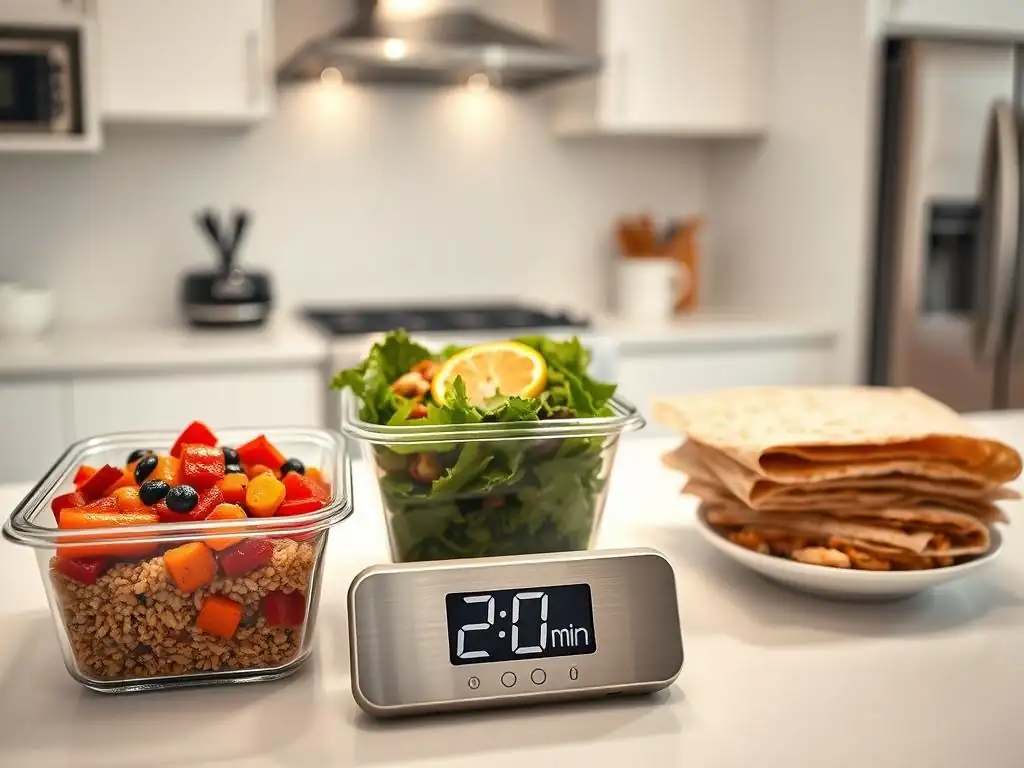
Welcome to UltimateLifeHacks, where we unlock the secrets to a more efficient and fulfilling life! Are you tired of endless hours spent in the kitchen? Discover unexpected ways to conquer meal prep with our insightful guide on Quick Meal Prep Time Saving Tips. Learn how to supercharge your week, reclaim precious time, and enjoy delicious, healthy meals without the usual hassle. Dive in and unlock the productivity potential waiting for you!
- Conquer Your Week: Quick Meal Prep Time-Saving Tips for Beginners
- Beyond the Basics: Unexpected Time-Saving Meal Prep Hacks
- Quick Meal Prep Time-Saving Tips: Recipe Ideas and Inspiration
- Advanced Time-Saving Meal Prep Strategies for the Ultimate Efficiency
- Sustaining Your Meal Prep Momentum: Tips for Long-Term Success
-
Frequently Asked Questions
- How can I save time on meal prepping without sacrificing healthy choices?
- What are some quick meal prep strategies for busy weekdays?
- Are there any time-saving kitchen tools that can help with meal prepping?
- How can I make meal prepping more enjoyable and less of a chore?
- What if I don't have a lot of time on the weekend for meal prepping?
- Final Reflection: Unlocking the Power of Intentional Meal Prep
- Unlock Your Week: Take Control of Your Time and Meals!
Conquer Your Week: Quick Meal Prep Time-Saving Tips for Beginners
Planning your meals and prepping ingredients might seem daunting, but it's a game-changer for busy individuals striving for a healthy lifestyle. This article dives deep into unexpected time-saving meal prep strategies, transforming the often-dreaded task into a streamlined, efficient process. We'll explore practical techniques to reduce prep time significantly, helping you reclaim precious hours in your week and enjoy delicious, nutritious meals without the stress. Mastering these strategies not only saves time but also contributes to better health, improved energy levels, and a more balanced lifestyle – all key components of a productive and fulfilling week.
We'll focus on actionable tips centered around efficient grocery shopping, smart storage solutions, and effective cooking techniques, all geared towards optimizing your "quick meal prep time saving tips" routine. Let's get started! 🚀
Mastering the Art of Efficient Grocery Shopping for Faster Meal Prep
Efficient grocery shopping is the cornerstone of successful meal prepping. Impulsive purchases and disorganized shopping trips lead to wasted time and ingredients that eventually spoil. To maximize your efficiency, meticulously plan your meals for the week before heading to the store. This allows you to create a precise shopping list, minimizing browsing time and impulse buys. 🛒
Consider using a digital shopping list app or a simple spreadsheet to categorize items by grocery aisle. This approach ensures a streamlined shopping experience, preventing unnecessary back-and-forth across the store. Furthermore, stick to your list religiously. Resist the temptation of grabbing items outside your planned meals, unless they're truly essential staples.
Another powerful strategy is to shop at off-peak hours. Avoid peak shopping times (like weekends or evenings) to navigate the store quickly and efficiently. This reduces waiting times at checkout and allows for a more focused shopping experience.
Finally, consider utilizing online grocery ordering and delivery services. While this might not always be the cheapest option, the time saved can be invaluable, especially for busy individuals. The convenience of having groceries delivered directly to your door can significantly reduce overall meal prep time.
Smart Storage Solutions: Optimizing Your Fridge and Pantry for Quick Access
Once you've efficiently shopped for your ingredients, optimizing your fridge and pantry is crucial for rapid meal assembly. A well-organized storage system ensures quick access to ingredients, minimizing the time spent searching and prepping.
Invest in clear, stackable containers for storing pre-portioned ingredients. Labeling each container with its contents and date is essential for efficient inventory management and prevents food waste. Prioritize storing frequently used items in easily accessible locations. For instance, place commonly used spices and herbs near your cooking area for easy reach.
Utilize vertical space in your fridge and pantry to maximize storage capacity. Employ shelf dividers or drawer organizers to create distinct sections for different food groups. This makes it easier to find what you need quickly and efficiently.
Consider using a "first in, first out" (FIFO) system to manage your perishable goods. Place newer items behind older items to ensure that you consume older ingredients first, minimizing spoilage and waste. This simple system can significantly reduce food waste and save you money in the long run. A well-organized fridge and pantry are fundamental to a streamlined meal prep workflow, ensuring that you can quickly assemble your planned meals without unnecessary searching or delays.
Beyond the Basics: Unexpected Time-Saving Meal Prep Hacks
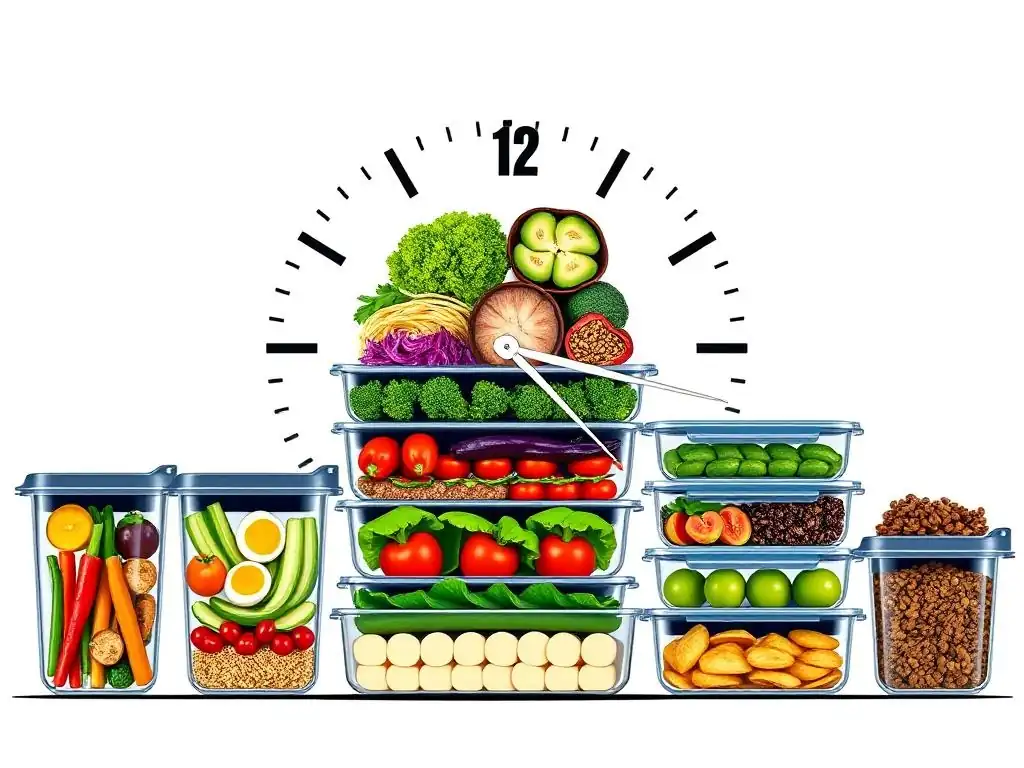
This section dives into advanced strategies to significantly reduce your meal prep time, going beyond the typical advice. We'll explore techniques that maximize efficiency and minimize effort, allowing you to reclaim valuable time in your week. Mastering these "Quick meal prep time saving tips" will transform your approach to meal preparation, leading to a more relaxed and productive lifestyle.
Batch Cooking Techniques: Maximize Efficiency with Minimal Effort
Batch cooking is the cornerstone of efficient meal prepping. It's about cooking large quantities of ingredients or entire meals at once, minimizing the number of times you need to use the stove or oven. Think of it as a culinary assembly line. Instead of cooking chicken breasts individually for five different meals, roast a large batch at the beginning of the week. Similarly, prepare a large pot of quinoa or brown rice – it's a versatile base for countless meals.
Here's a practical example: Let's say you plan on having chicken stir-fry, chicken salad, and chicken tacos throughout the week. Instead of cooking three separate batches of chicken, roast a large tray of chicken breasts seasoned simply with salt and pepper. Then, portion it out into different containers, ready to be incorporated into your chosen recipes. This single batch cooking session saves you considerable time and energy compared to cooking chicken three times separately.
This approach isn't just about saving time; it also reduces cleanup. You're washing dishes less frequently, leaving you with more time to relax or pursue other activities. Remember to consider your weekly menu and identify opportunities to batch cook similar ingredients or components.
Consider these additional batch-cooking time savers:
- Double the recipe: When making something like soup or chili, double the recipe and freeze half for a future meal. This essentially halves your cooking time the next time you crave that dish.
- Cook once, eat twice (or more): Plan meals that use similar ingredients. For example, roasted vegetables can be used in salads, pasta dishes, and as a side to grilled proteins.
- Utilize your slow cooker: Slow cookers are perfect for batch cooking. Throw in your ingredients in the morning, and come home to a delicious, ready-to-eat meal.
Utilizing Leftovers Creatively: Transforming Dinner into Lunch with Ease
Don't let leftovers languish in the fridge! Think of them as a goldmine of time-saving meal prep opportunities. With a little creativity, last night's dinner can easily become today's lunch. This is a powerful "Quick meal prep time saving tip" that minimizes waste and maximizes efficiency.
Here are some inspiring ideas:
- Roast chicken transforms into: Chicken salad sandwiches, chicken tacos, chicken Caesar salad.
- Leftover pasta becomes: Pasta salad, pasta frittata, a quick pasta bake with added vegetables.
- Rice can be the foundation of: Fried rice, burrito bowls, or a quick stir-fry.
The key is to think flexibly. Don’t be afraid to experiment and combine leftovers with other ingredients to create entirely new dishes. A simple addition of fresh herbs, a squeeze of lemon juice, or a different type of dressing can completely revitalize leftover food. This is a great way to add variety to your meals without spending extra time cooking.
Remember to properly store leftovers to maintain freshness and prevent foodborne illnesses. Utilize airtight containers and ensure your leftovers are refrigerated promptly after meals.
Freezing for Future You: Smart Freezing Strategies for Weeknight Wins
Freezing is a game-changer for busy individuals. It allows you to prepare meals or components in advance and store them for future use, saving you precious time on busy weeknights. This is another crucial "Quick meal prep time saving tips" strategy.
Here's how to effectively utilize freezing for optimal meal prep:
- Portioning is key: Divide meals into individual or family-sized portions before freezing. This prevents freezer burn and makes it easy to grab a meal when you need it.
- Use freezer-safe containers: Opt for airtight, freezer-safe containers or heavy-duty freezer bags to prevent freezer burn and maintain food quality. Clearly label and date each container.
- Freeze components: Instead of freezing entire meals, consider freezing individual components, such as cooked grains, proteins, or sauces. This gives you greater flexibility when assembling meals later. For example, freeze cooked chicken, rice, and vegetable stir-fry components separately, then combine them for a quick weeknight meal.
- Plan ahead: Consider your weekly schedule and identify meals you can prepare and freeze in advance. This requires a little planning, but the time saved during busy weeks is well worth it.
Freezing is a fantastic way to overcome the challenge of meal prepping for the entire week upfront. It allows for a more flexible and adaptable approach, ensuring you always have healthy and delicious meals ready, regardless of how hectic your schedule might be. This strategy reduces stress and makes healthy eating easier to maintain.
Quick Meal Prep Time-Saving Tips: Recipe Ideas and Inspiration
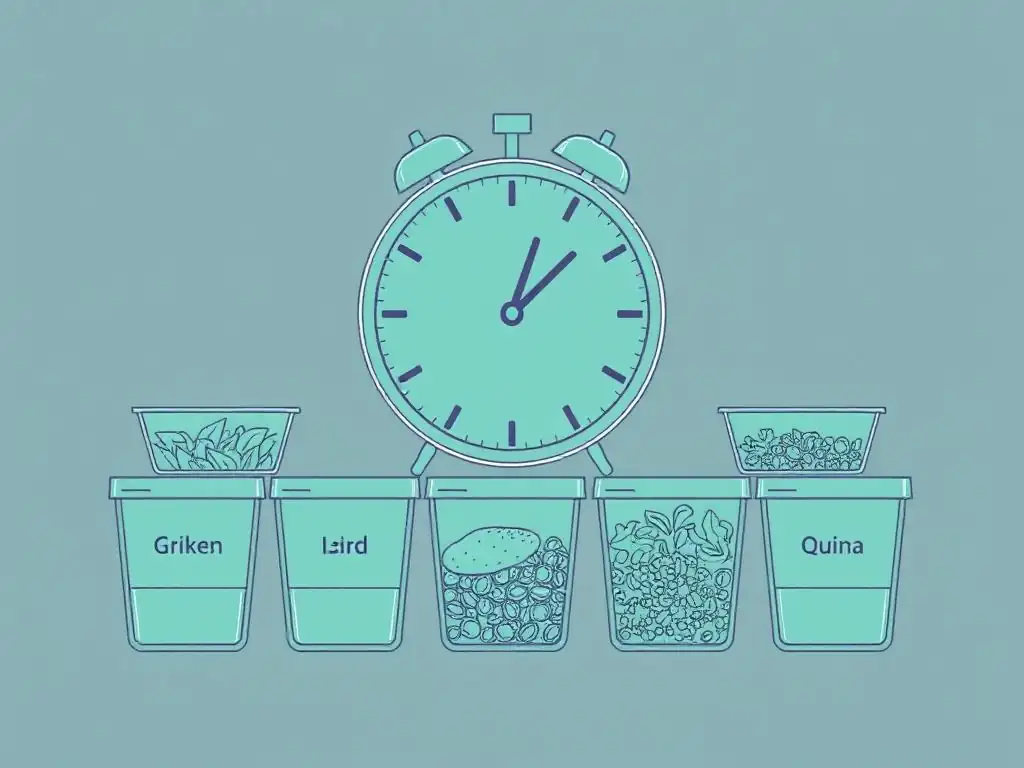
This section dives into practical, time-saving meal prep strategies designed to supercharge your week. We'll explore simple recipe ideas and inspiration to help you conquer mealtime efficiently, even on the busiest days. The key is smart planning and utilizing techniques that minimize prep time without sacrificing flavor or nutritional value. Remember, the goal is to integrate "quick meal prep time saving tips" into your routine, not to add extra stress.
5-Ingredient Wonders: Simple Recipes for Busy Weeknights
Busy weeknights often mean resorting to takeout or quick, less-healthy options. Combat this with a collection of 5-ingredient recipes that are surprisingly delicious and require minimal effort. The beauty of these recipes lies in their simplicity – they use readily available ingredients and require minimal cooking techniques.
Here are a few examples:
- Sheet Pan Lemon Herb Chicken and Veggies: Toss chicken breast and chopped vegetables (broccoli, carrots, bell peppers) with olive oil, lemon juice, dried herbs (rosemary, thyme), and salt & pepper. Roast at 400°F (200°C) for 20-25 minutes. This single pan meal minimizes cleanup and provides a complete, balanced meal.
- One-Pot Pasta Primavera: Combine pasta, vegetable broth, and your favorite spring vegetables (peas, asparagus, zucchini) in a pot. Simmer until pasta is cooked and vegetables are tender. Stir in a little parmesan cheese at the end for extra flavor. This requires only one pot and is ready in under 30 minutes.
- Quick Chickpea Curry: Sauté onions and garlic, then add chickpeas, canned diced tomatoes, coconut milk, and curry powder. Simmer for 15 minutes, and serve with rice or naan bread. This vibrant and flavorful meal is packed with protein and requires minimal chopping.
These recipes are easily adaptable to your dietary preferences and available ingredients. Feel free to experiment with different herbs, spices, and vegetables to create your own unique 5-ingredient masterpieces. The emphasis is on speed and efficiency, allowing you to enjoy delicious, healthy meals without spending hours in the kitchen.
One-Pan Meal Prep: Minimal Cleanup, Maximum Flavor
One-pan meals are a game-changer for busy individuals. They drastically reduce cleanup time while delivering flavorful and satisfying meals. The secret lies in selecting ingredients that cook at similar rates and utilizing oven roasting or stovetop methods that require minimal attention.
Consider these examples for effective one-pan meal prepping:
| Meal | Ingredients | Cooking Method | Prep Time (min) | Cook Time (min) |
|---|---|---|---|---|
| Roasted Salmon & Asparagus | Salmon fillets, asparagus, lemon slices, herbs | Oven (400°F/200°C) | 5 | 20 |
| Sausage & Veggie Sheet Pan | Sausage, bell peppers, onions, potatoes | Oven (400°F/200°C) | 10 | 30 |
| Sheet Pan Fajitas | Chicken or steak, bell peppers, onions, fajita seasoning | Oven (400°F/200°C) | 15 | 25 |
Remember to pre-chop vegetables the night before for even faster prep time. One-pan meals are perfect for batch cooking, allowing you to prepare several servings at once for the week ahead. The minimal cleanup is a significant bonus, freeing up valuable time for other activities.
Make-Ahead Breakfasts: Fuel Your Morning with Efficiency
Starting your day with a nutritious breakfast sets the tone for a productive day. However, mornings are often rushed, making breakfast preparation a challenge. The solution? Make-ahead breakfasts! Prepare these the night before or on the weekend to save precious minutes in the morning.
Here are some ideas for make-ahead breakfast options that prioritize both speed and nutritional value:
- Overnight Oats: Combine rolled oats, milk (dairy or non-dairy), chia seeds, and your favorite toppings (fruit, nuts, honey) in a jar. Refrigerate overnight, and enjoy a ready-to-eat breakfast in the morning. This is highly customizable and a great way to incorporate various nutrients.
- Breakfast Burritos: Prepare a large batch of scrambled eggs, cooked sausage or bacon, and your favorite veggies. Wrap them in tortillas and freeze individually for quick grab-and-go breakfasts. Simply reheat in the microwave or oven.
- Smoothie Packs: Portion out frozen fruit, vegetables, and protein powder into freezer bags. In the morning, simply add liquid and blend for a quick and healthy smoothie. This eliminates the need for chopping and measuring in the morning.
These make-ahead breakfast strategies are designed to streamline your morning routine, ensuring you start your day with a delicious and healthy meal without sacrificing valuable time. The key is planning ahead and preparing components in advance so that your morning routine is efficient and stress-free. Remember, incorporating these "quick meal prep time saving tips" is an investment in your time and overall well-being.
Advanced Time-Saving Meal Prep Strategies for the Ultimate Efficiency

This section delves into sophisticated techniques to drastically reduce your meal prep time, maximizing your efficiency and minimizing kitchen stress. We'll move beyond basic meal prepping and explore strategies that truly supercharge your weekly routine. These quick meal prep time saving tips are designed to integrate seamlessly into even the busiest lifestyles.
Meal Prep Automation: Tools and Technology to Streamline Your Process
Investing in the right tools can significantly reduce your hands-on meal prep time. Think beyond the basic chopping board and knife. Consider these automated solutions for a smoother, faster process:
- Slow Cookers/Instant Pots: These appliances allow you to "set it and forget it," freeing up valuable time in your day. A single slow cooker session can yield multiple meals for the week, significantly reducing the actual cooking time needed each day. For example, a large batch of chili can be easily divided into individual portions for lunches or dinners throughout the week.
- Food Processors: These are invaluable for quickly chopping vegetables, making sauces, and even grinding nuts. Prepping ingredients in bulk using a food processor can shave off considerable time compared to manual methods. A quick example: mincing onions and garlic for multiple recipes simultaneously takes mere seconds with a food processor, versus minutes of tedious manual chopping.
- Meal Prep Delivery Services: While not strictly "automation," these services provide pre-portioned ingredients or even fully cooked meals, eliminating the need for shopping and extensive preparation. This is particularly helpful for those with extremely limited time. The cost-benefit analysis should be considered, of course, but for some, the time saved is invaluable.
- Smart Scales: Precisely measuring ingredients is crucial for consistent results and avoiding waste. Smart scales with built-in apps can guide you through recipes, automatically calculating the right proportions and reducing the chances of errors. This minimizes prep time and avoids the frustration of having to start over.
The key to utilizing these tools effectively is planning. Before you even begin, map out your meals for the week and identify which steps can be automated.
The Power of Planning: Creating a Weekly Meal Plan that Works for You
Effective planning is the cornerstone of efficient meal prepping. Simply throwing together ingredients won't yield the same time savings as a well-structured plan. Consider these strategies for creating a weekly meal plan that truly streamlines your process:
- Theme Nights: Designate specific nights for particular types of meals (e.g., Monday: Chicken, Tuesday: Vegetarian, Wednesday: Leftovers). This simplifies grocery shopping and allows for efficient batch cooking of similar ingredients. This approach offers significant time savings by reducing the variety of ingredients and cooking techniques needed throughout the week.
- Duplicate Ingredients: Strategically plan meals that share common ingredients. For example, roasted vegetables can be used in multiple meals throughout the week, reducing the time spent chopping and roasting. This approach minimizes redundancy and maximizes the efficiency of your prep time.
- Batch Cooking Techniques: Focus on cooking methods that allow you to prepare large quantities of food efficiently. Roasting, slow cooking, and one-pan meals are excellent choices. By utilizing batch cooking, you significantly reduce the number of cooking sessions required throughout the week.
- Utilize Leftovers Strategically: Don't underestimate the power of leftovers! Plan meals that utilize leftovers from previous meals, significantly cutting down on cooking time. This simple yet effective strategy reduces cooking time and minimizes food waste.
Adapting to Your Lifestyle: Customizable Meal Prep Strategies for Different Schedules
The effectiveness of meal prepping hinges on its adaptability to your unique schedule and lifestyle. What works for one person might not work for another. Consider these customizable strategies:
- The "Minimalist" Approach: For those with extremely limited time, focus on prepping only a few key components (e.g., chopping vegetables, cooking grains) and building meals around these elements. This approach allows for flexibility and avoids overwhelming yourself with excessive prep work. It's all about prioritizing efficiency over complexity.
- The "Weekend Warrior" Method: Dedicate a few hours on the weekend to complete all your meal prep for the week. This approach requires a larger upfront time commitment but frees up significant time during the week. This is ideal for those with busier weekdays.
- The "Daily Prep" Strategy: For those who prefer a more gradual approach, dedicate 15-20 minutes each morning or evening to prepare a single meal or component. This minimizes the pressure of a large weekend commitment while still reaping the benefits of meal prepping. This incremental approach is perfect for those who prefer a less intense, more gradual preparation method.
Remember, the goal is to find a system that works for you. Experiment with different strategies and adjust as needed to optimize your meal prep routine for ultimate efficiency. The most effective "quick meal prep time saving tips" are those that seamlessly integrate into your daily life.
Sustaining Your Meal Prep Momentum: Tips for Long-Term Success
Maintaining a consistent meal prep routine isn't a sprint; it's a marathon. Many people start strong, but the initial enthusiasm can wane. To avoid this, strategic planning and a flexible mindset are crucial. This section will equip you with the tools to keep your meal prep game strong, week after week. We'll explore practical strategies to overcome common hurdles and build a truly sustainable meal prep system, maximizing your time savings and minimizing stress. Remember, the goal isn't perfection, but progress.
Overcoming Meal Prep Obstacles: Common Challenges and Solutions
Many individuals encounter obstacles that derail their meal prep plans. Let's address some common challenges and explore effective solutions.
One major hurdle is time constraints. Life gets busy! Unexpected events, work deadlines, and social commitments can easily disrupt even the best-laid plans. The solution? Flexibility. Don't be afraid to adjust your meal prep schedule. Instead of rigidly adhering to a strict Sunday-only routine, consider smaller, more frequent prep sessions throughout the week. Perhaps dedicate 30 minutes on Tuesday evening to chop vegetables for the week, or 1 hour on Thursday to cook a large batch of grains.
Another common challenge is lack of variety. Eating the same meals repeatedly can lead to boredom and decreased motivation. Combat this by creating a rotating meal plan. Explore diverse recipes and cuisines. Consider using a meal planning app to generate ideas and keep things interesting. Think outside the box! Instead of always prepping full meals, try prepping individual components, like roasted vegetables or cooked proteins, that can be combined in various ways throughout the week. This offers flexibility and prevents meal fatigue.
| Challenge | Solution | Example |
|---|---|---|
| Time Constraints | Shorter, more frequent prep sessions; batch cooking key components. | 30 minutes on Tuesday to chop veggies, 1 hour on Thursday to cook grains. |
| Lack of Variety | Rotating meal plan; exploring diverse cuisines; prepping individual components. | Prepping roasted veggies and chicken for salads, bowls, and tacos. |
| Leftover Management | Proper storage; creative repurposing; freezing portions for future use. | Using leftover chicken in soup, or freezing individual portions for lunches. |
| Grocery Shopping | Detailed shopping lists; online ordering; strategic bulk buying. | Planning meals around sales and purchasing in bulk for staples. |
Building a Sustainable Meal Prep Routine: Consistency is Key
The key to long-term success with meal prepping is consistency. Think of it as building a habit, not just a temporary diet. Start small and gradually increase the complexity and volume of your meal prep as you gain confidence and experience. The following tips will help you establish a sustainable routine:
- Set realistic goals: Don't try to do too much too soon. Start with one or two meals per week, then gradually increase as your skills and time allow.
- Schedule dedicated time: Treat your meal prep time like any other important appointment. Block it out in your calendar and stick to it.
- Find your prep style: Experiment with different methods until you find a system that works best for you. Some people prefer cooking large batches on the weekend, while others opt for smaller, more frequent prep sessions.
- Make it enjoyable: Put on some music, listen to a podcast, or invite a friend to help. Turning meal prep into a positive experience will make it easier to stick with.
- Embrace imperfection: There will be weeks when you don't manage to prep everything you planned. Don't beat yourself up about it. Just get back on track the following week.
Tracking Your Progress: Monitoring Your Success and Making Adjustments
Tracking your progress is essential for identifying what's working and what needs improvement. This helps you refine your meal prep strategy over time. Here are some effective tracking methods:
- Food journal: Record the meals you prepped, how much time it took, and any challenges you encountered.
- Meal planning app: Many apps allow you to track your meals, recipes, and grocery lists.
- Spreadsheet: A simple spreadsheet can help you monitor your progress over time, including the cost of groceries and time spent prepping.
By regularly reviewing your progress, you can identify areas for improvement and make adjustments to your meal prep routine. For example, if you consistently run out of time, you might need to adjust your recipe choices or dedicate more time to prepping. If you find yourself throwing away a lot of leftovers, consider reducing portion sizes or finding creative ways to repurpose them.
Tracking your progress empowers you to optimize your meal prep system for maximum efficiency and long-term success. Remember, consistent effort and adjustments based on feedback will lead to a truly effective, sustainable meal prep routine, saving you time and enhancing your overall well-being. 🥗
Frequently Asked Questions
How can I save time on meal prepping without sacrificing healthy choices?
Meal prepping doesn't mean bland, boring meals! Focus on simple recipes with versatile ingredients. Prepare large batches of grains, roasted vegetables, or protein sources that can be used in multiple meals throughout the week.
What are some quick meal prep strategies for busy weekdays?
Utilize one-pan or sheet pan meals for minimal cleanup and cooking time. Batch cook proteins like chicken or lentils at the beginning of the week and use them in various recipes. Prep ingredients (chop vegetables, measure spices) in advance on the weekend.
Are there any time-saving kitchen tools that can help with meal prepping?
Absolutely! Invest in a food processor for quick chopping and prepping. A slow cooker or Instant Pot can significantly reduce cooking time. Consider pre-cut vegetables from the grocery store for even faster prep.
How can I make meal prepping more enjoyable and less of a chore?
Involve family members in the process to make it a shared activity. Listen to your favorite music or podcast while you prep. Choose recipes you genuinely enjoy eating to stay motivated.
What if I don't have a lot of time on the weekend for meal prepping?
Even 15-30 minutes on a couple of weeknights can make a difference. Focus on prepping a few key components like cooked grains or proteins, then assemble meals quickly during the week. Small steps add up!
Final Reflection: Unlocking the Power of Intentional Meal Prep
The relentless pace of modern life demands efficiency, and nowhere is this more crucial than in the kitchen. Failing to plan your meals effectively often leads to rushed, unhealthy choices and ultimately, a significant drain on your time and energy. This article has explored practical, unexpected strategies to reclaim those precious minutes, transforming meal prep from a chore into a strategic investment in your well-being.
The impact of mindful meal preparation extends far beyond simply saving time; it's a powerful act of self-care. It allows for greater control over your diet, fostering healthier eating habits and reducing stress associated with last-minute food decisions. As the saying goes, By failing to prepare, you are preparing to fail.
This rings especially true in the context of our daily routines. The strategies discussed—from batch cooking versatile components to embracing freezer-friendly options—are not just time-savers; they are tools for building a more balanced and fulfilling life, one delicious, thoughtfully prepared meal at a time.
Now, consider your own relationship with meal preparation. What small adjustments can you make this week to integrate these time-saving strategies into your routine? Perhaps it's dedicating just 30 minutes on a Sunday to chop vegetables, or exploring new freezer-friendly recipes. Start small, be consistent, and watch as the cumulative effect transforms not only your weekly schedule but also your overall sense of well-being. The power to supercharge your week, one delicious meal at a time, is entirely within your grasp.
Unlock Your Week: Take Control of Your Time and Meals!
Thanks for exploring these unexpected meal prep strategies! We hope you've gained fresh ideas to simplify your week and reclaim valuable time. Now, let's put those ideas into action:
- Plan your meals: Dedicate 30 minutes this weekend to planning your meals for the week. This is the most impactful step towards making meal prep a regular part of your routine.
- Share your tips: Share your favorite time-saving meal prep tip in the comments below! Let's build a supportive community of efficiency experts.
- Try something new: Try a new recipe from the article – you might discover a new favorite dish!
Ready to experience the freedom of a streamlined week? What's your biggest meal prep challenge, and how will you overcome it?