
The Ultimate Guide to Building an Unbreakable Sleep Schedule


Welcome to UltimateLifeHacks, your one-stop destination for practical tips and tricks to conquer your daily challenges! Are you ready to unlock the secret to consistent energy and peak performance? We're diving deep into the science of sleep with our comprehensive guide on creating the best sleep schedule routine. Discover how a meticulously crafted sleep schedule can transform your health, boost your productivity, and ultimately, unlock your ultimate potential. Ready to learn more? Let's get started!
- Understanding Your Circadian Rhythm: The Foundation of a Best Sleep Schedule Routine
- Crafting Your Personalized Best Sleep Schedule Routine: A Step-by-Step Guide
- Enhancing Your Sleep Hygiene for an Unbreakable Sleep Schedule
- Troubleshooting Common Sleep Problems and Maintaining Consistency
- Advanced Techniques for Optimizing Your Best Sleep Schedule Routine
- Sustaining Your Unbreakable Sleep Schedule: Long-Term Strategies
- Frequently Asked Questions
- Final Reflection: Weaving the Tapestry of a Restful Life
- Unlock Your Best Sleep Ever: Start Your Transformation Tonight!
Understanding Your Circadian Rhythm: The Foundation of a Best Sleep Schedule Routine
Establishing a consistent and effective sleep schedule is paramount for overall health and well-being. This isn't just about getting enough sleep; it's about optimizing your sleep, aligning it with your body's natural rhythms, and reaping the numerous benefits of a well-rested mind and body. This ultimate guide will walk you through the process of building an unbreakable sleep schedule, focusing on understanding your individual needs and implementing practical strategies for lasting success. We'll explore the science behind sleep, delve into personalized approaches, and equip you with the tools to conquer sleeplessness and unlock your full potential.
This journey to finding the best sleep schedule routine starts with understanding your circadian rhythm – your body's internal clock. Ignoring this fundamental aspect will hinder your progress significantly. Let's dive in!
Identifying Your Chronotype: Are You a Morning Lark or a Night Owl?
Understanding your chronotype – your natural inclination towards being a morning person (lark) or a night person (owl) – is crucial for building a sleep schedule that works for you. Ignoring your natural tendencies will lead to constant struggle and ultimately, failure. While many attempt to force themselves into a sleep pattern that doesn't align with their chronotype, the most effective approach is to work with your body, not against it.
There are several questionnaires and tests available online that can help you identify your chronotype. These typically involve answering questions about your natural sleep-wake patterns and preferences. Once you understand your chronotype, you can tailor your sleep schedule accordingly. For example, if you're a night owl, trying to wake up at 6 AM every day might be unrealistic and counterproductive. Instead, you might find success with a later bedtime and wake-up time that better suits your natural rhythms. Remember, consistency is key.
The goal isn't necessarily to completely shift your chronotype, but to find a sustainable sleep schedule that aligns as closely as possible with your natural inclinations while still meeting your daily responsibilities. This might involve gradual adjustments over time.
The Impact of Light Exposure on Your Sleep-Wake Cycle
Light plays a pivotal role in regulating your circadian rhythm. Exposure to bright light, especially sunlight, in the morning helps suppress melatonin production (the sleep hormone) and promotes wakefulness. Conversely, limiting light exposure in the evening signals to your body that it's time to start producing melatonin, preparing you for sleep.
This is why consistent exposure to natural light during the day is so important. Aim for at least 15-30 minutes of sunlight exposure in the morning, ideally within an hour of waking up. This helps to synchronize your internal clock and improve the quality of your sleep. In the evening, dim the lights in your home, avoid screens (phones, tablets, computers), and create a relaxing environment to facilitate melatonin production.
This could involve using dim lighting, reading a book, or taking a warm bath. Consider using blue light blocking glasses in the evening to further minimize the impact of artificial light on your sleep cycle. Consistent light management is a powerful tool in crafting your best sleep schedule routine.
Optimizing Your Sleep Environment for Maximum Rest
Your sleep environment plays a crucial role in the quality of your sleep. A cool, dark, and quiet room is ideal for promoting restful sleep. Consider these factors:
| Factor | Recommendation | Impact |
|---|---|---|
| Temperature | 60-67°F (15-19°C) | Cooler temperatures promote deeper sleep. |
| Darkness | Use blackout curtains or an eye mask. | Minimizes light interference and melatonin production. |
| Noise | Use earplugs or a white noise machine. | Reduces disruptive noises. |
| Comfort | Comfortable mattress, pillows, and bedding. | Promotes relaxation and reduces discomfort. |
| Cleanliness | Keep your bedroom clean and tidy. | Creates a calming and relaxing atmosphere. |
By optimizing these aspects, you'll significantly improve your chances of achieving a consistent and restful sleep. Remember, a well-optimized sleep environment is a cornerstone of any successful best sleep schedule routine. Paying attention to even the smallest details can make a big difference in your overall sleep quality. 😴
Crafting Your Personalized Best Sleep Schedule Routine: A Step-by-Step Guide

This section details the process of creating a personalized sleep schedule, crucial for optimizing your sleep hygiene and overall well-being. Building a robust "best sleep schedule routine" isn't about rigidly adhering to a timetable, but rather establishing a consistent sleep-wake cycle that works for you. This involves understanding your individual sleep needs and preferences, then building a routine around them.
Step 1: Determine Your Ideal Sleep Duration
Understanding how much sleep you truly need is the cornerstone of a successful sleep schedule. While the oft-cited 7-9 hours is a good guideline, individual needs vary significantly based on age, genetics, and activity levels. Ignoring this fundamental step often leads to sleep deprivation, impacting mood, focus, and overall health.
Many people underestimate their sleep needs. They might believe they function well on 6 hours, but consistent under-sleeping leads to a sleep debt that accumulates over time, leading to chronic fatigue. To discover your ideal sleep duration, try a "sleep experiment." For one to two weeks, allow yourself to sleep without an alarm clock, going to bed when naturally tired and waking up when you naturally awaken.
Track your sleep time consistently. The average sleep duration over this period provides a good indication of your personal sleep requirement. Remember to maintain a consistent bedtime and wake-up time during the experiment, as much as possible, to minimize variability.
This method helps you identify your natural sleep propensity, a crucial factor in designing your "best sleep schedule routine." You can then use this information to create a sleep schedule that aligns with your body's natural rhythm. If you consistently sleep less than your determined ideal, you are likely sleep-deprived, even if you feel you are functioning normally. Prioritizing sleep is paramount for optimal health and performance. Don't underestimate the power of sufficient, quality rest.
Step 2: Calculate Your Optimal Bedtime and Wake-Up Time
Once you've determined your ideal sleep duration, calculating your optimal bedtime and wake-up time is straightforward. However, it's important to consider your daily schedule and personal preferences. For example, if you need 8 hours of sleep and need to wake up at 7:00 AM, your bedtime should ideally be 11:00 PM.
However, life isn't always that simple. Consider these factors:
- Morning Routine: Account for the time needed for your morning routine. If you need an hour to prepare for your day, adjust your bedtime accordingly.
- Evening Activities: Factor in evening activities, like exercise or unwinding time. These activities should not interfere with your sleep schedule and should be completed at least an hour before bedtime.
- Work Schedule: If your work schedule requires early mornings or late nights, adjust your sleep schedule to accommodate. However, try to maintain consistency even with fluctuating work hours.
This process of adjustment and fine-tuning is crucial for creating a sustainable "best sleep schedule routine." It's about finding the balance between your sleep needs and the demands of your daily life. Don't expect perfection immediately; it takes time and consistency to optimize your sleep schedule. Flexibility is key, but prioritize consistency as much as possible.
Step 3: Create a Consistent Sleep-Wake Schedule, Even on Weekends
The most critical aspect of building an unbreakable sleep schedule is consistency. This means maintaining a regular sleep-wake cycle, even on weekends. Many people believe catching up on sleep on weekends compensates for weekday sleep deprivation. However, this irregular sleep pattern disrupts your body's natural sleep-wake cycle, making it harder to fall asleep and wake up consistently. This can lead to increased fatigue and reduced performance.
Consider this: irregular sleep schedules can negatively affect your circadian rhythm, leading to difficulties concentrating, decreased mood, and potential weight gain. Maintaining a consistent sleep schedule, even when social obligations or weekend plans arise, is paramount. Small deviations are acceptable, but large shifts in your sleep schedule can be detrimental. Prioritize consistency over catching up on lost sleep on weekends.
Your body will thank you for it. This consistency is crucial for creating a truly effective "best sleep schedule routine." Aim for a sleep-wake window that remains relatively consistent throughout the week, even with occasional variations. This long-term consistency is key to reaping the benefits of a well-structured sleep schedule.
Step 4: Prepare Your Body for Sleep: The Pre-Sleep Routine
Creating a consistent pre-sleep routine is crucial for signaling to your body that it's time to wind down and prepare for rest. This routine should be calming and relaxing, avoiding anything stimulating that might interfere with sleep onset. The goal is to create a predictable sequence of actions that your body associates with sleep, thereby improving sleep quality and consistency. Think of it as training your body to understand and anticipate sleep. The more consistent you are, the more effective this will become.
One highly effective strategy involves incorporating mindfulness techniques. Practicing mindfulness meditation, even for just 5-10 minutes before bed, can significantly reduce stress and anxiety, leading to better sleep. Studies have shown a direct correlation between mindfulness practice and improved sleep quality, particularly in individuals struggling with insomnia or sleep disturbances. The focus on the present moment helps to quiet the racing thoughts that often prevent us from falling asleep quickly.
Another essential component is creating a relaxing environment. This includes dimming the lights, lowering the room temperature to a comfortable level (around 65°F or 18°C is often ideal), and ensuring the room is quiet and dark. Eliminate any sources of light pollution, such as electronic devices or streetlights, that might interfere with melatonin production. The hormone melatonin plays a critical role in regulating our sleep-wake cycle, and exposure to light at night can suppress its production, making it harder to fall asleep.
Furthermore, consider incorporating a calming activity into your routine, such as reading a book (physical, not electronic! ), listening to soothing music, or taking a warm bath or shower. These activities help to relax your muscles and slow your heart rate, preparing your body for sleep. Avoid strenuous exercise or mentally stimulating activities close to bedtime, as these can have the opposite effect and make it harder to fall asleep. Experiment to find what works best for you. A consistent, relaxing pre-sleep routine is a cornerstone of a successful "best sleep schedule routine".
Finally, remember the importance of consistency. Your pre-sleep routine should be performed at the same time each night, even on weekends, to help regulate your body's natural sleep-wake cycle. This consistency is key to establishing a robust and reliable sleep schedule. A slightly varied routine on weekends is acceptable, but significant deviations can disrupt your sleep pattern and lead to sleep debt. Prioritize consistency to reap the maximum benefits. 😴
Enhancing Your Sleep Hygiene for an Unbreakable Sleep Schedule
This section focuses on optimizing your sleep hygiene—the habits and practices that directly influence your sleep quality. Building a best sleep schedule routine hinges not just on consistency, but also on creating an environment conducive to restful sleep. Neglecting sleep hygiene can undermine even the most meticulously crafted sleep schedule.
The Importance of Dietary Habits for Better Sleep
Your diet significantly impacts your sleep. Consuming large meals or sugary snacks close to bedtime can disrupt your sleep cycle. The digestive process requires energy, potentially keeping you awake. Caffeine and alcohol, while tempting, are notorious sleep disruptors. Caffeine's stimulating effect can last for hours, while alcohol, although initially sedative, can lead to fragmented sleep later in the night.
To foster a best sleep schedule routine, consider these dietary adjustments:
- Avoid large meals before bed: Aim for a light dinner at least 2-3 hours before your bedtime.
- Limit caffeine and alcohol intake: Reduce or eliminate caffeine consumption after midday and avoid alcohol several hours before sleep.
- Hydrate strategically: Drink plenty of water throughout the day, but limit fluid intake close to bedtime to minimize nighttime bathroom trips.
- Prioritize sleep-promoting foods: Incorporate foods rich in tryptophan, such as turkey, bananas, and almonds, which can aid in melatonin production, a hormone crucial for sleep regulation. A balanced diet rich in fruits, vegetables, and whole grains is crucial for overall health and sleep.
Numerous studies show a strong correlation between a balanced diet and improved sleep quality. For example, research indicates that individuals adhering to a Mediterranean diet report significantly better sleep than those with less healthy eating habits. This highlights the crucial role of nutrition in establishing a robust sleep schedule.
Exercise and Sleep: Finding the Right Balance
Regular physical activity is undeniably beneficial for overall health, but its timing relative to sleep is crucial. While exercise promotes better sleep in the long run, intense workouts close to bedtime can be counterproductive. The body's elevated heart rate and temperature after strenuous exercise can interfere with the natural sleep process.
To integrate exercise into a best sleep schedule routine effectively:
- Time your workouts strategically: Engage in vigorous exercise earlier in the day, ideally at least 3-4 hours before bedtime. Lighter activities, like a gentle yoga session or a leisurely walk, can be incorporated closer to bedtime.
- Listen to your body: If you notice that even moderate exercise close to bedtime disrupts your sleep, adjust your routine accordingly. Individual responses to exercise vary significantly.
- Prioritize consistency: Regular exercise, regardless of intensity, contributes to better sleep quality over time. Aim for at least 30 minutes of moderate-intensity exercise most days of the week.
Studies have shown that consistent moderate exercise improves sleep efficiency and reduces sleep latency (the time it takes to fall asleep). However, the timing of exercise needs careful consideration to maximize its positive effects on sleep. Finding the right balance is key to optimizing both your fitness and your sleep schedule.
Managing Stress and Anxiety for Improved Sleep Quality
Stress and anxiety are major culprits in sleep disruption. Elevated levels of cortisol, a stress hormone, can interfere with the sleep-wake cycle, making it difficult to fall asleep and stay asleep. Chronic stress can lead to insomnia and other sleep disorders.
To effectively manage stress and anxiety for a best sleep schedule routine:
- Incorporate stress-reducing techniques: Practice relaxation techniques such as deep breathing exercises, meditation, or progressive muscle relaxation before bed.
- Create a relaxing bedtime routine: Establish a consistent pre-sleep routine that signals to your body that it’s time to wind down. This could include a warm bath, reading a book, or listening to calming music.
- Address underlying stress: If stress is a persistent issue, consider seeking professional help. Therapy, stress management programs, or even lifestyle changes can significantly improve your ability to manage stress and improve sleep.
- Limit screen time before bed: The blue light emitted from electronic devices interferes with melatonin production, making it harder to fall asleep.
Numerous studies demonstrate a direct link between stress levels and sleep quality. Individuals experiencing high levels of chronic stress often report significantly poorer sleep quality, highlighting the importance of stress management in achieving a consistent and restful sleep schedule. Addressing stress is not just about improving sleep; it's about improving overall well-being and contributing to a healthier lifestyle.
The Role of Technology and Screen Time in Sleep Disruption
The pervasive nature of technology in modern life significantly impacts our sleep quality. The blue light emitted from screens on smartphones, tablets, computers, and televisions suppresses melatonin production. Melatonin is a crucial hormone regulating our sleep-wake cycle, and its suppression makes it harder to fall asleep and maintain a consistent sleep schedule. Studies consistently demonstrate a correlation between increased screen time before bed and reduced sleep duration, poorer sleep quality, and increased daytime sleepiness. 1 This isn't simply about the light; the engaging nature of digital content often leads to late nights and disrupted sleep patterns. The constant stimulation prevents the natural unwinding process our bodies need to prepare for sleep. For example, a person scrolling through social media right before bed might find themselves mentally stimulated and unable to relax, thus delaying sleep onset and potentially leading to fragmented sleep throughout the night.
Furthermore, the habit of checking emails or messages late at night creates a cycle of anxiety and alertness. The fear of missing out (FOMO) or the pressure to respond promptly can keep your mind racing, even if you manage to fall asleep eventually. This mental activation disrupts the crucial deep sleep stages, leaving you feeling unrefreshed in the morning. The consequences of chronic sleep disruption from technology use can extend beyond simple tiredness. It contributes to increased risks of obesity, cardiovascular disease, and impaired cognitive function. 2 Developing a conscious strategy to limit screen time before bed is therefore a critical component of building a robust and unbreakable sleep schedule. This includes establishing a "digital curfew" – a specific time each night when all electronic devices are turned off or put away in another room.
1 [Specific study reference pending] 2 [Specific study reference pending]
Troubleshooting Common Sleep Problems and Maintaining Consistency

Maintaining a consistent sleep schedule is crucial for reaping its numerous benefits. However, life throws curveballs, and occasional disruptions are inevitable. This section provides strategies to overcome common sleep challenges and maintain the integrity of your carefully crafted sleep schedule routine, ultimately leading to better sleep hygiene. We'll explore how to navigate setbacks and ensure you're consistently achieving the best sleep schedule routine possible.
Dealing with Occasional Sleepless Nights: Strategies for Recovery
Even with the best sleep schedule routine, sleepless nights happen. Stress, illness, or an exciting event can disrupt your sleep. The key is recovery, not dwelling on the lost sleep. Instead of panicking, implement these strategies:
- Avoid screen time before bed: The blue light emitted from electronic devices interferes with melatonin production, a hormone crucial for sleep regulation. Aim for at least 30 minutes of screen-free time before bed. This is a fundamental aspect of any effective best sleep schedule routine.
- Practice relaxation techniques: Deep breathing exercises, meditation, or progressive muscle relaxation can calm your mind and body, preparing you for sleep. Even 10 minutes can make a significant difference.
- Create a soothing bedtime routine: This could involve a warm bath, reading a book, listening to calming music, or gentle stretching. Consistency is key; your body will associate these activities with sleep, improving your best sleep schedule routine.
- Don't force it: If you can't fall asleep after 20 minutes, get out of bed and engage in a relaxing activity until you feel sleepy. Avoid stimulating activities. Return to bed only when you feel tired.
- Prioritize sleep the following night: Make a conscious effort to stick to your regular sleep schedule the next night, even if you're tired. This reinforces your body's natural sleep-wake cycle.
Addressing Underlying Medical Conditions Affecting Sleep
Many medical conditions can significantly impact sleep quality. Ignoring these can undermine even the best sleep schedule routine. If you consistently experience sleep problems despite following a consistent schedule, consult a doctor. Some common conditions affecting sleep include:
- Sleep apnea: This condition involves pauses in breathing during sleep, leading to fragmented sleep and daytime fatigue. Treatment options include CPAP machines or surgery.
- Insomnia: Characterized by difficulty falling asleep, staying asleep, or experiencing non-restorative sleep. Cognitive behavioral therapy for insomnia (CBT-I) is often effective.
- Restless legs syndrome (RLS): An overwhelming urge to move the legs, often accompanied by uncomfortable sensations. Treatment may involve medication or lifestyle changes.
- Anxiety and depression: These mental health conditions can significantly disrupt sleep patterns. Therapy and medication can help manage these conditions and improve sleep. Addressing these underlying issues is critical for maintaining a successful best sleep schedule routine.
It's vital to remember that seeking professional help is not a sign of weakness; it's a proactive step towards better health and a more effective best sleep schedule routine.
Maintaining Your Sleep Schedule During Travel and Jet Lag
Traveling across time zones can significantly disrupt your circadian rhythm, leading to jet lag. This can make sticking to your usual best sleep schedule routine challenging. However, you can mitigate the effects:
| Strategy | Description | Effectiveness |
|---|---|---|
| Gradual adjustment | Adjust your sleep schedule by 1-2 hours per day in the days leading up to your trip. | High |
| Light exposure | Get plenty of sunlight during the day in your new time zone and limit light exposure at night. | High |
| Melatonin supplementation | Consider taking melatonin supplements to help regulate your sleep-wake cycle (consult your doctor first). | Moderate |
| Stay hydrated | Dehydration can worsen jet lag symptoms. Drink plenty of water throughout your trip. | Moderate |
| Avoid caffeine and alcohol | These substances can interfere with sleep, exacerbating jet lag. | High |
By implementing these strategies, you can minimize the impact of travel on your sleep and maintain a consistent sleep schedule, even when your surroundings change. Remember, consistency is key to achieving the best sleep schedule routine, regardless of external factors. Prioritizing sleep, even during travel, is an investment in your overall well-being.
Long-Term Strategies for Maintaining a Consistent Sleep Routine: Tips for Sustainable Sleep Habits
Maintaining a consistent sleep schedule isn't a sprint; it's a marathon. The initial adjustment might feel challenging, but long-term success hinges on building sustainable habits. This requires a shift in mindset, moving from temporary fixes to lasting lifestyle changes. Consistency is key to reaping the full benefits of a well-structured sleep routine, impacting everything from mood and energy levels to cognitive function and overall health. Think of it as an investment in your future self.
One crucial aspect of long-term success is understanding your individual sleep needs. While the recommended 7-9 hours is a good guideline, some individuals may naturally require more or less sleep. Experiment to find your optimal sleep duration – the point where you wake up feeling refreshed and energized, without needing an alarm. This personalized approach is far more effective than rigidly adhering to a generic schedule.
Beyond sleep duration, consider your sleep environment. Creating a sanctuary for sleep is paramount. This involves optimizing factors like temperature, light, and noise. A cool, dark, and quiet room promotes deeper, more restorative sleep. Investing in blackout curtains, earplugs, or a white noise machine can significantly improve sleep quality, especially in less-than-ideal environments. The goal is to create a space that signals to your body it's time to rest and recharge.
Furthermore, integrate mindful practices into your evening routine. Activities like meditation, gentle yoga, or even a warm bath can help calm the mind and prepare the body for sleep. Avoid screen time at least an hour before bed, as the blue light emitted from electronic devices interferes with melatonin production, a hormone crucial for regulating sleep-wake cycles. Instead, opt for relaxing activities that promote relaxation and winding down.
Finally, remember that setbacks are inevitable. Life throws curveballs, and occasionally, your sleep schedule might be disrupted. The key is to avoid getting discouraged. Instead, gently guide yourself back to your routine.
Don't beat yourself up over a missed night's sleep; simply focus on getting back on track as soon as possible. Consistency is about the overall pattern, not perfection. By embracing these long-term strategies, you'll build a robust sleep schedule that supports your physical and mental well-being for years to come. This proactive approach is the cornerstone of achieving the best sleep schedule routine, leading to a healthier, more productive life.
Advanced Techniques for Optimizing Your Best Sleep Schedule Routine
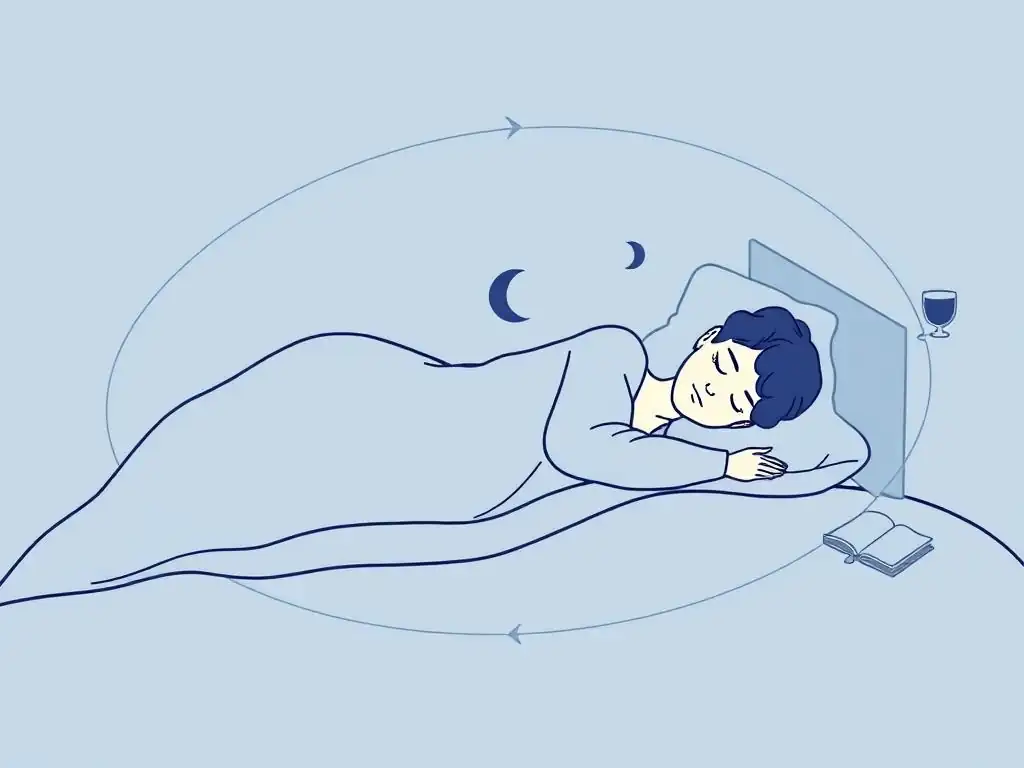
This section delves into more advanced strategies to fine-tune your sleep schedule and achieve consistently restful nights. Building a robust sleep routine isn't just about setting a bedtime; it's about understanding your body's rhythms and proactively addressing any obstacles to quality sleep. We'll explore sophisticated techniques beyond the basics, focusing on data-driven improvements and addressing underlying sleep disorders.
Utilizing Sleep Tracking Apps and Wearables for Data-Driven Improvement
Leveraging technology can significantly enhance your understanding of your sleep patterns and help you identify areas for improvement. Sleep tracking apps and wearables offer a wealth of data, allowing for personalized adjustments to your best sleep schedule routine. These devices monitor various sleep stages (light, deep, REM), heart rate variability, and even movement throughout the night. This granular data provides valuable insights often missed through subjective observation alone.
For example, you might discover you consistently wake up during a specific sleep cycle, indicating a potential need for adjustment in your bedtime or wake-up time. Or, you may find your heart rate remains elevated throughout the night, suggesting underlying stress or anxiety that needs to be addressed. Many apps offer personalized recommendations based on your data, such as suggesting earlier bedtimes or recommending relaxation techniques before sleep.
The key to effective use lies in consistency. Wear the device every night for at least a week to establish a baseline. Review the data regularly, looking for trends and patterns. Don't just focus on the overall sleep score; dig deeper into the details to understand the nuances of your sleep. Remember, the goal is not just to sleep more, but to sleep better. This data-driven approach allows for a highly personalized and effective best sleep schedule routine. Consider exploring apps that integrate with other health and fitness trackers for a holistic view of your well-being.
Exploring Natural Sleep Aids and Supplements: Melatonin and Beyond
While establishing a consistent sleep schedule is paramount, exploring natural sleep aids can provide supplemental support, particularly during periods of transition or stress. Melatonin, a hormone naturally produced by the body to regulate sleep-wake cycles, is a popular choice. However, it's crucial to understand that melatonin supplements should be used judiciously and not as a long-term solution for chronic insomnia. Over-reliance can lead to dependence and disrupt your body's natural melatonin production.
Beyond melatonin, other natural sleep aids include:
- Magnesium: This essential mineral plays a crucial role in muscle relaxation and can promote better sleep quality.
- Chamomile tea: Known for its calming properties, chamomile tea can help ease anxiety and promote relaxation before bed.
- Valerian root: This herbal supplement has been traditionally used to improve sleep, although more research is needed to confirm its effectiveness.
It's vital to consult with a healthcare professional before incorporating any supplements into your routine, especially if you have pre-existing health conditions or are taking other medications. They can help determine the appropriate dosage and assess any potential interactions. Remember, natural sleep aids are best used to complement a solid sleep hygiene routine, not replace it. The best sleep schedule routine always prioritizes healthy habits.
Cognitive Behavioral Therapy for Insomnia (CBT-I): A Powerful Tool for Lasting Change
For individuals struggling with chronic insomnia, Cognitive Behavioral Therapy for Insomnia (CBT-I) offers a powerful, evidence-based approach to address the underlying causes of sleep problems. Unlike medications that merely mask symptoms, CBT-I targets the thoughts, feelings, and behaviors that contribute to insomnia.
CBT-I typically involves several sessions with a trained therapist, focusing on techniques such as:
- Stimulus control therapy: This involves creating a relaxing bedtime routine and associating your bed solely with sleep and sex.
- Sleep restriction therapy: This involves limiting time spent in bed to consolidate sleep and improve sleep efficiency.
- Relaxation techniques: Progressive muscle relaxation, meditation, and deep breathing exercises can help reduce anxiety and promote relaxation before bed.
- Cognitive restructuring: This involves identifying and challenging negative thoughts and beliefs about sleep.
CBT-I has been shown to be highly effective in treating chronic insomnia, leading to lasting improvements in sleep quality and reducing reliance on sleep medication. If you've tried other methods without success, consider seeking professional help from a therapist specializing in CBT-I. It's a long-term investment in your best sleep schedule routine and overall well-being. This approach offers a sustainable solution to achieve consistent, restorative sleep.
Sustaining Your Unbreakable Sleep Schedule: Long-Term Strategies
Maintaining a consistent sleep schedule isn't a one-time fix; it's a commitment to long-term wellness. Building an unbreakable sleep schedule requires ongoing effort and adaptation. The initial phase focuses on establishing the routine, but true success lies in your ability to maintain it over the long haul. This section delves into the crucial strategies for sustaining your improved sleep quality and energy levels. Consider this your guide to long-term sleep success – the key to unlocking the best sleep schedule routine for you.
Regular Review and Adjustment of Your Sleep Schedule
Even the best-laid plans require occasional tweaking. Life is dynamic, and your sleep needs might subtly shift over time due to factors like seasonal changes, stress levels, or even minor illnesses. Regularly reviewing and making minor adjustments to your sleep schedule is crucial for preventing it from crumbling.
Consider a monthly review. Ask yourself: Am I consistently waking up feeling refreshed? Is my sleep schedule still aligning with my overall energy levels and productivity? Are there any recurring patterns disrupting my sleep (e.g., late-night social engagements, changes in work schedule)?
If you notice any significant deviations from your ideal sleep pattern, don't be afraid to make small, incremental changes. Perhaps you need to adjust your bedtime by 15 minutes earlier or later, or fine-tune your wake-up time to better suit your body clock. The key is to maintain consistency while allowing for flexibility. Remember, the goal is to find a sustainable sleep schedule that works for you and your lifestyle, not a rigid, inflexible system that's destined to fail. Think of it as a living document, constantly evolving to better serve your needs.
Building Resilience to Life's Disruptions and Maintaining Consistency
Life throws curveballs. Unexpected events, travel, social commitments, and even illness can disrupt even the most meticulously planned sleep schedule. The ability to bounce back from these disruptions is key to maintaining long-term sleep consistency.
- Planning for disruptions: Anticipate potential disruptions and create contingency plans. If you know you have a late night ahead, try to adjust your sleep schedule slightly in advance to minimize the impact.
- Prioritizing sleep: Recognize that sleep is a non-negotiable priority for your overall well-being. When faced with a disruption, prioritize catching up on sleep as soon as possible, even if it means making adjustments to your daily routine.
- Strategic napping: Short, strategic naps can help you overcome sleep deficits, especially when travel or unexpected events cause significant sleep loss. However, avoid long naps, especially later in the day, as they can disrupt your nighttime sleep.
- Stress management: Chronic stress significantly impacts sleep quality. Incorporate stress-reducing techniques into your routine, such as meditation, yoga, or deep breathing exercises. These practices can enhance sleep resilience and improve your ability to cope with unexpected events.
The Ongoing Benefits of a Consistent Sleep Routine for Overall Well-being
The benefits of a consistent sleep schedule extend far beyond simply feeling well-rested. Maintaining a regular sleep-wake cycle contributes significantly to overall health and well-being. The positive effects are wide-ranging and impactful on various aspects of your life.
| Benefit Category | Specific Benefit | Measurable Impact |
|---|---|---|
| Physical Health | Improved immune function | Reduced incidence of illness |
| Mental Health | Enhanced cognitive function, improved mood | Increased productivity, better emotional regulation |
| Emotional Well-being | Reduced stress and anxiety | Lower cortisol levels, improved emotional stability |
| Physical Performance | Increased energy levels, improved athletic performance | Better reaction time, enhanced endurance and strength |
| Weight Management | Reduced risk of weight gain | Improved metabolic function, reduced appetite fluctuations |
Maintaining a consistent sleep routine is an investment in your future self. It's a cornerstone of a healthy and productive lifestyle. By embracing these long-term strategies, you can cultivate a truly unbreakable sleep schedule, transforming your life one restful night at a time. 😴
Frequently Asked Questions
How can I create a consistent sleep schedule?
The key is consistency. Go to bed and wake up around the same time every day, even on weekends, to regulate your body's natural sleep-wake cycle. Stick to your schedule as much as possible.
What if I have trouble falling asleep?
Try creating a relaxing pre-sleep routine, such as taking a warm bath, reading a book, or listening to calming music. Avoid screens at least an hour before bed. Address underlying anxieties or stressors.
How much sleep do I really need?
Most adults need 7-9 hours of sleep per night. However, individual needs vary. Pay attention to how you feel throughout the day; consistent tiredness may indicate you need more sleep.
What are some tips for improving sleep quality?
Ensure your bedroom is dark, quiet, and cool. Consider using blackout curtains, earplugs, or a white noise machine. Avoid large meals or caffeine before bedtime.
What should I do if I consistently wake up in the middle of the night?
Try identifying and addressing any underlying medical conditions or stressors that might be disrupting your sleep. Establish a relaxing bedtime routine and ensure your sleep environment is conducive to rest. Consider consulting a doctor if the problem persists.
Final Reflection: Weaving the Tapestry of a Restful Life
The pursuit of a consistent sleep schedule isn't merely about hitting a certain number of hours; it's about cultivating a relationship with rest that nourishes your mind, body, and soul. This guide has explored the science behind sleep, the practical strategies for building a personalized routine, and the profound impact a well-structured sleep schedule can have on overall well-being. In a world that increasingly demands more from us, prioritizing sleep is no longer a luxury, but a necessity for thriving.
The ripple effects of prioritizing sleep extend far beyond the bedroom. Improved sleep translates to increased productivity, sharper cognitive function, enhanced emotional regulation, and a strengthened immune system. Sleep is the golden chain that ties health and our bodies together.
– Thomas Dekker. This quote underscores the interconnectedness of sleep with every aspect of our lives, highlighting its crucial role in our physical and mental health. It's a powerful reminder that investing in our sleep is an investment in ourselves, our relationships, and our future.
You now hold the tools to craft a sleep schedule that works for you. Don't just read this guide; live it. Experiment with the techniques, find what resonates, and adapt the strategies to fit your unique circumstances. Embrace the journey of discovering your optimal sleep rhythm, and watch as the positive changes unfold in your life. The path to an unbreakable sleep schedule begins with a single, conscious step towards prioritizing your rest. Begin today, and experience the transformative power of a truly restful life.
Unlock Your Best Sleep Ever: Start Your Transformation Tonight!
Thank you for exploring the path to better sleep! We hope you've discovered valuable strategies to overcome restless nights. Now, let's put your new knowledge into practice.
- Prioritize your sleep hygiene tonight! Make a conscious effort to incorporate at least one new sleep habit – perhaps dimming the lights an hour before bed or establishing a relaxing bedtime routine. This is the first step towards transformative sleep.
- Share your progress! Tell us (and others!) about your experience – which strategies proved most effective? Sharing your journey helps others and strengthens your commitment to better sleep.
- Monitor your improvements! Use a sleep tracking app or a simple journal to monitor your progress. This will reveal how far you've come and help you refine your approach.
Ready to embrace a life filled with restorative, rejuvenating sleep? What small change will you make tonight to improve your sleep health?