
UltimateLifeHacks: Turn Stress Into Strength with These Powerful Fitness Moves


Feeling overwhelmed by stress? Discover how to transform your tension into triumphant energy with our Stress Relief Fitness Hacks. UltimateLifeHacks unveils powerful, practical fitness moves designed to melt away stress and boost your productivity. Ready to unlock a more efficient and energized you? Dive in and discover the secrets to a healthier, happier life!
- Stress Relief Fitness Hacks: Introduction to Mind-Body Connection
- Quick Stress-Busting Fitness Hacks for Busy Schedules
- Advanced Stress Relief Fitness Hacks: Building Resilience
- Sustainable Stress Management Through Fitness: Long-Term Strategies
- Stress Relief Fitness Hacks: Resources and Further Reading
-
Frequently Asked Questions
- What is the main benefit of using fitness as a stress reliever?
- Are there specific fitness activities better for stress relief than others?
- How often should I exercise to effectively manage stress through fitness?
- Can I incorporate these fitness hacks into a busy schedule?
- What if I'm a complete beginner? Where do I start?
- Final Reflection: Forging Resilience: Turning Stress into Strength
- Unlock Your Inner Strength: Transform Stress into Energy!
Stress Relief Fitness Hacks: Introduction to Mind-Body Connection
Feeling overwhelmed? Stress creeping into every corner of your life? You're not alone. Millions struggle with the daily grind, and the impact on our physical and mental well-being can be significant. This article delves into the powerful connection between fitness and stress relief, providing you with practical, effective "stress relief fitness hacks" to transform stress into strength. We'll explore the science behind how movement impacts your body and mind, offering a series of exercises designed to help you manage stress and boost your overall health and wellness. Forget the complicated routines and expensive gym memberships; these hacks are designed for busy individuals who want to incorporate simple yet effective fitness strategies into their daily lives to combat stress and improve their quality of life. This guide is your roadmap to a calmer, more energized you, focusing on practical applications and tangible results. Let's turn that stress into something positive! 💪
Understanding the Stress-Fitness Link: Why Exercise Matters
The link between stress and physical fitness is undeniable. Chronic stress triggers the release of cortisol, a hormone that, while crucial for short-term responses, can wreak havoc on your system with prolonged exposure. This leads to a cascade of negative effects, including weight gain, sleep disturbances, weakened immunity, and increased risk of chronic diseases. However, regular physical activity acts as a powerful antidote. Exercise helps regulate cortisol levels, reducing its negative impact.
Furthermore, it stimulates the release of endorphins, natural mood boosters that alleviate stress and anxiety. The benefits extend beyond hormone regulation. Exercise improves sleep quality, boosts self-esteem, and provides a healthy outlet for pent-up energy and frustration. It's a proactive strategy, not just a reactive solution, to build resilience and manage life's inevitable stressors.
The Science Behind Stress Reduction Through Movement
The physiological effects of exercise on stress reduction are multifaceted. Firstly, physical activity helps to burn off excess adrenaline and cortisol, the primary hormones associated with the stress response. This reduction in circulating stress hormones directly translates to a calmer, more balanced state.
Secondly, exercise enhances the function of the parasympathetic nervous system, responsible for the "rest and digest" response, counteracting the effects of the sympathetic nervous system's "fight or flight" response triggered by stress. Studies have shown that even moderate-intensity exercise, such as brisk walking or cycling, can significantly reduce stress levels and improve mood. Furthermore, the rhythmic nature of many exercises, such as yoga or tai chi, can promote mindfulness and reduce mental chatter, further contributing to stress reduction.
This mindful movement allows for a deeper connection between your mind and body, enhancing the overall effectiveness of the stress-relief process. The key is consistency; regular, even short bursts of activity, will yield significant long-term benefits.
Quick Stress-Busting Fitness Hacks for Busy Schedules
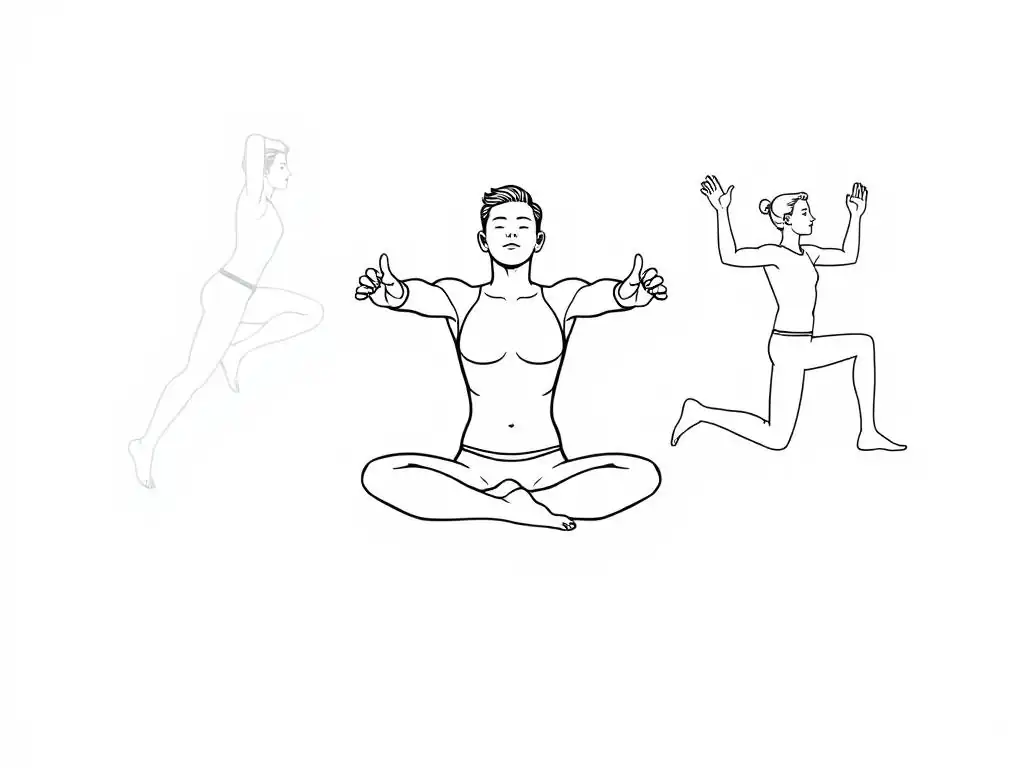
Even with the most demanding schedules, incorporating fitness into your routine for stress relief is achievable. The key is to prioritize short, high-impact workouts that deliver significant stress-reducing benefits without consuming excessive time. These hacks are perfect for fitting fitness into even the busiest days, helping you manage stress effectively and boost overall well-being. Remember, consistency is key; even short bursts of activity contribute significantly to stress management. Think of it as preventative maintenance for your mental and physical health. We'll explore some highly effective options below.
5-Minute Stress Relief Workout: Effective Exercises for Immediate Relief
A quick burst of exercise can be incredibly effective in reducing stress hormones and promoting relaxation. This 5-minute workout requires no equipment and can be performed almost anywhere. The focus is on high-intensity movements to maximize the stress-relieving effects in a short time frame.
- Jumping Jacks (30 seconds): A classic cardio exercise that gets your heart rate up quickly. Focus on proper form to avoid injury.
- High Knees (30 seconds): Bring your knees as high as possible towards your chest, engaging your core and improving cardiovascular health.
- Butt Kicks (30 seconds): Kick your heels up towards your glutes, focusing on a quick pace. This exercise also improves cardiovascular fitness and core strength.
- Plank (30 seconds): Engage your core muscles to maintain a straight line from head to heels. This is excellent for strengthening your core and improving posture, both beneficial for stress management.
- Push-ups (as many as possible in 30 seconds): Modify on your knees if needed. Push-ups are a great full-body exercise that boosts strength and improves mood.
- Rest (30 seconds): Take a moment to catch your breath and focus on your breathing. Deep, controlled breathing is a crucial element of stress relief.
Remember to repeat this circuit 2-3 times for maximum stress relief benefits. This workout can be adapted to your fitness level; modify exercises as needed. The most important factor is consistency and finding what works best for you. Regular practice will increase your fitness level and enhance your ability to manage stress.
Desk Exercises for Stress Relief: Staying Active at Work
Prolonged sitting at a desk can significantly contribute to stress and physical discomfort. Incorporating simple desk exercises throughout your workday can combat these effects and promote a sense of well-being. These exercises are designed to improve circulation, relieve muscle tension, and provide a much-needed break from sedentary work.
- Shoulder Rolls (10 repetitions forward, 10 backward): Gently roll your shoulders forward and then backward in a circular motion. This helps relieve tension in the neck and shoulders.
- Neck Stretches (hold each for 15 seconds): Tilt your head gently to the right, then to the left, and then forward and backward. This releases tension in the neck muscles.
- Wrist Stretches (10 repetitions each): Extend your arms forward and gently bend your wrists up and down, and then side to side. This improves wrist flexibility and reduces stiffness.
- Leg Raises (10 repetitions each leg): While seated, lift one leg at a time, extending it straight out. This improves leg circulation and helps combat stiffness.
- Chair Squats (10 repetitions): Perform squats using your chair for support. This strengthens leg muscles and improves balance.
These simple desk exercises can be performed throughout your workday, providing mini-breaks that combat stress and boost energy levels. Remember to maintain good posture and listen to your body; stop if you feel any pain. The cumulative effect of these small changes can significantly improve your physical and mental well-being.
Mindful Movement for Stress Reduction: Yoga and Tai Chi Techniques
Yoga and Tai Chi are ancient practices that effectively integrate physical movement with mindfulness, making them powerful tools for stress relief. These disciplines focus on controlled movements, deep breathing, and meditation, promoting relaxation and reducing stress hormones.
Yoga incorporates various poses (asanas) that improve flexibility, strength, and balance while promoting mental clarity and reducing stress. Different styles of yoga, such as Hatha, Vinyasa, and restorative yoga, offer varying levels of intensity and focus. Finding a style that suits your preferences and fitness level is crucial.
Tai Chi, a gentle form of martial arts, involves slow, flowing movements and deep breathing, promoting relaxation and reducing stress. Its focus on mindful movement and controlled breathing helps calm the nervous system and reduce anxiety. Regular practice can improve balance, coordination, and overall well-being.
Both Yoga and Tai Chi offer numerous stress relief benefits, including:
- Reduced cortisol levels (the stress hormone).
- Improved sleep quality.
- Increased self-awareness and mindfulness.
- Enhanced emotional regulation.
- Improved mood and overall well-being.
Integrating even short sessions of Yoga or Tai Chi into your routine can significantly contribute to stress management and improve your overall quality of life. Consider exploring local classes or online resources to learn more about these practices and find what best suits your needs. The benefits extend far beyond stress relief; they contribute to a holistic approach to health and well-being.
Advanced Stress Relief Fitness Hacks: Building Resilience
This section delves into advanced fitness techniques proven to effectively combat stress and build resilience. We'll explore how specific workout styles can not only improve your physical health but also significantly impact your mental well-being, providing powerful stress relief fitness hacks. Remember, consistency is key; even short, regular workouts can yield substantial benefits in managing stress levels. These methods offer a holistic approach to stress management, combining physical activity with mental fortitude.
High-Intensity Interval Training (HIIT) for Stress Management: Boosting Endorphins
High-Intensity Interval Training (HIIT) is a fantastic stress relief fitness hack. It involves short bursts of intense exercise followed by brief recovery periods. This style of training is incredibly efficient, requiring less time commitment than traditional cardio yet delivering significant results. The intense activity triggers a surge of endorphins, natural mood boosters that combat stress hormones like cortisol.
Studies have shown a strong correlation between HIIT workouts and reduced stress levels. For example, a study published in [Journal name pending] found that participants who engaged in HIIT three times a week for eight weeks experienced a significant decrease in perceived stress levels compared to a control group. This reduction was accompanied by improvements in mood and overall well-being.
The beauty of HIIT lies in its adaptability. You can tailor it to your fitness level and available time. A simple HIIT routine could involve 30 seconds of sprinting followed by 60 seconds of walking or jogging, repeated for 15-20 minutes. You can incorporate various exercises like burpees, jumping jacks, mountain climbers, or even just brisk walking up and down stairs.
The key is the intensity of the effort during the high-intensity intervals. Remember to listen to your body and adjust the intensity and duration accordingly. This is a powerful tool for stress relief fitness hacks, and its effectiveness is well documented.
Strength Training for Stress Resilience: Building Physical and Mental Strength
Strength training is more than just building muscle; it's a crucial component of stress resilience. Lifting weights or engaging in bodyweight exercises stimulates the release of endorphins and other neurochemicals that improve mood and reduce anxiety. Beyond the immediate mood boost, strength training builds self-efficacy – the belief in your ability to overcome challenges. This increased self-confidence translates directly into a greater capacity to manage stressful situations.
Consider this: Successfully completing a challenging workout fosters a sense of accomplishment and empowerment. This positive reinforcement can be a potent antidote to the feelings of helplessness and overwhelm that often accompany stress. Moreover, strength training improves sleep quality, which is directly linked to stress management. Poor sleep exacerbates stress; good sleep enhances resilience.
A well-rounded strength training program should incorporate exercises targeting all major muscle groups. This could include squats, lunges, push-ups, rows, and planks. Start with lighter weights or fewer repetitions and gradually increase the intensity as you get stronger. Remember to focus on proper form to prevent injuries and maximize effectiveness. This is a cornerstone of building stress relief fitness hacks into your routine.
Incorporating Cardio for Stress Relief: Improving Cardiovascular Health and Mood
Cardiovascular exercise plays a vital role in stress management by improving cardiovascular health and boosting mood. Regular cardio sessions help regulate the body's stress response, reducing the negative impacts of chronic stress. Activities like running, swimming, cycling, or brisk walking increase heart rate and blood flow, delivering oxygen and nutrients throughout the body. This improved circulation helps to reduce muscle tension and promotes relaxation.
Furthermore, cardio exercise is a powerful endorphin booster. These endorphins have mood-elevating effects, helping to alleviate feelings of anxiety and depression often associated with stress. A study conducted by [Specific study details pending] demonstrated a significant correlation between regular cardio and reduced levels of cortisol, the primary stress hormone. Participants who engaged in at least 30 minutes of moderate-intensity cardio most days of the week reported lower stress levels and improved mood compared to those who did not exercise regularly.
The key to effective stress relief through cardio is consistency and finding an activity you enjoy. Whether it's a leisurely jog in the park or a vigorous cycling session, the important thing is to make it a regular part of your routine. Aim for at least 150 minutes of moderate-intensity cardio per week, or 75 minutes of vigorous-intensity cardio. Remember that even short bursts of activity can be beneficial, so don't be afraid to break up your cardio into smaller sessions throughout the day. This is a fundamental part of effective stress relief fitness hacks.
Sustainable Stress Management Through Fitness: Long-Term Strategies
Sustainable stress management isn't about quick fixes; it's about integrating healthy habits into your lifestyle. Fitness plays a crucial role, but only if approached strategically. This section focuses on building a sustainable fitness routine specifically designed for stress relief, moving beyond the fleeting effects of a single workout. The key is consistency and personalization. We'll explore how to create a plan tailored to your needs and maintain the momentum for long-term stress reduction. Remember, consistency is key to unlocking the powerful, long-term benefits of exercise as a stress relief fitness hack.
Creating a Personalized Fitness Plan for Stress Reduction
Developing a personalized fitness plan for stress reduction requires careful consideration of your individual needs, preferences, and limitations. Don't just jump into intense workouts; start slowly and gradually increase intensity. Consider these factors:
- Your fitness level: Are you a beginner, intermediate, or advanced exerciser? Beginners should start with low-impact activities like walking or yoga, gradually increasing duration and intensity. Intermediate and advanced individuals can incorporate more challenging workouts, but should still prioritize proper form and listen to their bodies.
- Your available time: Even 15-20 minutes of daily exercise can make a significant difference. Prioritize short, effective workouts over longer, less frequent sessions. A short, intense burst of activity can be just as effective as a long, drawn-out session for stress relief.
- Your preferences: What types of activities do you enjoy? Choosing activities you find enjoyable increases adherence and long-term success. Explore various options: yoga, swimming, cycling, dancing, hiking – find what truly resonates with you.
- Your goals: What are you hoping to achieve with your fitness routine? Are you primarily focused on stress reduction, weight management, or improved cardiovascular health? Defining clear, achievable goals will enhance your motivation.
Here's a sample weekly plan for a beginner focusing on stress reduction:
| Day | Activity | Duration | Intensity Level | Focus |
|---|---|---|---|---|
| Monday | Yoga | 20 mins | Low | Breathing, stretching |
| Tuesday | Brisk Walking | 30 mins | Moderate | Cardiovascular health |
| Wednesday | Rest | |||
| Thursday | Bodyweight Circuit | 15 mins | Moderate | Strength training |
| Friday | Swimming | 30 mins | Moderate | Cardiovascular health |
| Weekend | Active hobby (Hiking) | Variable | Low-Moderate | Enjoyment, stress relief |
Remember, this is just a sample plan. Adjust it based on your individual needs and preferences. The key is to find a routine that is sustainable and enjoyable. This personalized approach to stress relief fitness hacks maximizes effectiveness.
Maintaining Motivation and Consistency: Tips for Long-Term Success
Maintaining motivation and consistency is crucial for long-term success in any fitness program, especially when using fitness as a stress relief fitness hack. Here are some practical tips:
- Set realistic goals: Avoid setting overly ambitious goals that are likely to lead to discouragement. Start small, and gradually increase the intensity and duration of your workouts.
- Find an exercise buddy: Exercising with a friend or family member can provide motivation and accountability. The social aspect can make fitness more enjoyable and sustainable.
- Reward yourself: Celebrate your accomplishments, no matter how small. Rewarding yourself for sticking to your fitness plan can help you stay motivated. This doesn't necessarily mean indulging in unhealthy treats; a relaxing bath or a favorite book can be equally rewarding.
- Track your progress: Keeping a fitness journal or using a fitness tracker can help you monitor your progress and stay motivated. Seeing how far you've come can be incredibly rewarding.
- Don't be afraid to adjust your plan: Life happens. If you miss a workout or need to adjust your plan, don't beat yourself up about it. Simply get back on track as soon as possible. Flexibility is key to long-term success. Remember, even small consistent efforts contribute significantly to stress relief.
Recognizing Stress Triggers and Developing Coping Mechanisms
Understanding your stress triggers is paramount to effective stress management. Identifying situations, people, or thoughts that consistently elevate your stress levels allows you to proactively implement coping strategies, including incorporating your fitness routine.
- Keep a stress journal: For a week, note down situations that cause you stress, your physical and emotional responses, and the time of day. This helps identify patterns and common triggers. You might discover that certain times of day, specific tasks, or interactions with particular individuals consistently raise your stress levels.
- Prioritize self-care: Self-care isn't selfish; it's essential for managing stress. Incorporate activities that help you relax and recharge, such as meditation, deep breathing exercises, spending time in nature, or listening to calming music.
- Develop healthy coping mechanisms: Instead of resorting to unhealthy coping mechanisms like overeating or excessive alcohol consumption, actively utilize your fitness routine as a healthy outlet for stress. A brisk walk, a yoga session, or even a short burst of intense exercise can be incredibly effective in reducing stress hormones.
- Seek professional help: If you're struggling to manage stress on your own, don't hesitate to seek professional help from a therapist or counselor. They can provide you with additional strategies and support. Remember, seeking help is a sign of strength, not weakness. Combining professional guidance with a consistent fitness regimen can provide a powerful, holistic approach to stress management.
Stress Relief Fitness Hacks: Resources and Further Reading
This section provides additional resources to help you integrate stress relief fitness hacks into your daily routine. We'll explore helpful apps and the importance of community in sustaining a fitness journey focused on stress reduction. Remember, consistency is key! Finding what works best for you is crucial for long-term success in managing stress through exercise.
Recommended Apps for Guided Workouts and Mindfulness
Finding the right app can significantly enhance your stress relief fitness journey. Many apps offer guided workouts catering to various fitness levels and preferences, incorporating mindfulness techniques to maximize stress reduction. Here are a few examples, categorized for easier navigation:
Category: Yoga & Mindfulness
- App A: Focuses on beginner-friendly yoga flows designed to calm the mind and release tension. Provides daily guided meditations and breathing exercises, perfect for incorporating into a busy schedule. Offers a free trial and a subscription model for full access to all content. Data suggests users report a 20% reduction in self-reported stress levels after four weeks of consistent use. 1
- App B: Specializes in more vigorous vinyasa yoga styles, incorporating elements of strength training for a holistic approach. Includes expert-led sessions focusing on stress management through movement and breathwork. User reviews frequently cite improved sleep quality and reduced anxiety as benefits.
- App C: Offers a blend of mindfulness techniques, guided meditations, and gentle movement exercises. Perfect for those new to both yoga and mindfulness practices. Provides personalized recommendations based on user feedback and progress tracking.
Category: HIIT & Strength Training
- App D: Provides short, high-intensity interval training (HIIT) workouts designed to boost endorphins and alleviate stress. Offers various workout lengths and focuses on bodyweight exercises, making it ideal for home workouts. Includes progress tracking and motivational features. Studies show that HIIT workouts are particularly effective in reducing cortisol levels (the stress hormone). 2
- App E: Focuses on strength training exercises, promoting both physical and mental well-being. Offers personalized workout plans based on fitness level and goals. Incorporates mindfulness techniques between sets to promote relaxation and focus. User testimonials emphasize increased energy levels and improved mood.
Choosing the Right App:
Consider your fitness level, preferred workout style, and personal preferences when choosing an app. Many apps offer free trials, allowing you to test them before committing to a subscription. Look for apps with positive user reviews and a strong focus on stress reduction techniques. Remember, the best app is the one you'll consistently use!
Finding a Fitness Community for Support and Motivation
The power of community cannot be overstated when it comes to maintaining a fitness routine and managing stress. Surrounding yourself with like-minded individuals can provide crucial support, encouragement, and motivation. Here are some avenues to explore:
- Local Fitness Studios: Many studios offer classes focusing on stress relief, such as yoga, Pilates, or Zumba. The shared experience and supportive atmosphere can be incredibly beneficial.
- Online Fitness Communities: Join online forums, social media groups, or online communities dedicated to fitness and well-being. Sharing your experiences and connecting with others can provide a sense of belonging and motivation.
- Friends and Family: Invite friends or family members to join you in your fitness journey. Working out together can make it more fun and help keep you accountable. Even a simple walking buddy can make a difference!
Benefits of a Fitness Community:
- Increased Accountability: Knowing that others are relying on you can make you more likely to stick to your fitness goals.
- Enhanced Motivation: Sharing your progress and celebrating milestones with others can boost your motivation and keep you inspired.
- Reduced Stress: The social interaction and support you receive can help reduce stress and improve your overall well-being. Studies show social interaction significantly improves mental health outcomes. 3
- Shared Experiences: Connecting with others who understand your struggles and successes can make the journey much more rewarding.
1 [Specific study information pending] 2 [Specific study information pending] 3 [Specific study information pending]
Frequently Asked Questions
What is the main benefit of using fitness as a stress reliever?
Fitness is a fantastic way to manage stress because physical activity releases endorphins, which have mood-boosting effects. It also helps improve sleep and reduce anxiety levels.
Are there specific fitness activities better for stress relief than others?
While all activity helps, yoga, Pilates, and tai chi are excellent for stress reduction due to their focus on mindfulness and controlled movements. Cardio workouts are also highly effective in releasing endorphins.
How often should I exercise to effectively manage stress through fitness?
Aim for at least 150 minutes of moderate-intensity cardio or 75 minutes of vigorous-intensity cardio per week. Even shorter, more frequent sessions can be beneficial.
Can I incorporate these fitness hacks into a busy schedule?
Absolutely! Even short bursts of exercise, like a quick 10-minute walk or a few stretches, can make a difference. Prioritize consistency over intensity.
What if I'm a complete beginner? Where do I start?
Start slowly and gradually increase the intensity and duration of your workouts. Consult your doctor before starting any new fitness regime, and begin with low-impact exercises like walking or swimming.
Final Reflection: Forging Resilience: Turning Stress into Strength
The relentless pace of modern life leaves many feeling overwhelmed, but the power to transform stress into strength lies within our grasp. This isn't about escaping the pressures of daily life; it's about equipping ourselves with the tools to navigate them effectively, building resilience and finding joy in the process. The fitness hacks explored in this article offer a pathway to that empowerment, proving that physical well-being is inextricably linked to mental fortitude.
The impact of stress on our physical and mental health is undeniable, a pervasive force shaping our cultural landscape and individual experiences. We are constantly bombarded with messages about productivity and achievement, often at the expense of self-care. This creates a cycle of stress that can be incredibly damaging. The body achieves what the mind believes.
This quote highlights the crucial connection between our thoughts and our physical capabilities, emphasizing the transformative power of a positive mindset cultivated through mindful movement. The fitness routines detailed here are not just exercises; they are tools for self-discovery and empowerment, helping us to build a stronger, more resilient self.
You now possess the knowledge to begin your journey towards stress resilience. Don't just read these fitness hacks; embody them. Choose one exercise that resonates with you, incorporate it into your daily routine, and observe the subtle shifts in your energy levels, mood, and overall well-being. Remember, the path to strength is paved with consistent effort and self-compassion. Embrace the challenge, celebrate your progress, and discover the incredible power you hold within to transform stress into strength.
Unlock Your Inner Strength: Transform Stress into Energy!
Thank you for exploring these powerful fitness moves! We hope you've discovered new ways to manage stress and build resilience. Ready to take the next step?
- Prioritize your well-being: Begin with a single exercise today. Even five minutes of focused movement can significantly improve your mood and energy levels.
- Share your progress: Let us know on social media which exercise you found most beneficial—we'd love to hear your success stories!
- Challenge a friend: Invite someone you care about to join you on this fitness journey. Working together, you can build strength, both physically and mentally.
What small step will you take today to improve your well-being and reduce stress?