
Unlock Efficiency: Master TimeSaving Meal Prep for a StressFree Life

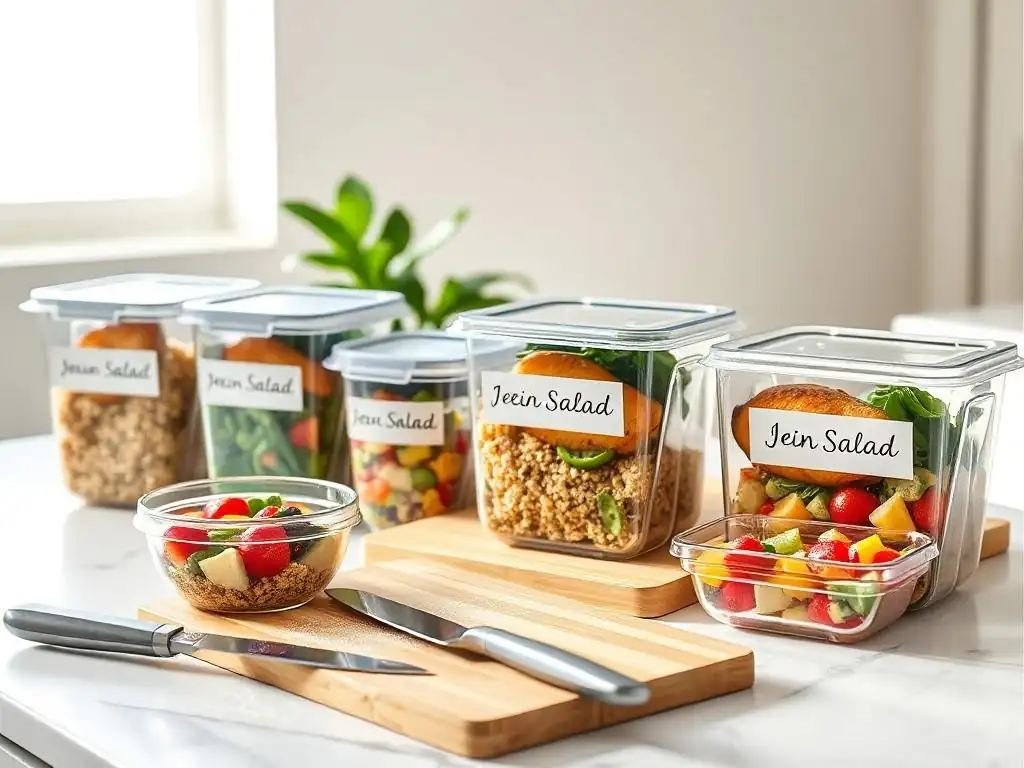
Tired of endless mealtime struggles and feeling overwhelmed by your daily routine? At UltimateLifeHacks, we understand. Discover the secrets to reclaiming your precious time and energy with our collection of practical life hacks. This week, we dive deep into meal prep time saving hacks, revealing ingenious strategies to transform your kitchen chaos into a streamlined, stress-free zone. Ready to unlock a more efficient and fulfilling life? Let's get started!
- Strategic Meal Planning: The Cornerstone of Efficient Meal Prep
- Time-Saving Meal Prep Hacks for Busy Weekdays
- Essential Tools and Equipment for Efficient Meal Prep
- Mastering the Art of Efficient Meal Prep: Advanced Techniques
- Overcoming Common Meal Prep Obstacles
- Maintaining a Sustainable Meal Prep Routine: Long-Term Success
- Frequently Asked Questions
- Final Reflection: Harvesting the Bounty of Time: Meal Prep's Enduring Power
- Unleash Your Inner Chef: Conquer Meal Prep & Reclaim Your Time!
Strategic Meal Planning: The Cornerstone of Efficient Meal Prep
Juggling work, family, social life, and maintaining a healthy diet can feel like a constant uphill battle. Many of us find ourselves resorting to quick, often unhealthy, meals simply because we lack the time to prepare something more nutritious. But what if we told you that reclaiming control over your meals and significantly reducing stress could be as simple as implementing a few strategic meal prep techniques?
This article delves into practical, time-saving meal prep hacks designed to streamline your weekly routine, improve your diet, and ultimately, free up valuable time for the things that truly matter. We'll explore efficient meal planning, smart grocery shopping strategies, and list-making techniques to help you master the art of meal prepping and unlock a more efficient, stress-free life. This guide focuses on maximizing your time and minimizing wasted food, making meal prep a truly rewarding experience, rather than a dreaded chore.
Let's dive in and conquer those mealtime challenges! 🎉
Defining Your Weekly Meal Plan: A Step-by-Step Guide
Efficient meal prepping starts with a well-defined plan. Impromptu decisions at the grocery store or last-minute cooking often lead to wasted time and unhealthy choices. Here's a step-by-step guide to creating a weekly meal plan that works for you:
- Assess your schedule: Consider your work hours, family commitments, and social events for the week. Identify days when you have more time for cooking versus days when you need quick and easy options.
- Choose your meals: Select 5-7 meals that you enjoy and that fit your dietary needs and preferences. Consider incorporating leftovers strategically to minimize cooking time.
- Create a detailed recipe list: For each meal, gather the necessary ingredients and note down the specific quantities. This prevents unnecessary trips to the store and reduces food waste.
- Batch cooking considerations: Identify meals that share common ingredients to reduce prep time. For instance, roasted chicken can be used in salads, tacos, and sandwiches throughout the week.
- Flexibility is key: Life happens! Build in flexibility into your plan. Having a few go-to backup meals can be a lifesaver on busy days. Consider simple options like pre-washed salads or quick-cooking grains.
Remember, a well-structured plan is the foundation of effective meal prepping. The more detailed your plan, the smoother your meal prep process will be.
Grocery Shopping Strategies for Optimized Meal Prep
With your meal plan in hand, you can now tackle grocery shopping with a laser focus. This is where you can significantly reduce wasted time and money.
- Shop with your list: This seems obvious, but it's crucial! Sticking to your list prevents impulse buys and ensures you have all the necessary ingredients.
- Prioritize bulk buying: For commonly used ingredients like grains, legumes, and frozen vegetables, buying in bulk can save you both money and time in the long run.
- Check your pantry: Before heading to the store, take inventory of what you already have. This prevents duplicate purchases and reduces food waste.
- Organize your shopping trip: Plan your grocery store route to minimize walking time. Group similar items together on your list (e.g., all produce items together).
- Utilize online grocery ordering: If available, consider online grocery ordering and delivery or pick-up. This can save you considerable time, especially during busy weeks.
Smart Shopping Lists: Avoiding Impulse Buys and Wasted Food
Creating a smart shopping list is a critical part of efficient meal prepping. Avoid generic lists; instead, use a structured approach to minimize wasted food and impulse purchases.
| Category | Item | Quantity | Notes |
|---|---|---|---|
| Produce | Broccoli | 1 head | For broccoli salad and stir-fry |
| Chicken Breast | 2 lbs | For salads and tacos | |
| Onions | 2 | For various dishes | |
| Grains & Legumes | Brown Rice | 1 cup | For rice bowls and side dishes |
| Quinoa | 1 cup | For salads and breakfast bowls | |
| Dairy & Protein | Eggs | 1 dozen | For breakfast and omelets |
| Greek Yogurt | 1 container | For snacks and breakfast | |
| Pantry Staples | Olive Oil | 1 bottle | For cooking and salad dressings |
| Spices | As needed | Check existing stock before purchasing |
By following these steps and using these strategies, you'll transform meal prep from a stressful chore into a strategic, time-saving activity. You'll not only eat healthier but also gain valuable time to focus on other aspects of your life. Remember, consistency is key! Start small, adapt the strategies to your lifestyle, and enjoy the benefits of a more efficient and stress-free life. 🥗
Time-Saving Meal Prep Hacks for Busy Weekdays
This section dives deep into practical, proven strategies to significantly reduce your meal prep time without sacrificing nutrition or flavor. We'll explore techniques to streamline your kitchen workflow, making meal preparation a breeze even on the busiest weekdays. Mastering these meal prep time saving hacks will free up valuable time for other activities, reducing stress and improving your overall well-being. The key is strategic planning and efficient execution – let's get started!
Batch Cooking Techniques: Maximizing Efficiency in the Kitchen
Batch cooking is the cornerstone of efficient meal prepping. Instead of cooking individual meals every day, you prepare large quantities of staple ingredients or entire meals ahead of time. This significantly reduces cooking time throughout the week. Think of it as an assembly line for your meals.
For example, you could roast a large batch of chicken breasts on Sunday. These cooked breasts can then be used in various meals throughout the week: salads, tacos, stir-fries, or even as a quick protein source for lunch. Similarly, you can cook a large pot of quinoa or brown rice, providing a healthy base for numerous dishes.
Here's a sample batch cooking schedule to illustrate the concept:
| Day | Task | Notes |
|---|---|---|
| Sunday | Roast chicken, cook quinoa, chop veggies (onions, peppers, etc.) | Use large baking sheets and multiple pots to maximize output. |
| Monday | Chicken salad sandwiches for lunch, chicken and veggie stir-fry for dinner | Utilize pre-cooked chicken and quinoa; minimal additional cooking needed. |
| Tuesday | Chicken tacos for dinner, leftover quinoa for lunch | Quick assembly; minimal cooking required. |
| Wednesday | Chicken and veggie skewers for lunch, chicken and rice bowls for dinner | Pre-cooked ingredients make this a fast and easy meal. |
| Thursday | Leftover chicken and rice bowls for lunch, plan next week's batch cook | Review recipes and create a shopping list for next week's prep. |
Remember to portion your meals into individual containers for easy grab-and-go convenience. This prevents overeating and simplifies your weekday routine. Proper storage is crucial; utilize airtight containers to maintain freshness and prevent food spoilage.
Utilizing Leftovers Creatively: Minimizing Food Waste, Maximizing Flavor
Don't let leftovers languish in the fridge! Think creatively about how you can transform them into new and exciting meals. This is a fantastic way to minimize food waste and maximize the value of your meal prep efforts. Leftover roasted chicken can become delicious chicken salad sandwiches, creamy chicken pasta, or even a flavorful chicken pot pie filling.
Here are some inspiring ideas to repurpose common leftovers:
- Roasted Vegetables: Add them to omelets, frittatas, or pasta dishes. They also make a great addition to soups and stews.
- Cooked Grains (Rice, Quinoa, etc.): Use them as a base for bowls, salads, or stuffings.
- Cooked Proteins (Chicken, Beef, Fish): Incorporate them into salads, tacos, quesadillas, or stir-fries.
By strategically planning your meals and thinking creatively about your leftovers, you can reduce food waste significantly. This also reduces your grocery bill and promotes a more sustainable approach to cooking. This is a key element of efficient meal prep time saving hacks.
Quick & Easy One-Pan/Pot Meals: Minimal Cleanup, Maximum Results
One-pan or one-pot meals are a lifesaver for busy individuals. They simplify the cooking process and drastically reduce cleanup time. Sheet pan dinners are a perfect example. Simply toss your chosen vegetables and protein (chicken, sausage, or tofu) with your favorite seasonings and roast them all together on a single baking sheet. Minimal cleanup, maximum flavor!
Here are a few more one-pot/pan meal ideas:
- Sheet Pan Fajitas: Chicken, bell peppers, and onions roasted together, served with tortillas and your favorite toppings.
- One-Pot Pasta: Pasta, vegetables, and sauce all cooked together in one pot.
- Slow Cooker Meals: Perfect for busy weeknights, requiring minimal prep time and resulting in a delicious, tender meal with minimal cleanup.
These methods are incredibly efficient and help you save valuable time and energy, making them essential components of effective meal prep time saving hacks. The reduction in cleanup alone is a significant benefit, streamlining your entire cooking process. Remember, even small changes can make a big difference in your overall efficiency.
Freezing for Future You: Strategies for Freezing Meals and Components
Freezing is a game-changer when it comes to meal prepping for busy weekdays. It allows you to prepare large batches of meals or individual components ahead of time, saving you valuable minutes – or even hours – during the week. The key is understanding the best practices to ensure your frozen meals retain their quality and flavor.
One effective strategy is to freeze meals in individual portions. This is particularly helpful for single-serving meals like soups, stews, or chili. Using freezer-safe containers, such as reusable plastic containers or freezer bags, prevents freezer burn and keeps your food fresh. Remember to label each container clearly with the date and contents. This prevents confusion and ensures you use the oldest meals first, minimizing food waste. Consider using a sharpie on masking tape for easy labeling and removal.
Another effective approach involves freezing individual meal components. Instead of freezing entire meals, prepare and freeze items like cooked grains (brown rice, quinoa), roasted vegetables (broccoli, sweet potatoes), and cooked proteins (chicken breast, ground turkey). These components can then be quickly combined later in the week to create a variety of different meals. Freezing components offers greater flexibility and reduces the risk of meal fatigue.
For instance, you can roast a large tray of vegetables on the weekend and freeze them in individual portions. Throughout the week, you can quickly combine these with different proteins and grains for a variety of quick and healthy meals. This method is especially efficient for those who prefer variety in their meals.
When freezing liquids, leave some headspace in the container to allow for expansion. This prevents spills and mess in your freezer. For soups and stews, allow them to cool completely before freezing to prevent the formation of ice crystals that can affect the texture. Similarly, ensure that all components are thoroughly cooled before freezing to maintain quality. Rapid cooling can be achieved by spreading the components thinly on a baking sheet before transferring to freezer-safe containers.
Finally, remember to defrost frozen meals safely. The safest method is to transfer the meal from the freezer to the refrigerator the night before you plan to eat it. This slow defrosting method ensures even thawing and prevents the growth of harmful bacteria. You can also defrost meals in the microwave, but be sure to follow the manufacturer's instructions carefully.
Avoid defrosting at room temperature, as this can lead to bacterial growth. Proper defrosting is crucial for maintaining the safety and quality of your frozen meals. By following these strategies, you can unlock the full potential of freezing as a time-saving meal prep technique.
Essential Tools and Equipment for Efficient Meal Prep
This section focuses on the core tools and equipment that significantly boost your meal prep efficiency, directly impacting your ability to implement effective "meal prep time saving hacks". Investing wisely in these items pays off in reduced prep time and minimized stress.
Investing in the Right Kitchen Gadgets: A Guide to Time-Saving Tools
Investing in a few key kitchen gadgets can dramatically reduce meal prep time. Think of these as your secret weapons in the battle against kitchen chaos. Don't feel pressured to buy everything at once; prioritize based on your needs and cooking style.
Here's a curated list of time-saving tools:
- Food Processor: A powerful food processor is invaluable for chopping vegetables, making sauces, and even prepping doughs in a fraction of the time it would take manually. Look for one with multiple blades and settings for maximum versatility. Consider models with pulse functions for finer control.
- Immersion Blender: Perfect for making soups, sauces, and smoothies directly in the pot or container, eliminating the need for transferring and cleaning extra dishes. This is a fantastic "meal prep time saving hack" for busy individuals.
- High-Quality Knives: Sharp knives are essential for efficient and safe food preparation. A good chef's knife, paring knife, and serrated knife will cover most meal prep tasks. Regular sharpening is crucial to maintain their effectiveness.
- Large Cutting Board: A spacious cutting board, preferably made of durable material like bamboo or plastic, will provide ample space for prepping multiple ingredients simultaneously, improving workflow and minimizing prep time.
- Sheet Pan: Sheet pans are incredibly versatile. Use them for roasting vegetables, baking chicken, or even making sheet pan dinners, all of which are excellent meal prep strategies.
Organizing Your Pantry and Refrigerator: A System for Easy Access
Efficient pantry and refrigerator organization is a crucial, often overlooked, "meal prep time saving hack". A well-organized space saves you valuable time searching for ingredients and reduces food waste.
Here's how to optimize your storage:
- Clear Containers: Store dry goods like grains, nuts, and beans in clear, airtight containers for easy visibility and freshness preservation. Labeling containers with contents and dates is highly recommended.
- Shelf Organizers: Utilize shelf organizers to maximize space and create distinct zones for different food categories (e.g., canned goods, snacks, baking supplies).
- Refrigerator Drawer Organizers: These organizers help keep your refrigerator tidy and easily accessible. Categorize items (e.g., fruits, vegetables, leftovers) for efficient retrieval.
- FIFO Method (First In, First Out): Always place newer items behind older ones to ensure you use older ingredients first, minimizing waste and preventing spoilage. This simple strategy is a surprisingly effective "meal prep time saving hack".
- Regular Purging: Regularly check your pantry and refrigerator for expired or unwanted items. Discarding expired food prevents contamination and creates more space.
Meal Prep Containers: Choosing the Right Ones for Your Needs
Selecting the right meal prep containers is paramount for maintaining food quality and convenience. Consider these factors:
- Material: Consider BPA-free plastic, glass, or stainless steel containers. Glass is ideal for reheating in the oven or microwave, while plastic offers lightweight portability. Stainless steel is durable and eco-friendly.
- Size and Shape: Choose containers appropriate for your portion sizes. Consider a variety of sizes to accommodate different meal components (e.g., smaller containers for sides, larger ones for main courses).
- Lids: Ensure lids are airtight and leak-proof to prevent spills and maintain food freshness. Look for lids that are easy to open and close.
- Microwave and Freezer Safe: If you plan to microwave or freeze your meals, ensure your containers are rated for both. This significantly improves meal prep flexibility.
- Stackable: Stackable containers save space in your refrigerator and freezer, optimizing storage efficiency – another key aspect of "meal prep time saving hacks".
Remember, the best meal prep strategy involves a combination of efficient techniques, smart organization, and the right tools. By incorporating these suggestions, you'll unlock significant time savings and reduce meal prep stress, leading to a more balanced and fulfilling life.
Mastering the Art of Efficient Meal Prep: Advanced Techniques
This section dives deep into advanced meal prep strategies to significantly reduce your cooking time and maximize your weekday efficiency. We'll explore techniques beyond the basics, focusing on optimizing your workflow and customizing your meal prep to fit your lifestyle. Remember, the goal is to make meal prep easier, not harder. Effective meal prep should save you time and stress, leading to a healthier and more balanced lifestyle. Let's unlock the secrets to truly efficient meal prepping!
Prepping Ingredients in Advance: Maximize Your Weekday Efficiency
Prepping ingredients before you start cooking is the cornerstone of efficient meal prepping. This seemingly small step saves you considerable time during the week. Instead of chopping vegetables every night, dedicate a few hours on the weekend to do it all at once. Think of it as an investment in your future, calmer self.
Consider this example: Let's say you plan to have chicken stir-fry three times this week. Instead of chopping onions, peppers, and carrots three separate times, chop a large batch on Sunday. Store them in airtight containers, ready to go. This seemingly minor change can save you 15-20 minutes each night, adding up to over an hour saved per week!
Here's a checklist to streamline your ingredient prep:
- [ ] Wash and chop all vegetables: Onions, peppers, broccoli, carrots – whatever your recipes call for.
- [ ] Measure out spices and dry ingredients: This prevents frantic searching during the week.
- [ ] Cook grains in bulk: Rice, quinoa, and other grains can be cooked ahead and stored for easy access.
- [ ] Marinate proteins: Marinating overnight enhances flavor and tenderizes meat, saving you cooking time later.
- [ ] Portion and store: Use appropriately sized containers for easy grab-and-go meals.
This systematic approach transforms a potentially tedious chore into a highly efficient process. You'll find yourself with more free time during the week, reducing stress and enhancing the overall experience of meal prepping.
Batch Cooking for the Entire Week: Strategies and Tips
Batch cooking is the ultimate time-saving meal prep hack. Instead of cooking individual meals each day, prepare larger quantities of food at once. This approach significantly reduces cooking time and ensures you always have healthy meals ready.
Effective batch cooking requires planning and organization. Start by selecting recipes that share common ingredients. For example, roasted chicken can be used in salads, tacos, and sandwiches. This minimizes waste and maximizes efficiency.
Consider these strategies for successful batch cooking:
- Utilize slow cookers and Instant Pots: These appliances are your best friends for batch cooking. Simply throw in the ingredients and let the appliance do the work.
- Double or triple recipes: Cook extra portions to have leftovers for lunch or another dinner.
- Freeze extra portions: Freezing allows you to extend the shelf life of your meals. This is especially helpful for busy weeks.
- Proper storage is key: Use airtight containers to prevent freezer burn and maintain freshness.
By mastering batch cooking, you'll not only save time but also reduce food waste and potentially save money on groceries. It's a win-win situation! The key is to plan ahead, choose versatile recipes, and use appropriate storage techniques.
Adapting Meal Prep to Your Dietary Needs and Preferences
Successful meal prepping is about more than just saving time; it's about creating a system that aligns with your individual needs and preferences. Whether you're vegetarian, vegan, gluten-free, or have other dietary restrictions, you can still enjoy the benefits of meal prepping.
Don't feel constrained by generic meal prep plans. Adapt them to your specific diet and taste. If you're vegetarian, explore creative vegetarian chili recipes or lentil soups that can be easily batch-cooked. If you're gluten-free, there are countless delicious gluten-free recipes that are perfect for meal prepping.
Remember to:
- Read labels carefully: Ensure all ingredients meet your dietary needs.
- Experiment with different recipes: Find recipes that you enjoy and that are easy to prepare in bulk.
- Don't be afraid to customize: Modify recipes to suit your preferences and dietary restrictions. Adding or substituting ingredients is perfectly acceptable.
Adapting meal prepping to your lifestyle is crucial for long-term success. Finding recipes and techniques that you genuinely enjoy will make the whole process more sustainable and less of a chore. The key is to be flexible and find what works best for you. This ensures that meal prepping remains a positive and beneficial part of your routine, not a stressful obligation.
Meal Prep for Different Lifestyles: Single Person, Family, etc.
Meal prepping isn't a one-size-fits-all solution. The optimal approach significantly depends on your lifestyle, particularly whether you're a single person, a couple, or part of a larger family. A single individual might only need to prepare a few meals for the week, focusing on quick and easy recipes that minimize cleanup.
Their meal prep might involve batch-cooking a large portion of a versatile ingredient like chicken or lentils, which can be used in various meals throughout the week. Think of prepping a large batch of quinoa, which can be easily incorporated into salads, bowls, or as a side dish. This minimizes cooking time during the week, maximizing efficiency.
For couples, the meal prep strategy can be a collaborative effort, sharing the workload and potentially preparing larger quantities of meals. They might allocate specific days for grocery shopping, cooking, and portioning out meals, optimizing their schedule to fit their shared routines. They could even specialize; one might focus on prepping proteins while the other prepares sides and sauces. This division of labor not only saves time but also enhances the shared experience.
Families with children present a unique set of challenges and opportunities. Meal prepping for a family often requires a greater commitment in terms of time and resources. However, the benefits are substantial: less stress during the week, healthier food choices for children, and reduced reliance on takeout or processed foods.
A family might consider involving children in age-appropriate tasks, such as washing vegetables or stirring ingredients, teaching valuable life skills and fostering a sense of shared responsibility. Planning meals around the children's preferences and dietary needs is crucial for success, and it's often helpful to have a rotating menu of family-friendly favorites. Consider prepping individual portions to avoid food waste and ensure each family member gets their desired serving size.
Utilizing freezer-friendly containers can also extend the shelf life of prepared meals, ensuring convenience for busy weeknights. The key is to develop a system that works for the entire family, making meal prep a team effort, not a solo mission. Think of it as a family project that promotes togetherness and healthy eating habits.
The effective application of "meal prep time saving hacks" varies greatly depending on the size and dynamics of your household. Adapting your strategy ensures a smooth and efficient process, regardless of your circumstances. Remember, the goal isn't perfection but progress towards a more streamlined and healthier lifestyle.
Overcoming Common Meal Prep Obstacles
Meal prepping, while offering significant long-term benefits in terms of health, finances, and stress reduction, often faces hurdles that deter many from adopting it consistently. This section addresses some of the most common obstacles and provides practical solutions to help you overcome them and successfully integrate meal prepping into your life.
Mastering these challenges will unlock the true time-saving potential of meal preparation, transforming it from a daunting task into a seamless part of your weekly routine. We'll explore strategies specifically designed to conquer common meal prep roadblocks, turning the process from a chore into a strategic investment in your well-being.
Dealing with Time Constraints: Finding Time for Meal Prep in a Busy Schedule
Many individuals cite lack of time as the primary reason for not meal prepping. However, even with a jam-packed schedule, dedicating a few hours each week can yield substantial time savings throughout the week. The key is efficient planning and execution. Instead of viewing meal prepping as a huge block of time, break it down into smaller, manageable chunks. For example, dedicate 30 minutes on Sunday evening to chopping vegetables and another 30 minutes on Monday morning to assembling lunch containers.
Consider these additional time-saving strategies:
- Batch Cooking: Prepare large batches of grains (rice, quinoa, etc.) and proteins (chicken, beans, etc.) that can be used across multiple meals.
- Double Duty Cooking: When you're already cooking dinner, prepare extra portions to use for lunch the next day.
- Utilize Leftovers: Don't underestimate the power of strategically using leftovers creatively. Turn yesterday's roasted chicken into today's chicken salad or soup.
- Prep on the Weekend: Schedule a specific time on the weekend, perhaps Saturday morning or Sunday afternoon, for your main meal prep session.
- Theme Days: Dedicate certain days to specific meal types (e.g., Monday is salad day, Tuesday is soup day). This simplifies the planning and preparation process.
Remember, even small amounts of dedicated time can make a significant difference. The initial investment in meal prepping will pay dividends in the form of reduced cooking time and stress during the week. Prioritize meal prep like any other important appointment; scheduling it is crucial for success.
Managing Food Spoilage: Tips and Tricks for Food Preservation
Food spoilage is a significant concern for many aspiring meal preppers. Proper storage techniques are essential to maximize the shelf life of your prepared meals and minimize waste. Understanding the best ways to preserve different types of food is crucial to the long-term success of your meal prep strategy. This not only saves money but also reduces food waste, contributing to environmental sustainability.
Here's a breakdown of effective preservation methods:
| Food Type | Storage Method | Approximate Shelf Life |
|---|---|---|
| Cooked Grains | Airtight container in the refrigerator | 3-5 days |
| Cooked Proteins | Airtight container in the refrigerator | 3-4 days |
| Chopped Vegetables | Airtight container in the refrigerator | 3-5 days |
| Cooked Soups | Airtight container in the refrigerator or freezer | 3-5 days / 2-3 months |
| Leftovers | Airtight container in the refrigerator | 3-4 days |
Remember to always properly label and date your containers for easy identification and tracking of freshness. Freezing is a great option for extending the shelf life of many meal prep components. Consider investing in high-quality airtight containers to maintain freshness and prevent freezer burn.
Maintaining Motivation: Strategies for Staying Consistent with Meal Prep
Consistency is key to reaping the benefits of meal prepping. However, maintaining motivation over the long term can be challenging. Many individuals start with enthusiasm but gradually lose steam. Developing strategies to stay motivated is crucial for making meal prepping a sustainable habit. This section provides practical tips to help you stay committed to your meal prep goals and avoid falling into old, less efficient habits. Remember, consistency is what ultimately unlocks the stress-reducing and time-saving potential of this practice.
To stay motivated, consider:
- Setting Realistic Goals: Don't try to overhaul your entire diet and meal prep routine overnight. Start small and gradually increase the complexity and frequency of your meal prepping.
- Planning Your Meals: Plan your meals for the week in advance. This helps you avoid decision fatigue and ensures you have a clear plan to follow. Use a meal planning app or a simple notebook.
- Variety is Key: Avoid monotony by incorporating a variety of flavors, cuisines, and ingredients into your meal prep. Experiment with different recipes and techniques.
- Make it Enjoyable: Put on some music, listen to a podcast, or invite a friend to help you meal prep. Make it a positive experience, not a chore.
- Reward Yourself: Celebrate your successes. Treat yourself to something you enjoy after completing a successful week of meal prepping. This positive reinforcement will encourage you to continue the habit.
Maintaining motivation requires a mindful and strategic approach. By implementing these strategies and adapting them to your individual needs, you can transform meal prepping from a potential struggle into a rewarding and sustainable habit that improves your overall well-being. Remember, even small steps towards consistency are significant progress.
Maintaining a Sustainable Meal Prep Routine: Long-Term Success
Successfully incorporating meal prepping into your life isn't a sprint; it's a marathon. The initial enthusiasm might wane if you don't establish a sustainable routine. This section focuses on strategies to ensure your meal prep efforts remain effective and enjoyable in the long run, maximizing your time savings and minimizing stress. Remember, the goal is to integrate meal prepping seamlessly into your lifestyle, not to add another stressful task to your to-do list. This involves more than just efficient cooking; it's about creating a system that works for you.
Building a Consistent Meal Prep Schedule: Creating a Routine That Works for You
The key to sustainable meal prepping is consistency. Don't try to overhaul your entire life overnight. Start small. Instead of dedicating an entire Sunday to cooking, begin with one or two meal prep sessions per week. Perhaps dedicate one session to preparing breakfast items (overnight oats, yogurt parfaits) and another to lunches (salads, wraps).
Consider your weekly schedule. Are you busiest on Wednesdays? Then, perhaps Sunday or Monday evenings are your optimal meal prep times. Experiment to find what fits best. A realistic schedule is crucial.
Here's a sample schedule you can adapt:
| Day of the Week | Meal Prep Focus | Time Allotted | Notes |
|---|---|---|---|
| Sunday | Breakfast & Lunches | 1-2 hours | Prepare ingredients in advance; batch cook. |
| Wednesday | Dinner components | 30 minutes | Chop veggies, marinate proteins. |
| Saturday | Snack preparation | 15 minutes | Prepare quick and healthy snacks for the week. |
Remember to factor in cleanup time! A cluttered kitchen can quickly derail your motivation.
Consider using a digital calendar or planner to schedule your meal prep sessions and set reminders. This proactive approach helps prevent meal prep from becoming an afterthought.
Tracking Your Progress and Making Adjustments: Refinement for Optimal Efficiency
Once you've established a basic schedule, it's vital to monitor its effectiveness. Track your progress using a simple journal or app. Note the time spent, the meals prepared, and any challenges encountered. This data provides invaluable insights for optimization.
For instance, if you consistently run out of time on Sunday, consider:
- Simplifying recipes: Opt for simpler recipes requiring fewer ingredients and steps.
- Batch cooking more efficiently: Focus on techniques that maximize output, such as using a slow cooker or Instant Pot.
- Preparing components in advance: Chop vegetables or pre-cook grains on a less busy day.
Regularly review your tracking data. Are you consistently spending too much time on one task? Are certain meals consistently taking longer than others? Identify bottlenecks and adjust your approach accordingly. The goal is continuous improvement – refining your process to maximize efficiency.
Celebrating Your Successes and Learning from Setbacks: A Mindset for Long-Term Meal Prep Success
Maintaining a sustainable meal prep routine requires a positive mindset. Celebrate your wins! Did you successfully meal prep for the entire week? Reward yourself (healthily, of course!). Acknowledge and appreciate the positive impact meal prepping has on your life – reduced stress, healthier eating, and time saved.
Inevitably, there will be setbacks. Perhaps you missed a meal prep session due to a busy week. Don't beat yourself up. Acknowledge the setback, learn from it (what contributed to the missed session? ), and adjust your schedule accordingly. View setbacks as learning opportunities, not failures. The key is to maintain a flexible, adaptable approach. Remember, the goal is to create a sustainable system, not to achieve perfection. Consistency, not perfection, is the ultimate key to successful and time-saving meal prepping.
Frequently Asked Questions
How can I save time on meal prepping?
Effective planning is key. Create a weekly menu and shopping list in advance. Batch cooking similar items (like grains or roasted vegetables) saves significant time.
What are some essential tools for efficient meal prepping?
Invest in good quality storage containers and consider using a slow cooker or Instant Pot for faster cooking. A sharp knife and cutting board are also essential for efficient prep work.
Is meal prepping suitable for busy schedules?
Absolutely! Meal prepping is designed for busy individuals. Even dedicating just one or two hours on the weekend can drastically reduce daily cooking time and stress during the week.
How do I prevent meal-prepped food from getting boring?
Experiment with different flavors and cuisines. Prepare a variety of dishes to keep things interesting. You can also use leftovers creatively in new recipes throughout the week.
What if I don't have much storage space?
Prioritize smaller, more frequent meal preps. Focus on preparing ingredients rather than complete meals. Using freezer-safe containers allows for longer storage and flexibility.
Final Reflection: Harvesting the Bounty of Time: Meal Prep's Enduring Power
The relentless pace of modern life demands efficiency, and nowhere is this more crucial than in the kitchen. Mastering meal prep isn't just about saving time; it's about reclaiming precious moments for what truly matters – family, friends, self-care, and pursuing passions. It's about transforming a potential source of daily stress into a strategic investment in a healthier, happier you.
The impact of consistent meal prepping extends far beyond the immediate gratification of a quick, healthy dinner. It fosters a mindful approach to nutrition, allowing for deliberate choices that support well-being. It reduces impulsive, often unhealthy, food decisions born out of hunger and exhaustion. The best time to plant a tree was 20 years ago. The second best time is today.
– This proverb perfectly encapsulates the power of starting a meal prep routine, even if you haven't done it before. The benefits accumulate over time, creating a ripple effect of positive change in your life.
Now, consider your own relationship with food and time. What small adjustments could you make to your weekly routine to incorporate even a basic level of meal prepping? Imagine the feeling of accomplishment, the reduction in stress, and the increased energy you'll experience. Don't wait for the perfect moment; start small, experiment with different techniques, and discover the transformative power of reclaiming your time, one delicious, prepped meal at a time. The journey to a stress-free life, fueled by efficient meal preparation, begins with you.
Unleash Your Inner Chef: Conquer Meal Prep & Reclaim Your Time!
Thank you for exploring the secrets to stress-free meal prepping! We hope you've gained valuable insights into simplifying your week and nourishing your body. Now it's time to put your knowledge into action.
- Craft your personalized meal plan: Begin by planning your meals for the week, focusing on three or four simple, delicious recipes you're excited to prepare. This is key to a smoother, healthier week.
- Share your favorite meal prep tip: Join the conversation in the comments below – what's your favorite time-saving trick? Let's inspire each other!
- Explore creative variations: Once you've mastered your core recipes, experiment with different ingredients or spices to discover exciting new flavor combinations—keeping meal prep fun and engaging!
What delicious meal will you prepare this week?