
Ergonomic Desk Bliss: How to Choose the Perfect Organizers

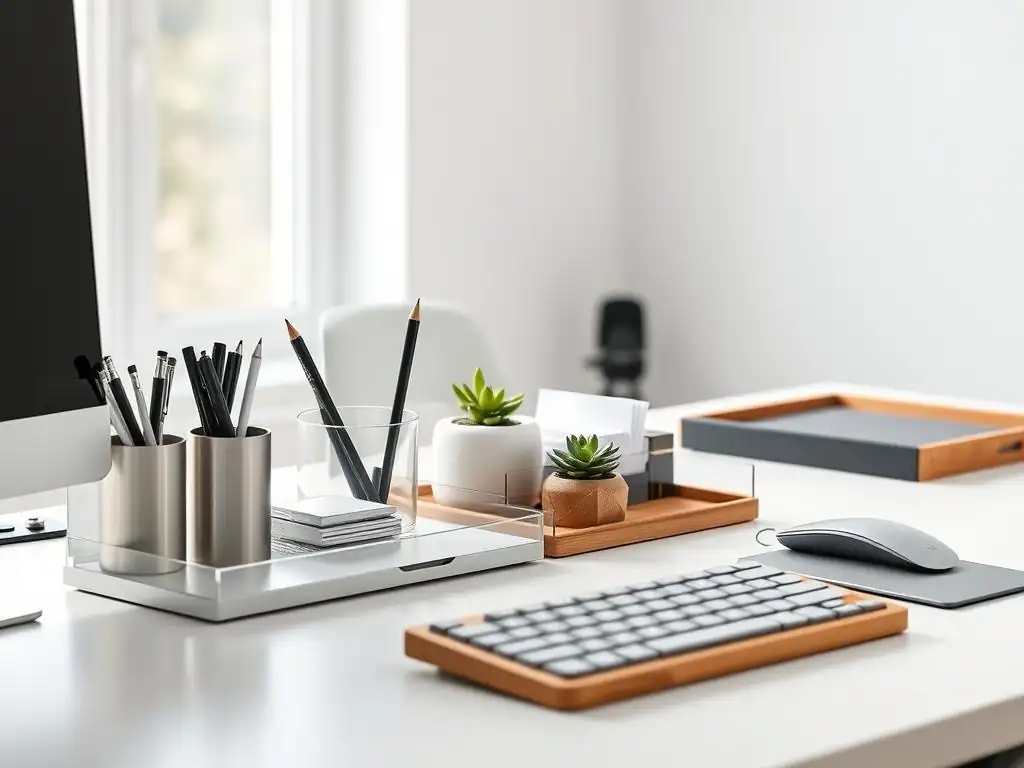
Ready to transform your workspace from chaotic clutter to a haven of productivity? At UltimateLifeHacks, we're dedicated to helping you streamline your life, one clever hack at a time. This obsession with efficiency begins with your desk, and that's why we're diving deep into the world of ergonomic desk organizers. Discover how choosing the best can dramatically impact your focus, comfort, and overall well-being. Read on to uncover the secrets to creating an ergonomic workspace that boosts your productivity and leaves you feeling truly energized.
- Understanding the Need for Ergonomic Desk Organizers
- Types of Ergonomic Desk Organizers: A Comparative Guide
-
Choosing the Right Ergonomic Desk Organizer: A Buying Guide
- Material Matters: Wood, Metal, Plastic - Which is Best for You?
- Size and Scalability: Adapting to Your Changing Needs
- Aesthetics and Style: Integrating Organizers into Your Workspace Design
- Budget-Friendly Options vs. Premium Ergonomic Solutions: A Cost-Benefit Analysis
- Considering Durability and Longevity: Investing in Quality Organizers
-
Top 5 Best Ergonomic Desk Organizers in 2024
- Bamboo Office Organizer: Features, Benefits, and Price
- Adjustable Desktop Drawer Organizer: Features, Benefits, and Price
- Multi-Tiered Mesh Desk Organizer: Features, Benefits, and Price
- Acrylic Desk Organizer with Drawer: Features, Benefits, and Price
- Ergonomic Keyboard Tray with Organizer: Features, Benefits, and Price
- [Product Name 4]: Features, Benefits, and Price
- [Product Name 5]: Features, Benefits, and Price
- Maximizing Your Ergonomic Desk Setup: Beyond Organizers
-
Frequently Asked Questions About Ergonomic Desk Organizers
- How to choose the best size organizer for my desk?
- What materials are best for long-lasting desk organizers?
- Can I combine different types of organizers for a customized setup?
- How much should I expect to spend on ergonomic desk organizers?
- Where can I find more information about ergonomic workspace design?
-
Frequently Asked Questions
- What are the benefits of using ergonomic desk organizers?
- How do I choose the right size and style of desk organizer for my workspace?
- What materials are best for ergonomic desk organizers?
- Are there any specific features to look for in an ergonomic desk organizer?
- Where can I find the best ergonomic desk organizers?
- Final Reflection: Unlocking Productivity Through Ergonomic Design
- Unleash Your Desk's Potential: Organize & Thrive!
Understanding the Need for Ergonomic Desk Organizers
Creating a truly productive and healthy home office hinges on more than just a comfortable chair. The often-overlooked element of ergonomic desk organization plays a crucial role in boosting efficiency, reducing stress, and preventing physical discomfort. This article delves into the world of ergonomic desk organizers, guiding you through the selection process to find the perfect fit for your workspace and workflow.
We'll explore the detrimental effects of desk clutter, the vital connection between organization and ergonomics, and how to identify your individual needs to ensure you choose the best ergonomic desk organizers for your unique situation. Ultimately, the goal is to transform your workspace from a chaotic mess into a haven of calm and productivity, maximizing both your comfort and output. By the end, you'll be equipped with the knowledge to choose organizers that not only look great but also significantly improve your overall well-being and work performance.
Clutter's Impact on Productivity and Well-being
A cluttered desk is more than just an eyesore; it's a productivity killer. Studies have shown a strong correlation between a disorganized workspace and decreased cognitive function. The constant visual distraction of scattered papers, tangled cables, and overflowing drawers leads to increased stress and difficulty concentrating. This mental clutter translates into reduced efficiency, missed deadlines, and even increased error rates.
Furthermore, the physical act of constantly searching for misplaced items contributes to physical strain, potentially leading to musculoskeletal issues like neck pain, back pain, and carpal tunnel syndrome. Imagine the difference: a clean, organized desk allows for a clear mind, fostering focus and reducing the mental load associated with searching for misplaced items. This translates directly to improved productivity and a more positive work experience. The impact is significant, affecting not only your work but also your overall well-being.
The Link Between Desk Organization and Ergonomic Workspace Design
Ergonomics is all about creating a workspace that supports your physical well-being. This goes hand-in-hand with organization. A well-organized desk minimizes unnecessary reaching, twisting, and bending, reducing strain on your body. Strategically placed organizers keep frequently used items within easy reach, promoting a natural posture and reducing the likelihood of repetitive strain injuries.
For example, placing your keyboard and mouse at the correct height and distance, with readily accessible documents and tools, is crucial for preventing discomfort and promoting good posture. Poor desk organization forces awkward movements and compromises your posture, negating the positive effects of an otherwise ergonomic setup. By optimizing your desk organization, you create a synergistic relationship between ergonomics and productivity, leading to a more comfortable and efficient workspace.
Identifying Your Specific Needs: Space, Style, and Workflow
Choosing the best ergonomic desk organizers requires a thoughtful assessment of your individual needs. Consider the following factors:
- Space: How much desk space do you have available? Do you need compact organizers to maximize limited space, or do you have room for larger, more expansive systems? Consider the dimensions of your desk and the amount of storage you require.
- Style: What is the overall aesthetic of your office? Do you prefer sleek and minimalist organizers or more traditional, functional designs? The visual appeal of your desk organizers contributes to your overall workspace satisfaction.
- Workflow: How do you work? What items do you use most frequently? Organizing your desk around your workflow ensures that frequently accessed items are easily accessible, while less frequently used items are stored efficiently and neatly. Consider using different types of organizers to cater to different types of items, such as pen holders, file trays, and drawer dividers. Think about the height and reach of your most used items and place them accordingly.
By carefully considering these aspects, you can select desk organizers that seamlessly integrate with your workspace and support your unique working style and needs, paving the way for a more comfortable, efficient, and productive experience.
Types of Ergonomic Desk Organizers: A Comparative Guide
Choosing the right desk organizer can significantly impact your productivity and overall well-being. The best ergonomic desk organizers are those that cater to your specific needs and work style, promoting a clutter-free and efficient workspace. This guide explores different types of organizers, highlighting their benefits and helping you find the perfect fit for your home office setup. We'll delve into the specifics of maximizing vertical space, incorporating stylish solutions, and cleverly combining ergonomics with organization. Finding the best ergonomic desk organizers is all about understanding your individual requirements and selecting a solution that enhances both your comfort and efficiency.
Drawer Organizers: Maximizing Vertical Space
Drawer organizers are unsung heroes of desk organization. They transform often-neglected drawer space into highly efficient storage solutions. These organizers are particularly useful for individuals who prioritize a clean desktop but still need easy access to frequently used items like stationery, cables, and small tools. The best ergonomic desk organizers of this type often feature adjustable compartments, allowing for customization based on your specific items.
Consider these points when selecting drawer organizers:
- Material: Opt for durable materials like bamboo, plastic, or metal that can withstand daily use. Avoid flimsy materials that might warp or break easily.
- Compartment Size: Ensure the compartments are sized appropriately for your items. Too small, and you'll struggle to fit everything; too large, and you'll lose valuable space.
- Dividers: Adjustable dividers are a must-have for maximizing space and keeping things neatly separated.
- Drawer Size Compatibility: Always measure your drawers before purchasing to ensure a perfect fit.
By strategically utilizing drawer organizers, you can significantly reduce desk clutter, create a more organized workspace, and ultimately boost your productivity. This is a key aspect of achieving the best ergonomic desk organizers setup for your individual needs.
Desktop Organizers: Stylish Solutions for Everyday Essentials
Desktop organizers provide immediate access to frequently used items, keeping your workspace tidy and efficient. Unlike drawer organizers, these are visible and can be a stylish addition to your desk. The best ergonomic desk organizers in this category often prioritize functionality and aesthetics, seamlessly blending into your workspace.
Here are some popular types of desktop organizers:
- Pencil Cups and Holders: Simple yet effective for pens, pencils, and other writing instruments. Look for weighted bases to prevent tipping.
- Multi-Compartment Organizers: These offer dedicated spaces for various items, from paper clips to sticky notes, keeping everything neatly organized.
- Mesh Organizers: These offer good visibility and airflow, preventing items from getting lost or crushed.
- Wooden Organizers: These add a touch of sophistication and warmth to your workspace.
Choosing the right desktop organizer involves considering your personal style and the specific items you need to keep readily accessible. The best ergonomic desk organizers offer a balance of functionality, aesthetics, and ease of use. They should improve, not hinder, your workflow.
Monitor Risers with Built-in Storage: Combining Ergonomics and Organization
Monitor risers are a fantastic way to improve posture and create additional storage space simultaneously. Raising your monitor to eye level reduces neck strain and improves overall ergonomics. The best ergonomic desk organizers frequently incorporate storage compartments or drawers, cleverly using the space beneath the monitor.
Key features to look for in monitor risers with built-in storage:
| Feature | Description | Importance |
|---|---|---|
| Storage Space | Amount of storage provided (drawers, shelves, etc.) | Directly impacts the organizer's capacity to manage clutter. |
| Material | Material used (wood, metal, plastic) | Affects durability, aesthetics, and overall weight capacity. |
| Height Adjustability | Ability to adjust the height of the riser to accommodate different monitor sizes. | Ensures optimal ergonomic positioning for users of varying heights. |
| Weight Capacity | Maximum weight the riser can support without collapsing. | Crucial for supporting heavy monitors and other items placed on the riser. |
| Cable Management | Features designed to organize and hide cables. | Improves overall desk tidiness and prevents tangled cords. |
By choosing a monitor riser with built-in storage, you effectively address two key aspects of a productive workspace: ergonomics and organization. This type of organizer often ranks highly among the best ergonomic desk organizers due to its dual functionality and space-saving design. It's a prime example of how smart design can improve both your health and your workflow.
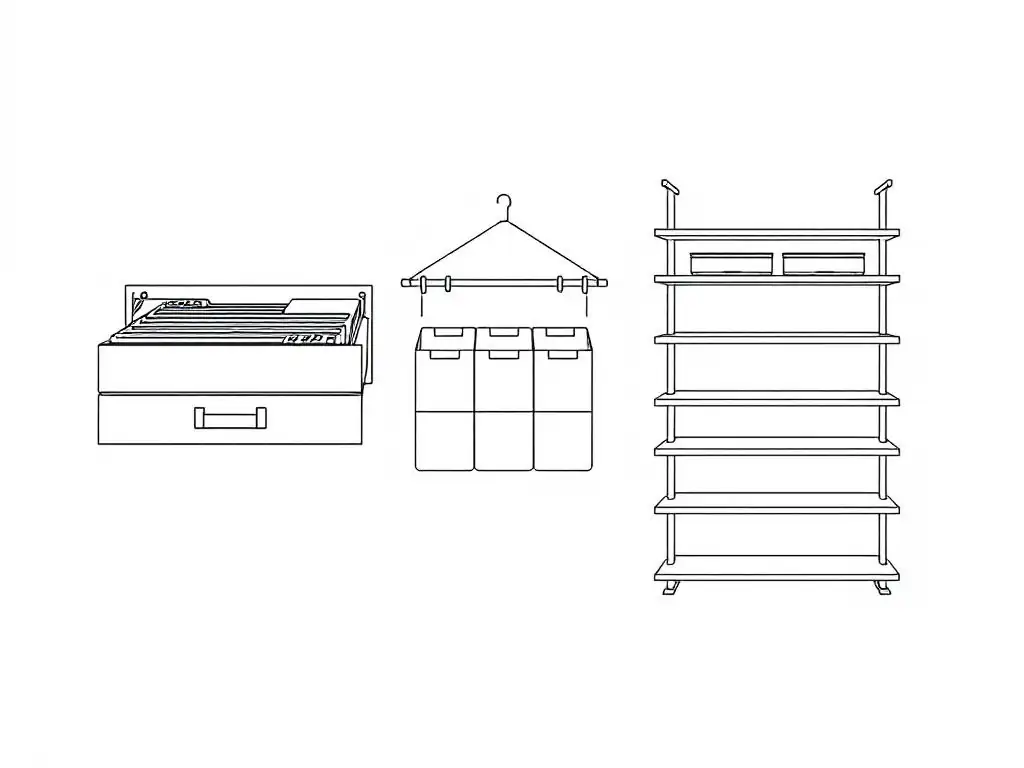
Under-desk organizers are a fantastic way to maximize your workspace and keep clutter at bay. These organizers cleverly utilize the often-neglected space beneath your desk, freeing up valuable surface area for more important tasks. They come in a variety of designs, from simple sliding drawers to complex multi-tiered systems. The best choice for you will depend on your specific needs and the amount of storage you require.
Consider the size and shape of your desk when choosing an under-desk organizer. A large, L-shaped desk will offer more flexibility in terms of organizer size and placement than a smaller, rectangular one. Think about the types of items you need to store – are you mostly dealing with paperwork, stationery, or electronics? Organizers with dedicated compartments for specific items are ideal for maintaining order and easy access. For example, an organizer with slots for pens and pencils, drawers for larger items, and a cable management system can dramatically improve your desk's organization.
Many under-desk organizers are designed with ergonomic principles in mind. They often feature adjustable shelves or drawers, allowing you to customize the height and placement of your items to reduce strain on your neck, back, and shoulders. Some models even include built-in keyboard trays or monitor stands, further enhancing your ergonomic setup. Remember to choose an organizer that allows for comfortable legroom; you don't want to impede your movement or circulation while working.
Investing in a quality under-desk organizer can significantly improve your workflow and create a more comfortable and efficient work environment. It's a simple yet highly effective way to optimize your desk setup and enhance productivity. The best ergonomic desk organizers often incorporate these features, maximizing both space and comfort.
Wall-Mounted Organizers: Space-Saving Solutions for Small Offices
Wall-mounted organizers provide a stylish and efficient solution for those with limited desk space. These organizers hang directly on the wall, freeing up valuable desktop real estate and creating a cleaner, more organized workspace. They're particularly beneficial in small offices or home offices where space is at a premium. The variety of designs available ranges from simple floating shelves to sophisticated multi-functional units with integrated charging stations and cable management systems.
The key to choosing the right wall-mounted organizer is considering your storage needs and the available wall space. Measure your wall carefully to ensure the organizer fits comfortably and doesn't obstruct any doors or windows. Think about the weight capacity of the organizer, especially if you plan to store heavier items like books or electronics. Look for organizers made from durable materials that can withstand daily use. Some organizers offer customizable configurations, allowing you to adjust the shelves or compartments to suit your specific needs. This flexibility is essential for adapting to changing storage requirements over time.
Furthermore, consider the aesthetic appeal of the organizer. It should complement your existing office décor and create a visually pleasing workspace. Wall-mounted organizers are available in various styles, colors, and materials, allowing you to find one that perfectly matches your taste and office environment. By utilizing vertical space, wall-mounted organizers offer a practical and visually appealing way to improve your desk organization. They represent a smart investment for those seeking to maximize space and enhance the overall ergonomics of their workspace—a true asset in the quest for the best ergonomic desk organizers.
Choosing the Right Ergonomic Desk Organizer: A Buying Guide
This section dives deep into the crucial factors to consider when selecting the best ergonomic desk organizers for your workspace. Finding the perfect organizer isn't just about tidiness; it's about optimizing your posture, reducing strain, and boosting overall productivity. We'll explore key aspects to ensure your choice enhances, not hinders, your ergonomic setup. Remember, the goal is to create a workspace that promotes comfort and efficiency.
Material Matters: Wood, Metal, Plastic - Which is Best for You?
The material of your desk organizer significantly impacts its durability, aesthetic appeal, and even its ergonomic properties. Let's break down the pros and cons of popular choices:
- Wood: Wooden organizers offer a classic, sophisticated look. They're often sturdy and durable, capable of withstanding daily wear and tear. However, wood can be susceptible to scratches and water damage, requiring more careful maintenance. The weight of a wooden organizer can also be a factor to consider, especially if you frequently rearrange your desk setup. Solid wood options are generally more expensive, but offer superior quality and longevity.
- Metal: Metal organizers, particularly those made from steel or aluminum, boast exceptional durability and resilience. They are resistant to scratches and dents, and can easily handle heavier items. The sleek, modern aesthetic of metal organizers complements many workspace styles. However, metal can be cold to the touch and potentially noisy if items are frequently moved around. Furthermore, some metal organizers might be heavier than their plastic or wooden counterparts.
- Plastic: Plastic organizers are generally the most affordable option. They come in a vast array of colors and designs, providing flexibility for customization. Plastic is lightweight and easy to clean, making it a practical choice for many. However, plastic organizers tend to be less durable than wood or metal, and can be prone to cracking or breaking under stress. Furthermore, some plastics might not be as environmentally friendly as other materials.
Consider the following table summarizing the key differences:
| Material | Durability | Aesthetics | Price | Weight | Maintenance |
|---|---|---|---|---|---|
| Wood | High | Classic, Sophisticated | High | High | Moderate |
| Metal | Very High | Modern, Sleek | Moderate | Moderate | Low |
| Plastic | Low | Varied | Low | Low | Low |
Choosing the right material depends entirely on your priorities. If durability and a premium look are paramount, wood or metal might be the better choice. If budget and ease of maintenance are key considerations, plastic could be suitable.
Size and Scalability: Adapting to Your Changing Needs
The size and scalability of your desk organizer are critical for long-term ergonomic comfort. A poorly sized organizer can lead to awkward reaching, straining your neck and shoulders. Consider these points:
- Desk Space: Before purchasing, meticulously measure your available desk space. Choose an organizer that fits comfortably without overcrowding your work area. Leaving sufficient room for your keyboard, mouse, and other essential tools is crucial for maintaining a comfortable and efficient workflow.
- Item Quantity: Assess the number of items you need to organize. Select an organizer with enough compartments and storage space to accommodate everything without causing clutter or forcing you to stack items precariously.
- Future Needs: Think about your potential future needs. Will your workload increase? Will you acquire new tools or equipment? Consider purchasing a modular or expandable organizer that can adapt to your evolving requirements. This prevents the need to replace the organizer entirely as your needs change. Scalability is a key aspect of long-term ergonomic optimization.
Proper sizing ensures that you maintain a neutral posture while reaching for items, minimizing strain and promoting comfort.
Aesthetics and Style: Integrating Organizers into Your Workspace Design
An ergonomic desk organizer shouldn't just be functional; it should also enhance the visual appeal of your workspace. Consider these factors:
- Color Palette: Choose an organizer whose color complements your existing desk and office decor. A cohesive color scheme creates a more harmonious and calming work environment. Consider neutral colors like black, white, or gray for a versatile option.
- Design Style: Select a design that matches your personal style and preferences. Whether you prefer minimalist, modern, rustic, or traditional aesthetics, ensure the organizer seamlessly integrates into your overall workspace design. A visually pleasing workspace can significantly improve mood and productivity.
- Material Finish: The finish of the organizer's material also contributes to its aesthetic appeal. A smooth, polished finish can create a more sophisticated look, while a natural wood grain can add warmth and character. Consider which finish best complements your existing workspace aesthetic.
Remember, your workspace should inspire you. By carefully considering both functionality and aesthetics, you can create a truly ergonomic and visually appealing desk setup that promotes productivity and well-being. The best ergonomic desk organizers are those that blend seamlessly into your workspace, optimizing both function and form.
Choosing the right ergonomic desk organizer often involves navigating a spectrum of prices. Budget-friendly options, readily available at most office supply stores, typically offer basic functionality. These might include simple plastic trays, mesh organizers, or inexpensive wooden boxes. While they can certainly improve desk organization, their materials might be less durable, and their ergonomic design features, if any, are usually minimal. Think of them as a quick fix, offering immediate improvement but potentially requiring replacement sooner rather than later. The initial cost is low, but the long-term cost, considering replacements, might negate the initial savings.
Premium ergonomic solutions, on the other hand, represent a significant investment upfront. These organizers often boast superior materials like high-quality wood, sturdy metal, or reinforced plastics. They also incorporate thoughtful ergonomic design features such as adjustable compartments, angled surfaces to reduce wrist strain, and ergonomic pencil holders designed to prevent awkward hand positions. The benefits extend beyond mere organization; they actively promote better posture and reduce the risk of repetitive strain injuries (RSI).
While the initial cost is higher, the longevity and health benefits can make them a worthwhile investment in the long run. Consider the total cost of ownership: a premium organizer lasting five years versus replacing several cheaper ones during the same period. The return on investment for a high-quality organizer is often higher, particularly considering potential healthcare costs associated with untreated RSI.
Considering Durability and Longevity: Investing in Quality Organizers
Durability and longevity are key factors when selecting an ergonomic desk organizer. A poorly constructed organizer might break down quickly, rendering your investment useless and potentially even creating more clutter if it needs to be replaced frequently. Investing in a high-quality organizer translates to long-term savings and peace of mind. Look for organizers made from robust materials like solid wood, heavy-gauge steel, or high-impact plastics.
Avoid flimsy plastic organizers, which are prone to cracking and warping over time. The construction should be solid, with sturdy joints and well-secured components. Check for features such as reinforced corners and edges to withstand daily wear and tear.
Furthermore, consider the organizer's finish. A durable finish, whether it's a powder coating on metal or a high-quality varnish on wood, will protect the organizer from scratches, stains, and general wear. This not only enhances the organizer's appearance but also extends its lifespan. Read reviews from other users to gauge the actual durability of different organizers.
Look for comments mentioning longevity and resistance to damage. By considering durability and longevity upfront, you can select an organizer that will serve you well for years to come, offering a better return on your investment and contributing to a more efficient and comfortable workspace. This also reduces the environmental impact associated with frequent replacements.
Top 5 Best Ergonomic Desk Organizers in 2024
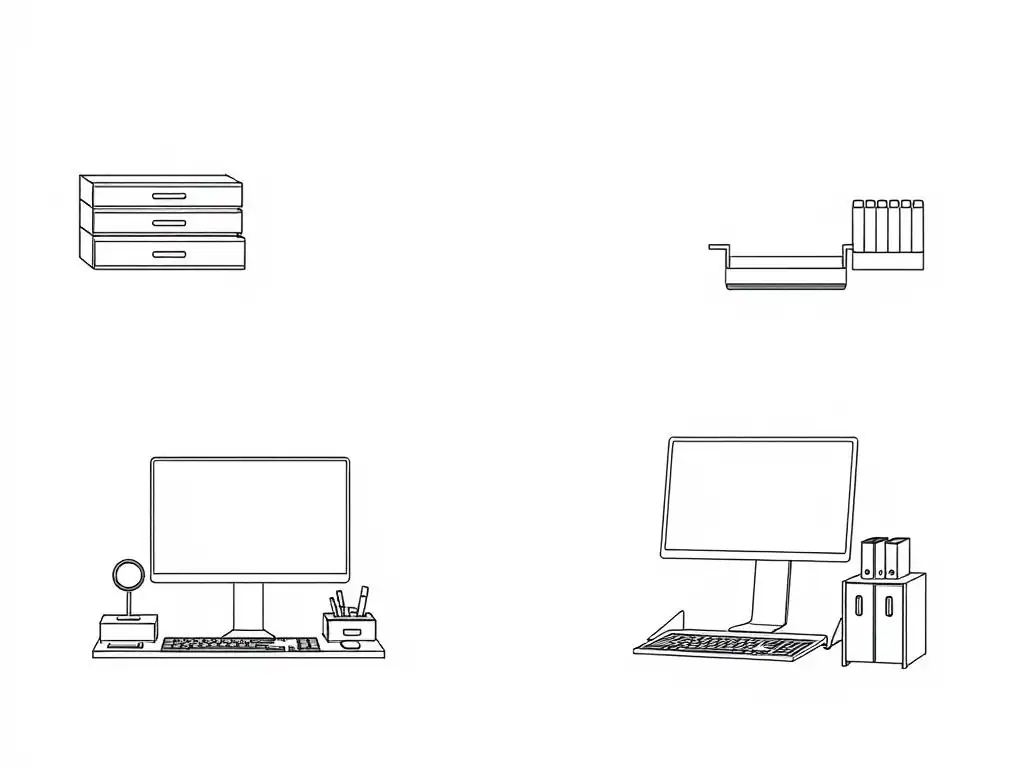
This section dives deep into five of the best ergonomic desk organizers available in 2024, focusing on their features, benefits, and pricing to help you find the perfect fit for your workspace. We've considered factors like adjustability, material quality, storage capacity, and overall ergonomic design to curate this list, helping you achieve best ergonomic desk organizers status in your home office.
Bamboo Office Organizer: Features, Benefits, and Price
This stylish and sustainable bamboo organizer offers a blend of elegance and practicality. Its multiple compartments are perfectly sized for pens, pencils, sticky notes, and other stationery essentials. The natural bamboo material adds a touch of warmth to any workspace while promoting a healthier, chemical-free environment. The open design promotes airflow, preventing the build-up of dust and keeping your desk feeling fresh.
- Features: Multiple compartments of varying sizes, durable bamboo construction, sleek design.
- Benefits: Promotes organization, enhances desk aesthetics, eco-friendly material, durable and long-lasting.
- Price: $[Price range pending] - Prices vary depending on size and retailer.
Adjustable Desktop Drawer Organizer: Features, Benefits, and Price
This versatile organizer boasts adjustable compartments, allowing you to customize the space to perfectly fit your specific needs. Whether you have a large collection of pens or prefer to dedicate more space to your phone and tablet, this organizer adapts to your preferences. The drawers provide a clean and tidy way to store items, keeping your desk surface clutter-free. The smooth-gliding drawers ensure easy access to your essentials without disrupting your workflow.
- Features: Adjustable compartments, smooth-gliding drawers, sturdy construction.
- Benefits: Highly customizable, keeps desk surface clear, maximizes storage space, easy access to items.
- Price: $[Price range pending] – Prices vary depending on the number of drawers and material.
Multi-Tiered Mesh Desk Organizer: Features, Benefits, and Price
This multi-tiered mesh organizer is ideal for maximizing vertical space. Its open design allows for easy visibility of your items, while the mesh construction ensures good airflow and prevents the accumulation of dust. The multiple tiers allow for the organization of various items, from stationery to files and even small electronics. The mesh material is lightweight yet durable, offering a long-lasting solution for desk organization.
- Features: Multiple tiers, mesh construction for ventilation, lightweight yet durable.
- Benefits: Maximizes vertical space, improves visibility, promotes airflow, durable and long-lasting.
- Price: $[Price range pending] – Prices vary depending on size and number of tiers.
Acrylic Desk Organizer with Drawer: Features, Benefits, and Price
For a modern and minimalist look, this acrylic organizer is a fantastic choice. Its transparent design adds a clean and sophisticated aesthetic to your workspace while keeping your essentials within easy reach. The inclusion of a drawer provides discreet storage for items you want to keep hidden, keeping your desk looking tidy and professional. Acrylic is also easy to clean, ensuring your organizer remains pristine.
- Features: Transparent acrylic construction, sleek design, included drawer for private storage.
- Benefits: Modern and stylish, easy to clean, provides discreet storage, enhances desk aesthetics.
- Price: $[Price range pending] – Prices vary depending on size and features.
Ergonomic Keyboard Tray with Organizer: Features, Benefits, and Price
This innovative product combines a comfortable keyboard tray with integrated storage. The adjustable height and tilt of the tray promote proper posture and reduce strain on your wrists and neck. The built-in organizer provides space for pens, a phone, and other small items, keeping everything within easy reach while maintaining an ergonomic setup. This is a great option for those seeking to improve both their posture and desk organization.
- Features: Adjustable height and tilt, integrated organizer, comfortable keyboard rest.
- Benefits: Improves posture, reduces strain, keeps essentials close at hand, combines ergonomics and organization.
- Price: $[Price range pending] – Prices vary based on features and adjustability.
This selection offers a range of styles and functionalities to suit diverse needs and preferences when searching for the best ergonomic desk organizers. Remember to consider your personal workspace and specific requirements when making your choice. Choosing the right organizer can significantly improve your productivity and overall well-being. 🎉
[Product Name 4]: Features, Benefits, and Price
The [Product Name 4] ergonomic desk organizer stands out for its innovative design and practical functionality. This organizer prioritizes cable management, a frequent pain point for many home office setups. Its tiered design allows for the separation of various items, preventing clutter and promoting a more organized workspace. The sleek, minimalist aesthetic complements most modern office décor.
One of its key features is the integrated cable management system. This system utilizes cleverly placed slots and channels to neatly conceal power cords, USB cables, and other wires, eliminating visual clutter and preventing tangled messes. This not only improves the overall appearance of your workspace but also helps to prevent accidents and tripping hazards. Furthermore, the [Product Name 4] organizer is constructed from high-quality, durable materials, ensuring longevity and resistance to wear and tear. The sturdy construction ensures that the organizer can comfortably support a variety of items without bending or warping.
Beyond the cable management, the [Product Name 4] offers ample storage space. Multiple compartments of varying sizes accommodate everything from pens and pencils to staplers and sticky notes. This thoughtful compartmentalization allows for efficient organization of frequently used items, minimizing the time spent searching for specific tools. The tiered design also maximizes vertical space, making it a space-saving solution for smaller desks.
The price point for the [Product Name 4] is competitive within the market for high-quality ergonomic desk organizers. While the exact price may vary depending on the retailer and any ongoing promotions, it generally falls within the [Price Range] bracket, representing excellent value for its features and benefits. Considering its durability, functionality, and aesthetic appeal, the [Product Name 4] is a strong contender for the title of "best ergonomic desk organizer."
[Product Name 5]: Features, Benefits, and Price
The [Product Name 5] presents a unique approach to ergonomic desk organization, focusing on modularity and customization. Unlike many single-unit organizers, the [Product Name 5] allows users to build their ideal setup by combining different sized modules. This flexibility is particularly beneficial for individuals with varying organizational needs or those who require a solution that can adapt to changing workloads. The modular design also allows for easy expansion or contraction of the organizer as your needs evolve.
One of the most significant advantages of the [Product Name 5] is its adaptability. The individual modules can be arranged and rearranged to create a personalized configuration that perfectly fits your workspace and workflow. This customizable nature allows the organizer to seamlessly integrate into any office environment, regardless of size or layout. Each module is designed with ergonomic principles in mind, ensuring that frequently accessed items are within easy reach, reducing unnecessary strain and promoting better posture. The modules are also constructed from sustainable and eco-friendly materials, aligning with environmentally conscious office practices.
Beyond its modularity, the [Product Name 5] offers several practical features. Many modules include built-in compartments for pens, pencils, and other small items. Some modules even offer specialized compartments for larger items such as notebooks, tablets, or even small electronics. The use of high-quality materials ensures durability, while the sleek and modern design enhances the overall aesthetic of your workspace. The system also promotes better cable management through cleverly designed slots and channels, keeping wires organized and out of sight.
The [Product Name 5] sits in the [Price Range] price bracket, representing a considerable investment but one justified by its versatility and long-term benefits. While the initial cost might be higher compared to some single-unit organizers, the modularity and adaptability make it a worthwhile investment for those seeking a long-lasting and customizable solution for their ergonomic desk organization needs. Its focus on customization and user experience makes it a leading contender for the best ergonomic desk organizer title.
Maximizing Your Ergonomic Desk Setup: Beyond Organizers
This section delves into the crucial elements of an ergonomic workspace that extend beyond simply choosing the best ergonomic desk organizers. While organizers are essential for decluttering and improving workflow, a truly ergonomic setup considers the holistic impact of your chair, monitor, and input devices on your posture and overall well-being. Optimizing these aspects is key to maximizing productivity and minimizing the risk of long-term health issues associated with prolonged desk work.
Investing in the right equipment and arranging it correctly can significantly improve comfort and efficiency, making your workday more enjoyable and less physically taxing. Let's explore some key considerations.
Ergonomic Chairs and Their Impact on Posture
The foundation of any ergonomic workspace is a supportive and adjustable ergonomic chair. A poorly designed chair can lead to poor posture, back pain, and neck strain, negating the benefits of even the best desk organizers. Look for chairs with adjustable features like lumbar support, seat height, armrests, and tilt. These adjustments allow you to customize the chair to your specific body type and preferences, ensuring proper spinal alignment and reducing pressure points.
Consider these features when choosing an ergonomic chair:
- Lumbar Support: This crucial feature provides support for the natural curve of your lower back, preventing slouching and reducing strain. Look for chairs with adjustable lumbar support to fine-tune the level of support.
- Adjustable Seat Height: Ensuring your feet are flat on the floor and your thighs are parallel to the ground is vital for proper posture. Adjustable seat height allows you to achieve this crucial balance.
- Armrests: Adjustable armrests can help support your forearms and reduce shoulder tension. However, ensure they don't interfere with your keyboard and mouse placement.
- Tilt Adjustment: The ability to recline slightly can help reduce pressure on your spine and improve comfort during long periods of sitting.
Choosing the right ergonomic chair is a significant investment in your health and productivity. Don't underestimate the impact a poorly chosen chair can have on your well-being. Prioritize comfort and adjustability to ensure your chair actively supports your health. Investing in a quality ergonomic chair can significantly reduce the risk of long-term musculoskeletal problems.
Proper Monitor Placement for Optimal Viewing
Monitor placement is another critical aspect of ergonomic desk setup often overlooked. Incorrect monitor placement can lead to eye strain, neck pain, and headaches. The goal is to position your monitor so your eyes are level with the top of the screen, minimizing the need to crane your neck. This reduces strain on your neck and shoulders, promoting better posture and reducing discomfort.
Here's a breakdown of best practices:
- Eye Level: The top of your monitor should be at or slightly below eye level. This prevents you from looking up or down for extended periods, reducing neck strain.
- Arm's Length: The monitor should be an arm's length away to reduce eye strain. This distance helps minimize focusing effort and prevents eye fatigue.
- Avoid Glare: Position your monitor to minimize glare from windows or overhead lights. Consider using an anti-glare screen protector if necessary.
- Multiple Monitors: If using multiple monitors, arrange them to minimize head and neck movement. A slightly curved arrangement can be more comfortable than a straight line.
By following these guidelines, you can significantly reduce eye strain and neck pain, improving both your comfort and productivity. Remember, even the best ergonomic desk organizers won't compensate for a poorly positioned monitor.
Keyboard and Mouse Placement for Reduced Strain
The placement of your keyboard and mouse is crucial for preventing repetitive strain injuries (RSIs) like carpal tunnel syndrome. Proper placement ensures your wrists remain straight and your forearms are supported, minimizing strain and promoting comfort.
Key considerations for optimal placement include:
- Neutral Wrist Position: Keep your wrists straight and avoid bending them upwards or downwards. Use a wrist rest if necessary, but ensure it doesn't force your wrists into an unnatural position.
- Elbow Angle: Your elbows should be bent at approximately 90 degrees while typing. This helps maintain a neutral posture and reduces strain on your shoulders and wrists.
- Keyboard Height: The keyboard should be at a height that allows your elbows to be bent at the optimal 90-degree angle. Consider using a keyboard tray if necessary.
- Mouse Placement: Position the mouse close to the keyboard to minimize reaching and strain. Avoid excessive reaching or twisting your wrist to operate the mouse.
Implementing these simple adjustments can significantly reduce the risk of RSIs and improve your overall comfort during extended periods of computer use. Remember, a well-organized desk is only part of the equation; proper posture and equipment placement are equally crucial for achieving ergonomic bliss. Prioritizing these elements ensures a productive and healthy workday.
Lighting Solutions for a Comfortable Workspace
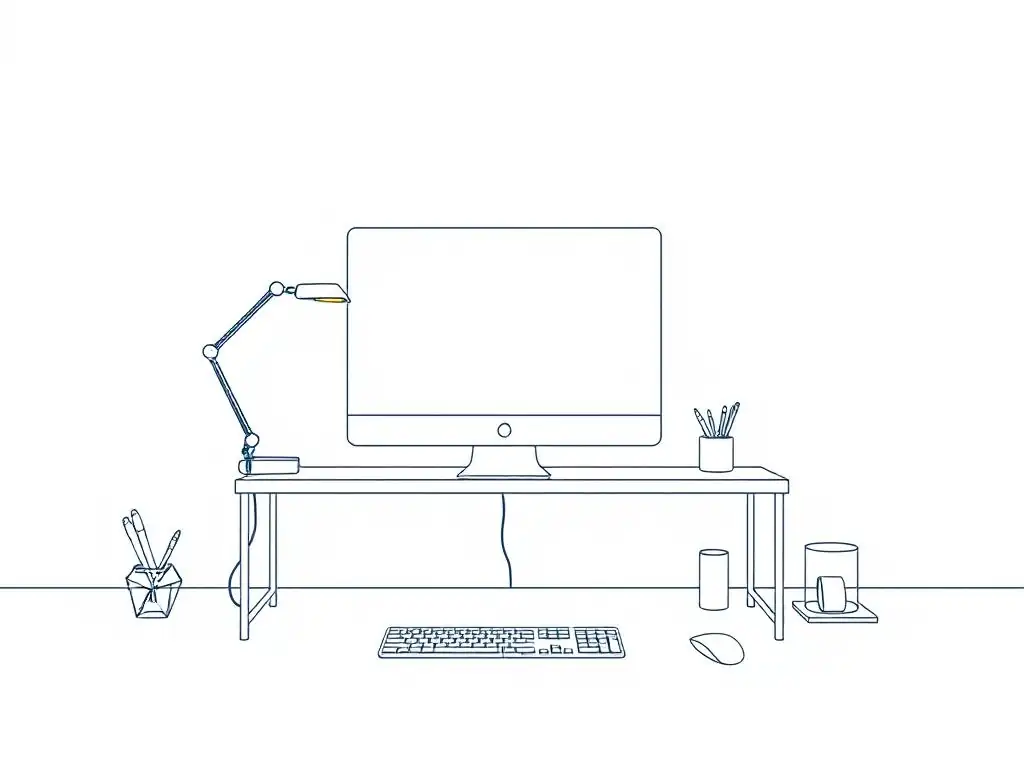
Proper lighting is crucial for maintaining a comfortable and productive ergonomic workspace. Poor lighting can lead to eye strain, headaches, and decreased productivity. Investing in the right lighting solutions is a key aspect of optimizing your setup, often overlooked in favor of solely focusing on desk organizers. Consider these factors when choosing your lighting:
- Natural Light: Maximize natural light by positioning your desk near a window. However, avoid direct sunlight, which can be harsh and cause glare on your screen. Sheer curtains or blinds can help diffuse the light effectively. The ideal scenario is soft, indirect natural light.
- Task Lighting: A desk lamp is essential for focused work. Choose a lamp with an adjustable arm and a cool-white or daylight-balanced bulb (around 5000K) to minimize eye strain. Avoid overly warm-toned bulbs which can make it harder to focus. The intensity of the light should be adjustable to suit your needs throughout the day. Consider a lamp with a built-in dimmer switch for ultimate control.
- Ambient Lighting: Ambient lighting provides overall illumination to the room, creating a more relaxed atmosphere. This can be achieved through overhead lighting, floor lamps, or even strategically placed wall sconces. The key is to create a balanced lighting scheme where the ambient light complements the task lighting without competing with it. Aim for a soft, even light that doesn't create harsh shadows.
- Color Temperature: The color temperature of your light source affects your mood and productivity. Cool-white light (5000-6500K) is generally best for work, promoting alertness and focus. However, incorporating warmer tones (2700-3000K) in the ambient lighting can help create a more relaxing environment after work hours. Experiment to find the balance that best suits your preferences and work style.
Additional Productivity Hacks for an Optimized Workspace
Beyond ergonomic desk organizers and lighting, several other productivity hacks can significantly enhance your workspace. These small changes can have a surprisingly large impact on your overall efficiency and well-being:
- Regular Breaks: Incorporating short, regular breaks into your workday is essential to prevent burnout and maintain focus. The Pomodoro Technique, involving 25 minutes of focused work followed by a 5-minute break, is a popular and effective method. During these breaks, stand up, stretch, or take a short walk to improve circulation and reduce physical strain. This contributes to a more ergonomic setup by preventing prolonged static postures.
- Plant Life: Adding plants to your workspace can improve air quality and reduce stress levels. Studies have shown that exposure to nature can boost creativity and productivity. Choose low-maintenance plants that thrive in indoor environments. The visual appeal alone can have a positive impact on your mood and work environment.
- Personalized Touches: Personalize your workspace with items that inspire and motivate you. This could include photos of loved ones, inspirational quotes, or small decorative items. A personalized space helps create a more comfortable and inviting atmosphere, making you more likely to enjoy spending time there. The happiness factor is an often-underestimated element of productivity.
- Noise Management: Minimize distractions by controlling noise levels in your workspace. This could involve using noise-canceling headphones, playing calming background music, or simply closing your door to minimize interruptions. A quiet and focused environment is essential for maintaining concentration and boosting productivity. Consider the acoustic properties of your workspace when optimizing your setup for maximum efficiency. This is an often-neglected aspect of ergonomic design.
- Hydration and Nutrition: Keep a water bottle nearby and take regular sips throughout the day to stay hydrated. Having healthy snacks readily available can prevent energy slumps and maintain focus. Proper hydration and nutrition are fundamental to physical and mental well-being, contributing indirectly but significantly to your productivity.
Frequently Asked Questions About Ergonomic Desk Organizers
This section addresses common queries regarding the selection and utilization of ergonomic desk organizers, helping you optimize your workspace for maximum productivity and comfort. Finding the best ergonomic desk organizers for your needs involves careful consideration of several factors. Let's delve into the specifics.
How to choose the best size organizer for my desk?
Choosing the right size desk organizer is crucial for maximizing space and minimizing clutter. Too small, and you'll still feel disorganized; too large, and it will overwhelm your workspace. The ideal size depends heavily on your desk dimensions and the amount of stuff you need to store.
Before purchasing, measure your desk's surface area. Consider the available space after accounting for your computer, laptop, keyboard, and other essential equipment. Then, assess your organizational needs. Do you primarily need storage for pens, paperclips, and sticky notes? Or do you require larger compartments for files, notebooks, and other larger items?
Think practically. A large, multi-compartment organizer might seem ideal, but if it consumes a significant portion of your desk, rendering it cramped, it's counterproductive. Conversely, a tiny organizer might not offer sufficient storage. Consider your workflow. Do you frequently access certain items? If so, place those in easily accessible compartments within closer reach.
Here's a helpful table to guide your decision:
| Desk Size (approx.) | Recommended Organizer Size | Suitable for |
|---|---|---|
| Small (under 48" wide) | Small to medium (under 18" wide) | Pens, paperclips, sticky notes, small electronics |
| Medium (48"-60" wide) | Medium to large (18"-24" wide) | Pens, paperclips, sticky notes, small electronics, files, notebooks |
| Large (over 60" wide) | Large (over 24" wide) or multiple smaller organizers | Extensive storage needs, multiple projects, large document organization |
Remember, it's better to err on the side of slightly smaller than too large, especially if you are unsure. You can always add another organizer later if needed. Prioritize functionality and ease of access over sheer size.
What materials are best for long-lasting desk organizers?
Durability and longevity are key factors when investing in ergonomic desk organizers. The material significantly impacts the organizer's lifespan and resistance to wear and tear. Several materials stand out for their robustness and aesthetic appeal.
- Solid Wood: Offers exceptional durability and a classic, sophisticated look. Solid wood organizers are typically more expensive but provide lasting value. They can withstand daily use and even accidental bumps without damage. However, they are heavier and less portable.
- Metal (Steel or Aluminum): Metal organizers are renowned for their strength and resilience. Steel is particularly durable, resisting dents and scratches. Aluminum offers a lighter-weight alternative with a modern aesthetic. Metal organizers are easy to clean and maintain.
- High-Quality Plastic: While not as durable as wood or metal, high-quality plastic organizers can provide a cost-effective solution. Look for organizers made from sturdy plastics, such as ABS or polypropylene, which offer better resistance to cracking and breakage. Choose thicker plastics for enhanced durability.
- Bamboo: A sustainable and attractive option, bamboo organizers combine durability with a natural aesthetic. They're relatively lightweight and offer a good balance between cost and longevity.
The best material ultimately depends on your budget, aesthetic preferences, and the intensity of your daily use. Consider the trade-offs between cost, durability, and weight when making your selection. Investing in a high-quality organizer, regardless of the material, will save you money in the long run by preventing frequent replacements.
Can I combine different types of organizers for a customized setup?
Absolutely! Combining different types of organizers is a fantastic way to create a truly customized and efficient workspace tailored to your specific needs. This approach allows you to address various organizational challenges in a flexible and adaptable manner.
Think of it like building with LEGOs; each organizer is a different brick, and you can combine them to create the perfect structure. For example, you might use a large drawer organizer for storing stationery and frequently used items, while a smaller tray organizer holds your phone and other small essentials. A vertical file organizer could complement the setup for storing important documents.
This approach offers several advantages:
- Flexibility: Adapt to changing needs easily. Add or remove organizers as your requirements evolve.
- Customization: Create a workspace that perfectly mirrors your workflow and preferences.
- Efficiency: Strategically place organizers to optimize access to frequently used items.
- Aesthetic Appeal: Combine different materials and styles to create a visually pleasing and functional workspace.
Consider using a combination of organizers with varying sizes, materials, and functionalities to create a truly personalized and efficient workspace. Don't be afraid to experiment and find the perfect combination for your individual needs. The key is to maintain a balance between functionality and aesthetics for a truly optimized and enjoyable workspace.
How much should I expect to spend on ergonomic desk organizers?
The cost of ergonomic desk organizers varies wildly depending on several factors. Material is a major player; high-quality bamboo or solid wood organizers will naturally command a higher price than plastic or metal options. Expect to pay anywhere from $20 to $200 or more for a single organizer. A simple pen holder might fall at the lower end of this spectrum, while a comprehensive modular system capable of holding multiple devices and substantial paperwork could easily reach the higher end.
The size and complexity of the organizer also significantly impact the price. Larger, more intricate systems designed to manage a significant amount of equipment will be considerably more expensive than smaller, simpler solutions. Finally, the brand reputation and any included features (like built-in charging ports or cable management systems) will influence the final cost. Ultimately, the "best" investment depends on your individual needs and budget.
Consider your workspace, the amount of clutter you need to manage, and your preferred materials when budgeting for ergonomic desk organizers. Prioritize quality over quantity if you want a long-lasting and effective solution. Investing in a higher-quality organizer upfront can often save you money in the long run by preventing the need to replace cheaper alternatives frequently.
Where can I find more information about ergonomic workspace design?
Beyond the specifics of desk organizers, creating a truly ergonomic workspace involves considering many interconnected factors. Numerous resources offer comprehensive guidance on ergonomic workspace design. Professional organizations dedicated to ergonomics, such as the Human Factors and Ergonomics Society, often provide valuable research and publications. Their websites frequently feature articles, guidelines, and even webinars on various aspects of ergonomic workspace setup.
Additionally, many reputable websites and blogs focus on workplace ergonomics, offering practical advice and product reviews. These sources often cover a wide range of topics, from proper chair selection and monitor placement to keyboard and mouse positioning and the overall layout of your work area. Government agencies, such as the Occupational Safety and Health Administration (OSHA), also provide valuable information and resources on workplace safety, including recommendations for ergonomic best practices. These resources often offer free guides and pamphlets, making them easily accessible to anyone seeking to improve their workspace setup.
Finally, books and journals dedicated to ergonomics and workplace health provide a wealth of in-depth information for those seeking a deeper understanding of the subject. These varied resources, from professional societies to government agencies and online publications, offer a wealth of information to aid you in designing an ergonomic workspace that promotes comfort, productivity, and long-term health. Remember to tailor the information to your specific needs and physical characteristics.
Frequently Asked Questions
What are the benefits of using ergonomic desk organizers?
Using ergonomic desk organizers significantly improves workspace efficiency. They promote better posture by keeping frequently used items within easy reach, reducing strain and improving comfort. This leads to increased productivity and reduced risk of injury.
How do I choose the right size and style of desk organizer for my workspace?
Consider the size of your desk and the amount of storage you need. Measure your available space before purchasing. Choose a style that complements your existing décor and workflow, whether it's a sleek minimalist design or a more traditional setup.
What materials are best for ergonomic desk organizers?
Durable and easy-to-clean materials are ideal. Look for organizers made from high-quality materials such as wood, metal, or durable plastics. Consider the overall aesthetic and how well the material will withstand daily use.
Are there any specific features to look for in an ergonomic desk organizer?
Yes, consider features like adjustable compartments, drawer pulls for easy access, and non-slip surfaces to prevent items from sliding around. Think about how these features can improve your workflow and comfort.
Where can I find the best ergonomic desk organizers?
Many online retailers and office supply stores offer a wide selection. Websites like Amazon and specialized office supply stores are great places to start your search. Reading customer reviews can help you determine the quality and effectiveness of different organizers.
Final Reflection: Unlocking Productivity Through Ergonomic Design
The quest for the perfect ergonomic workspace isn't just about comfort; it's about unlocking peak productivity and well-being. A well-organized desk, free from clutter and designed with mindful ergonomics, translates directly into increased focus, reduced stress, and a more enjoyable work experience. This is more crucial than ever in our increasingly digital and demanding world.
The impact of a thoughtfully designed workspace extends far beyond personal efficiency. It speaks to a larger cultural shift towards prioritizing well-being in the workplace. We're moving away from the image of the perpetually stressed, overwhelmed worker buried under piles of paperwork, towards a more holistic approach that values both productivity and health. The details are not the details. They make the design.
– Charles Eames. This quote perfectly encapsulates the importance of seemingly small choices, like selecting the right desk organizer, in creating a truly effective and fulfilling work environment.
Now, consider your own workspace. What small changes could you implement today to improve its ergonomics and organization? Perhaps it's investing in a new cable management system, decluttering your desk drawers, or simply rearranging your monitor to a more comfortable height. Take a moment to reflect on how these seemingly minor adjustments can significantly impact your daily experience and overall well-being. Embrace the power of ergonomic design – your future self will thank you.
Unleash Your Desk's Potential: Organize & Thrive!
Thank you for exploring the world of ergonomic desk organization! We hope you found practical tips to boost your productivity and well-being. Now, let's put that knowledge into action.
- Transform your workspace today: Begin by decluttering a drawer or section of your desk. This small step will provide an immediate sense of accomplishment and momentum.
- Share your success: Take a picture of your newly organized desk and share it on social media using #UltimateLifeHacksDesk. Let's inspire others!
- Learn more: Explore advanced ergonomic organization techniques online by searching for "desk organization hacks" tailored to your specific needs.
Ready to experience the joy of a truly efficient workspace? What's the first small change you'll make to transform your desk today?