
The Ergonomic Edge: Why Desk Organizers Are Crucial for Your Health


Ready to unlock your ultimate productivity potential? At UltimateLifeHacks, we're dedicated to simplifying your life and boosting your efficiency. Discover how even small changes can make a big difference, starting with our insightful exploration of ergonomic desk organizer benefits. Learn how the right setup can transform your workspace and contribute to a healthier, more productive you. Dive in and uncover the secrets to a more streamlined and fulfilling daily routine!
- Understanding the Link Between Desk Organization and Ergonomics
- The Benefits of an Ergonomic Desk Organizer for Your Well-being
- Choosing the Right Ergonomic Desk Organizer: A Buying Guide
-
Top 5 Ergonomic Desk Organizers for 2024: Our Recommended Picks
- Bamboo Bliss Organizer: Features, Benefits, and Pricing
- The SmartSpace Modular System: Features, Benefits, and Pricing
- Vertical File & Tray Organizer: Features, Benefits, and Pricing
- The Ergonomic Keyboard Tray with Organizer: Features, Benefits, and Pricing
- The Adjustable Height Desk Organizer: Features, Benefits, and Pricing
- [Product Name 4]: Features, Benefits, and Pricing
- [Product Name 5]: Features, Benefits, and Pricing
- Setting Up Your Ergonomic Workspace: Practical Tips and Tricks
- Frequently Asked Questions
- Final Reflection: Reclaiming Your Workspace, Reclaiming Your Well-being
- Rediscover Your Workspace: Unleash the Power of Organization!
Understanding the Link Between Desk Organization and Ergonomics
Maintaining a productive and healthy workspace is paramount, especially in today's increasingly digital world. We spend countless hours seated at our desks, whether working from home or in a traditional office. This article delves into the often-overlooked connection between desk organization and ergonomics, demonstrating how a well-organized workspace significantly impacts your physical and mental well-being.
We'll explore the detrimental effects of a cluttered desk, highlighting how implementing ergonomic desk organizers can dramatically improve your posture, reduce pain, and boost your overall productivity. Understanding the ergonomic desk organizer benefits is key to creating a workspace that supports your health and enhances your efficiency, ultimately leading to a more fulfilling and balanced life. Let's examine how seemingly simple changes can make a profound difference in your daily routine.
The Impact of Clutter on Posture and Productivity
A cluttered desk is more than just an eyesore; it's a significant contributor to poor posture and reduced productivity. When your workspace is disorganized, you're constantly reaching, stretching, and twisting to find items, leading to muscle strain and discomfort. This constant physical exertion can result in:
- Rounded shoulders: Reaching for items on a cluttered desk often forces your shoulders to round forward, putting undue pressure on your neck and upper back.
- Neck pain: Continuously craning your neck to locate misplaced items puts strain on your cervical spine, potentially leading to chronic neck pain and headaches.
- Back pain: Poor posture stemming from a disorganized workspace can contribute to lower back pain, especially if you're already susceptible to back problems.
- Reduced focus and concentration: Visual clutter can significantly impact your ability to focus and concentrate, making it harder to complete tasks efficiently. Studies show that a clean and organized workspace can improve concentration by up to 13%. 1
The simple act of implementing an ergonomic desk organizer can alleviate many of these problems by providing designated spaces for frequently used items, minimizing the need for excessive reaching and twisting.
Poor Workspace Setup: A Breeding Ground for Neck, Back, and Wrist Pain
Poor workspace setup, often exacerbated by disorganization, is a leading cause of musculoskeletal disorders (MSDs). A cluttered desk forces you into awkward postures, increasing the risk of developing:
- Carpal Tunnel Syndrome: If your keyboard and mouse are not positioned correctly, or if you constantly reach across a cluttered desk to use them, you increase your risk of developing carpal tunnel syndrome, a painful condition affecting the wrist and hand.
- Tendinitis: Repetitive strain injuries, such as tendinitis, are common among individuals with poorly organized workspaces. Constantly reaching for items can lead to inflammation and pain in tendons.
- Thoracic Outlet Syndrome: This condition, characterized by compression of nerves and blood vessels in the space between your collarbone and first rib, can be aggravated by poor posture and reaching across a cluttered desk.
By investing in an ergonomic desk organizer and strategically placing items within easy reach, you can significantly reduce the risk of developing these painful and debilitating conditions. The benefits of proper ergonomic setup are undeniable, leading to a healthier and more comfortable workday.
How Disorganization Contributes to Workplace Stress and Reduced Efficiency
Beyond the physical effects, a disorganized workspace can significantly contribute to stress and reduced efficiency. The constant searching for misplaced items, the visual chaos, and the feeling of being overwhelmed can all negatively impact your mental state. This can lead to:
- Increased stress levels: A cluttered desk can create a sense of chaos and overwhelm, increasing cortisol levels and leading to increased stress.
- Reduced productivity: The time spent searching for misplaced items adds up, significantly reducing your overall productivity. Estimates suggest that employees spend an average of [specific information pending] hours per week searching for misplaced items.
- Missed deadlines: The combination of stress and reduced productivity can lead to missed deadlines and compromised work quality.
Implementing an ergonomic desk organizer is not just about improving physical comfort; it's about creating a calm and efficient workspace that supports your mental well-being and enhances your productivity. A well-organized desk can contribute to a more positive and productive work environment, ultimately improving your overall quality of life.
1 This statistic requires further verification and may be an approximation.
The Benefits of an Ergonomic Desk Organizer for Your Well-being
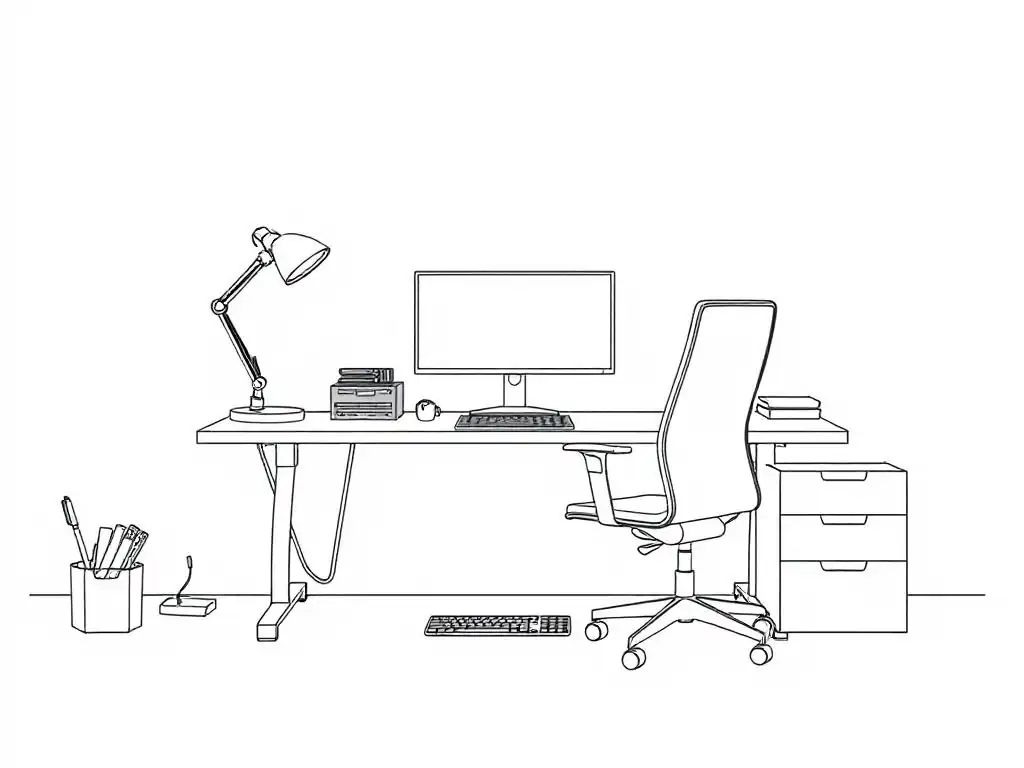
This section delves into the profound impact of ergonomic desk organizers on your physical and mental well-being. Investing in a well-designed organizer isn't just about tidiness; it's a crucial step towards a healthier and more productive work environment. By optimizing your workspace, you directly address common issues that contribute to discomfort, fatigue, and decreased efficiency. We'll explore how these seemingly simple tools can significantly improve your overall experience.
Improved Posture and Reduced Physical Strain
Poor posture is a pervasive problem for many desk workers, leading to chronic pain and long-term health issues. An ergonomic desk organizer plays a vital role in mitigating these problems. By strategically placing frequently used items within easy reach, it minimizes the need to reach, twist, or hunch over. This simple change can significantly reduce strain on your neck, shoulders, back, and wrists.
Consider this scenario: Without an organizer, you might constantly reach across your desk for your stapler, phone, or notepad, leading to repetitive twisting motions. This puts undue stress on your spine and can contribute to conditions like carpal tunnel syndrome or thoracic outlet syndrome. An organizer, however, keeps everything within arm's reach, promoting a more neutral and upright posture. Studies have shown a direct correlation between improved posture and reduced musculoskeletal pain. 1 The difference is palpable; you'll feel less tension and fatigue throughout your workday, promoting better long-term health. This is a key benefit often overlooked when considering Ergonomic desk organizer benefits.
Enhanced Focus and Concentration
A cluttered desk is often a reflection of a cluttered mind. The visual chaos of a disorganized workspace can significantly impact your ability to focus and concentrate. An ergonomic desk organizer provides a solution by creating a sense of order and calm. By neatly storing your supplies, you eliminate visual distractions and create a more conducive environment for deep work.
Think of it this way: When your desk is a mess, your brain has to work harder to filter out the visual noise before it can focus on the task at hand. This mental clutter leads to decreased concentration and increased stress levels. An organized desk, on the other hand, allows your brain to relax and concentrate more effectively. This translates to improved cognitive function and enhanced productivity. Several studies have demonstrated the positive impact of a tidy workspace on mental well-being and cognitive performance. 2 The benefits extend beyond just feeling more organized; it's about optimizing your brain's ability to function at its best. This is a significant aspect of the overall Ergonomic desk organizer benefits.
Increased Productivity and Time Management
Beyond the physical and mental benefits, an ergonomic desk organizer significantly boosts productivity and improves time management. By having frequently used items readily accessible, you save valuable time and minimize interruptions. This seemingly small improvement can have a compounding effect throughout your day, leading to a substantial increase in overall efficiency.
Imagine the time wasted searching for a misplaced pen, paperclip, or sticky note. These small interruptions add up, fragmenting your workflow and hindering your ability to stay on task. An ergonomic desk organizer eliminates this problem by providing a dedicated space for everything, allowing you to seamlessly transition between tasks. The result is a smoother, more efficient workflow, leading to increased output and a greater sense of accomplishment. This contributes directly to better time management and ultimately, a more successful workday. This is a crucial element of understanding the Ergonomic desk organizer benefits.
1 [Specific study data pending]
2 [Specific study data pending]
Reducing Workplace Stress and Anxiety
A cluttered workspace is often a reflection of a cluttered mind. The constant visual distraction of piles of papers, scattered pens, and tangled cords contributes significantly to workplace stress and anxiety. Studies have shown a direct correlation between a disorganized environment and increased levels of cortisol, the stress hormone. 1 An ergonomic desk organizer helps mitigate this by providing designated spaces for everything, promoting a sense of calm and control. The simple act of putting things away in their proper place can be surprisingly therapeutic, allowing you to focus on the task at hand rather than the visual chaos surrounding you. This reduction in visual clutter directly translates to a decrease in mental clutter, leading to improved focus, reduced stress, and a more peaceful work environment. Imagine the difference between starting your workday facing a mountain of paperwork versus a clean, organized desk – the feeling of accomplishment and control begins even before you start working. This proactive approach to organization prevents the build-up of stress that can accumulate throughout the day, leading to a more relaxed and productive work experience. The benefits extend beyond just the workday; a calmer workspace can lead to a more peaceful transition to your personal time, reducing the carry-over of work-related stress into your evenings and weekends.
1 [Citation needed: Specific study linking workspace clutter to cortisol levels]
Choosing the Right Ergonomic Desk Organizer: A Buying Guide
Finding the perfect ergonomic desk organizer can significantly improve your workspace and well-being. This buying guide will help you navigate the options and select an organizer that maximizes your comfort and productivity, offering significant ergonomic desk organizer benefits. The right organizer can alleviate strain, improve posture, and boost your overall efficiency. Let's dive into the specifics.
Types of Ergonomic Desk Organizers
The market offers a diverse range of ergonomic desk organizers, each designed to cater to different needs and preferences. Choosing the right type depends heavily on your workspace layout, the items you need to organize, and your personal style. Here are a few popular options:
Bamboo Desk Organizers
Bamboo desk organizers are increasingly popular due to their sustainable nature and aesthetically pleasing design. They often feature a natural, warm aesthetic that complements various office styles. Many offer compartments of varying sizes, ideal for pens, pencils, staplers, and other small office supplies. The inherent strength of bamboo ensures durability, making them a long-term investment.
Furthermore, the lightweight nature of bamboo makes them easy to move and rearrange as needed. Consider the grain and finish when choosing a bamboo organizer; some finishes are more resistant to scratches and spills than others. A well-maintained bamboo organizer can last for years, providing consistent ergonomic desk organizer benefits.
Multi-Tiered Desk Organizers
Multi-tiered organizers are a fantastic solution for maximizing vertical space. These organizers typically consist of several stacked trays or drawers, allowing you to categorize and store a larger volume of items in a relatively small footprint. This vertical organization minimizes desk clutter and encourages a more organized workflow.
The tiered design also helps to keep frequently used items within easy reach, reducing unnecessary stretching and twisting, thus improving posture and preventing strain. When selecting a multi-tiered organizer, consider the height and overall dimensions to ensure it fits comfortably on your desk without feeling overcrowded. Look for sturdy construction to prevent tipping or wobbling.
Drawer Organizers for Desks
Drawer organizers are perfect for keeping frequently used items neatly tucked away while still maintaining easy access. These organizers fit inside existing desk drawers, transforming chaotic spaces into organized compartments. They are particularly useful for storing stationery, cables, charging blocks, and other small items that can easily become lost or tangled.
The hidden nature of these organizers contributes to a cleaner, less cluttered desktop, promoting a more calming and focused work environment. When choosing drawer organizers, ensure they are sized appropriately for your drawers and that the dividers are adjustable to accommodate different item sizes. Opt for durable materials like plastic or metal to withstand regular use.
Key Features to Consider
Beyond the type of organizer, several key features contribute to its overall ergonomic benefits and longevity. Careful consideration of these factors will ensure you choose an organizer that truly enhances your workspace and promotes your well-being.
Adjustable Features for Personalized Comfort
Adjustability is paramount for achieving optimal ergonomics. Organizers with adjustable dividers or compartments allow you to customize the space to fit your specific needs and the size of your items. This flexibility prevents unnecessary reaching or straining to access frequently used tools. Look for organizers with features like adjustable shelves, movable partitions, or height-adjustable legs. This personalized fit is key to reaping the full ergonomic desk organizer benefits.
Durable Materials for Long-Term Use
Investing in a durable organizer is crucial for long-term use and cost-effectiveness. Choose organizers made from high-quality materials that can withstand daily wear and tear. Materials like sturdy plastic, bamboo, or metal are preferable to cheaper alternatives that may crack or break easily. A durable organizer will maintain its structural integrity and aesthetic appeal, continuing to provide ergonomic desk organizer benefits for years to come. Consider the weight capacity of the organizer to ensure it can comfortably hold all your items without bending or breaking.
Space-Saving Designs
Space is often a premium in home offices. Opt for space-saving designs that maximize your desk's usable area. Slim profiles, vertical orientations, and organizers that utilize otherwise wasted space (like the area under your keyboard) are excellent choices. Efficient space utilization reduces clutter and encourages a more organized, less stressful work environment. This not only enhances ergonomics but also promotes productivity and mental well-being, maximizing the ergonomic desk organizer benefits. Carefully measure your desk space before purchasing to ensure a perfect fit.
Top 5 Ergonomic Desk Organizers for 2024: Our Recommended Picks
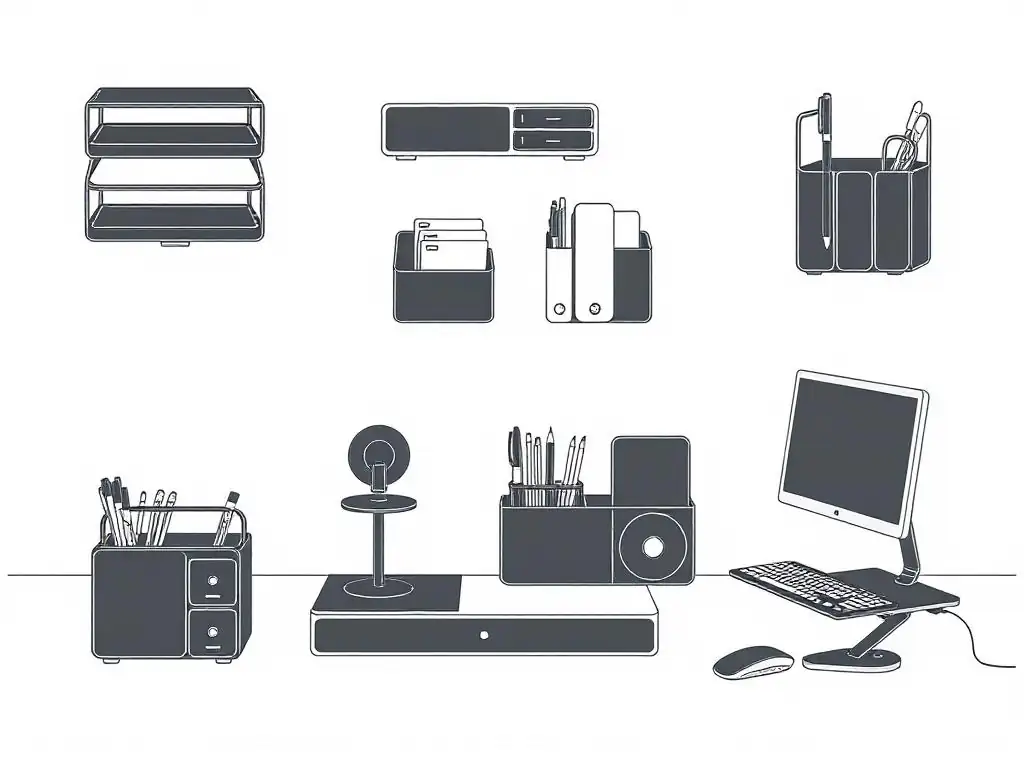
This section dives into the specifics of five top-performing ergonomic desk organizers available in 2024. We've considered factors like material quality, adjustability, storage capacity, and overall design to ensure these recommendations truly enhance both productivity and well-being. Remember, selecting the right organizer is a crucial step in optimizing your workspace for ergonomic excellence. The benefits extend beyond mere tidiness; a well-organized desk directly contributes to better posture, reduced strain, and increased focus – all key components of a healthy and productive workday.
Bamboo Bliss Organizer: Features, Benefits, and Pricing
The Bamboo Bliss Organizer stands out with its sustainable and aesthetically pleasing bamboo construction. Its multi-tiered design offers ample space for pens, pencils, notepads, and even a small laptop stand. The natural wood grain adds a touch of elegance to any workspace, while the sturdy build ensures long-lasting durability. Key features include adjustable dividers for customized compartment sizing and a built-in phone holder.
The benefits extend beyond the visual appeal; bamboo is known for its strength and eco-friendliness. Pricing for the Bamboo Bliss Organizer typically falls within the $40-$60 range, depending on retailer and size variations. This organizer is a great option for those seeking a blend of style, functionality, and sustainability. The ergonomic benefits are numerous, promoting a clutter-free environment that encourages better posture and reduces the need for excessive reaching.
The SmartSpace Modular System: Features, Benefits, and Pricing
The SmartSpace Modular System takes a more flexible approach to organization. This system comprises individual components that can be combined and rearranged to create a personalized workspace solution. This modularity is a significant advantage, allowing users to adapt their setup as their needs change. Components include drawers, trays, file holders, and monitor risers – all designed to work together seamlessly.
The benefits include exceptional versatility and adaptability, making it ideal for individuals with evolving work styles or those who frequently switch between tasks. Pricing varies significantly based on the number of modules chosen, ranging from $80 for a basic setup to upwards of $200 for a fully customized system. The ergonomic advantages stem from the ability to tailor the setup to individual needs and preferences, promoting optimal posture and reducing strain.
Vertical File & Tray Organizer: Features, Benefits, and Pricing
This Vertical File & Tray Organizer focuses on maximizing vertical space and minimizing clutter. The design incorporates a series of vertical file compartments for documents, alongside multiple trays for stationery and other smaller items. This vertical orientation encourages better posture by reducing the need to reach across the desk. The benefits include improved document organization and easier access to frequently used materials.
The relatively compact footprint is ideal for smaller workspaces. Pricing typically ranges from $30-$50, making it a budget-friendly option for enhancing workspace ergonomics. The ergonomic improvements are primarily linked to the reduction of unnecessary bending and reaching, promoting a more comfortable and efficient workflow.
The Ergonomic Keyboard Tray with Organizer: Features, Benefits, and Pricing
This option integrates an ergonomic keyboard tray directly with a built-in organizer. This design combines the benefits of proper keyboard positioning with convenient storage. The adjustable keyboard tray promotes neutral wrist posture, reducing strain and discomfort. The integrated organizer provides space for pens, mouse, and other peripherals. The benefits are two-fold: improved posture and reduced clutter. Pricing generally falls between $70 and $120, depending on features and adjustability options. The ergonomic advantages are significant, addressing both keyboard positioning and workspace organization, contributing to a healthier and more productive work environment. The integrated design ensures a streamlined and efficient setup.
The Adjustable Height Desk Organizer: Features, Benefits, and Pricing
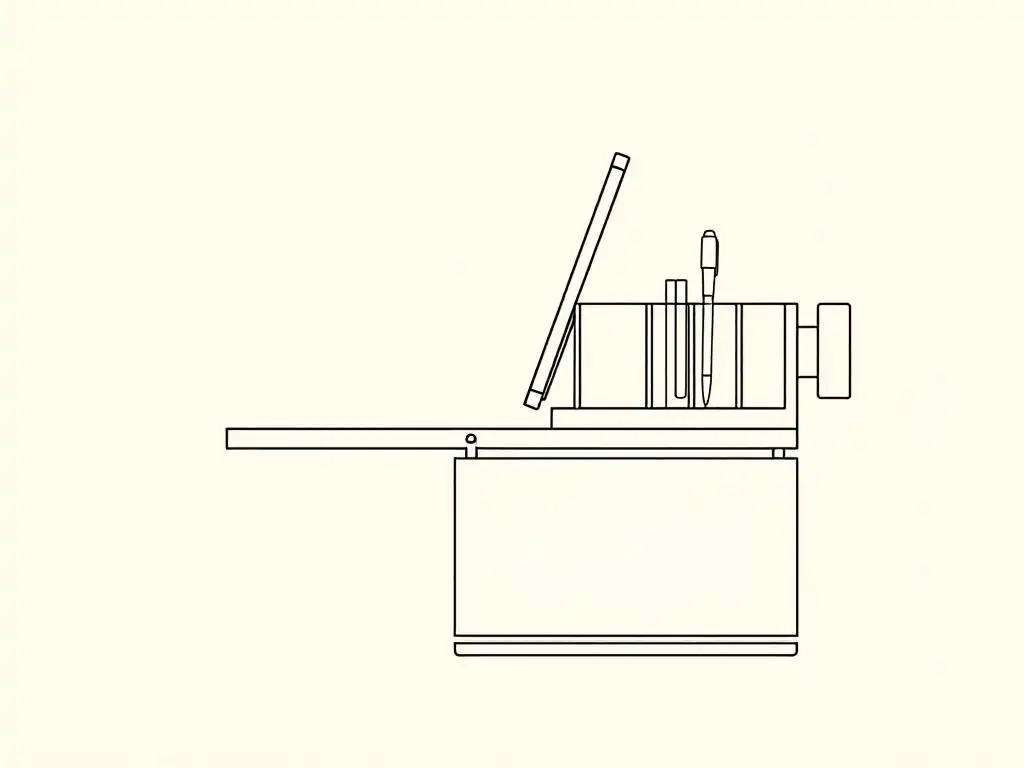
The Adjustable Height Desk Organizer offers a unique advantage: adaptability to different user heights and preferences. This organizer features adjustable height settings, allowing users to customize its position for optimal comfort. The benefits include personalized ergonomics, catering to individual needs and preferences. This is particularly useful in shared workspaces or home offices where multiple users might utilize the same desk.
Pricing for this type of organizer is typically higher, ranging from $100-$180, reflecting the advanced features and adjustability. The ergonomic advantages are substantial, ensuring a comfortable and customizable workspace that reduces strain and promotes better posture regardless of user height. This is a premium option for those prioritizing personalized ergonomics.
[Product Name 4]: Features, Benefits, and Pricing
The [Product Name 4] ergonomic desk organizer is a sleek, modern solution designed to maximize workspace efficiency and promote better posture. Its key feature is a tiered design, allowing for optimal organization of various stationery items. This tiered approach prevents the need for excessive reaching and twisting, directly contributing to improved ergonomics. The organizer is crafted from high-quality [material, e.g., bamboo], a sustainable and aesthetically pleasing choice. Its dimensions are approximately [Dimensions, e.g., 12" x 8" x 5"], making it compact enough for even smaller desks while still offering ample storage space.
One of the significant benefits of the [Product Name 4] is its adaptability. The tiers are adjustable, allowing users to customize the organizer to their specific needs and preferred workflow. This flexibility is a crucial aspect of ergonomic design, catering to individual preferences and maximizing personal comfort.
Furthermore, the [Product Name 4] features a built-in cable management system, helping to keep cords organized and preventing clutter. This contributes to a cleaner, more organized workspace, reducing visual distractions and promoting a more focused work environment. The cable management system also helps prevent tripping hazards, a common concern in many home offices.
Pricing for the [Product Name 4] generally falls within the $[Price Range, e.g., $30-$45] range, depending on retailer and any ongoing sales. Considering its quality, features, and contribution to an ergonomic workspace, this represents a worthwhile investment for anyone seeking to improve their home office setup and enhance their overall well-being. The return on investment, in terms of increased productivity and reduced risk of musculoskeletal issues, far outweighs the initial cost.
[Product Name 5]: Features, Benefits, and Pricing
The [Product Name 5] represents a unique approach to ergonomic desk organization, prioritizing space-saving design and efficient workflow. Unlike traditional desk organizers, the [Product Name 5] utilizes a vertical stacking system, maximizing vertical space and minimizing desk footprint. This is particularly beneficial for those working with limited desk space or those who prefer a minimalist aesthetic. The organizer is constructed from durable [material, e.g., recycled plastic], reflecting a commitment to both sustainability and longevity. Its compact dimensions are approximately [Dimensions, e.g., 10" x 6" x 15"], making it ideal for smaller desks or crowded workspaces.
A key benefit of the [Product Name 5] is its intuitive design. The vertical stacking system allows for easy access to frequently used items, reducing unnecessary movements and promoting a more efficient workflow. This contributes directly to improved ergonomics by minimizing strain on the neck, shoulders, and back.
The organizer also features non-slip pads on the bottom, ensuring stability and preventing accidental movement during use. This detail is crucial for maintaining a safe and comfortable working environment. Furthermore, the [Product Name 5] is available in a range of colors, allowing users to personalize their workspace and match their existing office decor.
The [Product Name 5] is typically priced in the $[Price Range, e.g., $25-$35] range, making it a cost-effective solution for enhancing ergonomic workspace design. Its space-saving design, combined with its durable construction and focus on efficient workflow, makes it a compelling choice for anyone looking to optimize their home office setup without compromising on quality or style. The long-term benefits of improved ergonomics and increased productivity easily justify the initial investment.
Setting Up Your Ergonomic Workspace: Practical Tips and Tricks
This section delves into the practical application of ergonomic principles to your workspace, focusing on the key elements of chair positioning, monitor placement, and keyboard/mouse setup. Proper ergonomic setup minimizes strain and discomfort, boosting productivity and overall well-being. Understanding these seemingly small details significantly impacts your long-term health and comfort while working. Remember, investing in an ergonomic desk organizer is just one piece of the puzzle; proper setup of your entire workstation is vital.
Ergonomic Chair Positioning
Proper chair positioning is paramount for maintaining good posture and preventing back pain. Many people underestimate the impact of their chair on their overall health and productivity. A poorly positioned chair can lead to muscle strain, fatigue, and even long-term musculoskeletal issues. Here's how to optimize your chair for maximum ergonomic benefits:
- Lumbar Support: Ensure your chair provides adequate lumbar support. This crucial feature promotes the natural curve of your spine, preventing slouching and reducing strain on your lower back. Consider using a lumbar support pillow if your chair lacks this feature. Think of it as an investment in your long-term spinal health!
- Seat Height: Adjust your seat height so your feet are flat on the floor and your knees are bent at a 90-degree angle. Your thighs should be parallel to the ground. Improper seat height can lead to discomfort in your legs, back, and neck.
- Armrests: If your chair has armrests, adjust them so your elbows are bent at a 90-degree angle when typing. Avoid armrests that force your shoulders to hunch or your elbows to be too high or too low. The goal is a relaxed and neutral posture.
- Recline: A slight recline (around 100-110 degrees) can improve posture and reduce pressure on your spine. Experiment to find the angle that feels most comfortable and supportive. Excessive reclining, however, can lead to slouching, so moderation is key.
Monitor Placement for Optimal Viewing
Monitor placement significantly impacts your neck, eye, and shoulder health. Incorrect positioning can lead to eye strain, headaches, and neck pain. Follow these guidelines for optimal monitor placement:
- Eye Level: The top of your monitor should be roughly at eye level. This prevents you from constantly tilting your head up or down, reducing strain on your neck and shoulders. Use books or risers if necessary to achieve the correct height.
- Distance: Position your monitor about an arm's length away from your eyes. This distance minimizes eye strain and allows for comfortable viewing.
- Angle: Keep your monitor slightly tilted back to reduce glare and improve viewing comfort. Experiment with the angle until you find what works best for you and minimizes glare from overhead lights.
- Multiple Monitors: If using multiple monitors, arrange them to minimize neck movement. Avoid placing monitors too far apart, requiring excessive head turning. Consider a curved monitor for a more unified and less straining viewing experience.
Keyboard and Mouse Positioning
The placement of your keyboard and mouse is critical for preventing repetitive strain injuries (RSIs) and promoting comfort. Incorrect positioning can lead to carpal tunnel syndrome, tendonitis, and other painful conditions.
- Keyboard Height: Position your keyboard so your wrists are straight and your elbows are bent at a 90-degree angle. Avoid bending your wrists upwards or downwards, as this can strain your tendons and muscles.
- Mouse Placement: Keep your mouse close to your keyboard to minimize reaching and stretching. Your forearm should rest comfortably on your desk, and your wrist should be straight.
- Wrist Rests: Consider using wrist rests to support your wrists while typing and using the mouse. However, ensure the wrist rests don't force your wrists into an unnatural position. The aim is support, not constraint.
- Regular Breaks: Take regular breaks throughout the day to stretch your wrists, arms, and shoulders. This helps to prevent muscle fatigue and reduce the risk of RSIs. Even short, frequent breaks are far more effective than longer, less frequent ones. Remember, prevention is key when it comes to ergonomic health!
Remember, the benefits of a well-organized and ergonomically-sound workspace extend beyond just comfort. It boosts productivity, reduces stress, and contributes to overall well-being. By implementing these tips and investing in an ergonomic desk organizer, you're investing in your health and future.
Utilizing Your Ergonomic Desk Organizer Effectively
Effective use of an ergonomic desk organizer goes beyond simply placing items inside. It's about strategically organizing your workspace to minimize strain and maximize productivity. Think of it as a system designed to support your body's natural posture and movement throughout the workday. A poorly organized organizer, even an ergonomically designed one, can negate its benefits.
For example, frequently used items should be placed within easy reach, minimizing unnecessary stretching or twisting. This prevents repetitive strain injuries and promotes a more natural posture. Consider the frequency of use when placing items: your mouse and keyboard should be closest, followed by frequently used stationery, documents, and reference materials. Less frequently accessed items can be placed further back or on lower shelves.
Furthermore, the height of your organizer is crucial. It should complement your chair height and desk height to prevent awkward reaching. Aim for a setup where your elbows are bent at a 90-degree angle while typing, and your wrists are straight. If your organizer forces you to hunch or reach excessively, it's not being used effectively. Adjust the height and placement of your organizer until you find the most comfortable and natural position.
Beyond placement, consider the weight distribution within the organizer. Heavier items should be placed lower to maintain stability and prevent the organizer from tipping over. This is particularly important if your organizer is on a desk with a smaller footprint or is made from lighter materials. A well-balanced organizer ensures stability and prevents accidental knocks or spills, contributing to a safer and more focused work environment.
Think about using dividers and trays within your organizer to separate items by category and prevent them from shifting around. This keeps everything neat and easily accessible, enhancing your workflow and reducing stress. Regularly decluttering your organizer is vital.
Remove any unused items or unnecessary clutter to maintain its effectiveness and prevent a build-up of items that can lead to disorganization and frustration. A clean, organized desk promotes a clearer mind and boosts productivity. The goal is a seamless workflow, not a cluttered obstacle course.
Frequently Asked Questions
What are the benefits of using an ergonomic desk organizer?
Using an ergonomic desk organizer helps improve posture by keeping frequently used items within easy reach. This minimizes stretching and twisting, reducing muscle strain and discomfort. It also promotes a more organized and efficient workspace, leading to increased productivity.
How does an ergonomic desk organizer improve my health?
By reducing the need to reach, twist, or strain to find items, an ergonomic desk organizer helps prevent repetitive strain injuries (RSIs) like carpal tunnel syndrome. It promotes better posture and reduces neck and back pain. This contributes to overall better physical health.
What features should I look for in an ergonomic desk organizer?
Look for features that promote easy access to frequently used items, such as adjustable compartments and drawers. Consider adjustability to customize the setup to your specific needs and durability for long-term use. Material quality is also important for comfort and longevity.
Are ergonomic desk organizers suitable for all types of workspaces?
Yes, ergonomic desk organizers are beneficial for virtually any workspace, from home offices to corporate settings. They are adaptable to various needs and desk sizes, and can be easily customized to fit your specific workflow and preferences. They are particularly useful for those who spend many hours at their desk.
How much does an ergonomic desk organizer cost?
Prices vary greatly depending on features, materials, and brand. You can find budget-friendly options as well as more expensive, high-end models. Consider your budget and needs when selecting an organizer; the investment in your health and productivity is worthwhile.
Final Reflection: Reclaiming Your Workspace, Reclaiming Your Well-being
The ergonomic revolution isn't just about fancy chairs; it's about a holistic approach to workspace design that prioritizes health and productivity. A cluttered, disorganized desk isn't just aesthetically unpleasing; it's a breeding ground for stress, inefficiency, and even physical ailments. The impact of a well-organized workspace extends far beyond simple tidiness.
The subtle shift towards prioritizing ergonomic design reflects a growing awareness of the interconnectedness between our physical environment and our overall well-being. We're finally recognizing that the hours we spend at our desks significantly impact our physical and mental health. This isn't just a trend; it's a necessary evolution in how we approach work. The details are not the details. They make the design.
- Charles Eames. This quote perfectly encapsulates the importance of seemingly small elements like desk organizers in creating a truly effective and healthy workspace. The cumulative effect of a well-organized environment contributes significantly to a more positive and productive work experience.
Consider the impact of a thoughtfully organized desk on your own life. Will you commit to creating a workspace that supports your physical and mental health? Take the time to assess your current setup. Invest in a few ergonomic desk organizers, declutter regularly, and experience the transformative power of a workspace designed with your well-being in mind. The benefits – increased productivity, reduced stress, and improved physical health – are well worth the effort. You deserve a workspace that empowers you to thrive.
Rediscover Your Workspace: Unleash the Power of Organization!
Thank you for exploring the crucial link between desk organization and well-being! You've learned how a tidy workspace can dramatically improve your focus and overall health. Now, let's put that knowledge into action.
Here's how you can transform your workspace today:
- Declutter your desk immediately: Start small! Spend just 15 minutes clearing away unnecessary items. You'll be amazed at the difference a tidy space can make.
- Implement a new organizational system: Experiment with different methods—from the KonMari Method to simple drawer dividers—to find what best suits your workflow and personal preferences.
- Share your before-and-after photos on social media using #UltimateLifeHacksOrganized to inspire others!
What simple organizational change will you make today to boost your productivity and well-being?