
The Truth About Ergonomic Chairs: What You Need to Know Before You Buy

Ready to unlock the secrets to a more productive and comfortable life? At UltimateLifeHacks, we're dedicated to helping you streamline your daily routine and boost your efficiency. But let's face it, even the most meticulously planned day can be derailed by discomfort. That's why our latest guide on the Best Ergonomic Chair Buying Guide is essential reading. Discover the hidden factors influencing your chair choice and learn how to invest wisely in your well-being. Let's dive in and find the perfect ergonomic chair for your needs – your comfort and productivity are waiting!
- Understanding Your Needs: The Ultimate Ergonomic Chair Buying Guide
-
Key Features of a Top-Rated Ergonomic Chair
- Lumbar Support: The Importance of Spinal Alignment
- Adjustable Height and Armrests: Customizing Your Chair for Optimal Comfort
- Seat Depth and Width: Finding the Perfect Fit for Your Body Type
- Material and Durability: Considering Breathable Fabrics and Sturdy Construction
- Mobility and Caster Wheels: Smooth Movement and Floor Protection
- Debunking Common Myths About Ergonomic Chairs
- Top Picks: Best Ergonomic Chairs for Different Needs
- The Buying Process: Making an Informed Decision
- Maintaining Your Ergonomic Chair: Tips for Longevity
- Frequently Asked Questions
- Final Reflection: The Enduring Quest for Comfort and Productivity
- Unlock Your Most Productive Self: Ergonomic Seating Made Easy
Understanding Your Needs: The Ultimate Ergonomic Chair Buying Guide
Investing in an ergonomic chair is a significant decision, impacting not only your comfort but also your long-term health and productivity. This comprehensive guide will walk you through the essential considerations before purchasing an ergonomic chair, ensuring you find the perfect fit for your needs and budget. We'll delve into assessing your posture, understanding the different chair types available, and navigating the often-confusing world of pricing, ultimately helping you make an informed choice and avoid costly mistakes.
This guide serves as your ultimate resource for finding the best ergonomic chair, streamlining your search for improved comfort and efficiency at your workspace. Choosing the right ergonomic chair is crucial for optimizing your home office setup and boosting overall productivity.
Let's begin your journey towards a more comfortable and efficient work experience! This buying guide focuses on helping you find the best ergonomic chair for your specific needs, using practical tips and advice to navigate the market effectively.
Identifying Your Posture Problems: Assessing Your Current Workspace Setup
Before you even start browsing ergonomic chairs, it's crucial to understand your current posture and workspace setup. Are you experiencing persistent back pain? Neck stiffness? Do you hunch over your computer for extended periods? These are all indicators that your current setup isn't ideal and that an ergonomic chair could significantly improve your comfort and health.
Take a moment to honestly assess your current situation. Consider factors like:
- Your desk height: Is it too high or too low, forcing you to strain your neck or back?
- Your chair: Is your current chair supportive enough? Does it lack lumbar support?
- Your monitor placement: Is your monitor positioned at eye level? Are you constantly craning your neck to see it?
- Your keyboard and mouse placement: Are they positioned ergonomically to avoid strain on your wrists and arms?
By pinpointing these issues, you can better target the features you need in an ergonomic chair. For instance, if you have lower back pain, you'll prioritize chairs with adjustable lumbar support. If you experience neck pain, you might look for chairs with headrests. A thorough self-assessment is the first step in finding the perfect ergonomic chair. Remember, a proper ergonomic setup isn't just about the chair; it's about the entire workspace.
Choosing the Right Chair Type: Executive vs. Gaming vs. Task Chairs
The market offers a wide variety of ergonomic chairs, each designed with different needs in mind. Understanding these differences is essential to making the right choice. The three most common types are:
| Chair Type | Key Features | Ideal User |
|---|---|---|
| Executive | High-end materials, luxurious design, advanced adjustments | Professionals seeking ultimate comfort and style |
| Gaming | Enhanced lumbar support, adjustable armrests, often vibrant designs | Gamers who spend long hours seated |
| Task | Focus on adjustability and ergonomic features, typically more affordable | Office workers needing support and adjustability |
Choosing the right type depends heavily on your individual needs and budget. Executive chairs offer the most comfort and features but come with a higher price tag. Gaming chairs, while often stylish, may not be the best option for everyone, as their focus is on comfort during intense gaming sessions. Task chairs provide a good balance of features and affordability, making them a popular choice for many office workers. Consider your priorities and lifestyle when selecting a chair type. Don't be swayed solely by aesthetics; prioritize functionality and support.
Budget Considerations: Finding the Best Ergonomic Chair for Your Price Range
Ergonomic chairs range significantly in price, from a few hundred dollars to several thousand. Setting a realistic budget is crucial before you start shopping. While more expensive chairs often offer superior features and materials, it's possible to find excellent ergonomic chairs at various price points.
Consider these factors when setting your budget:
- Your needs: If you have specific ergonomic requirements (e.g., severe back pain), you might need to invest in a higher-end chair.
- Your usage: If you only use the chair for a few hours a day, a less expensive option might suffice.
- Your long-term goals: Investing in a high-quality chair can be a worthwhile long-term investment, preventing future health problems and improving productivity.
Remember, the "best" ergonomic chair isn't always the most expensive. Thorough research and careful consideration of your needs will help you find a chair that provides excellent value for your money. Don't compromise on essential ergonomic features just to save a few dollars. Prioritize your comfort and well-being.
Key Features of a Top-Rated Ergonomic Chair
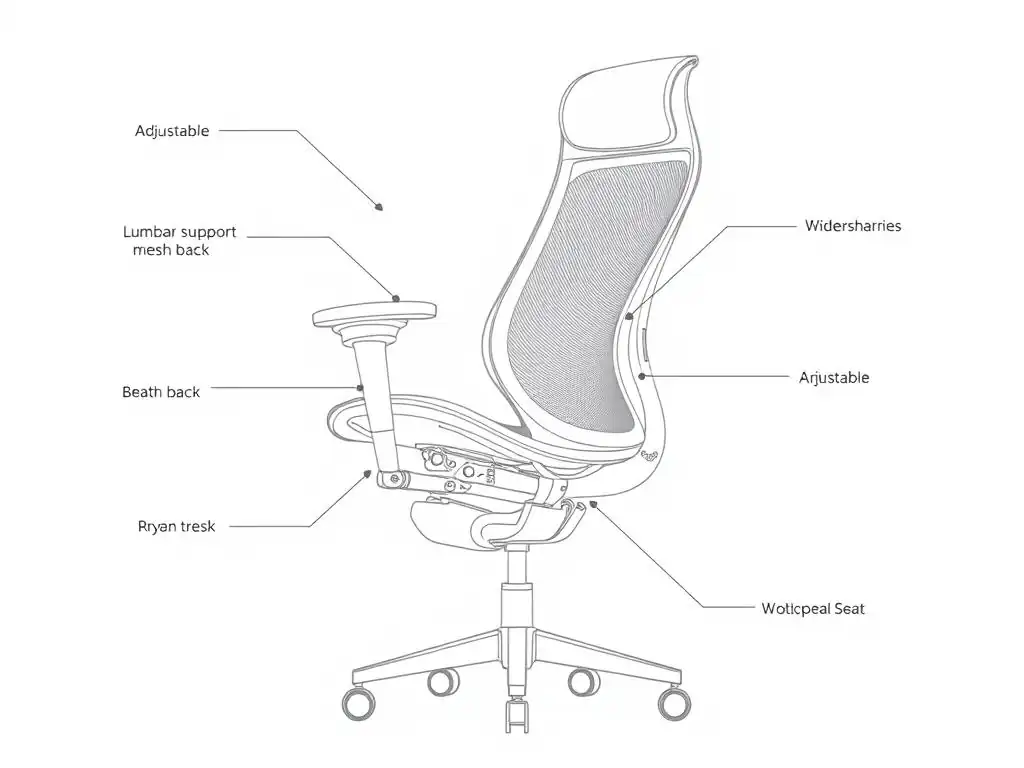
This section delves into the crucial features that distinguish a truly best ergonomic chair from an ordinary office chair. Understanding these elements is paramount to making an informed purchase decision and maximizing your investment in workplace comfort and health. Choosing the right chair can significantly impact posture, reduce back pain, and boost overall productivity. This buying guide focuses on the most important aspects to consider.
Lumbar Support: The Importance of Spinal Alignment
Proper lumbar support is arguably the most critical feature of any ergonomic chair. Your lumbar spine (the lower back) needs significant support to maintain its natural curvature. A poorly supported lower back can lead to slouching, muscle strain, and even long-term back problems. Look for chairs with adjustable lumbar support, allowing you to customize the level of support to perfectly match your individual needs. This adjustability is key, as what works for one person might not work for another.
Consider chairs with built-in lumbar cushions or those that allow for the addition of a separate lumbar support pillow. These additions provide targeted support to the lower back, promoting healthy spinal alignment and preventing discomfort during prolonged sitting. The ideal lumbar support should gently cradle the curve of your lower back, providing firm yet comfortable support without feeling excessively stiff or rigid.
A good ergonomic chair will prevent you from hunching over, improving your posture and reducing the strain on your back muscles. Neglecting lumbar support is a common mistake that can negate many of the other benefits of an ergonomic chair.
Adjustable Height and Armrests: Customizing Your Chair for Optimal Comfort
Adjustability is the cornerstone of a truly ergonomic chair. A chair that doesn't accommodate your unique body dimensions will fail to provide the necessary support and comfort. Adjustable height is crucial for aligning your hips, knees, and ankles at a 90-degree angle, promoting proper posture and reducing strain on your legs and back. The chair should easily adjust to the height of your desk, ensuring your feet are flat on the floor or comfortably supported by a footrest.
Equally important are adjustable armrests. These allow you to position your arms comfortably while working, reducing shoulder and neck tension. Ideally, armrests should be adjustable in height and width, allowing for personalized customization. The armrests should also be padded for comfort and support, preventing pressure points and discomfort during extended use. Choosing a chair with these adjustable features ensures that the chair adapts to you, not the other way around. This adaptability is crucial for maintaining comfort and preventing discomfort throughout the workday.
Seat Depth and Width: Finding the Perfect Fit for Your Body Type
The seat dimensions of an ergonomic chair are often overlooked but are just as important as other features. The seat depth should be appropriate for your torso length, allowing your thighs to rest comfortably on the seat without feeling cramped or unsupported. Too much depth can cause pressure on the back of your knees, while too little depth can leave your thighs unsupported, leading to discomfort and poor posture.
The seat width should be adequately sized to accommodate your hips and thighs without feeling constricted. A chair that's too narrow can restrict blood flow and cause discomfort, while a chair that's too wide can lead to instability and poor posture. Many manufacturers provide detailed seat dimensions in their product specifications.
Measuring your hip width and thigh length before purchasing a chair can help ensure a proper fit. Remember, a properly sized seat is essential for maintaining a healthy posture and preventing discomfort during extended periods of sitting. Prioritizing these dimensions in your search for the "best ergonomic chair" will significantly improve your overall comfort and well-being.
Material and Durability: Considering Breathable Fabrics and Sturdy Construction
Choosing the right materials is crucial for both comfort and longevity when selecting an ergonomic chair. Breathable fabrics, such as mesh or perforated leather, are essential for preventing overheating and discomfort during long work sessions. These materials allow for better air circulation, keeping you cool and comfortable even during warmer months. Consider the breathability rating or look for specific mentions of breathable fabrics in the product description. Avoid materials that trap heat and moisture, as these can lead to discomfort and even skin irritation.
The chair's construction is equally important. Look for a sturdy frame, typically made of high-quality steel or aluminum. A robust frame ensures the chair can withstand daily use and maintain its structural integrity over time. Pay close attention to the weight capacity; it should comfortably exceed your weight to prevent undue stress on the chair's components.
Check reviews to see if users report any issues with the chair's durability, such as frame bending or material tearing. A well-constructed chair, built with durable materials, is an investment that will pay off in the long run, offering years of comfortable support. Don't hesitate to check the warranty; a longer warranty often indicates confidence in the product's durability.
Consider the type of upholstery. While leather looks luxurious, it might not be as breathable as mesh, and some types can be less durable than others. Always prioritize quality over aesthetics to ensure a long-lasting and supportive chair.
Mobility and Caster Wheels: Smooth Movement and Floor Protection
The mobility of your ergonomic chair is often overlooked, but it significantly impacts your overall comfort and productivity. Smooth-rolling caster wheels are essential for easy movement around your workspace. The quality of the wheels directly impacts the chair's maneuverability and the longevity of your floor. Hard floors, like hardwood or tile, often benefit from hard caster wheels, while carpeted floors may require softer wheels to prevent damage and ensure smooth rolling. Pay attention to the wheel type and material specifications; some chairs offer interchangeable wheel options for diverse flooring types.
Protecting your floor is another key consideration. Look for caster wheels with protective coatings or features to minimize scratches and marks. Some high-quality wheels have rubber or polyurethane coatings designed to prevent damage to various floor surfaces. Read reviews to check if users report any issues with the wheels damaging their floors. Consider the size of the casters; larger wheels often offer smoother rolling, while smaller ones might be more suitable for tighter spaces.
The chair's base also plays a role in its mobility. A five-star base provides excellent stability and support, ensuring the chair doesn't wobble or tip over during movement. A robust and stable base, combined with high-quality caster wheels, contributes to a comfortable and efficient workspace, allowing for effortless repositioning throughout the day. This smooth movement can significantly improve productivity and reduce strain.
Debunking Common Myths About Ergonomic Chairs
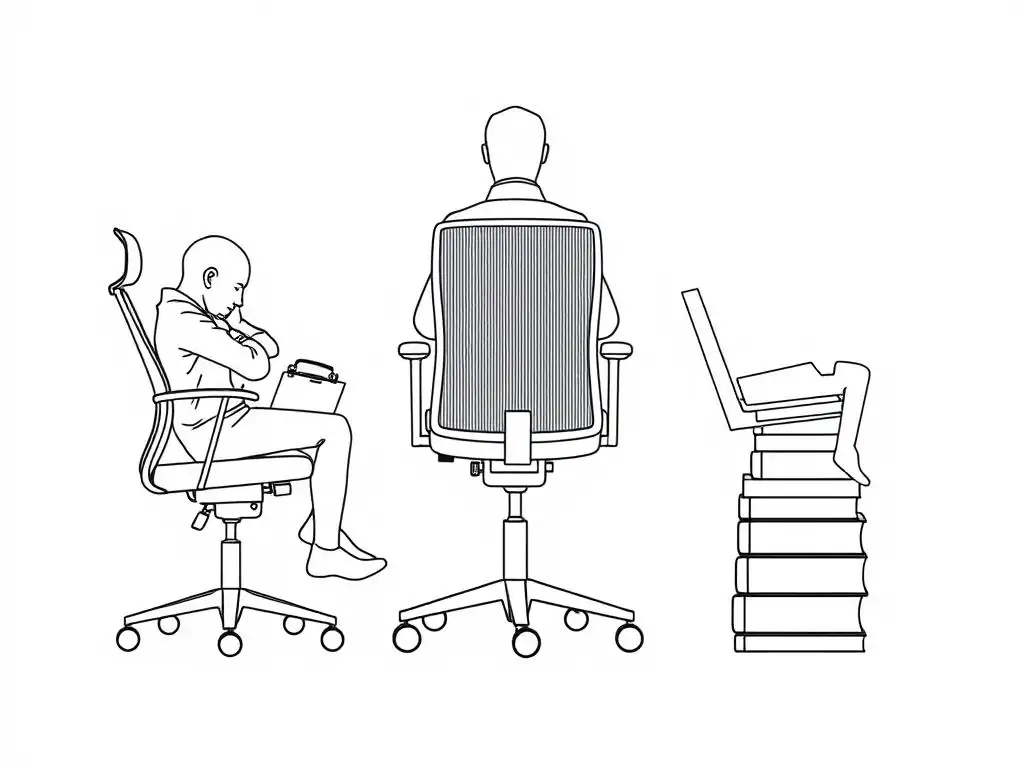
Choosing the best ergonomic chair can feel overwhelming. The market is flooded with options, each promising unparalleled comfort and support. However, navigating this landscape requires dispelling some common misconceptions. This section will debunk prevalent myths surrounding ergonomic chairs, helping you make an informed purchase decision aligned with your needs and budget. This guide will help you on your quest for the best ergonomic chair buying guide.
Myth 1: Expensive = Best Ergonomic Chair
The assumption that a higher price tag guarantees superior ergonomic features is simply false. While some premium chairs offer advanced adjustability and high-quality materials, many less expensive options provide excellent support and comfort. The true value lies in finding a chair that meets your specific needs, not necessarily the most expensive one. Price should be a factor, but not the sole determining factor.
Consider this: A chair costing $1000 might boast lumbar support adjustments down to the millimeter and breathable mesh fabric. However, a chair costing $500 might offer equally effective lumbar support and comfortable padding, potentially better suited to your body type and preferences. The key is to prioritize features relevant to your posture and working style.
For example, if you primarily sit upright, you might not need the extensive recline adjustments offered by high-end models. Focusing on features like adjustable lumbar support, seat height, and armrests will yield better results than simply aiming for the most expensive option. Remember, the best ergonomic chair is the one that fits you best, not necessarily the priciest one.
Myth 2: One Size Fits All: Understanding Different Body Types and Chair Requirements
Ergonomic chairs aren't one-size-fits-all. Your height, weight, and posture significantly influence the type of chair you need. Ignoring this crucial aspect can lead to discomfort and even exacerbate existing back problems. A chair perfectly suited for a 6'4" individual might be completely inadequate for someone 5'2".
Consider these factors when selecting an ergonomic chair:
- Height: Seat height adjustment is crucial. Your feet should rest flat on the floor when seated, with your thighs parallel to the ground. Insufficient height adjustment can lead to poor posture and leg discomfort.
- Weight: The chair's weight capacity needs to accommodate your weight comfortably. Exceeding the weight limit can damage the chair's structure and compromise its support.
- Posture: Do you tend to slouch? Do you prefer a more upright sitting position? The chair's back support and adjustability should complement your typical posture. Those who slouch might benefit from chairs with pronounced lumbar support, while those who sit upright might prioritize a well-designed backrest that maintains a neutral spine alignment.
- Body Type: Wider individuals might require a wider seat, while those with longer legs might need a chair with a deeper seat pan.
Failing to consider these individual needs will negate the potential benefits of an ergonomic chair. Prioritize chairs with extensive adjustability to accommodate your unique body type.
Myth 3: Ergonomic Chairs Are Only for Office Workers: Benefits for Gamers and Home Users
The benefits of ergonomic chairs extend far beyond the office environment. Gamers, students, and anyone spending prolonged periods seated at a desk or computer can significantly improve their comfort and health by using an ergonomic chair. Prolonged periods of sitting in poorly designed chairs can lead to various health problems, including back pain, neck pain, and carpal tunnel syndrome.
Think about it: A gamer spending hours immersed in a game needs just as much support as an office worker. Similarly, students studying for hours require a comfortable and supportive seat to maintain focus and avoid physical strain. The key is choosing a chair that offers adjustable features to cater to the specific needs of the user, regardless of their profession or activity. Features like adjustable armrests are especially beneficial for gamers, allowing for optimal hand placement and preventing strain during extended gaming sessions.
Investing in an ergonomic chair for home use is an investment in long-term health and well-being. The benefits extend to everyone who spends considerable time sitting. It's not just for office workers; it's for anyone who values their comfort and physical health.
Top Picks: Best Ergonomic Chairs for Different Needs
This section dives deep into our top recommendations for ergonomic chairs, categorized by specific needs. We've considered factors like budget, usage duration, and key ergonomic features to provide you with the best "best ergonomic chair buying guide" information available. Remember, the "best" chair is subjective and depends on your individual needs and preferences.
Best Overall Ergonomic Chair
Our top pick for the overall best ergonomic chair balances comfort, adjustability, and build quality. This chair excels in providing comprehensive support for various body types and working styles. It boasts a robust design, featuring a high-quality mesh back for breathability and lumbar support that can be adjusted to precisely match your spinal curvature. The seat depth and height are also fully adjustable, allowing you to find the perfect posture.
Several independent reviews highlight this chair's exceptional comfort even after prolonged use (8+ hours). One user reported a significant reduction in back pain after switching to this model. Another praised its durability, noting the chair's resilience after several years of daily use. While the price point is higher than some budget options, the combination of comfort, adjustability, and longevity makes it a worthwhile investment for serious users seeking the ultimate ergonomic experience. This chair truly embodies the principles of a proper "best ergonomic chair buying guide".
Best Budget-Friendly Ergonomic Chair
Finding an ergonomic chair that doesn't break the bank can be challenging. However, this option proves that quality ergonomics don't always necessitate a premium price. While it might lack some of the advanced features of higher-end models (like advanced lumbar support mechanisms or headrests), this budget-friendly chair still offers excellent value.
Its key strengths lie in its comfortable, well-padded seat and adjustable height. It effectively supports good posture, preventing slouching and reducing strain on the back and neck. User reviews indicate high satisfaction with its comfort and support for shorter work sessions (up to 4-6 hours). While not ideal for individuals who spend 10+ hours daily sitting, it's a fantastic choice for those with a tighter budget or those who primarily use the chair for shorter periods.
This chair proves that a "best ergonomic chair buying guide" doesn't always mean expensive. It's a strong contender for those prioritizing affordability without sacrificing essential ergonomic features. The materials might not be as high-end, but the overall design prioritizes correct posture.
Best Ergonomic Chair for Long Hours
Designed specifically for extended use, this chair prioritizes exceptional comfort and support for those who spend significant time seated. It features advanced ergonomic design elements, including a contoured seat pan, adjustable lumbar support, and a headrest. The high-quality materials used contribute to its durability and long-lasting comfort.
User testimonials consistently praise its superior comfort during prolonged use. Many users who previously suffered from chronic back pain reported significant improvements after switching to this chair. The chair's robust construction ensures stability and support, even during extended periods of sitting.
While it represents a significant investment, the long-term benefits in terms of comfort, health, and productivity justify the cost for individuals who prioritize ergonomics for their 8+ hour workday. This option leads the pack in any comprehensive "best ergonomic chair buying guide" focused on long-term usage. It's a testament to the idea that investing in proper ergonomics is an investment in your health and well-being.
Best Ergonomic Chair for Back Pain
Back pain is a common ailment, often exacerbated by prolonged sitting. Choosing the right ergonomic chair can significantly alleviate this discomfort and even prevent future issues. When selecting a chair specifically for back pain, prioritize features that offer superior lumbar support and adjustability. A chair with a strong, adjustable lumbar support system is crucial.
This allows you to customize the curve to match your spine's natural curvature, providing targeted support where you need it most. Look for chairs with height-adjustable lumbar support, allowing for personalized comfort throughout the day. Avoid chairs with flimsy or non-adjustable lumbar support, as these will likely offer insufficient support and could even worsen back pain.
Many ergonomic chairs designed for back pain incorporate features like breathable mesh backs. This helps to prevent overheating and sweating, which can contribute to discomfort during extended sitting periods. The breathability also contributes to better overall comfort and reduces the feeling of being stuck in a sweaty, uncomfortable chair. Furthermore, consider the chair's overall adjustability.
Height adjustment is essential, allowing you to position your feet flat on the floor with your knees bent at a 90-degree angle. Armrests should also be adjustable, both in height and width, to ensure proper posture and reduce strain on your shoulders and neck. A well-adjusted chair prevents hunching and promotes a neutral spinal alignment, minimizing pressure points and reducing the likelihood of back pain.
It's also important to consider the chair's material. While mesh is a popular choice for its breathability, some individuals prefer the cushioning of a padded seat and back. However, ensure any padding is firm enough to provide adequate support and doesn't sag over time, negating its effectiveness. Finally, don't underestimate the importance of a five-star base with smooth-rolling casters.
Mobility allows you to easily change position throughout the day, promoting better circulation and reducing stiffness. The best ergonomic chair for back pain will be the one that best suits your individual needs and preferences, but prioritizing lumbar support, adjustability, and breathability is a great starting point. Remember, consulting a healthcare professional or physical therapist can provide personalized recommendations based on your specific condition and needs. They can help you identify the best features to look for in an ergonomic chair to alleviate your back pain effectively.
The Buying Process: Making an Informed Decision
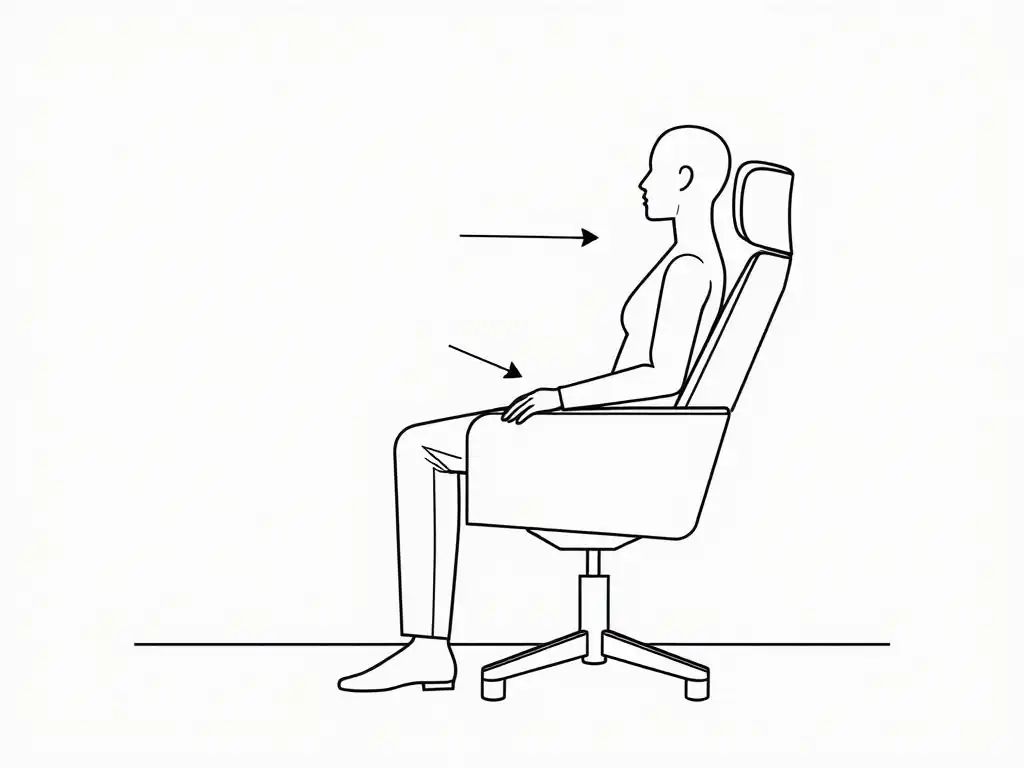
Choosing the best ergonomic chair requires a thoughtful process, going beyond simply looking at the price tag. This section will guide you through the key steps to ensure you make a purchase that truly supports your needs and budget. Remember, a good ergonomic chair is an investment in your long-term health and productivity. Finding the right one involves careful consideration and research, paying attention to details that often get overlooked. This buying guide will help you navigate this process effectively.
Reading Reviews and Comparing Specifications
Before you even think about clicking "add to cart," dive deep into the world of online reviews. Don't just skim the star ratings; read the detailed feedback. Look for recurring themes – both positive and negative. Are users consistently praising the chair's lumbar support? Do multiple reviewers mention issues with the chair's durability or adjustability? Pay close attention to comments about specific features relevant to your needs, such as the type of material, the adjustability range, and the overall comfort level for extended periods.
Comparing specifications across different models is equally crucial. Create a spreadsheet or use a comparison website to list key features side-by-side. Consider factors like:
| Feature | Model A | Model B | Model C |
|---|---|---|---|
| Seat Height | Adjustable (18-22 inches) | Fixed (20 inches) | Adjustable (17-23 inches) |
| Lumbar Support | Adjustable, built-in | Fixed, moderate | Adjustable, height & depth |
| Material | Mesh | Leatherette | Fabric |
| Weight Capacity | 300 lbs | 250 lbs | 350 lbs |
| Warranty | 5 years | 2 years | 10 years |
This detailed comparison will help you identify the chair that best aligns with your physical requirements and preferences. Remember to prioritize features that directly address your specific needs and pain points. For example, if you suffer from back pain, the quality and adjustability of lumbar support should be paramount.
Trying Before You Buy: Visiting Showrooms or Utilizing Return Policies
While online reviews provide valuable insights, nothing beats the experience of physically sitting in a chair. If possible, visit a showroom or store that carries the models you're considering. Spend at least 15-20 minutes in each chair, simulating your typical working posture. Pay attention to how the chair feels against your back, how well the lumbar support conforms to your spine, and how comfortable the seat is for extended sitting. This hands-on approach can significantly reduce the risk of buyer's remorse.
If a showroom visit isn't feasible, opt for retailers with generous return policies. This allows you to order the chair, try it out in your home office environment, and return it if it doesn't meet your expectations. Read the return policy carefully to understand the timeframe and any associated costs. This strategy minimizes the financial risk and allows you to make a more informed decision based on your personal experience.
Warranty and Customer Service: Ensuring Long-Term Satisfaction and Support
A comprehensive warranty is a crucial indicator of a manufacturer's confidence in its product. Look for warranties that cover defects in materials and workmanship for a significant period (ideally, 5 years or more). A longer warranty demonstrates the manufacturer's commitment to quality and provides peace of mind. Furthermore, assess the manufacturer's customer service reputation. Read reviews that mention their responsiveness to inquiries and their effectiveness in resolving issues.
A responsive and helpful customer service team can be invaluable if you encounter any problems with your chair down the line. Don't hesitate to contact the manufacturer directly to inquire about their warranty details and customer service policies before making a purchase. This proactive approach ensures that you're well-protected throughout the lifespan of your investment. A robust warranty and excellent customer service are essential elements in securing a truly satisfying ergonomic chair buying experience.
Maintaining Your Ergonomic Chair: Tips for Longevity
Maintaining your ergonomic chair isn't just about keeping it looking pristine; it's crucial for preserving its functionality and extending its lifespan. A well-maintained chair will continue to provide optimal support and contribute to your long-term comfort and productivity, making your investment truly worthwhile. This section offers practical advice for keeping your ergonomic chair in top shape, maximizing its return on investment and ensuring you get the most out of your purchase. Think of this as your ultimate guide to ergonomic chair longevity – a key aspect of any best ergonomic chair buying guide.
Cleaning and Care: Maintaining the Chair's Appearance and Functionality
Regular cleaning is essential for preventing the buildup of dust, grime, and stains. This not only improves the chair's aesthetics but also helps maintain its structural integrity. The specific cleaning method will depend on the chair's material.
For fabric chairs, a gentle vacuuming using a soft brush attachment is recommended. Spot cleaning can be done using a mild detergent and lukewarm water, followed by thorough drying. Avoid harsh chemicals or abrasive cleaners, as these can damage the fabric. For stubborn stains, consider using a specialized upholstery cleaner designed for your fabric type. Always test any cleaning solution on an inconspicuous area first.
Leather chairs require a different approach. Regularly wipe them down with a damp cloth and a mild leather cleaner. Avoid excessive moisture, as this can damage the leather. Conditioning the leather periodically will help maintain its suppleness and prevent cracking. This will keep your chair looking great and feeling comfortable for years to come. Consider using a high-quality leather conditioner specifically designed for office furniture.
For mesh chairs, a simple wipe-down with a damp cloth is usually sufficient. The breathable nature of mesh makes it less prone to dust and grime buildup. However, occasional vacuuming can remove any trapped particles.
Remember to always consult your chair's manufacturer's instructions for specific cleaning recommendations. This is crucial for maintaining your warranty and preventing accidental damage. Investing in proper care is key to ensuring your chair remains a comfortable and supportive part of your workspace for years to come. This careful attention to detail is a crucial component of any serious best ergonomic chair buying guide.
Adjusting Your Chair Over Time: Adapting to Changing Needs and Posture
Your body changes over time, and so should your chair's adjustments. What felt perfect six months ago might not be ideal now. Regular adjustments are critical for maintaining proper posture and preventing discomfort. Ignoring these adjustments can negate the ergonomic benefits of your expensive purchase and even contribute to back pain or other musculoskeletal issues.
Pay attention to your posture throughout the day. Are you slouching? Is your lower back properly supported? Are your arms and legs positioned comfortably? These are all important questions to consider.
Here's a checklist for regular adjustments:
- Seat Height: Ensure your feet are flat on the floor and your thighs are parallel to the ground.
- Lumbar Support: Adjust the lumbar support to provide adequate curvature for your lower back. This is crucial for maintaining proper spinal alignment.
- Armrests: Adjust the armrests to a height that supports your forearms comfortably without forcing your shoulders to hunch. Consider removing the armrests if they interfere with your ability to sit close to your desk.
- Recline: Experiment with the recline angle to find the most comfortable position for your back. Small adjustments can make a big difference.
Regularly reviewing and adjusting these settings is not just about comfort; it’s about preventing long-term health problems associated with poor posture. This proactive approach is a hallmark of a truly effective best ergonomic chair buying guide. By making these adjustments, you’ll ensure your chair continues to provide optimal support and contribute to a healthy and productive work environment. Remember, a well-adjusted chair is a happy chair, and a happy chair contributes to a happy, productive you!
Frequently Asked Questions
What makes an ergonomic chair "ergonomic"?
An ergonomic chair is designed to support your body's natural posture, reducing strain and discomfort. Key features include adjustable lumbar support, armrests, and seat height, promoting proper alignment. It's about comfort and health during prolonged sitting.
How much should I expect to spend on a good ergonomic chair?
Prices vary widely, from a few hundred dollars to over a thousand. A good quality ergonomic chair usually costs between $300 and $800, offering a balance of features and durability. Consider your budget and needs when making your choice.
What are the most important features to look for in an ergonomic chair?
Prioritize adjustable lumbar support, height adjustability, and armrest adjustability. Also consider the seat depth and width to ensure a comfortable and supportive fit. Material quality and warranty are also crucial factors.
How do I know if an ergonomic chair is right for me?
Consider your individual needs and preferences. Do you spend long hours sitting? Do you experience back pain? Try the chair out if possible, paying close attention to comfort and support. Read reviews and compare features before committing to a purchase.
Where is the best place to buy an ergonomic chair?
You can find ergonomic chairs at office supply stores, online retailers, and specialty furniture stores. Read reviews carefully before purchasing online and check return policies in case the chair doesn't meet your expectations. Consider visiting a physical store to test chairs before buying.
Final Reflection: The Enduring Quest for Comfort and Productivity
The pursuit of the perfect ergonomic chair is not merely a quest for comfort; it's an investment in long-term health and productivity. In a world increasingly dominated by screen time and sedentary lifestyles, the impact of proper posture and supportive seating cannot be overstated. The right chair can be the difference between a productive day and a debilitating ache, between sustained focus and constant distraction.
The ergonomic chair revolution, while still unfolding, has profoundly impacted how we approach our workspaces. We've moved beyond simply accepting discomfort as a necessary evil of the modern office. The conversation has shifted towards proactive health management, recognizing the interconnectedness of physical well-being and mental sharpness. A healthy mind in a healthy body,
as the ancient proverb states, remains profoundly true in our technologically advanced age. This shift is not just about individual comfort; it's about creating more inclusive and supportive work environments that prioritize employee well-being.
Consider the information presented in this guide – the importance of lumbar support, adjustable features, and proper posture – and apply it to your own workspace. Don't just buy a chair; invest in your future. Take the time to research, to measure, and to choose a chair that truly supports your unique needs.
Your body will thank you, your productivity will soar, and you'll contribute to a culture that values health and well-being as much as it values output. The journey to finding the best ergonomic chair is a personal one; embark on it with intention and reap the rewards.
Unlock Your Most Productive Self: Ergonomic Seating Made Easy
Thank you for exploring the often-overlooked world of ergonomic seating! You've gained valuable knowledge to select a chair that truly supports your well-being. Ready to put this knowledge into practice?
- Find your perfect chair: Use what you've learned to choose the chair that best fits your needs and budget. Consider factors like lumbar support, adjustability, and the chair's material.
- Share your knowledge: Tell your friends and family about the benefits of ergonomic seating—they'll appreciate it, and you might even inspire a healthier work environment for everyone!
- Optimize your posture: Over the next week, focus on maintaining good posture and comfort. Adjust your new chair throughout the day to find the most comfortable and supportive position.
What small adjustment did you make today that significantly improved your workday comfort?