
The Ultimate Ergonomic Chair Guide: Find Your Perfect Fit for Optimal Posture

Ready to unlock a world of effortless productivity and unmatched comfort? At UltimateLifeHacks, we're dedicated to simplifying your life and boosting your efficiency. Discover how the right tools can transform your daily routine, starting with our in-depth guide on finding the best ergonomic chair for posture. Learn how choosing the perfect chair can dramatically impact your health and productivity – and prepare to experience a whole new level of comfort and focus. Let's dive in!
- Understanding the Importance of Ergonomic Chairs for Posture
- Choosing the Best Ergonomic Chair for Your Needs
-
Top Ergonomic Chairs for Optimal Posture in 2024
- Herman Miller Aeron Chair: A Classic Choice for Superior Support (Affiliate Link)
- Steelcase Leap Chair: Ergonomic Excellence for Long Workdays (Affiliate Link)
- Autonomous ErgoChair 2: A Budget-Friendly Option with Impressive Features (Affiliate Link)
- Secretlab TITAN Evo 2022: The Best Ergonomic Gaming Chair for Posture (Affiliate Link)
- Ergonomic Chair Buying Guide: Factors to Consider
- Setting Up Your Ergonomic Workstation for Maximum Comfort
- Maintaining Your Ergonomic Chair: Cleaning and Care
- Frequently Asked Questions (FAQs) about Ergonomic Chairs
- Frequently Asked Questions
- Final Reflection: The Posture Revolution Starts with You
- Rediscover Your Comfort: Elevate Your Work-From-Home Setup
Understanding the Importance of Ergonomic Chairs for Posture
Choosing the right chair can dramatically impact your health, productivity, and overall well-being. This comprehensive guide dives deep into the world of ergonomic chairs, focusing on how to select the best ergonomic chair for posture. We'll explore the crucial link between posture and health, help you identify potential posture problems, and unpack the science behind ergonomic chair design, ultimately empowering you to find the perfect chair to support your unique needs and promote optimal spinal alignment.
Investing in an ergonomic chair isn't just about comfort; it's a strategic move towards long-term health and increased productivity, transforming your home office into a haven of well-being and efficiency. This guide will equip you with the knowledge to make an informed decision, ensuring you select a chair that truly enhances your posture and contributes to a healthier, more productive you.
Why Good Posture Matters: Benefits and Risks of Poor Posture
Maintaining good posture offers a multitude of benefits, impacting everything from your physical health to your mental state. Good posture reduces strain on your muscles and joints, preventing pain and discomfort. It promotes proper spinal alignment, supporting the natural curves of your back and reducing the risk of long-term issues like back pain, neck pain, and even headaches. Studies have shown a strong correlation between poor posture and increased risk of musculoskeletal disorders.
Conversely, poor posture can lead to a cascade of negative consequences. Slouching, for example, can compress your internal organs, impacting digestion and breathing. It can also lead to muscle imbalances, where some muscles become overworked while others weaken, creating further pain and discomfort.
Furthermore, poor posture can affect your confidence and even your mood, as it can contribute to feelings of fatigue and low energy. The long-term effects of poor posture can be significant, potentially leading to chronic pain, reduced mobility, and a decreased quality of life. Adopting and maintaining good posture is an investment in your overall health and well-being.
Identifying Your Posture Problems: Common Issues and Solutions
Many people suffer from posture problems without even realizing it. Common issues include:
- Forward head posture: This involves jutting your chin forward, straining your neck and upper back muscles.
- Rounded shoulders: This is characterized by your shoulders slumping forward, often accompanied by a hunched back.
- Swayback: This involves an excessive inward curve of your lower back.
- Kyphosis (hunchback): An excessive outward curvature of the upper back.
- Lordosis (swayback): An excessive inward curvature of the lower back.
Identifying these problems is the first step towards correcting them. Simple self-assessments, such as standing against a wall to check your spinal alignment, can help. Professional posture assessments by physical therapists or chiropractors can provide more detailed evaluations and personalized recommendations. Solutions may include targeted exercises to strengthen core muscles, improve flexibility, and correct postural imbalances. The right ergonomic chair can significantly aid in correcting these issues by providing the necessary support and encouraging proper posture throughout the day. Remember, addressing posture problems proactively is key to preventing long-term health complications.
The Science Behind Ergonomic Chair Design: Key Features Explained
Ergonomic chairs are designed with the human body in mind, incorporating features that promote proper posture and reduce strain. Key features to consider include:
| Feature | Description | Benefits |
|---|---|---|
| Lumbar Support | Provides support for the natural curve of your lower back. | Reduces lower back strain and promotes proper spinal alignment. |
| Adjustable Height | Allows you to adjust the chair's height to match your desk and body proportions. | Ensures proper leg and arm positioning, reducing strain on your back and shoulders. |
| Adjustable Armrests | Allows for customization to fit different arm lengths and desk heights. | Reduces shoulder and neck strain. |
| Headrest | Provides support for your head and neck, particularly important for taller users. | Reduces neck strain and promotes proper head alignment. |
| Seat Pan Depth | The depth of the seat should allow for proper thigh support without pressure on the back of the knees. | Prevents pressure points and improves blood circulation. |
| Seat Tilt | Allows adjustment of the seat's angle to better suit individual needs. | Improves comfort and posture. |
Understanding these features is crucial in selecting a chair that effectively supports your posture. The best ergonomic chair for posture will be one that allows for personalized adjustments to accommodate your individual needs and body type. Remember to prioritize features that address your specific postural issues and promote optimal comfort and support throughout your workday. Investing in an ergonomic chair is an investment in your long-term health and well-being.
Choosing the Best Ergonomic Chair for Your Needs
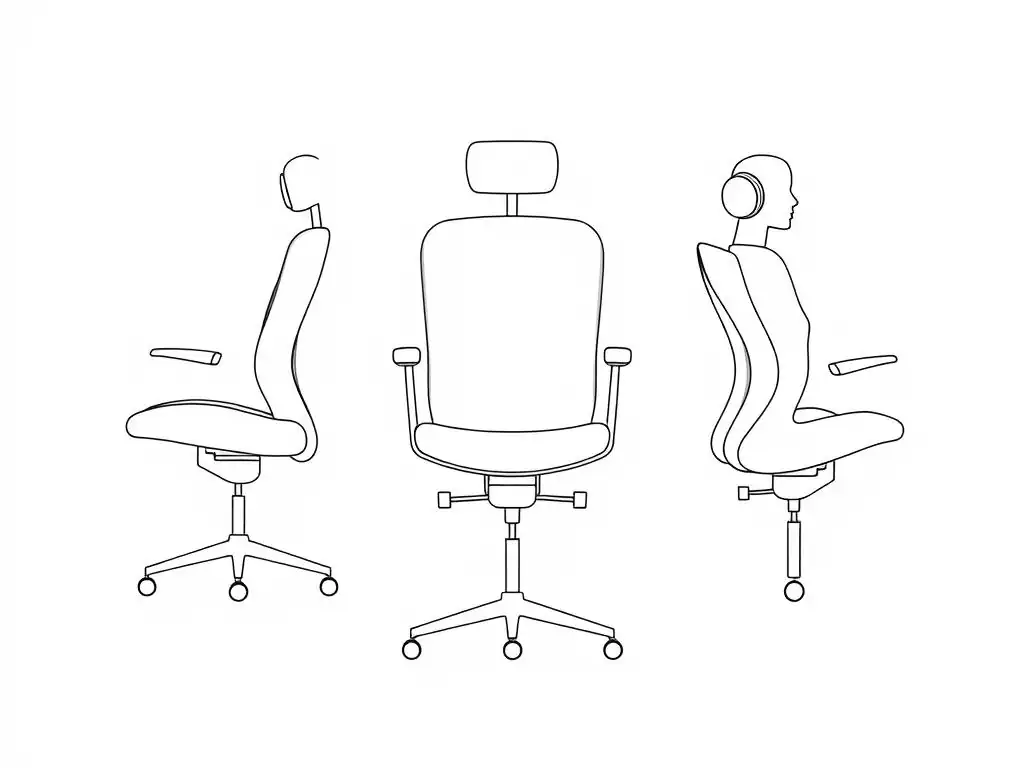
Finding the best ergonomic chair for posture isn't about picking the most expensive option; it's about selecting a chair that perfectly complements your body type, work style, and budget. This requires careful consideration of several factors, extending beyond mere aesthetics. Understanding your individual needs is paramount to making an informed decision that will positively impact your posture and overall well-being.
Consider factors such as the average number of hours you spend seated daily, the type of work you perform (requiring prolonged periods of stillness or more movement), and any pre-existing back or neck conditions. A chair that provides excellent lumbar support for a programmer might not be ideal for someone who frequently stands up during their workday. Prioritizing comfort and proper support will significantly reduce the risk of developing musculoskeletal issues.
Remember, investing in a quality ergonomic chair is an investment in your long-term health and productivity. Ignoring your ergonomic needs can lead to significant health problems down the line, potentially costing you far more in the long run than a well-chosen chair.
Key Features of an Ergonomic Chair: Adjustability, Support, and Materials
The cornerstone of any truly effective ergonomic chair lies in its adjustability, support mechanisms, and the quality of its materials. Let's delve into each aspect:
- Adjustability: A truly ergonomic chair offers extensive adjustment options. Look for chairs with adjustable height, armrests (height, width, and sometimes even angle), lumbar support (both height and depth), and seat depth. The ability to fine-tune these aspects allows you to perfectly align your body and maintain a neutral posture throughout the day. A chair lacking sufficient adjustability will compromise your posture and negate the benefits of an ergonomic design. Consider the range of each adjustment; a small adjustment range limits its effectiveness for individuals with varying body sizes.
- Support: Beyond adjustability, the type of support is crucial. Lumbar support is vital for maintaining the natural curvature of your spine. Look for chairs with robust lumbar support that conforms to your lower back. Furthermore, consider the quality of the padding. High-density foam provides superior support and longevity compared to thinner, less durable alternatives. The chair should also offer adequate support for your thighs and buttocks, preventing pressure points and promoting even weight distribution. Insufficient support can lead to discomfort, fatigue, and ultimately, poor posture.
- Materials: The materials used in the construction of the chair significantly impact its durability, comfort, and breathability. Mesh backs are often preferred for their breathability, especially in warmer climates. Leather and fabric offer different levels of comfort and aesthetic appeal. High-quality materials are an investment that will pay off in the long run, both in terms of comfort and the chair's lifespan. Consider the durability of the materials and their resistance to wear and tear. A durable chair will likely reduce long-term costs.
Different Types of Ergonomic Chairs: Executive Chairs, Mesh Chairs, Gaming Chairs
The market offers a wide variety of ergonomic chairs, each designed with different features and intended users in mind. Let's explore some popular types:
- Executive Chairs: Typically characterized by their high-end materials, sophisticated designs, and extensive adjustability features. These chairs prioritize comfort and often incorporate advanced support mechanisms. They are a good choice for individuals who spend long hours seated and value both comfort and a professional aesthetic. However, they often come with a higher price tag.
- Mesh Chairs: These chairs are known for their breathability and lightweight design. The mesh back allows for air circulation, preventing overheating and discomfort, particularly beneficial in warmer environments or for individuals who tend to sweat. While they generally offer good ergonomic features, the level of support might not match that of high-end executive chairs. They represent a good balance between comfort, breathability, and affordability.
- Gaming Chairs: Designed for extended gaming sessions, gaming chairs often boast aggressive styling, enhanced lumbar support, and adjustable headrests. While they can provide excellent ergonomic features, their design aesthetic might not be suitable for all professional settings. They often prioritize comfort and support for a specific posture, but careful consideration of adjustability is still necessary for optimal posture.
Budget-Friendly Ergonomic Chairs vs. High-End Models: A Cost-Benefit Analysis
The price range for ergonomic chairs varies significantly. Budget-friendly options offer basic ergonomic features, while high-end models provide advanced adjustability, superior materials, and enhanced comfort. The choice between a budget-friendly and a high-end model involves a cost-benefit analysis.
| Feature | Budget-Friendly Chair | High-End Chair |
|---|---|---|
| Price | Significantly lower | Significantly higher |
| Adjustability | Limited range of adjustments | Extensive range of adjustments |
| Materials | Less durable, potentially less comfortable | High-quality, durable, and comfortable |
| Lumbar Support | Basic lumbar support | Advanced, customizable lumbar support |
| Durability | Shorter lifespan | Longer lifespan |
| Overall Comfort | Adequate for shorter periods of use | Superior comfort for extended use |
Choosing a budget-friendly chair might seem appealing initially, but the lack of adjustability and inferior materials could lead to discomfort, poor posture, and potential long-term health issues. High-end chairs, while expensive upfront, offer superior comfort, durability, and adjustability, potentially minimizing health problems and maximizing productivity in the long run.
The ultimate decision depends on individual needs and budget constraints; however, prioritizing long-term health and productivity should be a primary consideration. Remember, the best ergonomic chair for posture is the one that best fits your specific needs and allows you to maintain a healthy and comfortable sitting position throughout the day.
Top Ergonomic Chairs for Optimal Posture in 2024
This section dives deep into some of the best ergonomic chairs available in 2024, specifically focusing on their ability to promote optimal posture and alleviate back pain. We'll examine several top contenders, highlighting their key features, advantages, and drawbacks to help you make an informed decision. Remember, the "best" ergonomic chair is subjective and depends on individual needs and preferences. Finding the perfect fit is crucial for maximizing comfort and productivity. This guide focuses on chairs designed to improve posture, a key aspect of maintaining a healthy and productive workday.
Herman Miller Aeron Chair: A Classic Choice for Superior Support (Affiliate Link)
The Herman Miller Aeron chair is a legendary name in the ergonomic seating world. Its iconic design and advanced features have made it a favorite among professionals and home office users alike for decades. Its reputation for superior support and adjustability makes it a strong contender for the title of "best ergonomic chair for posture".
Herman Miller Aeron Chair Review: Features, Pros, and Cons
The Aeron's success stems from its innovative design. The chair utilizes a PostureFit SL support system that provides excellent lumbar support, crucial for maintaining proper spinal alignment. Its unique 8Z Pellicle mesh seat allows for breathability, preventing overheating and discomfort during extended use. The fully adjustable arms, seat height, and tilt mechanism ensure a personalized fit for a wide range of users and body types.
- Pros: Exceptional lumbar support, breathable mesh seat, highly adjustable, durable construction, iconic design.
- Cons: High price point, can be difficult to assemble, some users find the mesh too firm.
Herman Miller Aeron Chair Price and Where to Buy
The Herman Miller Aeron chair is a significant investment. The price varies depending on the configuration and retailer, but expect to pay a premium for this high-end ergonomic chair. It's advisable to explore various retailers to compare prices and potentially find deals or refurbished options. Consider the long-term value; its durability and superior comfort can justify the cost for many users prioritizing posture and long-term health. Proper posture is key to preventing future back problems, and the Aeron can be a valuable investment in your long-term well-being.
Steelcase Leap Chair: Ergonomic Excellence for Long Workdays (Affiliate Link)
The Steelcase Leap chair is another powerhouse in the ergonomic chair arena, frequently competing with the Aeron for top spot. Known for its exceptional adjustability and support, it's a popular choice for individuals who spend many hours seated at a desk. This chair is designed with the specific goal of promoting good posture and reducing strain.
Steelcase Leap Chair Review: Features, Pros, and Cons
The Steelcase Leap boasts a sophisticated design that prioritizes both comfort and ergonomic support. Its LiveBack technology dynamically adjusts to the user's movements, providing personalized lumbar support throughout the workday. The chair's adjustable arms, seat depth, and tilt mechanism allow for a customized fit, minimizing pressure points and promoting proper posture. The Leap also offers excellent adjustability for users of varying heights and body types.
- Pros: Excellent lumbar support, highly adjustable, durable construction, comfortable for long periods of sitting, promotes good posture.
- Cons: High price point, can be complex to assemble, some users may find the seat too firm.
Steelcase Leap Chair Price and Where to Buy
Similar to the Herman Miller Aeron, the Steelcase Leap chair comes with a premium price tag. However, its robust construction and advanced ergonomic features make it a worthwhile investment for those prioritizing long-term comfort and postural health. The price will vary based on the retailer and specific configuration. Researching different retailers is highly recommended to find the best price and ensure you're getting the best value for this investment in your health and productivity. The Steelcase Leap is designed to support good posture, leading to increased comfort and reduced risk of back pain.
Autonomous ErgoChair 2: A Budget-Friendly Option with Impressive Features (Affiliate Link)
The Autonomous ErgoChair 2 presents a compelling case for those seeking a high-quality ergonomic chair without breaking the bank. Its design prioritizes adjustability and comfort, making it a strong contender in the "best ergonomic chair for posture" arena. This chair boasts a range of features typically found in more expensive models, offering excellent value for its price point.
The breathable mesh back helps regulate temperature, preventing overheating during extended periods of use. This is a crucial feature for maintaining comfort and focus throughout the workday, a significant factor contributing to improved posture. The chair's adjustable lumbar support allows users to customize the level of support to perfectly match their individual needs and spinal curvature.
This personalized adjustment is key to achieving optimal posture and preventing back pain. Many users appreciate the ease of assembly, a significant plus for those who prefer a quick and straightforward setup process. The chair's modern aesthetic also appeals to those seeking a stylish addition to their home office.
Autonomous ErgoChair 2 Review: Features, Pros, and Cons
The Autonomous ErgoChair 2 offers a robust set of features designed to enhance both comfort and posture. Key features include a fully adjustable backrest, adjustable armrests (height, width, and depth), and a height-adjustable seat. The adjustable lumbar support is particularly noteworthy, allowing users to fine-tune the level of support for their lower back. The breathable mesh material is another significant advantage, keeping users cool and comfortable even during long work sessions. This contributes directly to better posture by preventing discomfort that might lead to slouching.
Pros:
- Excellent value for money.
- Highly adjustable to accommodate various body types and preferences.
- Breathable mesh back for enhanced comfort.
- Easy assembly process.
- Stylish and modern design.
Cons:
- Some users report that the armrests could be more padded.
- The mesh material might not be as durable as leather or fabric alternatives. This is a common trade-off for breathability. Further research is needed to establish the long-term durability of the mesh.
- While generally considered budget-friendly, it's not the absolute cheapest option on the market.
Autonomous ErgoChair 2 Price and Where to Buy
The Autonomous ErgoChair 2 is typically priced in a range that makes it competitive within the mid-range ergonomic chair market. Its price point reflects the balance between its high-quality features and its affordability. The exact price may vary depending on sales and promotions. [Specific pricing information pending] The chair is primarily sold directly through the manufacturer's website and authorized retailers.
Secretlab TITAN Evo 2022: The Best Ergonomic Gaming Chair for Posture (Affiliate Link)
The Secretlab TITAN Evo 2022 is a premium ergonomic chair that blurs the lines between gaming and office use. While marketed towards gamers, its advanced adjustability and support features make it a top contender for those seeking a "best ergonomic chair for posture" solution, even outside the gaming sphere. It’s known for its luxurious materials and exceptional build quality, offering a level of comfort and support that many users find unparalleled.
The chair's robust construction ensures long-term durability, a key factor for an investment of this magnitude. The extensive adjustability options allow for precise customization, accommodating a wide range of body types and preferences. This ensures that users can find their ideal posture, promoting comfort and preventing strain during extended periods of sitting.
Secretlab TITAN Evo 2022 Review: Features, Pros, and Cons
The Secretlab TITAN Evo 2022 is packed with features designed for both comfort and ergonomic support. These include a 4D adjustable armrest system, allowing for precise positioning, a highly adjustable lumbar support system, and a reclined backrest with multiple locking positions. The high-quality materials used in its construction significantly contribute to its durability and overall comfort. The chair's design incorporates advanced ergonomic principles, promoting proper spinal alignment and reducing the risk of back pain. The superior cushioning provides excellent support and pressure relief, even during extended use.
Pros:
- Exceptional comfort and support.
- Highly durable construction.
- Extensive adjustability options.
- Premium materials and build quality.
- Stylish design.
Cons:
- High price point.
- Can be quite large and may not be suitable for all spaces.
- Assembly may be slightly more challenging than some other chairs.
Secretlab TITAN Evo 2022 Price and Where to Buy
The Secretlab TITAN Evo 2022 is a premium chair, and its price reflects this. It's positioned at the higher end of the ergonomic chair market. The exact price can fluctuate depending on the chosen material (leatherette, softweave, etc.) and any ongoing promotions. [Specific pricing information pending]. The chair is available for purchase directly from the manufacturer's website and select authorized retailers.
Ergonomic Chair Buying Guide: Factors to Consider
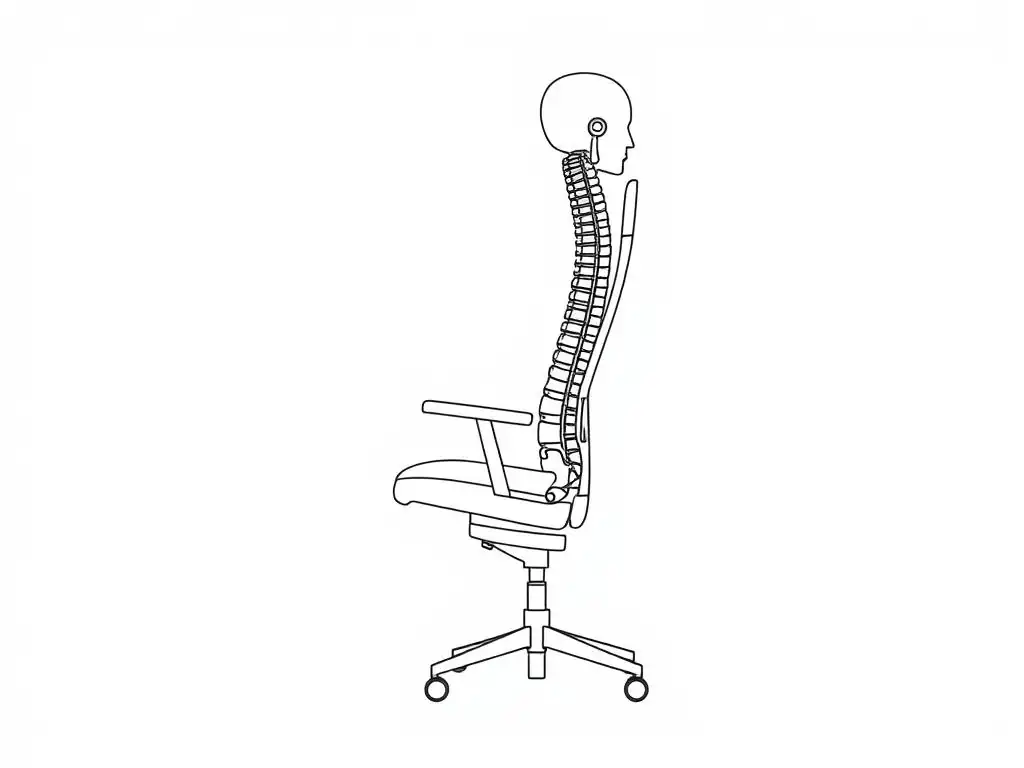
Finding the best ergonomic chair for posture isn't just about aesthetics; it's about investing in your long-term health and productivity. This guide breaks down the key factors to consider before making your purchase, ensuring you select a chair perfectly suited to your individual needs. Remember, a chair that's comfortable for one person might be utterly unsuitable for another.
Measuring Your Body for the Perfect Fit: Height, Weight, and Posture
Before you even start browsing chair models, accurately measuring your body is crucial. This isn't about vanity sizing; it's about biomechanics. The wrong chair dimensions can lead to discomfort, poor posture, and even long-term health problems.
Consider these measurements:
- Height: Measure from the floor to the top of your head while standing. This helps determine the appropriate seat height and backrest height. Too low, and your knees will be too high; too high, and your feet won't comfortably reach the floor.
- Weight: This informs the chair's weight capacity. Exceeding the limit can damage the chair's structure and compromise its support. Look for chairs with weight capacities significantly exceeding your weight for added safety and longevity.
- Posture: Do you typically slouch? Are you tall and slender, or short and stocky? Your posture significantly impacts the type of lumbar support and backrest curvature you need. A proper assessment might even require consulting a physical therapist or ergonomist for personalized recommendations. For example, someone with a pronounced swayback will require a chair with adjustable lumbar support that can accommodate their specific spinal curve.
Many reputable ergonomic chair manufacturers provide detailed sizing charts. Refer to these charts, using your measurements, to narrow down your options. Don't hesitate to contact customer service if you're unsure about the fit. Investing a few extra minutes in careful measurement can save you significant discomfort and potential health issues down the line. Remember, the goal is to find the best ergonomic chair for posture that perfectly complements your unique physique.
Choosing the Right Materials: Mesh vs. Leather vs. Fabric
The material of your ergonomic chair significantly impacts its breathability, durability, and overall comfort. Each material offers distinct advantages and disadvantages:
| Material | Advantages | Disadvantages | Ideal For |
|---|---|---|---|
| Mesh | Excellent breathability, lightweight, durable | Can feel less luxurious, might not be as warm | Hot climates, active users, long sitting periods |
| Leather | Luxurious feel, durable, easy to clean | Can be expensive, less breathable, may become sticky in hot weather | Users prioritizing luxury and durability |
| Fabric | Wide variety of textures and colors, often affordable | Durability varies greatly, can be harder to clean | Budget-conscious users, those preferring softer textures |
Choosing the right material depends on your personal preferences and climate. Mesh is generally preferred for hot and humid environments due to its superior breathability. Leather offers a premium feel but may not be ideal for all-day use in warm climates. Fabric provides a balance between comfort and affordability, but the quality can vary widely. Consider your budget, climate, and personal preferences when making your selection. The best ergonomic chair for posture will also consider these material factors for long-lasting comfort.
Adjustability Features: Lumbar Support, Armrests, Headrest
Adjustability is paramount in an ergonomic chair. A chair that doesn't adapt to your body is essentially useless. Key adjustable features include:
- Lumbar Support: Crucial for maintaining proper spinal alignment. Look for chairs with adjustable lumbar support that can be customized to fit the natural curve of your lower back. Insufficient lumbar support is a common cause of back pain. A well-adjusted lumbar support will provide the necessary contour to keep your spine aligned and prevent slouching.
- Armrests: Adjustable armrests allow you to position your arms comfortably at a 90-degree angle to your body, reducing strain on your shoulders and neck. Consider the height, width, and depth adjustability of the armrests. Some armrests even offer 360° rotation for enhanced flexibility.
- Headrest: A headrest is particularly beneficial for taller individuals or those who lean back frequently. It provides crucial support for the neck and head, preventing strain and promoting proper posture. The height and angle adjustability of the headrest are vital for optimal comfort and alignment.
The best ergonomic chair for posture will offer a comprehensive suite of adjustable features. Don't settle for a chair with limited adjustability, as this will compromise your comfort and posture. Prioritize chairs with multiple adjustment points to ensure a personalized and comfortable fit. Consider the range of adjustment offered by each feature to ensure they can accommodate your individual needs and preferences.
Understanding Warranty and Return Policies
Choosing an ergonomic chair is a significant investment, both financially and in terms of your long-term comfort and health. Therefore, understanding the warranty and return policies offered by the manufacturer is crucial. Don't just focus on the price tag; investigate the protection you're getting. A robust warranty demonstrates the manufacturer's confidence in their product's durability and longevity. Look for warranties that cover defects in materials and workmanship for a reasonable period, ideally several years. Some manufacturers offer extended warranties for an additional fee, which might be worthwhile depending on your budget and the chair's price.
Pay close attention to the specifics of the warranty. Does it cover all parts of the chair, or are certain components excluded? What is the process for making a warranty claim? Is it a simple online form, or does it involve extensive paperwork and potentially lengthy wait times? Reading the fine print is absolutely essential to avoid unpleasant surprises down the line. A vague or overly restrictive warranty should be a red flag, prompting you to consider other options.
Equally important is the return policy. Even with thorough research, sometimes a chair simply doesn't feel right once you've used it in your workspace. A generous return policy allows you to try the chair for a period—typically 30 to 90 days—and return it for a full or partial refund if it doesn't meet your expectations. This is particularly beneficial when purchasing online, where you can't physically test the chair before buying.
Consider the return shipping costs; some companies will cover them, while others might expect you to bear the expense. This can significantly impact the overall cost, so factor this into your decision. A clear and easy-to-understand return policy is a sign of a reputable seller who prioritizes customer satisfaction.
Don't hesitate to contact the seller directly if you have any questions or require clarification on their warranty and return policies before making a purchase. This proactive approach can save you considerable time, money, and frustration in the long run. Choosing a chair with a comprehensive warranty and a flexible return policy is an investment in peace of mind.
Setting Up Your Ergonomic Workstation for Maximum Comfort
Even the best ergonomic chair for posture won't deliver optimal results if your entire workstation isn't ergonomically sound. Think of your chair as one piece of a larger puzzle; the other pieces – your desk, monitor, keyboard, and accessories – are equally important in preventing discomfort and promoting good posture. This section focuses on optimizing your workspace to complement your ergonomic chair investment.
Ergonomic Desk Setup: Height, Keyboard Placement, and Monitor Positioning
The ideal desk height allows your elbows to be bent at a 90-degree angle while typing, with your feet flat on the floor. Too high, and you'll hunch; too low, and you'll slouch. Adjustable height desks are a fantastic investment, allowing you to customize your setup throughout the day, accommodating different tasks and postures. Consider measuring your elbow height while sitting in your ergonomic chair to determine the optimal desk height.
Your keyboard should be positioned directly in front of you, allowing your wrists to remain straight and relaxed. Avoid reaching or twisting your body to access the keyboard. Similarly, your mouse should be within easy reach, minimizing unnecessary strain. Using a vertical mouse can significantly reduce wrist strain for many users.
Monitor placement is crucial. The top of your monitor should be roughly at eye level to prevent neck strain. This often requires adjusting your monitor's height using a monitor stand or riser. Position the monitor an arm's length away to reduce eye strain and fatigue. Consider using a dual-monitor setup for improved workflow, but ensure both monitors are positioned ergonomically.
| Element | Ideal Positioning | Benefits |
|---|---|---|
| Desk Height | Elbows at 90 degrees when typing | Prevents hunching and slouching |
| Keyboard | Directly in front, wrists straight and relaxed | Minimizes wrist strain |
| Mouse | Within easy reach, minimal reaching | Reduces muscle strain |
| Monitor | Top at eye level, arm's length away | Prevents neck and eye strain |
Proper Sitting Posture: Tips and Tricks for Optimal Alignment
Even with the perfect ergonomic chair and desk setup, maintaining proper posture requires conscious effort. Here are some key tips to optimize your sitting posture and maximize the benefits of your ergonomic chair:
- Keep your feet flat on the floor: This provides a stable base of support and helps maintain proper spinal alignment. If your feet don't reach the floor, use a footrest (discussed in the next section).
- Engage your core muscles: A strong core provides support for your spine and helps maintain good posture. Regular core strengthening exercises can significantly improve your posture.
- Maintain a neutral spine: Avoid slouching or arching your back excessively. Your spine should maintain its natural curves.
- Take regular breaks: Get up and move around every 30-60 minutes to prevent stiffness and fatigue. Even short breaks can make a big difference.
- Adjust your chair frequently: As your body changes throughout the day, make small adjustments to your chair's settings to maintain optimal comfort and support. Experiment with the chair's features to find what works best for you.
Accessories for Enhanced Comfort: Footrests, Lumbar Pillows
While an ergonomic chair provides significant support, accessories can further enhance comfort and posture.
- Footrests: If your feet don't comfortably reach the floor when seated in your ergonomic chair, a footrest is essential. It provides proper support and helps maintain good posture by preventing your legs from dangling. Choose a footrest with adjustable height and tilt for optimal comfort. This is especially important for individuals with shorter legs or those who prefer a more reclined sitting position.
- Lumbar Pillows: These provide additional support to the lower back, helping to maintain the natural curvature of the spine. A good lumbar pillow should be firm enough to provide support but not so firm as to be uncomfortable. Consider a pillow with adjustable straps to ensure a proper fit. Many ergonomic chairs have built-in lumbar support, but a supplemental pillow can provide extra comfort and customization. The right lumbar support is crucial for preventing lower back pain and promoting healthy posture.
Remember, the key to optimal posture is a holistic approach. Combining the best ergonomic chair for posture with a properly configured workstation and mindful sitting habits will significantly improve your comfort, productivity, and overall well-being.
Maintaining Your Ergonomic Chair: Cleaning and Care
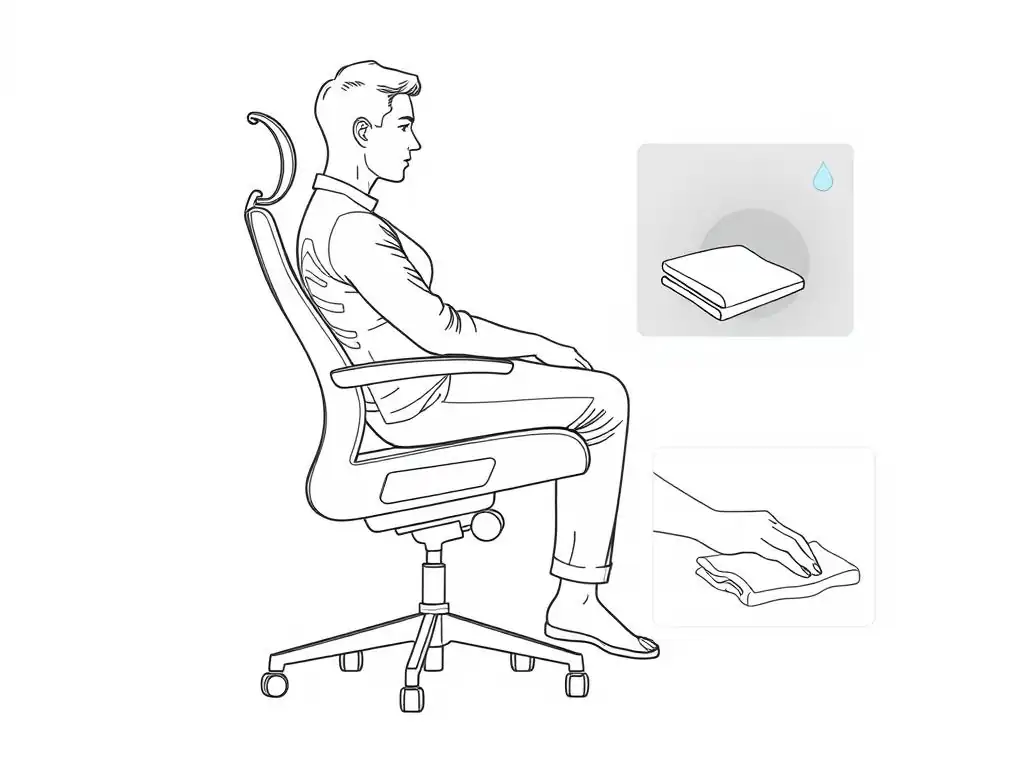
Maintaining your ergonomic chair is crucial not only for its longevity but also for maintaining a hygienic workspace. A clean chair contributes to a healthier and more productive work environment. Regular cleaning prevents the build-up of dust, dirt, and grime, which can impact both the chair's appearance and its functionality. This section will guide you through the essential cleaning and care procedures to keep your investment in the best ergonomic chair for posture in top condition.
Cleaning and Maintaining Your Ergonomic Chair: Tips and Tricks
The frequency of cleaning depends on your usage and environment. However, a weekly dusting is a good starting point for most users. For more intensive cleaning, aim for a monthly deep clean. Here's a step-by-step guide:
- Preparation: Before you begin, gather your cleaning supplies. You'll need a soft-bristled brush (like a microfiber cloth or a specialized upholstery brush), a vacuum cleaner with a brush attachment, mild detergent (avoid harsh chemicals), and lukewarm water. For stubborn stains, consider a specialized upholstery cleaner.
- Dusting: Begin by using the soft-bristled brush or vacuum cleaner to remove loose dust and debris from all surfaces of the chair, including the seat, backrest, armrests, and base. Pay close attention to crevices and seams where dust tends to accumulate.
- Spot Cleaning: For stains, gently blot (don't rub!) the affected area with a damp cloth and mild detergent solution. Test the solution on an inconspicuous area first to ensure it doesn't damage the fabric or finish. Allow the area to air dry completely. Avoid using excessive water, as this can damage the chair's internal components.
- Deep Cleaning (Monthly): For a thorough clean, use the vacuum cleaner with the brush attachment to remove deeply embedded dirt. You can also use a specialized upholstery cleaner according to the manufacturer's instructions. Remember to allow the chair to dry completely before use.
- Leather Chairs: Leather chairs require a different approach. Use a leather cleaner and conditioner specifically designed for furniture. Follow the product instructions carefully. Regular conditioning will keep the leather supple and prevent cracking.
Extending the Lifespan of Your Ergonomic Chair: Proper Use and Maintenance
Beyond regular cleaning, proper use and maintenance significantly influence the lifespan of your ergonomic chair – a crucial aspect when searching for the best ergonomic chair for posture. Here are some key practices:
- Adjustments: Regularly adjust your chair's settings (height, backrest angle, armrest position, lumbar support) to maintain optimal posture and comfort throughout the day. Improper adjustments can lead to premature wear and tear.
- Weight Limits: Always stay within the chair's weight capacity. Exceeding the limit puts undue stress on the chair's components and can lead to structural damage. Check the manufacturer's specifications for the exact weight limit.
- Avoid Harsh Chemicals: Refrain from using abrasive cleaners or harsh chemicals, as these can damage the chair's materials and finishes.
- Protect from Sunlight and Extreme Temperatures: Prolonged exposure to direct sunlight or extreme temperatures can fade the fabric and damage the chair's materials. Keep your chair away from direct sunlight and heat sources.
- Caster Care: Regularly inspect and clean the chair's casters. Dust and debris can impede their smooth operation. If necessary, lubricate the casters according to the manufacturer's instructions. Smooth-rolling casters are essential for maintaining proper posture and preventing strain.
By following these simple cleaning and maintenance tips, you can significantly extend the life of your ergonomic chair, ensuring it continues to provide optimal support and contribute to a healthy and productive work environment. Investing in the best ergonomic chair for posture is a significant step, but proper care ensures that investment pays off in comfort and longevity. Remember, a well-maintained chair is a happy chair! 🪑
Frequently Asked Questions (FAQs) about Ergonomic Chairs
This section addresses common queries regarding ergonomic chairs, helping you navigate the selection process and find the best ergonomic chair for posture and overall well-being. We'll delve into crucial aspects like budget, suitability, and specific needs like back pain relief.
What is the best ergonomic chair for back pain?
Finding the best ergonomic chair for back pain requires careful consideration of several factors. There isn't a single "best" chair, as individual needs vary greatly depending on the severity and type of back pain, body weight, and personal preferences. However, chairs with certain features consistently prove beneficial:
- Lumbar Support: A strong, adjustable lumbar support is paramount. This crucial element provides crucial support to the lower back, preventing slouching and reducing strain. Look for chairs with adjustable lumbar height and depth, allowing for a personalized fit. A poorly designed lumbar support can actually exacerbate back pain, so this is a critical feature.
- Adjustable Height: The chair's height should allow your feet to rest flat on the floor with your thighs parallel to the ground. This prevents pressure on the back of your thighs and promotes proper posture. An adjustable seat height is essential for accommodating different body sizes.
- Headrest (Optional but Beneficial): For those experiencing neck pain alongside back pain, a well-designed headrest can provide welcome relief. Look for a headrest that's adjustable in height and angle.
- Material and Breathability: Consider the chair's material. Mesh backrests, for instance, offer superior breathability, reducing discomfort during extended periods of sitting. Leather can be comfortable but may retain heat.
- Armrests: Adjustable armrests allow you to position your arms comfortably, reducing strain on your shoulders and neck. Avoid armrests that are too high or too low, as this can force your shoulders into an unnatural position.
Remember, consulting with a healthcare professional or physical therapist is advisable before purchasing an ergonomic chair, particularly if you have severe or chronic back pain. They can offer personalized recommendations based on your specific condition and needs. They can also help you determine if an ergonomic chair is the right solution for your back pain, or if other interventions might be necessary.
How much should I spend on an ergonomic chair?
The price range for ergonomic chairs spans considerably, from a few hundred dollars to several thousand. The cost often reflects the chair's features, build quality, and brand reputation. While a more expensive chair doesn't automatically guarantee superior comfort or support, it often indicates higher-quality materials, more advanced adjustability options, and a longer warranty.
- Budget-Friendly Options (Under $300): These chairs often offer basic ergonomic features but may lack the advanced adjustability and durability of higher-end models. They're suitable for occasional use or those with a limited budget.
- Mid-Range Options ($300-$800): This category provides a good balance between price and features. You can expect better adjustability, more comfortable materials, and generally improved build quality.
- High-End Options (Over $800): These chairs often boast premium materials, advanced ergonomic features, and superior adjustability. They are designed for long-term use and are ideal for individuals who spend many hours seated daily.
Ultimately, the amount you should spend depends on your budget, your needs, and how frequently you'll use the chair. Consider the return on investment—a quality ergonomic chair can significantly improve your posture, comfort, and overall well-being, potentially offsetting the initial cost through increased productivity and reduced healthcare expenses.
How do I know if an ergonomic chair is right for me?
Determining if an ergonomic chair is the right choice involves assessing your lifestyle, work habits, and physical needs. Consider these factors:
- Hours Spent Sitting: If you spend a significant portion of your day seated (e.g., working at a computer, studying), an ergonomic chair can significantly improve your comfort and posture.
- Existing Back or Neck Pain: If you already experience back or neck pain, an ergonomic chair might alleviate discomfort and prevent further issues. However, always consult a healthcare professional for appropriate advice.
- Posture: Do you find yourself slouching or experiencing discomfort while sitting? An ergonomic chair can help you maintain proper posture and reduce strain.
- Work Environment: Consider your workspace. Does your current chair lack adequate support? Is your desk height appropriate? An ergonomic chair is only part of the solution; a well-designed workspace is also crucial.
Before purchasing, try the chair out if possible. Sit in it for at least 15-20 minutes to assess its comfort and adjustability. Pay attention to how the chair supports your back, neck, and arms. Don't hesitate to test all the adjustment features. A good ergonomic chair should feel supportive and comfortable, allowing you to maintain a healthy posture without excessive strain. 🧐 A trial period, if offered, can be invaluable in making the right decision.
Can an ergonomic chair help with neck pain?
Yes, an ergonomic chair can significantly alleviate neck pain for many individuals. Neck pain often stems from poor posture, prolonged periods of sitting, and improper support. A well-designed ergonomic chair addresses these issues directly. Key features that contribute to neck pain relief include adjustable headrests, which provide crucial support for the cervical spine, preventing it from straining forward.
Furthermore, proper lumbar support ensures the entire spine is aligned, reducing the strain that often travels up to the neck. The chair's height adjustability is also critical; a chair that's too low forces you to hunch forward, aggravating neck pain, while a chair that's too high can lead to shoulder and neck tension. The chair's armrests should also be considered; properly positioned armrests can reduce the need to reach or strain your neck and shoulders while typing or working.
However, it's crucial to understand that an ergonomic chair is not a guaranteed cure for neck pain. While it can significantly reduce pain in many cases, it's not a substitute for professional medical advice. Underlying medical conditions may be contributing to your neck pain, and consulting a doctor or physical therapist is always recommended. They can properly diagnose the root cause and recommend appropriate treatment, which may include exercises or other therapies in conjunction with using an ergonomic chair.
Even with the best ergonomic chair, maintaining good posture and taking regular breaks throughout the day is vital for preventing and managing neck pain. Think of the ergonomic chair as a tool to support good posture and reduce strain—not a magic solution that eliminates the problem entirely. Proper usage and mindful posture habits are essential for maximizing the benefits of an ergonomic chair in reducing neck pain.
Frequently Asked Questions
What makes an ergonomic chair "ergonomic"?
Ergonomic chairs are designed to support your body's natural curves, promoting proper posture and reducing strain. Key features include adjustable height, lumbar support, and armrests.
How can I tell if a chair is right for my body?
Consider your height, weight, and posture. Look for adjustable features to customize the chair's fit. Try sitting in the chair for a while before purchasing to ensure comfort.
What's the difference between an ergonomic chair and a regular office chair?
Ergonomic chairs prioritize posture and comfort, offering features specifically designed to reduce back pain and fatigue. Regular chairs lack these specialized features.
Are expensive ergonomic chairs always the best?
Not necessarily. While price can indicate better quality, consider your individual needs and budget. Many excellent ergonomic chairs are available at various price points.
How do I maintain my ergonomic chair to extend its lifespan?
Regularly clean and inspect your chair. Adjust the components as needed to maintain optimal support. Avoid overloading the chair beyond its weight capacity.
Final Reflection: The Posture Revolution Starts with You
The quest for the perfect ergonomic chair isn't just about comfort; it's a fundamental investment in your long-term health and well-being. In a world increasingly dominated by sedentary lifestyles, the impact of proper posture on our physical and mental health cannot be overstated. Back pain, neck strain, and even reduced cognitive function are all linked to poor posture, making the choice of seating a critical factor in our daily lives.
The journey to better posture is a deeply personal one, a continuous process of awareness and adjustment. It's about understanding your body's unique needs and finding the chair that best supports your individual posture. This understanding extends beyond the physical; it's about recognizing the interconnectedness of our physical and mental states. As the renowned architect Frank Lloyd Wright once said, Form follows function – that has been misunderstood. Form and function should be one, joined in a spiritual union.
This principle applies equally to the ergonomic chair; its design should seamlessly integrate with your body and your work style, promoting both physical comfort and mental focus.
Now, consider your own workspace. What adjustments can you make today to improve your posture? Is it time to invest in a chair that truly supports your body? Perhaps it's a matter of simple adjustments – a better monitor placement, a more supportive lumbar pillow, or even just taking regular breaks to stretch and move. The power to transform your posture, and consequently your well-being, rests in your hands. Embrace this opportunity to prioritize your health and embark on a journey towards a more comfortable, productive, and fulfilling life.
Rediscover Your Comfort: Elevate Your Work-From-Home Setup
Thanks for exploring the world of ergonomic seating! We hope you feel confident in choosing a chair that supports your well-being. Ready to transform your workspace?
- Prioritize your posture: Take a few minutes to adjust your chair, focusing on lumbar support and proper height. This simple change can significantly improve your comfort and productivity.
- Share your experiences: Tell us about your search for the perfect ergonomic chair! What tips helped you find the right fit, and what challenges did you encounter?
- Explore additional resources: Learn more about improving your home office setup for better health and productivity in our other articles.
What's the first change you'll make to your workspace today to improve your comfort and well-being?