
Closet Chaos to Calm: Simple Steps for an Organized Life

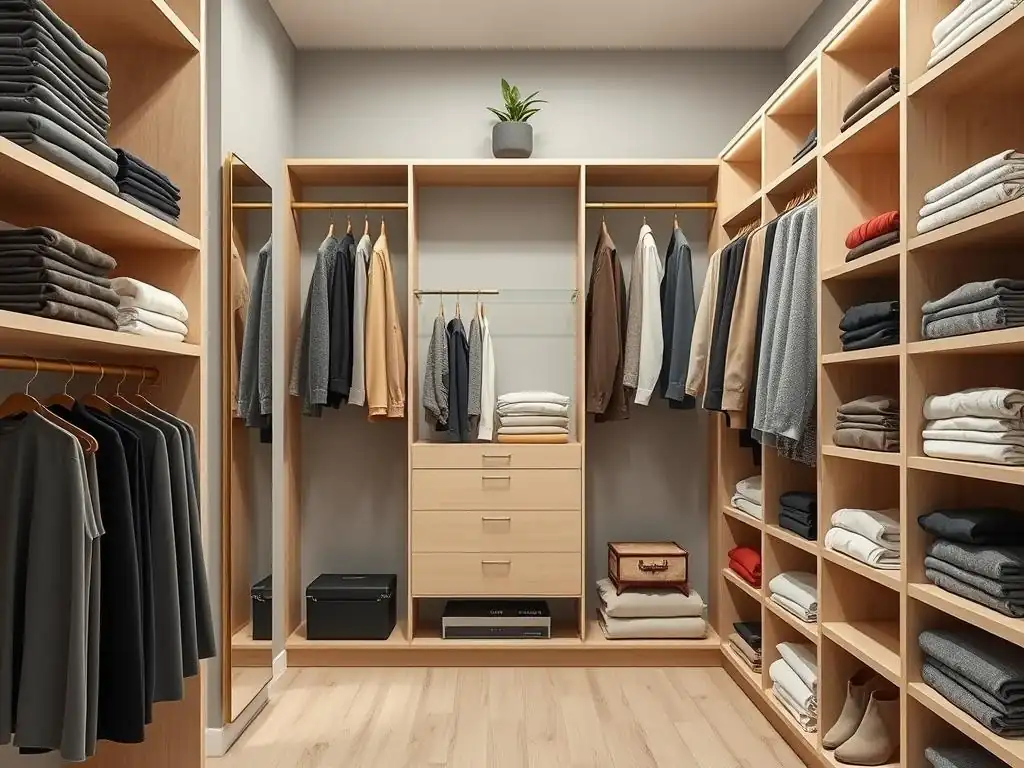
Ready to conquer closet chaos and reclaim your mornings? At UltimateLifeHacks, we're dedicated to providing practical solutions for a more efficient you. This article on organizing your closet efficiently and saving precious time is just the beginning. Discover simple yet powerful strategies to transform your daily routine and unlock a more organized, productive life. Let's dive in and reclaim your space – and your sanity!
- Conquer Closet Clutter: A Step-by-Step Guide to Efficient Organization
- Optimize Closet Space: Smart Storage Solutions for Efficient Organization
- Maintaining Your Organized Closet: Tips for Long-Term Efficiency
-
Save Time and Reclaim Your Mornings: The Benefits of an Organized Closet
- Streamlined Morning Routine: The Impact of Efficient Closet Organization on Daily Life
- Reduced Stress and Anxiety: The Psychological Benefits of a Tidy Space
- Increased Productivity: How a Well-Organized Closet Boosts Efficiency
- More Time for What Matters: Reclaiming Time for What Matters Through Effective Organization
- Frequently Asked Questions
- Final Reflection: Unlocking Freedom Through Organized Spaces
- Ready to Reclaim Your Space?
Conquer Closet Clutter: A Step-by-Step Guide to Efficient Organization
Conquering closet chaos and achieving efficient organization isn't about magic; it's about a strategic and systematic approach. This guide provides practical, actionable steps to transform your overflowing closet into a calm and functional space, saving you valuable time and reducing daily stress. We'll explore a proven method to declutter, categorize, and optimize your closet for maximum efficiency, ultimately helping you to organize your closet efficiently and save time. This process is perfect for anyone seeking to improve their household organization and reclaim precious minutes in their day.
We'll tackle everything from identifying unnecessary items to creating easily accessible zones, ensuring your closet becomes a source of calm rather than frustration. Let's begin! 🎉
Decluttering Your Closet: The First Step to an Organized Space
Before you even think about organizing, you need to declutter. This crucial first step involves a thorough assessment of your clothing and accessories. Start by emptying your closet completely. Yes, completely. This might seem daunting, but it's the only way to get a truly accurate picture of what you have and what you need. Once everything is out, you can begin the process of evaluating each item. Ask yourself these key questions for each piece:
- Have I worn this in the past year?
- Does it still fit?
- Is it in good condition?
- Does it make me feel good when I wear it?
Be honest with yourself. If the answer to any of these questions is "no," it's time to let it go. Don't be afraid to get rid of items that are worn, outdated, or simply don't spark joy. Remember, holding onto items you don't need or use only adds to the clutter and stress. Consider donating usable items to charity, recycling what you can, and responsibly discarding the rest. This initial purge will significantly lighten your load and make the next steps much easier.
Identifying and Removing Unnecessary Items: A Practical Approach to Closet Purge
Decluttering isn't just about removing clothes; it's about identifying and removing unnecessary items. This goes beyond simply discarding unwanted garments. Consider these categories:
- Outdated Styles: Those trendy pieces you haven’t touched in years? Time to say goodbye.
- Clothes That Don't Fit: Holding onto clothes that are too small or too large only serves as a reminder of past or future goals.
- Damaged Items: Clothes with holes, stains, or significant wear and tear should be discarded or repurposed (e.g., rags).
- Duplicate Items: Do you really need five black t-shirts? Consolidate similar items to reduce unnecessary bulk.
- Sentimental Items: It's okay to keep a few sentimental items, but be mindful not to hoard too many. Choose a few truly special pieces and let the rest go.
To streamline this process, try the "one in, one out" rule. For every new item you bring into your closet, remove an old one. This simple rule prevents future clutter buildup and keeps your closet organized efficiently. Remember, a clutter-free closet is a more efficient closet!
Categorizing and Sorting Clothes: Creating Zones for Efficient Access
Once you've decluttered, it's time to organize. The key to efficient organization is categorization. Group similar items together to create easily accessible zones within your closet. Consider these categories:
| Category | Subcategories | Notes |
|---|---|---|
| Tops | T-shirts, blouses, tank tops, sweaters | Consider color-coding or arranging by sleeve length for easy identification. |
| Bottoms | Pants, skirts, jeans, shorts | Fold or hang depending on fabric type and personal preference. |
| Dresses | Casual dresses, formal dresses, etc. | Similar to tops and bottoms, organize by style, color, or occasion. |
| Outerwear | Coats, jackets, scarves, gloves | Seasonal storage can help maximize space. |
| Accessories | Belts, jewelry, hats, bags | Utilize drawer organizers or specialized jewelry boxes. |
| Shoes | Boots, heels, flats, sneakers | Shoe racks or shelves can keep shoes organized and visible. |
By creating these distinct zones, you'll be able to quickly locate the item you need, saving you time and frustration in your daily routine. Remember, the goal is to create a system that works for you and your lifestyle. This will ensure that your closet remains organized efficiently, saving you time and enhancing your daily life.
Utilizing Vertical Space: Maximizing Closet Storage with Smart Solutions
Efficient closet organization hinges on maximizing vertical space. Often, we only utilize the lower shelves and floor space, leaving a significant amount of storage potential untapped above. This is where smart solutions come into play, allowing you to effectively "stack" your belongings and optimize storage capacity. Think of it as creating a vertical filing system for your clothing and accessories.
One highly effective method is the use of double hanging rods. Installing a second rod beneath the existing one allows you to double the hanging capacity for shorter items like blouses, skirts, and folded trousers. This immediately frees up valuable shelf space, allowing you to organize other items more effectively. Consider the potential space savings; if you have a 6-foot rod, a second rod can potentially add 6 feet of additional hanging space, significantly impacting your closet's overall capacity.
Beyond double hanging rods, consider shelf dividers and stackable drawers. Shelf dividers prevent stacks of folded items from toppling over, keeping everything neat and easily accessible. These are particularly useful for folded sweaters, t-shirts, or jeans. Stackable drawers, especially those designed for closet organization, provide a highly structured way to store smaller items like socks, underwear, and accessories, keeping them contained and preventing clutter. Look for modular drawer systems that can be adjusted to fit your specific needs and shelf heights. Remember to measure your shelf depths carefully before purchasing.
Don't underestimate the power of vertical storage units. These are freestanding units that can be placed on the closet floor or even on top of existing shelves. They often include multiple drawers, shelves, or compartments, adding significant vertical storage capacity. These are particularly useful for storing off-season clothes, shoes, or bulky items like blankets. Choosing slim, tall units can maximize space utilization even in smaller closets. Investing in a high-quality, durable vertical storage unit can drastically improve your closet's efficiency.
Finally, consider using hanging organizers. These come in various designs, including shoe organizers, accessory organizers, and even specialized organizers for belts and ties. These maximize vertical space by utilizing the often-wasted space on the back of closet doors or hanging from the rod itself. They keep items organized, visible, and accessible, contributing to a more efficient and visually appealing closet. When choosing hanging organizers, prioritize durability and functionality to ensure long-term effectiveness in your organization system. This will save you time in the long run by preventing you from having to continuously reorganize.
Optimize Closet Space: Smart Storage Solutions for Efficient Organization
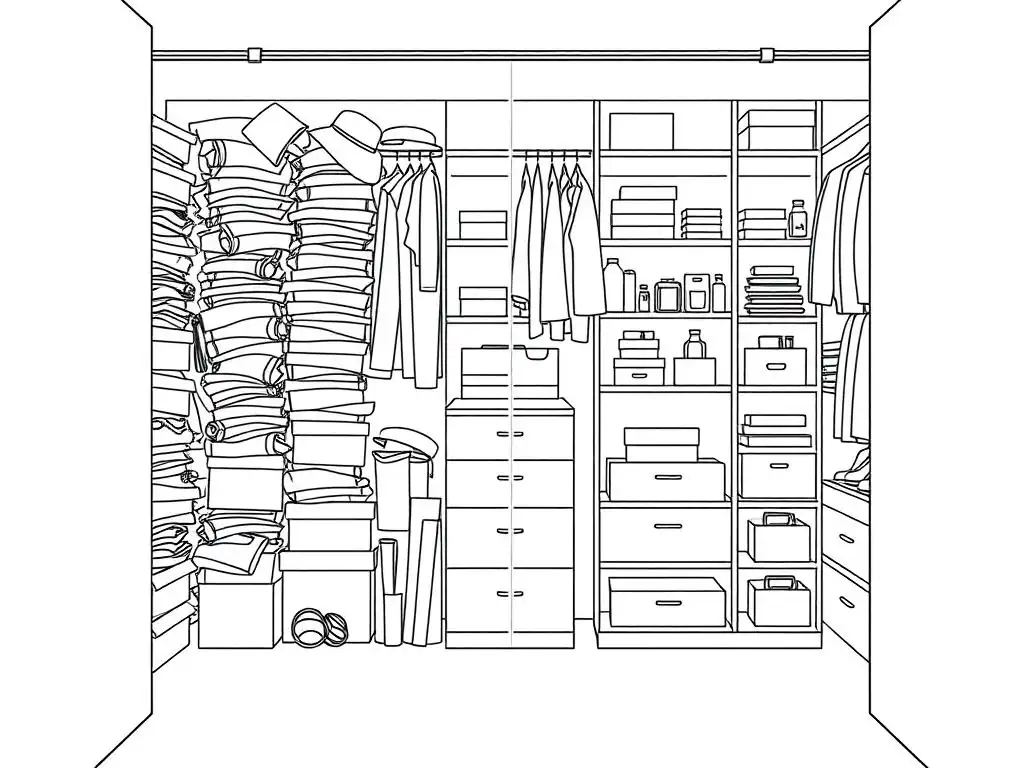
Optimizing closet space is crucial for efficiently organizing your wardrobe and saving valuable time. A well-organized closet not only looks better but also streamlines your morning routine, reducing the stress of searching for clothes. This section focuses on practical strategies and smart storage solutions to help you achieve this. Remember, the goal is to organize your closet efficiently, save time, and reclaim your mornings!
Choosing the Right Storage Containers: Bins, Baskets, and Drawers for Closet Organization
Selecting the appropriate storage containers is paramount for effective closet organization. Different items require different storage solutions. For example, delicate items like sweaters or scarves benefit from soft, fabric bins that protect them from wrinkles and damage. These bins can be stacked neatly on shelves, maximizing vertical space. Conversely, sturdy plastic bins are ideal for storing shoes, accessories, or off-season clothing. They provide protection from dust and moisture, and their transparent nature allows for easy identification of contents, saving you time searching. Consider labeling these bins clearly for added efficiency.
Using clear plastic bins allows for easy visual identification of contents, saving you time searching for specific items. This is especially helpful for items like seasonal clothing or accessories that you don't access frequently. For folded items, consider using drawer dividers to separate and organize t-shirts, jeans, and underwear. This prevents piles from collapsing and keeps everything neatly in place, making it much easier to find what you're looking for.
Furthermore, woven baskets add a touch of style while providing storage for items like handbags, hats, or gloves. The key is to choose containers that match your closet's aesthetic and your personal storage needs. Remember to measure your shelves and drawers beforehand to ensure that the containers fit properly and don't overcrowd the space. A well-planned system will greatly enhance your ability to organize your closet efficiently, save time in the long run. Consider a mix of materials and sizes for optimal organization.
Hanging Solutions: Maximize Vertical Space with Rods and Organizers
Hanging clothes is a space-saving and highly effective method of closet organization. However, simply hanging clothes isn't enough; you need to maximize the vertical space available. Double hanging rods are a game-changer, allowing you to double the amount of hanging space in your closet. This is particularly useful for storing shirts, blouses, and pants. Consider installing a second rod below the existing one to accommodate shorter items.
Beyond double rods, cascading hanging organizers are excellent for maximizing vertical space. These organizers utilize multiple tiers to hang more clothes in a smaller area. They're particularly beneficial for smaller closets or for storing items like sweaters, scarves, and handbags. These organizers, often made of fabric or mesh, allow for better airflow, helping prevent mildew and mustiness.
However, remember to select hanging solutions that are appropriate for the weight and type of clothing. Heavy coats and jackets should be hung on sturdy rods, while lighter items can be hung on more delicate organizers. Properly utilizing hanging solutions allows you to organize your closet efficiently, save time by providing easy access to frequently worn clothes. Think about your most frequently accessed garments and prioritize hanging those items.
Shelf Dividers: Keeping Stacks Neat and Accessible
Shelf dividers are unsung heroes in the quest for a well-organized closet. These simple tools transform chaotic piles of folded clothes into neat, accessible stacks. They prevent clothes from toppling over, maintaining order and preventing wrinkles. This is particularly useful for storing t-shirts, jeans, sweaters, and other folded items.
The effectiveness of shelf dividers lies in their ability to create distinct compartments, making it easier to locate specific items. Instead of rummaging through a jumbled pile, you can quickly identify and retrieve the desired garment. This translates directly into saving time and reducing stress in your daily routine. Different materials are available, from simple cardboard dividers to more durable plastic or wood options. Consider investing in adjustable dividers to accommodate different shelf heights and clothing sizes.
Furthermore, shelf dividers can be used in various areas of the closet, not just for clothes. They can help organize shoes, accessories, or even linen stacks. Their versatility makes them a valuable tool for maintaining a tidy and efficient closet. By strategically using shelf dividers, you can significantly improve your ability to organize your closet efficiently, save time and maintain a clutter-free space. Consider the overall aesthetic of your closet when choosing the color and material of your shelf dividers.
Utilizing Shoe Storage: Creative Solutions for Efficient Shoe Organization
Shoe storage often becomes a significant challenge in closet organization. A haphazard pile of shoes not only looks messy but also wastes valuable space and makes finding the right pair a frustrating ordeal. Efficient shoe storage is crucial for maximizing closet space and saving valuable time in your daily routine. Let's explore some creative solutions to conquer this common organizational hurdle.
One highly effective method is to utilize vertical space. Instead of leaving shoes scattered on the floor or shelves, consider investing in vertical shoe racks. These racks, often available in various sizes and materials (plastic, metal, fabric), can stack multiple pairs of shoes efficiently, minimizing floor space usage. Think about the difference between a single row of shoes on the floor versus three vertically stacked rows using a rack—a significant space saver! This is particularly beneficial in smaller closets where every inch counts.
Beyond vertical racks, consider over-the-door shoe organizers. These handy organizers hang over your closet door, providing additional storage space without occupying floor or shelf space. They're particularly useful for storing frequently used shoes, keeping them readily accessible. Remember to choose an organizer that fits your door's width and the number of shoes you need to store. Some organizers even have clear pockets, allowing you to easily see which shoes are inside, further enhancing efficiency.
For a more stylish and integrated approach, built-in shelving designed specifically for shoes can be a fantastic investment. Custom-built shelving allows you to tailor the storage solution precisely to your closet's dimensions and your shoe collection's size. While this option might be more expensive upfront, the long-term benefits in terms of organization and space optimization are substantial. Furthermore, built-in shelving often blends seamlessly with the overall closet design, enhancing the aesthetic appeal of your space. This is especially true if you incorporate matching materials and finishes with the rest of your closet's design.
Another often-overlooked space is under-bed storage. If your closet is truly lacking in space, utilize the area under your bed for seasonal shoes or those you use less frequently. Clear plastic containers are ideal for this, allowing you to see the contents at a glance. Labeling the containers with the contents and the season helps you quickly locate specific pairs. This method is particularly useful for saving closet space for frequently used shoes and keeping seasonal footwear organized and protected from dust and damage. Remember to choose containers that slide easily under your bed to prevent unnecessary hassle.
Finally, don't underestimate the power of decluttering. Before implementing any new storage solutions, take the time to declutter your shoe collection. Donate or discard shoes that are worn out, damaged, or no longer fit. This will significantly reduce the number of shoes you need to store, making the entire organization process much easier and more efficient. Regular decluttering is key to maintaining an organized closet and preventing future chaos. This simple step alone can save you significant time and effort in the long run. Organizing your closet efficiently, saving time, is a continuous process of refinement and decluttering.
Maintaining Your Organized Closet: Tips for Long-Term Efficiency
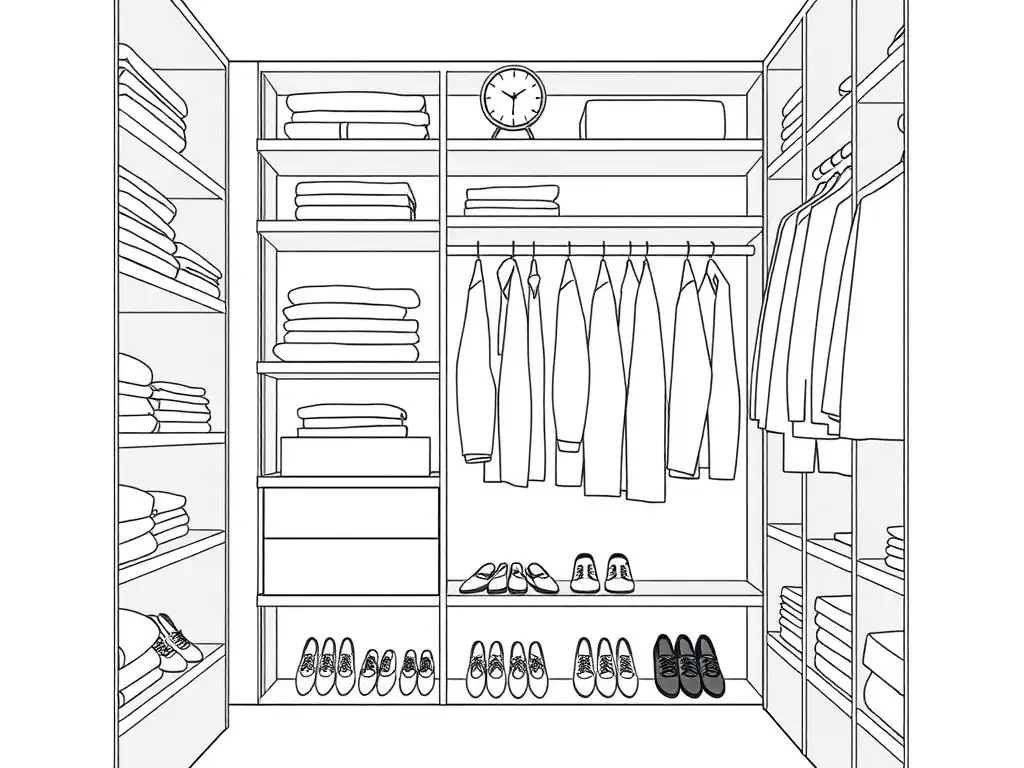
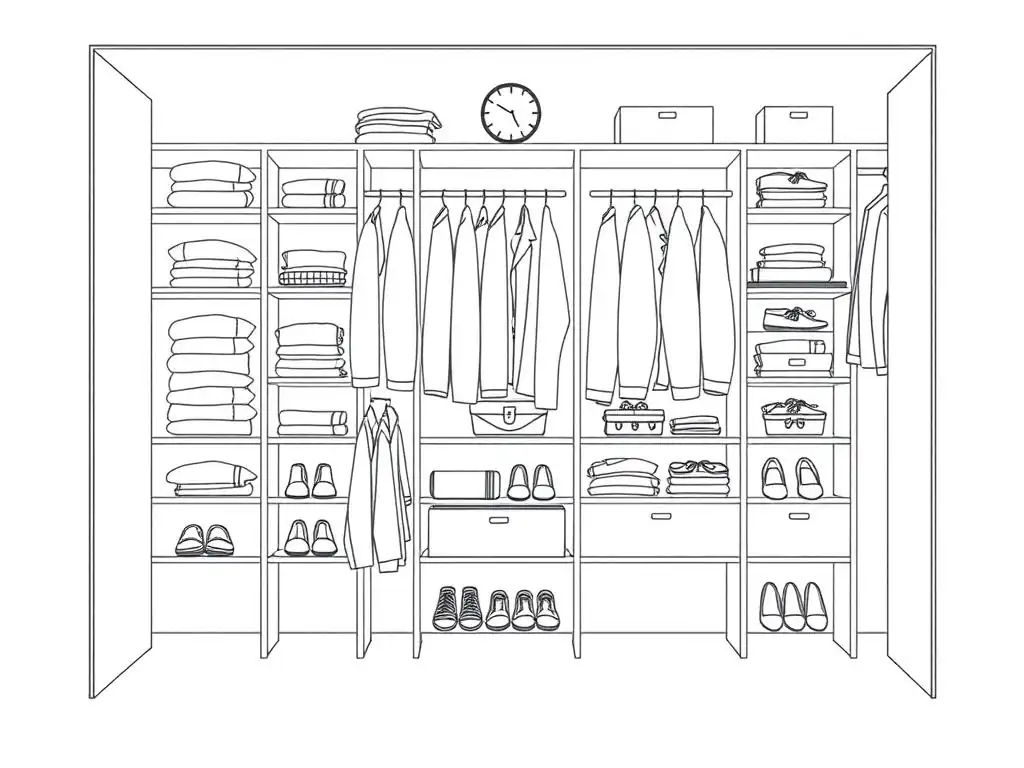
Maintaining an organized closet isn't a one-time event; it's an ongoing process. Think of it as a lifestyle choice, not a chore. The initial effort of organizing your closet efficiently will save you time in the long run, but consistent upkeep is key to reaping the benefits. This section focuses on practical strategies to preserve your hard-earned closet calm and continue to save time getting ready each day. We'll explore scheduling, streamlined putting-away habits, and a simple yet powerful rule to prevent future clutter.
Creating a Closet Cleaning Schedule: Regular Maintenance for Lasting Results
The most effective way to organize closet efficiently, save time and prevent a return to chaos is to establish a regular cleaning and maintenance schedule. Don't think of this as a massive undertaking; instead, break it down into manageable tasks. Consider these options:
- Weekly Quick Clean: Spend 10-15 minutes each week tidying up. This might involve putting away misplaced items, quickly checking for any overflowing areas, and generally straightening things up. Think of it as a "preventative maintenance" session.
- Monthly Deep Clean: Dedicate an hour each month to a more thorough cleaning. This could involve removing everything from one section of your closet (e.g., shelves, drawers) wiping them down, and then returning items neatly. Rotate seasonal clothing during these sessions.
- Seasonal Purge: Twice a year (spring and fall), take a more significant amount of time to evaluate your wardrobe. This is the perfect opportunity to identify items you no longer wear, need to repair, or can donate. This deeper clean helps maintain a clutter-free space and ensures your closet remains functional and organized.
Consider using a digital calendar or planner to schedule these tasks. Setting reminders will help you stay on track and prevent your closet from slipping back into disarray. Remember, consistency is crucial for long-term success in maintaining your efficiently organized closet. This proactive approach will save you significant time and frustration in the long run.
Developing a System for Putting Clothes Away: Simple Habits for Efficient Organization
A well-defined system for putting clothes away is essential for maintaining a well-organized closet. Simply throwing clothes back into the closet haphazardly will negate all your initial organizing efforts. Instead, adopt these simple habits:
- Immediate Put Away: Develop the habit of putting away clothes immediately after removing them. Don't let clothes pile up on chairs or the floor – this is a recipe for disaster. This simple habit is key to organize closet efficiently, save time.
- Designated Zones: Assign specific areas within your closet for different types of clothing. For example, you might have a section for shirts, one for pants, one for dresses, etc. This makes finding items much easier and quicker.
- Folding vs. Hanging: Choose a consistent folding or hanging method for each clothing category. Uniformity makes a big difference in visual organization and space optimization. Consider using drawer dividers to maximize space and keep stacks neat.
By implementing these strategies, you'll transform the process of putting away clothes from a chore into a quick, efficient routine. This will help you maintain your organized closet and continue to experience the time-saving benefits of your efforts.
The One-In, One-Out Rule: Maintaining a Clutter-Free Closet
The "one-in, one-out" rule is a simple yet effective way to prevent your closet from becoming cluttered again. The principle is straightforward: for every new item of clothing you bring into your closet, you must remove an old one. This could involve donating, selling, or discarding an item.
This approach helps to control the amount of clothing you own, preventing accumulation and maintaining a manageable wardrobe. It's a sustainable way to organize closet efficiently, save time and ensure your closet remains functional and clutter-free. This prevents the need for large-scale purges in the future, saving you considerable time and energy. Consider this a proactive approach to wardrobe management. The time saved by this simple rule is often underestimated.
Seasonal Clothing Storage: Efficiently Managing Seasonal Changes
Seasonal changes often mean a closet overhaul. To maintain your efficiently organized closet, plan ahead for seasonal transitions. Instead of cramming everything into your closet year-round, consider dedicated storage solutions for out-of-season clothing. This prevents overcrowding and makes finding what you need much easier.
A simple approach is to use under-bed storage containers, vacuum-sealed bags, or even sturdy plastic bins clearly labeled with the season and contents. For example, you could label one bin "Summer Dresses 2024" for easy identification during the next seasonal switch. This system prevents you from digging through piles of winter sweaters in July and ensures that your frequently accessed items remain easily accessible throughout the year. Remember to thoroughly clean and air out your stored items before putting them away to prevent mildew and musty odors.
Consider using cedar sachets or lavender bags within the storage containers to maintain a fresh scent. This proactive approach significantly contributes to maintaining your closet's organization and saves you significant time when searching for specific items. Proper seasonal storage is key to long-term closet efficiency; it's a small investment in time that yields substantial rewards in terms of time saved and stress reduction. Regularly assessing your seasonal clothing storage can also reveal items you no longer need, facilitating decluttering and further optimizing your closet space.
Save Time and Reclaim Your Mornings: The Benefits of an Organized Closet
Organizing your closet efficiently is more than just a tidying project; it's a strategic investment in your time and mental well-being. The payoff? A significantly improved daily routine and a noticeable boost in overall productivity. By strategically organizing your closet, you're not just arranging clothes; you're architecting a more efficient and less stressful life. This section will delve into the tangible benefits of a well-organized closet, focusing on how it directly translates to saving time and improving your mornings.
Streamlined Morning Routine: The Impact of Efficient Closet Organization on Daily Life
Imagine this: you wake up, ready to conquer the day, but instead, you're met with a chaotic jumble of clothes in your closet. The search for that specific shirt, those matching shoes, or that elusive belt eats up precious minutes – minutes that could be spent on breakfast, exercise, or simply enjoying a peaceful start to your day.
A study by [Source pending – Study on time spent searching for clothes in the morning] indicated that the average person spends approximately [Time pending] each morning searching for clothes. This seemingly small amount of time adds up dramatically over a week, a month, or a year.
An organized closet drastically reduces this time expenditure. With a system in place – whether it's by color, season, or outfit – finding what you need becomes effortless. This translates directly into a more streamlined morning routine, freeing up valuable time for more important tasks or simply for a more relaxed start to the day. Think of it as reclaiming those stolen minutes and investing them in activities that truly enhance your life.
The result? A more efficient, less stressful morning, setting a positive tone for the rest of your day. This is a powerful example of how to organize closet efficiently, save time.
Reduced Stress and Anxiety: The Psychological Benefits of a Tidy Space
The benefits of a well-organized closet extend beyond the purely practical. A cluttered space can contribute significantly to feelings of stress and anxiety. The visual chaos of a disorganized closet can subtly impact your mental state, leading to feelings of overwhelm and frustration, even before you've started your day. This is further amplified by the constant mental energy expended in searching for items. Your brain is constantly working to locate lost items, adding to cognitive load and contributing to feelings of being overwhelmed.
Conversely, a tidy and organized closet promotes a sense of calm and control. The simple act of opening your closet door to a visually appealing and well-organized space can have a remarkably positive impact on your mood. The feeling of order and control spills over into other areas of your life, contributing to a sense of well-being and reducing overall stress levels. This psychological benefit is often underestimated but is a crucial part of the overall positive impact of organizing your closet efficiently. A calm mind leads to a more productive day.
Increased Productivity: How a Well-Organized Closet Boosts Efficiency
The positive effect of a well-organized closet on productivity is undeniable. By streamlining your morning routine and reducing stress levels, you free up mental and physical energy that can be channeled into other tasks. This increased efficiency impacts not only your personal life but also your professional life. Starting your day feeling calm and organized sets a positive tone, leading to improved focus and concentration throughout the day.
Think of it as a ripple effect: a well-organized closet leads to a more efficient morning, which leads to reduced stress, which ultimately leads to increased productivity across all aspects of your life. This is a powerful example of how a small change, like organizing your closet efficiently, can have a significant impact on your overall productivity and well-being. The time saved and the stress reduced directly translate to a more productive and fulfilling life. This holistic approach to organization is key to achieving lasting positive change.
More Time for What Matters: Reclaiming Time for What Matters Through Effective Organization
Imagine this: you wake up, feeling refreshed and ready to seize the day. Instead of frantically searching for that specific shirt or pair of shoes, you effortlessly locate your outfit, saving precious minutes – or even hours – each week. This is the power of an efficiently organized closet. The time saved isn't just about getting ready faster; it's about reclaiming valuable moments for activities you truly enjoy.
Think of the extra time you could spend on hobbies, connecting with loved ones, pursuing personal goals, or simply relaxing and unwinding. A well-organized closet isn't just about neatness; it's an investment in your time and well-being. An organized closet directly contributes to reduced stress levels in the morning, setting a positive tone for the entire day. This ripple effect of saved time extends far beyond your morning routine, creating a more balanced and fulfilling life.
The impact of this time-saving strategy is significant. Studies show that even small time-saving measures accumulate to substantial gains over time. For example, saving just 15 minutes each morning adds up to over 90 minutes a week, or almost 8 hours a month – that's an entire workday reclaimed! Consider how you could utilize this extra time. Could you dedicate it to a fitness regime?
Perhaps learn a new skill, or finally start that side hustle you've always dreamed of? The possibilities are endless. The financial implications are also noteworthy; the time saved could translate into increased productivity at work or the ability to take on additional income-generating opportunities. Therefore, organizing your closet efficiently isn't just a home organization project; it's a strategic life optimization technique.
Frequently Asked Questions
How can I organize my closet efficiently and save time?
The key is to declutter ruthlessly, categorize your items (shirts, pants, etc.), and then store them logically using shelves, drawers, and vertical space. A consistent system will save you precious time searching.
What are some quick wins for closet organization?
Start by removing anything you haven't worn in a year. Next, invest in matching hangers to create a visually appealing and uniform look. Finally, use vertical space with shelves or drawer dividers.
What's the best way to deal with seasonal clothing?
Store out-of-season clothes in vacuum-sealed bags or under-bed storage containers to maximize space. Clearly label everything for easy retrieval. Consider rotating items seasonally for optimal efficiency.
How can I maximize space in a small closet?
Utilize vertical space with hanging shelves and double-hanging rods. Use slimline hangers and fold items efficiently to save space. Consider under-the-shelf baskets or drawer organizers.
What are some affordable solutions for closet organization?
Repurpose household items like shoe boxes or baskets. Shop at dollar stores for inexpensive storage solutions. DIY solutions like hanging organizers made from fabric or repurposed materials are cost-effective.
Final Reflection: Unlocking Freedom Through Organized Spaces
The pursuit of an efficiently organized closet isn't merely about aesthetics; it's about reclaiming time and mental energy. In a world saturated with demands on our attention, the simple act of streamlining our personal spaces offers a surprisingly powerful antidote to the chaos of modern life. This newfound clarity translates directly into increased productivity and a more peaceful mindset.
The impact of a well-organized closet extends far beyond the confines of our bedrooms. It ripples outwards, influencing how we approach other areas of our lives, fostering a sense of control and accomplishment that can be incredibly empowering. As Marie Kondo wisely stated, Tidying is not just about cleaning; it's about selecting what you want to keep and discarding what you don't need. It's about making space for what truly matters.
This philosophy, applied to our closets, becomes a microcosm of a larger, more intentional way of living.
Now, consider your own space. What small step can you take today to bring a touch more order to your closet? Perhaps it's simply removing one item you no longer need, or dedicating fifteen minutes to folding and organizing a specific shelf. Start small, build momentum, and witness the transformative power of a truly organized space. The journey to a calmer, more efficient life begins with one carefully placed garment, one thoughtful decision at a time.
Ready to Reclaim Your Space?
Thanks for exploring simple strategies for a more organized life! We hope you found valuable insights on conquering closet clutter. Now, let's put that knowledge into action.
- Tackle a small area today: Dedicate just 15 minutes to decluttering and organizing a single drawer, shelf, or section of your closet. You'll be surprised by the immediate improvement!
- Share your transformation: Snap a before-and-after picture and share it on social media using #UltimateLifeHacksOrganized. Let's inspire each other!
- Consider donating or recycling unwanted items. It feels great to give back, and it frees up even more space.
What small step will you take today to create a calmer, more organized life?