
Kids' Room Chaos? Tame It with These Smart Organizing Solutions

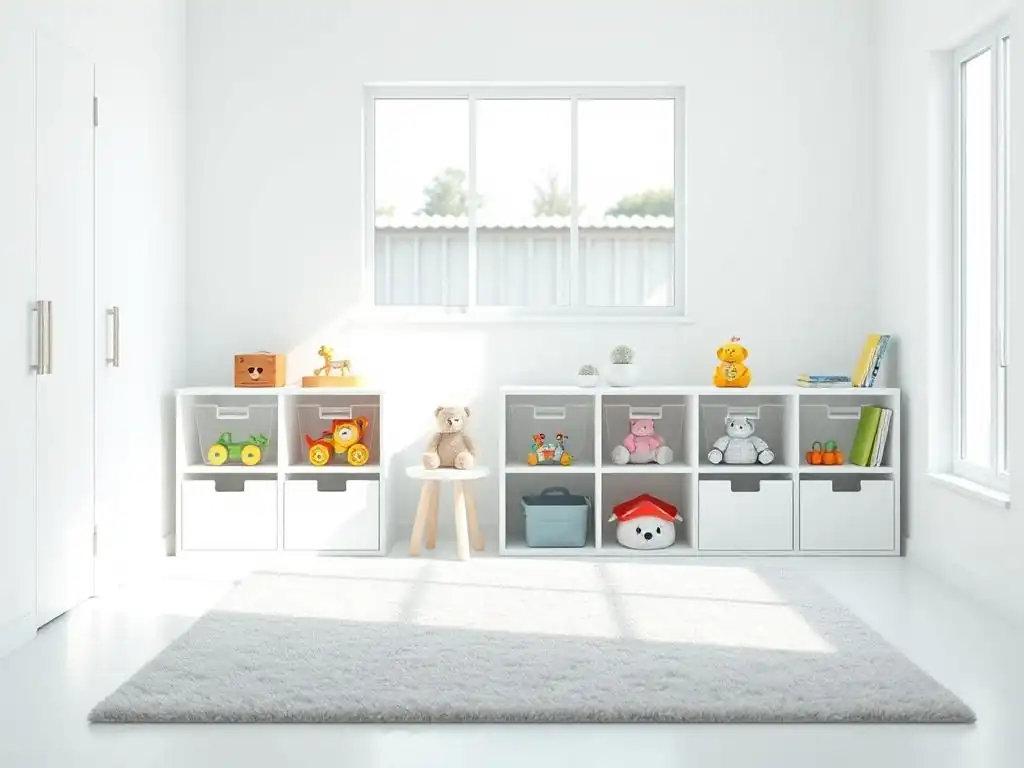
Welcome to UltimateLifeHacks, where we unlock the secrets to a more efficient and fulfilling life! Are you drowning in the daily deluge of household chores? Discover how to transform the chaos of your children's room into a haven of organization with our expert guide on how to organize kids' rooms efficiently. We'll reveal simple yet powerful strategies to reclaim your sanity and create a space your kids will actually love. Ready to conquer clutter and unleash a more productive you? Let's dive in!
- Conquer Clutter: Efficient Strategies to Organize Your Kids' Room
- Optimizing Space: Smart Solutions for Small Kids' Rooms
- Age-Appropriate Organization: Tailoring Solutions to Your Child's Needs
- Maintaining Order: Tips for Long-Term Organization in Kids' Rooms
-
Frequently Asked Questions
- How can I organize my child's overflowing toy collection efficiently?
- What's the best way to deal with constantly scattered clothes?
- My child is too young to help; how can I still organize their room effectively?
- How can I maximize space in a small kids' room?
- What if my child resists participating in the organizing process?
- Final Reflection: Reclaiming Childhood Joy Through Organized Spaces
- Rediscover Your Child's Room: Declutter & Design a Happy Space!
Conquer Clutter: Efficient Strategies to Organize Your Kids' Room
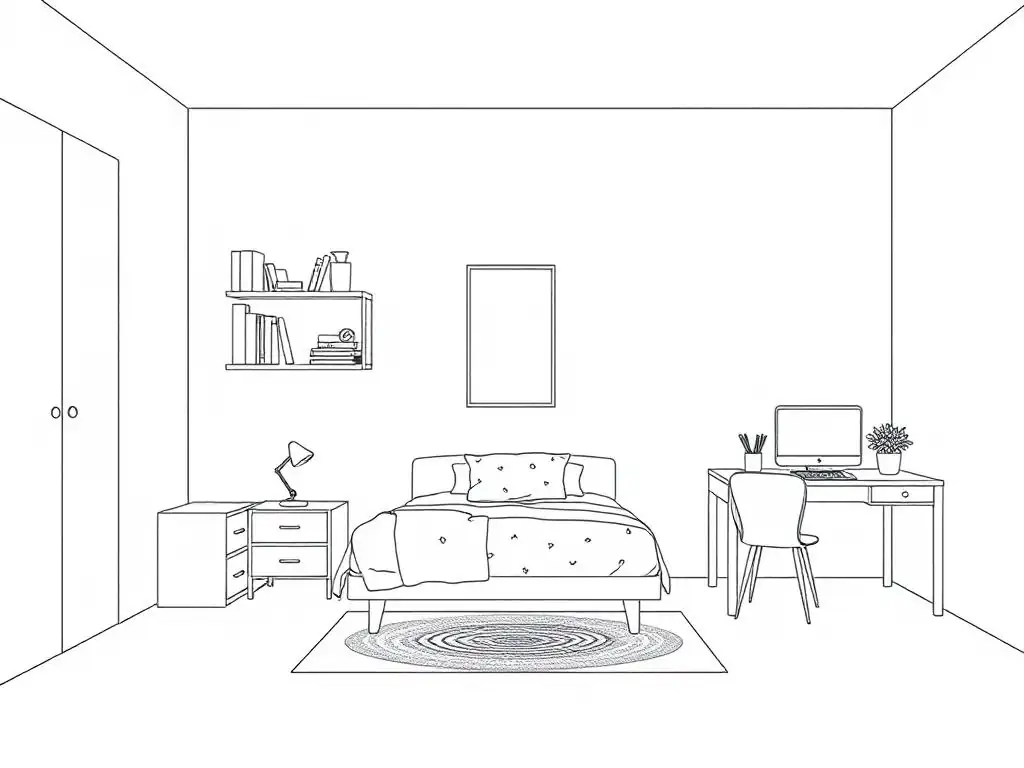
Maintaining a tidy and organized kids' room can feel like a never-ending battle. Toys scattered everywhere, clothes piled high, and books strewn across the floor – it's a common scenario for many parents. But fear not! This article provides practical, efficient strategies to transform your child's chaotic space into a haven of order and calm. We'll explore proven methods for decluttering, organizing toys, and managing clothing, all while empowering your child to participate and maintain the newfound organization.
Learning to effectively organize your kids' room is not just about tidiness; it's about fostering independence, responsibility, and a more peaceful home environment. This guide will help you effectively tackle the challenge of "Organize kids' room efficiently," saving you time, stress, and ultimately, precious family moments. Let's dive in and reclaim your sanity – one toy, one outfit, one shelf at a time! 🧸
Decluttering Your Child's Space: A Step-by-Step Guide
The first step to efficiently organizing your kids' room is decluttering. This isn't just about shoving things into closets; it's about a thoughtful process of purging unnecessary items. Here's a step-by-step guide to help you navigate this crucial phase:
- Empty the Room: Yes, you read that right! Remove everything from the room – toys, clothes, books, everything. This allows you to start with a clean slate and assess the situation objectively.
- Sort and Categorize: Once everything is out, begin sorting items into four distinct piles:
- Keep: Items your child regularly uses and loves.
- Donate: Items in good condition that your child has outgrown or no longer plays with.
- Trash: Broken, damaged, or unusable items.
- Maybe: Items you're unsure about. Set these aside for a later decision (ideally, within a week).
- Involve Your Child: Children are more likely to maintain an organized space if they've been involved in the process. Make it a fun activity, and let them help decide what to keep, donate, or trash. This fosters a sense of ownership and responsibility.
- The "One In, One Out" Rule: Once the decluttering is complete, implement the "one in, one out" rule. For every new toy or item that enters the room, an old one must be removed. This prevents future clutter buildup.
- Regular Purges: Schedule regular decluttering sessions (e.g., every three months) to maintain the organized space and prevent clutter from accumulating again. This makes the task less overwhelming.
Toy Organization: Smart Storage Solutions for Kids' Playthings
With the decluttering complete, it's time to focus on smart toy organization. This involves choosing the right storage solutions to maximize space and keep toys readily accessible. Consider these options:
- Open Shelving: Great for displaying favorite toys and making them easily accessible. Use labeled bins or baskets to keep things organized within the shelves.
- Storage Bins and Baskets: Ideal for storing smaller toys and keeping them contained. Choose clear bins so you can see what's inside.
- Toy Chests: Offer a classic solution for storing larger toys and keeping them out of sight.
- Vertical Storage: Utilize vertical space with shelves or wall-mounted organizers to maximize storage capacity.
- Under-Bed Storage: Utilize the space under the bed with rolling storage containers or drawers.
Remember to involve your child in choosing storage solutions and deciding where to place their toys. This makes them feel more invested in maintaining the organization. Labeling bins and shelves with pictures or words can also help younger children participate in tidying up.
Clothing Organization for Kids: Maximizing Space and Minimizing Mess
Organizing your child's clothing effectively requires a system that's both functional and age-appropriate. Here are some suggestions:
- Use Drawer Dividers: These help separate different types of clothing (shirts, pants, underwear) and keep drawers neat.
- Hanging Organizers: These are great for smaller closets, allowing you to maximize vertical space.
- Clothing Racks: Open clothing racks can be a stylish and accessible option, especially for older children who can easily manage their own clothes.
- Seasonal Rotation: Store out-of-season clothing in labeled bins or vacuum-sealed bags to free up space in the closet.
- Visual Organization: Fold clothes uniformly and arrange them neatly in drawers or on shelves. This makes it easier for children to find what they need and maintain the organization.
By implementing these strategies, you can create a kids' room that's not only organized but also visually appealing and functional. Remember, consistency is key! Regular decluttering and maintenance will ensure your child's room remains a haven of calm and order. 🎉
Creative Storage Ideas for Kids' Rooms: Utilizing Vertical Space
Kids' rooms often lack ample floor space, making clever storage solutions crucial for maintaining order. Vertical space is often overlooked, but it presents a fantastic opportunity to maximize storage capacity and keep toys and belongings organized. Think upwards! Instead of spreading toys across the floor, consider utilizing the walls and even the ceiling (where appropriate and safe).
One effective method is to install shelving units. These can be customized to fit the room's dimensions and the child's needs. Open shelving allows for easy access and visibility, encouraging kids to participate in tidying up. Consider using colorful bins or baskets on the shelves to further categorize items and add a touch of personality. For younger children, lower shelves are ideal for easy reach, while higher shelves can accommodate less frequently used items. Remember to secure shelves properly to the wall to prevent accidents.
Another excellent way to utilize vertical space is through the installation of wall-mounted organizers. These can range from simple pegboards, perfect for hanging artwork, bags, and even small toys, to more elaborate systems with hooks, baskets, and shelves. A pegboard offers incredible flexibility; you can easily rearrange the hooks and shelves as your child's needs change. This adaptability is key in a child's room, where storage requirements evolve rapidly as they grow. Consider using colorful pegs and hooks to make the organizer visually appealing to your child.
Don't forget about the often-underutilized space above a child's bed. Installing floating shelves above the headboard provides a convenient spot for books, stuffed animals, or decorative items. This keeps these items off the floor and out of the way while still making them readily accessible. Just ensure that the shelves are securely mounted and are not too high to encourage safe and independent access by the child. The aesthetic appeal of floating shelves can also elevate the overall look of the room.
Finally, consider hanging organizers that can be attached to the back of doors or the sides of closets. These often come with pockets or shelves, perfect for storing smaller items like clothes, stationery, or craft supplies. This maximizes the space inside the closet and keeps frequently used items within easy reach, minimizing clutter in the main room. These hanging organizers are easily available in a variety of sizes and colors, offering choices to match the room's décor.
Remember to choose durable organizers to withstand daily use. Efficient organization of a child's room contributes significantly to a calmer and more productive home environment, allowing for better focus on other important aspects of family life. By creatively using vertical space, you can transform a chaotic kids' room into a haven of order and efficiency.
Optimizing Space: Smart Solutions for Small Kids' Rooms
Organizing a child's room efficiently can feel like a Sisyphean task, especially when space is limited. Many parents struggle with the constant influx of toys, clothes, and school supplies, leading to a chaotic environment that impacts both the child's well-being and the overall household harmony. But with smart planning and creative solutions, even the smallest kids' room can be transformed into a haven of organization. This section focuses on maximizing space using practical and efficient strategies, specifically tailored to the needs of children.
We'll explore clever ways to utilize often-overlooked areas and implement organizational systems that are both functional and appealing to young ones. The key is to create a system that's easy for both parents and children to maintain, promoting a sense of responsibility and order. This is crucial for achieving long-term success in organizing kids' room efficiently.
Maximizing Closet Space: Clever Organization Hacks for Kids' Clothes
Children's closets often become black holes of forgotten clothes and misplaced items. To effectively organize kids' clothes and maximize closet space, consider these strategies:
- Vertical Space Utilization: Utilize vertical space by installing additional shelves or hanging organizers. These can double or even triple the available storage. Consider using shelf dividers to keep stacks of folded clothes neat and prevent them from toppling over.
- Categorization and Labeling: Categorize clothing by type (shirts, pants, dresses) and season. Clearly label each section with pictures or simple words, making it easy for your child to participate in the tidying process. This visual approach aids in teaching organization skills from a young age.
- Rolling vs. Folding: Rolling clothes instead of folding them can save space and make it easier to see what's available. This method is particularly effective for t-shirts and jeans.
- Seasonal Rotation: Regularly rotate seasonal clothing. Store out-of-season items in labeled bins or vacuum-sealed bags to save space and keep them protected from dust and pests. This ensures only the currently needed clothes occupy valuable closet space.
- Hanging Organizers: Utilize over-the-door or hanging organizers for smaller items like socks, underwear, and accessories. This keeps these items contained and readily accessible.
Implementing these techniques will significantly improve closet organization, allowing for a more streamlined and efficient clothing storage system. This is a key element in effectively organizing kids' room efficiently.
The space under the bed is often a neglected goldmine of storage potential. Don't let this valuable real estate go to waste! Here are some creative ideas to utilize this hidden space:
- Under-Bed Storage Bins: Utilize clear plastic storage bins with lids to store out-of-season clothes, toys, or bedding. Clear bins allow for easy identification of contents without having to open them, saving time and effort.
- Pull-Out Drawers: Install pull-out drawers under the bed for easy access to stored items. This eliminates the need to constantly move the bed to retrieve things from underneath.
- Rolling Carts: Consider using rolling carts that slide easily under the bed. These are great for storing toys, books, or craft supplies. The mobility of these carts allows for easy access and re-organization as needed.
- Vacuum-Sealed Bags: For items you don't need frequent access to, vacuum-sealed bags are an excellent space-saving solution. These bags remove air, significantly reducing the volume of stored items. This is particularly useful for bulky items like blankets or seasonal clothing.
These under-bed storage solutions will not only maximize storage space but also keep the floor clear of clutter, contributing significantly to a more organized and visually appealing kids' room. This contributes to organizing kids' room efficiently.
Wall-Mounted Storage: Space-Saving Solutions for Toys and Books
Wall-mounted storage offers a fantastic way to reclaim floor space and keep frequently used items within easy reach. Here are some effective options:
- Floating Shelves: Install floating shelves to display books, toys, and decorative items. These shelves are visually appealing and create a sense of order. Consider using different sizes and heights for a more dynamic look. Choose shelves made of durable materials to withstand the wear and tear of everyday use.
- Wall-Mounted Organizers: Utilize wall-mounted organizers specifically designed for toys and books. These can include cubbies, baskets, and pockets, providing designated storage spaces for different items. Choose organizers that are brightly colored or feature fun designs to appeal to children.
- Pegboards: Pegboards are incredibly versatile and can be customized to fit your specific needs. Use hooks, baskets, and shelves to create a functional and personalized storage system for toys, art supplies, and other items. This allows for flexibility and easy rearrangement as your child's needs evolve.
- Vertical Bookcases: Instead of traditional bookcases that take up floor space, consider a vertical bookcase that mounts to the wall. These space-saving solutions are perfect for storing books and other items.
By incorporating wall-mounted storage solutions, you can create a more functional and visually appealing space while maximizing floor space, greatly enhancing your ability to organize kids' room efficiently. The key is to select storage solutions that are both functional and aesthetically pleasing, creating a space that is both organized and enjoyable for your child.
Multifunctional Furniture: Combining Storage and Play
Multifunctional furniture is your secret weapon in the battle against kids' room clutter. Think beyond the basic bed and dresser; explore pieces that cleverly integrate storage and play areas. A bed with built-in drawers underneath provides ample space for storing bedding, extra clothes, or even toys. This not only maximizes floor space, but it also teaches children the importance of organization from a young age. They can easily access their belongings, promoting independence and responsibility.
Consider ottomans with lift-top storage. These are fantastic for stashing away blankets, pillows, games, or stuffed animals. They also serve as extra seating for playtime or reading, making them versatile additions to any small room. Similarly, a storage bench at the foot of the bed offers a comfortable place to sit while providing hidden storage for shoes, books, or craft supplies. The key is to choose pieces that seamlessly blend into the room's aesthetic while fulfilling both storage and functional needs.
Many companies now specialize in kids' furniture designed with clever storage solutions. Look for beds with built-in shelves, desks with integrated drawers and cubbies, and wardrobes with adjustable shelving to accommodate growing needs and changing toy collections. Investing in high-quality, well-designed multifunctional furniture is a long-term investment that pays off in terms of both space optimization and improved organization.
Remember to measure your child's room carefully before purchasing to ensure the furniture fits comfortably without overwhelming the space. Prioritize pieces that are both functional and aesthetically pleasing to create a room that is both organized and inviting. This approach to organizing a kids' room efficiently will help you create a calm and peaceful environment for your child.
Age-Appropriate Organization: Tailoring Solutions to Your Child's Needs
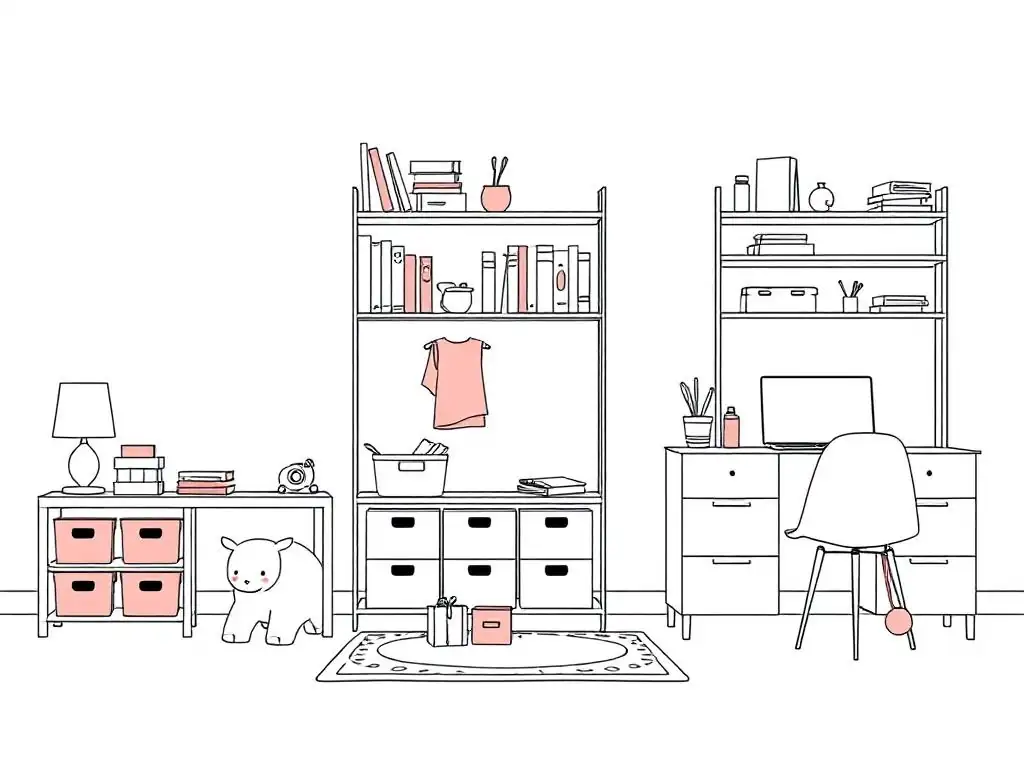
Organizing a child's room efficiently isn't a one-size-fits-all endeavor. The ideal organizational strategy significantly depends on your child's age and developmental stage. A system that works wonders for a school-aged child might be completely ineffective – and even unsafe – for a toddler. Understanding these age-specific needs is crucial for creating a functional and clutter-free space that promotes independence and fosters good habits. This section will explore age-appropriate organization techniques to help you effectively organize kids' room efficiently.
Organizing for Toddlers: Safe and Accessible Storage Solutions
Toddlers are naturally curious and explore their environment through touch and play. Therefore, safety and accessibility are paramount when organizing their rooms. Avoid using high shelves or drawers that require climbing to access. Instead, opt for low, open storage solutions that allow your toddler to see and reach their belongings independently.
- Low bins and baskets: These are perfect for storing toys, books, and clothes. Label them clearly with pictures (toddlers understand visuals better than words) to help your child put things away. Consider using clear bins so they can easily identify the contents.
- Open shelving: Open shelving allows for easy access and visual organization. However, ensure the items placed on the shelves are lightweight and safe.
- Toy rotation: Rotate toys regularly to keep your toddler engaged and prevent overwhelming clutter. Store some toys away and bring them out periodically to create a sense of novelty.
- Soft storage solutions: Fabric bins and bags offer a softer alternative to hard plastic containers, reducing the risk of injury.
Remember to secure any potential hazards, such as furniture that could tip over, and keep small objects out of reach to prevent choking hazards. This approach to organize kids' room efficiently focuses on safety first and foremost.
Organizing for Preschoolers: Encouraging Independence and Tidiness
Preschoolers are beginning to develop a sense of independence and responsibility. This is an excellent time to introduce basic organizational skills and encourage them to participate in tidying up their room.
- Visual cues: Use color-coded labels or pictures to designate specific areas for different types of toys or belongings. This visual organization makes it easier for preschoolers to understand where things belong.
- Designated spaces for everything: Assign specific spots for toys, books, clothes, and art supplies. This helps children learn to put things back in their designated places.
- Simple shelving and drawers: Continue using low shelving and drawers, but introduce slightly taller options as their physical abilities improve.
- Reward systems: Implement a reward chart or system to motivate your child to participate in tidying up. Positive reinforcement goes a long way in building good habits.
- Make it fun: Turn cleaning into a game or sing songs to make it more enjoyable. This helps to create positive associations with tidying.
By incorporating these strategies, you'll be well on your way to efficiently organize kids' room and instill good organizational habits early on.
Organizing for School-Aged Children: Systems for Homework and Belongings
School-aged children have more belongings and responsibilities, requiring a more sophisticated organizational system. This is the time to introduce more complex organizational tools and strategies to help them manage their schoolwork, hobbies, and personal belongings.
- Dedicated homework station: Create a designated area for homework with ample space, good lighting, and all the necessary supplies.
- Filing system for school papers: Use folders, binders, or a filing cabinet to keep school papers organized.
- Designated spaces for sports equipment and hobbies: Assign specific spots for sports equipment, musical instruments, and other hobby supplies.
- Clothing organization: Introduce a system for organizing clothes, such as using drawer dividers or hanging clothes by type.
- Shared responsibilities: Involve your child in the organization process. This teaches them responsibility and helps them understand the importance of keeping their space tidy. This helps them learn to organize kids' room efficiently themselves.
By creating a functional and organized space, you can help your school-aged child manage their belongings and responsibilities more effectively, reducing stress and improving their overall productivity. Remember that consistency is key – maintaining the system over time will solidify good habits.
Organizing for Teenagers: Creating a Functional and Stylish Space
Teenage years bring about significant changes, including a shift in organizational needs and personal style. A teenager's room is no longer just a place to sleep; it's their sanctuary, study space, and social hub. Organizing a teenager's room efficiently requires a different approach than organizing a younger child's space. It's crucial to involve them in the process to foster a sense of ownership and responsibility, leading to better long-term organization.
One key aspect is understanding their evolving needs. Do they need more space for school projects, creative pursuits, or technology? A dedicated homework station with ample desk space and good lighting is essential. Consider incorporating vertical storage solutions, such as shelving units or wall-mounted organizers, to maximize space utilization without cluttering the floor. Open shelving allows for easy access and display of favorite items, while closed storage keeps things tidy and out of sight.
Style plays a significant role in teenage organization. Unlike younger children, teenagers are more discerning about aesthetics. Involving them in choosing storage containers, bins, and décor allows them to personalize their space and feel more invested in maintaining order. Consider stylish baskets, colorful bins, or even repurposed items that reflect their individual tastes. This personalization significantly improves their willingness to participate in the organization process.
Technology integration is vital. Charging stations for phones, tablets, and laptops should be conveniently located and integrated into the overall design. Designated spaces for headphones, power adapters, and other tech accessories prevent clutter and keep things readily accessible. Consider using cable organizers to keep wires neat and prevent tangles.
Finally, remember that consistency is key. Regular decluttering sessions, perhaps scheduled weekly or bi-weekly, prevent the accumulation of unnecessary items and maintain a functional space. Encourage your teenager to participate in these sessions, making it a collaborative effort rather than a chore. This shared responsibility builds good habits and promotes a sense of ownership in maintaining a clean and organized environment.
Remember to praise their efforts and celebrate their successes to reinforce positive behavior. The goal is to create a space that is not only organized and efficient but also reflects their personality and supports their evolving needs throughout their teenage years. This approach to "organize kids' room efficiently" specifically targets the unique challenges and desires of this age group.
Maintaining Order: Tips for Long-Term Organization in Kids' Rooms
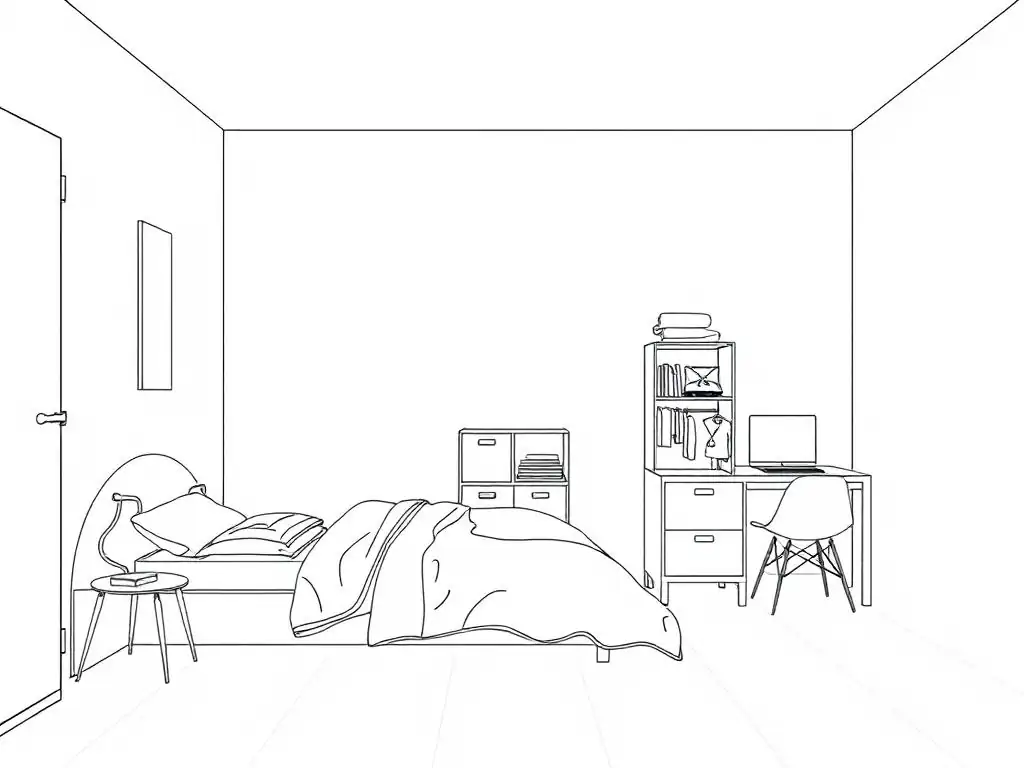
Maintaining a consistently organized kids' room requires more than a one-time decluttering session. It demands a proactive approach focusing on preventative measures and sustainable habits. Think of it as a marathon, not a sprint, in your quest to efficiently organize your kids' room. The key is to establish systems that are easy to maintain and encourage participation from your children.
This section explores strategies for long-term success in kid's room organization. We'll delve into practical techniques that minimize future clutter and maximize the effectiveness of your organizing efforts. Remember, the goal isn't just a tidy room, but a system that teaches valuable life skills and reduces daily stress for everyone.
Involving Kids in the Cleaning Process: Making it Fun and Engaging
Turning cleaning from a chore into a game is a powerful tool for long-term organization. Children are more likely to maintain a tidy space if they've been actively involved in creating and maintaining the organization system. Instead of assigning tasks, consider collaborative efforts. For example, transform putting away toys into a "treasure hunt," where each toy is a "treasure" to be returned to its designated "treasure chest" (toy bin).
Another effective strategy is using timers. Set a timer for 10-15 minutes and challenge your kids to see how much they can accomplish within that timeframe. This gamification approach adds an element of friendly competition and makes the task less daunting. Reward their efforts with praise and small incentives, fostering a positive association with tidying up.
Remember to adapt the game to your child's age and interests for optimal engagement. For instance, you could use music or create a themed cleaning adventure to keep them motivated. This approach not only organizes their room efficiently but also teaches valuable responsibility and teamwork skills.
Creating a Cleaning Routine: Simple Steps for Daily and Weekly Maintenance
A consistent cleaning routine is the cornerstone of long-term organization. It prevents small messes from escalating into overwhelming chaos. Start small and build gradually. A simple daily routine could involve making the bed, putting away clothes, and tidying up toys before bedtime. This takes only a few minutes but makes a significant difference in the overall appearance and feel of the room.
Weekly maintenance might involve a more thorough cleaning: changing bed linens, vacuuming or sweeping the floor, and decluttering surfaces. Create a visual schedule, perhaps using a whiteboard or colorful chart, to help your children track their responsibilities. Involve them in creating the schedule, giving them a sense of ownership and control. Consistency is key; stick to the routine as much as possible, even on busy days.
This predictability helps children internalize the cleaning process and makes it a natural part of their daily lives. Remember to adjust the routine based on your child's age and developmental stage. The goal is to establish habits, not to create an overly demanding schedule.
Reward Systems for Cleanliness: Motivating Kids to Keep Their Rooms Tidy
Positive reinforcement is a highly effective motivator, especially for children. Implementing a reward system can significantly increase their willingness to participate in maintaining a tidy room. This doesn't necessarily mean extravagant gifts; small, consistent rewards are often more effective. A simple sticker chart, where each completed task earns a sticker, leading to a larger reward (e.g., extra screen time, a small toy, or a special outing), can be highly motivating.
Alternatively, consider a point system where points earned for completing chores can be redeemed for privileges or desired items. Make sure the rewards are age-appropriate and align with your child's interests. The key is to make the system fair, transparent, and consistent. Regularly review and adjust the system as needed to ensure it remains engaging and effective.
Remember, the goal is not just to achieve a clean room, but to instill good habits and a sense of responsibility. Celebrate successes, focusing on effort and progress rather than just the outcome. This positive approach fosters a sense of accomplishment and encourages continued participation in maintaining an efficiently organized kids' room.
Regular Purges: Decluttering to Prevent Future Chaos
Regular decluttering is the cornerstone of maintaining an organized kids' room. It's not just about a massive spring cleaning once a year; it's about incorporating smaller, more frequent purges into your routine. Think of it as preventative maintenance for your child's space. The key is to make it a manageable task, not an overwhelming chore.
One effective strategy is to schedule a short decluttering session once a month. This could involve spending just 15-20 minutes going through a specific area, like the toy bin or the closet. Focus on removing items that are broken, unused, or simply outgrown. Involve your child in the process; this teaches them valuable skills in organization and decision-making. Make it fun by turning it into a game – perhaps they can earn a small reward for each bag of donations they help create.
Another approach is to tie decluttering to special occasions. Before birthdays or holidays when your child receives new toys or clothes, consider taking the opportunity to remove some older items. This prevents the accumulation of excessive clutter and helps your child appreciate their possessions more. Remember to explain the importance of donating or discarding items to make space for new ones; this fosters a sense of responsibility and gratitude.
Don't underestimate the power of a "one in, one out" rule. For every new toy or piece of clothing that enters the room, an old one must be removed. This simple rule helps to prevent the build-up of clutter over time. It's a proactive approach to organizing, ensuring that the room doesn't become overwhelmed with possessions.
This method is particularly effective for preventing the accumulation of smaller items, such as stationery or craft supplies. It teaches valuable lessons about resource management and mindful consumption, skills that will benefit your child throughout their life. Implementing this consistently will significantly contribute to efficiently organizing your kids' room and preventing future chaos. Remember, the goal isn't to be ruthless; it's about maintaining a manageable and organized space.
Frequently Asked Questions
How can I organize my child's overflowing toy collection efficiently?
Organize toys by category (e.g., stuffed animals, building blocks) using clear storage bins or containers. Label them for easy access and encourage your child to participate in the process.
What's the best way to deal with constantly scattered clothes?
Designate specific areas for dirty clothes, clean clothes, and clothes to be put away. Consider using labeled hampers and low drawers or shelves easily accessible to your child.
My child is too young to help; how can I still organize their room effectively?
Focus on simple, accessible storage solutions. Use open shelves and clearly labeled containers. Make tidying a quick and routine part of your daily schedule.
How can I maximize space in a small kids' room?
Use vertical space effectively with shelves and tall storage units. Choose multi-functional furniture like storage ottomans or beds with built-in drawers. Opt for wall-mounted organizers to keep things off the floor.
What if my child resists participating in the organizing process?
Make it fun! Involve them in choosing storage containers, let them decorate their space, and praise their efforts. Focus on small, manageable tasks to avoid overwhelming them.
Final Reflection: Reclaiming Childhood Joy Through Organized Spaces
The relentless pace of modern life often leaves little time for the simple joys, especially for families juggling the demands of raising children. A cluttered kids' room isn't just an aesthetic issue; it's a reflection of the struggle to balance work, family, and personal well-being. Creating a calm and organized space for our children isn't just about tidiness; it's about fostering a sense of peace and allowing them to thrive.
The impact of a well-organized environment on a child's development is profound. It cultivates a sense of responsibility, encourages independence, and ultimately contributes to a more positive and productive learning environment. A place for everything, and everything in its place
– this old adage holds true, especially when applied to the often chaotic world of a child's room. It's not about perfection, but about creating a system that works for the family and empowers children to participate in maintaining their own space. This, in turn, fosters a sense of ownership and pride.
Now, consider your own child's room. What small changes could you implement today to create a more peaceful and organized space? Perhaps it's dedicating just fifteen minutes to decluttering a drawer, or involving your child in the process of choosing storage solutions that suit their needs and preferences. Remember, the goal isn't a perfectly Instagrammable room, but a functional and calming sanctuary where your child can relax, play, and learn. Start small, be consistent, and watch the positive ripple effect unfold in your home and in your child's life.
Rediscover Your Child's Room: Declutter & Design a Happy Space!
Thanks for exploring our smart organizing solutions for kids' rooms! We hope you found inspiration to tackle that toy tornado. Let's put those ideas into action:
- Focus on one area: Dedicate just 15 minutes to decluttering and organizing a single area of your child's room, such as the closet, under-bed storage, or a toy shelf. You'll be surprised by the improvement!
- Make it a family project: Involve your child in sorting toys, clothes, and books. It's a fun way to teach responsibility and make the process more enjoyable.
- Share your success: Take before-and-after photos of your decluttering progress and share them with us on social media using #UltimateLifeHacksOrganized!
What small organizing step will you take today to create a more peaceful and playful space for your child?