
Winter is Coming: Prepare Your Home with These Intriguing and Effective Hacks

Ready to conquer winter's chill and embrace cozy efficiency? At UltimateLifeHacks, we're dedicated to simplifying your life, one clever trick at a time. This season, we're diving deep into Winter home prep hacks – ingenious solutions to weatherize your home, save energy, and stay comfortably ahead of the game. Discover surprising ways to optimize your routines and prepare your home for anything winter throws your way – let's get started!
- Mastering Winter Home Prep Hacks: A Comprehensive Guide
- Winterizing Your Outdoor Spaces: Protecting Your Property
- Stockpiling Essentials: Winter Home Emergency Preparedness
- Preventative Maintenance: Avoiding Winter Home Disasters
- Saving Money on Energy Bills: Smart Winter Home Hacks
- Embrace the Cozy Season: Winter Home Comfort Hacks
-
Frequently Asked Questions
- What are the most important steps for winterizing my home's exterior?
- How can I save money on energy bills during the winter months?
- What are some quick and easy ways to prevent frozen pipes?
- Are there any simple hacks to improve indoor air quality during winter?
- What are some clever ways to prepare my home for potential power outages?
- Final Reflection: Embracing the Chill: Winter's Wisdom and Your Cozy Haven
- Unlock Winter Comfort: Take Action Now!
Mastering Winter Home Prep Hacks: A Comprehensive Guide
Winter's chill is just around the corner, and preparing your home for the colder months is crucial for comfort, energy efficiency, and preventing costly repairs. This comprehensive guide offers intriguing and effective hacks to help you winterize your home effectively, saving you time, money, and potential headaches. We'll cover everything from insulating your home to optimizing your heating system, ensuring you're prepared for whatever the season throws your way.
By following these practical tips and implementing these "Winter home prep hacks," you can transform your home into a warm, cozy, and energy-efficient haven throughout the winter. Let's dive in and equip your home for the ultimate winter survival! ❄️
Insulating Your Home for Maximum Energy Efficiency: Winterization Techniques
Winterizing your home effectively minimizes heat loss and maximizes energy efficiency, leading to significant savings on your energy bills. This involves tackling several key areas, from windows and doors to pipes and attics. Neglecting these crucial steps can result in uncomfortable drafts, higher energy consumption, and even potential plumbing issues. Let's explore some effective techniques:
Preventing Drafty Windows: Simple and Effective Sealing Methods
Drafty windows are a common culprit for heat loss. Fortunately, several simple and inexpensive methods exist to seal those gaps and prevent cold air from seeping in. These range from applying weatherstripping to using temporary solutions like shrink film or even rolled-up towels (for a quick fix!). The goal is to create an airtight seal around your window frames. Careful attention to detail during this process can drastically reduce drafts and improve your home's overall insulation. Remember to thoroughly clean the window frames before applying any sealant for optimal adhesion.
Weatherstripping Doors and Windows: A Step-by-Step Guide
Weatherstripping is a more permanent solution for sealing gaps around doors and windows. It's a relatively straightforward process, but proper execution is key to its effectiveness. This involves carefully measuring the gaps, selecting the appropriate type of weatherstripping (foam, rubber, felt, etc. ), and applying it precisely along the edges of your doors and windows. A step-by-step guide, including visual aids (which would be included in the full article), would greatly simplify this process. Consider using different types of weatherstripping for different areas, depending on the size and nature of the gaps.
Insulating Pipes to Prevent Freezing: Protecting Your Plumbing System
Protecting your pipes from freezing temperatures is essential to avoid costly plumbing repairs. Insulating exposed pipes, especially those located in unheated areas like basements, garages, or crawl spaces, is a crucial step in preventing freezing and potential bursts. Insulation materials, such as pipe sleeves or foam insulation, are readily available at most home improvement stores. Remember to properly secure the insulation to prevent it from slipping off and compromising the protection. Furthermore, allowing a slight trickle of water to run through pipes during extreme cold snaps can also help prevent freezing.
Preparing Your Heating System for the Cold Season: Essential Steps
A well-maintained heating system is crucial for a comfortable and energy-efficient winter. Neglecting routine maintenance can lead to costly repairs, breakdowns, and inefficient heating. Proactive steps taken before the onset of winter can save you significant time, money, and stress. Let's explore some essential steps:
Scheduling a Furnace Inspection and Tune-Up: Avoiding Costly Repairs
Scheduling a professional furnace inspection and tune-up before the peak winter season is highly recommended. A qualified technician can identify potential problems, clean components, and ensure your furnace is operating at peak efficiency. This preventative maintenance can often prevent costly repairs down the line and increase the lifespan of your heating system. Think of it as an investment in your home's comfort and longevity. Consider comparing quotes from multiple HVAC professionals to ensure you get the best value for your money.
Cleaning and Maintaining Your HVAC System: Optimizing Heating Efficiency
Regular cleaning and maintenance of your HVAC (Heating, Ventilation, and Air Conditioning) system are vital for optimal performance and energy efficiency. This includes changing air filters regularly, cleaning vents and registers, and inspecting ductwork for leaks. A clean system operates more efficiently, reducing energy consumption and extending its lifespan. Consider scheduling regular professional cleanings, especially if you have pets or allergies, as this will improve indoor air quality. Regular maintenance is a key factor in preventing unexpected breakdowns.
Understanding Your Thermostat Settings: Energy Saving Tips for Winter
Programmable or smart thermostats offer significant energy-saving potential. By understanding and utilizing their features, you can optimize your heating schedule and reduce energy waste. Setting back the temperature while you're away or asleep can significantly reduce energy consumption without compromising your comfort. Exploring the various settings and features of your thermostat can unlock significant energy savings and contribute to a more sustainable winter. Remember that even small adjustments can make a big difference over time.
Winterizing Your Outdoor Spaces: Protecting Your Property
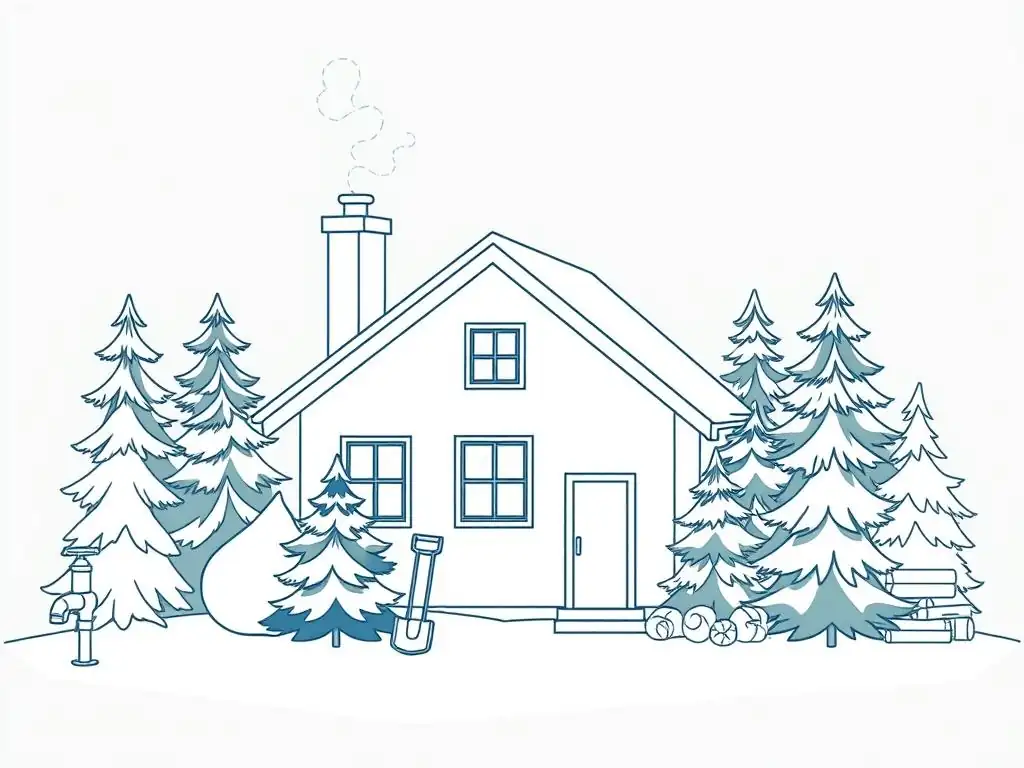
Winter's harsh conditions can wreak havoc on your outdoor spaces if not properly prepared. Taking proactive steps to winterize your property is crucial for preventing costly repairs and ensuring its longevity. This section focuses on practical strategies to protect your garden, sprinkler system, and outdoor furniture, maximizing the lifespan of your investments and minimizing springtime headaches. Effective winter home prep hacks extend beyond indoor preparations.
Protecting Your Garden and Plants from Freezing Temperatures: Winterizing Strategies
Protecting your beloved garden from the ravages of winter requires careful planning and execution. Different plants have varying levels of cold hardiness, so a tailored approach is necessary. For delicate plants, consider bringing them indoors to a protected environment. Alternatively, you can use row covers or cloches to create a microclimate around more resilient plants, shielding them from harsh winds and frost. Mulching is another effective strategy; a thick layer of organic mulch around the base of plants insulates their roots, preventing them from freezing.
Consider the specific needs of your plants. For example, roses benefit from mound protection – piling soil around the base of the plant to protect its crown. Evergreens can be vulnerable to winter desiccation (drying out), so consider wrapping them in burlap to reduce water loss. Remember to water deeply before the ground freezes to help plants survive the winter months. This pre-winter watering is a crucial yet often overlooked aspect of winter home prep hacks for your garden. Regularly check your plants throughout the winter to ensure they are surviving the conditions.
Winterizing Your Sprinkler System: Preventing Damage from Freezing
Freezing temperatures pose a significant threat to your sprinkler system. Water expands as it freezes, causing pipes to burst and leading to costly repairs in the spring. Proper winterization prevents this damage and protects your investment. The most effective method involves completely draining the system.
This usually involves turning off the main water supply to the sprinkler system, opening all the valves, and running the system briefly to expel any remaining water. For in-ground systems, it's often necessary to hire a professional to blow compressed air through the lines, forcing out any remaining moisture. This professional service is a worthwhile investment, as the cost of repair far outweighs the expense of preventative maintenance. Failing to winterize your sprinkler system is a common oversight in winter home prep hacks.
Another critical aspect is protecting exposed backflow preventers. These devices are vulnerable to freezing, so consider insulating them with foam covers or using heat tape to prevent ice formation. This added layer of protection is an important detail often missed in standard winterization guides, making it a key element in our comprehensive approach to winter home prep hacks.
Preparing Your Deck and Patio Furniture for Winter: Storage and Protection
Your deck and patio furniture are susceptible to damage from snow, ice, and harsh weather. Proper storage and protection are crucial to extend their lifespan. For items that can be stored indoors, move them to a dry, protected space. This prevents damage from moisture and reduces the risk of warping or cracking. For larger items that cannot be easily moved, consider using waterproof covers. These covers should be properly secured to prevent them from blowing away in strong winds. Wood furniture benefits greatly from a protective coating of sealant before winter to prevent water damage.
Cleaning your furniture before storing or covering it is a crucial step often overlooked. Removing dirt, debris, and any lingering moisture will prevent mold and mildew growth. Remember, proper cleaning and maintenance are key components of comprehensive winter home prep hacks. By following these simple steps, you can ensure that your outdoor furniture is ready to greet the warmer months in perfect condition. A little proactive effort now saves significant time and money later.
Stockpiling Essentials: Winter Home Emergency Preparedness
Winter storms can disrupt power grids, close roads, and limit access to essential supplies. Proactive preparation is key to weathering these challenges comfortably and safely. This section focuses on building a robust emergency kit and establishing a reliable food pantry to ensure your family's well-being throughout the winter months. Effective winter home prep hacks aren't just about convenience; they're about preparedness and peace of mind. Let's delve into the specifics.
Building a Winter Emergency Kit: Essential Supplies and Provisions
A well-stocked emergency kit is your first line of defense against winter's worst. Beyond the standard first-aid supplies, consider these winter-specific essentials:
- Warmth: Heavy blankets, sleeping bags, extra warm clothing (hats, gloves, scarves), and hand and foot warmers are crucial for maintaining body temperature during power outages. Don't forget waterproof outerwear!
- Water: Store at least one gallon of water per person per day for at least three days. This is vital for hydration and sanitation.
- Food: Non-perishable, easy-to-prepare foods like canned goods, energy bars, dried fruits, and nuts are ideal. Consider dietary restrictions and preferences when stocking your kit.
- First-aid: A comprehensive first-aid kit, including pain relievers, antiseptic wipes, bandages, and any personal medications, is essential.
- Tools: A multi-tool, a flashlight with extra batteries, a battery-powered radio, and a whistle can prove invaluable in emergencies.
- Documents: Keep copies of important documents, such as insurance cards, identification, and medical records, in a waterproof bag within the kit.
Remember to rotate your food supplies regularly to prevent spoilage and check battery expiration dates frequently. This proactive approach ensures your kit remains effective throughout the winter season and beyond. Consider also including a small shovel and ice scraper for clearing access to your home.
Creating a Food Pantry for Winter: Stocking Non-Perishable Items
Building a robust food pantry is a crucial aspect of winter home preparation. This goes beyond the emergency kit; it's about ensuring a consistent supply of food even if you experience minor disruptions. Think of it as a layered approach to food security.
Here's a suggested list of non-perishable items to stock in your pantry:
- Grains: Rice, pasta, oats, and quinoa are versatile and long-lasting staples.
- Canned Goods: Soups, vegetables, fruits, beans, and meats provide essential nutrients and are easy to prepare.
- Protein Sources: Peanut butter, canned tuna, and dried beans offer protein without refrigeration.
- Snacks: Crackers, granola bars, and nuts are convenient and energy-boosting.
- Spices and Seasonings: Don't forget the essentials to make your meals more palatable!
Organize your pantry efficiently for easy access. Use clear containers to store items and label everything with dates to ensure proper rotation. Consider the dietary needs of your household members when selecting items. A well-organized pantry reduces stress and ensures you always have something to eat, regardless of external circumstances. This simple yet effective "winter home prep hack" can make a significant difference during challenging weather conditions.
Gathering Emergency Lighting and Power Solutions: Backup Power Sources
Power outages are a common occurrence during winter storms. Having backup power sources is critical for safety, communication, and maintaining essential services.
- Flashlights and Lanterns: Multiple flashlights and lanterns with extra batteries are essential for navigating your home safely in the dark. Consider LED options for longer battery life.
- Battery-Powered Radio: Stay informed about weather updates and emergency announcements.
- Portable Power Station: A portable power station can charge your phone, laptop, and other small electronics. Choose one with a sufficient capacity to meet your needs.
- Generator (Optional): For larger homes or those with critical medical equipment, a generator can provide backup power for essential appliances. Remember to follow safety guidelines when operating a generator.
Remember to regularly test your backup power sources to ensure they are functioning correctly. This is a critical step in your winter preparedness plan and a vital "winter home prep hack" to ensure your family's safety and comfort during a power outage. Don't wait until the storm hits; prepare now and enjoy peace of mind knowing you're ready for anything.
Preventative Maintenance: Avoiding Winter Home Disasters
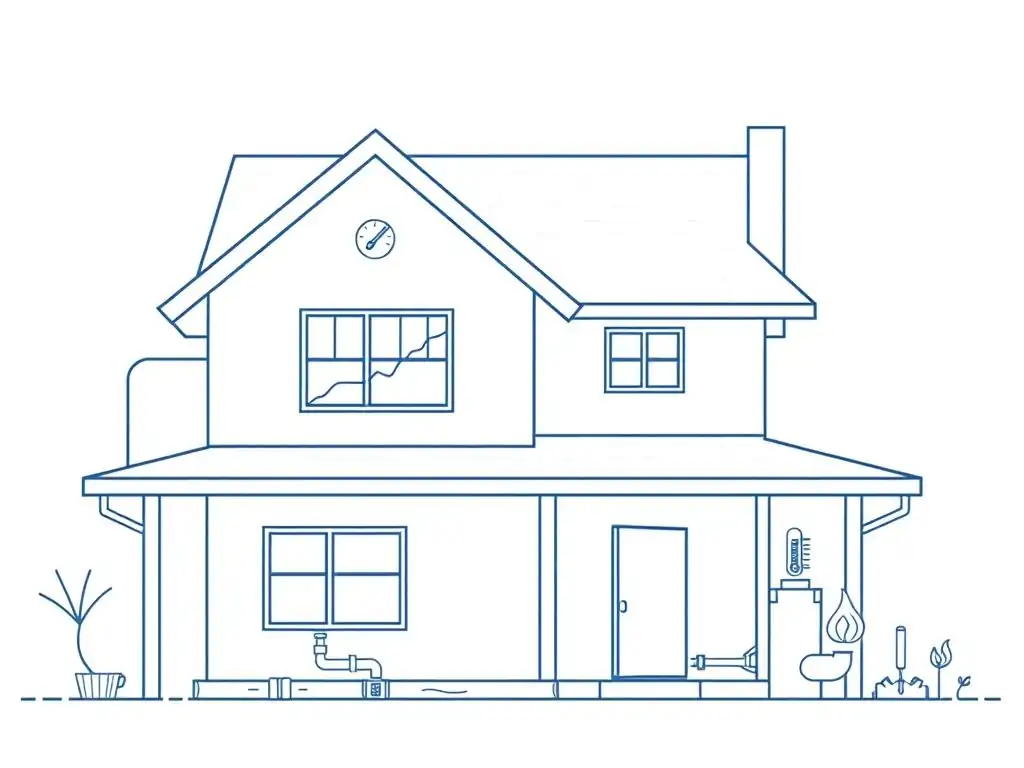
Winter's harsh conditions can wreak havoc on your home if you're not prepared. Proactive maintenance is key to preventing costly repairs and ensuring a comfortable, safe winter season. This section focuses on crucial preventative measures to safeguard your home from winter's worst. By addressing potential issues before they arise, you'll significantly reduce the likelihood of unpleasant surprises and expensive emergency calls. This proactive approach is central to effective "winter home prep hacks."
Addressing Potential Plumbing Issues: Preventing Frozen Pipes and Leaks
Frozen pipes are a common winter woe, leading to burst pipes, water damage, and significant repair costs. Preventing frozen pipes requires a multi-pronged approach. First, identify vulnerable areas: exterior walls, uninsulated spaces, and areas with limited airflow are prime candidates for freezing. Insulating these pipes with pipe sleeves or heat tape is a simple yet highly effective "winter home prep hack." Remember to prioritize pipes in attics, crawl spaces, and garages.
Secondly, let the cold water drip from faucets served by exposed pipes. This maintains a slight flow, preventing the water from stagnating and freezing. Even a slow drip can make a significant difference. Consider installing faucet covers for added insulation.
Finally, keep your thermostat set to a consistent temperature, even when you are away. A sudden drop in temperature can quickly lead to frozen pipes. While you may save on energy costs in the short term, the potential repair costs far outweigh any savings if pipes freeze and burst. Think of it as an investment in preventing costly water damage repairs. This simple adjustment is a highly effective "winter home prep hack" often overlooked.
Checking Smoke and Carbon Monoxide Detectors: Ensuring Home Safety
Winter often sees increased use of heating systems, creating a higher risk of carbon monoxide poisoning and house fires. Therefore, checking your smoke and carbon monoxide detectors is paramount. This isn't just a "winter home prep hack," but a crucial safety measure year-round.
- Smoke Detectors: Test each detector by pressing the test button. Replace batteries if necessary, and replace the entire unit every 10 years, regardless of battery life. Consider installing interconnected smoke detectors for broader coverage and faster alerts. Remember, early detection is key to minimizing damage and saving lives.
- Carbon Monoxide Detectors: Similarly, test your carbon monoxide detectors regularly. These detectors should be replaced every 5-7 years, depending on the manufacturer's recommendations. Carbon monoxide is odorless and deadly, making early detection critical. A functioning detector is one of the best "winter home prep hacks" for protecting your family's health and safety.
Maintaining Gutters and Downspouts: Preventing Ice Dams and Water Damage
Clogged gutters and downspouts are a significant contributor to ice dams and roof damage during winter. Leaves, debris, and ice can accumulate, preventing proper water drainage. This can lead to water backing up under the shingles, causing leaks and significant structural damage. Clearing your gutters is a crucial "winter home prep hack."
Before the first snowfall, thoroughly clean your gutters and downspouts. Remove all leaves, twigs, and other debris. Check for any damage or holes and repair them as needed. Consider extending downspouts away from the foundation to prevent water from pooling near your home's base, further reducing the risk of water damage. This proactive approach is a valuable "winter home prep hack" for preventing costly roof repairs and foundation damage. Regular maintenance, even during the colder months, is a worthwhile investment in protecting your home’s structural integrity.
Saving Money on Energy Bills: Smart Winter Home Hacks
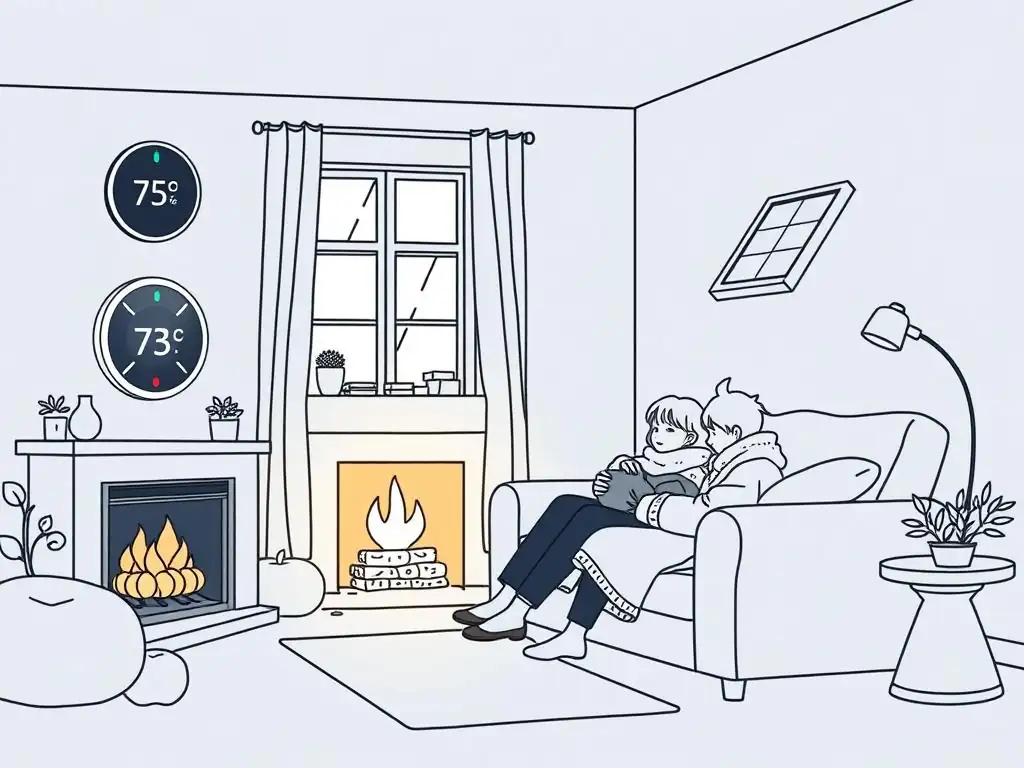
Winter's chill often translates to higher energy bills. However, with a proactive approach and some clever winter home prep hacks, you can significantly reduce your energy consumption and save money. This section focuses on practical strategies to optimize your home's energy efficiency and minimize the financial impact of the colder months. We'll explore smart thermostat utilization, energy-saving lighting solutions, and simple habit changes that collectively contribute to substantial savings. Remember, even small adjustments can make a big difference in your overall energy expenditure. Let's delve into the specifics.
Utilizing Smart Thermostats for Energy Efficiency: Optimizing Heating Costs
Smart thermostats offer unparalleled control over your home's heating system, leading to optimized energy usage and cost savings. These devices learn your heating preferences and automatically adjust the temperature accordingly, minimizing energy waste when you're away or asleep. For instance, a smart thermostat can detect when you leave the house and automatically lower the temperature, then raise it again before your return. This "geo-fencing" feature, combined with programmable schedules, allows for precise temperature control without manual adjustments.
Data shows that households using smart thermostats report an average energy saving of 10-15% annually. Some models even provide detailed energy usage reports, allowing you to track your progress and identify areas for further optimization. Investing in a smart thermostat is a worthwhile winter home prep hack that pays for itself over time through reduced energy bills. Consider the long-term savings and convenience when making your purchasing decision.
Implementing Energy-Saving Lighting Solutions: Reducing Energy Consumption
Switching to energy-efficient lighting is another crucial step in minimizing your winter energy bills. Traditional incandescent bulbs waste a significant amount of energy as heat, whereas LED (Light Emitting Diode) bulbs are far more efficient, converting a much larger percentage of energy into light. LEDs also boast a much longer lifespan, reducing the frequency of bulb replacements and minimizing waste.
The initial investment in LED bulbs might seem higher, but the long-term savings in energy consumption and reduced replacement costs quickly offset the upfront expense. Furthermore, consider using smart bulbs that can be controlled remotely or scheduled to turn on and off automatically, further optimizing energy usage.
For example, you can program your smart bulbs to turn off automatically when you leave a room or at a specific time, ensuring that lights aren't left on unnecessarily. This simple switch to LED lighting contributes significantly to your overall energy efficiency strategy and minimizes your environmental footprint.
Adopting Energy-Conscious Habits: Simple Changes for Big Savings
Beyond technological solutions, simple behavioral changes can dramatically impact your energy consumption during winter. Simple habits like layering clothing instead of cranking up the thermostat, closing curtains and blinds to prevent heat loss through windows, and using energy-efficient appliances can all add up to significant savings. For instance, even a small temperature reduction of a few degrees can lead to noticeable savings on your heating bill.
Regularly checking for drafts around windows and doors and sealing any gaps with weather stripping can also prevent heat loss. Moreover, air-drying clothes instead of using a dryer significantly reduces energy usage. These seemingly small adjustments, when consistently practiced, contribute to substantial energy savings over the winter months.
Consider creating a checklist of these energy-conscious habits to ensure their consistent implementation. These small changes are easy to implement and contribute greatly to your overall winter home prep strategy. Remember, even minor adjustments cumulatively result in substantial energy savings.
Embrace the Cozy Season: Winter Home Comfort Hacks
Winter home prep often focuses on the practical – preventing leaks, insulating pipes – but let's not forget the importance of creating a warm and inviting atmosphere. This section focuses on transforming your home into a cozy sanctuary, perfect for battling the cold and enjoying the season's unique charm. We'll explore simple yet effective hacks to maximize comfort and create a welcoming environment throughout the winter months. These "winter home prep hacks" will not only enhance your mood but also contribute to energy efficiency, saving you money on heating bills.
Creating a Warm and Inviting Atmosphere: Interior Design Tips for Winter
The key to a cozy winter home lies in thoughtful interior design. Think warm, rich colors, soft textures, and strategic lighting. Deep reds, oranges, and browns create a sense of warmth and intimacy. Consider repainting a single accent wall or introducing these colors through throw pillows, blankets, and curtains.
Avoid stark white walls; instead, opt for warmer shades of off-white, cream, or beige. These subtle changes can dramatically impact the overall feeling of your space. Furthermore, strategically placed mirrors can help to reflect natural light, making the room feel brighter and more spacious, even on the shortest winter days. Remember, the goal is to create an atmosphere that feels comforting and inviting, making you want to spend more time indoors.
Utilizing Cozy Textiles and Throws: Adding Comfort and Style to Your Home
Textiles are your secret weapon in the battle against winter chills. Think plush rugs, thick curtains, and an abundance of soft throws and blankets. These not only add a layer of warmth but also contribute significantly to the overall aesthetic. A large, fluffy rug underfoot can dramatically increase your sense of comfort, especially in tile or hardwood floor areas.
Similarly, heavy curtains can help to insulate your windows, reducing drafts and heat loss. Investing in high-quality, natural materials like wool, cashmere, or faux fur will enhance both comfort and style. Don't be afraid to layer textiles – a knitted throw draped over a velvet sofa adds depth and texture.
Consider the color palette – coordinating textiles will create a cohesive and visually appealing look. Experiment with different textures and patterns to find the perfect balance of comfort and style for your home. This simple addition to your "winter home prep hacks" significantly enhances the coziness factor.
Enjoying Winter Activities Indoors: Engaging Family Activities for Cold Weather
Winter doesn't mean your family has to stay cooped up and bored. Embrace the season by planning engaging indoor activities. Transform a spare room into a dedicated game room, complete with board games, puzzles, and card games. Organize family movie nights with popcorn and hot cocoa.
Consider starting a new family hobby, such as knitting, painting, or baking. Baking cookies or bread together is not only a fun activity, but also fills your home with delicious aromas, adding to the cozy atmosphere. These activities not only provide entertainment but also foster stronger family bonds. Create a dedicated reading nook with comfortable seating and soft lighting.
Encourage individual pursuits, such as reading, journaling, or crafting. Remember, the goal is to create a welcoming environment where everyone feels comfortable and can enjoy the winter season indoors. These are simple yet effective "winter home prep hacks" that will keep your family entertained and connected throughout the cold months. ☃️
Frequently Asked Questions
What are the most important steps for winterizing my home's exterior?
Preparing your home's exterior for winter involves several crucial steps. Insulating exposed pipes to prevent freezing is essential, as is clearing gutters and downspouts to avoid ice dams. Finally, sealing any cracks or gaps in windows and doors will significantly reduce drafts.
How can I save money on energy bills during the winter months?
Lowering your energy bills this winter involves improving home insulation, using energy-efficient appliances, and adjusting your thermostat (even a few degrees can make a difference). Consider also using smart power strips to cut down on phantom energy consumption.
What are some quick and easy ways to prevent frozen pipes?
Preventing frozen pipes requires allowing a slow drip of water from faucets in exposed areas, insulating pipes with foam sleeves or heat tape, and opening cabinet doors under sinks to allow warmer air to circulate. Keeping your thermostat at a consistent temperature is also vital.
Are there any simple hacks to improve indoor air quality during winter?
Maintaining good indoor air quality during winter is important. Regularly changing air filters in your HVAC system is crucial. Using a humidifier can combat dry air, and opening windows briefly for fresh air circulation (weather permitting) is beneficial.
What are some clever ways to prepare my home for potential power outages?
Preparing for power outages involves having a backup power source (generator or portable power station), stocking up on non-perishable food and water, and assembling a comprehensive emergency kit. Flashlights and extra batteries are also essential items to have on hand.
Final Reflection: Embracing the Chill: Winter's Wisdom and Your Cozy Haven
The chill winds of winter are more than just a seasonal change; they're a call to action. Preparing your home for the colder months isn't simply about avoiding frozen pipes or drafty windows; it's about creating a sanctuary, a haven of warmth and comfort against the encroaching cold. This proactive approach to winterization offers not only practical benefits but also a deeper sense of preparedness and self-reliance.
The impact of a well-prepared home extends far beyond mere physical comfort. It fosters a sense of security and control in the face of unpredictable weather, a feeling increasingly valuable in our rapidly changing world. This preparation mirrors a larger societal need for resilience and resourcefulness. As the poet Mary Oliver wisely reminds us, The world offers itself to your imagination, calls to you like the wild geese, harsh and exciting – over and over announcing your place in the family of things.
Preparing our homes for winter connects us to this family, reminding us of our responsibility to care for our spaces and ourselves.
Now, as the leaves fall and the first frost touches the ground, I invite you to consider the lessons learned within these pages. Don't just passively endure the winter; actively embrace it. Implement these simple yet effective hacks, transforming your home into a warm and inviting refuge. This isn't just about surviving the winter; it's about thriving within it, finding joy and peace in the heart of the season. Let the coming winter be a testament to your resourcefulness and a celebration of the cozy haven you've created.
Unlock Winter Comfort: Take Action Now!
Thanks for exploring our winter home preparation tips! We hope you've found some helpful ways to stay cozy and save energy this season. Ready to put these ideas into practice? Let's get started:
- Tackle your biggest energy drain first: Identify the areas of your home that lose the most heat—perhaps drafty windows, an uninsulated attic, or poorly sealed doors—and address them immediately. This small investment will yield significant results in terms of comfort and energy savings.
- Share your best winterization tip!: Have a favorite energy-saving trick we missed? Let the community know in the comments below—your expertise could help others stay warm and comfortable this winter.
- Visualize your cozy winter haven: Take a few minutes to imagine yourself relaxing in a warm, energy-efficient home. Let that feeling inspire you to take action.
What's one small step you'll take today to prepare your home for the winter chill?