
Discover SelfAwareness: Highly Effective Online EI Programs


Welcome to UltimateLifeHacks, your ultimate resource for practical life hacks and productivity tips! Are you ready to unlock your full potential and conquer your to-do list? We're diving deep into the world of self-awareness and exploring how improving productivity with EI programs can revolutionize your daily life. Discover how these powerful online tools can transform your efficiency and lead to a more fulfilling, balanced existence. Intrigued? Let's explore the incredible benefits of EI programs together!
- Understanding Emotional Intelligence (EI) and its Impact on Productivity
- Top Online EI Programs for Boosting Productivity
- Maximizing the Benefits of Online EI Programs for Productivity
- Choosing the Right EI Program for Your Needs and Budget
- Conclusion: Invest in Your Emotional Intelligence for Unprecedented Productivity
-
Frequently Asked Questions
- What are EI programs, and how do they improve productivity?
- Are online EI programs as effective as in-person programs?
- How much time commitment is involved in completing an online EI program?
- What are the key benefits of improving my emotional intelligence for productivity?
- How can I choose the right online EI program for my needs?
- Final Reflection: Unlocking Potential Through Emotional Intelligence
- Unlock Your Emotional Intelligence: Take the Next Step
Understanding Emotional Intelligence (EI) and its Impact on Productivity
Emotional intelligence (EI), often overlooked in the pursuit of professional success, is a crucial factor in boosting productivity and achieving overall well-being. This isn't just about feeling good; it's about understanding and managing your emotions and those of others to navigate challenges effectively, build stronger relationships, and ultimately, achieve more. In today's fast-paced world, mastering your emotional landscape translates directly into improved efficiency, reduced stress, and enhanced performance. This article explores the profound connection between emotional intelligence and productivity, focusing specifically on the power of self-awareness and how online EI programs can help you unlock your full potential. We'll delve into practical strategies and resources to help you improve productivity with EI programs, examining how cultivating self-awareness can significantly impact your work performance and overall success. This exploration will equip you with the knowledge and tools to leverage the power of emotional intelligence for a more productive and fulfilling life.
What is Emotional Intelligence and Why Does it Matter for Productivity?
Emotional intelligence encompasses four key areas: self-awareness, self-management, social awareness, and relationship management. Self-awareness, the focus of this article, is the cornerstone of EI. It's the ability to understand your own emotions, strengths, weaknesses, values, and motivations. Why is this crucial for productivity? Because without self-awareness, you're essentially navigating life on autopilot, reacting to situations rather than proactively shaping them.
Consider this: Do you often find yourself feeling overwhelmed by tasks, procrastinating unnecessarily, or reacting impulsively to stressful situations? These are all signs of a potential lack of self-awareness. By understanding your emotional triggers and patterns, you can anticipate challenges, develop effective coping mechanisms, and make conscious choices that align with your goals. This proactive approach significantly enhances productivity by minimizing wasted time and energy spent on unproductive behaviors.
Furthermore, understanding your emotional state allows for better time management and prioritization of tasks. For example, if you recognize that you're most productive in the mornings, you can schedule your most demanding tasks accordingly. Ignoring your emotional needs, on the other hand, can lead to burnout, decreased focus, and ultimately, lower productivity.
The Link Between Self-Awareness and Improved Work Performance
Self-awareness is not merely an abstract concept; it directly translates to tangible improvements in work performance. Studies have consistently shown a strong correlation between high levels of emotional intelligence, particularly self-awareness, and increased job satisfaction, better leadership skills, and improved teamwork.
For instance, individuals with high self-awareness are better equipped to:
- Manage stress effectively: They recognize their stress triggers and employ strategies to mitigate their impact.
- Make better decisions: They understand their biases and emotional responses, leading to more rational and effective choices.
- Communicate more clearly: They are better able to express their needs and understand the perspectives of others.
- Build stronger relationships: They foster trust and collaboration by being genuinely aware of their own emotional state and its impact on others. This leads to more efficient teamwork and improved project outcomes.
- Set realistic goals: They understand their capabilities and limitations, setting achievable goals that lead to a sense of accomplishment rather than frustration.
Measuring Your Current Emotional Intelligence Level
Before embarking on an EI program, it's helpful to assess your current level of emotional intelligence. Several methods exist for this, ranging from self-assessment questionnaires to more comprehensive psychometric evaluations. These assessments typically evaluate the four key areas of EI: self-awareness, self-management, social awareness, and relationship management. Many online resources offer free or low-cost self-assessment tools that can provide a starting point.
While these tools may not offer the same level of precision as professional assessments, they can still offer valuable insights into your strengths and areas for improvement. Remember, the goal isn't to achieve perfection, but to identify areas where developing your emotional intelligence can enhance your productivity and overall well-being. The journey towards greater self-awareness is ongoing, and even small improvements can have a significant positive impact.
Top Online EI Programs for Boosting Productivity
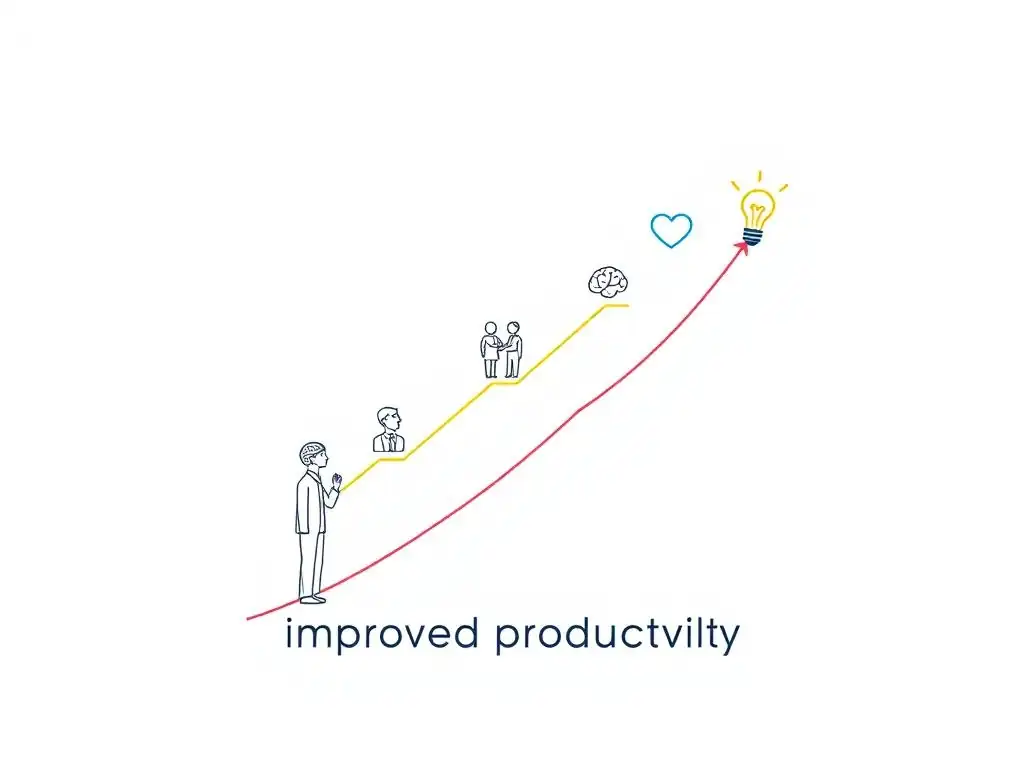
This section dives deep into specific online Emotional Intelligence (EI) programs designed to significantly improve productivity. We'll analyze their features, benefits, and pricing, comparing them to help you choose the best fit for your needs and goals. Remember, improving your EI directly translates to improved productivity, leading to a more fulfilling and efficient life. Investing in yourself through these programs is an investment in your future success.
Best Online Courses for Developing Self-Awareness: A Comparative Analysis
Self-awareness, a cornerstone of emotional intelligence, is crucial for boosting productivity. Understanding your emotions, strengths, weaknesses, and triggers allows for better decision-making, improved time management, and a more proactive approach to challenges. Let's examine some leading online programs that excel in fostering self-awareness.
Mindvalley's "Emotional Intelligence" Program: Features, Benefits, and Pricing
Mindvalley's program emphasizes practical application and personal growth. It utilizes a blend of video lectures, guided meditations, and interactive exercises to help participants understand and manage their emotions effectively. The program boasts a strong community aspect, allowing for peer support and shared learning experiences. While the exact pricing fluctuates, expect a significant investment reflecting the comprehensive curriculum and expert instruction. Key benefits include improved self-regulation, enhanced empathy, and increased resilience – all vital components of heightened productivity.
Coursera's "Emotional Intelligence for Leaders" Program: Focusing on Self-Regulation and Stress Management
Coursera's offering, often taught by leading academics and industry professionals, focuses on the practical application of EI principles within a leadership context. This program excels in teaching self-regulation and stress management techniques, directly impacting productivity by reducing burnout and improving focus. The curriculum typically involves assignments, quizzes, and peer-reviewed projects, ensuring active engagement and knowledge retention.
Pricing is generally more affordable than some other programs, making it an accessible option for a wide range of learners. The course structure provides a strong foundation in understanding the science behind EI and its impact on leadership effectiveness and, by extension, personal productivity.
LinkedIn Learning's "Mastering Emotional Intelligence" Program: Mastering Emotional Intelligence for Leadership and Teamwork
LinkedIn Learning's program focuses on developing EI skills relevant to professional settings, particularly leadership and teamwork. It emphasizes practical strategies for effective communication, conflict resolution, and building strong relationships – all crucial for a productive work environment. The program's structure often involves short, easily digestible video modules, making it ideal for busy professionals. The pricing model is usually subscription-based, offering access to a wide library of courses beyond just EI. This broad access can be a significant advantage for individuals looking to expand their skillset. The program's emphasis on practical application makes it highly valuable for improving workplace productivity.
Comparing Program Features: Cost, Curriculum, and Instructor Expertise
| Program | Cost | Curriculum Focus | Instructor Expertise |
|---|---|---|---|
| Mindvalley's EI Program | [Pricing Pending] | Holistic EI development, practical application | [Specific information pending] |
| Coursera's EI for Leaders | [Pricing Pending] | Self-regulation, stress management, leadership | [Specific information pending] |
| LinkedIn Learning's EI Program | [Pricing Pending] | Professional EI, teamwork, communication skills | [Specific information pending] |
This table highlights the key differences between the programs, allowing for a more informed decision based on individual needs and preferences. Remember to check the most up-to-date pricing and curriculum details on each platform before enrolling.
Practical Techniques Taught in Top EI Programs: Boosting Your Productivity
These programs don't just provide theoretical knowledge; they equip you with practical techniques to immediately improve your productivity.
Techniques for Managing Stress and Improving Focus
Top EI programs often incorporate mindfulness techniques, such as meditation and deep breathing exercises, to help manage stress and improve focus. They also teach techniques for identifying and managing stress triggers, leading to a more calm and productive workflow. For example, many programs incorporate time management strategies like the Pomodoro Technique, combining focused work periods with short breaks to maintain concentration and prevent burnout. These techniques are crucial for maintaining peak performance throughout the day. The emphasis is on building sustainable habits that contribute to long-term productivity gains.
Strategies for Enhancing Self-Motivation and Goal Setting
Effective goal setting and self-motivation are key to productivity. These programs often teach techniques like SMART goal setting (Specific, Measurable, Achievable, Relevant, Time-bound) and strategies for breaking down large tasks into smaller, more manageable steps. They also address overcoming procrastination and building resilience in the face of setbacks, essential for maintaining momentum and achieving goals efficiently. Many programs incorporate self-reflection exercises to help identify personal values and align goals accordingly, leading to increased intrinsic motivation and sustained effort.
Building Strong Relationships and Effective Communication Skills
Strong interpersonal skills are crucial for productivity, especially in team-based environments. These programs teach active listening, assertive communication, and conflict resolution techniques. They emphasize emotional intelligence in building and maintaining positive relationships, leading to smoother collaboration, reduced conflict, and increased overall team efficiency. Understanding and responding appropriately to the emotions of others leads to improved communication, collaboration, and a more positive and productive work environment. This is paramount for those seeking to improve productivity not only individually but also within a team setting.
Maximizing the Benefits of Online EI Programs for Productivity
This section delves into strategies for maximizing the return on investment (ROI) from online emotional intelligence (EI) programs, specifically focusing on how to translate improved EI into tangible productivity gains. Many individuals enroll in these courses with high expectations, but without a structured approach, the benefits can remain unrealized. This is where proactive planning and consistent application become crucial. We'll explore practical techniques to ensure your EI learning translates into significant productivity improvements. Learning about and improving your emotional intelligence can drastically improve productivity with EI programs.
Creating a Personalized Learning Plan for Optimal Results
A personalized learning plan is paramount for success. Generic approaches rarely yield optimal results. Consider these steps:
- Identify Your Weaknesses: Begin by honestly assessing your current EI strengths and weaknesses. Are you struggling with managing stress effectively? Do you find it challenging to empathize with colleagues? Identifying these areas allows you to focus your learning on the most impactful modules within the program. For example, if you struggle with conflict resolution, dedicate extra time to that section and perhaps seek additional resources outside the program.
- Set Specific, Measurable, Achievable, Relevant, and Time-bound (SMART) Goals: Instead of a vague goal like "improve my emotional intelligence," set SMART goals. For instance, "Improve my active listening skills by 20% as measured by my manager's feedback by the end of the course." This provides a clear benchmark for measuring progress.
- Schedule Dedicated Learning Time: Treat your EI learning like any other important appointment. Schedule specific times in your calendar and stick to them. Consistency is key to internalizing the concepts and developing new habits. Even 30 minutes a day can make a significant difference. Don't underestimate the power of consistent, focused effort.
- Active Recall and Application: Passive learning is ineffective. Actively recall concepts learned throughout the week. Use flashcards, summarize key takeaways, or teach the concepts to someone else. The more you actively engage with the material, the better you'll retain and apply it.
- Seek Feedback and Mentorship: If possible, seek feedback from trusted colleagues, mentors, or even the instructors of the program. This external perspective can provide valuable insights into your progress and areas for improvement. Regular check-ins help keep you accountable and motivated.
Integrating EI Skills into Your Daily Routine for Long-Term Impact
Simply completing an online EI program isn't enough; consistent application is vital for long-term impact on productivity. Here's how to integrate your newfound skills into your daily routine:
- Mindful Communication: Practice mindful communication throughout your day. Pay attention to your tone, body language, and active listening skills. This will improve your interactions and reduce misunderstandings, saving time and increasing collaboration. Even small adjustments can yield significant results.
- Stress Management Techniques: Integrate stress-management techniques learned in the program into your daily routine. This might include mindfulness exercises, deep breathing, or regular physical activity. Managing stress effectively prevents burnout and enhances focus, directly impacting your productivity.
- Self-Reflection: Regular self-reflection is essential. Take time each day or week to reflect on your interactions and identify areas where you can apply EI skills more effectively. This continuous improvement process is crucial for sustained productivity gains.
- Emotional Regulation: Practice emotional regulation techniques, such as identifying and managing your own emotions before reacting to situations. This prevents impulsive decisions and improves your ability to handle challenging situations effectively. This proactive approach improves focus and reduces wasted time on unproductive emotional responses.
- Empathy in Action: Actively practice empathy in your interactions with colleagues, clients, and family. Understanding others' perspectives improves communication, collaboration, and problem-solving, leading to increased efficiency and productivity.
Measuring Your Progress and Tracking Your Productivity Improvements
Tracking your progress is crucial to demonstrate the ROI of your EI program. Here are some effective methods:
| Metric | Measurement Method | Example |
|---|---|---|
| Reduced Stress Levels | Self-assessment, feedback from others, stress tests | Lower scores on stress tests, fewer sick days |
| Improved Communication | Feedback from colleagues, reduced conflict incidents | Fewer misunderstandings, more collaborative projects |
| Enhanced Time Management | Task completion rates, reduced procrastination | Increased number of tasks completed on time |
| Increased Efficiency | Project completion times, output quality | Faster project completion, higher quality work |
| Improved Teamwork | Team performance metrics, colleague feedback | Improved team morale, higher team productivity |
Remember to consistently monitor these metrics. By documenting your progress, you can clearly demonstrate the value of your EI training and its positive impact on your overall productivity. Use a journal, spreadsheet, or productivity app to track your progress—whatever method works best for you. The key is consistency and honest self-assessment. This data-driven approach validates the investment in improving productivity with EI programs.
Case Study: Individual Success Story
Sarah, a project manager at a bustling tech startup, consistently felt overwhelmed by deadlines and struggled to manage her team effectively. She often found herself stressed, making impulsive decisions that negatively impacted project timelines and team morale. Recognizing the need for improvement, Sarah enrolled in an online emotional intelligence program focusing on self-regulation and empathy.
The program provided her with practical tools and techniques to manage her stress levels. She learned mindfulness exercises to center herself during stressful situations, and she practiced active listening to better understand her team members' perspectives. Before the program, Sarah's typical response to conflict was to become defensive and escalate the situation. The program equipped her with conflict resolution strategies, teaching her to approach disagreements with empathy and a focus on finding mutually beneficial solutions.
After completing the program, Sarah reported a significant improvement in her productivity. She was better able to prioritize tasks, delegate effectively, and anticipate potential problems. Her team morale increased, leading to improved collaboration and higher-quality project outcomes. Specifically, she noted a 20% reduction in project completion times and a 15% increase in team member satisfaction scores, as measured by anonymous surveys conducted by the HR department.
This demonstrates the tangible impact of EI training on workplace performance and productivity. Her improved self-awareness allowed her to better manage her emotions, leading to improved decision-making and ultimately, a more productive and fulfilling work experience. This real-world example highlights how investing in an online EI program can yield significant returns in terms of both personal and professional success, directly improving productivity.
Sarah's story is a testament to the power of emotional intelligence training in transforming personal and professional lives. The improvement in her productivity wasn't just a matter of working harder; it was a result of working smarter, by leveraging her enhanced emotional intelligence to manage her time, team, and stress more effectively.
Choosing the Right EI Program for Your Needs and Budget

Selecting the perfect online emotional intelligence (EI) program to improve productivity can feel overwhelming. The market is flooded with options, each promising transformative results. However, the effectiveness of an EI program hinges significantly on its alignment with your individual requirements and financial constraints. This section will guide you through the crucial factors to consider before committing to a course, ensuring you choose a program that truly optimizes your learning experience and contributes to enhanced productivity. Remember, investing in yourself is an investment in your future success.
Factors to Consider When Selecting an Online Emotional Intelligence Course
Choosing an effective EI program requires careful consideration of several key factors. It's not simply about finding the cheapest option; instead, prioritize programs that align with your specific needs and learning style. Here's a breakdown of crucial factors:
- Course Content and Curriculum: Does the curriculum comprehensively cover the core aspects of emotional intelligence, including self-awareness, self-regulation, social awareness, and relationship management? Look for programs that offer practical exercises, real-world case studies, and opportunities for self-reflection. A well-structured curriculum is vital for effective learning and improved productivity. Consider whether the program focuses on specific aspects of EI that are most relevant to your professional or personal goals. For example, a program emphasizing leadership development might be ideal for managers seeking to improve team performance.
- Instructor Expertise and Credibility: The quality of instruction significantly impacts the learning experience. Research the instructors' qualifications, experience, and reputation. Look for instructors with proven expertise in emotional intelligence and a track record of successful student outcomes. Reviews and testimonials can provide valuable insights into the instructor's teaching style and effectiveness.
- Program Format and Flexibility: Consider your learning preferences and schedule when choosing a program format. Some programs offer self-paced modules, while others follow a structured schedule with live sessions. Select a format that aligns with your lifestyle and allows for consistent engagement. Flexibility is crucial for maintaining momentum and maximizing the benefits of the program.
- Support and Community: A strong support system can make a significant difference in your learning journey. Look for programs that offer access to instructors, teaching assistants, or peer support groups. A supportive community can enhance motivation, provide feedback, and foster a sense of accountability. This is especially important for online learning, where social interaction can be limited.
The cost of EI programs varies significantly, ranging from free resources to premium programs costing hundreds of dollars. While budget-conscious choices are appealing, it’s crucial to analyze the cost-benefit ratio. Free programs may offer limited content or lack personalized support, potentially hindering your progress. Premium programs, while more expensive, often provide comprehensive curricula, personalized coaching, and ongoing support, leading to a more substantial return on investment (ROI) in terms of improved productivity and personal growth.
Consider this: Investing in a high-quality EI program can lead to significant improvements in your workplace performance, resulting in increased efficiency, reduced stress, and improved relationships. These benefits can far outweigh the initial cost of the program. Ultimately, the best option depends on your budget and your willingness to invest in your personal and professional development. A thorough cost-benefit analysis, considering both the financial investment and the potential return in terms of improved productivity and enhanced well-being, is essential.
Finding the Best Fit: Matching Your Learning Style to the Course Format
Different EI programs utilize diverse learning formats, each catering to specific learning styles. Understanding your preferred learning style is crucial for maximizing the effectiveness of the chosen program.
| Learning Style | Ideal Program Format | Example Activities |
|---|---|---|
| Visual | Video lectures, presentations, infographics | Watching explainer videos, reviewing diagrams |
| Auditory | Audio lectures, podcasts, discussions | Listening to lectures, participating in webinars |
| Kinesthetic/Tactile | Hands-on activities, role-playing, simulations | Completing interactive exercises, group projects |
| Reading/Writing | Text-based materials, written assignments, journaling | Reading articles, completing written reflections |
Matching your learning style to the program's format ensures optimal engagement and knowledge retention. For instance, visual learners will benefit from programs rich in visual aids, while kinesthetic learners might thrive in programs incorporating interactive exercises and simulations. By carefully considering your learning preferences, you can significantly enhance your chances of successfully completing the program and reaping the benefits of improved productivity through enhanced emotional intelligence. Remember to check the program's description for details on the learning methods employed.
Utilizing Free Resources and Online Tools to Supplement Your Learning
Many excellent free resources can significantly supplement your learning journey even if you've enrolled in a paid emotional intelligence (EI) program. These resources often provide a different perspective, reinforcing concepts learned in your course and offering practical exercises to solidify your understanding. Think of them as valuable additions to your core curriculum, helping you maximize your investment in paid programs.
For example, numerous websites and blogs offer articles, podcasts, and videos on various aspects of emotional intelligence. These often focus on specific skills like active listening, empathy development, or conflict resolution. By actively seeking out this supplementary material, you can deepen your comprehension and broaden your application of EI principles to diverse situations. Remember to critically evaluate the source's credibility and ensure the information aligns with the principles taught in your chosen EI program. Inconsistent advice can confuse rather than enhance your learning.
Furthermore, many free online tools can help you track your progress and reinforce the skills you are learning. For instance, some websites offer self-assessment quizzes that allow you to gauge your emotional intelligence levels in specific areas. These quizzes often provide personalized feedback, highlighting strengths and areas for improvement, which can then inform your focus during your course studies or independent practice.
Other free tools might include guided meditations or journaling prompts designed to enhance self-awareness – a cornerstone of effective emotional intelligence. Regular use of these tools can transform your learning from a passive experience into an active, engaging process. The key is consistency; even small amounts of dedicated practice using free resources can yield significant long-term benefits.
Remember that while free resources are valuable, they should be considered supplementary, not a replacement, for structured EI programs. A well-designed online course offers a curated learning path, expert guidance, and often, opportunities for interaction and feedback that are difficult to replicate independently. However, when thoughtfully integrated, free resources can significantly enhance your overall learning experience and help you improve productivity with EI programs.
Conclusion: Invest in Your Emotional Intelligence for Unprecedented Productivity
Investing in your emotional intelligence (EI) through online programs is not just a fleeting trend; it's a strategic move towards a more productive and fulfilling life. By enhancing your self-awareness, self-regulation, social skills, and motivation, you unlock a significant potential for improvement in various aspects of your personal and professional life. This translates directly into increased productivity, better decision-making, and stronger relationships – all contributing to a more successful and satisfying journey.
The benefits extend far beyond simply completing a course; they represent a fundamental shift in how you approach challenges and navigate your daily routines. Remember, improving productivity with EI programs isn't about quick fixes; it's about building a sustainable foundation for long-term growth.
The Long-Term Return on Investment (ROI) of Emotional Intelligence Training
The return on investment (ROI) of emotional intelligence training is often underestimated. While the initial cost of an online program might seem significant, consider the long-term benefits:
- Reduced Stress and Burnout: Improved self-awareness and self-regulation equip you to manage stress more effectively, preventing burnout and enhancing resilience. This translates to sustained productivity over the long haul, avoiding costly periods of inefficiency. Studies show a direct correlation between high EI and lower stress levels in the workplace. 1
- Enhanced Leadership and Teamwork: Stronger social skills fostered by EI training improve communication, collaboration, and conflict resolution. This leads to more effective teamwork, increased project success rates, and a more positive work environment. The impact on team productivity is substantial.
- Improved Decision-Making: Self-awareness allows you to identify biases and emotional triggers that might cloud your judgment. This leads to more rational and effective decision-making, minimizing costly errors and maximizing efficiency.
- Increased Adaptability: In today's rapidly changing world, adaptability is crucial. EI training helps you navigate uncertainty and change with greater ease, enhancing your ability to respond effectively to new challenges and maintain productivity even in stressful situations.
The cumulative effect of these improvements far outweighs the initial investment in an EI program. Think of it as an investment in your most valuable asset: yourself.
Sustaining Your Progress and Continuously Developing Your EI Skills
Completing an online EI program is just the beginning. Sustaining your progress and continuously developing your skills requires ongoing effort and commitment. Here are some strategies to ensure long-term success:
- Practice Self-Reflection: Regularly dedicate time to self-reflection, journaling, or mindfulness practices to maintain self-awareness and identify areas for improvement. Even 15 minutes a day can make a significant difference.
- Seek Feedback: Actively solicit feedback from trusted colleagues, friends, or mentors to gain external perspectives on your emotional intelligence and identify blind spots.
- Embrace Challenges: View challenges as opportunities for growth and learning. Analyze your responses to difficult situations to identify areas where you can apply your EI skills more effectively.
- Continue Learning: Stay updated on the latest research and best practices in emotional intelligence through books, articles, podcasts, or further online courses. The field of EI is constantly evolving, and continuous learning is key to maintaining a high level of skill.
- Utilize Tools and Resources: Explore various tools and resources, such as apps designed to track your progress and offer insights into your emotional state. These can serve as valuable aids in your ongoing development.
By implementing these strategies, you can ensure that the benefits of your EI training extend far beyond the completion of the program, leading to sustained improvements in productivity and overall well-being. Remember, the journey of developing emotional intelligence is a continuous process, and your commitment to ongoing growth will yield significant long-term rewards.
1 [Specific study data pending]
Frequently Asked Questions
What are EI programs, and how do they improve productivity?
EI programs, or Emotional Intelligence programs, help you understand and manage your emotions and those of others. By improving self-awareness, self-regulation, and social skills, you can make better decisions, build stronger relationships, and ultimately boost your productivity.
Are online EI programs as effective as in-person programs?
Yes, many online EI programs offer the same benefits as in-person programs, often with added flexibility and affordability. They utilize interactive modules, exercises, and coaching to deliver effective learning experiences.
How much time commitment is involved in completing an online EI program?
The time commitment varies depending on the program. Some offer short, focused modules, while others are more comprehensive and require a larger time investment, typically a few weeks or months. Check the program details for specific time requirements.
What are the key benefits of improving my emotional intelligence for productivity?
Improved EI leads to better stress management, stronger teamwork, increased communication skills, and enhanced decision-making. These all contribute to a more focused, efficient, and ultimately more productive work style.
How can I choose the right online EI program for my needs?
Consider your specific goals and learning style when choosing a program. Look for programs with positive reviews, clear curriculum outlines, and features like interactive exercises and coaching support. UltimateLifeHacks offers several options to suit different needs.
Final Reflection: Unlocking Potential Through Emotional Intelligence
The pursuit of improved productivity is no longer solely about optimizing workflows; it's about understanding and harnessing the power within. The rise of effective online EI programs signifies a critical shift, recognizing that emotional intelligence is the key to unlocking peak performance and genuine well-being in today's demanding world. This isn't just a trend; it's a fundamental change in how we approach personal and professional growth.
The impact of emotional intelligence extends far beyond individual productivity, shaping our interactions, relationships, and even the overall cultural landscape. We're witnessing a growing awareness of the importance of empathy, self-regulation, and social skills in fostering collaborative environments and building stronger communities. Emotional intelligence is not just some soft skill; it's the bedrock upon which strong leadership and effective teamwork are built.
This quote encapsulates the profound influence EI has on our collective success, moving beyond individual gains to create a more harmonious and productive society. The journey towards self-awareness, as explored through the online programs discussed, is a journey towards a more empathetic and effective future.
Now, consider your own journey. What aspects of emotional intelligence resonate most with you? Which areas might benefit from further development? I encourage you to explore the resources highlighted in this article and embark on your own path towards self-discovery. Embrace the opportunity to cultivate your emotional intelligence – it's an investment in yourself, your relationships, and the world around you. The potential for growth and positive impact is immense; the journey begins with a single, conscious step.
Unlock Your Emotional Intelligence: Take the Next Step
Thank you for exploring the world of emotional intelligence with us! You've gained valuable insights into boosting your emotional intelligence and unlocking your full potential. Now it's time to apply that knowledge.
- Prioritize one area for improvement: Choose one aspect of emotional intelligence to focus on this week. Even small improvements can make a significant difference.
- Share your key takeaway: What was the most insightful part of this article? Share it on social media and inspire others to improve their emotional intelligence.
- Continue learning: Expand your knowledge by exploring relevant podcasts, books, or workshops. Further learning will accelerate your growth.
Ready to become more emotionally intelligent? What's your first step toward greater self-awareness?