
Unlock Your Cognitive Edge: Online Training Programs for Optimal Performance


Welcome to UltimateLifeHacks, your destination for practical strategies to conquer daily challenges and unlock your full potential. Are you ready to significantly boost your cognitive abilities and transform your productivity? Our latest article dives deep into the world of online training for brain performance, revealing how targeted programs can sharpen your focus, enhance memory, and ultimately, help you achieve more in less time. Discover the secrets to unlocking your cognitive edge – read on to learn more!
- Understanding the Power of Online Brain Training Programs
- Top Online Training Programs for Brain Performance Enhancement
- Choosing the Right Online Brain Training Program for You
- Maximizing the Benefits of Online Brain Training Programs
- Long-Term Cognitive Enhancement Strategies Beyond Online Training
- Conclusion: Investing in Your Cognitive Future
- Frequently Asked Questions
- Final Reflection: Harnessing the Power of the Online Brain
- Ignite Your Potential: Level Up Your Cognitive Skills Today!
Understanding the Power of Online Brain Training Programs
In today's fast-paced world, optimizing cognitive function is no longer a luxury—it's a necessity. The ability to focus intensely, remember crucial information, and solve problems efficiently directly impacts our success in both personal and professional spheres. This article delves into the burgeoning world of online brain training programs, exploring how these resources can unlock your cognitive edge and propel you towards peak performance.
We'll examine the science behind these programs, guide you through identifying your cognitive strengths and weaknesses, and help you set realistic goals for achieving tangible improvements in your brainpower. Ultimately, we aim to equip you with the knowledge to choose and effectively utilize online training to enhance your cognitive abilities and boost your overall productivity.
This is crucial for anyone looking to improve their memory, sharpen their focus, or simply unlock their full potential. The demand for effective cognitive enhancement strategies is growing rapidly, and online training offers a flexible and accessible solution.
The Science Behind Cognitive Enhancement
Cognitive enhancement, once a futuristic concept, is now firmly rooted in scientific research. Neuroplasticity, the brain's remarkable ability to reorganize itself by forming new neural connections throughout life, is the cornerstone of cognitive training's effectiveness. Numerous studies demonstrate that targeted cognitive exercises can strengthen specific brain functions. For example, working memory training, often involving tasks like remembering sequences or manipulating information mentally, has shown significant improvements in fluid intelligence and overall cognitive performance. 1 Similarly, attention training, frequently employing exercises requiring sustained focus and selective attention, can lead to enhanced concentration and reduced distractibility. These improvements aren't just temporary; research suggests that the benefits of cognitive training can transfer to real-world scenarios, impacting daily tasks and overall cognitive efficiency. The key lies in consistency and choosing programs backed by scientific evidence and rigorous testing. The effectiveness of these programs is often measured through standardized cognitive assessments, providing quantifiable data on individual progress.
Identifying Your Cognitive Weaknesses and Strengths
Before embarking on a brain training journey, it's crucial to understand your existing cognitive profile. A comprehensive self-assessment, perhaps using online questionnaires or cognitive tests, can pinpoint areas needing improvement and highlight your existing strengths. Are you struggling with short-term memory? Do you find it difficult to maintain focus for extended periods?
Or perhaps your problem-solving skills could use a boost. Identifying these weaknesses allows you to tailor your training program to address specific needs. Conversely, recognizing your cognitive strengths can help you leverage those abilities and build upon existing foundations.
For instance, if you excel at verbal reasoning, you might focus on programs that challenge your visual-spatial skills, creating a more balanced cognitive profile. This personalized approach maximizes the effectiveness of your training, ensuring you're focusing your efforts where they'll yield the greatest results. Remember, a balanced approach addressing both weaknesses and building upon strengths is key for holistic cognitive enhancement.
Setting Realistic Goals for Brain Training
The success of any brain training program hinges on setting realistic and achievable goals. Avoid setting overly ambitious targets that can lead to discouragement and ultimately, abandonment. Start with small, manageable goals, such as improving your focus for 15 minutes a day or memorizing a short poem weekly.
As you progress and see improvements, gradually increase the difficulty and duration of your training sessions. Regular monitoring of progress, perhaps through tracking your performance on the program's built-in assessments or by using external cognitive tests, is essential for maintaining motivation and adjusting your goals as needed. Celebrate milestones along the way – even small victories contribute to building positive reinforcement and sustained commitment.
Remember, consistency is key. Even short, daily training sessions are more effective than infrequent, longer ones. This structured approach, combined with realistic goal-setting, will ensure you maximize the benefits of your online brain training program and achieve lasting cognitive enhancement.
1 [Specific scientific study citation pending]
Top Online Training Programs for Brain Performance Enhancement
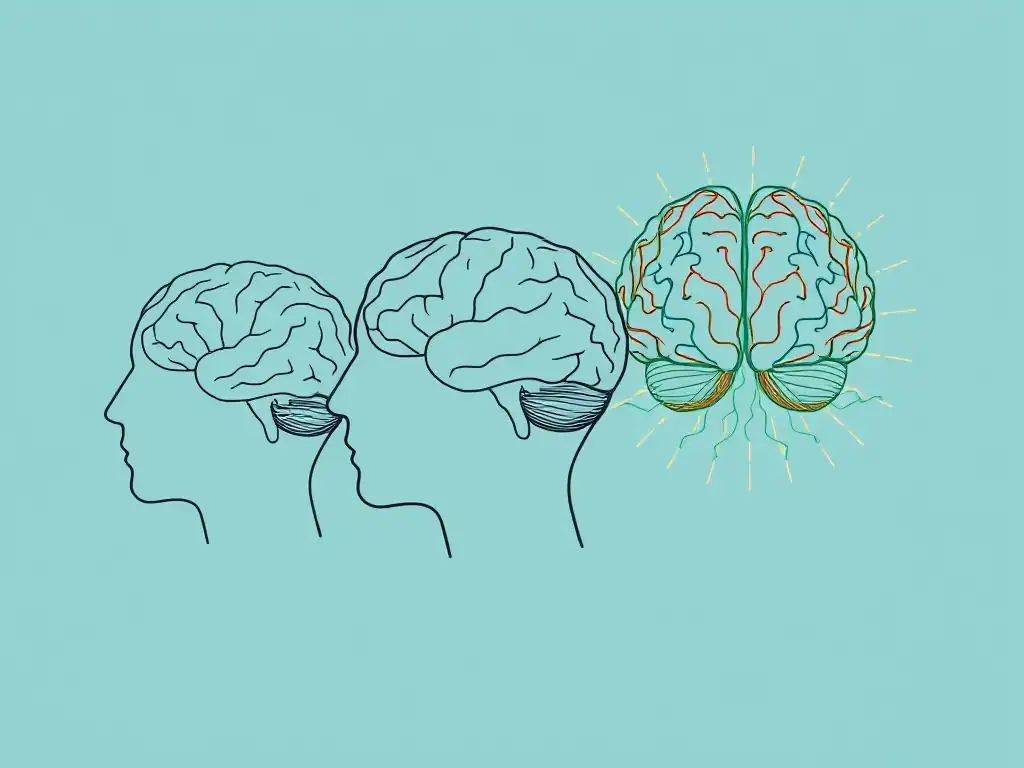
This section dives deep into specific online training programs designed to boost cognitive function and overall brain performance. We'll analyze prominent platforms and courses, focusing on their features, costs, and overall value proposition for enhancing your cognitive edge. Remember, consistent effort and engagement are key to maximizing the benefits of any brain training program. Investing in your cognitive health is an investment in your future success.
Coursera's Cognitive Neuroscience Specialization
Coursera offers a highly-regarded specialization in Cognitive Neuroscience. This program provides a comprehensive understanding of the brain's workings, offering practical applications for improving cognitive skills. The curriculum blends theoretical knowledge with practical exercises, making it ideal for those seeking both a deep understanding and tangible improvements.
Course Features & Benefits
This specialization offers a structured learning pathway, typically encompassing several individual courses. Expect to delve into topics like memory encoding and retrieval, attention mechanisms, decision-making processes, and the neural basis of cognitive functions. The program often includes interactive exercises, quizzes, and peer-reviewed assignments to reinforce learning and encourage active participation. Successful completion typically results in a shareable certificate, enhancing your professional profile. The focus on neuroscience provides a solid foundation for understanding the "why" behind various brain training techniques.
Cost and Value
The cost varies depending on whether you opt for audit access (free, but limited) or a paid certificate. While the upfront investment might seem significant, the long-term value in enhanced cognitive abilities and potential career advancements justifies the expense for many. Consider the return on investment (ROI) in terms of increased productivity, improved decision-making, and potential salary increases. The detailed curriculum and reputable institution behind the program contribute to its overall value.
Pros and Cons Analysis
| Pros | Cons |
|---|---|
| Rigorous and academically sound curriculum | Requires a significant time commitment |
| Shareable certificate | May require prior knowledge of basic biology |
| In-depth understanding of cognitive processes | Some modules may be highly technical for beginners |
| Interactive learning | Cost for certification can be substantial |
Udemy's Brain Training Courses
Udemy provides a vast library of brain training courses, catering to a broad spectrum of learning styles and objectives. While lacking the academic rigor of Coursera's specialization, Udemy offers a more flexible and often more affordable approach to cognitive enhancement. The sheer variety makes it a great option for exploring different techniques and finding a suitable learning style.
Course Variety and Selection
Udemy’s strength lies in its extensive course catalog. You can find courses focusing on specific cognitive skills like memory improvement, speed reading, focus enhancement, and creative thinking. Courses range from beginner-friendly introductions to more advanced techniques suitable for experienced learners. This diversity allows you to tailor your learning experience to your specific needs and goals. Look for courses with high ratings and reviews to ensure quality.
Cost and Value
Udemy frequently offers significant discounts on its courses, making them considerably more affordable than many other online learning platforms. While the cost is lower, the value depends heavily on the individual course and your engagement with the material. It's crucial to carefully review course descriptions, instructor credentials, and student reviews before enrolling. The flexibility and affordability make it an attractive option for budget-conscious learners.
Pros and Cons Analysis
| Pros | Cons |
|---|---|
| Wide range of courses and topics | Quality can vary significantly between courses |
| Affordable pricing | Less academic rigor than university programs |
| Flexible learning schedule | May lack structured learning pathways |
| Often includes downloadable resources | Instructor credibility may vary |
Remember to choose a program that aligns with your learning style, budget, and specific cognitive enhancement goals. Consistent practice and application of learned techniques are essential for achieving lasting improvements in brain performance. Good luck on your journey to unlocking your cognitive edge!
Lumosity: A Comprehensive Brain Training Platform
Lumosity is a well-known online brain training program offering a wide array of exercises designed to challenge different cognitive skills. Its popularity stems from its accessibility and the diverse range of activities it provides. The platform utilizes a gamified approach, making the training process engaging and less like a chore. Users can track their progress over time, witnessing their improvement across various cognitive domains.
This consistent feedback loop encourages continued engagement and helps users stay motivated. The breadth of exercises caters to a wide range of users, from those simply looking to sharpen their minds to individuals aiming for more significant cognitive enhancement. The platform's intuitive interface ensures ease of use, even for those unfamiliar with online brain training programs. However, the effectiveness of Lumosity, like many similar programs, remains a subject of ongoing scientific debate.
Gamified Learning Approach
Lumosity's success is partly attributed to its clever use of game mechanics. Instead of presenting users with dry, repetitive tasks, Lumosity transforms cognitive exercises into engaging games. This approach makes the training process enjoyable and less daunting, thus improving adherence. Progress is tracked through points, badges, and leaderboards, fostering a sense of competition and accomplishment.
This gamification strategy is particularly effective in maintaining user motivation, a crucial factor in achieving long-term cognitive improvements. The variety of game types also prevents boredom, offering a diverse range of challenges to keep users stimulated and engaged in their brain training journey. This dynamic approach is key to Lumosity's effectiveness in attracting and retaining users seeking to improve their "online training brain performance".
Cost and Features
Lumosity operates on a freemium model. A basic version offers limited access to the platform's features, while a premium subscription unlocks the full range of brain training games and personalized progress tracking. The premium subscription typically involves a recurring monthly or annual fee, with pricing details available on their website.
Features included in the premium subscription usually encompass a broader range of exercises, personalized training plans tailored to individual needs, detailed progress reports, and access to community features. The cost-benefit ratio will vary depending on individual needs and budget, but many users find the value proposition compelling given the extensive range of training activities and personalized feedback. This makes it a viable option for those seeking to invest in their cognitive well-being.
Pros and Cons Analysis
| Pros | Cons |
|---|---|
| Engaging gamified interface | Effectiveness debated within the scientific community |
| Wide variety of brain training exercises | Freemium model limits access to some features without a paid subscription |
| Personalized training plans (premium) | Potential for over-reliance on the program without other cognitive activities |
| Detailed progress tracking | Some users find the games too simplistic or repetitive after extended use |
Elevate: Personalized Brain Training for Skill Improvement
Elevate distinguishes itself from other online brain training platforms through its emphasis on personalized training programs designed to target specific cognitive skills. Instead of a generalized approach, Elevate assesses a user's strengths and weaknesses, tailoring a customized training regimen to address individual needs. This personalized approach is designed to maximize the effectiveness of the training, focusing on areas requiring improvement while reinforcing existing strengths.
The platform uses adaptive algorithms to adjust the difficulty of exercises, ensuring users are consistently challenged but not overwhelmed. This dynamic adjustment keeps the training process engaging and prevents plateaus. Elevate's focus on skill improvement, rather than just general cognitive enhancement, makes it attractive to those seeking measurable improvements in specific areas, such as reading speed or writing skills.
Tailored Training Programs
Elevate's core strength lies in its ability to create personalized training programs. Using a comprehensive initial assessment, the platform identifies the user's cognitive strengths and weaknesses. This data then informs the creation of a customized training plan, prioritizing exercises designed to target areas requiring improvement. The program's adaptive algorithms continuously monitor progress, adjusting the difficulty of exercises to maintain an optimal challenge level.
This ensures users are constantly pushed to improve without becoming discouraged. The focus on personalized training is a significant differentiator for Elevate, offering a more tailored and potentially more effective approach compared to generalized brain training platforms. This personalized approach directly addresses the user's specific needs for improving "online training brain performance".
Cost and Features
Similar to Lumosity, Elevate utilizes a freemium model. A free version provides limited access to the platform's features, while a premium subscription unlocks the full functionality. The premium subscription typically involves a recurring monthly or annual fee, which provides access to the full suite of personalized training programs, detailed progress reports, and advanced analytics. The premium features are designed to offer a more comprehensive and impactful training experience, providing users with the tools and insights needed to maximize their cognitive improvement. The pricing structure aims to balance accessibility with the provision of high-quality, personalized training.
Pros and Cons Analysis
| Pros | Cons |
|---|---|
| Highly personalized training programs | Effectiveness, like other brain training programs, is still debated |
| Adaptive difficulty levels | Freemium model restricts full access to features without a paid subscription |
| Detailed progress reports and analytics | Some users may find the initial assessment process lengthy |
| Focus on specific skill improvement | Limited game variety compared to some competitors |
Peak: Brain Training for Focus and Memory Enhancement
Peak is a popular online brain training program designed to improve focus, memory, and cognitive function. It offers a comprehensive suite of exercises and games, each tailored to target specific cognitive skills. The program utilizes a personalized approach, adapting to the user's progress and providing targeted challenges to maximize improvement.
Users often report significant improvements in their ability to concentrate, recall information, and manage their time more effectively after consistent engagement with the Peak platform. The program's gamified approach makes learning engaging and encourages regular use, which is crucial for seeing lasting results in cognitive enhancement. Furthermore, Peak provides detailed progress tracking, allowing users to monitor their improvement over time and identify areas where they may need extra focus.
This data-driven approach provides valuable insight into individual cognitive strengths and weaknesses, further personalizing the learning experience. The program's intuitive interface and user-friendly design ensure accessibility for individuals of all ages and technical skill levels.
Scientifically Backed Exercises
Peak's exercises are developed based on neuroscience research and cognitive psychology principles. The program incorporates a variety of training methods, including working memory tasks, attention exercises, and speed-processing challenges. These exercises are not simply games; they are meticulously designed to stimulate specific brain regions and neural pathways associated with improved cognitive functions.
For example, working memory tasks, such as remembering sequences of numbers or images, are known to strengthen the prefrontal cortex, a crucial brain region for executive functions like planning and decision-making. Similarly, attention exercises, such as focusing on specific targets amidst distractions, enhance selective attention and reduce mental clutter.
The scientific underpinnings of Peak's exercises provide a strong foundation for its effectiveness, setting it apart from other brain training programs that may lack a robust scientific basis. The program regularly updates its exercise library with new challenges based on the latest research findings, ensuring users always have access to the most effective and cutting-edge training methods.
Cost and Features
Peak offers various subscription plans, catering to different budgets and usage preferences. While the exact pricing may vary depending on the length of the subscription and any promotional offers, generally, users can expect a monthly or yearly fee. The basic subscription provides access to a core set of brain training games and exercises. Higher-tier subscriptions often unlock additional features, such as personalized training plans, detailed progress reports, and access to a broader range of exercises.
Furthermore, premium subscriptions often include features like offline access and unlimited game play, enhancing the overall user experience. It's crucial to compare the different subscription plans to determine which one best suits individual needs and budget constraints. Before committing to a subscription, it’s always wise to review the complete feature list and compare it with similar programs to ensure you're getting the best value for your money.
Pros and Cons Analysis
Pros: Peak boasts a user-friendly interface, scientifically-backed exercises, personalized training plans, and detailed progress tracking. The gamified approach makes the training engaging and motivating, and the program adapts to the user's progress, ensuring continuous improvement. The program's accessibility across various devices allows for consistent training, regardless of location or device preference. Furthermore, regular updates ensure that the training methods remain current and effective. Many users report noticeable improvements in focus, memory, and overall cognitive performance after consistent use.
Cons: The subscription-based model may be a barrier for some users. While the program offers various subscription options, the cost might still be prohibitive for individuals with limited budgets. The effectiveness of brain training programs is still a subject of ongoing research, and individual results may vary. While Peak employs scientifically-backed methods, it's important to manage expectations and understand that consistent effort is crucial for achieving optimal results. Finally, some users may find the gamified approach somewhat simplistic, particularly those seeking more challenging or complex cognitive training exercises.
Choosing the Right Online Brain Training Program for You

Selecting the optimal online brain training program requires careful consideration of several key factors. The market is flooded with options, each promising cognitive enhancement, but their effectiveness and suitability vary widely. Choosing wisely ensures you invest your time and resources effectively, maximizing your return on investment in terms of improved cognitive function. This section helps you navigate this selection process, ensuring you find the perfect fit for your needs.
Factors to Consider When Selecting a Program
Choosing the right online brain training program is a personalized journey. What works wonders for one individual might be entirely ineffective for another. To optimize your experience and achieve tangible results, carefully evaluate the following factors:
Your Learning Style and Preferences
Understanding your learning style is paramount. Are you a visual learner who thrives on diagrams and videos? Do you prefer interactive exercises, or do you learn best through structured lectures and detailed explanations? Some programs heavily utilize gamification, incorporating challenges and rewards to enhance engagement.
Others adopt a more traditional, textbook-like approach. Matching your learning style to the program's delivery method significantly impacts your ability to absorb the material and retain the information. For instance, if you are a kinesthetic learner, a program relying solely on lectures might prove frustrating and less effective compared to one offering hands-on activities and simulations. Consider programs that offer diverse learning modalities, catering to a range of learning styles to ensure a comprehensive and engaging learning experience.
Your Specific Cognitive Goals
Before committing to a program, define your specific cognitive goals. Are you aiming to improve memory, focus, problem-solving skills, or a combination thereof? Different programs specialize in different cognitive domains. Some focus on enhancing working memory, while others concentrate on improving processing speed or attention span.
Clearly identifying your objectives allows you to select a program specifically designed to address your needs. For example, if your primary goal is to enhance your ability to multitask and improve your focus, you should look for programs that include exercises specifically targeting these cognitive skills. A program focused solely on memory enhancement might not be as effective in this scenario. Tailoring your choice to your specific goals ensures that you're investing your time and resources in a program that directly addresses your needs and leads to measurable improvements.
Budget and Time Commitment
Online brain training programs vary significantly in price and the time commitment required. Some offer short, intensive courses, while others are structured as ongoing programs. Before enrolling, assess your budget and determine how much time you can realistically dedicate to the program each week. Factor in not only the program's duration but also the time needed for completing exercises and reviewing materials.
Failing to consider this aspect can lead to frustration and ultimately hinder your progress. A realistic assessment of your time constraints will help you choose a program that fits seamlessly into your schedule without compromising your ability to fully engage with the content. Remember, consistency is key to achieving optimal results from any brain training program.
Assessing Program Effectiveness
Determining the effectiveness of a particular online brain training program requires critical evaluation. Look for programs that provide evidence-based methods and cite relevant research. Transparency regarding the program's methodology and the scientific backing of its techniques is crucial. Beware of programs making exaggerated claims without supporting evidence. Look for programs with measurable outcomes and the ability to track your progress objectively.
Reputable programs often offer progress reports and assessments to monitor your improvement over time. User reviews and testimonials can also provide valuable insight into the program's effectiveness and the experiences of other users. Remember, a holistic approach to cognitive enhancement often involves a combination of factors, including lifestyle choices, diet, and sufficient sleep. While online brain training programs can be a valuable tool, they are most effective when integrated into a broader wellness strategy.
Reading Reviews and Testimonials
Before committing to any online brain training program, meticulously review user feedback. Testimonials offer invaluable insights into the program's effectiveness and overall user experience. Look beyond simple star ratings; delve into the detailed comments to understand the nuances of each user's experience. Pay close attention to recurring themes. Do multiple users mention a specific aspect of the program that was particularly helpful or, conversely, frustrating? This pattern recognition can help you gauge the program's strengths and weaknesses.
For example, if numerous reviews highlight the program's difficulty, it may not be suitable for beginners. Conversely, if many praise the program's engaging content and supportive community, it could be a strong contender for you. Remember, a balanced perspective is key. Look for reviews that both praise and criticize the program – this honesty often indicates a more genuine assessment than overwhelmingly positive (or negative) feedback. Don't be afraid to cross-reference reviews across multiple platforms – checking reviews on the program's website, independent review sites, and social media can provide a more comprehensive picture.
Ultimately, the goal is to gain a realistic understanding of what to expect from the program before you invest your time and money. A thorough review of testimonials can significantly impact your decision-making process, steering you toward a program that aligns perfectly with your learning style and expectations for improving your cognitive functions and online training brain performance. Consider how the program addresses your specific needs for cognitive enhancement – does it offer personalized feedback? Does it track progress effectively? These are crucial details often revealed within user testimonials.
Remember to look for specific details within reviews. For instance, did the program help users improve their memory, focus, or problem-solving skills? Quantifiable results mentioned in reviews are especially valuable. Did a user report a specific improvement in their work performance or academic grades after completing the program? These tangible results can be more persuasive than general statements of satisfaction.
Also, be aware of potential biases. While many reviews are genuine, some may be incentivized or fabricated. Look for reviews that provide specific examples and detailed experiences rather than generic praise. A truly helpful review will offer a balanced perspective, highlighting both positive and negative aspects of the program. By taking a critical yet open-minded approach to reading reviews and testimonials, you can significantly improve your chances of selecting an online brain training program that is both effective and right for you.
Maximizing the Benefits of Online Brain Training Programs
This section delves into strategies for optimizing your experience with online brain training programs, ensuring you achieve maximum cognitive enhancement. We'll explore practical techniques to integrate these programs seamlessly into your life, maximizing their impact on your daily performance. Remember, consistency and strategic implementation are key to unlocking the full potential of these valuable resources. Effective utilization of online brain training significantly impacts your overall cognitive function, leading to improved memory, focus, and problem-solving skills.
Creating a Consistent Training Schedule
Creating a consistent training schedule is paramount for realizing the benefits of online brain training programs. Think of it like any other fitness regime; sporadic engagement yields minimal results. Instead, aim for regular, shorter sessions rather than infrequent, marathon ones. Consistency is far more impactful than intensity in this context.
Consider these scheduling strategies:
- Micro-sessions: Incorporate 10-15 minute training sessions throughout your day. This approach is less daunting and easier to fit into a busy schedule. Even small bursts of cognitive exercise accumulate significant benefits over time.
- Dedicated time blocks: Alternatively, dedicate 30-60 minutes, 2-3 times a week, to focused training sessions. Choose a time when you are typically most alert and focused. Consistency in timing is crucial.
- Calendar integration: Use your digital calendar or planner to schedule your training sessions, treating them like important appointments. This visual reminder helps reinforce the habit and minimize missed sessions.
- Tracking progress: Monitor your training schedule and progress using a journal or app. This allows you to identify patterns, adjust your schedule as needed, and celebrate your accomplishments. Seeing tangible progress boosts motivation and adherence.
For example, a schedule might look like this: Monday – 10 minutes at 7:00 AM, Wednesday – 30 minutes at lunchtime, Friday – 15 minutes at 5:00 PM. The key is to find a schedule that fits your lifestyle and stick to it.
Integrating Brain Training into Your Daily Routine
Successfully integrating online brain training into your daily routine requires mindful planning and strategic placement. It's about making it a natural part of your day, not an added chore. Consider these practical applications:
- Morning routine: Start your day with a short brain training session to sharpen your focus and improve concentration before tackling your daily tasks. This can be particularly beneficial for those who find their mornings sluggish.
- Lunch break: Use your lunch break for a more intensive session, taking advantage of a break from work or other demanding activities. This provides mental rejuvenation and improves afternoon productivity.
- Evening wind-down: End your day with a relaxing brain training session to improve sleep quality and reduce stress. This can serve as a calming transition before bedtime.
- Commute time: If you commute, utilize that time by listening to brain training podcasts or audio programs (if available from your program). This repurposes otherwise unproductive time.
- Downtime: Integrate short brain training games or exercises into your downtime, such as during commercial breaks or while waiting for appointments. This maximizes utilization of small pockets of free time.
Remember, the goal is to find opportunities to incorporate the training naturally, avoiding disruptive disruptions to your existing routine.
Combining Online Training with Other Cognitive Enhancement Techniques
While online brain training programs offer significant benefits, combining them with other cognitive enhancement techniques can amplify their impact. Think of it as a holistic approach to brain health. Consider these complementary strategies:
- Physical Exercise: Regular physical activity improves blood flow to the brain, enhancing cognitive function. Aim for at least 30 minutes of moderate-intensity exercise most days of the week.
- Mindfulness Meditation: Practicing mindfulness improves focus, reduces stress, and enhances cognitive flexibility. Even short daily meditation sessions can yield significant benefits.
- Healthy Diet: A balanced diet rich in fruits, vegetables, and omega-3 fatty acids supports brain health and cognitive performance. Minimize processed foods, sugar, and saturated fats.
- Sufficient Sleep: Adequate sleep is crucial for memory consolidation and cognitive restoration. Aim for 7-9 hours of quality sleep each night.
- Social Engagement: Maintaining strong social connections reduces stress and stimulates cognitive activity. Regular interaction with friends and family is beneficial.
By combining online brain training with these complementary strategies, you create a synergistic effect, maximizing cognitive enhancement and overall well-being. The key is to adopt a comprehensive approach to brain health, treating it as a holistic endeavor rather than focusing solely on a single method. This integrated approach provides a more robust and sustainable improvement in your cognitive capabilities.
Tracking Your Progress and Adjusting Your Approach
Consistent monitoring of your progress is crucial for maximizing the benefits of online brain training programs. Without tracking, it's difficult to gauge effectiveness and identify areas needing adjustment. Many programs offer built-in tracking systems, providing graphs and charts illustrating your improvement over time in various cognitive skills. These visual representations can be highly motivating, showcasing your achievements and highlighting areas where you've excelled. For instance, you might see a significant improvement in your reaction time or working memory capacity after several weeks of dedicated training. This positive reinforcement is key to maintaining motivation and commitment to the program.
However, relying solely on the program's built-in metrics might not be enough for a comprehensive understanding of your progress. Consider supplementing this data with self-assessment tools, such as regular journaling or reflective exercises. Note down your experiences during training sessions; did you find some exercises particularly challenging? Did you notice any improvements in your daily life, such as better focus at work or enhanced memory recall?
These qualitative observations can provide valuable insights that quantitative data alone might miss. For example, you might find that while your scores on a specific memory test haven't improved drastically, you're experiencing fewer instances of forgetfulness in your daily life. This suggests a positive transfer of learning, even if not directly reflected in the program's metrics.
Furthermore, remember that a static approach rarely yields optimal results. Your brain training journey should be dynamic and adaptable to your individual needs and progress. Regularly review your progress data—both quantitative and qualitative—to identify areas where you're excelling and areas requiring more attention.
Don't hesitate to adjust your training schedule or intensity based on your findings. If you're struggling with a specific type of exercise, consider dedicating more time to it or exploring alternative approaches. If you're consistently exceeding your goals in a particular area, you might consider increasing the difficulty level or focusing on other cognitive skills that need improvement.
This iterative process of assessment and adjustment is essential for ensuring that your brain training program remains effective and engaging over time. Remember, consistency and adaptability are key to unlocking your cognitive potential. The journey to improved brain performance is a marathon, not a sprint, and requires ongoing evaluation and refinement.
Long-Term Cognitive Enhancement Strategies Beyond Online Training
While online training programs offer a powerful boost to brain performance, lasting cognitive enhancement requires a holistic approach that extends beyond the digital classroom. Think of online courses as a powerful tool, but not the only tool in your cognitive enhancement toolbox. Sustained improvement demands consistent effort and a commitment to a lifestyle that supports optimal brain health.
This section will explore key strategies for maintaining and building upon the gains achieved through online training programs, focusing on the long game of cognitive wellness. We'll delve into lifestyle factors crucial for preserving and improving your cognitive edge long after you've completed your online courses. This approach to online training brain performance is key for lasting results.
Maintaining a Healthy Lifestyle for Optimal Brain Function
A healthy lifestyle is the bedrock of long-term cognitive enhancement. Neglecting physical well-being directly impacts cognitive function. The brain, like any other organ, thrives on proper nourishment, sufficient rest, and regular physical activity. Studies consistently demonstrate a strong correlation between a healthy lifestyle and improved cognitive performance, including enhanced memory, attention, and processing speed. Think of it as optimizing the hardware to maximize the software (your online training).
This isn't about extreme measures; it's about sustainable, manageable changes. Small, consistent improvements to your diet, sleep, and exercise habits can yield significant results over time. For instance, incorporating more fruits, vegetables, and omega-3 fatty acids into your diet provides essential nutrients that support brain health. Even small amounts of regular exercise, like a brisk 30-minute walk most days of the week, significantly improves blood flow to the brain, enhancing cognitive function.
The Importance of Sleep, Diet, and Exercise for Cognitive Health
Let's break down the crucial components of a healthy lifestyle for brain optimization:
- Sleep: Aim for 7-9 hours of quality sleep per night. Sleep deprivation severely impairs cognitive function, affecting memory consolidation, attention, and decision-making. Establish a regular sleep schedule, create a relaxing bedtime routine, and optimize your sleep environment for darkness and quiet.
- Diet: Focus on a balanced diet rich in fruits, vegetables, whole grains, and lean proteins. Limit processed foods, sugary drinks, and saturated fats. Include foods rich in antioxidants, such as berries and leafy greens, which protect brain cells from damage. Consider incorporating foods rich in omega-3 fatty acids, like salmon and flaxseed, known for their neuroprotective properties.
- Exercise: Engage in regular physical activity. Exercise boosts blood flow to the brain, stimulates the growth of new brain cells (neurogenesis), and improves cognitive function across various domains. Find activities you enjoy, whether it's running, swimming, cycling, or simply taking a brisk walk. Aim for at least 150 minutes of moderate-intensity aerobic activity or 75 minutes of vigorous-intensity aerobic activity per week, along with muscle-strengthening activities twice a week.
| Lifestyle Factor | Benefits for Cognitive Health | Practical Tips |
|---|---|---|
| Sleep (7-9 hours) | Improved memory consolidation, better attention, enhanced decision-making | Establish a regular sleep schedule, create a relaxing bedtime routine |
| Balanced Diet (Fruits, vegetables, whole grains, lean protein) | Provides essential nutrients, protects brain cells from damage | Limit processed foods, sugary drinks, and saturated fats |
| Regular Exercise (at least 150 minutes moderate-intensity aerobic activity per week) | Boosts blood flow to the brain, stimulates neurogenesis | Find activities you enjoy, aim for consistency |
Continual Learning and Mental Stimulation for Long-Term Cognitive Benefits
The benefits of online training for brain performance don't end once the course is finished. Maintaining cognitive sharpness requires ongoing mental stimulation. Think of your brain as a muscle – it needs to be constantly challenged and exercised to stay strong. Continual learning and mental engagement are crucial for long-term cognitive health. This is a vital aspect of maximizing your online training brain performance investment.
This doesn't necessarily mean enrolling in another online course every month (although that can certainly help!). It's about actively seeking out opportunities to engage your mind in new and challenging ways. This could involve:
- Reading: Explore diverse topics, from fiction to non-fiction, to expand your knowledge and vocabulary.
- Learning a new skill: Pick up a new hobby, like playing a musical instrument, learning a new language, or taking up a craft.
- Puzzles and games: Engage in brain-training activities like Sudoku, crosswords, or logic puzzles. Even playing strategy games can significantly improve cognitive function.
- Social interaction: Maintain strong social connections. Social engagement stimulates cognitive function and reduces the risk of cognitive decline.
By actively engaging in these activities, you’ll not only maintain the cognitive gains from your online training but also continue to improve your cognitive abilities over time. Remember, cognitive enhancement is a journey, not a destination. Consistent effort and a commitment to a holistic approach are key to unlocking your cognitive edge and achieving lasting brain performance improvements. 🧠
Conclusion: Investing in Your Cognitive Future
This exploration of online training programs designed to boost brain performance underscores a crucial point: investing in cognitive enhancement is an investment in your future. In today's rapidly evolving world, adaptability and sharp cognitive skills are paramount, whether you're navigating complex professional challenges or simply aiming for a more fulfilling personal life. The readily available online resources, offering structured learning and personalized feedback, make cognitive enhancement more accessible than ever before. No longer is peak mental performance a privilege reserved for a select few; it's a tangible goal within reach for anyone dedicated to self-improvement.
The Importance of Lifelong Brain Training
Think of your brain like a muscle. Consistent exercise strengthens and improves it. While genetics play a role in cognitive ability, neuroplasticity – the brain's ability to reorganize itself by forming new neural connections – allows for significant improvement throughout life.
Lifelong brain training, facilitated by these online programs, isn't merely about boosting short-term performance; it's about building resilience, fostering adaptability, and safeguarding cognitive health in the long term. Just as regular physical exercise reduces the risk of physical ailments, consistent mental exercise can mitigate age-related cognitive decline and enhance overall cognitive reserve. Studies have shown a strong correlation between regular cognitive engagement and a reduced risk of developing neurodegenerative diseases.
This proactive approach to brain health is an invaluable investment, ensuring a sharper, more agile mind for years to come. The potential benefits extend beyond improved memory and focus; they encompass enhanced problem-solving skills, improved decision-making, and increased creativity – all crucial for navigating the complexities of modern life.
Reaping the Rewards of Enhanced Cognitive Performance
The benefits of improved brain performance extend far beyond the purely intellectual realm. Consider the impact on your daily life: increased productivity at work translates to greater professional success and reduced stress. Improved memory and focus enhance your ability to learn new skills, pursue hobbies, and engage more fully in personal relationships.
Enhanced cognitive function also contributes to better emotional regulation, leading to a more balanced and fulfilling life. The ability to concentrate effectively, for example, can significantly reduce stress levels and improve overall well-being. Furthermore, the satisfaction derived from mastering new cognitive skills and achieving personal growth goals contributes to a greater sense of self-efficacy and confidence, fostering a more positive self-image and improved mental health.
Investing in online brain performance training isn't just about improving your cognitive abilities; it's about unlocking your full potential and creating a more enriching and rewarding life. The rewards extend beyond immediate gains, fostering a cascade of positive impacts across various aspects of your personal and professional life. From improved focus and memory to increased productivity and enhanced emotional well-being, the return on investment in cognitive enhancement is substantial and far-reaching.
Frequently Asked Questions
What is online training for brain performance?
Online training for brain performance involves using interactive exercises and programs to improve cognitive skills like memory, focus, and processing speed. These programs often utilize neuroplasticity principles to enhance brain function.
How can online brain training improve my daily life?
Improved brain performance translates to better focus at work, enhanced memory for appointments and tasks, and increased cognitive flexibility for problem-solving. You'll experience improved efficiency and reduced stress.
Are there different types of online brain training programs?
Yes, programs vary widely. Some focus on specific cognitive skills (e.g., memory), while others offer a holistic approach to brain fitness. Look for programs aligned with your specific needs and goals.
What makes UltimateLifeHacks' online training different?
UltimateLifeHacks offers practical, results-oriented programs designed to seamlessly integrate into your daily routine. We focus on actionable strategies and sustainable improvements in cognitive function.
How long does it take to see results from online brain training?
Results vary depending on the program and individual commitment. Many users report noticing significant improvements within a few weeks of consistent engagement. Regular practice is key to maximizing benefits.
Final Reflection: Harnessing the Power of the Online Brain
The accessibility of online brain training programs is revolutionizing how we approach cognitive enhancement, offering a personalized path to unlocking our full potential. No longer a niche pursuit, optimizing cognitive function is becoming increasingly vital in our fast-paced, information-saturated world, demanding sharper focus, enhanced memory, and improved decision-making skills.
The impact of readily available cognitive training is profound, reshaping our understanding of lifelong learning and self-improvement. We are witnessing a shift from passive consumption of information to active engagement in shaping our mental capabilities. This democratization of brain fitness empowers individuals to take control of their cognitive destiny, fostering a culture of continuous self-development. The brain is like a muscle. The more you use it, the stronger it gets.
This simple truth, often overlooked, is now being actively embraced through the power of online training.
Consider the possibilities. What new heights could you reach with enhanced focus and memory? How could improved cognitive skills transform your personal and professional life? I urge you to explore the world of online brain training, to experiment with different programs, and to discover the unique cognitive edge that awaits you. Embrace the journey of lifelong learning, and unlock the extraordinary potential residing within your own mind.
Ignite Your Potential: Level Up Your Cognitive Skills Today!
Thank you for exploring the world of cognitive enhancement! We hope you discovered practical strategies to boost your brainpower. Now, let's put your newfound knowledge into action.
- Focus on one key learning strategy: Select the most impactful tip from this article and implement it immediately. This could be anything from mindful meditation or a new learning technique to incorporating brain-boosting foods into your diet. Make a conscious effort to integrate it into your daily routine.
- Share your key takeaway: Engage with our community! What surprised you most today, and how will you apply it? Share your thoughts in the comments below – let's inspire each other!
- Explore additional cognitive resources: Discover more brain-boosting techniques and training programs on UltimateLifeHacks.org to further expand your knowledge and take control of your cognitive abilities.
What small change will you make today to improve your focus and enhance your cognitive performance?