
DIY Magic: Turn Ordinary Materials into Extraordinary Solutions


Welcome to UltimateLifeHacks, your gateway to a more efficient and fulfilling life! Are you ready to unlock the secrets to effortless productivity? We're diving deep into the world of DIY life hacks—everyday solutions that transform ordinary materials into extraordinary time-savers. Discover ingenious techniques and practical tips that will revolutionize your daily routines, starting with our latest article, "DIY Magic: Turn Ordinary Materials into Extraordinary Solutions." Prepare to be amazed by what you can achieve with a little ingenuity and a whole lot of UltimateLifeHacks.
- Unleashing the Power of DIY Life Hacks: Everyday Solutions
- DIY Life Hacks for Enhanced Productivity and Efficiency
- Advanced DIY Life Hacks: Everyday Solutions Elevated
- Mastering the Art of DIY: Tips and Tricks for Success
-
Frequently Asked Questions
- What are some examples of DIY life hacks featured on UltimateLifeHacks?
- How can I find everyday solutions for common household problems?
- Are these DIY life hacks expensive to implement?
- How much time do these DIY life hacks typically take?
- Where can I find more information about DIY life hacks and everyday solutions?
- Final Reflection: The Enduring Power of Resourcefulness
- Unleash Your Inner DIY Genius!
Unleashing the Power of DIY Life Hacks: Everyday Solutions
In today's fast-paced world, finding quick, efficient, and cost-effective solutions to everyday problems is paramount. This is where the magic of DIY life hacks shines. This article explores the transformative power of creative problem-solving, demonstrating how readily available materials can be repurposed into extraordinary solutions, saving you time, money, and reducing waste.
We'll delve into practical examples of how to transform ordinary items into ingenious tools and decorations, offering a blend of resourcefulness and practicality to enhance your daily life. We'll cover everything from repurposing old containers to creating effective cleaning solutions, all while embracing the ethos of sustainability and minimizing your environmental impact.
Get ready to unlock your inner inventor and discover how simple DIY projects can revolutionize your everyday routines, making your life easier and more efficient. This guide focuses on practical "DIY life hacks everyday solutions," providing you with actionable steps and inspiring you to tackle common household challenges with creativity and confidence.
Transforming Trash into Treasure: Creative Reuse of Everyday Items
Many household items deemed "trash" possess untapped potential. By embracing a resourceful mindset, we can transform these discarded materials into valuable assets, reducing waste and adding a unique touch to our homes. This section explores several practical examples of creative reuse, highlighting the versatility of everyday materials. The possibilities are only limited by your imagination!
Repurposing Old Jars for Storage and Organization
Old glass jars, often destined for the recycling bin, can be easily repurposed for a multitude of storage and organizational needs. Cleaned and labeled, they become ideal containers for spices, craft supplies, or even bathroom essentials. Adding decorative elements like paint, twine, or labels further enhances their aesthetic appeal, transforming them from discarded containers into charming storage solutions. This simple act not only reduces waste but also adds a personalized touch to your home décor.
Turning Cardboard Boxes into Functional Furniture and Decor
Cardboard boxes, often overlooked as mere packaging, hold immense potential for creating functional furniture and decorative pieces. With a little creativity and some basic crafting supplies, you can transform these boxes into anything from sturdy storage units to unique side tables or even stylish wall art. This process requires minimal cost and effort, making it a perfect example of resourcefulness and sustainability. The possibilities are endless, from constructing miniature houses for children's play to creating a unique storage solution for your seasonal clothing.
Upcycling Plastic Bottles into Unique Home Accessories
Plastic bottles, a common source of waste, can be upcycled into a surprising array of unique home accessories. From planters and hanging organizers to quirky decorative pieces, the possibilities are vast. Simple modifications, such as cutting, shaping, and decorating, can transform these bottles from trash into functional and aesthetically pleasing items. This is a fantastic way to reduce plastic waste and add a personal touch to your home environment. Consider creating colorful planters for your herbs or a unique hanging organizer for your bathroom essentials.
Ingenious DIY Solutions for Common Household Problems
Everyday life presents us with various minor inconveniences that can be easily addressed with simple DIY solutions. This section highlights practical, cost-effective fixes for common household problems, emphasizing the power of resourcefulness and ingenuity.
Fixing a Leaky Faucet with Simple Tools and Materials
A leaky faucet can be both annoying and wasteful. However, with a basic understanding of plumbing and some readily available tools and materials, you can often fix the problem yourself. This not only saves you money on professional repairs but also empowers you to tackle minor household issues independently. While specific procedures vary depending on the type of faucet, the process typically involves identifying the source of the leak, replacing worn-out parts, and tightening loose connections. Remember safety precautions are paramount; if unsure, consult a professional.
Creating a Natural Cleaning Solution with Vinegar and Baking Soda
Vinegar and baking soda are surprisingly effective cleaning agents. Their natural properties make them eco-friendly alternatives to harsh chemical cleaners, and their cost-effectiveness is undeniable. Combining these two ingredients in various proportions creates a versatile cleaning solution for a wide range of household surfaces. This is a simple, effective, and environmentally conscious way to maintain a clean home without resorting to potentially harmful chemicals. Remember to always test any cleaning solution on a small, inconspicuous area before applying it liberally.
Building a Simple, Effective Clothes Drying Rack
Building a simple clothes drying rack is a surprisingly easy DIY project that can save you money and energy. Using readily available materials such as PVC pipes or wooden dowels, you can construct a sturdy and functional drying rack that suits your space and needs. This simple project not only reduces reliance on energy-intensive dryers but also offers a sustainable alternative to conventional clothes drying methods. This is an excellent example of how simple DIY solutions can significantly impact your daily life and reduce your environmental footprint.
DIY Life Hacks for Enhanced Productivity and Efficiency

This section explores practical, everyday DIY solutions to boost your productivity and efficiency. By repurposing common household items and applying a little ingenuity, you can create personalized systems that streamline your workflow and save you valuable time. These DIY life hacks offer cost-effective alternatives to expensive organizational products, allowing you to customize solutions tailored to your specific needs and preferences.
We'll focus on maximizing your workspace, optimizing time management, and streamlining daily tasks through creative repurposing and clever design. This approach to improving efficiency aligns perfectly with the principles of "DIY life hacks everyday solutions," offering tangible improvements to your daily routine.
Streamlining Your Workspace with DIY Organizers
A well-organized workspace is crucial for enhanced productivity. Clutter leads to distraction and wasted time searching for items. These DIY organizer projects are designed to tackle this issue head-on, transforming chaos into order. Implementing these simple DIY life hacks can significantly improve your focus and efficiency.
Building a Custom Desk Organizer from Recycled Materials
Repurpose old tin cans, cardboard boxes, or even plastic containers to create a unique desk organizer. Clean and decorate your chosen containers – paint them, cover them with decorative paper, or add labels. This allows you to personalize your organizer to match your workspace aesthetic. You can segment the containers based on their function, such as pens, paper clips, sticky notes, etc.
Consider using different sizes of containers to accommodate various items. This project is a fantastic example of turning trash into treasure, embodying the spirit of "DIY life hacks everyday solutions". The cost-effectiveness is a significant benefit, allowing you to achieve a highly organized workspace without breaking the bank.
Creating a Vertical File System for Documents
A vertical file system is a space-saving and highly efficient way to organize important documents. Use sturdy cardboard, repurposed binders, or even fabric-covered boxes to create compartments for different categories of documents. Label each section clearly for easy retrieval. This system prevents papers from piling up and getting lost, leading to less wasted time searching for specific documents. This vertical file system is a simple yet effective DIY life hack, especially valuable for those working from home or managing numerous papers. It's a perfect example of a "DIY life hack everyday solution" that significantly improves organization.
Designing a DIY Charging Station for Electronics
A designated charging station prevents tangled cords and misplaced chargers. Use a repurposed shoebox, a small wooden crate, or even a decorative basket. Cut out holes for the cords to pass through, and label each section for different devices. This keeps your charging area organized and prevents the frustrating search for chargers. This DIY charging station is a simple yet effective way to improve daily efficiency and reduce tech-related clutter. It's a testament to how "DIY life hacks everyday solutions" can impact your daily life positively.
DIY Solutions for Time Management and Organization
Effective time management is crucial for productivity. These DIY projects help you visualize your tasks, schedule your time, and streamline your daily routine. These creative solutions are designed to help you take control of your schedule and improve your overall efficiency. These DIY life hacks, representing a core aspect of "DIY life hacks everyday solutions," make a real impact on your daily productivity.
Building a Simple Task Management Board
Create a visual task management system using a corkboard, whiteboard, or even a large piece of cardboard. Use sticky notes, index cards, or even magnets to write down tasks and track their progress. Categorize tasks by priority or project for a clear overview. This visual representation of your tasks helps you stay organized and focused, improving time management and reducing stress. This simple yet effective DIY life hack enhances productivity and provides a clear path toward completing tasks efficiently. It perfectly exemplifies the core concept of "DIY life hacks everyday solutions".
Creating a Personalized Planner Using Recycled Paper
Repurpose old calendars, notebooks, or even scrap paper to create a custom planner tailored to your specific needs. Design your own layouts, incorporating sections for daily tasks, appointments, notes, and goals. This personalized approach ensures you have a planner that perfectly fits your workflow and preferences. This project is a cost-effective and environmentally friendly way to enhance your time management skills. The unique design and customization options make it a highly effective "DIY life hack everyday solution".
Developing a DIY System for Meal Preparation and Planning
A well-organized meal preparation system saves time and money. Use a whiteboard, a binder with clear sleeves, or even a simple notebook to plan your meals for the week. Create a shopping list based on your meal plan, and store it in a visible location. This structured approach to meal planning reduces impulsive food purchases and ensures efficient grocery shopping. This system is a powerful example of how "DIY life hacks everyday solutions" can contribute to a more organized and efficient lifestyle. The time saved and the reduced food waste are significant benefits.
Advanced DIY Life Hacks: Everyday Solutions Elevated
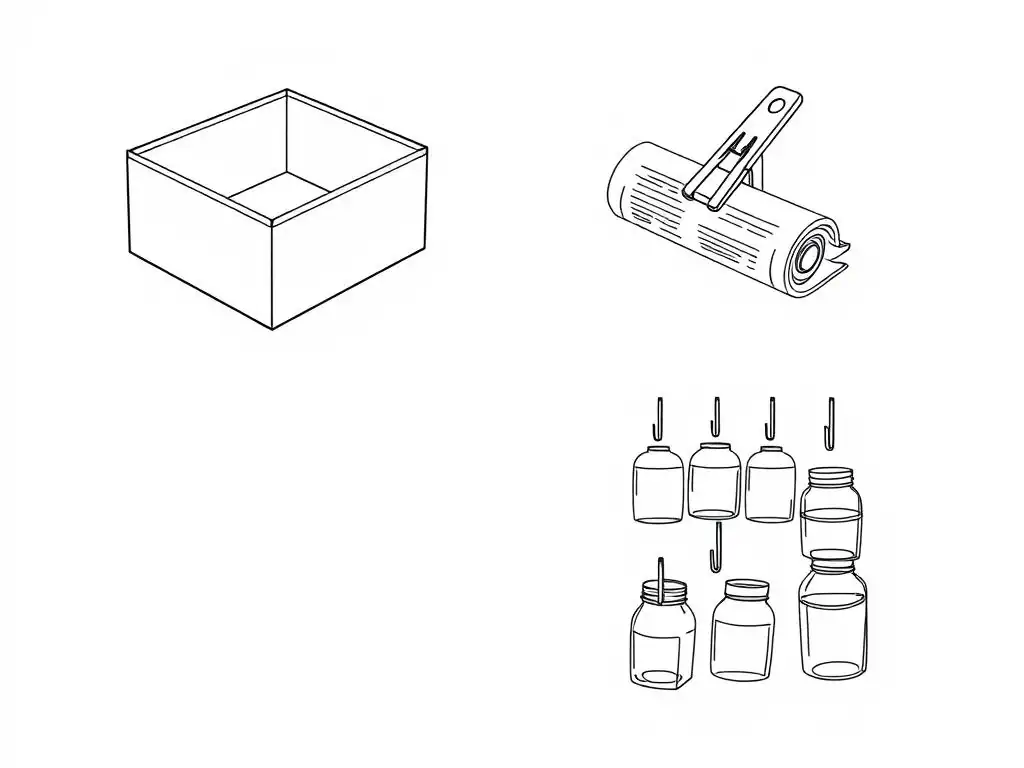
This section delves into more complex yet achievable DIY projects, transforming everyday challenges into opportunities for creativity and resourcefulness. We'll explore projects that elevate your home's aesthetic, enhance its functionality, and contribute to a more sustainable lifestyle. These advanced DIY life hacks offer everyday solutions with a focus on both practicality and ingenuity, perfectly fitting the "DIY life hacks everyday solutions" keyword theme. Mastering these techniques will not only save you money but also empower you to tackle home maintenance and improvement with confidence.
DIY Projects for Home Improvement and Repair
These projects demonstrate how readily available materials and simple tools can solve common household issues, saving you time and money on professional repairs.
Fixing a Loose Door Handle with Basic Tools
A loose door handle is a common annoyance. Instead of immediately calling a handyman, try this simple fix. You'll need a screwdriver (likely Phillips head), a wrench (if necessary, depending on your handle type), and potentially some wood glue. First, remove the handle's faceplate screws. If the screws are stripped, try using a slightly larger screwdriver bit or applying a bit of grip to the screw head with pliers.
Inspect the screws and the mounting holes. If the wood around the holes is stripped, carefully apply a small amount of wood glue to the holes before reinstalling the screws. Tighten firmly. If the problem persists, the handle mechanism itself may be loose and require more involved repair or replacement. This simple fix offers a quick and cost-effective solution to a common problem, exemplifying the core theme of "DIY life hacks everyday solutions".
Patching Holes in Walls Using Affordable Materials
Patching small holes in your walls is a breeze with readily available materials. For small holes, spackling paste is ideal. Simply clean the area, apply the spackling paste with a putty knife, smoothing it out to be flush with the wall. Allow it to dry completely before sanding gently and repainting.
For larger holes, you might need drywall compound and a patching compound. Cut a piece of drywall slightly larger than the hole, apply the compound to the back of the patch, and press it firmly into the hole. Let it dry completely, sand smooth, and apply a final coat of the compound before painting. This process demonstrates a practical, affordable approach to home repair, perfectly aligning with "DIY life hacks everyday solutions".
Creating a Custom Picture Frame from Reclaimed Wood
Transform discarded wood scraps into unique and personalized picture frames. You'll need reclaimed wood (ensure it's clean and dry), wood glue, clamps, sandpaper, and wood stain or paint. Cut the wood to the desired frame dimensions, ensuring perfect right angles. Assemble the frame using wood glue and clamps, allowing ample drying time. Sand down any rough edges and apply your chosen finish. This project not only showcases creativity but also encourages sustainable practices, adding another layer of meaning to "DIY life hacks everyday solutions".
Sustainable DIY Life Hacks for a Greener Lifestyle
These projects demonstrate how simple DIY solutions can reduce waste, conserve resources, and minimize your environmental impact.
Making Your Own Compost Bin from Recycled Materials
Reduce kitchen waste and enrich your garden soil by creating a DIY compost bin. Use recycled materials like pallets, plastic bins, or even repurposed wire mesh. The key is to ensure proper airflow and drainage. Layer your compost materials (greens and browns) and regularly turn the pile to encourage decomposition. This aligns perfectly with the growing interest in sustainable living and further expands on the "DIY life hacks everyday solutions" theme.
Creating Reusable Shopping Bags from Old Clothes
Reduce plastic bag waste by repurposing old clothes into reusable shopping bags. Select sturdy fabric like denim or canvas. Cut the fabric into appropriate dimensions, sew the sides together, and add handles. This simple project is both environmentally friendly and saves money on purchasing reusable bags. This is an excellent example of a simple, effective "DIY life hacks everyday solutions" approach.
Building a DIY Rainwater Harvesting System
Conserve water and reduce your reliance on municipal water supplies by building a simple rainwater harvesting system. This can be as simple as placing a large container under your downspout to collect rainwater for watering plants. For more advanced systems, you may need additional components like filters and storage tanks. This project showcases a commitment to environmental responsibility and expands upon the core theme of practical "DIY life hacks everyday solutions".
Mastering the Art of DIY: Tips and Tricks for Success
This section delves into the practical aspects of successful DIY projects, focusing on essential tools, safety measures, and resource discovery. Mastering these elements will transform your DIY journey from a potential frustration into a consistently rewarding experience, unlocking a world of creative everyday solutions. Remember, the key to effective "DIY life hacks everyday solutions" lies in preparation and a proactive approach to safety.
Essential Tools and Materials for DIY Projects
Embarking on a DIY project without the right tools is like trying to bake a cake without an oven – frustrating and likely unsuccessful. The specific tools and materials will naturally vary depending on the project, but some essentials transcend individual tasks. Having these readily available will significantly streamline your workflow and improve the quality of your finished product.
Consider building a core toolkit encompassing these fundamental items:
- Measuring Tools: A reliable tape measure (at least 25 feet), a ruler, and a level are indispensable for accurate measurements and ensuring even surfaces. Precision is paramount in many DIY projects; inaccurate measurements can lead to wasted materials and unsatisfactory results.
- Cutting Tools: A sharp utility knife, scissors, and potentially a saw (depending on the materials involved) are essential for cutting various materials. Remember to always use sharp tools; dull tools require more force, increasing the risk of accidents.
- Fasteners: A selection of screws, nails, and adhesive (like strong wood glue or epoxy) provides versatility for joining different materials. Consider investing in a variety of screw sizes and types to accommodate various project needs.
- Hand Tools: A hammer, screwdrivers (Phillips and flathead), pliers, and a wrench are fundamental for assembling and disassembling items. A well-maintained set of hand tools will last for years and significantly increase your efficiency.
- Protective Gear: This is crucial and often overlooked. Always include safety glasses, work gloves, and a dust mask (especially when working with wood or other materials that produce dust).
Here’s a simple table summarizing essential tool categories and examples:
| Tool Category | Specific Examples | Importance |
|---|---|---|
| Measuring Tools | Tape measure, ruler, level | Accurate measurements, even surfaces |
| Cutting Tools | Utility knife, scissors, saw | Precise cutting of various materials |
| Fasteners | Screws, nails, wood glue, epoxy | Joining different materials securely |
| Hand Tools | Hammer, screwdrivers, pliers, wrench | Assembling, disassembling, and manipulating items |
| Protective Gear | Safety glasses, work gloves, dust mask | Safety and health protection |
Remember to organize your tools efficiently. A well-organized workspace minimizes frustration and maximizes productivity.
Safety Precautions for DIY Projects
Safety should always be your top priority when undertaking any DIY project. A seemingly minor oversight can lead to serious injury. Approaching DIY with a strong safety-first mindset is crucial for both your well-being and the success of your project.
- Always wear appropriate protective gear: This includes safety glasses, gloves, and a dust mask, as mentioned earlier. Choose the correct gear for the specific materials and tools you're using. For example, when working with chemicals, consider using chemical-resistant gloves and eye protection.
- Use tools correctly: Read instructions carefully before operating any power tools. Ensure you understand how to use each tool safely and efficiently. Improper use is a major cause of DIY accidents.
- Maintain a clean and organized workspace: Clutter increases the risk of accidents. Keep your work area free from obstructions and ensure adequate lighting.
- Be mindful of electrical hazards: Never work with electricity unless you're properly trained and equipped. Always turn off power before working on any electrical components.
- Take breaks: Fatigue increases the risk of accidents. Take regular breaks to avoid exhaustion and maintain focus.
A stitch in time saves nine,
and the same applies to safety precautions. Addressing potential hazards proactively is far better than reacting to an accident.
This proactive approach to safety ensures a smoother, safer, and ultimately more enjoyable DIY experience, contributing significantly to your success in finding "DIY life hacks everyday solutions".
Finding Inspiration and Resources for DIY Life Hacks
The internet is a treasure trove of DIY inspiration and resources. Numerous websites, blogs, and social media platforms are dedicated to sharing creative DIY projects and problem-solving techniques. However, navigating this vast landscape requires a strategic approach.
- Utilize search engines effectively: Use specific keywords when searching for DIY projects. For example, instead of simply searching "DIY projects," try "DIY storage solutions for small apartments" or "DIY upcycling ideas for old clothes." This targeted approach yields more relevant results.
- Explore dedicated DIY websites and blogs: Many websites specialize in DIY projects, offering step-by-step instructions, tutorials, and helpful tips. These resources often cater to specific skill levels and interests.
- Follow DIY influencers on social media: Social media platforms like Pinterest, Instagram, and YouTube are excellent sources of visual inspiration and step-by-step guides. Follow creators who align with your interests and skill level.
- Consult books and magazines: While the internet offers vast resources, traditional media like books and magazines provide a different perspective and often offer more in-depth explanations.
Remember that successful DIY isn't just about finding the right project; it's about adapting ideas to your own resources and skillset. Don't be afraid to experiment and modify instructions to suit your needs. This adaptability is key to mastering the art of "DIY life hacks everyday solutions." Embrace the process of learning and refining your techniques – the journey itself is a rewarding part of the DIY experience.
Frequently Asked Questions
What are some examples of DIY life hacks featured on UltimateLifeHacks?
UltimateLifeHacks offers a wide variety of DIY life hacks, from repurposing old jars for storage to creating homemade cleaning solutions. We focus on everyday solutions using common materials.
How can I find everyday solutions for common household problems?
Browse the UltimateLifeHacks website for articles categorized by problem area or material. Our articles provide step-by-step instructions and helpful tips for practical DIY solutions. Search for specific keywords like "cleaning hacks" or "storage solutions."
Are these DIY life hacks expensive to implement?
Most of our DIY life hacks utilize readily available and inexpensive materials you likely already own. We prioritize cost-effective solutions that maximize impact and minimize expense. Budget-friendly is a key focus.
How much time do these DIY life hacks typically take?
The time commitment varies depending on the project, but many of our everyday solutions can be completed in under 30 minutes. We emphasize quick and efficient methods for maximum time-saving.
Where can I find more information about DIY life hacks and everyday solutions?
Visit the UltimateLifeHacks website! We regularly publish new articles with practical tips and tricks to improve your daily life. You can also follow us on social media for daily inspiration and updates.
Final Reflection: The Enduring Power of Resourcefulness
The ingenuity of DIY solutions isn't just a nostalgic hobby; it's a vital skill for navigating the complexities of modern life. In a world grappling with resource scarcity and escalating costs, the ability to transform the ordinary into the extraordinary holds immense power, offering both practical and economic advantages. This ability to creatively solve problems with readily available materials is a cornerstone of resilience and self-sufficiency.
The impact of embracing a DIY mindset extends far beyond simple cost savings; it fosters a deeper connection with our environment and cultivates a sense of empowerment. It encourages us to think critically, to value resourcefulness, and to appreciate the potential hidden within seemingly mundane objects. Necessity is the mother of invention,
and this adage rings truer than ever in our increasingly complex world. The act of creating something from nothing, of transforming a limitation into a solution, is inherently satisfying and deeply human.
Consider the possibilities. What small, everyday problem could you solve with a little ingenuity and readily available materials? I encourage you to embrace the spirit of DIY, to explore your own creative potential, and to discover the transformative power of resourcefulness in your own life. Start small, experiment fearlessly, and witness the magic unfold as you turn ordinary materials into extraordinary solutions. The world awaits your ingenuity.
Unleash Your Inner DIY Genius!
Thanks for exploring the world of creative problem-solving! We hope you've found inspiration for transforming everyday items into amazing solutions. Ready to test your new skills?
- Tackle a nagging home repair: Choose a small project you've been procrastinating on and try it using the techniques you've learned. You might be surprised how easy it is!
- Share your DIY success: Let's build a community of resourceful creators! Post a picture of your project (and any helpful tips) on our social media pages.
- Experiment with new materials: Explore your recycling bin or a local thrift store – what hidden potential can you discover this week?
What will you create next?