Welcome to the Problem-Solving Hacks Hub on UltimateLifeHacks
Discover practical life hacks and productivity tips that transform how you tackle daily challenges. This category is your go-to resource for creative problem-solving techniques, DIY solutions, and lateral thinking strategies—all designed to save time, boost efficiency, and optimize your routines. Browse the subcategories below to master the art of turning obstacles into opportunities.
🛠️ Creative Problem-Solving Techniques
Here, you’ll find a broad toolkit of brainstorming methods, root-cause analysis, and decision-making frameworks. Expect actionable steps for breaking complex issues into manageable parts, using visual mapping, and applying the “five whys” to uncover hidden triggers. Each hack is tailored for busy adults seeking quick, repeatable processes to resolve work, home, or personal dilemmas with less stress and more clarity.
🧠 Creative Problem-Solving Techniques: Improving Problem-Solving Skills
This subcategory zeroes in on mental agility and cognitive flexibility. You’ll learn memory-boosting exercises, pattern-recognition drills, and reframing practices that sharpen your natural ability to see solutions faster. Expect daily micro-habits, like “opposite thinking” or “constraint reversal,” which train your brain to approach problems from fresh angles—ideal for anyone wanting to become a more confident, resourceful thinker.
🔧 Creative Problem-Solving Techniques: DIY Solutions to Everyday Problems
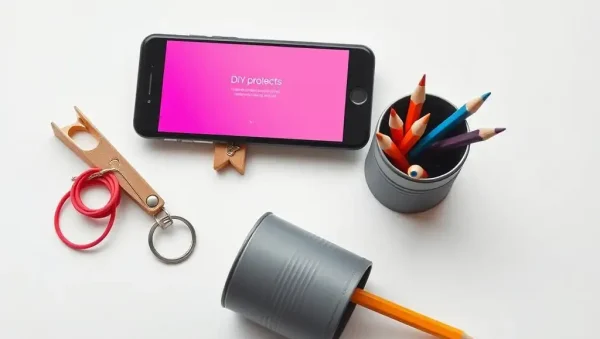
Roll up your sleeves for hands-on hacks using common household items. This section is packed with step-by-step fixes for leaky faucets, tangled cables, storage shortages, or broken zippers—all without specialist tools. Each solution emphasizes cost-effectiveness and sustainability, helping you save money while reducing waste. Perfect for renters, students, or anyone who loves a clever, immediate workaround.
💡 Creative Problem-Solving Techniques: Lateral Thinking
Unlock the power of Edward de Bono’s lateral thinking with playful, yet powerful, exercises. Here, you’ll practice random-word association, “what-if” scenarios, and provocation techniques to bypass mental blocks. The goal is to generate unconventional solutions that logical, step-by-step reasoning might miss. Ideal for creative professionals, entrepreneurs, or anyone facing stubborn, recurring challenges that need a fresh, outside-the-box escape route.
Frequently Asked Questions
What is the fastest way to start improving my problem-solving skills?
Begin with the “five whys” technique to practice root-cause thinking. Set aside 10 minutes daily to apply it to a minor issue, like a slow morning routine. Then, try one lateral thinking exercise, such as “random object brainstorming.” Consistency beats intensity—just 15 minutes a day will build noticeable agility within two weeks.
Are DIY solutions in this category safe for beginners?
Yes, all DIY hacks are vetted for safety and simplicity, using non-toxic, everyday materials. Each guide includes clear warnings for any step that risks injury or damage. If you’re unsure about a fix (like electrical work), we always recommend calling a professional. Start with low-risk projects, like organizing or minor repairs, to build confidence.
How can lateral thinking help with work-related problems?
Lateral thinking breaks rigid assumptions—for example, asking “how could we solve this if we had no budget?” forces creativity. Use it in team brainstorming to generate wild ideas, then filter them later. This reduces groupthink and reveals innovative efficiencies, process improvements, or product features that standard logic would overlook.
What should I do if a problem-solving hack doesn’t work for me?
No single hack fits every situation. First, re-read the steps—often a small misstep causes failure. Then, try a different subcategory: if a structured technique failed, switch to lateral thinking. Finally, adapt the hack to your context, like adjusting time limits or materials. Persistence is key, but flexibility matters more.
Can these techniques help with long-term life planning?
Absolutely. Use root-cause analysis to identify what’s holding back your career or health goals. Apply lateral thinking to redesign your daily schedule or living space. DIY hacks can reduce clutter and costs, freeing resources for bigger plans. Combine all three for a complete, adaptive strategy that evolves with your changing priorities.