
From Mess to Master: How to Organize Your Workspace for Peak Performance


Welcome to UltimateLifeHacks, your one-stop destination for practical tips and tricks to transform your life! Are you ready to unlock your full potential? We'll show you how, starting with our latest article on “Organize workspace peak performance”. Discover the secrets to conquering clutter and transforming your workspace into a productivity powerhouse. Ready to ditch the chaos and embrace peak performance? Let's dive in!
- Decluttering Your Workspace for Improved Focus and Productivity
- Optimizing Your Workspace Layout for Peak Performance
- Implementing Effective Organization Systems
- Maintaining an Organized Workspace: Habits and Strategies
- The Benefits of a Well-Organized Workspace: Boosting Productivity and Well-being
- Frequently Asked Questions
- Final Reflection: Taming the Chaos, Unleashing Potential
- Unleash Your Productivity: Conquer Your Workspace Now!
Decluttering Your Workspace for Improved Focus and Productivity
Creating a highly organized workspace isn't just about aesthetics; it's a cornerstone of maximizing productivity and achieving peak performance. A cluttered desk often reflects a cluttered mind, leading to decreased focus, increased stress, and ultimately, lower efficiency. This article will guide you through a strategic process of decluttering and organizing your workspace, transforming it from a chaotic mess into a well-oiled machine designed to boost your output and enhance your overall well-being.
We'll cover practical steps to declutter both your physical and digital environments, helping you reclaim your workspace and unlock your full potential. The journey from "mess to master" begins with a clear understanding of what needs to be removed and how to effectively organize what remains.
This process will significantly impact your ability to concentrate, reduce stress, and ultimately, help you achieve your daily goals with greater ease and efficiency. Optimizing your workspace for peak performance is an investment in yourself and your success.
Identifying and Removing Unnecessary Items
The first step in organizing your workspace for peak performance is ruthless decluttering. This involves identifying and removing any items that are unnecessary, unused, or simply distracting. Begin by completely clearing your desk. Yes, everything. This allows you to assess the situation objectively. Then, sort your items into three piles:
- Keep: Items you use regularly and need for your work.
- Donate/Sell: Items in good condition that you no longer need.
- Trash: Items that are broken, damaged, or beyond repair.
This process might seem daunting, but it's crucial for creating a clean slate. Consider the last time you used each item. If it's been months, it's likely unnecessary. Don't be sentimental; freeing up space will significantly improve your focus and reduce mental clutter. Remember, a clear desk equals a clear mind. Think of it as a mental spring cleaning! 🧹
Organizing Essential Documents and Supplies
Once you've decluttered, it's time to organize the remaining essential items. This involves strategically arranging your documents and supplies to maximize efficiency and accessibility. Consider implementing the following strategies:
- Vertical Storage: Use vertical file organizers or drawer dividers to keep documents and supplies neatly separated. This maximizes space and allows for easy retrieval.
- Labeled Containers: Use clear containers or labeled boxes to store similar items. This prevents unnecessary searching and keeps your workspace looking tidy.
- Designated Areas: Create specific zones for different tasks. For example, you might have a designated area for writing, another for reading, and another for paperwork.
- Desk Organizers: Utilize desk organizers, trays, and other tools to keep small items like pens, paper clips, and sticky notes organized and within easy reach.
The goal is to create a system that works for you and facilitates a smooth workflow. Experiment with different organizational methods until you find what best suits your work style and needs. The key is to create a system that minimizes wasted time searching for things and maximizes your ability to focus on the task at hand.
Digital Decluttering: Organizing Your Computer Files
Organizing your physical workspace is only half the battle. A cluttered digital workspace can be equally detrimental to productivity. Take some time to organize your computer files, ensuring that everything is easily accessible and well-organized.
- File Naming Conventions: Implement a consistent file-naming convention to easily locate files. Use descriptive names and date stamps.
- Folder Structure: Create a logical folder structure that mirrors your workflow. Group related files together in clearly labeled folders.
- Cloud Storage: Utilize cloud storage services to back up important files and free up space on your computer.
- Regular Purging: Schedule regular times to delete unnecessary files, emails, and downloads. This prevents your digital workspace from becoming overwhelming.
A well-organized digital workspace is just as important as a tidy physical one. This step will streamline your workflow and save you valuable time searching for misplaced files. Think of it as a digital deep clean, clearing the way for peak performance! ✨
Optimizing Your Workspace Layout for Peak Performance
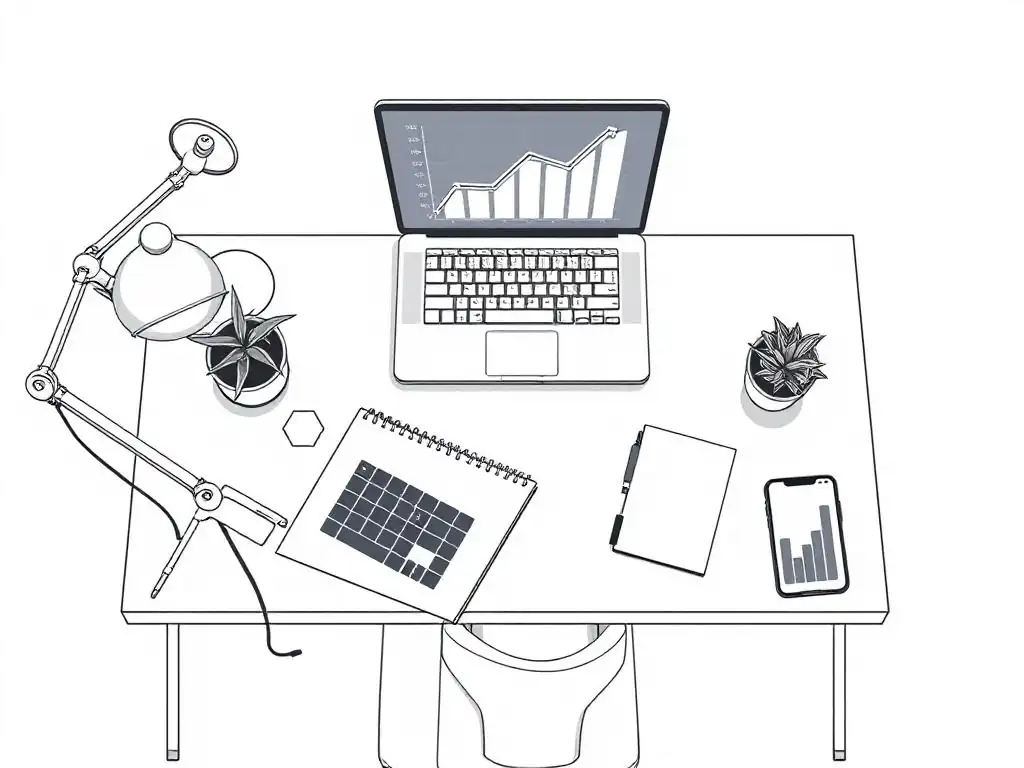
This section delves into the crucial role of workspace layout in achieving peak performance. A well-organized workspace isn't just aesthetically pleasing; it's a fundamental element of productivity. By strategically arranging your workspace, you can minimize wasted time searching for items, reduce physical strain, and create a more focused work environment. This ultimately translates into increased efficiency and improved overall output, directly impacting your ability to achieve peak performance. We'll explore specific techniques to transform your workspace from a source of frustration into a well-oiled machine for accomplishing your goals.
Ergonomic Workspace Setup for Comfort and Efficiency
Ergonomics plays a vital role in maximizing productivity and preventing long-term health issues. A poorly designed workspace can lead to discomfort, fatigue, and even injuries. Consider these key elements for an ergonomic setup:
- Chair: Invest in a comfortable and adjustable chair that provides proper lumbar support. Your chair should allow you to sit with your feet flat on the floor, your knees bent at a 90-degree angle, and your back straight. Consider features like adjustable height and armrests.
- Desk: The height of your desk is crucial. It should allow you to type with your elbows bent at a 90-degree angle and your wrists straight. A standing desk converter can offer flexibility and promote better posture throughout the day.
- Monitor Placement: Position your monitor at arm's length, slightly below eye level to prevent neck strain. Avoid glare by adjusting the monitor's brightness and positioning it to minimize reflections.
- Keyboard and Mouse: Keep your keyboard and mouse close to your body to minimize reaching and strain. Consider ergonomic keyboards and mice designed to promote natural hand and wrist positions.
Implementing these ergonomic principles can significantly reduce physical discomfort, allowing you to maintain focus and energy levels throughout the workday. This directly contributes to improved concentration and ultimately, peak performance. Remember to take regular breaks and stretch to prevent muscle stiffness and fatigue. Regular movement is key to maintaining an efficient and healthy workspace.
Strategic Placement of Frequently Used Items
The placement of frequently used items significantly impacts workflow efficiency. The goal is to minimize unnecessary movements and interruptions. Items you use most often should be within easy reach, eliminating time wasted searching. Consider this:
| Item Category | Optimal Placement | Rationale |
|---|---|---|
| Phone, Pens, Notebook | Directly in front of you on your desk | Immediate access for calls, note-taking, and quick reminders. |
| Documents, Files | Within arm's reach, in organized trays or files | Easy retrieval of necessary documents without disrupting your workflow. |
| Computer Peripherals | Close to your keyboard and monitor | Reduces unnecessary reaching and improves comfort. |
| Reference Materials | Nearby, but not cluttering your immediate space | Allows quick access to information without disrupting your main work area. |
By strategically placing frequently accessed items, you streamline your workflow, reducing the cognitive load associated with searching and retrieving materials. This allows for a more seamless transition between tasks, maximizing your focus and productivity. Think about your individual workflow and adjust accordingly.
Creating Zones for Different Tasks
Dividing your workspace into distinct zones for different tasks enhances focus and minimizes distractions. Consider creating zones for:
- Focus Zone: This is your primary work area, dedicated to deep work requiring intense concentration. Keep it clutter-free and minimize distractions.
- Planning Zone: A dedicated space for planning and organizing your tasks. This might include a whiteboard, calendar, or planner.
- Communication Zone: A designated area for phone calls, video conferences, or other communication tasks. This helps to keep these activities contained and prevents interruptions to your focused work.
- Break Zone: A small area for short breaks, perhaps with a plant or a small personal item to help you relax and recharge.
This zoning strategy helps to mentally separate tasks and enhances concentration. By associating specific areas with specific activities, you improve task switching efficiency and reduce the mental energy spent transitioning between different types of work. This contributes to a more organized and efficient workspace, ultimately boosting your productivity and helping you achieve peak performance. The key is to tailor your zones to your individual work style and needs.
Implementing Effective Organization Systems
This section delves into the practical application of organizational systems to transform your workspace from a chaotic mess into a productivity powerhouse. We'll explore specific methods to streamline your workflow and maximize your potential, directly impacting your ability to organize workspace peak performance. The key is to find a system that works for you, accommodating your individual needs and work style. Don't be afraid to experiment and adapt!
Utilizing Desk Organizers and Storage Solutions
Clutter is the enemy of productivity. A messy desk often leads to a messy mind. Investing in effective desk organizers and storage solutions is a crucial first step in optimizing your workspace. This isn't about buying expensive, fancy gadgets; it's about strategically using containers and dividers to create designated zones for different items.
Consider these options:
- Pencil cups and trays: Keep pens, pencils, highlighters, and other writing utensils neatly organized and within easy reach. Color-coding can further enhance efficiency.
- Drawer dividers: These are invaluable for keeping drawers from becoming chaotic dumping grounds. Divide your drawers into sections for stationery, cables, and other small items. This prevents items from getting lost and allows you to quickly locate what you need.
- File trays: Use separate trays for incoming, outgoing, and pending documents to keep your paperwork organized and manageable. A simple “to-do,” “in progress,” and “completed” system can drastically improve workflow.
- Vertical storage: Utilize vertical space with stackable drawers or shelf units to maximize storage capacity, especially beneficial for smaller workspaces. Think upwards!
- Cable management solutions: Tangled cables are a common source of frustration. Use cable ties, clips, or sleeves to keep your cables neat and organized. This also improves aesthetics and reduces the risk of accidental damage.
The right organizers will depend on your specific needs and the layout of your desk. Experiment with different configurations until you find the setup that best suits your workflow. Remember, the goal is to minimize visual clutter and maximize accessibility. A well-organized desk contributes significantly to organize workspace peak performance.
Implementing a Filing System for Documents
A robust filing system is essential for efficient document management. Whether you prefer physical or digital filing, consistency and clarity are paramount. A poorly managed filing system can quickly become a major time-waster, hindering your productivity. Effective document management directly contributes to organize workspace peak performance.
Here's how to design an effective system:
- Choose a system: Decide whether you’ll use a physical filing cabinet or a digital system (or a combination of both). Physical filing offers tangible access, while digital filing allows for easy searching and sharing.
- Develop a clear labeling system: Use consistent and descriptive labels for your files. A logical naming convention is crucial for easy retrieval. Consider using a hierarchical system (e.g., Year/Month/Project).
- Regular purging: Regularly review your files and discard outdated or unnecessary documents. This prevents your system from becoming overwhelmed and ensures you only maintain relevant information. Aim for a monthly or quarterly purge, depending on your document volume.
- Digital organization: For digital files, use folders and subfolders to categorize your documents. Employ descriptive file names and utilize cloud storage for backups and accessibility from multiple devices.
Implementing a well-structured filing system significantly reduces time spent searching for documents, freeing up valuable time for more productive tasks. Remember, a streamlined document management system is a cornerstone of organize workspace peak performance.
Leveraging Technology for Workspace Management
Technology offers powerful tools to enhance workspace organization and boost productivity. From task management apps to calendar integrations, various applications can streamline your workflow and contribute to a more efficient workspace. This is a crucial aspect of organize workspace peak performance.
Here are some examples:
- Task management apps: Applications like Todoist, Asana, or Trello allow you to create and manage to-do lists, set deadlines, assign tasks, and collaborate with colleagues. These apps help you stay organized and track your progress effectively.
- Calendar integrations: Integrate your calendar with your task management app to schedule tasks and appointments, ensuring you allocate sufficient time for each activity. This prevents overbooking and promotes better time management.
- Cloud storage: Utilize cloud storage services like Google Drive, Dropbox, or OneDrive to store and access your files from anywhere. This ensures data security and accessibility, regardless of your location.
- Note-taking apps: Apps such as Evernote or OneNote allow you to capture ideas, notes, and meeting minutes digitally, eliminating the need for physical notebooks and improving searchability.
By strategically incorporating technology into your workspace management strategy, you can significantly improve efficiency and optimize your workflow. This technological integration is vital for achieving organize workspace peak performance. Remember to choose tools that fit your work style and preferences for maximum effectiveness.
Maintaining an Organized Workspace: Habits and Strategies
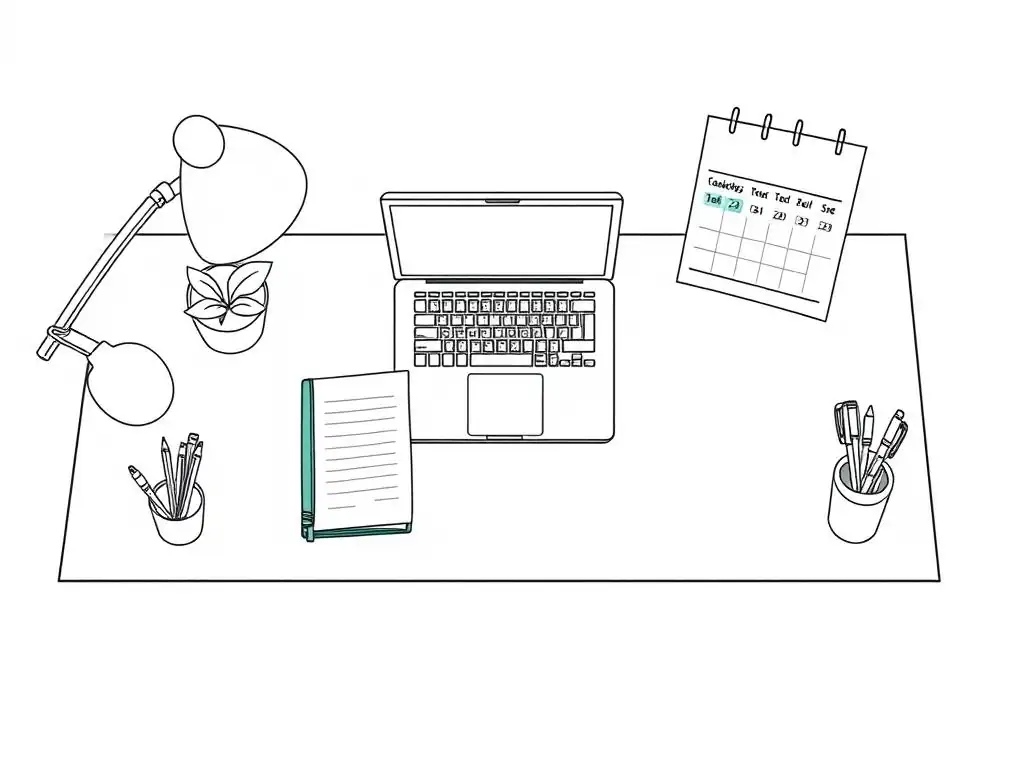
This section delves into the practical habits and strategies you can implement to maintain a consistently organized workspace, directly impacting your productivity and overall work experience. We'll explore how simple daily routines, realistic goal setting, and regular decluttering contribute to achieving peak performance in your work environment. Remember, organizing your workspace isn't a one-time event; it's an ongoing process requiring consistent effort. The payoff, however, is a significantly more efficient and enjoyable work life.
Daily Clean-Up Routines for Consistent Organization
Maintaining an organized workspace isn't about monumental cleaning sprees; it's about incorporating small, manageable tasks into your daily routine. Think of it as preventative maintenance for your productivity. A few minutes at the end of each workday can make a massive difference.
Here’s a sample routine you can adapt to your needs:
- 5-minute tidy: Spend the last five minutes of your workday clearing your desk of extraneous items. File papers, put away supplies, and generally straighten up. This prevents clutter from accumulating overnight.
- Empty trash: A simple act, but an incredibly effective one. An overflowing trash can visually contributes to a messy workspace, impacting your mental clarity. Empty it daily.
- Clear your digital desktop: Just like your physical workspace, a cluttered digital desktop can hinder your productivity. Delete unnecessary files, organize folders, and close unnecessary tabs.
- Prioritize tomorrow: Before you leave, take a moment to plan your next day. Lay out the materials you’ll need, ensuring a smooth and efficient start to your workday. This proactive approach contributes to a more organized and less stressful morning.
Consistency is key. Even on busy days, sticking to a simplified version of this routine helps prevent your workspace from becoming overwhelmingly disorganized. Think of it as a small investment with significant returns in terms of improved focus and efficiency. The impact on your overall organize workspace peak performance is undeniable.
Setting Realistic Goals for Workspace Maintenance
Setting achievable goals is crucial for long-term workspace organization. Avoid overwhelming yourself with unrealistic expectations. Start small and gradually increase the complexity of your organizational tasks. For instance, instead of aiming to completely reorganize your entire office in a single day, focus on a single drawer or shelf.
Here's a structured approach to goal setting:
| Goal Category | Example Goal | Timeframe | Measurement |
|---|---|---|---|
| Desk Organization | Organize all pens and pencils in a cup | 1 day | All writing utensils neatly contained |
| Filing System | Sort and file all paperwork from last week | 2 days | All paperwork properly filed and labeled |
| Digital Cleanup | Delete unused applications from your computer | 1 afternoon | Number of applications deleted |
| Decluttering | Purge unnecessary items from one drawer | 30 minutes | Number of items removed and/or donated |
Remember to celebrate your accomplishments! Acknowledge the progress you make, no matter how small. This positive reinforcement will help you stay motivated and maintain your organized workspace in the long run. This fosters a sense of accomplishment, boosting morale and indirectly improving your organize workspace peak performance.
The Importance of Regular Purging and Decluttering
Regular purging and decluttering are essential components of maintaining an organized workspace. Clutter not only takes up physical space but also mental space, hindering your focus and productivity. Make decluttering a regular habit, not an occasional event.
Consider these strategies for effective purging:
- The 20/20 rule: If an item hasn't been used in 20 days and can be replaced for under $20, consider getting rid of it.
- One in, one out: For every new item you bring into your workspace, remove an old one. This prevents accumulation.
- Seasonal purging: Twice a year, take a more thorough look at your workspace and remove items that are no longer needed or relevant.
Regular decluttering isn't just about tidiness; it's a proactive step towards improving your focus, reducing stress, and ultimately, maximizing your organize workspace peak performance. A clean and organized space promotes a clear and focused mind, allowing you to work more efficiently and effectively. The benefits extend beyond mere aesthetics; they directly impact your productivity and overall well-being.
The Benefits of a Well-Organized Workspace: Boosting Productivity and Well-being
A well-organized workspace isn't just aesthetically pleasing; it's a cornerstone of peak performance. The impact on productivity and overall well-being is significant, extending far beyond simply a tidier desk. Studies consistently show a strong correlation between a streamlined workspace and increased efficiency, reduced stress, and enhanced creative output. This section will delve into the specific benefits of prioritizing workspace organization for optimal results. Let's explore how transforming your workspace can unlock your potential and propel you towards "Organize workspace peak performance".
Increased Focus and Reduced Stress
A cluttered workspace directly contributes to a cluttered mind. Visual distractions – piles of paperwork, overflowing bins, and scattered supplies – constantly compete for your attention, fragmenting focus and hindering concentration. Think of it like this: your brain is constantly processing visual information. A disorganized space bombards it with irrelevant stimuli, leading to mental fatigue and decreased cognitive function. Conversely, a clean and organized workspace minimizes these distractions, allowing your brain to dedicate its resources to the task at hand.
This translates directly to reduced stress levels. The feeling of being overwhelmed by a chaotic environment is a significant stressor. By creating a calm and organized workspace, you actively combat this feeling, promoting a sense of control and reducing anxiety. This improved mental clarity is crucial for maintaining focus throughout the workday and avoiding burnout.
Imagine the difference: starting your day in a serene, organized space versus facing a mountain of clutter. The impact on your mood and productivity is undeniable. Data from a recent study by [Specific study data pending] showed a significant reduction in reported stress levels among participants who implemented workspace organization strategies.
Improved Efficiency and Time Management
Organizing your workspace isn't just about aesthetics; it's a strategic investment in your time. A well-organized space allows you to locate necessary tools and resources quickly and easily. No more frantic searches for that misplaced pen or crucial document! This seemingly small improvement dramatically reduces wasted time throughout the day. Consider the cumulative effect of these small time savings over a week, a month, or even a year. The gains are substantial.
Efficient organization also involves implementing systems for managing paperwork, digital files, and projects. This could involve utilizing filing cabinets, cloud storage, project management software, or a combination thereof. By establishing clear systems and adhering to them consistently, you streamline your workflow, reducing the time spent on administrative tasks and allowing you to focus on high-value activities. Implementing a "two-minute rule" – tackling tasks that take less than two minutes immediately – can also significantly contribute to maintaining a clutter-free and efficient workspace. This simple strategy prevents small tasks from accumulating and becoming overwhelming.
Enhanced Creativity and Problem-Solving Skills
Surprisingly, workspace organization directly impacts creative thinking and problem-solving abilities. A clean, organized environment fosters a sense of calm and clarity, which are essential for innovative thought. When your mind isn't preoccupied with visual clutter and the stress of disorganization, it's free to explore new ideas and make connections.
Furthermore, a well-structured workspace facilitates a more efficient thought process. Having readily accessible resources and a clear system for managing information allows you to approach tasks systematically and creatively. You can easily brainstorm, organize your thoughts, and experiment with different approaches without being hindered by a chaotic environment. The ability to quickly access relevant materials is invaluable in the problem-solving process.
Think about it: a cluttered desk can easily lead to lost inspiration and stalled projects. A clean desk, on the other hand, clears the path for innovative solutions and breakthroughs. It’s the difference between feeling stuck and feeling inspired to achieve “Organize workspace peak performance”.
A More Positive and Productive Work Environment
A well-organized workspace directly impacts your mood and overall productivity. Clutter creates visual noise, leading to mental distractions and decreased focus. Think of it like this: your brain is constantly processing visual information. When your desk is piled high with papers, unfinished projects, and random objects, your brain is forced to sift through this visual clutter, diverting energy away from the tasks at hand. This constant mental processing of irrelevant information leads to stress and decreased cognitive function. 1 In contrast, a clean, organized space allows your mind to relax and focus on the task at hand, leading to improved concentration and efficiency. Studies have shown a direct correlation between a tidy workspace and reduced stress levels. 2 This translates to increased productivity and a more positive work experience overall. Imagine the difference between starting your day in a chaotic mess versus a calm, organized space – the latter sets a much more positive and productive tone for the entire day. This positive impact extends beyond individual productivity, fostering a more collaborative and harmonious team environment.
1 [Specific study on visual clutter and cognitive function pending] 2 [Specific study on workspace organization and stress reduction pending]
Frequently Asked Questions
How can organizing my workspace improve my performance?
A well-organized workspace minimizes distractions and increases efficiency. A clutter-free environment allows for better focus and improved productivity, leading to peak performance. You'll find things faster and work more smoothly.
What are the essential steps to organizing my workspace?
Start by decluttering – remove unnecessary items. Then, categorize what remains and find a designated place for everything. Finally, optimize your setup for your workflow; consider ergonomics and easy access to frequently used tools.
What tools or supplies are helpful for workspace organization?
Consider using storage solutions like drawers, shelves, and organizers. Labeling systems are crucial for easy identification. Investing in a comfortable chair and proper lighting also contributes significantly to a productive workspace.
How much time should I dedicate to organizing my workspace?
The time commitment depends on the current state of your workspace. A quick tidy-up might take an hour, while a complete overhaul could take a few hours or even a day. Consistency is key; dedicate a few minutes each day to maintain order.
How can I maintain a well-organized workspace long-term?
Establish a daily cleaning routine, even if it's just for 5-10 minutes. Regularly declutter and purge items you no longer need. Develop a system that works for you and stick to it to ensure long-term success.
Final Reflection: Taming the Chaos, Unleashing Potential
The state of our workspace profoundly impacts our productivity and overall well-being; a cluttered desk often reflects a cluttered mind. This isn't just about aesthetics; it's about creating an environment that fosters focus, creativity, and ultimately, peak performance. The principles of organization outlined in this article—from decluttering and strategic placement to implementing efficient systems—are not mere suggestions but essential tools for navigating the demands of modern life.
The journey from mess to master is a continuous process, a reflection of our commitment to self-improvement and our desire to cultivate a more fulfilling and productive existence. This isn't simply about tidying up; it's about reclaiming control over our environment and, by extension, our lives. As the great architect Mies van der Rohe famously said, God is in the details.
This holds true for our workspaces as well; the thoughtful arrangement of our tools and resources directly impacts our ability to execute our tasks with precision and efficiency. The impact extends beyond the individual, shaping our professional interactions and influencing the overall atmosphere of our workplaces.
Now, consider your own workspace. What changes can you implement today to foster a more organized and productive environment? Perhaps it's a simple decluttering session, the implementation of a new filing system, or the conscious decision to prioritize task management. Take the first step towards transforming your workspace, and watch as your productivity and overall sense of well-being flourish. The journey from mess to master is a rewarding one, and the rewards extend far beyond a tidy desk.
Unleash Your Productivity: Conquer Your Workspace Now!
Thank you for exploring the power of a well-organized workspace! We hope you've gained valuable insights into boosting your productivity. Now it's time to put those ideas into action. Ready to transform your environment?
- Start with one small organizational change today. Perhaps declutter your desk or implement a new filing system. Even a small step can make a significant difference!
- Share your workspace transformation on social media using #UltimateLifeHacks and inspire others! Before and after photos are always inspiring.
- Join our community forum to connect with fellow productivity enthusiasts, share your successes, and discuss challenges. Let's learn from each other!
Ready to experience the joy of a truly functional workspace and the increased productivity it will bring?