
The Secret to a ClutterFree Desk: Practical Tips for a Productive Workday

Dive into the world of UltimateLifeHacks and unlock the secrets to a more efficient and fulfilling life! Are you ready to transform your workspace from a chaotic mess into a productivity powerhouse? Discover how even a simple act like organizing your desk for productivity can dramatically impact your workday. We'll reveal practical strategies and innovative techniques to conquer clutter and reclaim your time – let's get started!
- Decluttering Your Workspace for Peak Productivity
- Organizing Your Desk for Optimal Workflow
- Implementing a Daily Desk Maintenance Routine
- The Benefits of a Well-Organized Workspace: Improved Focus and Time Management
- Creating a Personalized System for Desk Organization
- Maintaining Your Organized Desk: Long-Term Strategies for Success
- Frequently Asked Questions
- Final Reflection: Uncluttered Desks, Uncluttered Minds
- Unleash Your Productivity: Conquer Desk Clutter Today!
Decluttering Your Workspace for Peak Productivity
A cluttered desk often reflects a cluttered mind. In today's fast-paced world, maximizing productivity is paramount, and your workspace plays a crucial role in achieving this goal. This article dives deep into the practical strategies for organizing your desk for productivity, transforming it from a chaotic obstacle into a streamlined engine for efficiency. We'll explore how a clean and organized desk directly impacts your focus, reduces stress, and ultimately boosts your overall productivity.
Learn how to implement simple yet effective techniques to conquer desk clutter and unlock your full potential, directly addressing the challenges many face in maintaining a productive work environment. We'll cover everything from identifying clutter hotspots to implementing easy decluttering strategies, all geared towards helping you achieve peak performance at your workspace. Let's transform your desk from a source of frustration into a catalyst for success!
Assessing Your Current Desk Setup: Identifying Clutter Hotspots
Before embarking on the decluttering journey, it's essential to understand the current state of your workspace. Take a moment to objectively assess your desk. What immediately stands out? Are there piles of papers, stacks of books, or a collection of miscellaneous items taking up valuable space? Identifying these "clutter hotspots" is the first step towards conquering the chaos.
Consider using a simple method like this:
| Category | Description | Example | Action |
|---|---|---|---|
| Paper Clutter | Unnecessary documents, notes, receipts, etc. | Old invoices, outdated project plans | Shred, file, or discard |
| Digital Clutter | Unorganized files, unnecessary downloads, etc. | Multiple versions of the same document | Delete, organize into folders, cloud storage |
| Supply Clutter | Excess pens, sticky notes, stationery, etc. | Multiple identical pens, unused supplies | Consolidate, donate, or discard |
| Personal Items | Items unrelated to work | Family photos, personal mail | Store in a designated area, remove |
By categorizing your clutter, you gain a clearer picture of the areas needing the most attention. Remember, even small changes can make a big difference. This initial assessment is key to creating a targeted decluttering plan. For example, you might discover that your "paper clutter" hotspot is actually due to a lack of a proper filing system. Addressing this root cause will prevent future clutter build-up.
The Power of a Clean Desk: Benefits for Focus and Efficiency
A clean and organized desk isn't just aesthetically pleasing; it offers significant benefits for your productivity and overall well-being. Studies show a direct correlation between a tidy workspace and improved focus and concentration. When your desk is free from distractions, your mind is free to concentrate on the tasks at hand. This leads to increased efficiency and reduced stress levels.
Think about it: searching for a misplaced document amidst a pile of papers wastes valuable time and energy. A clean desk minimizes these interruptions, allowing for a smoother and more productive workflow. The feeling of control and order that a tidy workspace provides also contributes to a more positive and less stressful work environment. This, in turn, improves your overall mental state and ability to focus.
In essence, organizing your desk for productivity is an investment in your mental well-being and professional success. The benefits extend beyond just improved focus; it can also lead to increased creativity and better decision-making. A clear space allows for clearer thinking.
Easy Decluttering Strategies: A Step-by-Step Guide to a Tidy Desk
Now that you've identified your clutter hotspots and understand the benefits of a clean desk, let's delve into practical decluttering strategies. The key is to break the process down into manageable steps, making it less daunting and more achievable.
Here's a simple step-by-step guide:
- Clear the Surface: Start by removing everything from your desk. This gives you a clean slate to work with.
- Sort and Categorize: Sort the items into categories (e.g., papers, supplies, personal items).
- Purge Unnecessary Items: Be ruthless! Discard anything you don't need, use, or love. This is where the categories from the initial assessment will be invaluable.
- Organize Remaining Items: Find designated storage solutions for the remaining items. Utilize drawers, organizers, and trays to keep things neat and accessible.
- Establish a Filing System: Implement a system for managing your paperwork (either physical or digital). This will prevent future clutter build-up.
- Maintain Your Progress: The final, and arguably most important, step is to maintain the organization. Make it a habit to tidy your desk at the end of each workday. A few minutes of daily maintenance will prevent a return to chaos.
By following these simple steps and consistently applying the strategies discussed, you can transform your workspace from a source of stress into a haven of productivity. Remember, a clutter-free desk is not just about aesthetics; it's an investment in your productivity, well-being, and overall success. 🎉
Organizing Your Desk for Optimal Workflow
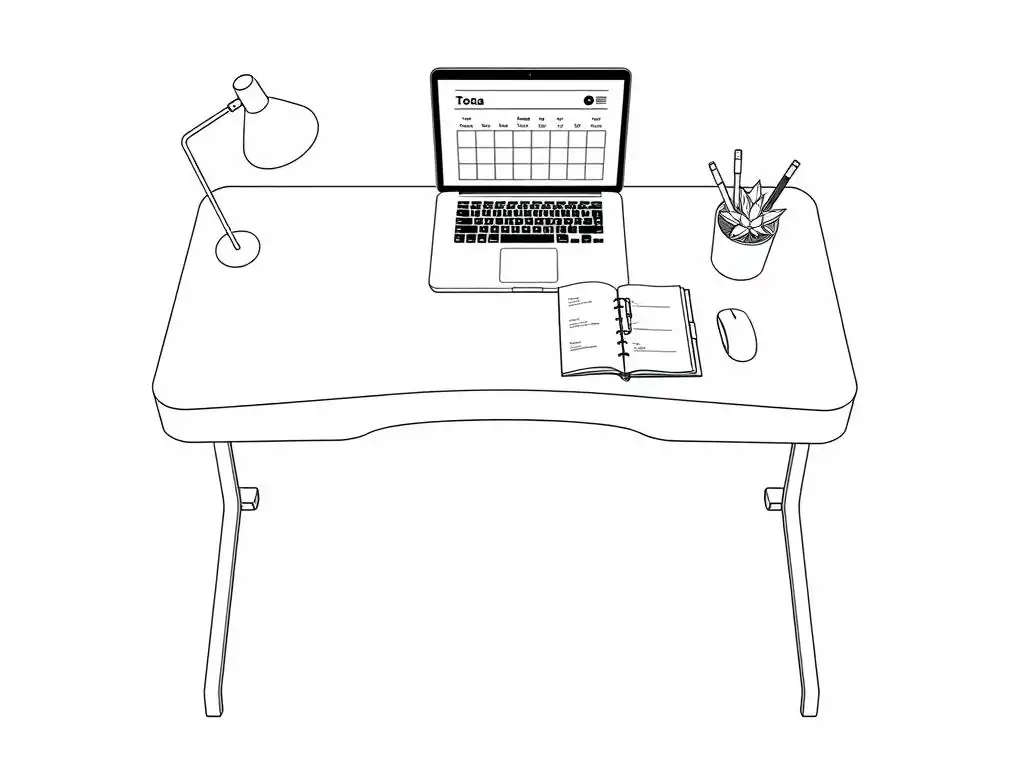
Strategic Desk Organization Techniques for Maximum Productivity
Organizing your desk for productivity isn't just about tidiness; it's about optimizing your workflow for efficiency. A well-organized workspace directly impacts your ability to focus, reduce stress, and ultimately, boost productivity. Think of your desk as a command center – a well-oiled machine requires proper maintenance and organization. This section will explore practical techniques to transform your chaotic desk into a productivity powerhouse.
One key strategy is the "zone" method. Divide your desk into zones based on the tasks you perform most frequently. For example, you might have a "writing zone" with your keyboard, notepad, and pens; a "research zone" with your laptop and reference materials; and a "phone zone" with your phone and charging station. This spatial organization minimizes unnecessary movement and keeps frequently used items within easy reach. This significantly reduces wasted time searching for items and improves overall workflow.
Another powerful technique is the "two-minute rule". If a task takes less than two minutes to complete, do it immediately. This prevents small tasks from piling up and becoming overwhelming. This applies to both physical items (putting away a pen, filing a document) and digital tasks (deleting an unnecessary email, responding to a quick message). Consistently applying this rule drastically reduces clutter and maintains a clean workspace.
Finally, consider the "one-in, one-out" rule. For every new item you bring onto your desk, remove an existing one. This prevents accumulation and ensures that your desk remains clutter-free. This principle applies to both physical and digital files. This proactive approach prevents your workspace from becoming overrun with unnecessary items.
Utilizing Desk Organizers: Choosing the Right Tools for Your Needs
Choosing the right desk organizers is crucial for effective organization and maximizing workspace. The market offers a wide variety of options, each designed to cater to different needs and preferences. Selecting the appropriate tools can significantly improve your ability to organize desk for productivity.
Consider these factors when choosing your organizers:
- Desk size and shape: Measure your desk to determine the available space and choose organizers that fit comfortably without overcrowding.
- Personal work style: Do you prefer a minimalist approach or a more structured system? Your choice of organizers should reflect your personal preferences and work habits.
- Type of items to be organized: Different organizers are better suited for different items. For instance, drawer dividers are ideal for stationery, while pencil cups are perfect for pens and pencils. Consider using trays for papers and files.
- Material and durability: Opt for high-quality, durable materials that can withstand daily use. Materials like metal, wood, or sturdy plastic are excellent choices.
Here’s a quick guide to some popular desk organizers:
| Organizer Type | Best For | Pros | Cons |
|---|---|---|---|
| Drawer Dividers | Organizing drawers, stationery, etc. | Keeps drawers organized, maximizes space | May not fit all drawers |
| Pencil Cups | Pens, pencils, markers | Convenient access, visually appealing | Can take up desk space if not strategically placed |
| Desk Trays | Papers, documents, files | Keeps surfaces tidy, easy access to files | Can become cluttered if not regularly emptied |
| Cable Organizers | Wires and cables | Keeps cords untangled, improves aesthetics | Requires careful planning and setup |
Remember, the goal isn't to just acquire organizers, but to utilize them effectively to streamline your workflow and organize desk for productivity.
Digital Decluttering: Organizing Your Computer Files and Desktop
Digital clutter can be just as detrimental to productivity as physical clutter. A disorganized computer desktop and cluttered file system can significantly slow down your workflow. This section focuses on strategies for digital decluttering to optimize your digital workspace and enhance overall productivity.
The first step is to regularly delete unnecessary files. This includes temporary files, old downloads, and duplicate documents. Many operating systems have built-in tools to help automate this process. Regularly emptying your recycle bin is also crucial.
Next, create a logical file structure. Organize your files into folders using a consistent naming convention. Use descriptive folder names to easily locate files. Consider using a hierarchical system with main folders and subfolders to categorize files effectively.
Furthermore, utilize cloud storage. Cloud services provide a convenient way to store and access files from multiple devices. This frees up space on your computer and allows you to access your files from anywhere. Regularly backing up your data is also essential to prevent data loss.
Finally, customize your desktop. Keep your desktop clean and organized by using only essential icons and widgets. Consider using virtual desktops to separate different tasks or projects. This will significantly improve your focus and reduce distractions. A clean digital workspace contributes significantly to improved focus and overall productivity, furthering your efforts to organize desk for productivity.
Implementing a Daily Desk Maintenance Routine
This section focuses on establishing a consistent daily routine to keep your workspace clutter-free, directly impacting your productivity. The key is not about spending hours cleaning, but rather integrating short, effective tidying sessions into your workday. This proactive approach prevents minor messes from snowballing into overwhelming clutter, a common problem hindering many individuals striving to effectively organize desk for productivity.
The 5-Minute Tidy: Quick Clean-up Strategies for a Productive Day
The "5-minute tidy" is a powerful technique. At the end of each work task, or at least every hour, take five minutes to quickly organize your immediate workspace. This involves:
- Filing: Put away documents you've finished working on. Use a simple filing system – either digital folders or physical files – to keep things organized. Consider color-coded files for quicker visual identification.
- Trashing: Dispose of unnecessary papers, empty coffee cups, and other trash. A small wastebasket directly under your desk is crucial for convenient disposal.
- Stacking: Neatly stack books, notebooks, and other items. Avoid creating precarious piles that can easily topple and disrupt your workflow.
- Organizing: Straighten pens, pencils, and other writing utensils. Use a desk organizer to keep these items contained and easily accessible.
This short, focused effort prevents minor clutter from accumulating and significantly contributes to a more organized and productive work environment. Think of it as preventative maintenance for your workspace, optimizing your desk organization for productivity. Consistent implementation of this simple strategy is key to long-term success. The time invested is minimal, but the return in terms of reduced stress and increased efficiency is substantial.
Preventing Clutter Buildup: Proactive Strategies for a Clean Desk
Proactive measures are crucial in maintaining a clutter-free desk. This isn't just about cleaning up after the fact; it's about preventing clutter from forming in the first place. Consider these strategies:
- Digital Decluttering: Regularly delete unnecessary files from your computer. Organize your digital files into clear folders, and unsubscribe from unwanted emails. A clean digital workspace mirrors a clean physical one, contributing significantly to better desk organization for productivity.
- One-Touch Policy: Handle each item only once. If you can deal with something immediately (reply to an email, file a document, make a phone call), do it right away. This prevents items from piling up and creating clutter.
- Designated Spaces: Assign specific locations for frequently used items. This could be a designated spot for your phone, a specific drawer for stationery, or a particular shelf for reference books. This simple step dramatically improves the overall efficiency of your workspace organization.
- Inbox Zero: Strive for an "inbox zero" policy for both your physical and digital inboxes. This means processing all incoming items daily, ensuring nothing gets lost or forgotten, leading to a more organized and productive workday.
By implementing these proactive measures, you'll significantly reduce the amount of time you need to spend on cleaning and organizing, leaving you more time to focus on your actual work. The focus is on preventing chaos before it even begins.
Maintaining a Clutter-Free Desk: Long-Term Strategies for Sustained Productivity
Maintaining a clutter-free desk isn't a one-time event; it's a continuous process. These long-term strategies will help you sustain a productive and organized workspace:
- Regular Purging: Schedule regular purges of unnecessary items. Once a month, or even once a quarter, take some time to go through your desk and discard anything you no longer need. This prevents clutter from accumulating over time.
- Visual Organization: Your desk should be visually appealing and calming. A cluttered desk can be mentally draining. Use aesthetically pleasing organizers and keep only essential items visible. This contributes to a more positive and productive work environment.
- Ergonomics: Ensure your desk setup is ergonomically sound. A well-designed workspace minimizes strain and discomfort, leading to increased productivity and a cleaner workspace. This includes proper chair height, monitor placement, and keyboard positioning.
- Mindfulness: Cultivate a mindful approach to your workspace. Be conscious of the items you bring onto your desk and make a conscious effort to keep it organized. This mindful approach will become second nature over time.
By combining daily maintenance with proactive strategies and long-term commitment, you can create a sustainably organized desk environment that boosts your productivity and reduces stress. Remember that organizing your desk for productivity is an ongoing journey, not a destination. Consistent effort yields the best results.
The Benefits of a Well-Organized Workspace: Improved Focus and Time Management
Organizing your desk for productivity isn't just about aesthetics; it's a strategic move to enhance your cognitive function and overall efficiency. A cluttered workspace directly impacts your ability to concentrate and manage your time effectively. Think of it this way: every misplaced item, every stack of papers, every stray pen represents a tiny distraction, a mental hurdle you need to overcome before you can focus on the task at hand. These seemingly insignificant interruptions accumulate, leading to significant time loss and decreased productivity throughout the workday.
Boosting Productivity Through Workspace Organization: A Proven Method
Implementing a structured approach to desk organization yields demonstrable results in boosting productivity. A study by the University of California, Irvine, found that participants working in cluttered environments experienced increased stress levels and difficulty concentrating, resulting in a 20% decrease in productivity compared to their counterparts in organized spaces. 1 This underscores the importance of a proactive, organized approach.
One proven method involves the "Four-Box" system:
- Keep: Items you use regularly and need readily accessible.
- Trash: Obvious waste, unnecessary papers, or broken items.
- File: Documents requiring storage for future reference. Utilize a clear filing system, either physical or digital, for easy retrieval.
- Delegate/Donate: Items you no longer need but might be useful to others.
By consistently applying this method, you'll streamline your workflow and minimize the time spent searching for misplaced items. This frees up valuable mental energy and allows you to focus on completing tasks efficiently. Regularly decluttering using this system, even just for 15 minutes a week, can significantly improve your workspace and your productivity levels. Think of it as a small investment of time that yields significant returns.
Reducing Stress and Enhancing Well-being with a Tidy Desk
Beyond productivity gains, a clutter-free desk contributes significantly to a more relaxed and positive work environment. Visual clutter has been linked to increased stress and anxiety. The constant visual stimulation of a messy desk can overload your brain, making it harder to relax and focus. In contrast, a clean, organized workspace promotes a sense of calm and control, reducing feelings of overwhelm and improving your overall well-being. This positive mental state, in turn, enhances your ability to concentrate and perform at your best. Think of it as creating a sanctuary of calm amidst the chaos of a busy workday.
This improved sense of well-being translates into reduced stress, better sleep, and an improved mood – all contributing to a more positive and productive work experience. You'll find yourself more resilient to workplace pressures and better equipped to handle challenges throughout the day.
The Link Between Desk Organization and Improved Work Performance
The correlation between desk organization and improved work performance is undeniable. A well-organized workspace fosters a more efficient workflow, reducing wasted time searching for materials and minimizing distractions. This leads to increased task completion rates, improved accuracy, and higher-quality work output. Furthermore, the reduced stress and improved well-being associated with a tidy workspace contribute to a more positive attitude and increased job satisfaction, further enhancing overall work performance.
Consider these tangible benefits:
| Benefit | Description | Impact on Performance |
|---|---|---|
| Improved Focus | Reduced visual clutter minimizes distractions, enhancing concentration. | Increased task completion, higher accuracy. |
| Efficient Time Management | Easy access to materials minimizes time wasted searching. | More tasks completed in less time. |
| Reduced Stress | A calming workspace reduces anxiety and promotes a positive mental state. | Improved mood, better decision-making. |
| Enhanced Creativity | A clean space fosters a clearer mind, encouraging innovative thinking. | More creative solutions, improved problem-solving. |
| Professional Image | A tidy desk reflects professionalism and attention to detail. | Positive impression on colleagues and clients. |
1 [Specific information pending: Citation for University of California, Irvine study on cluttered workspaces and productivity]
Creating a Personalized System for Desk Organization
Organizing your desk for productivity isn't a one-size-fits-all solution. What works wonders for one person might be a complete disaster for another. The key is to create a system that caters to your specific workflow and preferences. This means moving beyond generic advice and delving into your individual needs and habits. Think of it as crafting a bespoke organizational strategy, tailored precisely to you. This section will guide you through that process.
Adapting Organization Strategies to Your Individual Needs
The first step in organizing your desk for productivity is honest self-assessment. What are your biggest workflow bottlenecks? Do you constantly misplace important documents? Are you overwhelmed by a mountain of paperwork? Identifying these pain points is crucial for creating a targeted solution.
For example, if you're a visual learner, a system that uses color-coded folders and labels might be ideal. If you're more of a tactile learner, you might prefer using physical organizers and trays. If you struggle with digital clutter, consider implementing a robust file management system on your computer, perhaps using a system of folders and subfolders with descriptive names. Think about employing a "two-minute rule"—if a task takes less than two minutes, do it immediately. This prevents small tasks from piling up and becoming overwhelming.
Consider your daily tasks. Do you spend most of your day on the computer, or do you handle a lot of physical documents? This will influence the types of organizers you need. If you work with many physical documents, you'll need filing systems, in trays, or perhaps even a dedicated filing cabinet. If you work predominantly digitally, optimizing your digital workspace is more important. You might benefit from tools that help you prioritize tasks, manage your email effectively, or keep track of deadlines.
Choosing the Right Desk and Chair for Your Workspace
The foundation of any productive workspace is the right furniture. A poorly designed desk and chair can lead to discomfort, decreased focus, and ultimately, reduced productivity. Investing in ergonomic furniture is an investment in your well-being and efficiency.
When selecting a desk, consider its size and functionality. Do you need ample surface area for spreading out documents, or is a smaller, more minimalist desk better suited to your needs? Think about storage options – drawers, shelves, or built-in organizers can significantly impact your ability to keep your workspace tidy. A standing desk can also be a fantastic addition, allowing you to alternate between sitting and standing throughout the day, promoting better posture and energy levels.
Your chair is just as important. Look for a chair with adjustable height, lumbar support, and armrests. Proper posture is essential for preventing back pain and maintaining focus. A comfortable chair will allow you to work for longer periods without experiencing discomfort or fatigue. Consider investing in a high-quality ergonomic chair that promotes good posture and minimizes strain. This is a long-term investment in your health and productivity.
Optimizing Your Desk Setup for Ergonomic Comfort and Productivity
Ergonomics plays a critical role in organizing your desk for productivity. A poorly designed workspace can lead to physical discomfort, eye strain, and decreased concentration. Optimizing your desk setup involves strategically arranging your equipment to minimize strain and maximize comfort.
This involves positioning your monitor at eye level to prevent neck strain. Your keyboard and mouse should be within easy reach, preventing you from having to reach or hunch over. Ensure adequate lighting to reduce eye strain, and consider using a document holder to keep papers at a comfortable reading distance. Regular breaks are also essential to avoid fatigue and maintain focus. The Pomodoro Technique, for example, involves working in focused bursts with short breaks in between.
This strategy can significantly improve concentration and productivity. Remember, a comfortable and well-organized workspace is a key component of a productive workday. Consider using a footrest if your feet don't comfortably reach the floor when seated. Even small adjustments can make a significant difference in your overall comfort and productivity.
Maintaining Your Organized Desk: Long-Term Strategies for Success
Maintaining a clutter-free desk isn't a one-time achievement; it's an ongoing process. Consistent effort is key to reaping the long-term benefits of a well-organized workspace and maximizing your productivity. Think of it as a continuous improvement cycle, constantly refined to fit your evolving needs and workflow. This section outlines practical strategies to ensure your desk remains a haven of productivity, not a breeding ground for chaos. Successfully organizing your desk for productivity requires dedication and a proactive approach.
Regular Decluttering Sessions: Keeping Your Desk Clutter-Free
Regular decluttering is the cornerstone of desk organization. Don't wait until your workspace resembles a paper avalanche before tackling the mess. Schedule short, focused decluttering sessions – perhaps 5-10 minutes at the end of each day or once a week – to prevent clutter from accumulating. This proactive approach significantly reduces the time and effort required for larger, more stressful cleanups.
During these sessions, focus on these key actions:
- Discard: Ruthlessly remove unnecessary items. Old notes, outdated documents, empty coffee cups – anything that doesn't serve a purpose should be discarded or recycled.
- File: Organize important documents and papers into appropriate files or folders. Implement a clear filing system that works for you. Digital files should be similarly organized, using a consistent naming convention and folder structure.
- Delegate: If possible, delegate tasks or responsibilities that contribute to desk clutter. Don't be afraid to ask for help!
- Donate/Sell: Items in good condition that you no longer need can be donated to charity or sold online. This frees up space and can even generate some extra income.
Remember, the goal is not just to clear your desk, but to prevent clutter from building up in the first place. This consistent, proactive approach is crucial for long-term success in maintaining an organized desk for productivity. Think of it as a small investment of time that yields significant returns in terms of reduced stress and increased efficiency.
Creating a Sustainable Organization System: Tips and Tricks
A sustainable organization system is adaptable and intuitive. It should seamlessly integrate with your workflow, not hinder it. Avoid overly complex systems that require significant time and effort to maintain. Simplicity is key.
Here are some tips for creating a sustainable system:
- Utilize vertical space: Use vertical organizers, drawers, and shelves to maximize space and keep items neatly stored.
- Invest in quality organizers: Choose durable and well-designed organizers that fit your needs and aesthetic preferences. This investment will pay off in the long run.
- Label everything: Clearly label files, drawers, and containers to ensure you can easily locate items. This will save you valuable time searching for misplaced documents or tools.
- Digital organization: Implement a robust digital filing system for electronic documents and files. Use cloud storage to back up important data and ensure accessibility from anywhere.
- The "One-Minute Rule": If a task takes less than one minute, do it immediately. This prevents small tasks from accumulating and becoming overwhelming. This simple rule is a powerful tool for maintaining an organized desk for productivity.
Review and Refine: Adapting Your System Over Time for Continued Success
Your organizational system shouldn't be static. As your work habits and priorities change, your system needs to adapt. Regularly review your system to identify areas for improvement. Ask yourself:
- Is my current system efficient?
- Are there any bottlenecks or areas where I'm wasting time?
- Are there any items I no longer need?
- Could I improve my filing system?
- Is my digital organization effective?
Regularly reviewing and refining your system ensures that it remains effective and supports your productivity goals. This iterative process is essential for long-term success in maintaining a clutter-free and productive workspace. Embrace change and adapt your strategy as needed to maintain an organized desk for productivity. The ultimate goal is a system that works seamlessly for you.
Frequently Asked Questions
How can I organize my desk for better productivity?
A clutter-free desk is key! Start by decluttering everything, keeping only essential items. Then, organize remaining items using trays, drawers, and vertical storage solutions to maximize space and minimize visual distractions.
What are the biggest desk organization mistakes to avoid?
Avoid hoarding unnecessary items, poor cable management, and failing to establish a regular cleaning schedule. These habits lead to clutter and hinder workflow.
What are some quick wins for organizing my desk today?
Clear your desk of everything, wipe it down, and put everything back in its place. Prioritize items you need frequently and place them within easy reach. Discard anything you don't need.
How can I maintain a clutter-free desk in the long run?
Implement a daily cleaning routine, such as tidying up at the end of each workday. Develop a system for handling incoming paperwork and digital files to prevent future clutter build-up. Regularly review your belongings to get rid of anything you don't need or use.
What role does desk organization play in improving productivity?
A well-organized desk reduces stress and distractions, allowing you to focus better on your tasks. This leads to increased efficiency and a more productive workday.
Final Reflection: Uncluttered Desks, Uncluttered Minds
The pursuit of a clutter-free desk is not merely an aesthetic endeavor; it's a fundamental key to unlocking peak productivity and a calmer, more focused workday. In a world increasingly saturated with information and demands, the ability to create a sanctuary of order at your workspace is more crucial than ever. This simple act of organization translates directly into improved efficiency, reduced stress, and a heightened sense of control over your professional life.
The impact of a well-organized workspace extends far beyond personal productivity; it subtly shapes our overall perception of our work and ourselves. It reflects a commitment to intentionality and mindful engagement, qualities increasingly valued in today's fast-paced environment. As the renowned architect Mies van der Rohe famously stated, Less is more.
This principle, applied to our desks, reveals a profound truth: by eliminating distractions, we create space for clarity, creativity, and ultimately, success. The act of organizing our physical space becomes a powerful metaphor for organizing our thoughts and priorities.
Now, consider your own workspace. What small changes can you implement today to cultivate a more productive and peaceful environment? Take a moment to declutter your desk, not just physically, but mentally as well. Prioritize tasks, eliminate unnecessary items, and create a space that reflects your aspirations and fosters your best work. Remember, the journey to a clutter-free desk is a journey to a clearer, more focused, and ultimately more fulfilling you.
Unleash Your Productivity: Conquer Desk Clutter Today!
Thanks for exploring ways to create a clutter-free workspace and boost your productivity. Now it's time to put that knowledge into practice. Here's how:
- Start with one simple change: Choose a single organizational strategy from the article—perhaps the "two-minute rule," a thorough desk clearing, or establishing specific zones for different tasks—and try it today. You'll be amazed by the difference!
- Share your success: Tell us (and others!) about your experience! Share your before-and-after photos or a quick tip that worked well on social media using #ClutterFreeDesk.
- Inspire a colleague: Encourage a friend or coworker to join you in decluttering their workspace. A little friendly competition can be very motivating!
Ready to transform your workspace and unlock greater productivity? What's the first step you'll take to declutter your desk today?