
The Productivity Playbook for Interior Designers: TimeSaving Strategies

Welcome to UltimateLifeHacks, your destination for practical strategies to conquer daily challenges and unlock peak productivity. Are you an interior designer drowning in administrative tasks, leaving little time for the creative process? Discover how to reclaim your valuable time with our insightful article on Interior design timesaving strategies. Learn the secrets to streamlining your workflow and transforming your design process – read on to uncover the productivity playbook that will revolutionize your approach.
- Mastering Time Management for Interior Design Projects
- Streamlining Client Communication for Interior Designers
- Optimizing the Design Process: Interior Design Efficiency Hacks
- Enhancing Team Productivity in Interior Design Firms
- Maintaining Work-Life Balance for Interior Designers
- Boosting Your Interior Design Business with Time-Saving Strategies
-
Frequently Asked Questions
- How can interior designers save time on client consultations?
- What are some quick ways to source design inspiration?
- How can I streamline the selection process for furniture and materials?
- What technology can help interior designers save time on project management?
- How can I improve my workflow to avoid common time-wasting activities?
- Final Reflection: Mastering Time, Mastering Design
- Unleash Your Design Power: Boost Productivity Today!
Mastering Time Management for Interior Design Projects
Interior design, a field brimming with creativity and aesthetic vision, often demands an immense time commitment. Juggling client meetings, design software, sourcing materials, and project deadlines can quickly lead to burnout and missed opportunities. This comprehensive guide presents a productivity playbook specifically tailored for interior designers, offering time-saving strategies to enhance efficiency and reclaim valuable time.
We'll explore practical techniques to prioritize tasks, optimize scheduling, and leverage technology, ultimately allowing you to focus on what truly matters: creating stunning and functional spaces for your clients while maintaining a healthy work-life balance. Mastering these interior design timesaving strategies will not only boost your productivity but also improve your overall well-being and the quality of your work. Let's dive in and unlock your design potential!
Prioritizing Tasks and Projects: The Eisenhower Matrix for Designers
The sheer volume of tasks facing an interior designer can be overwhelming. From initial consultations and space planning to material selections and final installations, effective prioritization is key. One highly effective method is the Eisenhower Matrix (also known as the Urgent-Important Matrix). This framework categorizes tasks based on urgency and importance, enabling you to focus your energy where it yields the greatest impact.
Let's illustrate with a real-world example: Imagine you're working on three projects simultaneously. Using the Eisenhower Matrix, you might categorize tasks as follows:
| Quadrant | Description | Example |
|---|---|---|
| Do First (Urgent & Important) | Tasks requiring immediate attention and significant impact. | Meeting a critical deadline for a client's furniture delivery. |
| Schedule (Important, Not Urgent) | Tasks crucial for long-term success, but not requiring immediate action. | Researching sustainable materials for an upcoming project. |
| Delegate (Urgent, Not Important) | Tasks that are urgent but can be handled by someone else. | Responding to less critical client emails; delegating to an assistant. |
| Eliminate (Not Urgent, Not Important) | Tasks that are neither urgent nor important; often distractions. | Spending excessive time on social media unrelated to your work. |
By consistently applying the Eisenhower Matrix, interior designers can strategically allocate their time, ensuring that high-impact tasks receive the attention they deserve, while less critical activities are either delegated or eliminated altogether. This structured approach minimizes wasted time and maximizes productivity. Remember to review and adjust your matrix regularly as project priorities evolve.
Effective Scheduling Techniques: Blocking Time for Focused Work
Effective scheduling is more than just filling a calendar; it's about strategically allocating time blocks for specific tasks and activities. The Pomodoro Technique, time blocking, and the concept of "deep work" are all valuable tools for interior designers.
Time blocking involves dedicating specific periods to particular tasks, eliminating context switching and maximizing focus. For instance, you might block out two hours on Monday morning for client communication, followed by three hours for design software work. This approach minimizes distractions and allows for deeper concentration, leading to increased efficiency and higher-quality output.
The Pomodoro Technique complements time blocking by introducing short, focused work intervals (typically 25 minutes) followed by short breaks (5 minutes). This structured approach helps maintain concentration and prevents burnout, especially during intensive design phases.
Deep work, a concept popularized by Cal Newport, emphasizes the importance of focused, distraction-free work on cognitively demanding tasks. For interior designers, this might involve dedicating uninterrupted time to complex 3D modeling or intricate design layouts. By intentionally scheduling deep work sessions, you create an environment conducive to high-level creative thinking and problem-solving.
Utilizing Project Management Software: Streamlining Workflow and Collaboration
In today's interconnected world, project management software is no longer a luxury but a necessity for efficient workflow management. Software like Asana, Trello, or Monday.com offers features designed to streamline various aspects of the design process, from task assignment and tracking to client communication and file sharing.
These platforms facilitate collaboration between team members, ensuring everyone is on the same page regarding project timelines, deadlines, and deliverables. Real-time updates and progress tracking minimize misunderstandings and delays. Furthermore, centralized file storage prevents the chaos of scattered documents and ensures easy access to crucial project information.
The ability to assign tasks, set deadlines, and monitor progress significantly reduces the administrative burden, freeing up valuable time for creative work. Choosing the right project management software can dramatically improve team collaboration and overall project efficiency. The key is to select a platform that integrates seamlessly with your existing workflow and meets your specific needs.
Streamlining Client Communication for Interior Designers
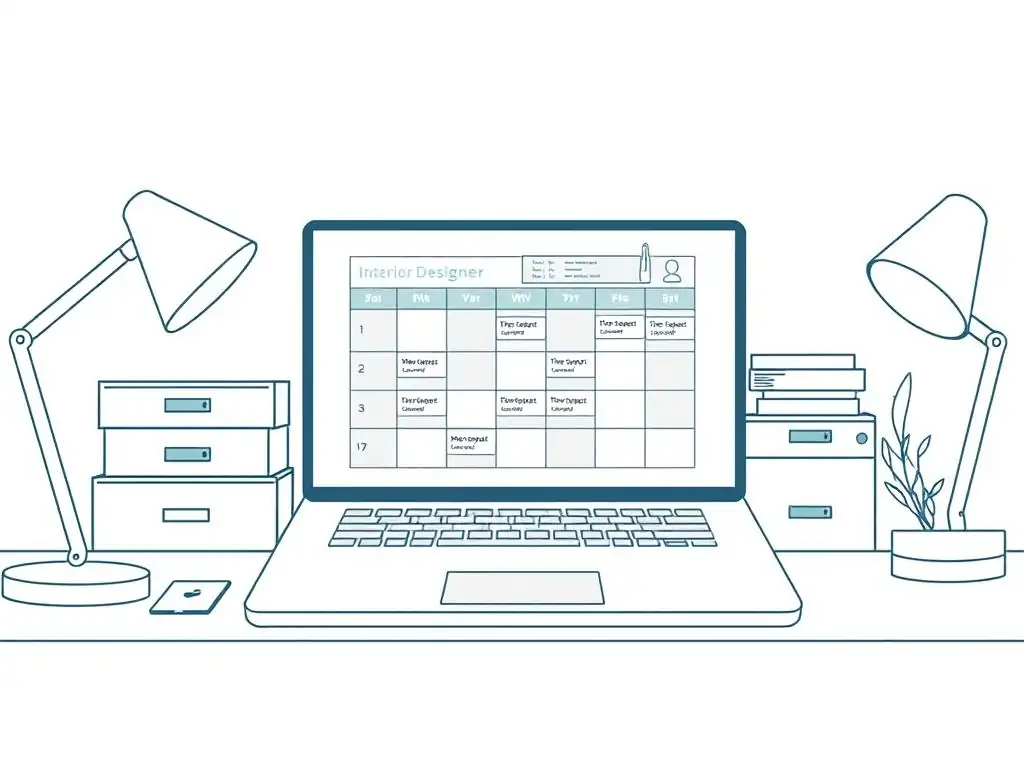
Effective communication is the cornerstone of any successful interior design project. Misunderstandings, delays, and frustrated clients often stem from inefficient communication practices. For interior designers, juggling multiple projects and clients simultaneously demands a strategic approach to communication that prioritizes clarity, efficiency, and time management. This section explores practical strategies to streamline client interactions and reclaim valuable time. Mastering these techniques is crucial for improving workflow and boosting overall productivity, directly impacting your bottom line and client satisfaction. This is essential for effective interior design time-saving strategies.
Efficient Communication Tools and Platforms: Reducing Email Overload
Email overload is a common complaint among interior designers. The constant back-and-forth, attachments, and scheduling conflicts can quickly consume your day. Implementing efficient communication tools and platforms can significantly alleviate this burden. Consider these options:
- Project Management Software: Tools like Asana, Trello, or Monday.com provide centralized spaces for communication, task management, and file sharing. Clients can access project updates, leave comments, and upload documents in a structured environment, reducing the clutter in your inbox. This fosters better collaboration and transparency, leading to fewer misunderstandings and quicker resolutions.
- Dedicated Client Portals: Creating a secure online portal specifically for each client allows for organized communication and file sharing. This keeps everything related to a particular project in one place, making it easy to find information without sifting through endless email threads.
- Instant Messaging Apps: For quick updates and informal communication, tools like Slack or Microsoft Teams offer a more immediate response time than email. This can be especially useful for addressing urgent client queries or confirming appointments. However, remember to maintain professionalism and document important decisions in writing for future reference. This is a key aspect of successful interior design time-saving strategies.
- Scheduled Communication Times: Instead of constantly checking emails throughout the day, allocate specific times for responding to client messages. This prevents constant interruptions and allows for focused work periods, enhancing productivity. This structured approach prevents reactive work and promotes proactive management of communications.
Creating Clear and Concise Client Briefs: Minimizing Misunderstandings
A well-defined client brief is your first line of defense against scope creep and project delays. A clear brief sets expectations, outlines deliverables, and establishes a shared understanding of the project's goals. This minimizes the need for constant clarification and revisions down the line, saving you significant time and effort.
To create an effective client brief, consider these elements:
- Detailed Project Scope: Clearly articulate the services included, deliverables expected, and any limitations or exclusions. Use precise language, avoiding ambiguity.
- Timeline and Milestones: Establish a realistic project timeline with clearly defined milestones. This provides both you and the client with a framework for tracking progress and managing expectations.
- Budget and Payment Terms: Outline the project budget, payment schedule, and any potential additional costs. Transparency in this area prevents misunderstandings and disputes later on.
- Communication Protocol: Specify the preferred methods and frequency of communication. This ensures that both parties are on the same page regarding how and when they will communicate throughout the project. This structured approach is an integral part of efficient interior design time-saving strategies.
Setting Realistic Expectations and Deadlines: Avoiding Scope Creep
Scope creep, the tendency for projects to expand beyond their initial scope, is a major time-waster for interior designers. Setting realistic expectations and deadlines from the outset is crucial for preventing this issue.
- Thorough Initial Consultations: Invest time in a comprehensive initial consultation to fully understand the client's needs, desires, and budget. This helps to create a realistic project scope and avoid unexpected additions later.
- Detailed Contracts: A well-drafted contract outlines the project scope, timeline, and payment terms, providing a legally binding agreement that protects both you and the client. This minimizes the likelihood of scope creep and disputes.
- Change Order Process: Establish a formal process for managing changes to the project scope. This ensures that any additions or modifications are documented, approved, and factored into the timeline and budget. This process is vital to efficient interior design time-saving strategies.
- Regular Check-ins: Schedule regular check-in meetings with clients to monitor progress, address any concerns, and proactively identify potential issues. Early detection of problems prevents them from escalating and impacting the project timeline. This proactive approach is essential for efficient time management and successful project completion.
Optimizing the Design Process: Interior Design Efficiency Hacks
This section focuses on streamlining your interior design workflow to maximize efficiency and minimize wasted time. We'll explore practical strategies to improve your project management and design execution, directly impacting your bottom line and client satisfaction. Effective time management is key to success in the fast-paced world of interior design. Let's delve into some specific techniques to help you achieve that.
Leveraging Technology for Interior Design: Automating Repetitive Tasks
Interior design involves numerous repetitive tasks that can significantly eat into your productive time. Automating these tasks is crucial for reclaiming valuable hours. Consider using software solutions designed to streamline your workflow. For instance, project management tools can help you track deadlines, manage client communication, and assign tasks efficiently. This allows you to focus on the creative aspects of your work, rather than administrative overhead.
Furthermore, explore software that automates aspects of the design process itself. This might include tools for generating preliminary floor plans, creating 3D renderings, or even automating client communication through email templates and scheduling systems. The initial investment in these technologies often pays for itself many times over in increased efficiency and reduced workload.
By automating even simple tasks like invoice generation or client follow-ups, you free yourself to concentrate on high-value activities that directly contribute to your business growth. Think about the time saved by not manually creating invoices every month – that's time you can spend on winning new clients or perfecting existing designs. The adoption of technology is not just a trend; it's a necessity for staying competitive and profitable in the field of interior design.
Building a Resource Library: Quick Access to Inspiration and Materials
A well-organized resource library is a cornerstone of efficient interior design. Imagine spending hours searching for the perfect fabric sample or struggling to recall a specific lighting fixture you used in a past project. A centralized resource library eliminates this wasted time. This could be a digital library, a physical archive, or ideally, a combination of both.
A digital library could utilize cloud-based storage solutions to store high-resolution images of fabrics, furniture, lighting, and other design elements. Categorize these assets using detailed keywords and tags to enable quick searching. Consider creating a searchable database with information about suppliers, pricing, and lead times. This ensures you can quickly locate relevant information during the design phase. For physical materials, a well-organized sample library with clearly labeled containers is invaluable.
This allows for easy access to tangible materials for client presentations and design reviews. The key is to establish a system that works best for your specific workflow and allows for easy retrieval of information and materials. Efficient access to resources translates directly into time saved and a more streamlined design process. This is a foundational element of any successful "Interior design timesaving strategies" plan.
Template Creation: Speeding Up Design Proposals and Presentations
Creating polished and professional design proposals and presentations can be time-consuming. However, by creating reusable templates, you can significantly reduce this time investment. Develop standard templates for different types of projects, including residential, commercial, and hospitality. These templates should include sections for project overview, design concept, material selections, budget breakdown, and timeline. Pre-populating these templates with standard text and imagery saves you from starting from scratch each time.
Furthermore, create templates for common design elements. This might include floor plans, elevation drawings, or mood boards. By establishing a library of these reusable elements, you can quickly assemble presentations and proposals, reducing the time spent on repetitive tasks. The use of design software with built-in template functionality can further enhance efficiency. Remember, consistency in your branding and presentation style is crucial for maintaining a professional image. Templates ensure this consistency while dramatically improving your speed and productivity. This is a powerful example of a practical interior design timesaving strategy that can be implemented immediately.
Enhancing Team Productivity in Interior Design Firms

Interior design projects, while creatively fulfilling, often face tight deadlines and complex logistical challenges. Optimizing team productivity is crucial for success and profitability. Effective strategies go beyond individual efficiency; they focus on streamlining workflows and fostering a collaborative environment. This section explores key approaches to enhance team productivity within interior design firms, focusing on delegation, communication, and regular team meetings. Mastering these aspects directly contributes to better time management and ultimately, the successful execution of projects and increased client satisfaction. This is key to mastering interior design timesaving strategies.
Delegating Effectively: Empowering Team Members and Maximizing Output
Effective delegation isn't just about offloading tasks; it's about strategically assigning responsibilities to team members based on their skills and strengths. This empowers individuals, boosts morale, and ensures tasks are completed efficiently. For example, instead of an experienced designer handling all client communication and drafting every design proposal, delegate simpler tasks like initial client questionnaires or basic design renderings to junior team members. This frees up senior staff to focus on higher-level design decisions and client relationship management.
Consider using a project management system to track task assignments and deadlines. This ensures transparency and accountability. Regular check-ins are also essential to offer support and address any roadblocks. A well-structured delegation system minimizes bottlenecks and prevents a single person from becoming overwhelmed, a common issue leading to burnout and missed deadlines. Implementing a clear delegation matrix, outlining roles and responsibilities for each project phase, can significantly improve efficiency and reduce the time spent on administrative tasks.
Fostering Clear Communication within the Team: Minimizing Delays
Miscommunication is a productivity killer, particularly in collaborative fields like interior design. Clear and consistent communication across all team members is paramount to avoid costly errors and delays. This involves establishing a unified communication platform, such as a project management software with integrated messaging or a dedicated team communication app.
Implementing a standardized system for document sharing and version control is also crucial. Using cloud-based storage solutions allows for real-time access to project files, reducing the time spent searching for documents or resolving version conflicts. Regular updates and concise reporting on project progress, using methods like daily stand-up meetings or weekly progress reports, keep everyone informed and aligned. This proactive approach significantly minimizes misunderstandings and prevents delays caused by information gaps. Prioritizing clear communication is a key component of effective interior design timesaving strategies.
Implementing Regular Team Meetings: Addressing Challenges and Celebrating Successes
Regular team meetings, whether daily stand-ups or weekly progress reviews, serve a vital role in boosting team productivity. These meetings provide a forum to address challenges proactively, brainstorm solutions, and celebrate successes. Short, focused meetings are more effective than lengthy, rambling sessions. Establishing a clear agenda beforehand ensures the meeting stays on track and maximizes time efficiency.
Beyond problem-solving, team meetings foster a sense of camaraderie and shared purpose. Acknowledging individual contributions and celebrating project milestones boost team morale and enhance collaboration. Furthermore, regular meetings provide an opportunity for knowledge sharing and skill development within the team. Senior designers can mentor junior colleagues, and team members can learn from each other's experiences. This continuous learning environment contributes to increased efficiency and a more robust team overall. These meetings are a critical element of successful interior design timesaving strategies. They facilitate effective communication, problem-solving, and team building, all essential for optimizing productivity.
Maintaining Work-Life Balance for Interior Designers

Interior design, while creatively fulfilling, often demands long hours and intense focus. Successfully navigating this demanding profession requires a conscious effort to maintain a healthy work-life balance. Ignoring this crucial aspect can lead to burnout, reduced creativity, and ultimately, a decline in the quality of your work. Implementing effective strategies to manage your time and prioritize your well-being is not just beneficial—it's essential for long-term success in interior design. This section explores practical techniques to achieve this crucial balance, focusing on setting boundaries, incorporating self-care, and effectively utilizing time blocking.
Setting Boundaries: Protecting Personal Time and Preventing Burnout
Establishing clear boundaries between your professional and personal life is paramount. This isn't just about physically leaving the office; it's about mentally disconnecting. Many interior designers find themselves constantly checking emails or thinking about projects even after hours. This constant mental engagement can lead to chronic stress and burnout. To counteract this, consider implementing the following:
- Dedicated Work Hours: Establish specific working hours and stick to them as much as possible. Communicate these hours clearly to clients and colleagues to manage expectations. Avoid responding to emails or calls outside these designated times, except in true emergencies.
- "No-Work" Zones: Designate specific areas in your home as "no-work" zones. This could be your bedroom, living room, or even a specific chair. By consistently avoiding work in these spaces, you train your mind to associate them with relaxation and rest.
- Digital Detox: Schedule regular periods of digital detox. Turn off notifications, put your phone away, and engage in activities that don't involve screens. This could include reading, spending time in nature, or pursuing a hobby. Even 30 minutes a day can make a significant difference.
- Learn to Say No: It's crucial to politely decline additional projects or commitments when your workload is already full. Overcommitting yourself will only lead to stress and compromise the quality of your work. Prioritizing existing tasks and clients is key to preventing burnout.
Incorporating Self-Care Practices: Maintaining Wellbeing and Productivity
Self-care is not a luxury; it's a necessity for maintaining both your physical and mental well-being. Regular self-care practices can significantly boost your productivity and creativity. Neglecting self-care often leads to decreased energy levels, reduced focus, and increased susceptibility to illness. Consider integrating the following into your routine:
- Regular Exercise: Even moderate exercise, such as a daily walk or a short yoga session, can significantly improve your mood, energy levels, and overall well-being. Aim for at least 30 minutes of physical activity most days of the week.
- Mindfulness and Meditation: Practicing mindfulness or meditation, even for a few minutes each day, can help to reduce stress and improve focus. Numerous apps offer guided meditations to suit different needs and time constraints.
- Healthy Diet: Nourishing your body with a balanced diet provides the energy and nutrients you need to perform at your best. Prioritize whole foods, fruits, and vegetables, and limit processed foods, sugar, and caffeine.
- Sufficient Sleep: Aim for 7-8 hours of quality sleep each night. Sufficient sleep is crucial for cognitive function, mood regulation, and overall health. Establish a consistent sleep schedule to regulate your body's natural sleep-wake cycle.
Utilizing Time Blocking for Personal Activities: Ensuring a Balanced Schedule
Time blocking, a technique often used for work projects, can be equally effective for scheduling personal activities. By allocating specific time slots for personal appointments, hobbies, and relaxation, you ensure that these essential aspects of your life are not neglected. This proactive approach helps prevent work from encroaching on your personal time. Here's how to effectively use time blocking for personal activities:
- Prioritize Personal Activities: Identify the personal activities that are most important to you and schedule them into your week, just as you would schedule client meetings. Treat these appointments with the same level of importance.
- Realistic Time Allocation: Be realistic about how much time each activity requires. Underestimating the time needed can lead to stress and a feeling of being overwhelmed.
- Flexibility and Buffer Time: Build in some flexibility and buffer time into your schedule. Unexpected events will inevitably arise, and having some extra time allows you to adjust without feeling completely derailed.
- Regular Review and Adjustment: Regularly review your schedule and make adjustments as needed. Your needs and priorities may change over time, so it's important to adapt your schedule accordingly. This dynamic approach ensures that your time blocking remains effective and supportive of your overall well-being.
This structured approach to managing your time and prioritizing self-care will contribute significantly to a healthier work-life balance, ultimately enhancing your productivity and job satisfaction as an interior designer. Remember, prioritizing your well-being is not selfish; it's essential for long-term success and fulfillment in your career. The benefits of incorporating these strategies far outweigh the initial effort required.
Boosting Your Interior Design Business with Time-Saving Strategies
This section focuses on practical, actionable strategies to significantly reduce time spent on administrative tasks and free up more time for creative work. Interior designers often find themselves bogged down in paperwork, client communication, and financial tracking, leaving less time for the core aspects of their profession: design and client interaction. Implementing the strategies detailed below can lead to a more efficient and ultimately more profitable business.
The key is to leverage technology and streamline processes to maximize your time and energy. This will allow you to focus on what truly matters: creating stunning and functional spaces for your clients.
Marketing Automation for Interior Designers: Attracting More Clients Efficiently
Marketing automation is no longer a luxury but a necessity for modern interior design businesses. Instead of spending countless hours manually sending emails, scheduling social media posts, and following up with leads, consider implementing automated systems. These systems can nurture leads, schedule appointments, and even send personalized follow-up messages, all without requiring your direct intervention. Imagine the time saved by having automated email sequences welcoming new subscribers, providing project updates to existing clients, and even promoting special offers.
For example, an automated email sequence could be triggered when a potential client downloads a brochure from your website. This sequence could then automatically send a series of emails over a week, showcasing your portfolio, testimonials, and ultimately, scheduling a consultation call. This automated approach is far more efficient than manually contacting each lead individually.
Furthermore, consistent automated messaging ensures brand consistency and professionalism across all communication channels. This leads to a more polished and professional image, which can be crucial in attracting high-value clients. The return on investment (ROI) from implementing such systems is often significant, considering the time saved and the potential for increased client acquisition.
Client Onboarding Processes: Streamlining the Initial Stages of Projects
The initial stages of any project can be a significant time sink. A well-defined and streamlined client onboarding process is crucial for efficiency. This involves creating a clear and concise process for collecting client information, defining project scopes, setting expectations, and establishing communication protocols. Using digital forms and project management software can drastically cut down the time spent on administrative tasks.
Consider implementing a digital questionnaire that gathers all necessary information upfront, from design preferences to budget constraints. This eliminates the need for multiple back-and-forth emails and phone calls. Further streamlining can be achieved by using project management tools to track progress, deadlines, and communication, all in one centralized location.
This allows for easy access to all project-related information, avoiding the frustrating search for emails and documents scattered across various platforms. A well-defined system for initial consultations, including a standardized checklist of topics to cover, will also help maintain consistency and efficiency. This ensures that all essential information is gathered consistently across all projects, minimizing misunderstandings and delays.
Financial Management Tools for Interior Designers: Tracking Time and Expenses Effectively
Accurate and efficient financial management is critical for the long-term success of any interior design business. Manually tracking time and expenses can be incredibly time-consuming and prone to errors. Fortunately, numerous software solutions are designed specifically to streamline these processes for small businesses. These tools often integrate time tracking, expense management, invoicing, and reporting functionalities into a single platform.
For example, using time-tracking software allows you to accurately record the time spent on each project and task. This data is crucial for accurate billing and for understanding your profitability per project. Expense management features allow you to easily track and categorize all expenses, simplifying the process of preparing financial statements. Many platforms also integrate with accounting software, further streamlining the financial reporting process.
This integration minimizes manual data entry and reduces the risk of errors, saving significant time and effort. The ability to generate professional invoices quickly and easily is also a significant advantage, enabling faster payment processing and improved cash flow. Investing in these tools can be a game-changer for managing the financial aspects of your interior design business effectively and efficiently.
Frequently Asked Questions
How can interior designers save time on client consultations?
Effective time management is key. Prepare a structured questionnaire beforehand to gather essential information efficiently. This minimizes wasted time during the meeting itself.
What are some quick ways to source design inspiration?
Utilize online mood boards and digital design tools for faster ideation. Explore Pinterest and Instagram for visual inspiration, saving relevant images directly to project boards.
How can I streamline the selection process for furniture and materials?
Create a pre-approved vendor list with reliable suppliers. Use online catalogs and virtual showrooms to browse options quickly and efficiently. Digital samples can also save significant time.
What technology can help interior designers save time on project management?
Employ project management software to track deadlines, manage communication, and share files seamlessly with clients and contractors. Cloud-based solutions ensure accessibility from anywhere.
How can I improve my workflow to avoid common time-wasting activities?
Prioritize tasks using methods like the Eisenhower Matrix. Learn to delegate effectively where possible, and automate repetitive tasks. Regularly review and optimize your processes.
Final Reflection: Mastering Time, Mastering Design
The relentless pace of the modern design world demands efficiency, and mastering time-saving strategies isn't just a perk—it's a necessity for success. Interior designers who can streamline their workflows and optimize their time are not only more productive but also better positioned to deliver exceptional results and cultivate a sustainable, fulfilling career. This isn't simply about working faster; it's about working smarter, freeing up valuable time for creativity and client connection.
The impact of effective time management on the design industry is profound, shaping everything from project timelines and client satisfaction to the overall well-being of designers themselves. The constant pressure to meet deadlines and manage multiple projects simultaneously can lead to burnout if not properly addressed. As the renowned architect Mies van der Rohe famously stated, God is in the details,
but so is the potential for wasted time. By embracing the strategies outlined in this playbook, designers can reclaim control over their schedules, fostering a more balanced and ultimately more creative professional life.
You, the designer, hold the key to unlocking your full potential. Consider the strategies discussed—from leveraging technology to optimizing your communication—and identify which ones resonate most with your current workflow. Experiment, adapt, and refine your approach over time. Remember, the ultimate goal isn't just to save time, but to invest that reclaimed time in what truly matters: creating beautiful, functional spaces and building meaningful relationships with your clients. Embrace the power of strategic time management, and watch your design career flourish.
Unleash Your Design Power: Boost Productivity Today!
Thank you for exploring our productivity strategies for interior designers! We hope you discovered valuable insights to improve your workflow. Now, let's put those tips into action.
- Prioritize one time-saving technique from this week's article. Begin with a small, manageable change—focus on the strategy that best addresses your current challenges. Even minor adjustments can significantly impact your efficiency!
- Share your key takeaway with fellow designers on social media. Use #DesignProductivity and tag a friend who might find these tips helpful. Let's foster a supportive community!
- Try a new client communication method. Consider whether a project management app or a scheduling tool could streamline your workflow. Experiment with a different approach this week.
Which productivity boost are you most eager to implement, and why? Let's discuss in the comments below!